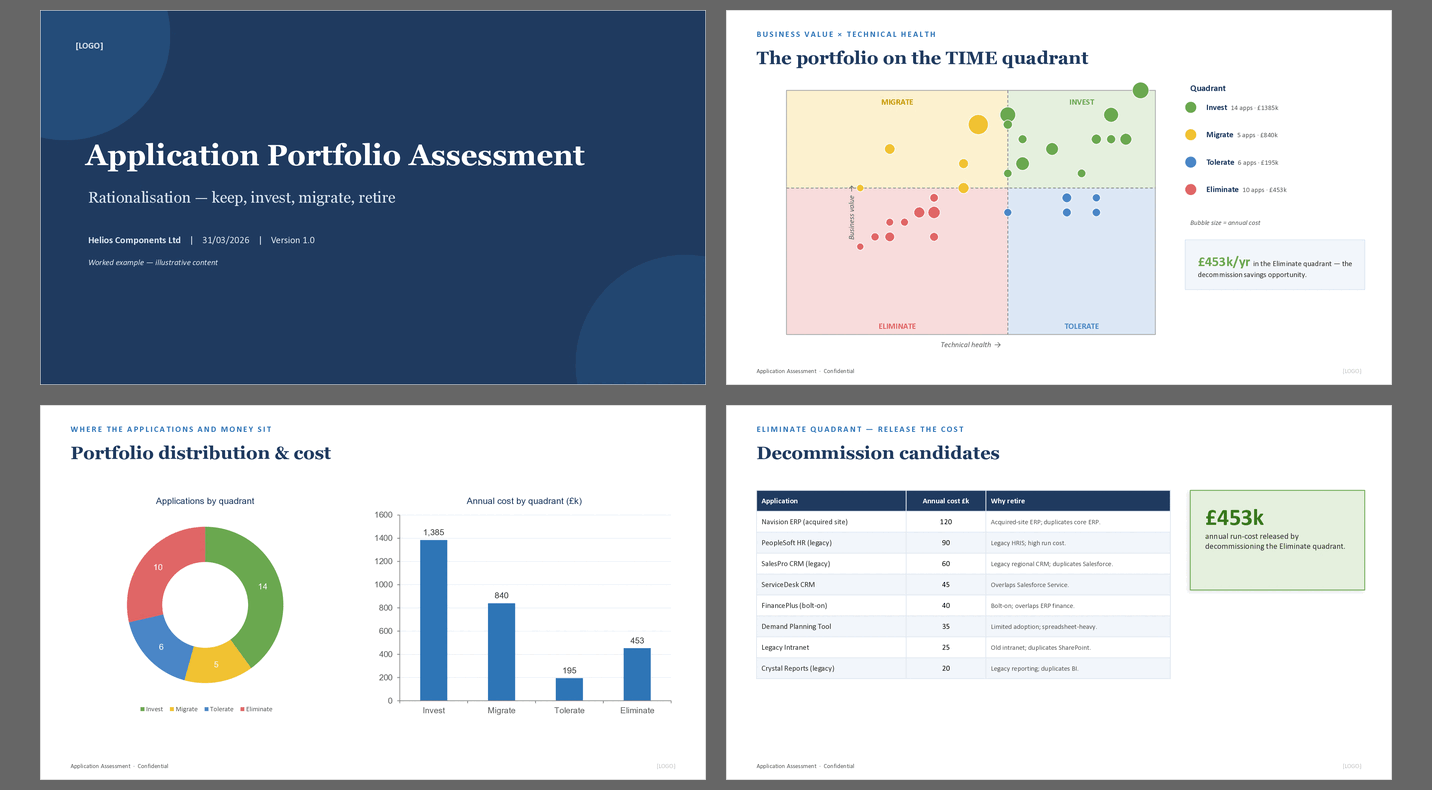
 Click main image to view in full screen.
Application Rationalisation Toolkit: TIME Model in Practice – PowerPoint PPTX Template
PowerPoint (PPTX) + Zip archive file (ZIP) 9 Slides


BENEFITS OF THIS DOWNLOADABLE POWERPOINT DOCUMENT
- Score every application on business value and technical quality, then place it in the TIME quadrant automatically
- Build a costed rationalisation business case with hard savings, cost avoidance and removal costs separated
- A complete worked example shows a full portfolio assessed, scored and turned into a funded plan
INFORMATION TECHNOLOGY PPT TEMPLATE DESCRIPTION
Decide what to do with every application you own – on evidence rather than opinion.
Most organisations run considerably more applications than they need. That is rarely incompetence; it is the arithmetic of a decade of individually sensible decisions, acquisitions never fully integrated, and departments solving their own problems when central IT could not. Rationalisation is the periodic correction, and this toolkit provides the complete method for running one.
THE TIME MODEL, MADE OPERATIONAL
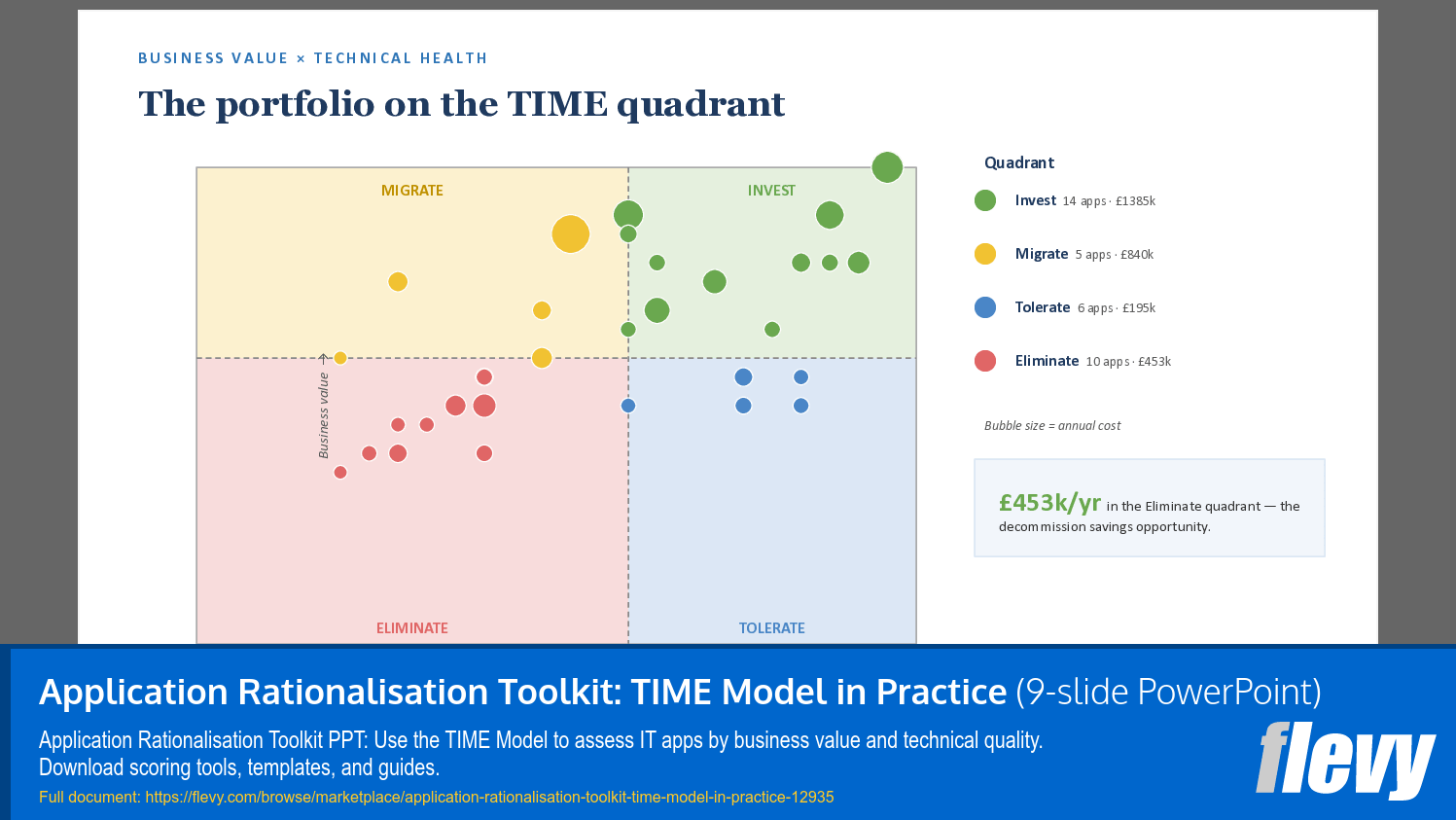
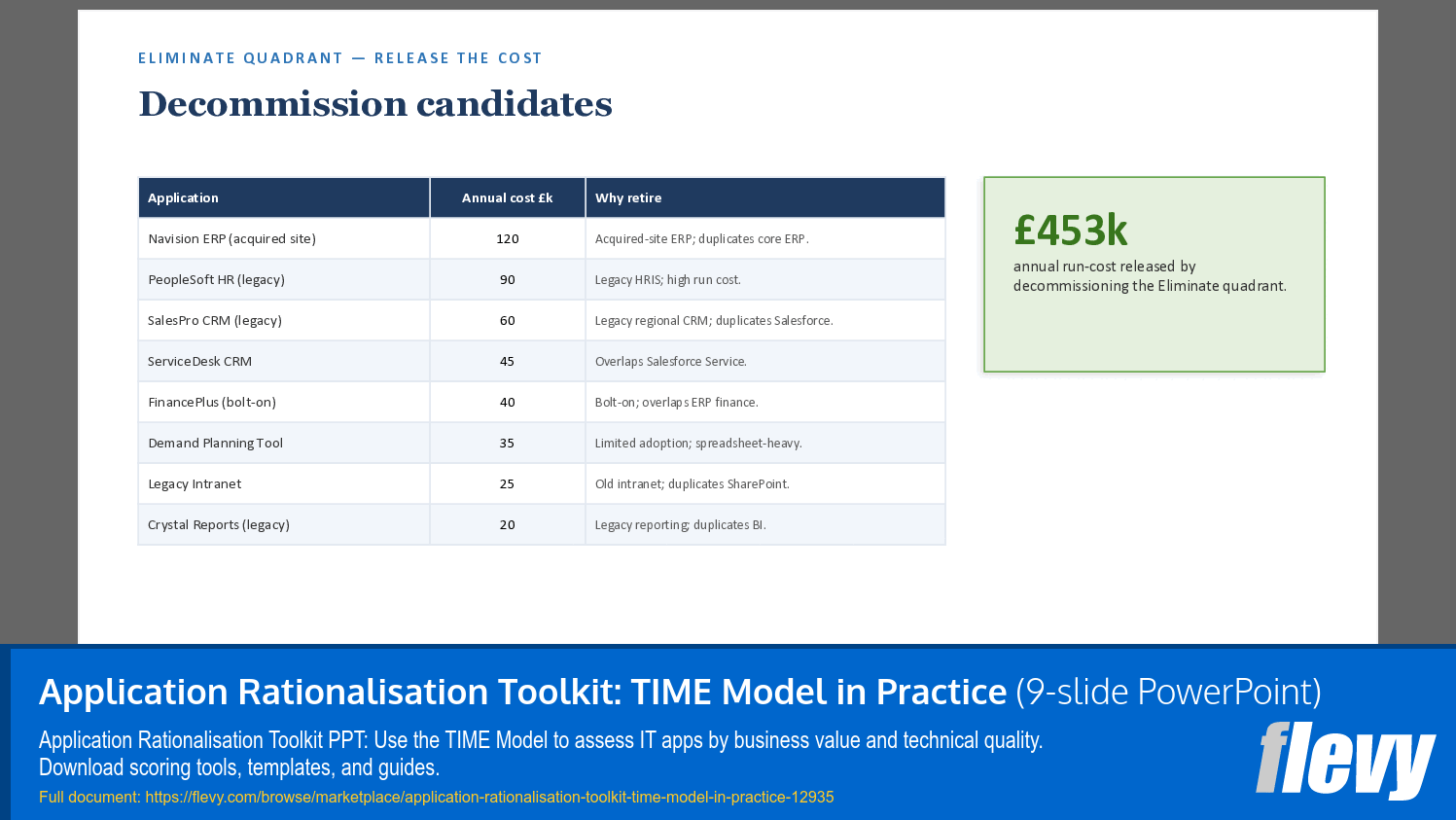
TIME sorts applications into four quadrants by plotting business value against technical quality. Tolerate: low value, sound technically – leave it alone. Invest: high value, sound technically – enhance it. Migrate: high value, poor technically – replace or re-platform, and your largest risk. Eliminate: low value, poor technically – decommission.
The framework is widely known. What is rarely available is the machinery to apply it defensibly: scoring criteria that separate business judgement from technical judgement, a calculator that produces quadrant placement without manual plotting, and a business case structure that survives finance scrutiny.
WHAT IS INCLUDED
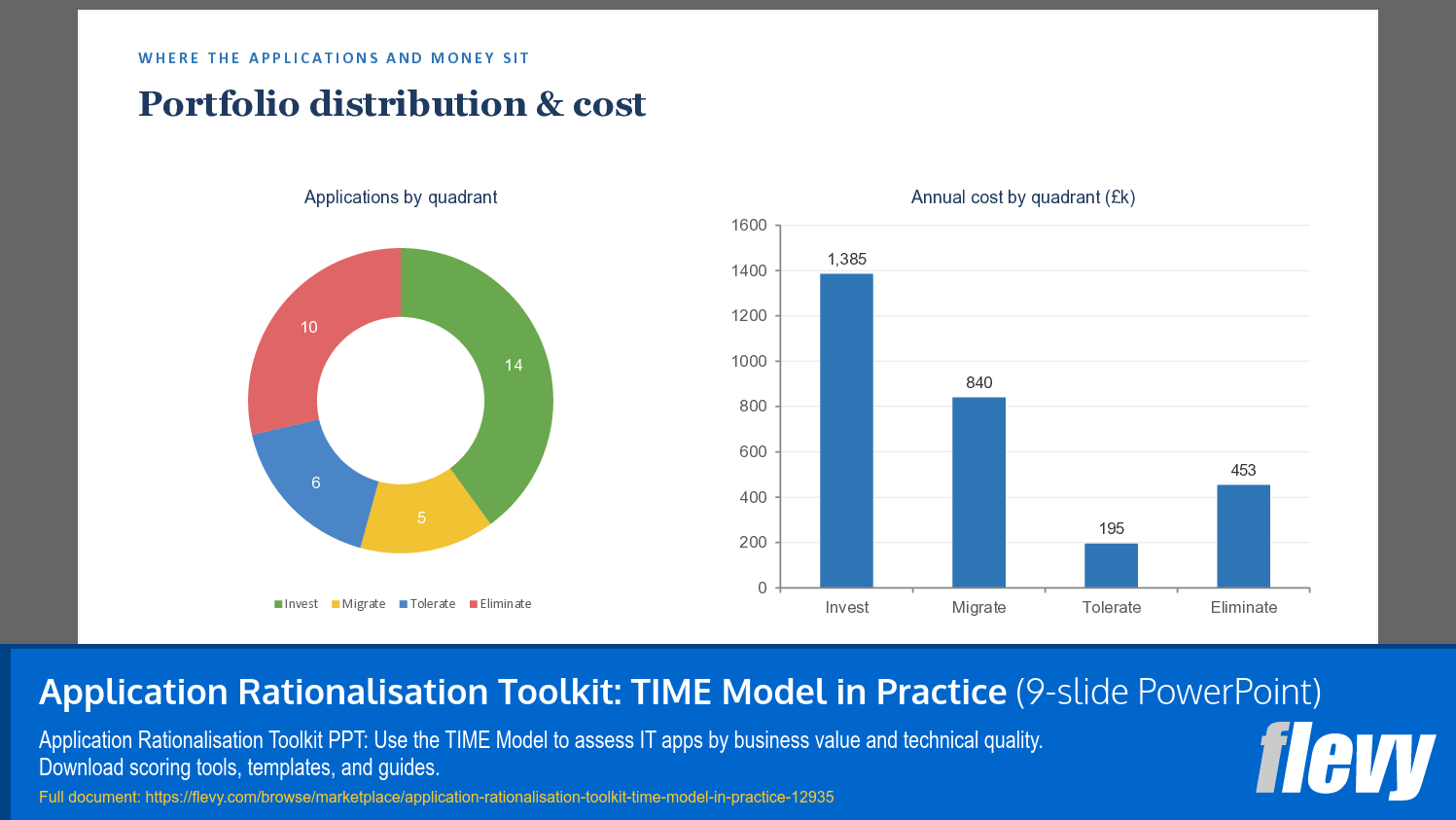
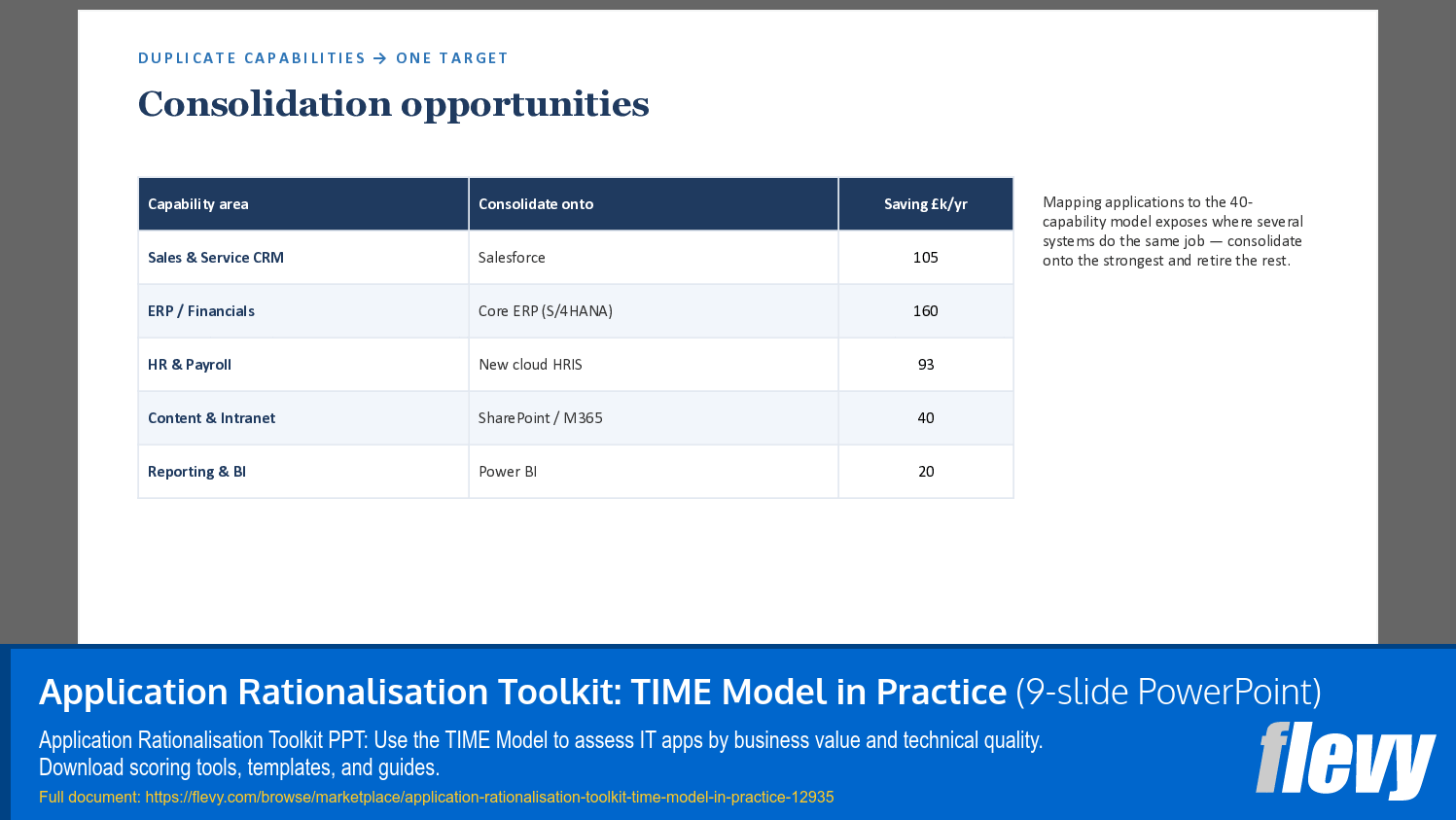
Rationalisation methodology. A TIME model guide with scoring criteria for both axes. The application portfolio calculator, which produces scores, quadrant placement and portfolio views automatically. A rationalisation and capability mapping workbook that exposes duplication by linking applications to the capabilities they support. Data collection template for building the inventory. Assessment report template. Executive output deck. An AI companion and prompt library. A complete worked example with every template populated. Start-here guide and licence.
SCORING THAT HOLDS UP
Business value must be scored by the business and technical quality by IT. When architects score both axes, the analysis is dismissed as an IT opinion the moment it threatens something a business owner values. The toolkit separates the two explicitly and provides the criteria and collection instruments for each.
THE BUSINESS CASE IS THE HARD PART
Analysis alone does not get funded. A finance director cannot approve "thirty applications should be retired" – they approve a number, a timeframe and an owner. The included business case structure separates hard savings from cost avoidance from released capacity, because presenting all three as cash destroys credibility permanently. It also costs the removal work, which most rationalisation cases omit entirely and which typically runs between six months and two years of an application's run cost.
WHO IT IS FOR
Enterprise and application architects, IT portfolio and asset managers, transformation leads, and consultants running portfolio or cloud migration engagements.
FORMATS AND LICENCE
Editable Microsoft Word, Excel and PowerPoint. Fully white-label.
The accompanying ZIP contains the complete toolkit: all templates, the worked example, the AI companion and the licence.
LICENCE NOTE: This document is supplied under a single-user commercial licence. One purchase covers one named individual, who may edit and rebrand the materials and use them in internal work and in paid client engagements, and may provide clients with completed deliverables. Redistribution of the blank templates, resale, publication, or use by additional users each require a separate licence. Full terms are in the LICENCE file included in the ZIP, and take precedence over the platform default terms.
Got a question about the product? Email us at support@flevy.com or ask the author directly by using the "Ask the Author a Question" form. If you cannot view the preview above this document description, go here to view the large preview instead.
Source: Best Practices in Information Technology, Enterprise Architecture PowerPoint Slides: Application Rationalisation Toolkit: TIME Model in Practice PowerPoint (PPTX) Presentation Slide Deck, MethodVault
ABOUT THE AUTHOR

MethodVault produces complete, ready-to-run enterprise architecture toolkits -- not collections of loose templates.
Every toolkit is built by practising enterprise and solution architects and packages a method that has been used on real engagements: establishing an architecture function across six domains for a national energy organisation, capability-led transformation blueprints in financial
... [read more]
Ask the Author a Question
You must be logged in to contact the author.




























