
 Click main image to view in full screen. Unlock all 11 preview images:
AI Project Estimation Model – Excel XLSX
Excel (XLSX)


BENEFITS OF THIS DOWNLOADABLE EXCEL DOCUMENT
- Produces P50, P80, and P90 confidence-ranged cost and effort estimates using three-point PERT calculation, replacing single-point figures with a defensible range.
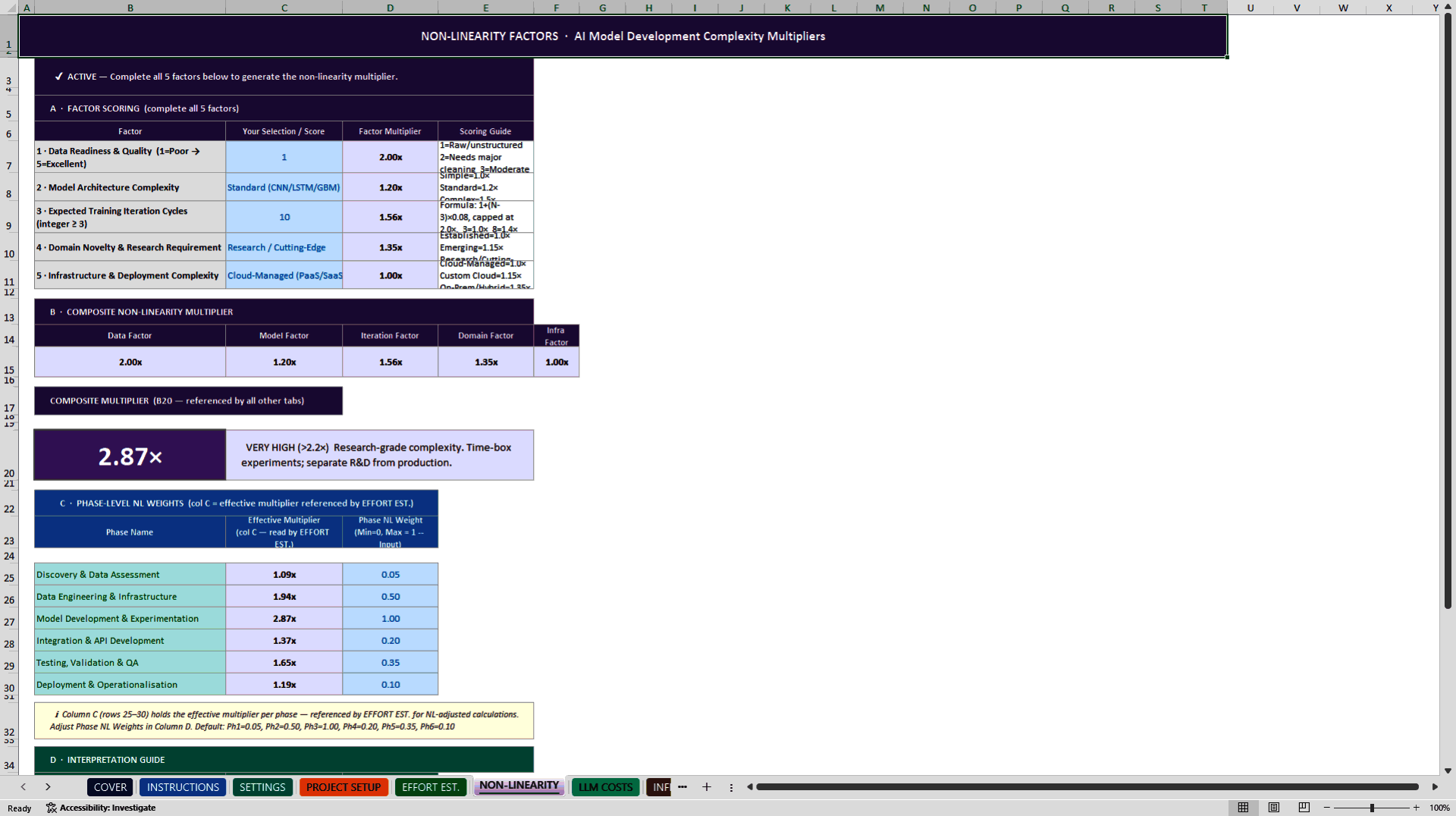
- Applies a five-factor, phase-weighted non-linearity multiplier to Model Development and Fine-Tuning projects, reflecting how AI effort compounds rather than scales linearly.
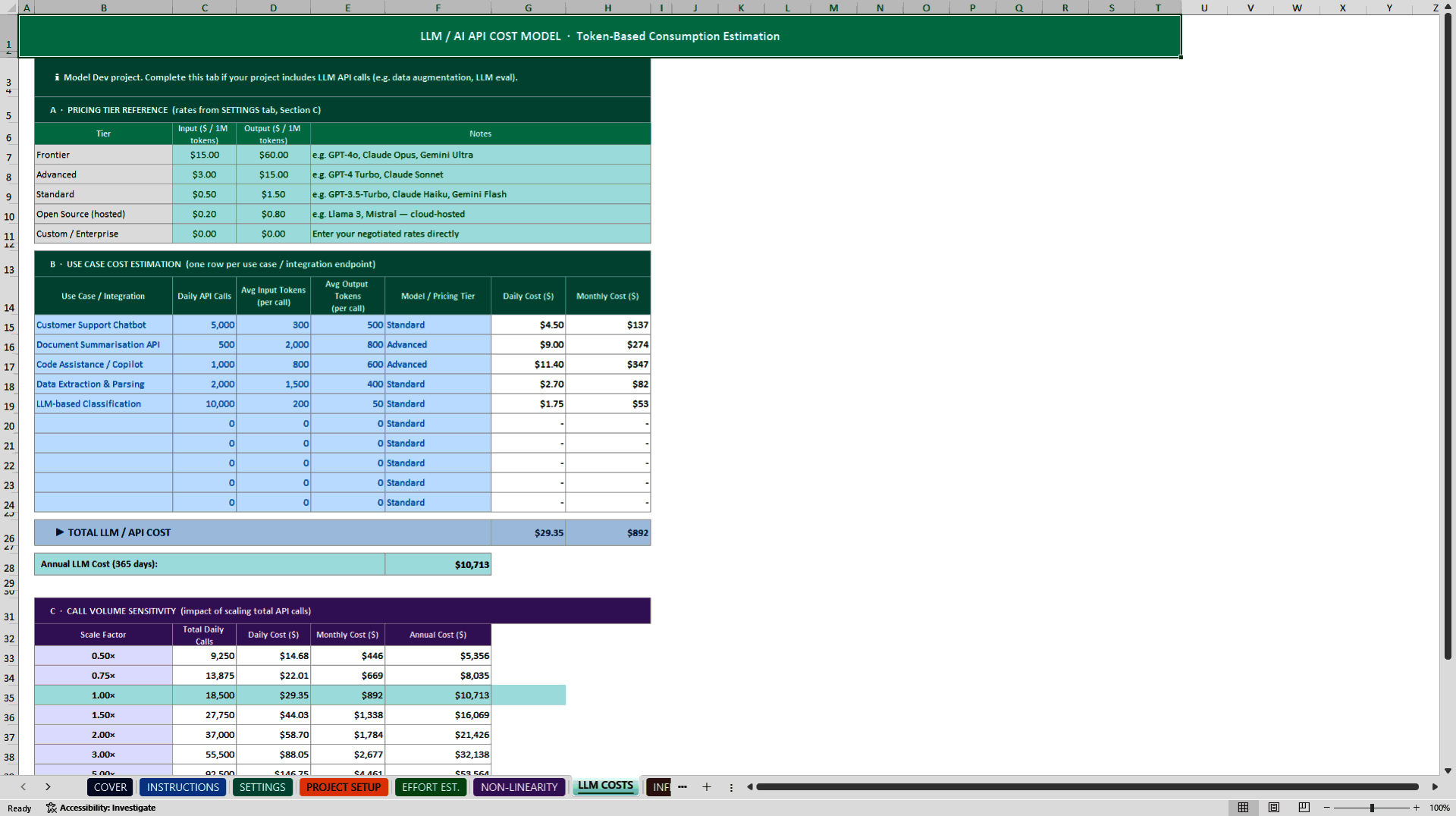
- Models token-based LLM and API costs at the use-case level, including a call-volume sensitivity table, so inference spend is estimated rather than omitted.
PROJECT MANAGEMENT EXCEL DESCRIPTION
Estimating an AI project is not the same exercise as estimating traditional software delivery, yet most estimation templates still apply a single number plus a flat contingency percentage. Teams that estimate this way routinely watch their numbers unravel mid-delivery, because AI-specific cost drivers such as data readiness, training iteration cycles, and token-based inference spend are not accounted for anywhere in the model.
## This Excel workbook produces confidence-ranged estimates rather than a single figure. Built on three-point PERT estimation (Optimistic / Most Likely / Pessimistic), it calculates P50, P80, and P90 cost and effort ranges, so a base case, a business-case figure, and a fixed-price ceiling are all available from the same inputs.
# For Model Development / Fine-Tuning / Training projects, a five-factor non-linearity engine (data readiness, model architecture complexity, training iteration cycles, domain novelty, and infrastructure complexity) produces a composite multiplier applied phase by phase across the work breakdown structure.
# For LLM Integration / Consumption projects, a token-based cost model projects daily, monthly, and annual API spend across five pre-built use cases, with a call-volume sensitivity table from 0.5x to 5x of baseline volume.
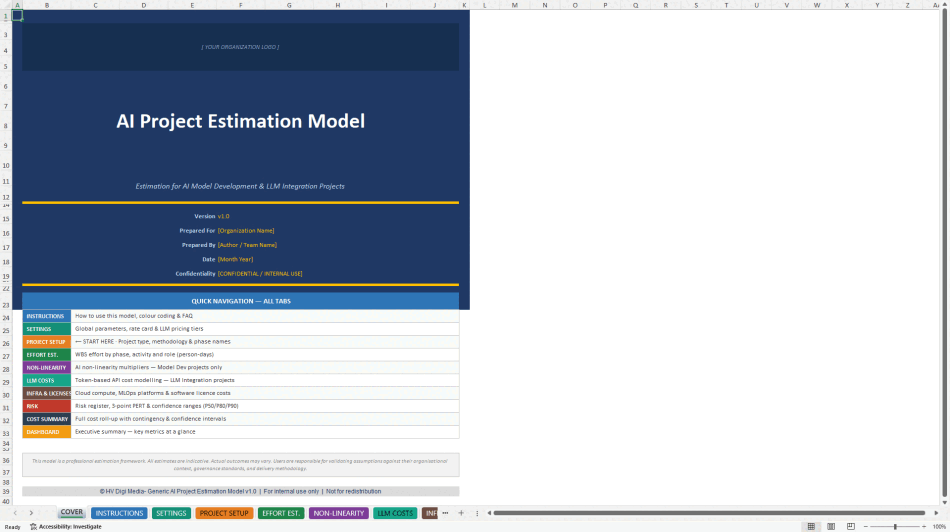
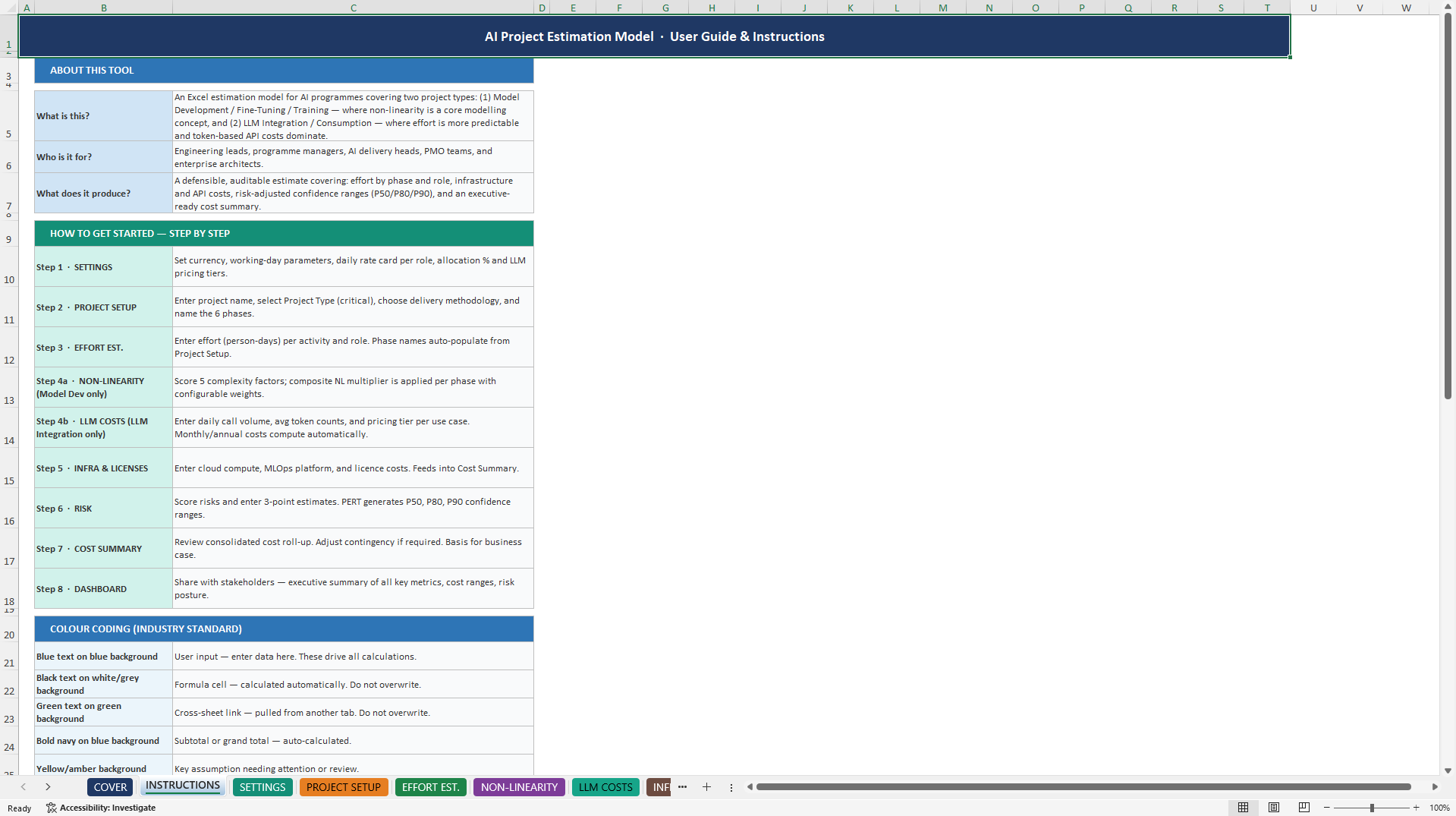
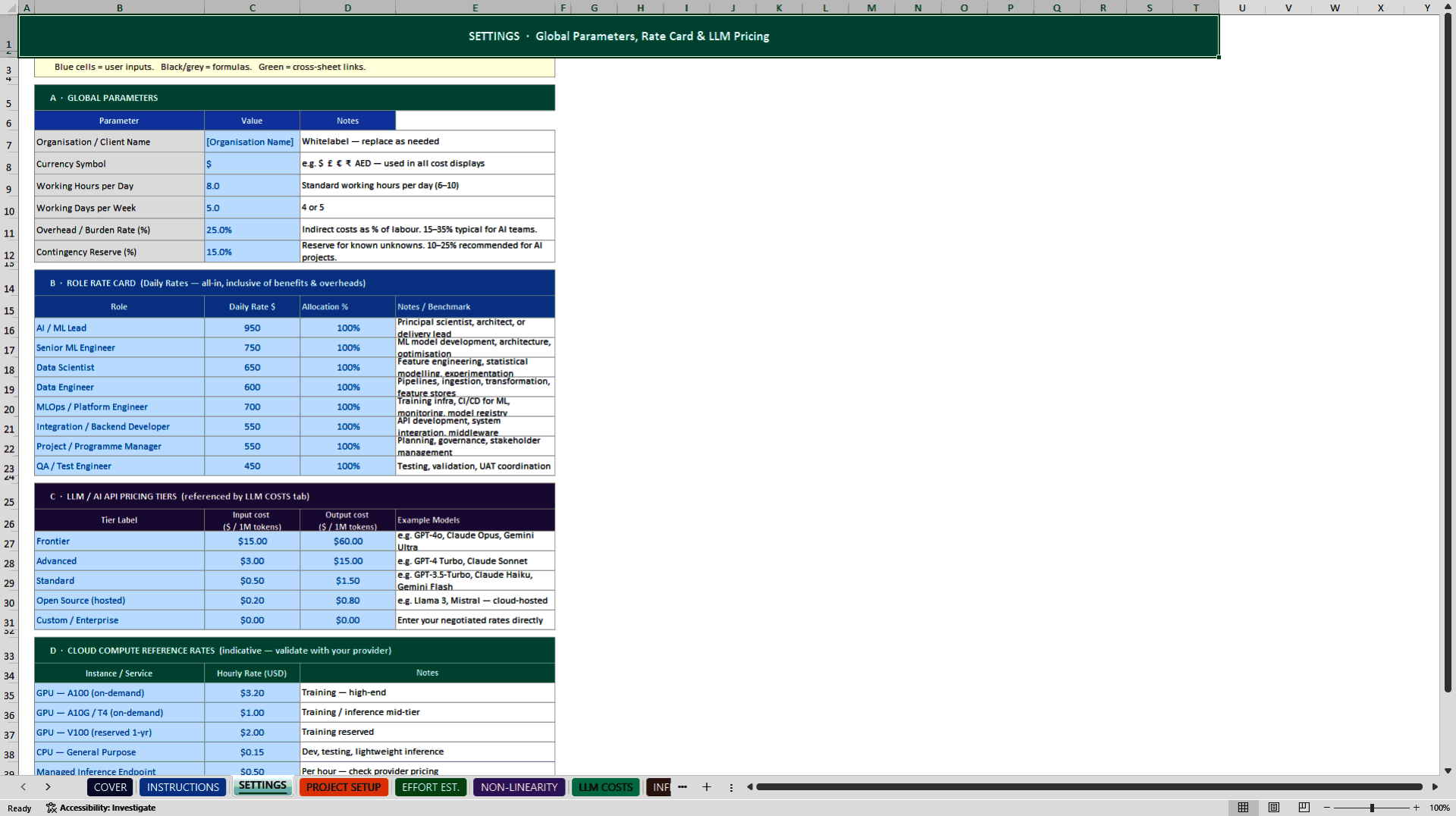
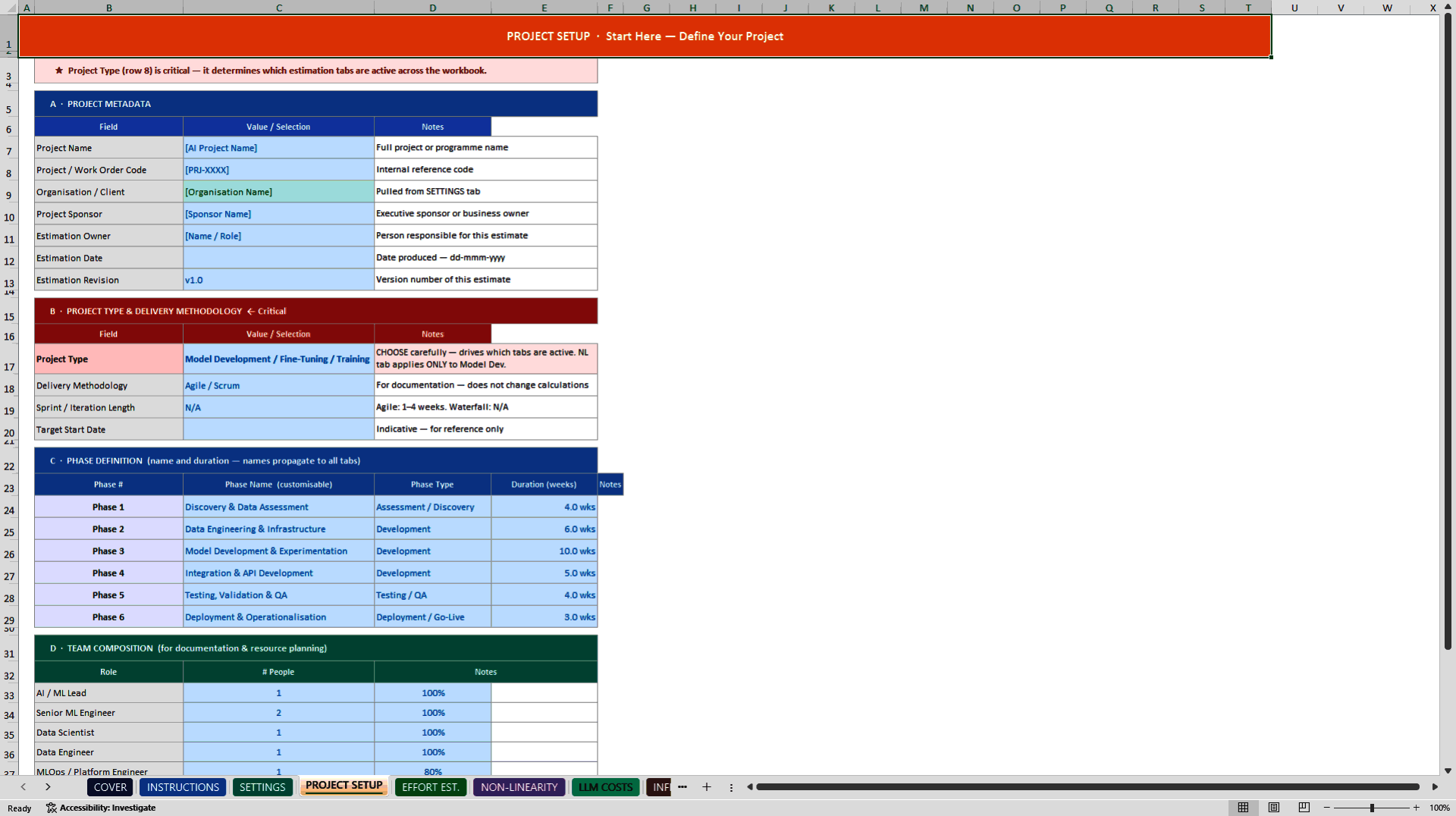
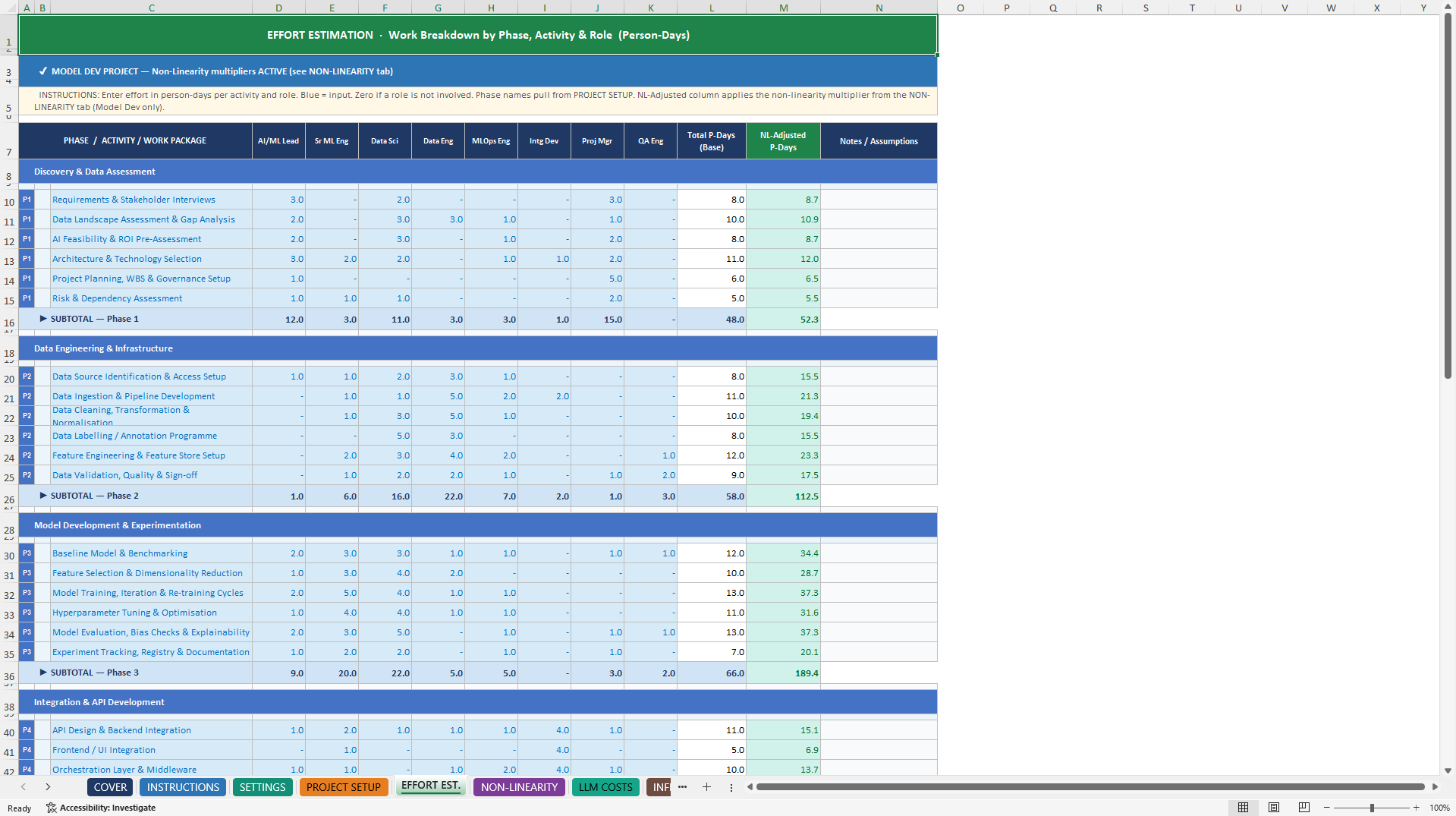
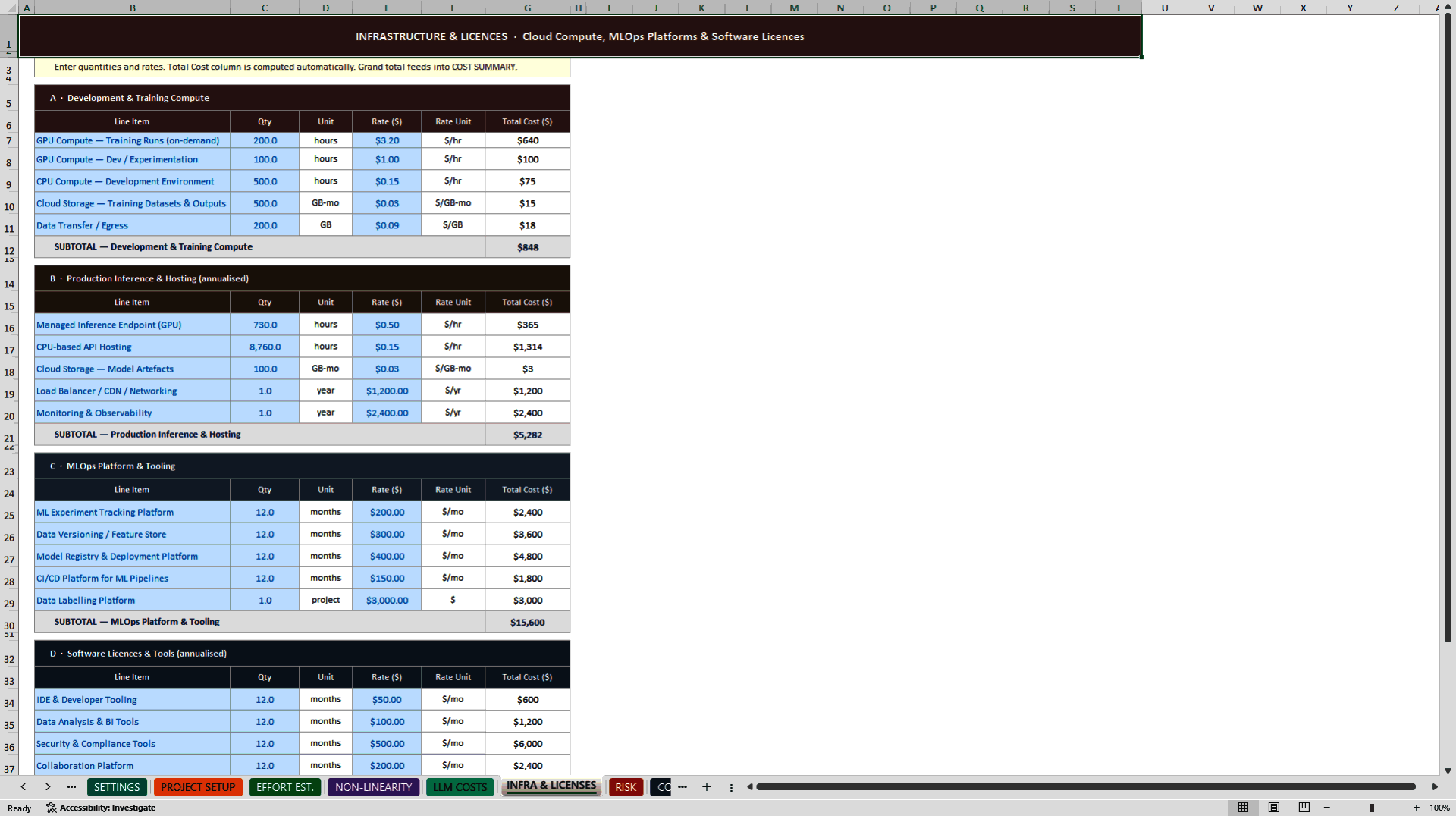
## The workbook is organised across ten working tabs plus a cover page: Instructions (colour-coding convention and step-by-step workflow), Settings (currency, role-based daily rate card, LLM pricing tiers, overhead and contingency rates), Project Setup (project type, delivery methodology, six configurable phases), Effort Estimation (a 36-activity work breakdown across six phases and eight roles), Non-Linearity, LLM Costs, Infrastructure & Licences (compute, MLOps platform, and software licence cost sections), Risk (a twelve-item risk register with probability-weighted exposure and PERT confidence ranges), Cost Summary (a full cost roll-up across labour, LLM/API costs, infrastructure, overhead, and contingency), and an executive Dashboard summarising cost ranges, effort by phase, cost mix, and top risk exposure on one screen.
## It is built for engineering leads, AI/ML architects, programme and project managers, PMO teams, and delivery heads who need to submit a defensible cost and effort estimate before an AI programme is approved, rather than a single number that cannot withstand scrutiny at a steering committee or budget review. The workbook is methodology-agnostic: phases can represent sprints, program increments, or waterfall stages, and effort is entered uniformly in person-days throughout.
# Format: Excel (.xlsx), no macros or VBA, works in Excel 2016 and later. All estimates produced are indicative and depend on the quality of the inputs provided; outputs should be validated against your organisation's own assumptions, governance standards, and delivery context before use in business cases or procurement decisions.
Published by Viksya. Seller licence terms are included within the document and take precedence over platform defaults.
Got a question about the product? Email us at support@flevy.com or ask the author directly by using the "Ask the Author a Question" form. If you cannot view the preview above this document description, go here to view the large preview instead.
Source: Best Practices in Project Management, Artificial Intelligence Excel: AI Project Estimation Model Excel (XLSX) Spreadsheet, Viksya
ABOUT THE AUTHOR

Viksya builds decision frameworks for leaders who answer to a board, not a hunch. Our Excel workbooks and playbooks are developed by a transformation leader with hands-on experience directing $100M+ AI and cloud portfolios inside large enterprises -- the same instruments used to justify, select, estimate, and govern real programmes, productized. The catalog spans three tracks: AI Transformation ... [read more]
Ask the Author a Question
You must be logged in to contact the author.




























