

 Click main image to view in full screen.
How to Develop and Evaluate Key Performance Indicators (KPIs) – PDF
PDF document 13 Pages


BENEFITS OF THIS DOWNLOADABLE PDF DOCUMENT
- Reminds the consultants to question all assumptions and limitations behind any KPIs
- Demonstrates better management through measurement -- what can be measured, can be managed!
- Works in combination with Balanced Scorecard, Key Success Factors, and Mission Critical Processes
KEY PERFORMANCE INDICATORS PDF DESCRIPTION
Effective Boards of Directors know and understand what are the Key Performance Indicators (KPIs) that management must capture, measure, track, and report. In this simple and easy to use guidebook, the consultants should be able to tease out and facilitate the development of a working set of KPIs for their clients.
The guidebook contains working guidelines on definition, types, purpose, target and standards, formula, assumptions, frequency of measurements, reporting, traceability and role of trackers, and accountability.
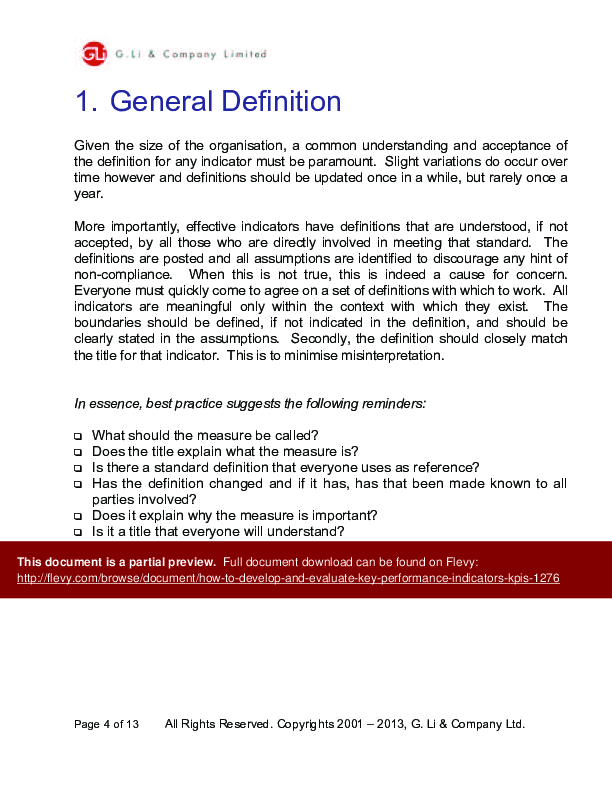
This guidebook delves into the critical aspects of defining KPIs, emphasizing the importance of a common understanding and acceptance of definitions across the organization. It highlights the necessity of clear, concise definitions that align with the organization's goals and are understood by all stakeholders. This ensures that KPIs are meaningful and actionable, minimizing misinterpretation and fostering a unified approach to performance measurement.
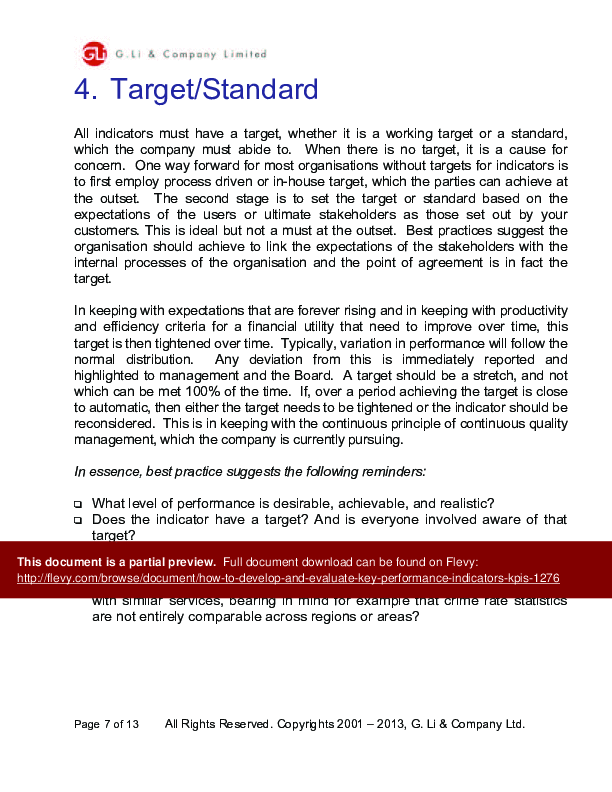
Setting targets and standards is another focal point of this document. It outlines the process of establishing realistic, achievable targets that align with stakeholder expectations and organizational objectives. The guidebook stresses the importance of continuous improvement and the need to adjust targets based on performance data. This approach ensures that KPIs remain relevant and drive the organization towards its strategic goals.
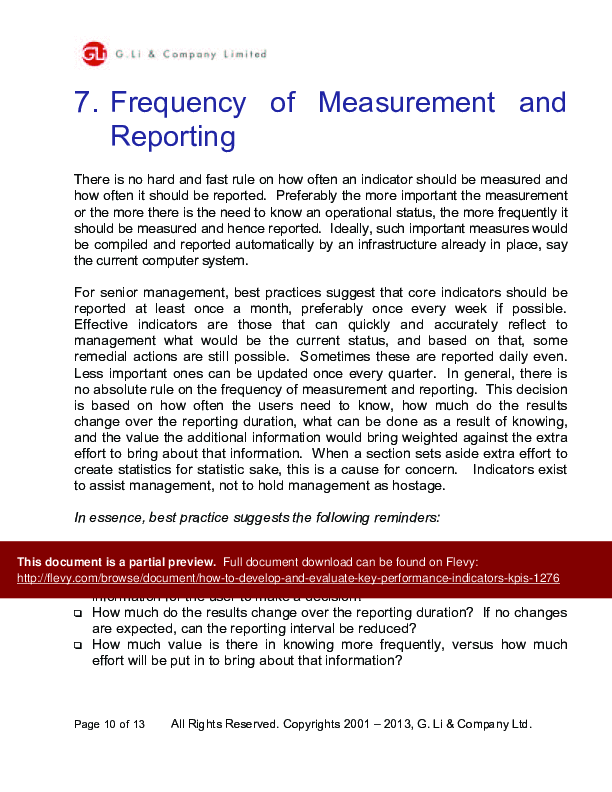
The frequency of measurement and reporting is also covered in detail. The guidebook provides best practices for determining how often KPIs should be measured and reported, balancing the need for timely data with the practicality of data collection. It underscores the importance of regular updates to keep management informed and enable prompt corrective actions. This ensures that KPIs are not just metrics, but tools for proactive management and continuous improvement.
Got a question about the product? Email us at support@flevy.com or ask the author directly by using the "Ask the Author a Question" form. If you cannot view the preview above this document description, go here to view the large preview instead.
TOPIC FAQ
What core elements should I define when creating KPIs for my organization?
Effective KPI design requires clear definitions, the KPI’s type and purpose, target and standards, the exact formula and underlying assumptions, how often it will be measured and reported, traceability to source data, the role of trackers, and who is accountable; the guidebook lists each of these elements.How often should KPIs be measured and reported to balance timeliness with practicality?
Measurement cadence depends on data availability and decision needs; the guidebook emphasizes balancing timely data with practical collection effort and recommends defining a measurement and reporting cadence as part of KPI design, captured under frequency of measurements and reporting.What is the recommended approach to setting KPI targets and standards?
Targets should be realistic, aligned with stakeholder expectations and organizational objectives, and adjusted based on performance data over time; the guidebook stresses continuous improvement and adjusting targets informed by observed performance and stakeholder alignment.How do I ensure KPI results are traceable and accountable within the organization?
Define the data sources and formulas, assign tracker roles who capture and verify data, document assumptions, and specify reporting lines so performance can be traced and acted upon; the guidebook addresses traceability, role of trackers, and accountability.What should I look for in a KPI template or guide before purchasing it?
Prioritize materials that explicitly cover definitions, types and purpose, formula and assumptions, target-setting, measurement frequency, reporting formats, traceability, tracker roles, and accountability; Flevy’s How to Develop and Evaluate Key Performance Indicators (KPIs) is a 13-page PDF that maps to these topics.Can an external checklist or short guide accelerate KPI workshops with limited budget or time?
Short, focused guides can speed workshops by providing a consistent checklist for definitions, formulas, targets, reporting cadence, and accountability; the referenced guidebook by Dr. Gregg Li provides concise working guidelines in a 13-page PDF format.After a merger, what should I prioritize to align disparate KPIs across the combined organization?
Prioritize establishing common, unambiguous KPI definitions, aligning KPI purpose with the combined organization’s objectives, harmonizing formulas and assumptions, setting agreed targets, and standardizing measurement frequency and reporting to ensure comparability and acceptance across stakeholders.How can a board use KPI reporting to hold management accountable without getting lost in operational detail?
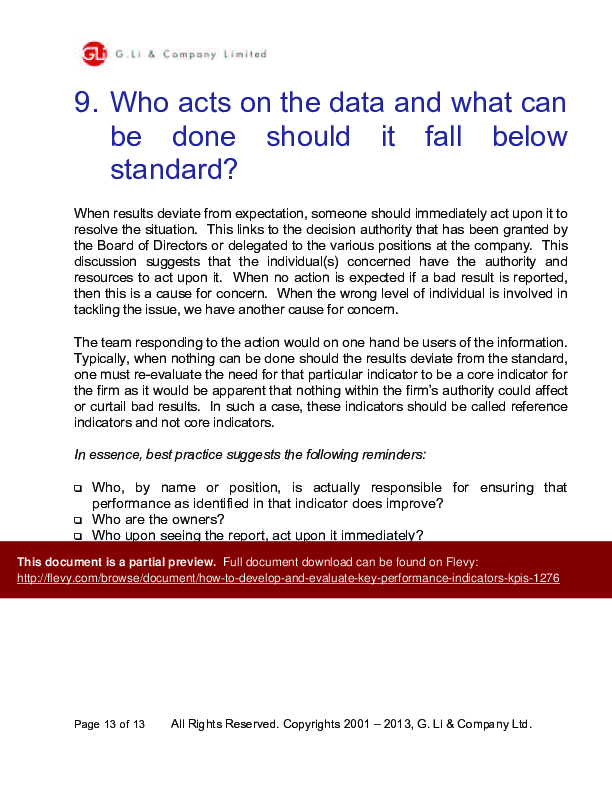
Boards should require KPIs with clear definitions, agreed targets and standards, documented formulas and assumptions, traceable data sources, and named trackers or owners so oversight focuses on variances and corrective action rather than raw operational detail.Source: Best Practices in Key Performance Indicators PDF: How to Develop and Evaluate Key Performance Indicators (KPIs) PDF (PDF) Document, Dr. Gregg Li




























