
This framework is developed by a team of former McKinsey and Big 4 consultants. The presentation follows the headline-body-bumper slide format used by global consulting firms.
Explore the Stage-Gate Process, crafted by ex-McKinsey and Big 4 consultants, to enhance Project Management and Innovation across industries. Stage-Gate Process is a 32-slide PPT PowerPoint presentation slide deck (PPTX) available for immediate download upon purchase.
The high demand for Innovation and the slim margin for error can overwhelm management, creating significant Project Management and decision-making pressure across sectors like technology, pharmaceutical, manufacturing, and consumer goods.
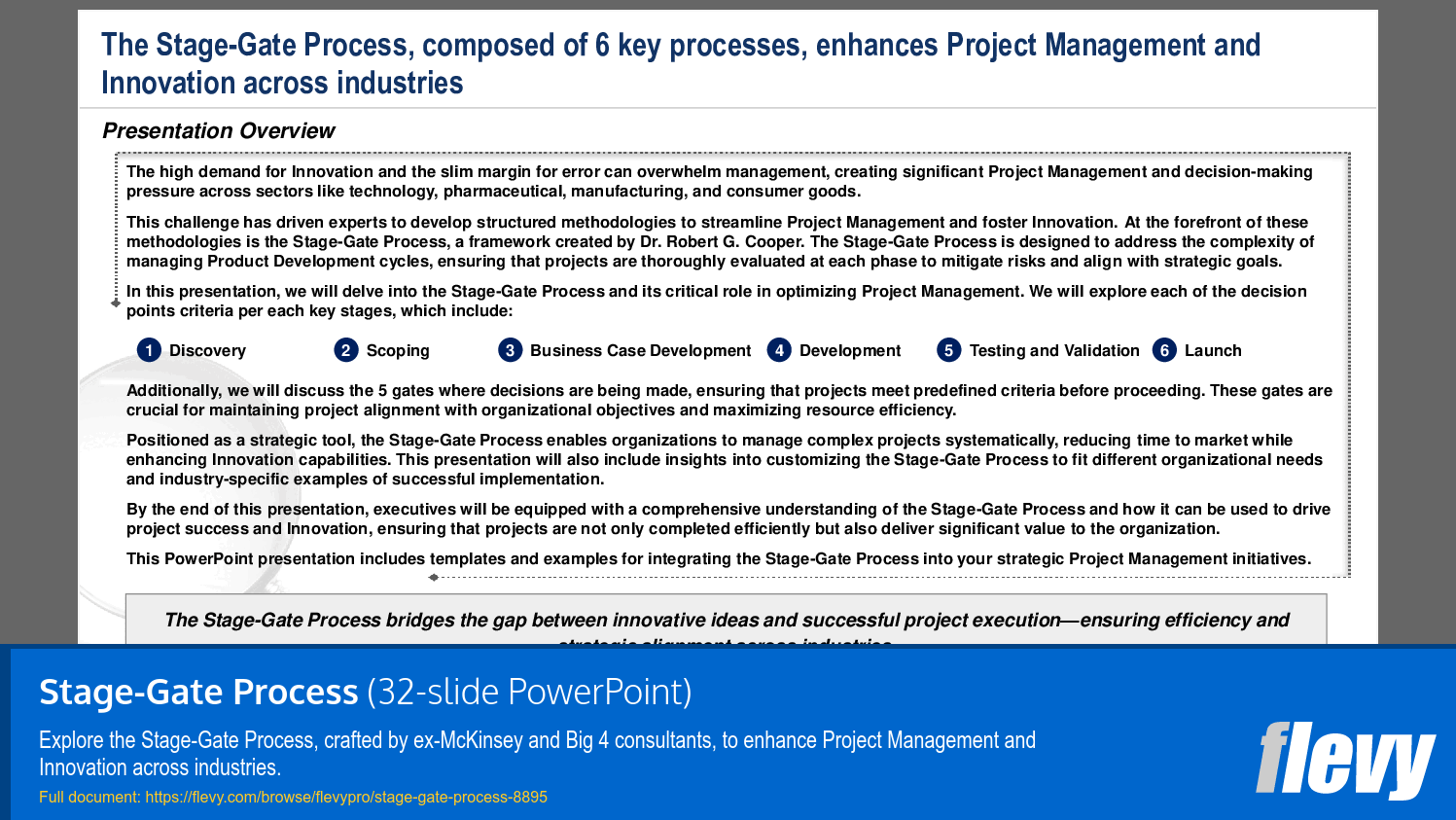
This challenge has driven experts to develop structured methodologies to streamline Project Management and foster Innovation. At the forefront of these methodologies is the Stage-Gate Process, a framework created by Dr. Robert G. Cooper. The Stage-Gate Process is designed to address the complexity of managing Product Development cycles, ensuring that projects are thoroughly evaluated at each phase to mitigate risks and align with strategic goals.
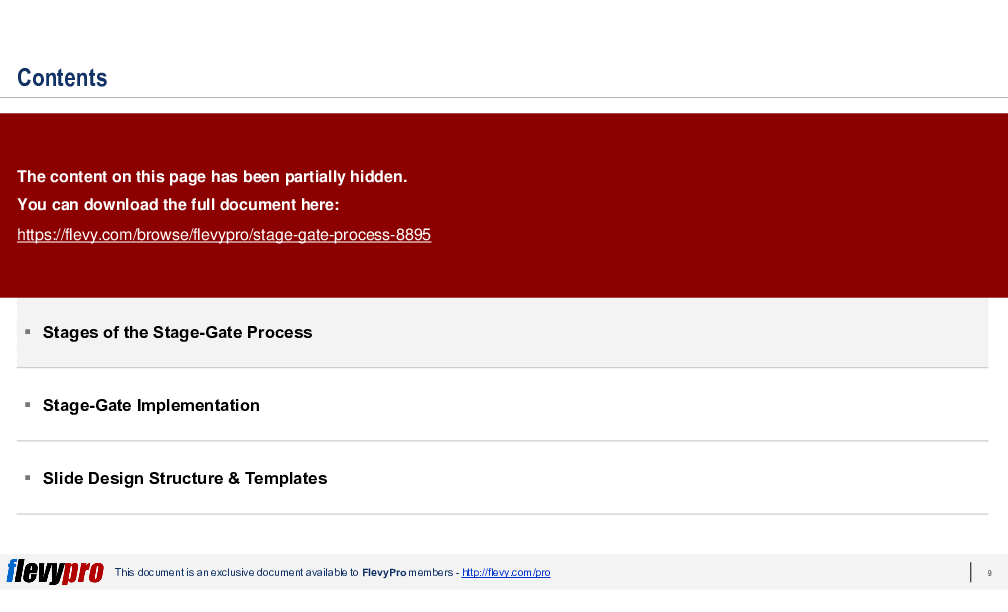
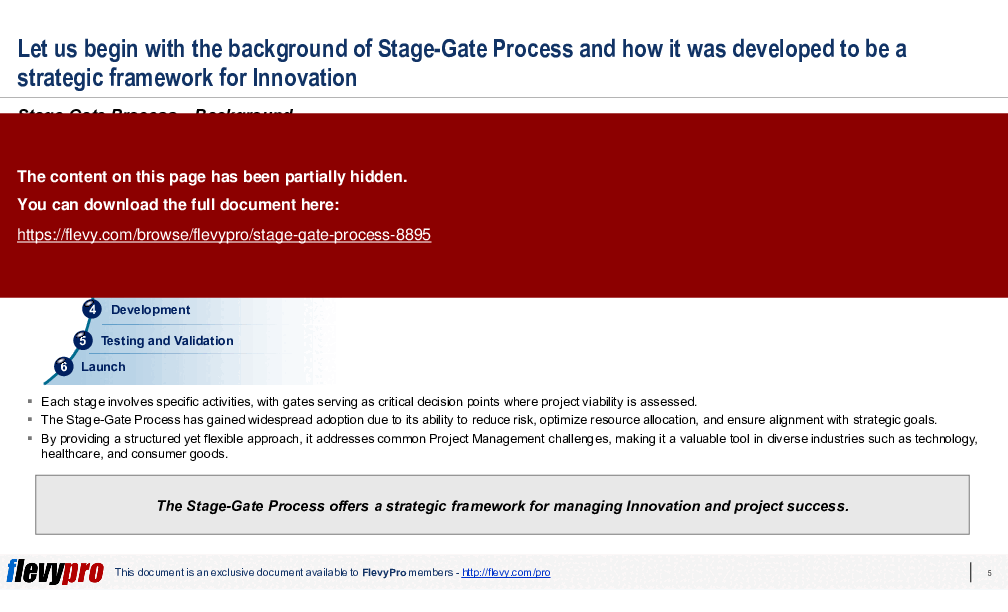
In this PowerPoint presentation, we will delve into the Stage-Gate Process and its critical role in optimizing Project Management. We will explore each of the decision points criteria per each key stages, which include:
1. Discovery
2. Scoping
3. Business Case Development
4. Development
5. Testing and Validation
6. Launch
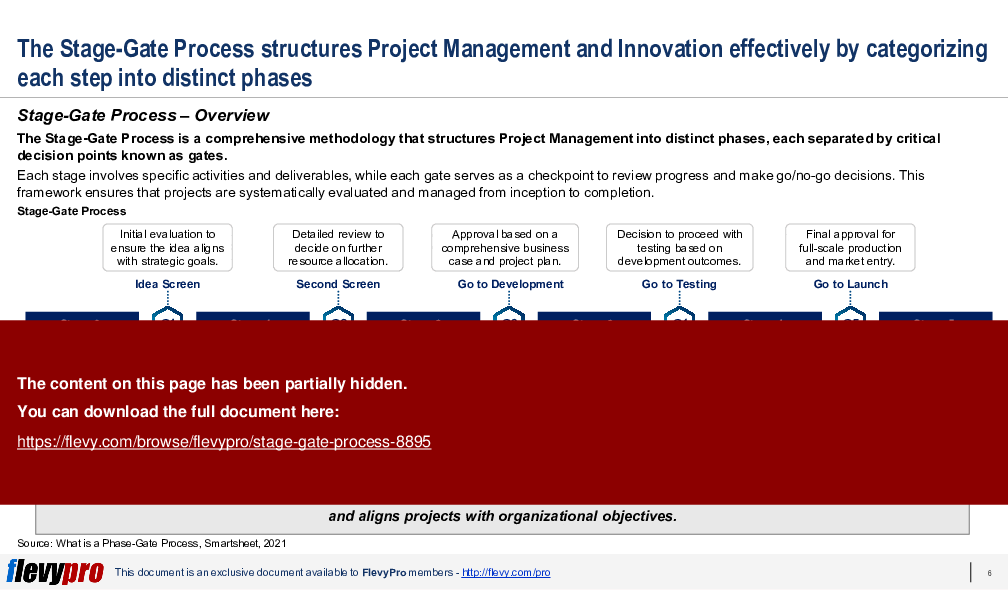
Additionally, we will discuss the 5 gates where decisions are being made, ensuring that projects meet predefined criteria before proceeding. These gates are crucial for maintaining project alignment with organizational objectives and maximizing resource efficiency.
Positioned as a strategic tool, the Stage-Gate Process enables organizations to manage complex projects systematically, reducing time to market while enhancing Innovation capabilities. This presentation will also include insights into customizing the Stage-Gate Process to fit different organizational needs and industry-specific examples of successful implementation.
By the end of this PPT presentation, executives will be equipped with a comprehensive understanding of the Stage-Gate Process and how it can be used to drive project success and Innovation, ensuring that projects are not only completed efficiently but also deliver significant value to the organization.
This PowerPoint presentation includes templates and examples for integrating the Stage-Gate Process into your strategic Project Management initiatives.
The Stage-Gate Process not only clarifies the path from concept to market, but also empowers teams to make informed decisions at each critical juncture. By leveraging this structured framework, organizations can enhance their project execution and ensure alignment with their strategic objectives, ultimately driving successful outcomes.
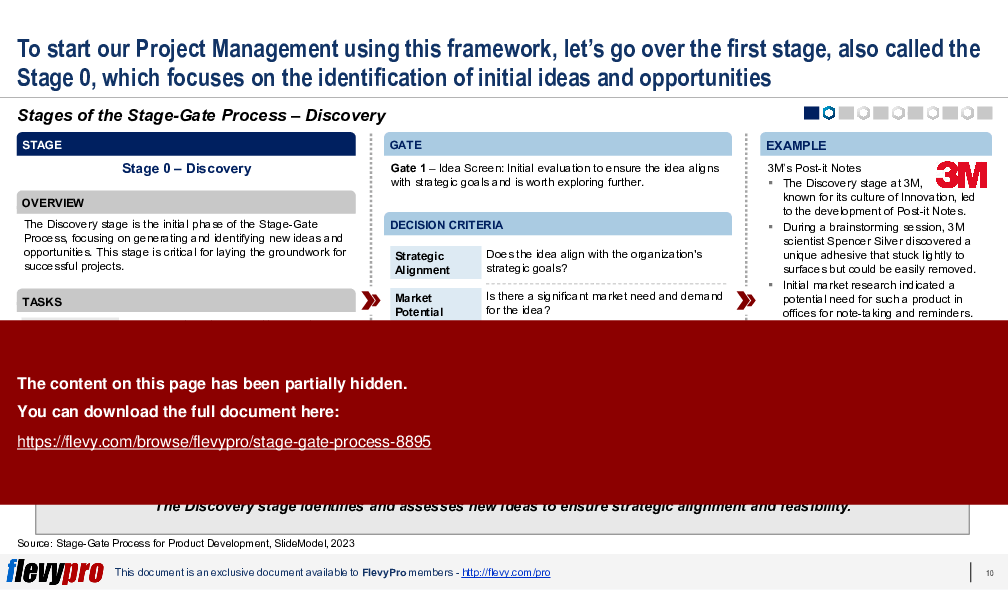
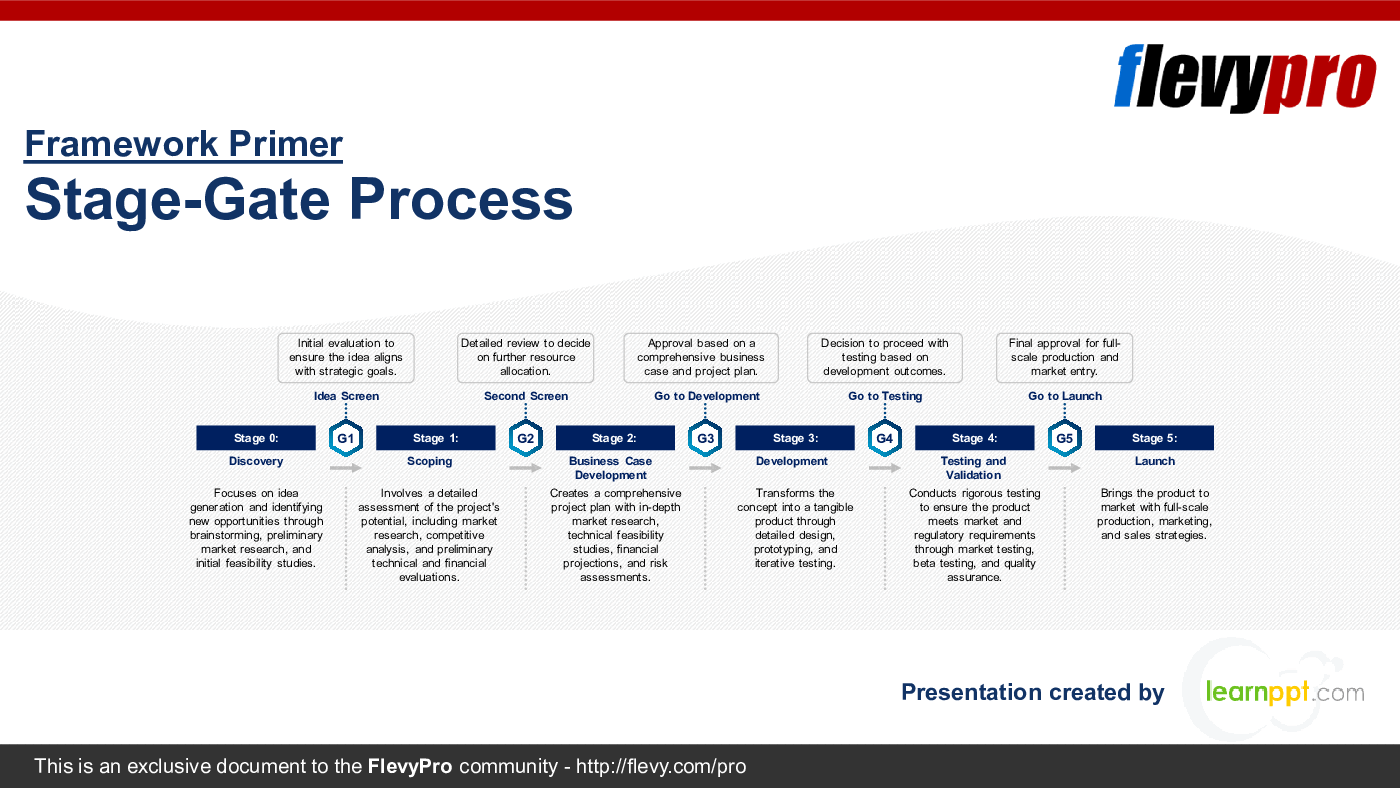
The Stage-Gate Process is a structured methodology for project management and innovation, dividing the process into distinct phases with critical decision points known as gates. Stage 0, Discovery, focuses on idea generation and identifying new opportunities through brainstorming and market research. Stage 1, Scoping, assesses project viability with market research and financial evaluations. Stage 2, Business Case Development, creates a comprehensive project plan, including market studies and risk assessments. Stage 3, Development, transforms concepts into products through design and iterative testing. Stage 4, Testing and Validation, ensures products meet market and regulatory standards. Finally, Stage 5, Launch, involves full-scale production and marketing strategies, culminating in a market-ready offering. The Stage-Gate Process enhances efficiency and reduces risks in project management.
Stage 5 of the Stage-Gate Process focuses on the Launch and Implementation phase, critical for bringing a product to market. Key tasks include scaling production to meet demand, executing marketing campaigns, implementing sales strategies, and conducting a post-launch review. Success evaluation criteria involve assessing market performance against sales expectations, gathering customer feedback for insights, performing quality assurance checks, and identifying improvement opportunities for future projects. An example is the Apple Watch, where Apple scaled production, launched comprehensive marketing campaigns, and established sales strategies, ensuring a well-prepared market entry based on thorough readiness assessments.
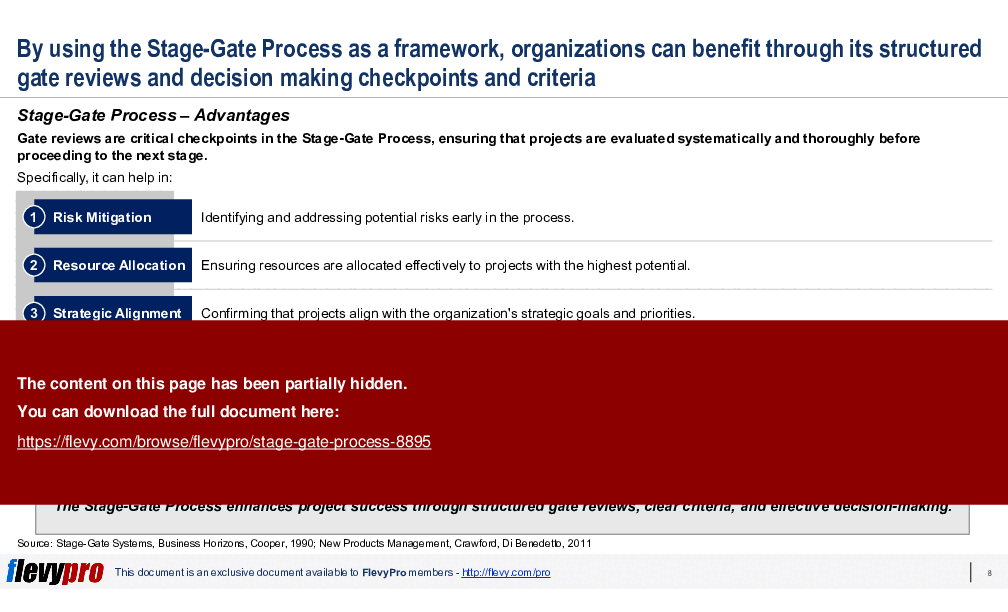
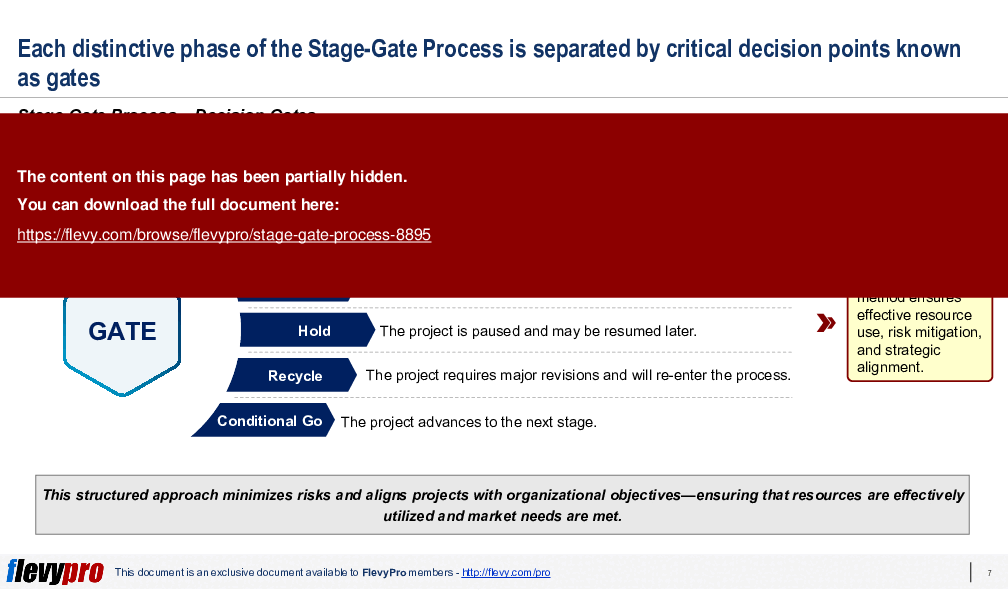
The Stage-Gate Process is a structured methodology for managing project development through distinct phases separated by decision points, known as gates. Each gate allows senior management to evaluate project progress against predefined criteria, determining whether to advance, pause, or terminate the project. Key decision terms include "Go" for moving forward, "Kill" for termination, "Hold" for pausing, "Recycle" for requiring revisions, and "Conditional Go" for advancing with specific conditions. This framework minimizes risks and aligns projects with organizational objectives, ensuring continuous assessment and adjustment to enhance successful outcomes. Implementing this methodology can improve project management practices for organizations.
This PPT slide outlines key challenges in implementing the Stage-Gate Process: "Resistance to Change," "Resource Constraints," and "Maintaining Flexibility." Resistance to change occurs when employees prefer familiar methods; effective change management strategies, as demonstrated by 3M, can facilitate smoother adoption through training and support. Resource constraints hinder execution within the Stage-Gate framework; prioritizing resource allocation and support for critical phases, as shown by IBM's training programs, can optimize resource use. Maintaining flexibility is crucial, as the structured nature of the Stage-Gate Process may limit adaptability; Toyota's integration of lean manufacturing principles exemplifies how to allow adjustments to better align with project demands.
This PPT slide presents a case study on the adaptation of the Stage-Gate Process for the technology sector, highlighting its role in enhancing innovation and market responsiveness. Intel's implementation of a hybrid model integrates Agile methodologies into the traditional Stage-Gate framework, allowing for quicker iterations and flexibility during development. The process includes distinct stages: Discovery (identifying ideas), Development (rapid prototyping and iterative testing), Testing (market trials and user feedback), and Launch (agile market entry). Specific gates—Idea Screening, Development Review, Market Readiness, and Launch Approval—serve as checkpoints assessing strategic alignment, technical feasibility, and user acceptance. This structured approach streamlines innovation and positions products for success in a competitive environment.
The Scoping stage of the Stage-Gate Process evaluates project potential before advancement. Key tasks include market research to analyze demand and market dynamics, and competitive analysis to assess existing competitors and their offerings for effective positioning. Preliminary technical and financial evaluations determine project feasibility and financial viability, ensuring the organization can execute the project and achieve a return on investment. Decision criteria involve 3 pivotal questions: assessing market demand for the proposed product, evaluating competitive position, and scrutinizing technical and financial feasibility. An example using Apple's iPhone development illustrates the significance of thorough scoping in informed project progression decisions.
Source: Best Practices in Project Management, Product Management PowerPoint Slides: Stage-Gate Process PowerPoint (PPTX) Presentation Slide Deck, LearnPPT Consulting
This framework is developed by a team of former McKinsey and Big 4 consultants. The presentation follows the headline-body-bumper slide format used by global consulting firms.
For $10.00 more, you can download this document plus 2 more FlevyPro documents. That's just $13 each.
ABOUT FLEVYPRO
This document is part of the FlevyPro Library, a curated knowledge base of documents for our FlevyPro subscribers.

FlevyPro is a subscription service for on-demand business frameworks and analysis tools. FlevyPro subscribers receive access to an exclusive library of curated business documents—business framework primers, presentation templates, Lean Six Sigma tools, and more—among other exclusive benefits.
The average daily rate of a McKinsey consultant is $6,625 (not including expenses). The average price of a Flevy document is $65.
Trusted by over 10,000+ Client Organizations
Since 2012, we have provided business templates to over 10,000 businesses and organizations of all sizes, from startups and small businesses to the Fortune 100, in over 130 countries.
"I have used Flevy services for a number of years and have never, ever been disappointed. As a matter of fact, David and his team continue, time after time, to impress me with their willingness to assist and in the real sense of the word. I have concluded in fact
that it is not at all just a repository of documents/resources but, in the way that David and his team manage the firm, it is like dealing with consultants always ready to assist, advise and direct you to what you really need, and they always get it right.
I am an international hospitality accomplished senior executive who has worked and lived during the past 35 years in 23 countries in 5 continents and I can humbly say that I know what customer service is, trust me.
Aside from the great and professional service that Flevy's team provide, their wide variety of material is of utmost great quality, professionally put together and most current.
Well done Flevy, keep up the great work and I look forward to continue working with you in the future and to recommend you to a variety of colleagues around the world.
"
– Roberto Pelliccia, Senior Executive in International Hospitality
"I am extremely grateful for the proactiveness and eagerness to help and I would gladly recommend the Flevy team if you are looking for data and toolkits to help you work through business solutions."
– Trevor Booth, Partner, Fast Forward Consulting
"If you are looking for great resources to save time with your business presentations, Flevy is truly a value-added resource. Flevy has done all the work for you and we will continue to utilize Flevy as a source to extract up-to-date information and data for our virtual and onsite presentations!"
– Debbi Saffo, President at The NiKhar Group
"One of the great discoveries that I have made for my business is the Flevy library of training materials.
As a Lean Transformation Expert, I am always making presentations to clients on a variety of topics: Training, Transformation, Total Productive Maintenance, Culture, Coaching, Tools, Leadership Behavior, etc. Flevy
It is well worth the money to purchase these presentations. Sure, I have the knowledge and information to make my point. It is another thing to create a presentation that captures what I want to say. Flevy has saved me countless hours of preparation time that is much better spent with implementation that will actually save money for my clients.
"
– Ed Kemmerling, Senior Lean Transformation Expert at PMG
"Flevy.com has proven to be an invaluable resource library to our Independent Management Consultancy, supporting and enabling us to better serve our enterprise clients.
The value derived from our [FlevyPro] subscription in terms of the business it has helped to gain far exceeds the investment made, making a subscription a no-brainer for any growing consultancy – or in-house strategy team."
– Dean Carlton, Chief Transformation Officer, Global Village Transformations Pty Ltd.
"[Flevy] produces some great work that has been/continues to be of immense help not only to myself, but as I seek to provide professional services to my clients, it gives me a large "tool box" of resources that are critical to provide them with the quality of service and outcomes they are expecting."
– Royston Knowles, Executive with 50+ Years of Board Level Experience
"I like your product. I'm frequently designing PowerPoint presentations for my company and your product has given me so many great ideas on the use of charts, layouts, tools, and frameworks. I really think the templates are a valuable asset to the job."
– Roberto Fuentes Martinez, Senior Executive Director at Technology Transformation Advisory
"As a small business owner, the resource material available from FlevyPro has proven to be invaluable. The ability to search for material on demand based our project events and client requirements was great for me and proved very beneficial to my clients. Importantly, being able to easily edit and tailor
the material for specific purposes helped us to make presentations, knowledge sharing, and toolkit development, which formed part of the overall program collateral. While FlevyPro contains resource material that any consultancy, project or delivery firm must have, it is an essential part of a small firm or independent consultant's toolbox.
"
– Michael Duff, Managing Director at Change Strategy (UK)
Download our free compilation of 50+ Strategy & Transformation slides and templates. Frameworks include McKinsey 7-S, Balanced Scorecard, Disruptive Innovation, BCG Curve, and many more.