
McKinsey Feedback Model   21-slide PPT PowerPoint presentation slide deck (PPT)
$29.00

McKinsey Feedback Model (21-slide PPT PowerPoint presentation slide deck (PPT)) Preview Image
Log in to unlock full preview.
McKinsey Feedback Model (21-slide PPT PowerPoint presentation slide deck (PPT)) Preview Image
Arrow   Click main image to view in full screen.

McKinsey Feedback Model (PowerPoint PPT Slide Deck)

PowerPoint (PPT) 21 Slides FlevyPro Document

Top 250 Best Practice $29.00
FlevyPro price: FREE (included in subscription)
This framework is developed by a team of former McKinsey and Big 4 consultants. The presentation follows the headline-body-bumper slide format used by global consulting firms.
Add to Cart


Immediate download
Free lifetime updates

FEEDBACK PPT DESCRIPTION

Editor Summary 21-slide PowerPoint presentation of the McKinsey Feedback Model offering a structured framework for delivering actionable, fact-based feedback. Read more

Giving feedback can be difficult and it can be a challenge. When not founded on specific framework and structure, it may result into predominantly negative feedback. It is essential that giving feedback is done in a most effective way.

When done right, feedback can have a multiplier effect. It motivates top performers and increases engagement by all. It is essential for leaders to be equipped to give and receive both constructive and positive feedback.

This presentation provides us the essential understanding and tools of providing constructive and positive feedback. Core topics discussed include:

•  The McKinsey Feedback Model and Its Approach
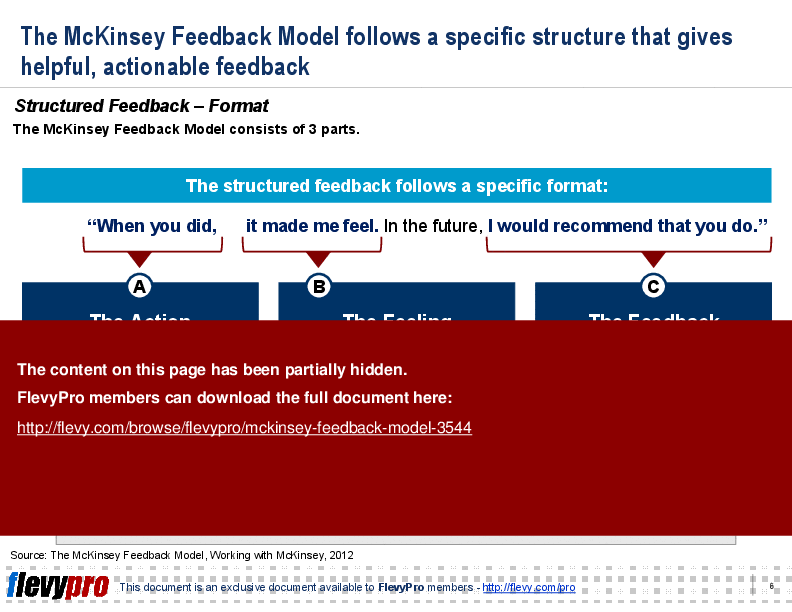
•  The Format of a Structured Feedback: The Action, The Feeling, and The Feedback
•  The Underlying Principles of Giving and Receiving Feedback

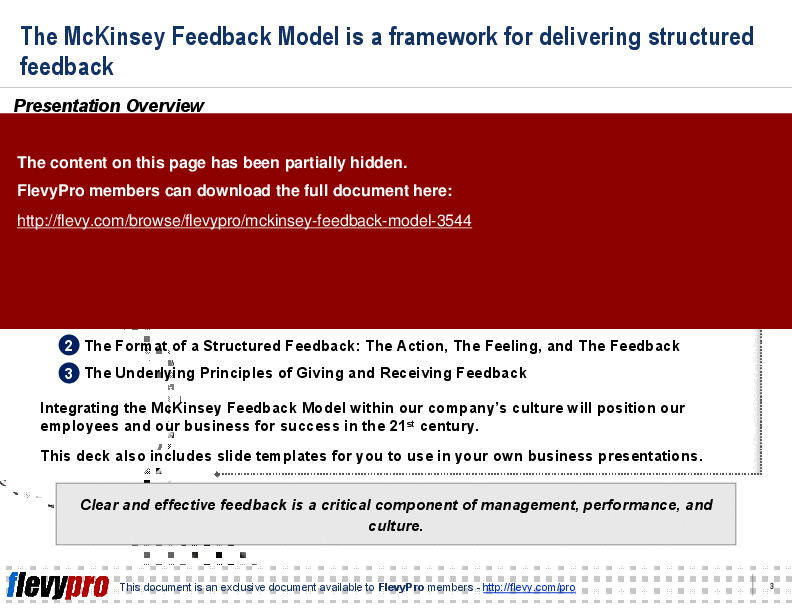
Integrating the McKinsey Feedback Model within our company's culture will position our employees and our business for success in the 21st century.

This deck also includes slide templates for you to use in your own business presentations.

The McKinsey Feedback Model emphasizes a structured approach to feedback, ensuring it is specific, actionable, and fact-based. This model helps in creating a feedback-driven culture, crucial for developing consultants and enhancing client impact. The presentation details the three-part format of structured feedback: The Action, The Feeling, and The Feedback, providing clear examples and templates for practical application.

This PPT is designed to help leaders and managers implement a systematic feedback process that is less personal and irrefutable. By following the principles outlined, organizations can foster a culture of continuous improvement and high performance. The included templates make it easy to integrate this model into your existing feedback processes, ensuring consistency and effectiveness in communication.

Got a question about this document? Email us at flevypro@flevy.com.

MARCUS OVERVIEW

This synopsis was written by Marcus [?] based on the analysis of the full 21-slide presentation.


Executive Summary
The McKinsey Feedback Model presentation provides a structured framework for delivering effective feedback within organizations. This model emphasizes the importance of actionable, fact-based, and specific feedback that minimizes personal bias. By integrating this model into your company’s culture, leaders can enhance employee engagement, improve performance, and foster a positive work environment. This slide deck equips users with essential tools and templates to facilitate constructive feedback, ensuring that both positive and negative feedback is delivered effectively.

Who This Is For and When to Use
•  Corporate executives looking to enhance feedback mechanisms within their teams
•  Integration leaders aiming to foster a feedback-driven culture
•  HR professionals focused on employee development and performance management
•  Team leaders and managers who want to improve communication and engagement

Best-fit moments to use this deck:
•  During leadership training sessions on effective communication
•  In workshops focused on performance management and employee development
•  When implementing new feedback processes within teams

Learning Objectives
•  Define the McKinsey Feedback Model and its significance in organizational culture
•  Build a structured approach to delivering feedback using the model
•  Establish best practices for giving and receiving constructive feedback
•  Create actionable feedback that motivates and engages employees
•  Identify common pitfalls in feedback delivery and how to avoid them
•  Develop templates for consistent feedback communication

Table of Contents
•  Overview (page 3)
•  Structured Feedback (page 6)
•  Principles of Giving and Receiving Feedback (page 12)
•  Templates (page 15)

Primary Topics Covered
•  Overview of the McKinsey Feedback Model - This section introduces the framework, emphasizing its role in promoting a feedback-driven culture that enhances performance and engagement.
•  Structured Feedback Format - The model outlines a three-part structure: The Action, The Feeling, and The Feedback, which simplifies the feedback process.
•  Principles of Giving Feedback - Key principles for delivering constructive feedback effectively, including specificity and fact-based communication.
•  Principles of Receiving Feedback - Guidelines for receiving feedback positively and incorporating it into personal development.
•  Templates for Feedback - Practical templates that can be used to standardize feedback delivery across teams.

Deliverables, Templates, and Tools
•  Structured feedback templates for consistent communication
•  Guidelines for implementing the McKinsey Feedback Model in various contexts
•  Examples of effective feedback scenarios for training purposes
•  Checklists for preparing and delivering feedback

Slide Highlights
•  Overview slide detailing the importance of structured feedback
•  Visual representation of the three-part feedback structure
•  Examples of effective feedback scenarios illustrating the model in action
•  Principles slide summarizing key takeaways for giving and receiving feedback

Potential Workshop Agenda
Introduction to Feedback Culture (30 minutes)
•  Discuss the importance of feedback in organizational success
•  Overview of the McKinsey Feedback Model

Structured Feedback Training (60 minutes)
•  Break down the 3 components of the feedback model
•  Practice delivering structured feedback using templates

Feedback Scenarios and Role Play (45 minutes)
•  Engage participants in role-playing exercises to apply the feedback model
•  Share experiences and discuss challenges faced in feedback delivery

Customization Guidance
•  Tailor the feedback templates to reflect your organization’s specific language and culture
•  Adjust the examples used in training to align with your industry or organizational context
•  Incorporate organizational values into the principles of giving and receiving feedback

Secondary Topics Covered
•  The role of feedback in employee engagement and retention
•  Strategies for fostering a feedback-rich environment
•  Common barriers to effective feedback and how to overcome them

Topic FAQ

What are the core components of the McKinsey Feedback Model?

The model uses a three-part structured feedback format: The Action (the specific behavior), The Feeling (the emotional impact), and The Feedback (the suggested change or reinforcement). The slide deck explains and illustrates each component across the 3 structured parts.

How does using structured feedback reduce personal bias and improve outcomes?

Structured feedback prioritizes specificity and fact-based description of behaviors, which shifts conversations away from personality judgments toward observable actions. The approach is reinforced with templates and checklists designed to standardize language and examples, such as structured feedback templates and checklists.

What principles should leaders follow when receiving feedback according to the model?

The model advises receiving feedback with openness, focusing on the facts presented, and incorporating actionable suggestions into development plans. It highlights principles like specificity and fact-based communication that guide how to process and use feedback effectively.

What should I look for when buying a feedback-model slide deck for leadership training?

Prioritize decks that explain a clear feedback structure, include practical templates, offer example scenarios for role play, and provide implementation guidance or checklists. Flevy’s McKinsey Feedback Model includes those elements in a 21-slide PowerPoint deck.

Can the McKinsey Feedback Model be adapted for different industries or cultures?

Yes; the model’s core principles—specificity, fact-based feedback, and a three-part structure—are presented as adaptable and intended to be customized to organizational language, industry examples, and values using the provided templates.

How can I use a feedback model during post-merger integration to align teams?

Train leaders on the three-part format, run workshops with role-play scenarios to practice delivering consistent messages, and deploy the templates and checklists to standardize feedback across teams. Flevy’s McKinsey Feedback Model includes a suggested workshop agenda and role-play examples.

How should I measure whether feedback training improved engagement or performance?

Use existing performance-management and engagement indicators to track changes after training, and look for qualitative improvements in manager-employee conversations and consistent use of structured language from the model. Measurement should reference employee engagement and performance metrics.

Are templates and checklists included, and how large is the slide deck?

Yes — the deck contains structured feedback templates, implementation guidelines, example scenarios, and checklists to support training and rollout; the package is delivered as a 21-slide PowerPoint presentation.

Document FAQ
These are questions addressed within this presentation.

What is the McKinsey Feedback Model?
The McKinsey Feedback Model is a structured framework designed to facilitate effective feedback delivery, focusing on actionable, fact-based, and specific communication.

How can this model improve team performance?
By providing clear and constructive feedback, the model helps employees understand their strengths and areas for improvement, ultimately enhancing overall team performance.

What are the key components of structured feedback?
The model consists of 3 parts: The Action, The Feeling, and The Feedback, which together create a comprehensive feedback communication strategy.

How can I implement this model in my organization?
Start by training leaders and team members on the model, providing templates and examples to ensure consistent application across the organization.

What are the benefits of using structured feedback?
Structured feedback promotes clarity, reduces misunderstandings, and fosters a culture of continuous improvement and engagement.

Can this model be adapted for different industries?
Yes, the principles of the McKinsey Feedback Model are applicable across various industries and can be customized to fit specific organizational cultures.

What challenges might arise when implementing this model?
Common challenges include resistance to feedback, lack of training, and difficulties in changing established communication habits.

How can I encourage a feedback-rich culture?
Promote open communication, provide training on feedback delivery, and recognize and reward constructive feedback practices within teams.

Glossary
•  Feedback - Information provided regarding aspects of one’s performance or behavior.
•  Structured Feedback - A systematic approach to delivering feedback that includes specific components.
•  Action - The specific behavior or event that feedback addresses.
•  Feeling - The emotional response elicited by the action being discussed.
•  Principles of Feedback - Guidelines for effectively giving and receiving feedback.
•  Templates - Pre-designed formats for delivering feedback consistently.
•  Engagement - The emotional commitment of an employee to their organization and its goals.
•  Performance Management - The process of ensuring that goals are consistently being met in an effective and efficient manner.
•  Constructive Feedback - Feedback aimed at improving performance rather than criticizing.
•  Culture - The shared values, beliefs, and behaviors within an organization.
•  Communication - The act of conveying information effectively.
•  Training - The process of enhancing skills and knowledge through instruction.
•  Recognition - Acknowledgment of an individual’s contributions or achievements.
•  Barriers to Feedback - Obstacles that hinder effective feedback delivery and reception.
•  Continuous Improvement - Ongoing efforts to improve products, services, or processes.
•  Employee Development - Activities that enhance the skills and knowledge of employees.
•  Role Play - A training technique where participants act out scenarios to practice skills.
•  Industry Context - The specific environment or sector in which an organization operates.
•  Organizational Values - Core principles that guide a company’s actions and decisions.
•  Communication Habits - Established patterns of interaction within an organization.
•  Open Communication - A culture where employees feel safe to express their thoughts and ideas.
•  Recognition Programs - Initiatives designed to acknowledge and reward employee contributions.

FEEDBACK PPT SLIDES

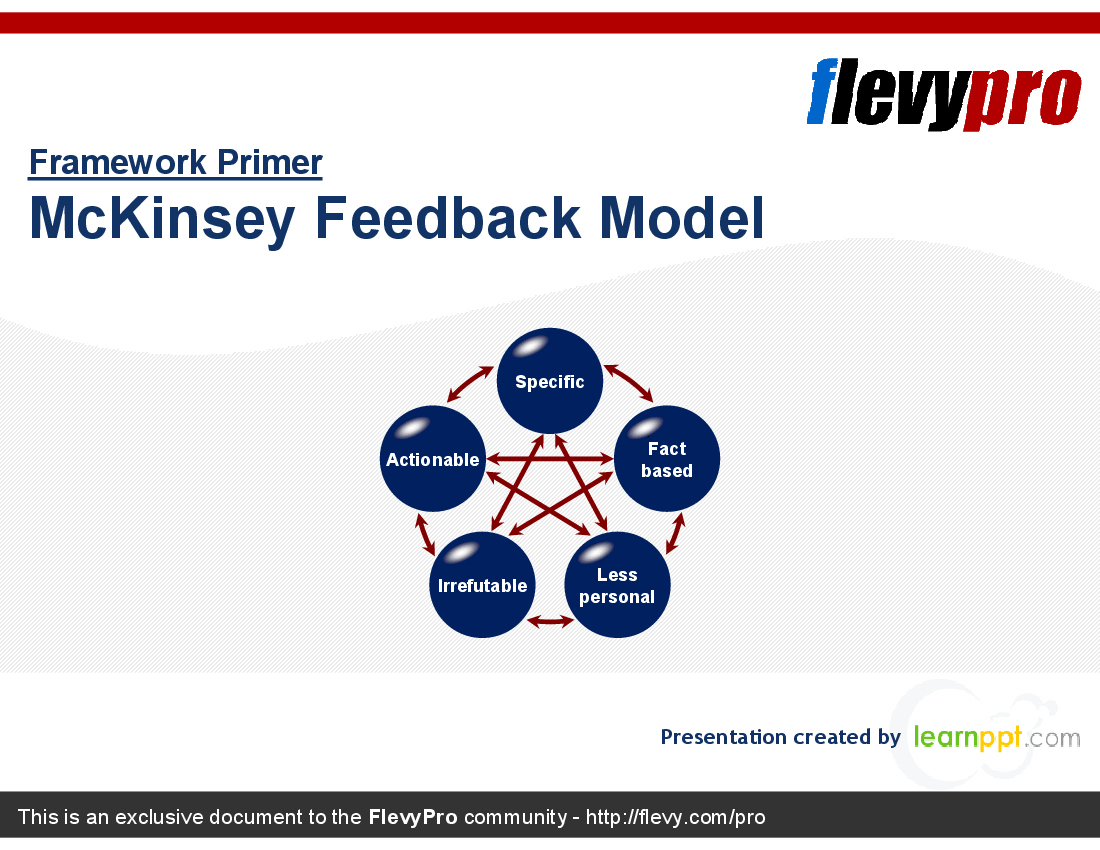
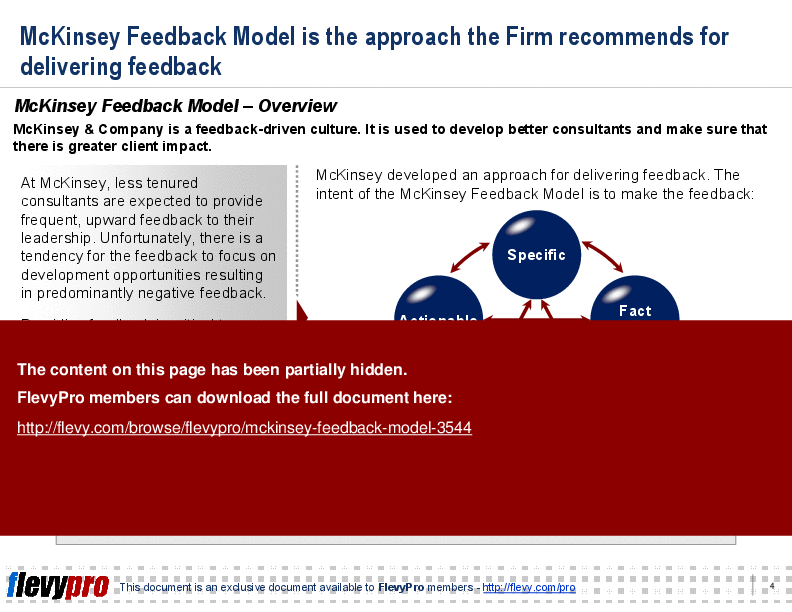
Structured Feedback: The McKinsey Model Explained

Structured Feedback: Enhancing Communication Effectiveness

Defining "The Action" in Structured Feedback

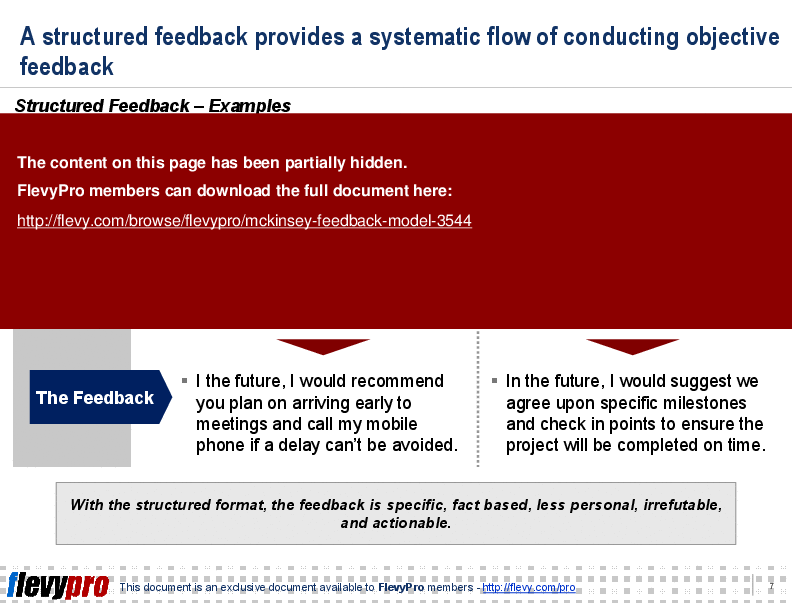
Enhancing Team Engagement through Effective Feedback

Source: Best Practices in Structured Communication, Feedback PowerPoint Slides: McKinsey Feedback Model PowerPoint (PPT) Presentation Slide Deck, LearnPPT Consulting


$29.00
FlevyPro price: FREE (included in subscription)
This framework is developed by a team of former McKinsey and Big 4 consultants. The presentation follows the headline-body-bumper slide format used by global consulting firms.
Add to Cart
  

Did you need more documents?

Consider a FlevyPro subscription from $39/month. View plans here.

For $10.00 more, you can download this document plus 2 more FlevyPro documents. That's just $13 each.

ABOUT FLEVYPRO

This document is part of the FlevyPro Library, a curated knowledge base of documents for our FlevyPro subscribers.

FlevyPro is a subscription service for on-demand business frameworks and analysis tools. FlevyPro subscribers receive access to an exclusive library of curated business documents—business framework primers, presentation templates, Lean Six Sigma tools, and more—among other exclusive benefits.

Click here to learn more about FlevyPro and its benefits.

Did you know?
The average daily rate of a McKinsey consultant is $6,625 (not including expenses). The average price of a Flevy document is $65.


Trusted by over 10,000+ Client Organizations
Since 2012, we have provided business templates to over 10,000 businesses and organizations of all sizes, from startups and small businesses to the Fortune 100, in over 130 countries.
AT&T GE Cisco Intel IBM Coke Dell Toyota HP Nike Samsung Microsoft Astrazeneca JP Morgan KPMG Walgreens Walmart 3M Kaiser Oracle SAP Google E&Y Volvo Bosch Merck Fedex Shell Amgen Eli Lilly Roche AIG Abbott Amazon PwC T-Mobile Broadcom Bayer Pearson Titleist ConEd Pfizer NTT Data Schwab


Read Customer Testimonials

 
"I have found Flevy to be an amazing resource and library of useful presentations for lean sigma, change management and so many other topics. This has reduced the time I need to spend on preparing for my performance consultation. The library is easily accessible and updates are regularly provided. A wealth of great information."

– Cynthia Howard RN, PhD, Executive Coach at Ei Leadership
 
"One of the great discoveries that I have made for my business is the Flevy library of training materials.

As a Lean Transformation Expert, I am always making presentations to clients on a variety of topics: Training, Transformation, Total Productive Maintenance, Culture, Coaching, Tools, Leadership Behavior, etc. Flevy "

– Ed Kemmerling, Senior Lean Transformation Expert at PMG
 
"FlevyPro has been a brilliant resource for me, as an independent growth consultant, to access a vast knowledge bank of presentations to support my work with clients. In terms of RoI, the value I received from the very first presentation I downloaded paid for my subscription many times over! The "

– Roderick Cameron, Founding Partner at SGFE Ltd
 
"[Flevy] produces some great work that has been/continues to be of immense help not only to myself, but as I seek to provide professional services to my clients, it gives me a large "tool box" of resources that are critical to provide them with the quality of service and outcomes they are expecting."

– Royston Knowles, Executive with 50+ Years of Board Level Experience
 
"As a small business owner, the resource material available from FlevyPro has proven to be invaluable. The ability to search for material on demand based our project events and client requirements was great for me and proved very beneficial to my clients. Importantly, being able to easily edit and tailor "

– Michael Duff, Managing Director at Change Strategy (UK)
 
"Last Sunday morning, I was diligently working on an important presentation for a client and found myself in need of additional content and suitable templates for various types of graphics. Flevy.com proved to be a treasure trove for both content and design at a reasonable price, considering the time I "

– M. E., Chief Commercial Officer, International Logistics Service Provider
 
"As an Independent Management Consultant, I find Flevy to add great value as a source of best practices, templates and information on new trends. Flevy has matured and the quality and quantity of the library is excellent. Lastly the price charged is reasonable, creating a win-win value for "

– Jim Schoen, Principal at FRC Group
 
"I have used Flevy services for a number of years and have never, ever been disappointed. As a matter of fact, David and his team continue, time after time, to impress me with their willingness to assist and in the real sense of the word. I have concluded in fact "

– Roberto Pelliccia, Senior Executive in International Hospitality


Customers Also Bought These Documents


Customers Also Like These Documents

Explore Templates on Related Management Topics


Your Recently Viewed Documents
Download our FREE Organization, Change, & Culture, Templates

Download our free compilation of 50+ slides and templates on Organizational Design, Change Management, and Corporate Culture. Methodologies include ADKAR, Burke-Litwin Change Model, McKinsey 7-S, Competing Values Framework, etc.