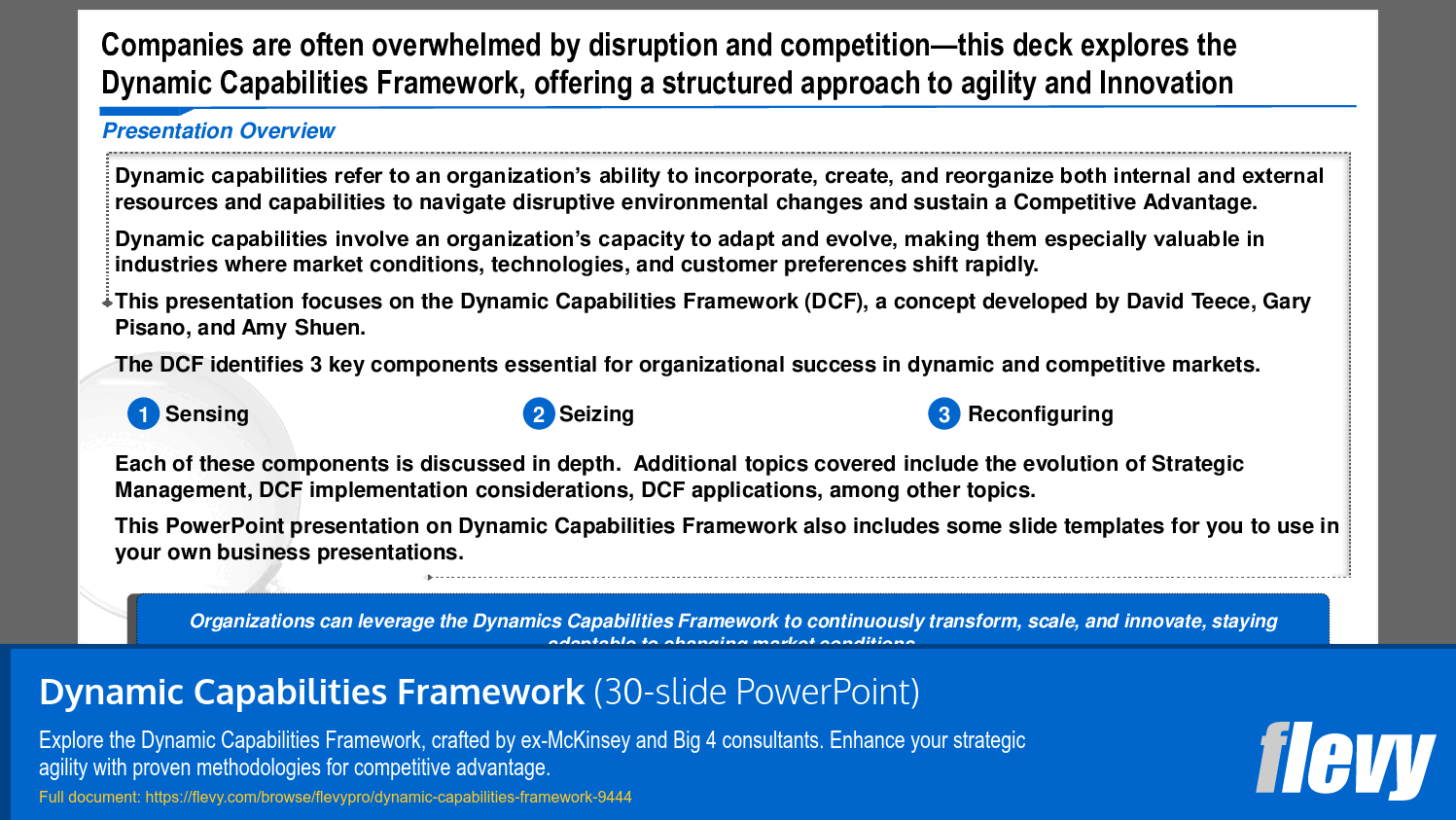
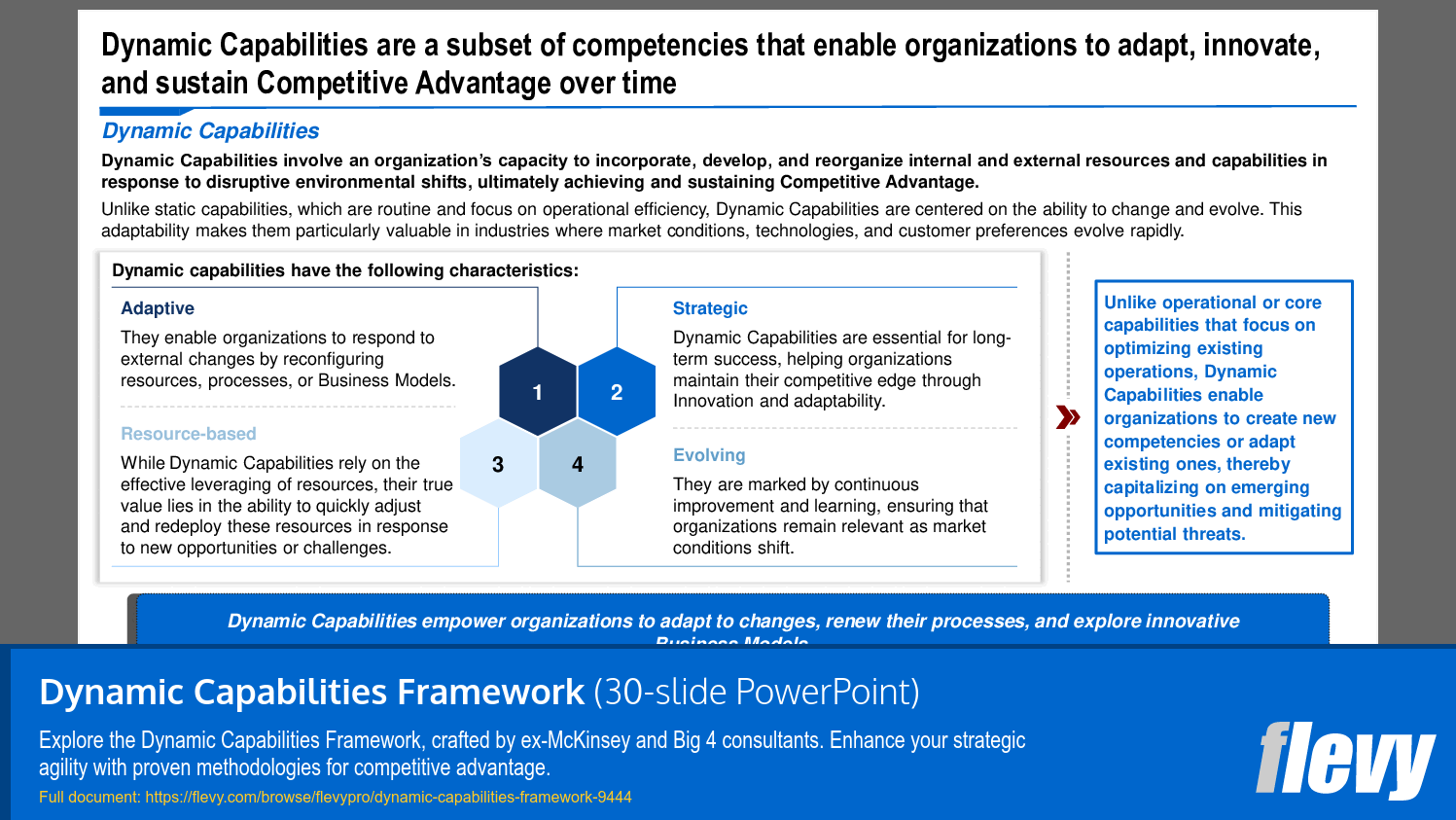

Dynamic capabilities refer to an organization's ability to incorporate, create, and reorganize both internal and external resources and capabilities to navigate disruptive environmental changes and sustain a Competitive Advantage.
Dynamic capabilities involve an organization's capacity to adapt and evolve, making them especially valuable in industries where market conditions, technologies, and customer preferences shift rapidly.
This PPT presentation focuses on the Dynamic Capabilities Framework (DCF), a concept developed by David Teece, Gary Pisano, and Amy Shuen. Organizations can leverage the DCF to continuously transform, scale, and innovate, staying adaptable to changing market conditions.
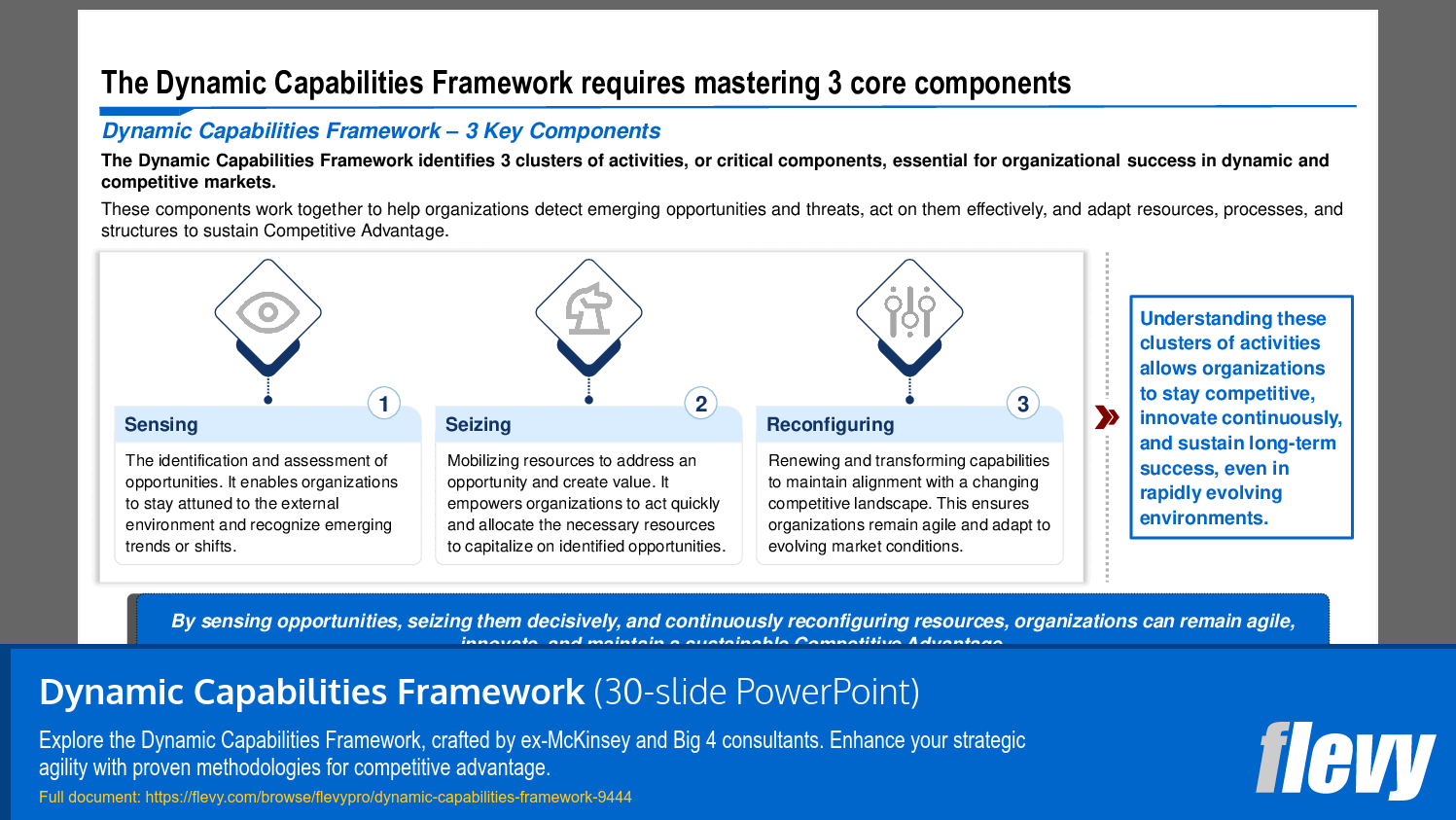
The DCF identifies 3 key components essential for organizational success in dynamic and competitive markets.
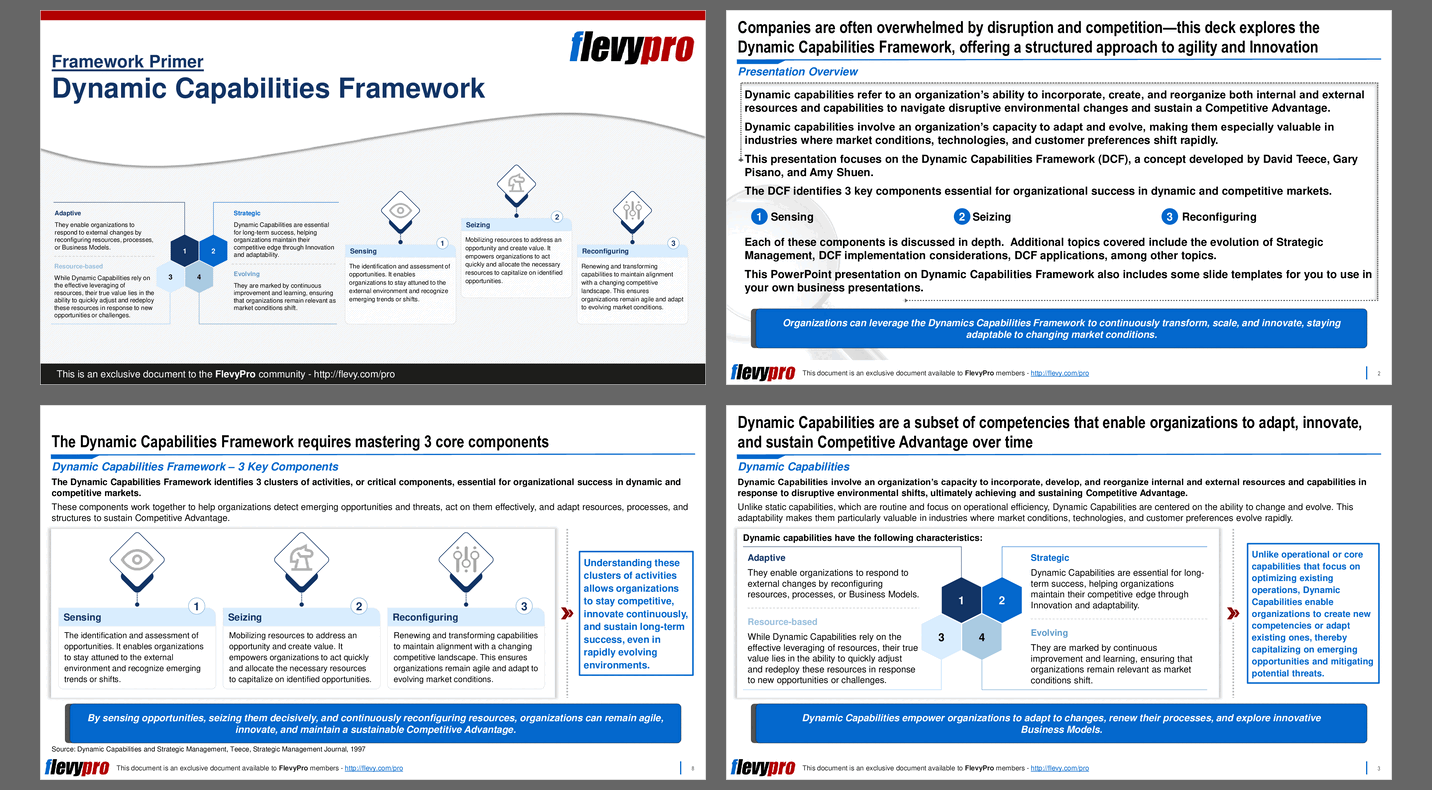
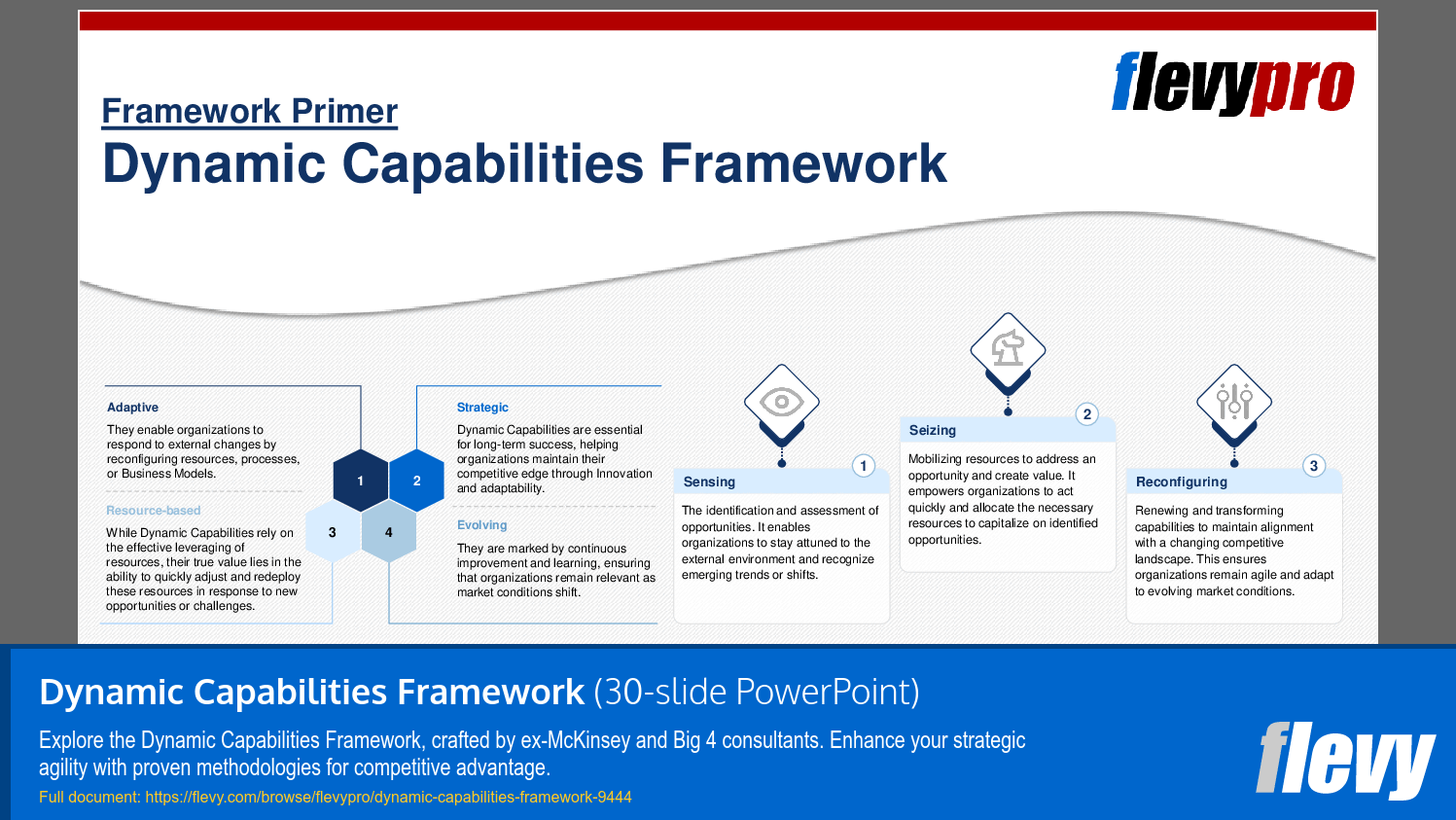
1. Sensing – The identification and assessment of opportunities. It enables organizations to stay attuned to the external environment and recognize emerging trends or shifts.
2. Seizing – Mobilizing resources to address an opportunity and create value. It empowers organizations to act quickly and allocate the necessary resources to capitalize on identified opportunities.
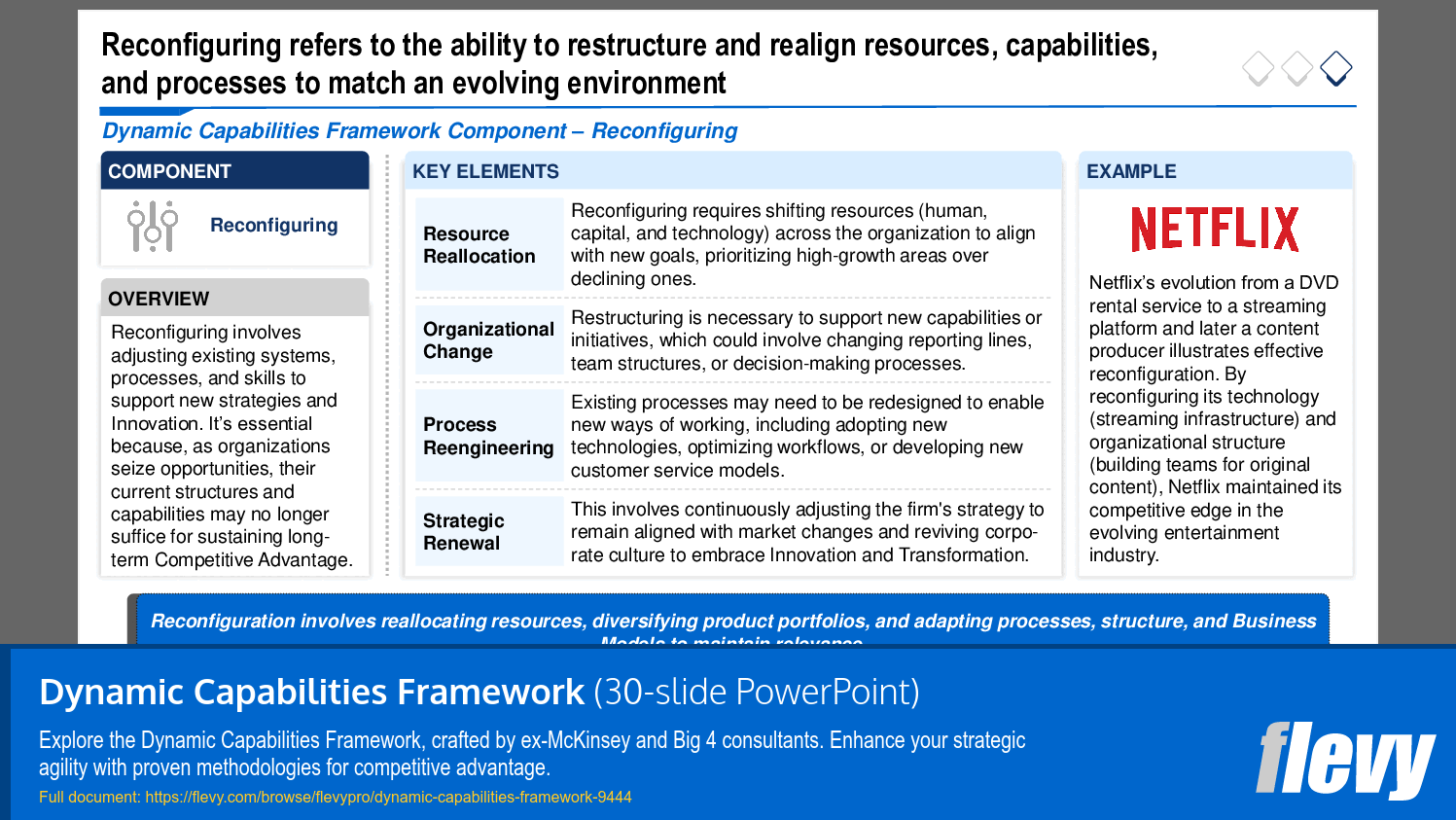
3. Reconfiguring – Renewing and transforming capabilities to maintain alignment with a changing competitive landscape. This ensures organizations remain agile and adapt to evolving market conditions.
Each of these components is discussed in depth. Additional topics covered include the evolution of Strategic Management, DCF implementation considerations, DCF applications, among other topics.
This PowerPoint presentation on Dynamic Capabilities Framework also includes some slide templates for you to use in your own business presentations.
Got a question about this document? Email us at flevypro@flevy.com.
Executive Summary
The Dynamic Capabilities Framework presentation provides a structured approach for organizations to enhance their agility and innovation in rapidly changing environments. Developed by renowned scholars David Teece, Gary Pisano, and Amy Shuen, this framework emphasizes the importance of sensing opportunities, seizing them, and reconfiguring resources to maintain a competitive advantage. Executives and consultants can leverage this framework to adapt to market disruptions, optimize resource allocation, and foster a culture of continuous improvement.
Who This Is For and When to Use
• Corporate executives seeking to drive strategic agility within their organizations
• Integration leaders managing change in dynamic environments
• Consultants advising clients on innovation and adaptability strategies
• Business development teams focused on identifying new market opportunities
Best-fit moments to use this deck:
• During strategic planning sessions to align on dynamic capabilities
• In workshops aimed at fostering innovation and adaptability
• When addressing organizational challenges related to market disruptions
Learning Objectives
• Define the Dynamic Capabilities Framework and its relevance in today’s business landscape
• Build strategies for sensing market opportunities and threats
• Establish processes for mobilizing resources effectively to seize identified opportunities
• Reconfigure organizational structures and processes to enhance adaptability
• Foster a culture of continuous learning and innovation within teams
• Apply the framework to real-world case studies for practical insights
Table of Contents
• Overview (page 2)
• Dynamic Capabilities Framework (page 3)
• Dynamic Capabilities Framework Components (page 9)
• Dynamic Capabilities Framework Implementation (page 14)
• Slide Design Structure & Templates (page 19)
Primary Topics Covered
• Dynamic Capabilities Framework - A comprehensive overview of the framework that emphasizes the importance of adaptability and innovation in competitive markets.
• Sensing - The process of identifying and assessing external opportunities and threats to stay attuned to market changes.
• Seizing - Mobilizing resources to capitalize on identified opportunities and create value through strategic decision-making.
• Reconfiguring - The ability to renew and transform organizational capabilities to align with evolving market conditions.
Deliverables, Templates, and Tools
• Framework overview template for presenting dynamic capabilities
• Sensing, seizing, and reconfiguring process templates for practical application
• Case study examples illustrating successful implementation of the framework
• Slide design templates for effective presentation of dynamic capabilities
Slide Highlights
• Overview of the Dynamic Capabilities Framework and its significance in strategic management
• Detailed breakdown of the 3 core components: sensing, seizing, and reconfiguring
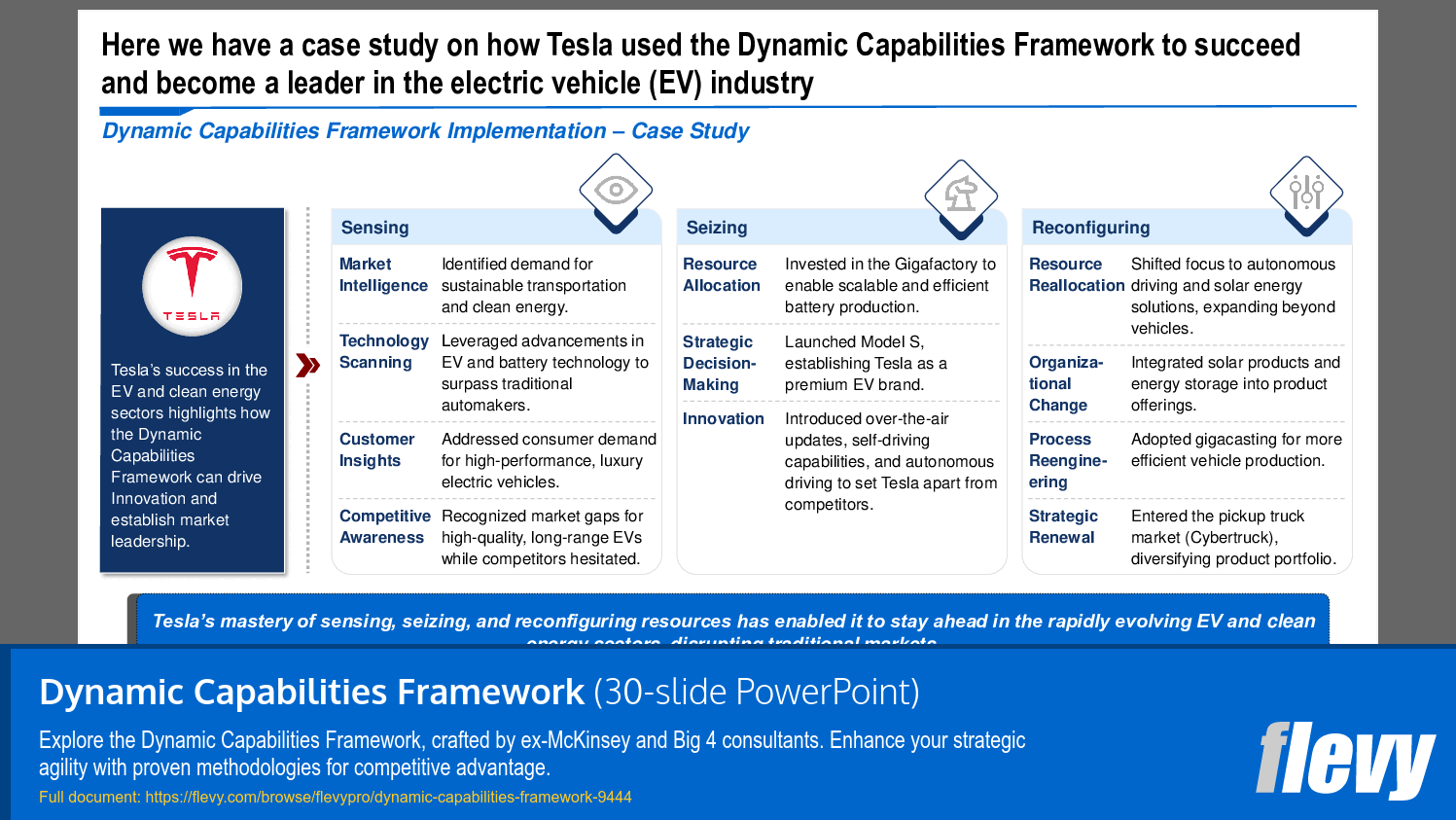
• Case studies showcasing organizations like Tesla and Amazon that successfully implemented the framework
• Visual aids illustrating the interconnectedness of dynamic capabilities and organizational success
Potential Workshop Agenda
Dynamic Capabilities Overview Session (60 minutes)
• Introduce the Dynamic Capabilities Framework and its relevance
• Discuss the importance of sensing, seizing, and reconfiguring
• Engage participants in identifying potential opportunities in their organizations
Implementation Strategy Workshop (90 minutes)
• Break down the steps for mobilizing resources effectively
• Collaborate on reconfiguring organizational structures for agility
• Share insights from case studies and discuss application in participants' contexts
Customization Guidance
• Tailor the framework components to align with specific organizational goals and market conditions
• Adjust case studies to reflect industry-specific challenges and opportunities
• Incorporate organizational terminology and metrics to enhance relevance
Secondary Topics Covered
• Evolution of Strategic Management and its impact on dynamic capabilities
• Challenges and criticisms associated with implementing the Dynamic Capabilities Framework
• Best practices for fostering a culture of innovation within organizations
Topic FAQ
Document FAQ
These are questions addressed within this presentation.
What is the Dynamic Capabilities Framework?
The Dynamic Capabilities Framework is a model that helps organizations adapt and innovate by effectively sensing opportunities, seizing them, and reconfiguring resources to maintain a competitive advantage.
How can organizations apply this framework?
Organizations can apply the framework by integrating its components into their strategic planning processes, focusing on continuous learning, and adapting to market changes.
What are the key components of the framework?
The key components include sensing opportunities, seizing them through resource mobilization, and reconfiguring organizational capabilities to align with evolving market conditions.
Can you provide examples of organizations that have successfully implemented this framework?
Yes, companies like Tesla and Amazon exemplify successful implementation by leveraging dynamic capabilities to innovate and lead in their respective industries.
What challenges might organizations face when implementing this framework?
Challenges include prioritization of resources, cultural barriers to innovation, and the need for continuous adaptation in the face of external pressures.
How does this framework differ from traditional strategic management approaches?
Unlike traditional approaches that focus on static resources, the Dynamic Capabilities Framework emphasizes adaptability and responsiveness to external changes.
What role does leadership play in the framework?
Leadership is crucial for setting strategic direction, aligning resources with opportunities, and fostering a culture that encourages innovation and adaptability.
How can organizations measure the effectiveness of their dynamic capabilities?
Measuring effectiveness can be challenging due to the abstract nature of dynamic capabilities; organizations should focus on tracking adaptability, innovation outcomes, and market responsiveness.
Glossary
• Dynamic Capabilities - Competencies that enable organizations to adapt, innovate, and sustain competitive advantage.
• Sensing - The ability to identify and assess external opportunities and threats.
• Seizing - Mobilizing resources to capitalize on identified opportunities.
• Reconfiguring - Adjusting organizational structures and processes to align with changing environments.
• Competitive Advantage - The attributes that allow an organization to outperform its competitors.
• Innovation - The process of developing new ideas, products, or methods.
• Organizational Culture - The shared values, beliefs, and practices that shape how an organization operates.
• Market Intelligence - The process of gathering and analyzing data about market trends and consumer behavior.
• Strategic Decision-Making - The process of making choices that align with organizational goals and market opportunities.
• Resource Mobilization - The efficient allocation of financial, human, and technological resources to seize opportunities.
• Process Reengineering - The redesign of business processes to improve efficiency and effectiveness.
• Strategic Renewal - The ongoing process of adapting an organization’s strategy to align with market changes.
• Exploration vs. Exploitation - The balance between pursuing new opportunities and optimizing existing capabilities.
• Cultural Barriers - Organizational norms that may hinder innovation and adaptability.
• External Factors - Market conditions and trends that influence organizational strategy and performance.
• Tracking Issues - Challenges in measuring and assessing dynamic capabilities effectively.
• Lack of Standard Metrics - The absence of universally accepted methods for evaluating dynamic capabilities.
• High Investment - The significant resources required to develop and sustain dynamic capabilities.
• Organizational Resistance - The pushback against change from existing structures and processes.
• Competitive Pressure - The challenges posed by rivals in the marketplace that influence strategic decisions.
Source: Best Practices in Competitive Advantage, Capability Analysis, Resource Management PowerPoint Slides: Dynamic Capabilities Framework PowerPoint (PPTX) Presentation Slide Deck, LearnPPT Consulting
Did you need more documents?
Consider a FlevyPro subscription from $39/month. View plans here.
For $10.00 more, you can download this document plus 2 more FlevyPro documents. That's just $13 each.
|
Download our FREE Strategy & Transformation Framework Templates
Download our free compilation of 50+ Strategy & Transformation slides and templates. Frameworks include McKinsey 7-S, Balanced Scorecard, Disruptive Innovation, BCG Curve, and many more. |