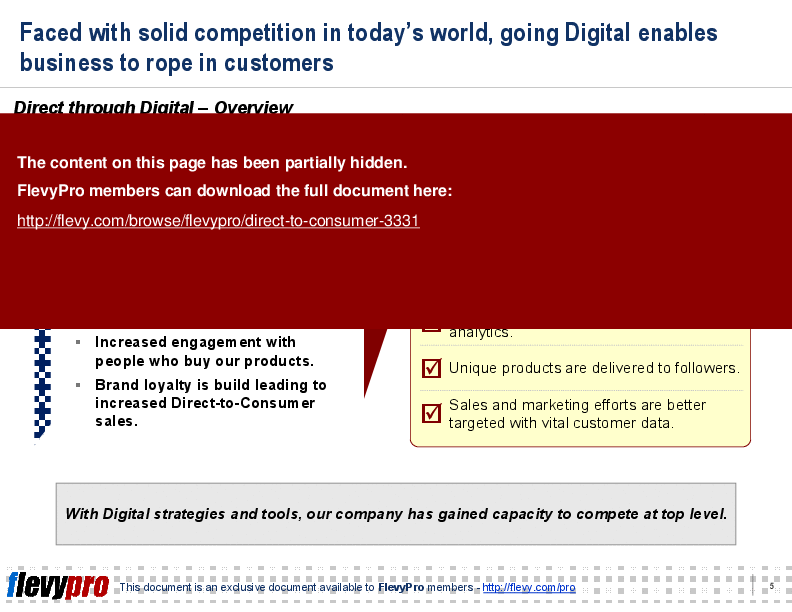

Brands have the power to own customer relationships. With the advent of Digital platforms and tools, brands are empowered to open new channels and broaden customer reach.
As a result, going Digital and thereby going direct have increased revenue streams, profits, and financial performance of companies.
This presentation provides a clear purview of the opportunities being opened by new Digital platforms and tools. Going direct-to-consumers can provide a company the Competitive Advantage to gain wider market reach.
There are 3 general approaches we can take when adopting a Direct-to-Consumer model:
1. Traditional Approach
2. Hybrid Approach
3. New Approach
Either way, the organization must be clear on its goals and objective when framing up the Direct-to-Consumer model.
This deck also includes slide templates for you to use in your own business presentations.
Direct-to-Consumer (DTC) strategies are reshaping the competitive landscape. This presentation delves into how brands can leverage digital platforms to enhance engagement and loyalty. By bypassing traditional middlemen, companies can directly connect with consumers, leading to increased sales and stronger brand relationships. The PPT outlines the critical steps and considerations for launching a branded product through digital channels, emphasizing the importance of a robust digital presence.
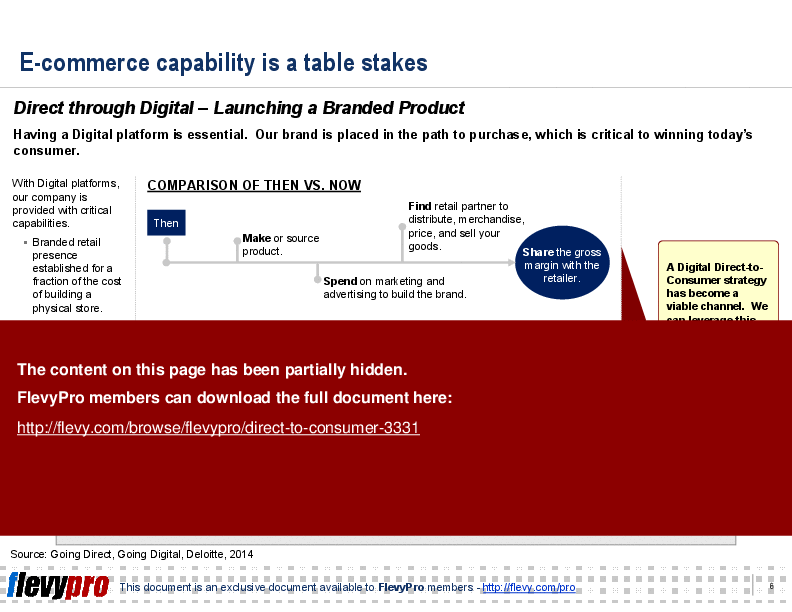
The DTC model isn't just about cutting out the middleman. It's about creating a seamless, personalized customer experience. The presentation highlights the benefits of using data analytics to gain insights into customer behavior, preferences, and trends. This data-driven approach allows for more targeted marketing efforts and product offerings, ultimately driving revenue growth and improving margins. The comparison between traditional and digital approaches showcases the transformative potential of going direct.
For companies ready to adopt a DTC approach, this presentation provides a comprehensive guide. It includes detailed templates and frameworks to help you plan and execute your strategy effectively. Whether you're an established brand looking to expand your reach or a new player aiming to disrupt the market, this document offers valuable insights and practical tools to help you succeed in the digital age.
Got a question about this document? Email us at flevypro@flevy.com.
Executive Summary
The Direct-to-Consumer (DTC) presentation provides a strategic framework for organizations looking to enhance their customer engagement and drive revenue through digital channels. Crafted by experienced consultants, this deck outlines the benefits of adopting a DTC model, including improved customer relationships, expanded market reach, and enhanced margins. By leveraging digital tools, companies can bypass traditional distribution channels, allowing for greater control over brand messaging and customer interactions. This presentation serves as a comprehensive guide for executives and teams aiming to implement effective DTC strategies.
Who This Is For and When to Use
• Marketing executives seeking to enhance customer engagement through digital channels
• Business development teams exploring new revenue streams via DTC models
• Product managers looking to understand customer preferences and optimize offerings
• Consultants advising clients on digital transformation and customer relationship management
Best-fit moments to use this deck:
• During strategic planning sessions focused on digital transformation
• When evaluating new market opportunities and customer engagement strategies
• For workshops aimed at developing DTC capabilities and frameworks
• In discussions regarding the integration of digital tools into existing business models
Learning Objectives
• Define the Direct-to-Consumer model and its impact on business operations
• Identify key benefits of adopting a DTC strategy, including improved margins and customer relationships
• Analyze different approaches to implementing a DTC model: Traditional, Hybrid, and New
• Develop actionable plans for leveraging digital platforms to enhance customer engagement
• Create metrics for tracking the effectiveness of DTC initiatives
• Understand the importance of customer data in shaping product offerings and marketing strategies
Table of Contents
• Overview (page 3)
• Direct through Digital (page 5)
• Direct-to-Consumer Opportunity (page 8)
• Direct-to-Consumer Approaches (page 12)
• Templates (page 17)
Primary Topics Covered
• Overview of DTC Model - An introduction to the Direct-to-Consumer model, emphasizing its importance in modern business strategies.
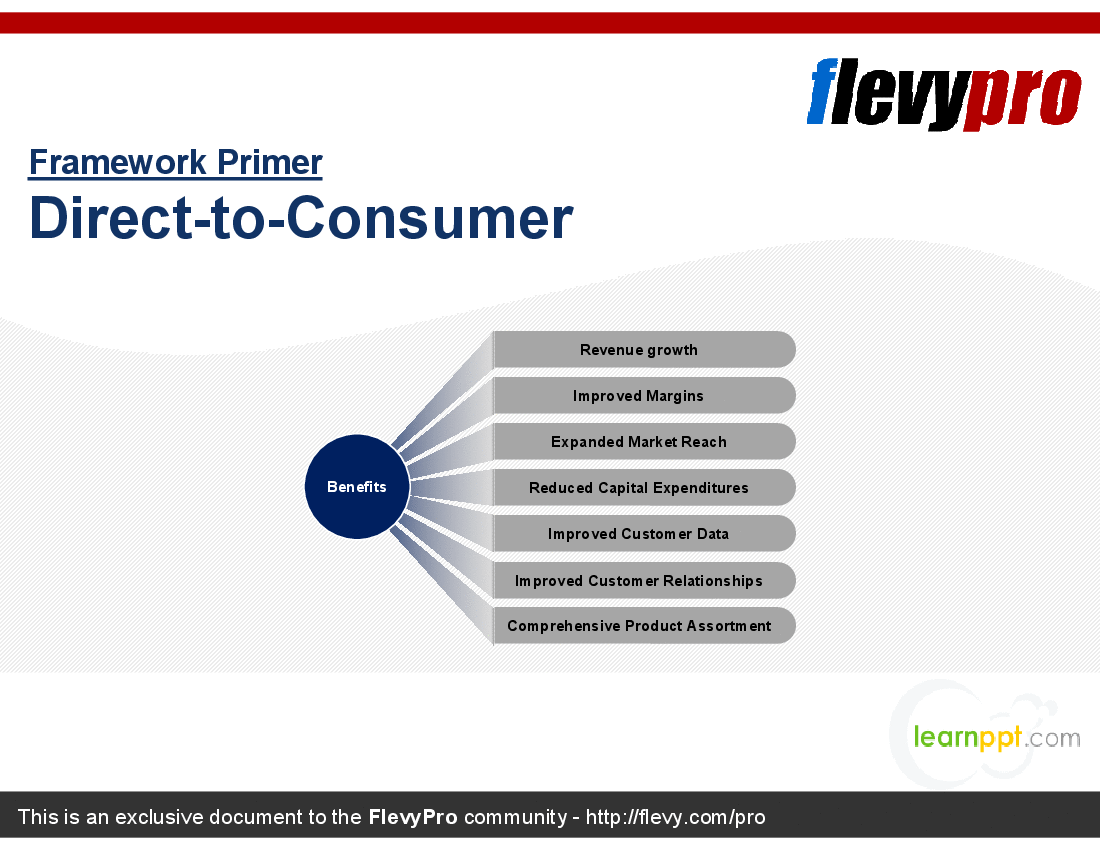
• Benefits of DTC - Detailed insights into how DTC can lead to improved margins, expanded market reach, and better customer relationships.
• Digital Tools and Strategies - Exploration of digital platforms that facilitate direct engagement with consumers, enhancing brand loyalty.
• Approaches to DTC - Examination of 3 distinct approaches: Traditional, Hybrid, and New, each suited for different types of brands.
• Implementation Framework - Guidelines for developing a DTC strategy, including necessary digital tools and metrics for success.
• Customer Data Utilization - Strategies for leveraging customer data to inform product development and marketing efforts.
Deliverables, Templates, and Tools
• DTC strategy framework template for outlining implementation plans
• Customer engagement metrics dashboard for tracking DTC performance
• Digital tool assessment checklist to evaluate necessary platforms for DTC
• Market analysis template to identify customer segments and opportunities
• Customer journey mapping tool to visualize interactions and touchpoints
• Reporting template for analyzing DTC outcomes and financial impacts
Slide Highlights
• Overview slide outlining the core benefits of adopting a DTC model
• Comparison slide illustrating the shift from traditional to digital approaches
• Benefits slide detailing specific advantages such as improved margins and customer data insights
• Approaches slide summarizing the 3 key strategies for implementing DTC
• Template slides providing frameworks for actionable planning and analysis
Potential Workshop Agenda
DTC Strategy Development Session (90 minutes)
• Discuss the importance of DTC in modern business
• Identify key benefits and challenges of adopting a DTC model
• Outline actionable steps for implementation
Customer Engagement Workshop (60 minutes)
• Explore digital tools for enhancing customer relationships
• Analyze customer data to inform product offerings
• Develop metrics for measuring engagement success
Customization Guidance
• Tailor the DTC strategy framework to align with specific organizational goals and market conditions
• Adjust customer engagement metrics to reflect industry standards and company objectives
• Incorporate relevant digital tools that fit the existing technological landscape of the organization
Secondary Topics Covered
• The role of e-commerce in supporting DTC initiatives
• Challenges faced by brands transitioning to a DTC model
• Case studies of successful DTC implementations
• Future trends in consumer behavior and digital engagement
Topic FAQ
Document FAQ
These are questions addressed within this presentation.
What is the Direct-to-Consumer model?
The Direct-to-Consumer model allows brands to sell directly to consumers, bypassing traditional retail channels, which enhances control over customer relationships and brand messaging.
What are the key benefits of adopting a DTC strategy?
Benefits include improved margins, expanded market reach, better customer data insights, and enhanced customer relationships, leading to increased revenue growth.
How can digital tools enhance DTC efforts?
Digital tools enable brands to engage with customers more effectively, analyze consumer behavior, and streamline marketing efforts, ultimately driving sales and loyalty.
What are the 3 approaches to implementing a DTC model?
The 3 approaches are Traditional, Hybrid, and New, each tailored to different types of brands and market conditions.
How do I measure the success of DTC initiatives?
Success can be measured using customer engagement metrics, sales growth, and analysis of customer feedback to inform ongoing strategy adjustments.
What challenges might brands face when transitioning to a DTC model?
Challenges include managing supply chain logistics, ensuring data privacy, and adapting marketing strategies to effectively reach consumers directly.
How can customer data be utilized in a DTC strategy?
Customer data can inform product development, enhance marketing targeting, and improve overall customer engagement by understanding preferences and behaviors.
What role does e-commerce play in DTC?
E-commerce serves as a critical channel for brands to reach consumers directly, facilitating sales and providing valuable data for understanding customer interactions.
Glossary
• Direct-to-Consumer (DTC) - A business model where brands sell directly to consumers, bypassing traditional retail channels.
• Digital Tools - Platforms and technologies used to engage customers and analyze data.
• Customer Engagement - The interaction between brands and consumers that fosters loyalty and sales.
• Market Reach - The extent to which a brand can connect with potential customers.
• Customer Data - Information collected from consumers that informs marketing and product strategies.
• E-commerce - Online platforms that facilitate the buying and selling of goods directly to consumers.
• Customer Journey - The complete experience a customer has with a brand, from awareness to purchase and beyond.
• Hybrid Approach - A strategy that combines traditional and direct-to-consumer channels for maximum reach.
• Traditional Approach - A method where brands rely on established retail partners for distribution.
• New Approach - A strategy best suited for emerging brands leveraging digital tools for direct engagement.
• Metrics - Measurements used to assess the effectiveness of DTC initiatives.
• Brand Loyalty - The tendency of consumers to continue buying the same brand over time.
• Revenue Growth - An increase in a company's sales over a specific period.
• Comprehensive Product Assortment - A wide range of products offered directly to consumers without retailer restrictions.
• Capital Expenditures (CAPEX) - Investments in physical assets that are reduced through DTC models.
• Data Analytics - The process of examining data sets to draw conclusions about the information they contain.
• Consumer Preferences - The likes and dislikes of consumers that influence their purchasing decisions.
• Competitive Advantage - A favorable position a company has over its competitors in the market.
• Market Segmentation - The process of dividing a target market into smaller groups based on shared characteristics.
• Digital Transformation - The integration of digital technology into all areas of a business, fundamentally changing how it operates and delivers value to customers.
Source: Best Practices in Digital Transformation, Channel Strategy, Retail Strategy PowerPoint Slides: Direct-to-Consumer PowerPoint (PPT) Presentation Slide Deck, LearnPPT Consulting
Did you need more documents?
Consider a FlevyPro subscription from $39/month. View plans here.
For $10.00 more, you can download this document plus 2 more FlevyPro documents. That's just $13 each.
|
Download our FREE Strategy & Transformation Framework Templates
Download our free compilation of 50+ Strategy & Transformation slides and templates. Frameworks include McKinsey 7-S, Balanced Scorecard, Disruptive Innovation, BCG Curve, and many more. |










