
This framework is developed by a team of former McKinsey and Big 4 consultants. The presentation follows the headline-body-bumper slide format used by global consulting firms.
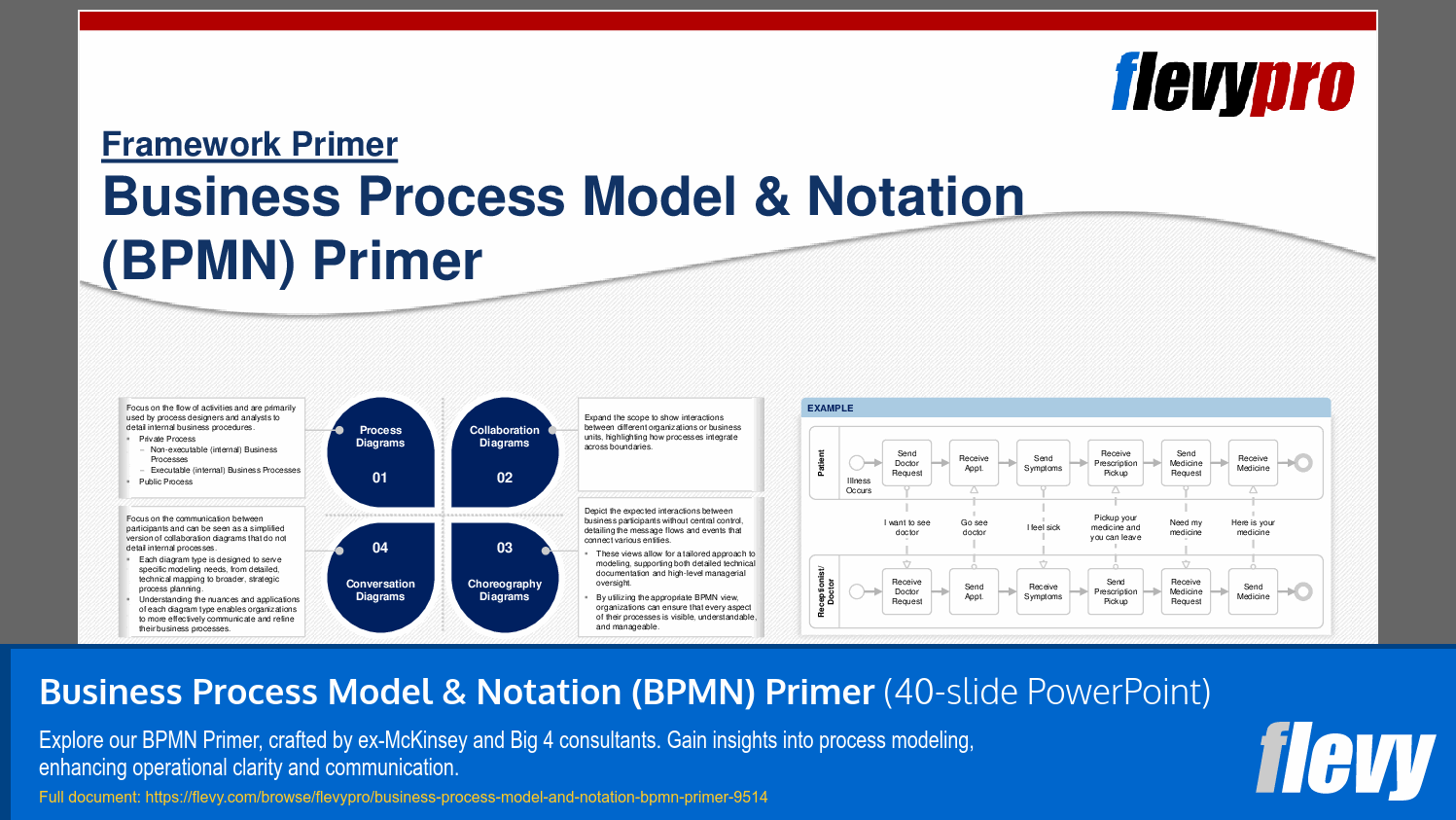
Explore our BPMN Primer, crafted by ex-McKinsey and Big 4 consultants. Gain insights into process modeling, enhancing operational clarity and communication. Business Process Model & Notation (BPMN) Primer is a 40-slide PPT PowerPoint presentation slide deck (PPTX) available for immediate download upon purchase.
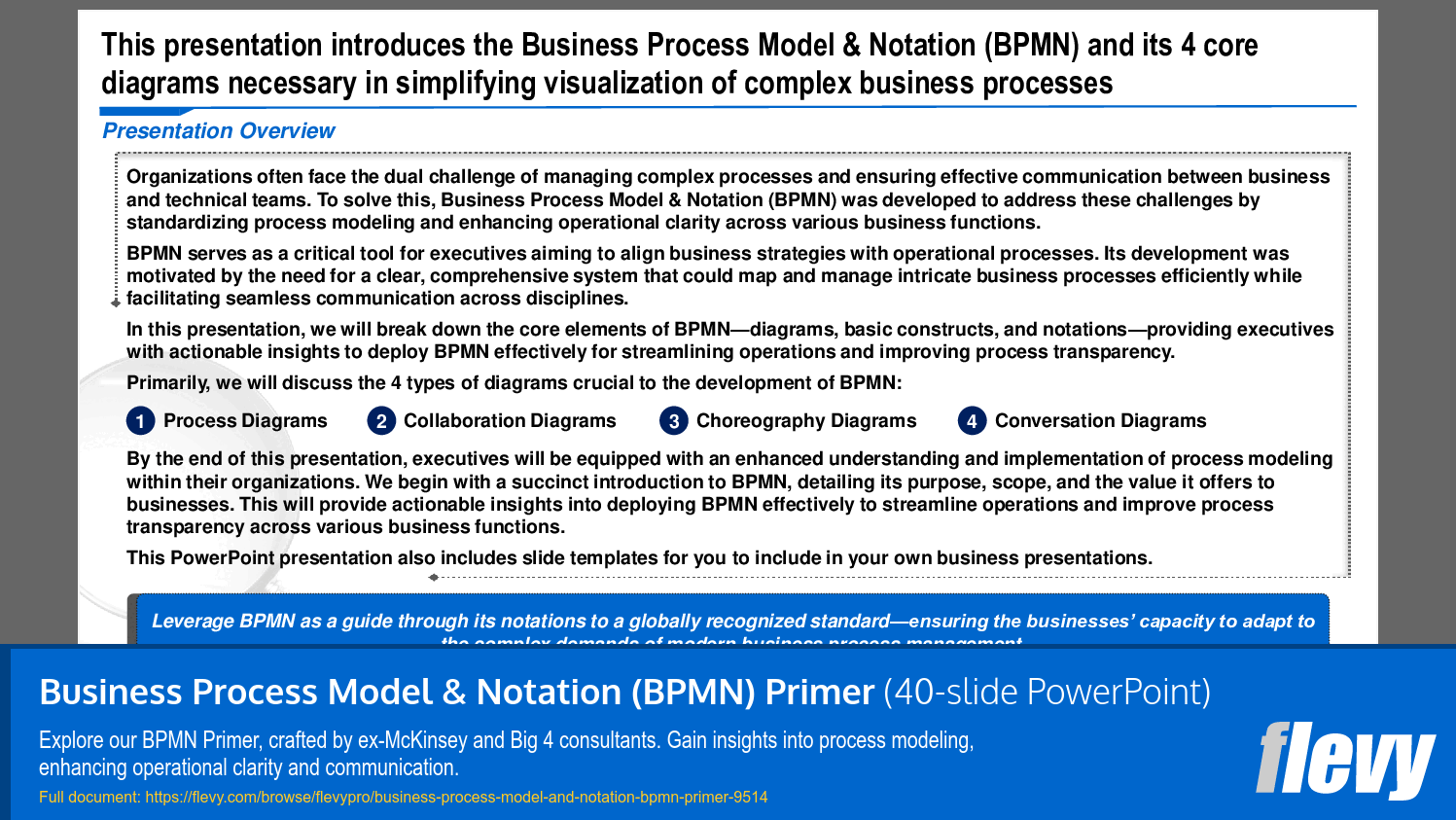
Organizations often face the dual challenge of managing complex processes and ensuring effective communication between business and technical teams. To solve this, Business Process Model & Notation (BPMN) was developed to address these challenges by standardizing process modeling and enhancing operational clarity across various business functions.
BPMN serves as a critical tool for executives aiming to align business strategies with operational processes. Its development was motivated by the need for a clear, comprehensive system that could map and manage intricate business processes efficiently while facilitating seamless communication across disciplines.
In this PPT presentation, we will break down the core elements of BPMN—diagrams, basic constructs, and notations—providing executives with actionable insights to deploy BPMN effectively for streamlining operations and improving process transparency.
Primarily, we will discuss the 4 types of diagrams crucial to the development of BPMN:
1. Process Diagrams – Focus on the flow of activities and are primarily used by process designers and analysts to detail internal business procedures.
2. Collaboration Diagrams – Expand the scope to show interactions between different organizations or business units, highlighting how processes integrate across boundaries.
3. Choreography Diagrams – Depict the expected interactions between business participants without central control, detailing the message flows and events that connect various entities.
4. 4. Conversation Diagrams – Focus on the communication between participants and can be seen as a simplified version of collaboration diagrams that do not detail internal processes.
By the end of this PPT presentation, executives will be equipped with an enhanced understanding and implementation of process modeling within their organizations. We begin with a succinct introduction to BPMN, detailing its purpose, scope, and the value it offers to businesses. This will provide actionable insights into deploying BPMN effectively to streamline operations and improve process transparency across various business functions.
This PowerPoint on BPMN presentation also includes slide templates for you to include in your own business presentations.
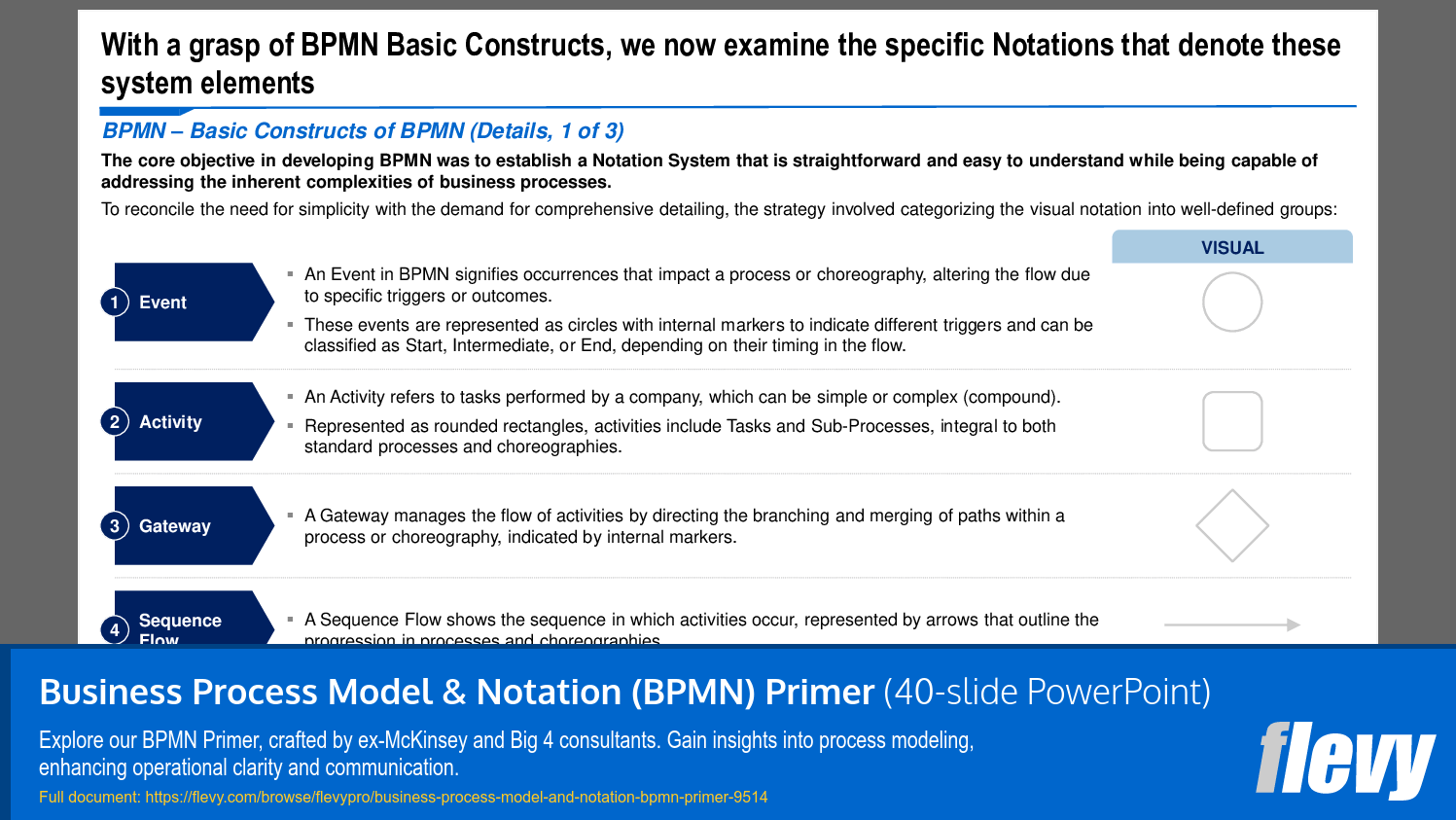
This PPT slide provides an overview of the Basic Constructs of Business Process Model and Notation (BPMN), focusing on key elements for process modeling. The 4 primary components are Event, Activity, Gateway, and Sequence Flow. An Event signifies occurrences affecting a process, classified as Start, Intermediate, or End, which influence process flow. The Activity component represents tasks executed by a company, including Tasks and Sub-Processes, illustrated by rounded rectangles. Gateways manage the flow of activities, directing branching and merging paths, essential for visualizing decision points. Sequence Flow outlines the order of activities, represented by arrows, crucial for understanding process progression.
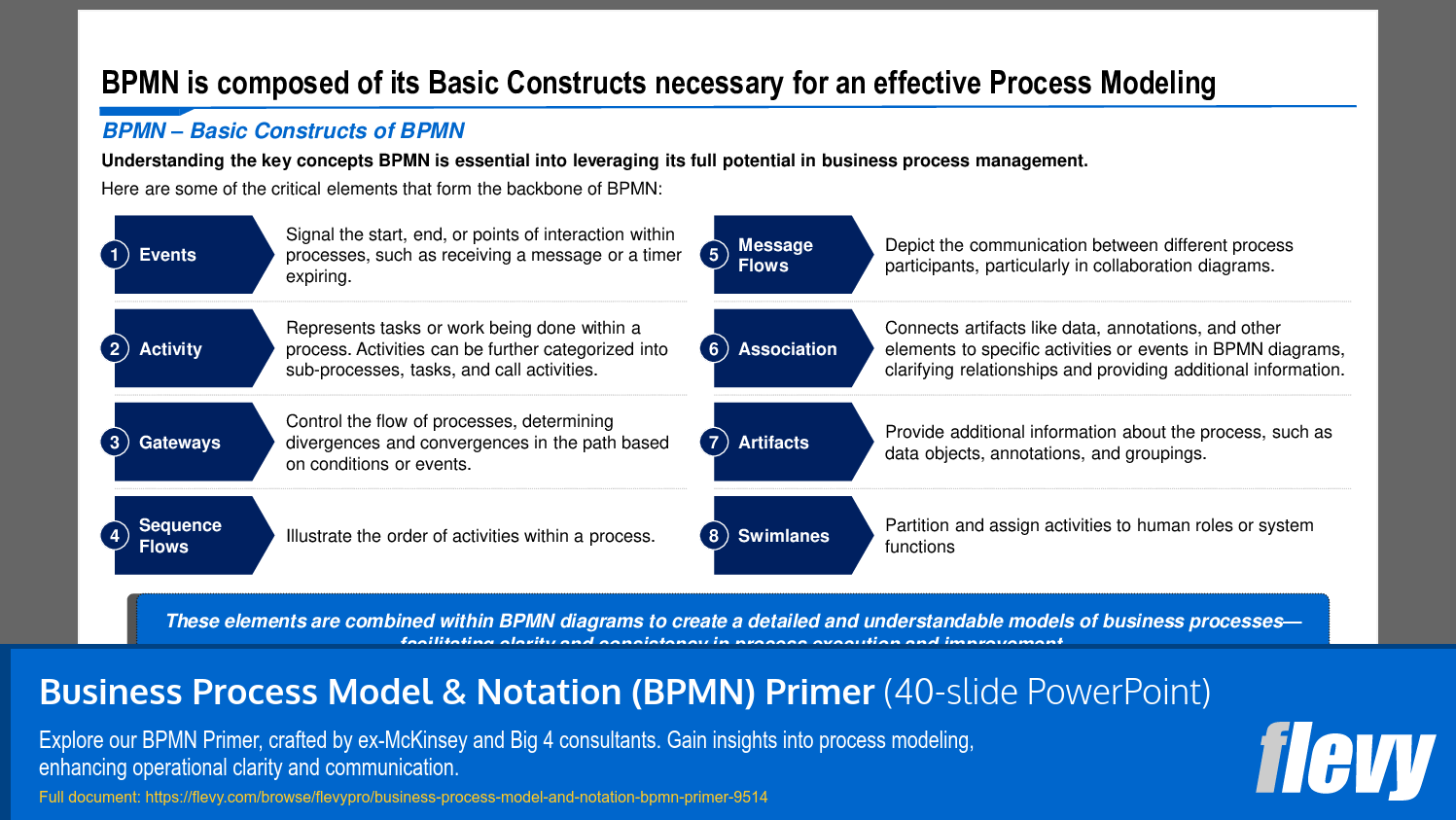
This PPT slide outlines the fundamental components of Business Process Model and Notation (BPMN) essential for effective process modeling. Key elements include "Events," which signify critical points in processes; "Activity," representing specific tasks that can be further divided into sub-processes; and "Gateways," which serve as decision points controlling process flow. "Sequence Flows" illustrate the order of activities, while "Message Flows" depict communication between participants in collaborative settings. "Association" connects artifacts, such as data and annotations, to activities, enhancing model clarity. "Artifacts" provide supplementary information, and "Swimlanes" partition activities by human roles or system functions, ensuring accountability. Collectively, these elements create a comprehensive framework for detailed BPMN diagrams, improving clarity and consistency in process execution.
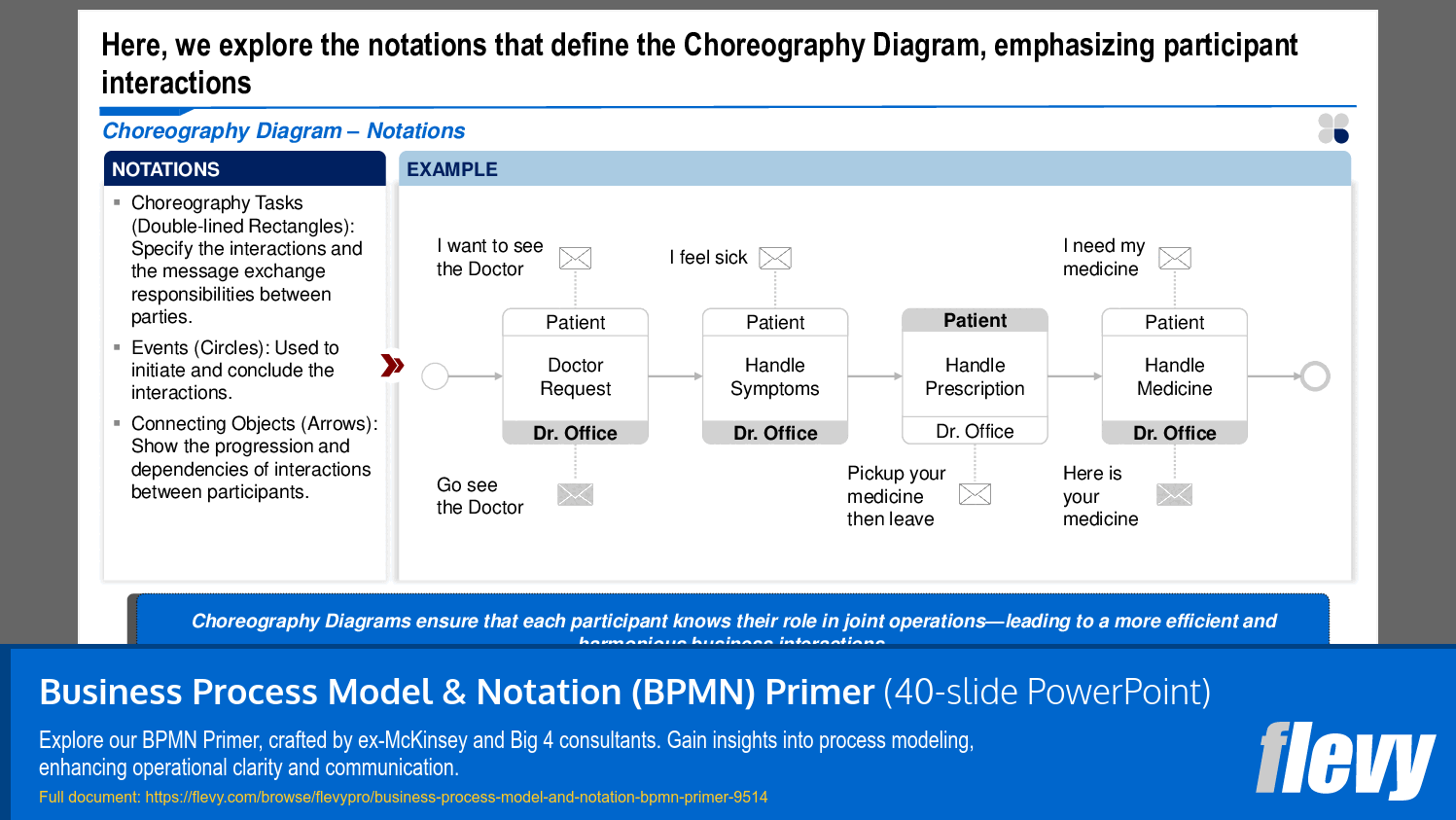
This PPT slide details notations in a Choreography Diagram, focusing on participant interactions categorized into 3 types: Choreography Tasks, Events, and Connecting Objects. Choreography Tasks, represented by double-lined rectangles, define specific interactions and responsibilities for message exchanges among parties. Events, depicted as circles, mark the initiation and conclusion of interactions, clarifying the process flow. Connecting Objects, shown as arrows, illustrate the sequence and dependencies of interactions, ensuring a coherent understanding of the interaction flow. An example featuring a patient and a doctor's office highlights structured communication in healthcare, detailing steps like requesting to see the doctor and managing prescriptions. Clear definitions of roles and responsibilities enhance process modeling, leading to improved efficiency in business interactions.
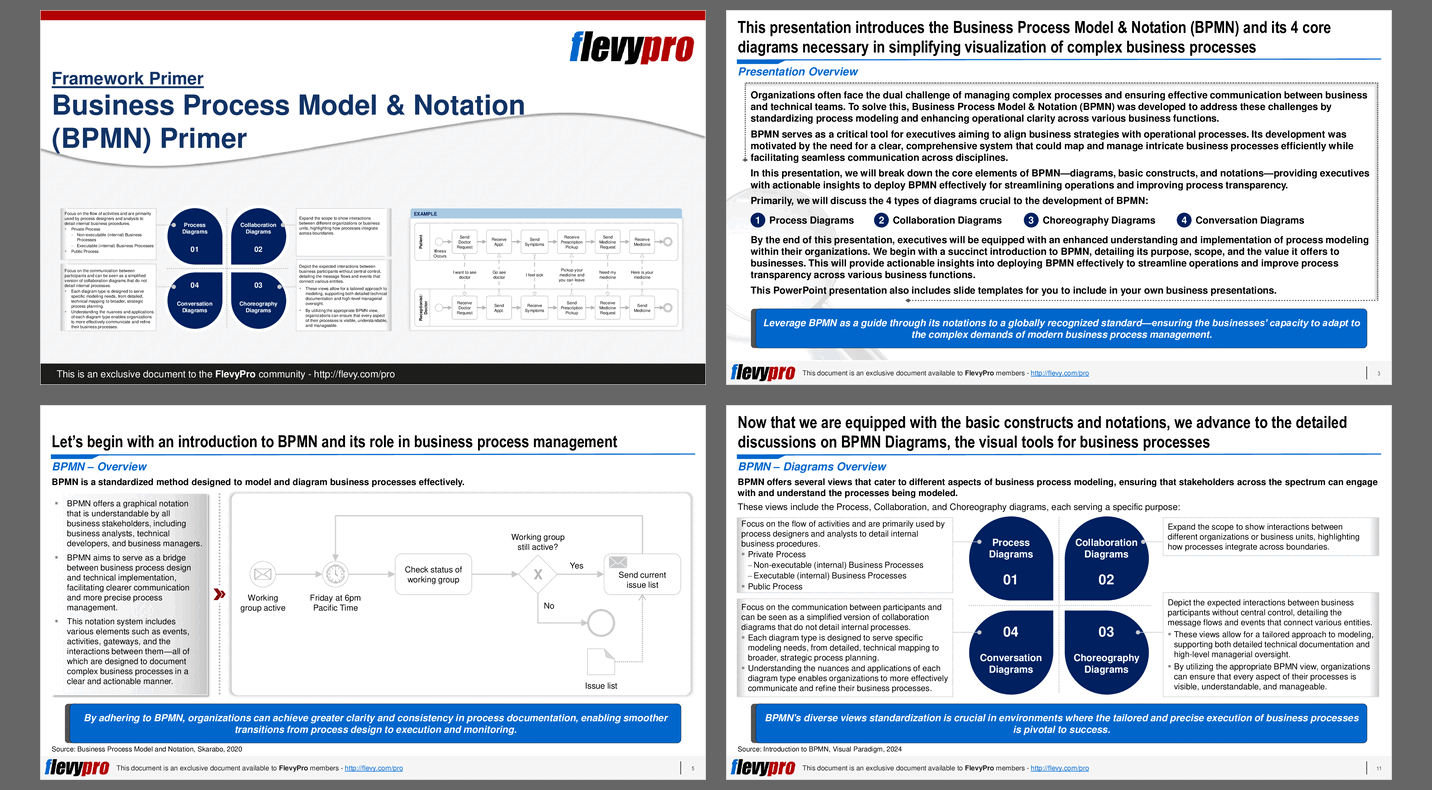
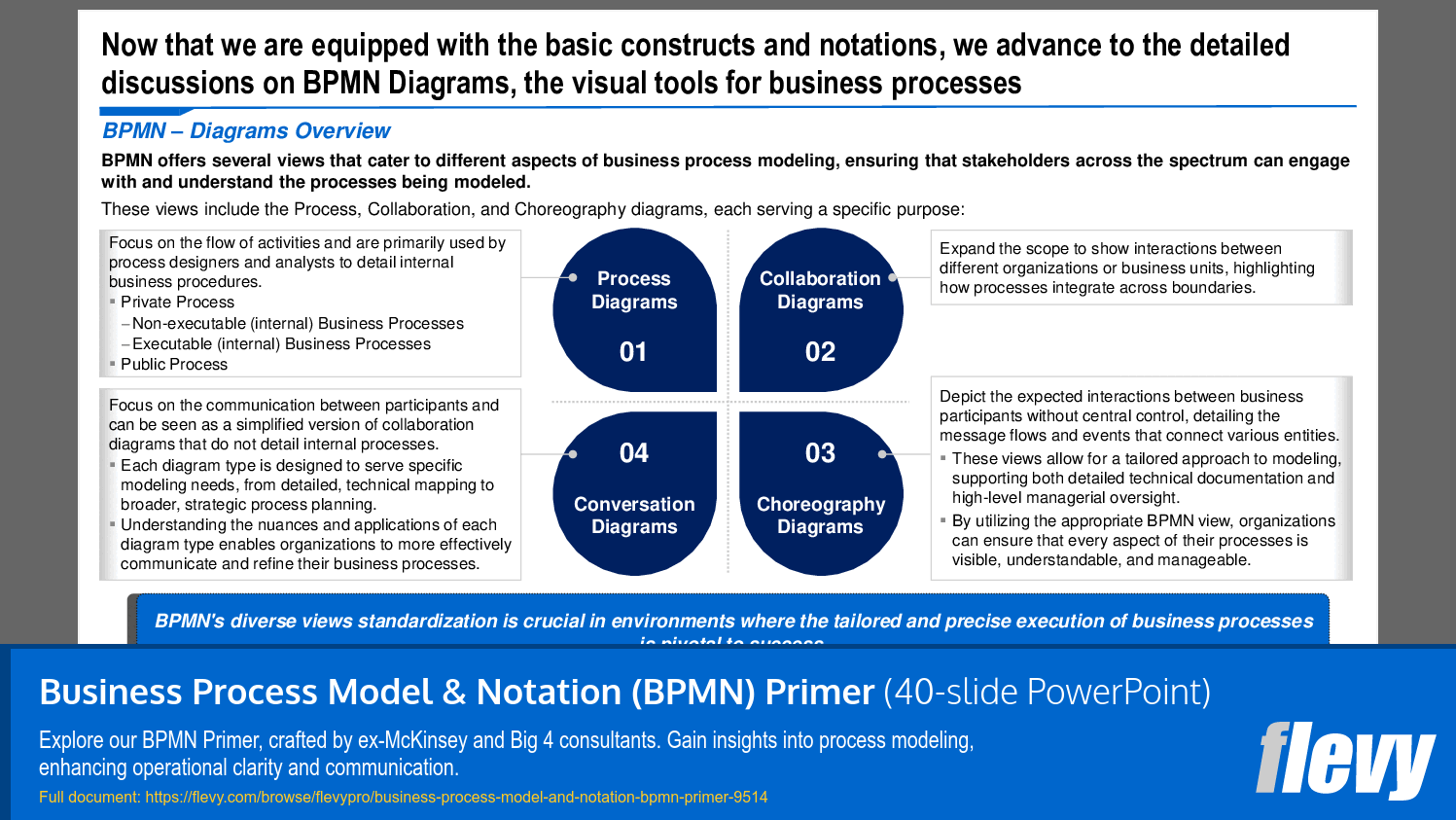
BPMN (Business Process Model and Notation) diagrams are essential for business process modeling, categorized into 4 types: Process Diagrams, Collaboration Diagrams, Choreography Diagrams, and Conversation Diagrams.
Process Diagrams focus on the flow of activities, detailing internal business procedures and segmented into Private Processes, Non-executable internal processes, Executable internal processes, and Public Processes.
Collaboration Diagrams illustrate interactions between organizations, crucial for understanding process integration across boundaries.
Choreography Diagrams depict expected interactions among business participants, detailing message flows and events, supporting technical documentation and managerial oversight.
Conversation Diagrams simplify communication between participants, providing a high-level view of interactions.
BPMN's diverse views enhance operational clarity and communication, vital for organizational success.
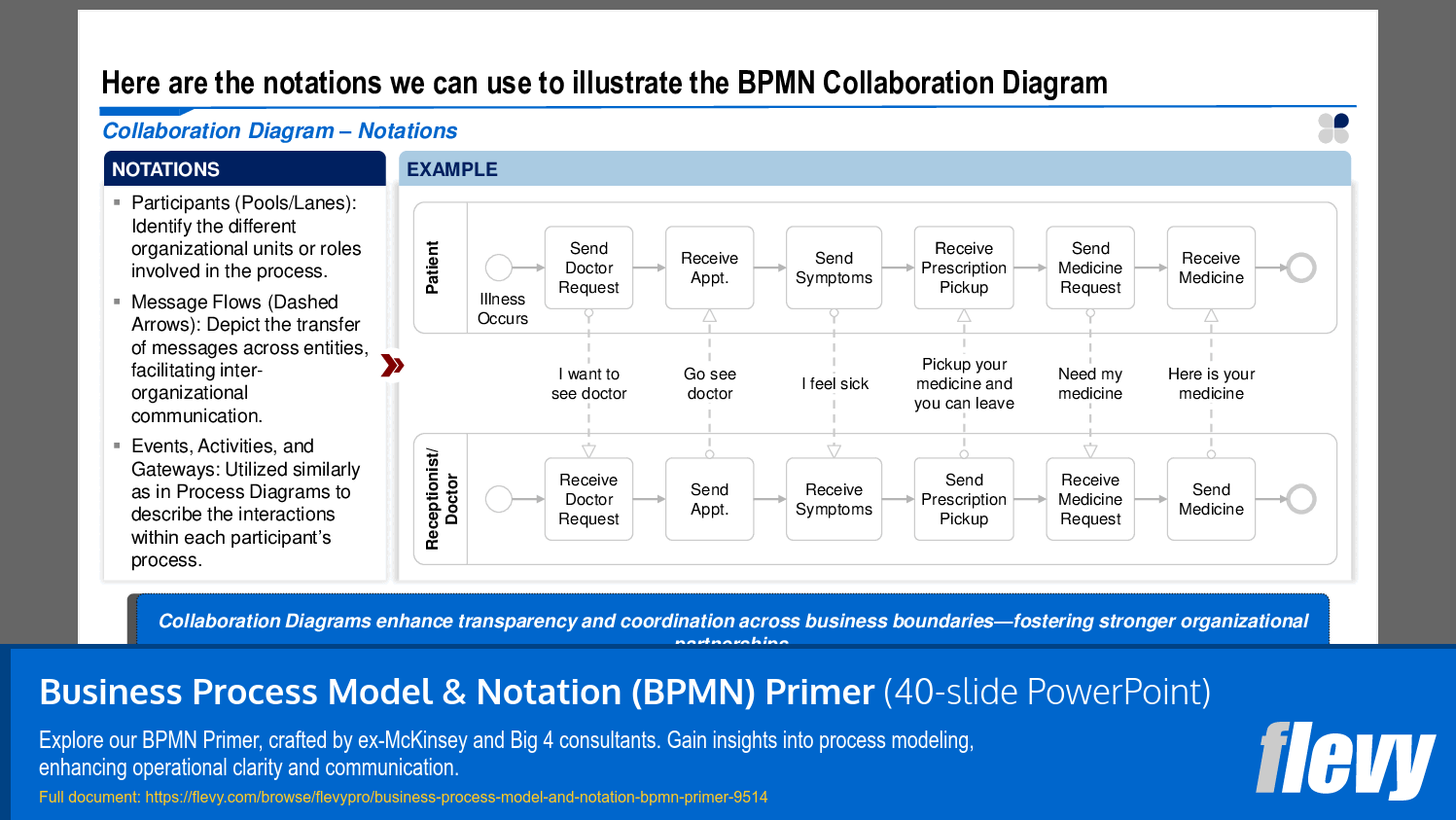
This PPT slide outlines notations used in a BPMN (Business Process Model and Notation) Collaboration Diagram. Key notations include Participants, Message Flows, Events, Activities, and Gateways. Participants are represented as pools or lanes, indicating organizational units or roles responsible for workflow segments. Message Flows, shown with dashed arrows, illustrate inter-organizational communication. A practical example depicts a patient’s journey through a healthcare process, highlighting interactions with healthcare providers, such as sending a doctor request and receiving an appointment. Events, Activities, and Gateways function similarly to those in Process Diagrams, enhancing clarity and coordination across business boundaries, which is vital for effective collaboration. Understanding these notations is essential for improving operational efficiency and communication strategies.
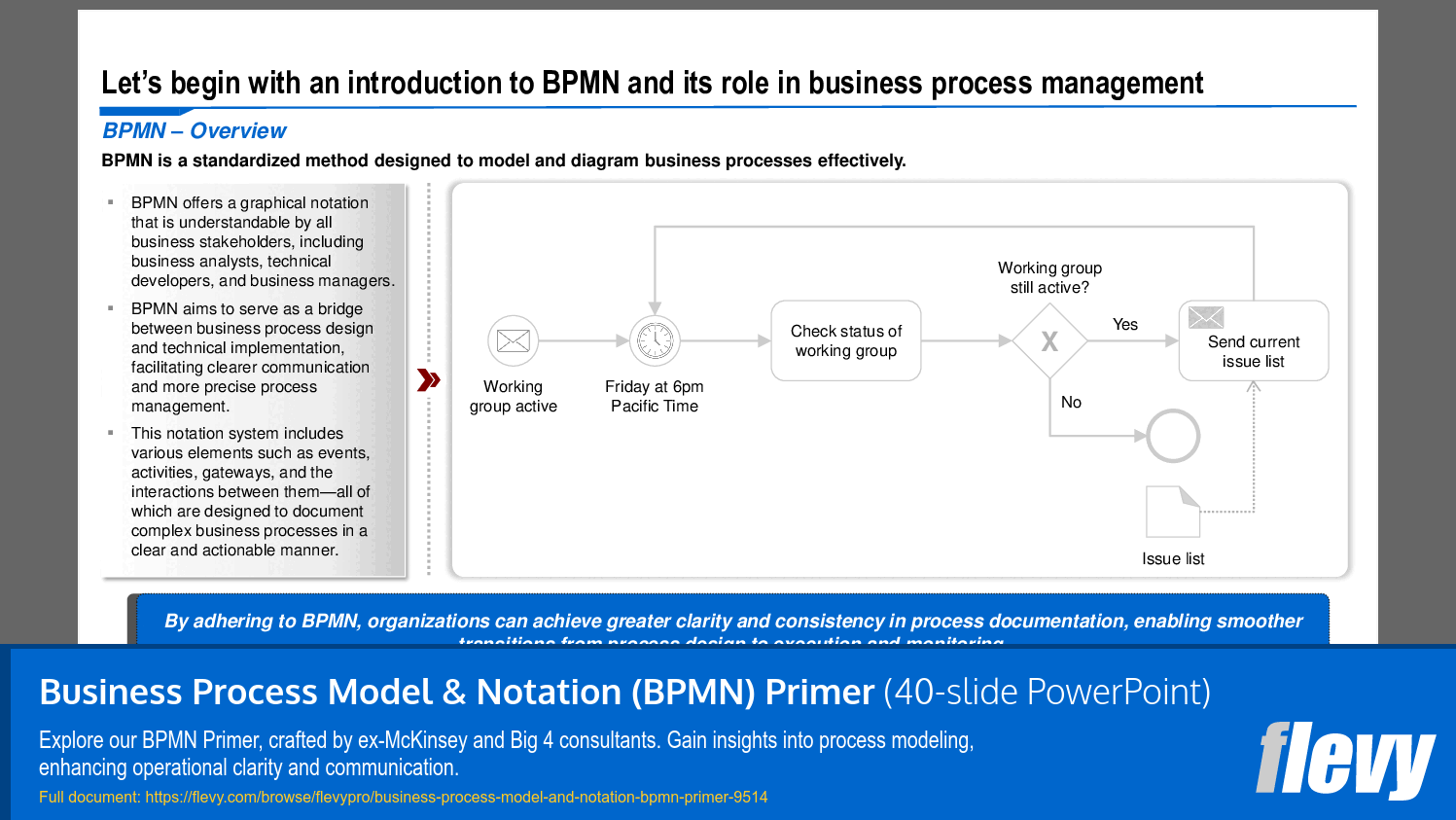
BPMN, or Business Process Model and Notation, is a standardized method for modeling and diagramming business processes, bridging the gap between design and technical implementation. It enhances communication among stakeholders, including business analysts, technical developers, and managers. BPMN's graphical notation is universally understandable, facilitating clearer communication and precise management of business processes. Key elements include events, activities, and gateways, which document complex processes clearly and actionably. A flowchart illustrates a working group's process, starting with an active notification and including decision points that lead to actions like sending issue lists. Adopting BPMN enables organizations to achieve clarity and consistency in process documentation, supporting smoother transitions from design to execution and enhancing operational efficiency.
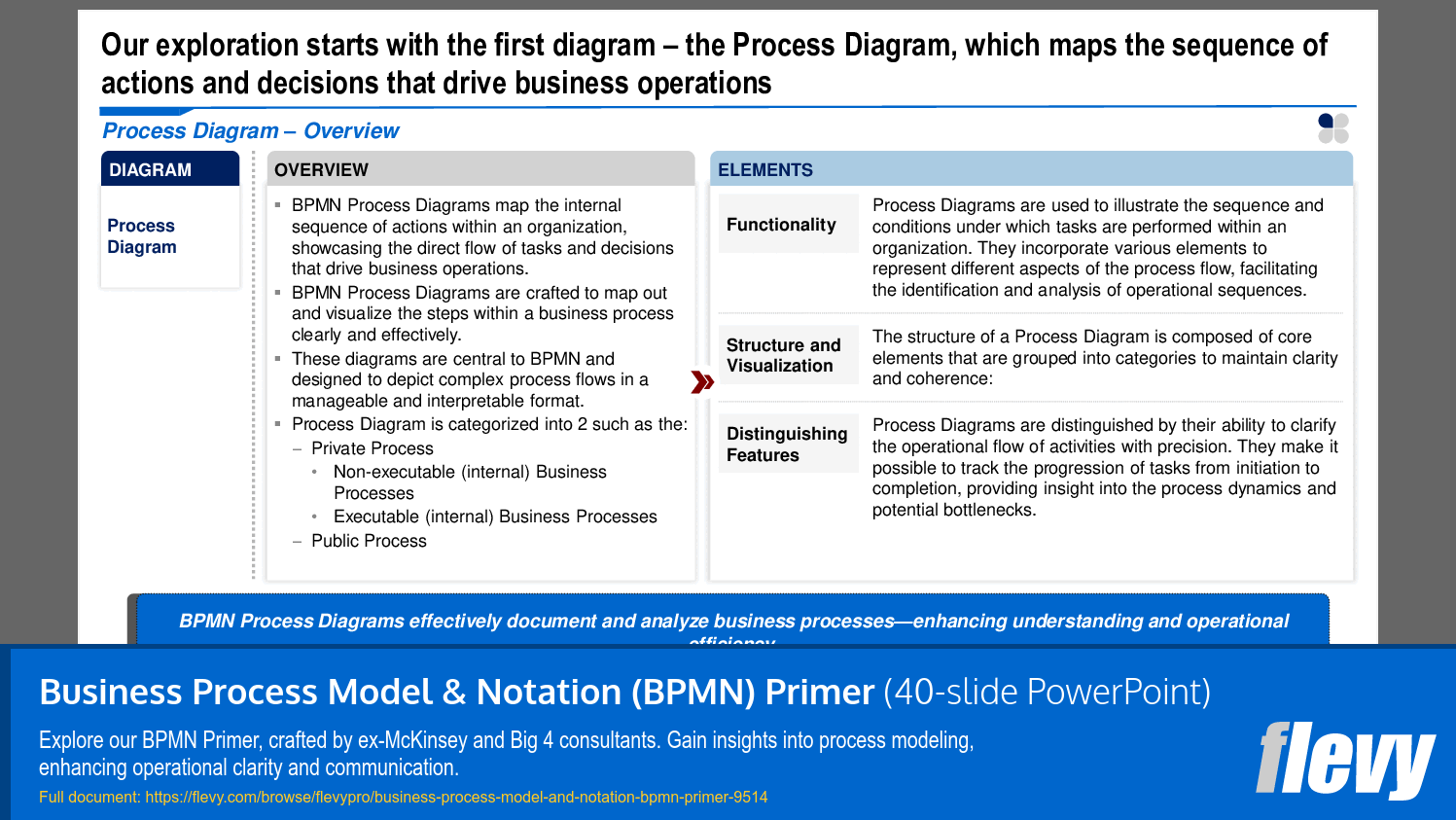
BPMN Process Diagrams are essential for mapping internal actions and decision sequences within organizations. They illustrate the flow of tasks that drive business operations, making complex processes manageable for stakeholders. Process Diagrams are categorized into Private and Public Processes, with Private Processes further divided into non-executable and executable types. This classification supports tailored process mapping based on operational contexts. Key elements include Functionality, which represents task sequences and conditions for operational analysis; Structure and Visualization, ensuring clarity in diagrams; and Distinguishing Features, which clarify operational flows and identify potential bottlenecks. BPMN Process Diagrams enhance operational clarity and efficiency, serving as foundational tools for organizations seeking to optimize processes and improve decision-making.
Source: Best Practices in Process Improvement, Business Process Management, Process Mapping PowerPoint Slides: Business Process Model & Notation (BPMN) Primer PowerPoint (PPTX) Presentation Slide Deck, LearnPPT Consulting
This framework is developed by a team of former McKinsey and Big 4 consultants. The presentation follows the headline-body-bumper slide format used by global consulting firms.
For $10.00 more, you can download this document plus 2 more FlevyPro documents. That's just $13 each.
ABOUT FLEVYPRO
This document is part of the FlevyPro Library, a curated knowledge base of documents for our FlevyPro subscribers.

FlevyPro is a subscription service for on-demand business frameworks and analysis tools. FlevyPro subscribers receive access to an exclusive library of curated business documents—business framework primers, presentation templates, Lean Six Sigma tools, and more—among other exclusive benefits.
The average daily rate of a McKinsey consultant is $6,625 (not including expenses). The average price of a Flevy document is $65.
Trusted by over 10,000+ Client Organizations
Since 2012, we have provided business templates to over 10,000 businesses and organizations of all sizes, from startups and small businesses to the Fortune 100, in over 130 countries.
"One of the great discoveries that I have made for my business is the Flevy library of training materials.
As a Lean Transformation Expert, I am always making presentations to clients on a variety of topics: Training, Transformation, Total Productive Maintenance, Culture, Coaching, Tools, Leadership Behavior, etc. Flevy
It is well worth the money to purchase these presentations. Sure, I have the knowledge and information to make my point. It is another thing to create a presentation that captures what I want to say. Flevy has saved me countless hours of preparation time that is much better spent with implementation that will actually save money for my clients.
"
– Ed Kemmerling, Senior Lean Transformation Expert at PMG
"If you are looking for great resources to save time with your business presentations, Flevy is truly a value-added resource. Flevy has done all the work for you and we will continue to utilize Flevy as a source to extract up-to-date information and data for our virtual and onsite presentations!"
– Debbi Saffo, President at The NiKhar Group
"As a consultant requiring up to date and professional material that will be of value and use to my clients, I find Flevy a very reliable resource.
The variety and quality of material available through Flevy offers a very useful and commanding source for information. Using Flevy saves me time, enhances my expertise and ends up being a good decision."
– Dennis Gershowitz, Principal at DG Associates
"I have used FlevyPro for several business applications. It is a great complement to working with expensive consultants. The quality and effectiveness of the tools are of the highest standards."
– Moritz Bernhoerster, Global Sourcing Director at Fortune 500
"[Flevy] produces some great work that has been/continues to be of immense help not only to myself, but as I seek to provide professional services to my clients, it gives me a large "tool box" of resources that are critical to provide them with the quality of service and outcomes they are expecting."
– Royston Knowles, Executive with 50+ Years of Board Level Experience
"Flevy.com has proven to be an invaluable resource library to our Independent Management Consultancy, supporting and enabling us to better serve our enterprise clients.
The value derived from our [FlevyPro] subscription in terms of the business it has helped to gain far exceeds the investment made, making a subscription a no-brainer for any growing consultancy – or in-house strategy team."
– Dean Carlton, Chief Transformation Officer, Global Village Transformations Pty Ltd.
"As a niche strategic consulting firm, Flevy and FlevyPro frameworks and documents are an on-going reference to help us structure our findings and recommendations to our clients as well as improve their clarity, strength, and visual power. For us, it is an invaluable resource to increase our impact and value."
– David Coloma, Consulting Area Manager at Cynertia Consulting
"FlevyPro provides business frameworks from many of the global giants in management consulting that allow you to provide best in class solutions for your clients."
– David Harris, Managing Director at Futures Strategy
Receive our FREE presentation on Operational Excellence
This 50-slide presentation provides a high-level introduction to the 4 Building Blocks of Operational Excellence. Achieving OpEx requires the implementation of a Business Execution System that integrates these 4 building blocks.