
This framework is developed by a team of former McKinsey and Big 4 consultants. The presentation follows the headline-body-bumper slide format used by global consulting firms.
This product (6 Core Elements of Agentic AI) is a 36-slide PPT PowerPoint presentation slide deck (PPTX), which you can download immediately upon purchase.
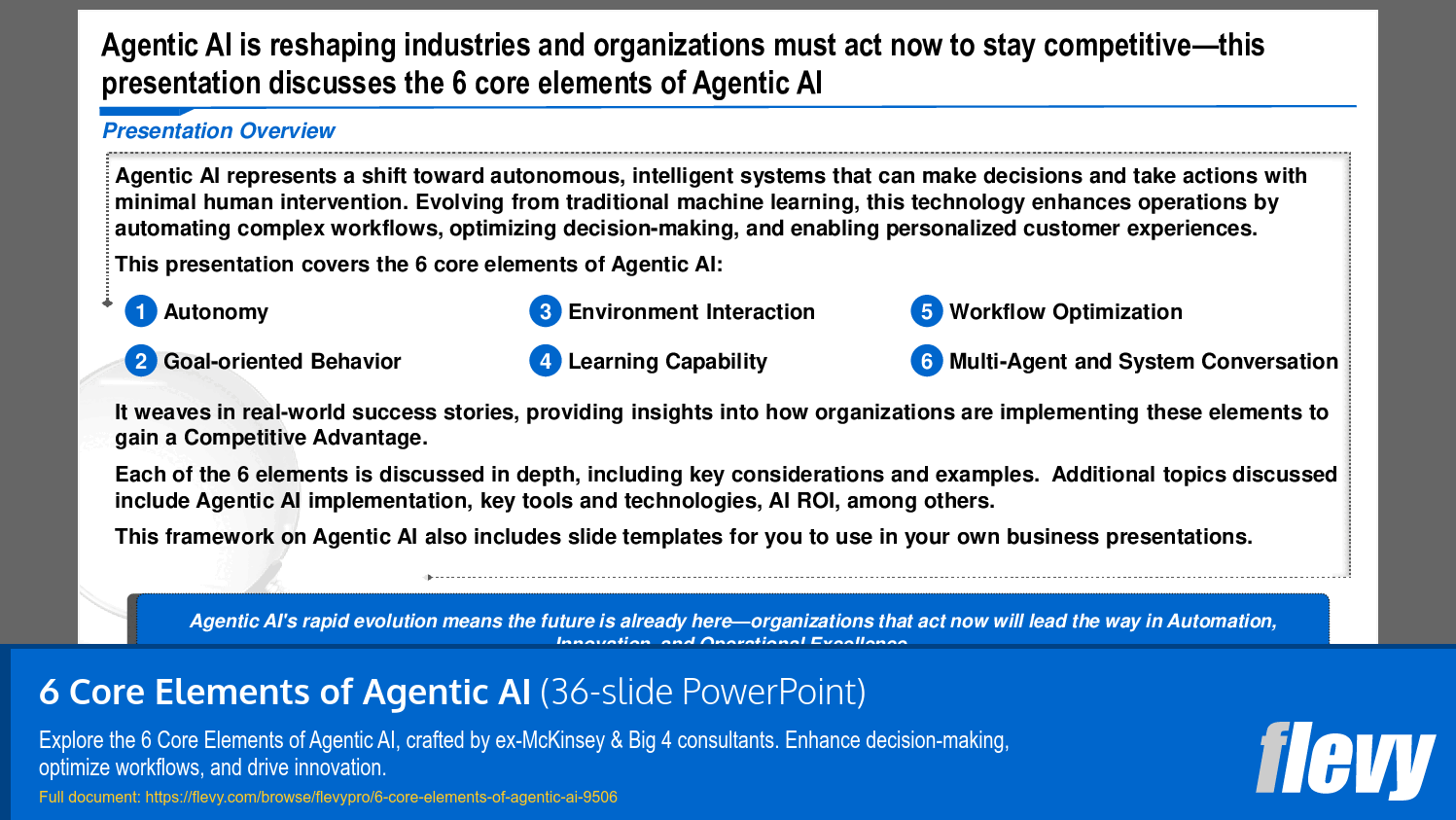
Agentic AI represents a shift toward autonomous, intelligent systems that can make decisions and take actions with minimal human intervention. Evolving from traditional machine learning, this technology enhances operations by automating complex workflows, optimizing decision-making, and enabling personalized customer experiences.
Agentic AI's rapid evolution means the future is already here—organizations that act now will lead the way in Automation, Innovation, and Operational Excellence.
This PPT presentation covers the 6 core elements of Agentic AI:
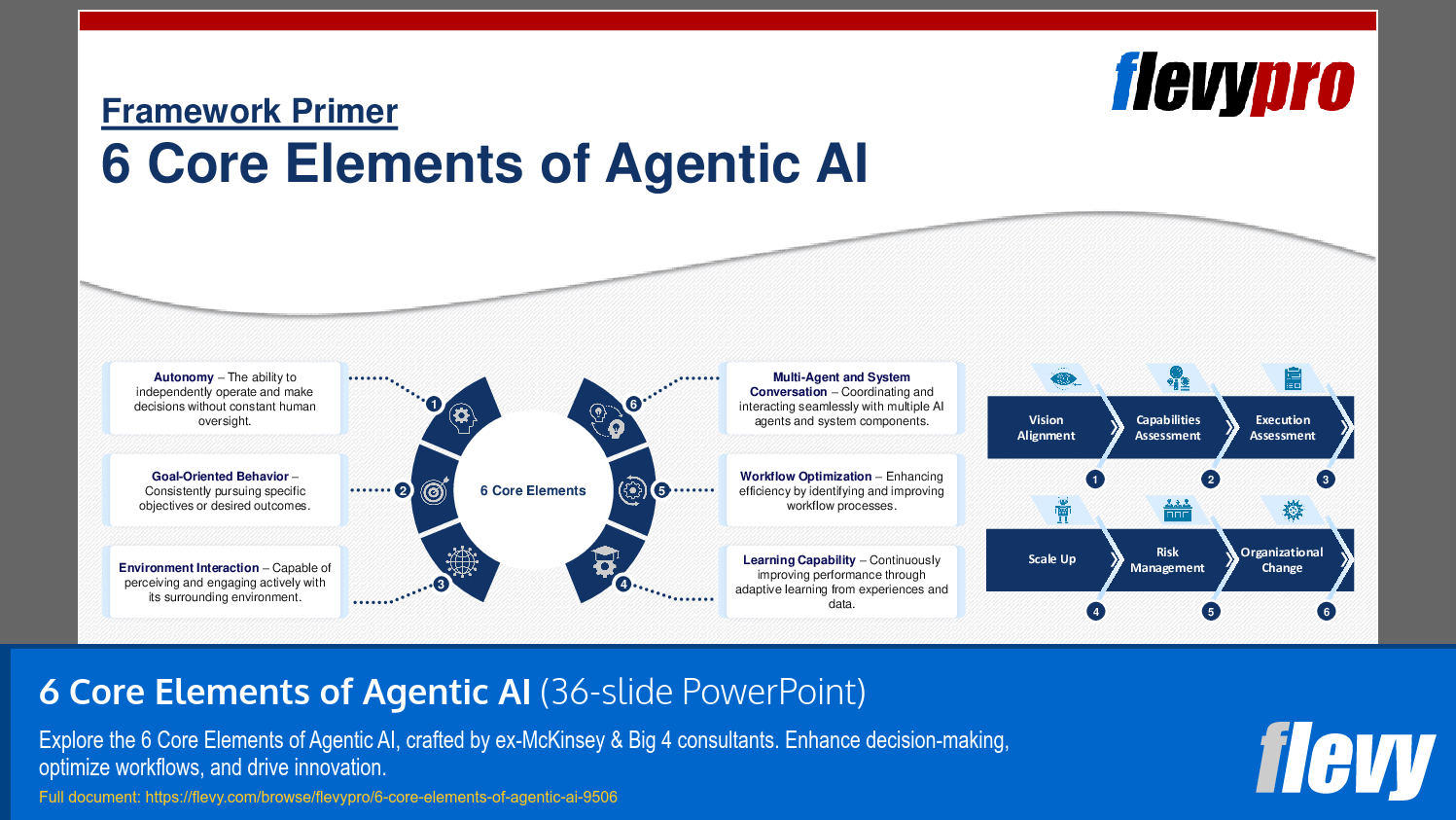
1. Autonomy – The ability to independently operate and make decisions without constant human oversight.
2. Goal-Oriented Behavior – Consistently pursuing specific objectives or desired outcomes.
3. Environment Interaction – Capable of perceiving and engaging actively with its surrounding environment.
4. Learning Capability – Continuously improving performance through adaptive learning from experiences and data.
5. Workflow Optimization – Enhancing efficiency by identifying and improving workflow processes.
6. Multi-Agent and System Conversation – Coordinating and interacting seamlessly with multiple AI agents and system components.
It weaves in real-world success stories, providing insights into how organizations are implementing these elements to gain a Competitive Advantage.
Each of the 6 elements is discussed in depth, including key considerations and examples. Additional topics discussed include Agentic AI implementation, key tools and technologies, AI ROI, among others.
This framework on Agentic AI also includes slide templates for you to use in your own business presentations.
Source: Best Practices in Artificial Intelligence, Agentic AI PowerPoint Slides: 6 Core Elements of Agentic AI PowerPoint (PPTX) Presentation Slide Deck, LearnPPT Consulting
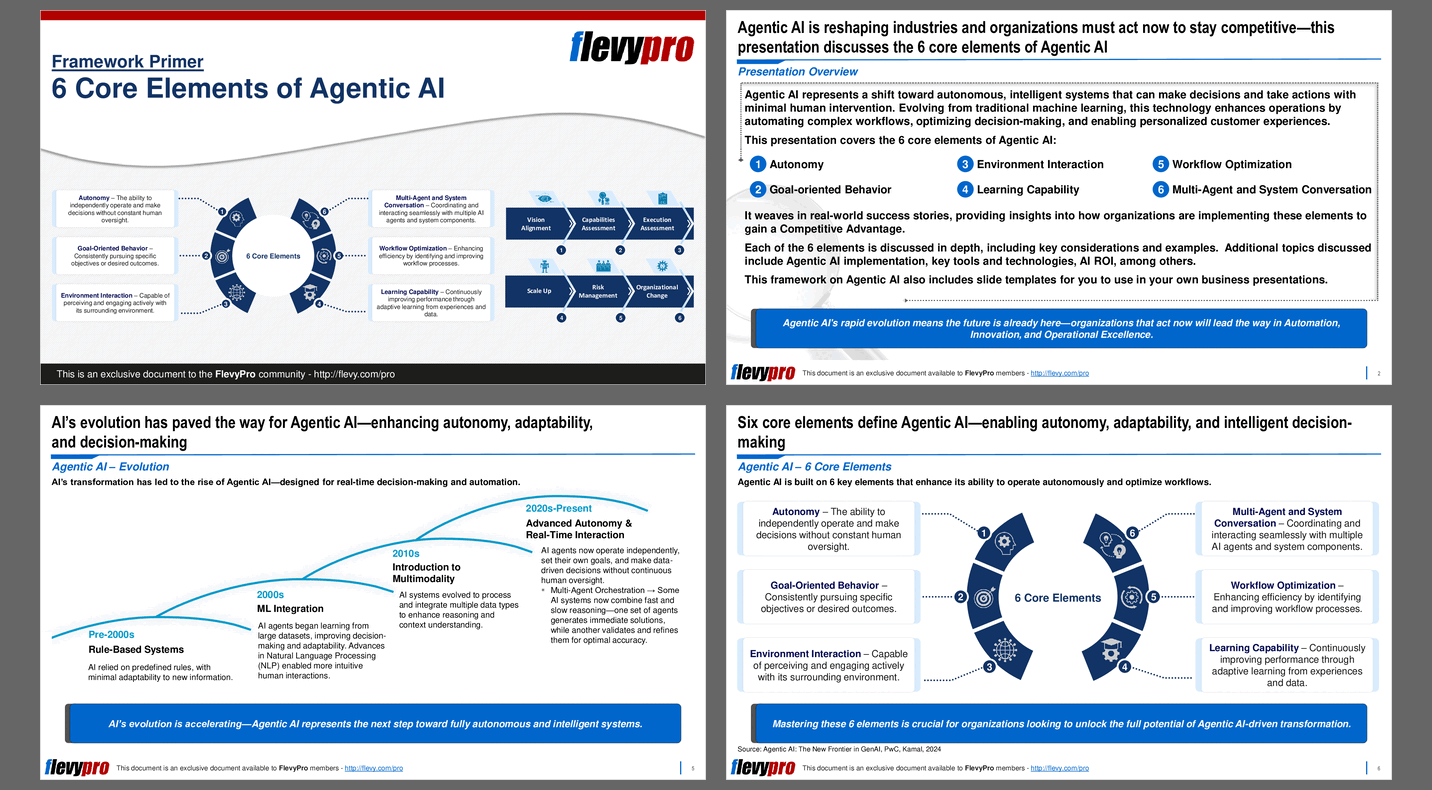
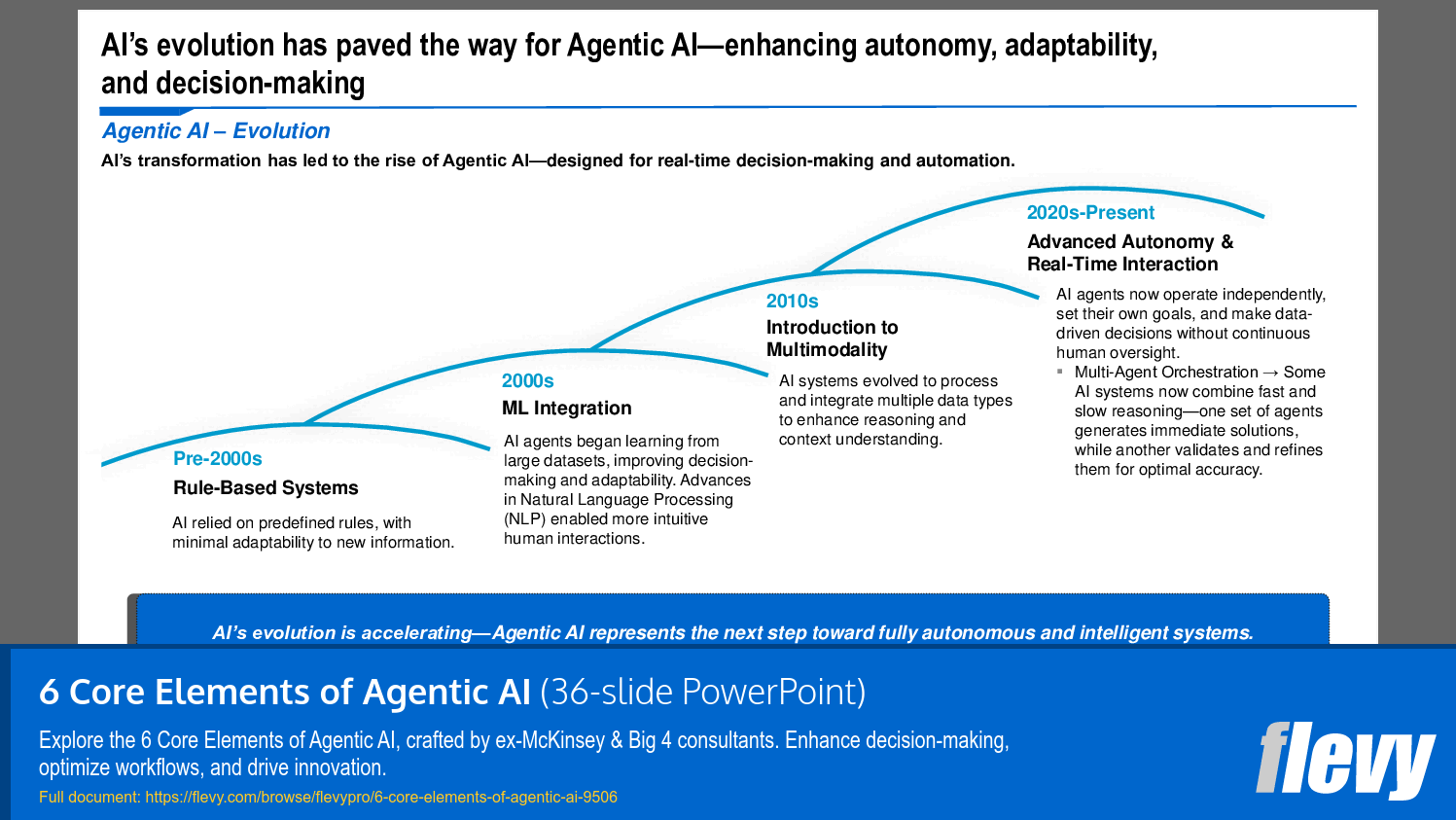
This PPT slide outlines the evolution of artificial intelligence (AI) leading to the emergence of Agentic AI, which is tailored for real-time decision-making and automation. It is structured chronologically, highlighting key developments from the pre-2000s to the present.
Initially, in the pre-2000s, AI was primarily based on rule-based systems. These systems operated on predefined rules, demonstrating limited flexibility in adapting to new information. This foundational stage set the groundwork for future advancements, but lacked the sophistication required for dynamic environments.
The 2000s marked a significant shift with the integration of machine learning (ML). During this period, AI agents began to learn from extensive datasets. This advancement improved their decision-making capabilities and adaptability. Notably, developments in Natural Language Processing (NLP) allowed for more intuitive interactions between humans and machines, enhancing user experience and engagement.
The 2010s introduced the concept of multimodality. AI systems evolved to process and integrate various data types, which improved their reasoning abilities and context comprehension. This capability was crucial for applications requiring a nuanced understanding of complex information.
From 2020 to the present, the focus has shifted to advanced autonomy and real-time interaction. AI agents now function independently, setting their own objectives and making data-driven decisions without the need for constant human oversight. A notable feature of this phase is Multi-Agent Orchestration, where different AI systems collaborate—one set generates immediate solutions while another refines them for accuracy. This evolution signifies a leap toward fully autonomous and intelligent systems, positioning Agentic AI as a pivotal development in the AI landscape.
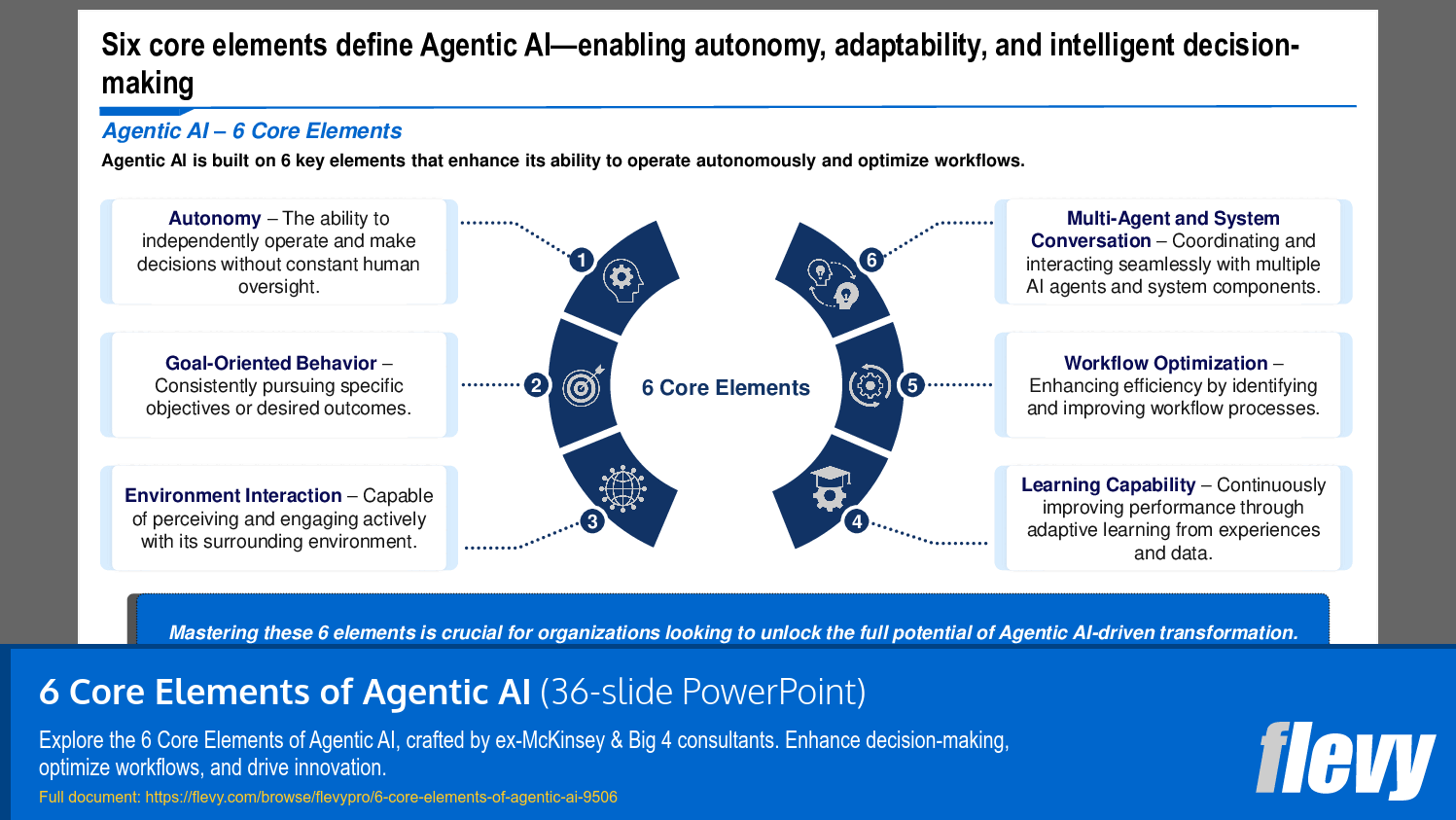
This PPT slide outlines 6 core elements that define Agentic AI, emphasizing its capacity for autonomy, adaptability, and intelligent decision-making. Each element plays a crucial role in enhancing the system's operational efficiency and effectiveness.
The first element, Autonomy, highlights the system's ability to function independently, making decisions without the need for constant human intervention. This feature is essential for organizations aiming to streamline operations and reduce reliance on human oversight.
Goal-Oriented Behavior is the second element, focusing on the system's commitment to achieving specific objectives consistently. This ensures that the AI remains aligned with organizational goals, driving performance and outcomes.
Environment Interaction, the third element, refers to the AI's capability to perceive and engage with its surroundings. This interaction is vital for adapting to changing conditions and making informed decisions based on real-time data.
The fourth element, Multi-Agent and System Conversation, emphasizes the importance of coordination among various AI agents and system components. Effective communication within the system enhances overall performance and facilitates complex task execution.
Workflow Optimization, the fifth element, is about enhancing operational efficiency by identifying and refining workflow processes. This continuous improvement is key to maximizing productivity and minimizing bottlenecks.
Lastly, Learning Capability signifies the system's ability to adapt and improve through experience and data analysis. This ongoing learning process ensures that the AI evolves and remains effective in a dynamic environment.
Understanding these 6 elements is essential for organizations looking to leverage Agentic AI for transformative outcomes. Each component contributes to a robust framework that supports intelligent decision-making and operational excellence.
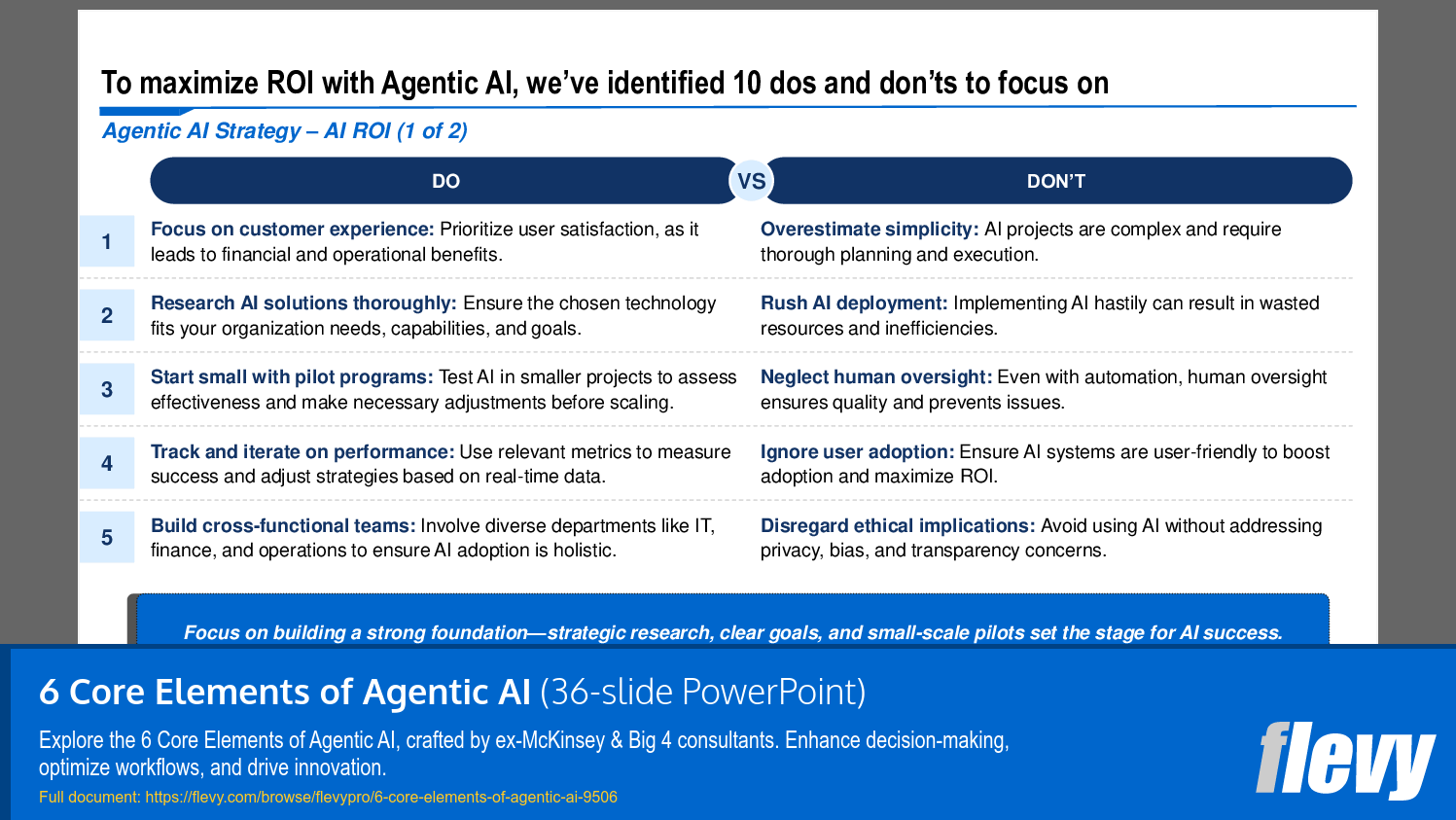
This PPT slide outlines a strategic framework for maximizing return on investment (ROI) with Agentic AI, presenting a clear dichotomy between recommended actions and pitfalls to avoid. The "DO" section emphasizes 5 key practices that organizations should adopt. First, prioritizing customer experience is highlighted as essential, as it directly correlates with financial and operational gains. Second, thorough research into AI solutions is crucial to ensure alignment with organizational needs and capabilities. Third, starting with pilot programs allows for testing and refining AI applications before broader implementation. Fourth, tracking performance metrics is necessary to gauge success and make informed adjustments. Finally, building cross-functional teams is recommended to foster a holistic approach to AI adoption across various departments.
Conversely, the "DON'T" section warns against several common missteps. Overestimating the simplicity of AI projects can lead to underpreparedness, while rushing deployment may waste resources and create inefficiencies. Neglecting human oversight is another critical error, as automation still requires human intervention to maintain quality. Ignoring user adoption can hinder the effectiveness of AI systems, emphasizing the need for user-friendly designs. Lastly, disregarding ethical implications can result in significant risks related to privacy and bias, which could undermine trust in AI initiatives.
This slide serves as a practical guide for decision-makers, providing actionable insights that can enhance the effectiveness of AI strategies while avoiding common traps that could derail success. By adhering to these recommendations, organizations can better position themselves for successful AI integration and sustainable growth.
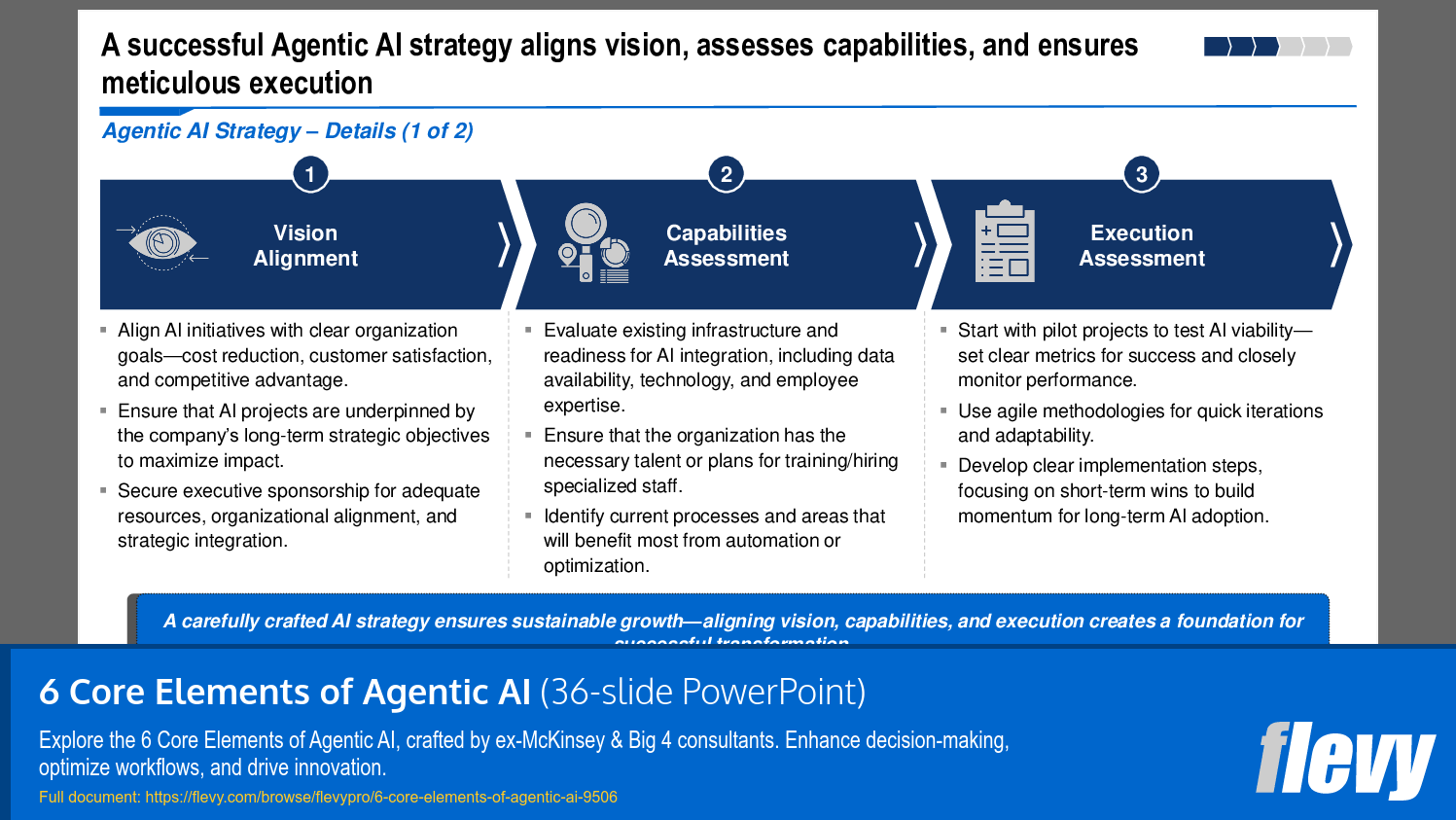
This PPT slide outlines a framework for developing a successful Agentic AI strategy, structured into 3 key components: Vision Alignment, Capabilities Assessment, and Execution Assessment.
Vision Alignment emphasizes the necessity of aligning AI initiatives with organizational goals such as cost reduction and customer satisfaction. It highlights the importance of ensuring that AI projects are grounded in the company’s long-term strategic objectives to maximize their impact. Securing executive sponsorship is also crucial, as it provides the necessary resources and strategic integration for these initiatives.
The Capabilities Assessment section focuses on evaluating the existing infrastructure and readiness for AI integration. This includes assessing data availability, technology, and employee expertise. Organizations must ensure they possess the necessary talent or have plans to train or hire specialized staff. Identifying current processes that could benefit from automation or optimization is also vital for effective implementation.
Execution Assessment discusses the importance of starting with pilot projects to test AI viability. It suggests setting clear metrics for success and closely monitoring performance to ensure objectives are met. Agile methodologies are recommended for quick iterations and adaptability, allowing organizations to respond to challenges and opportunities as they arise. Developing clear implementation steps with a focus on short-term wins is essential for building momentum towards long-term AI adoption.
This slide serves as a comprehensive guide for organizations looking to integrate AI into their operations effectively. It provides actionable insights that can help leaders navigate the complexities of AI strategy and execution.
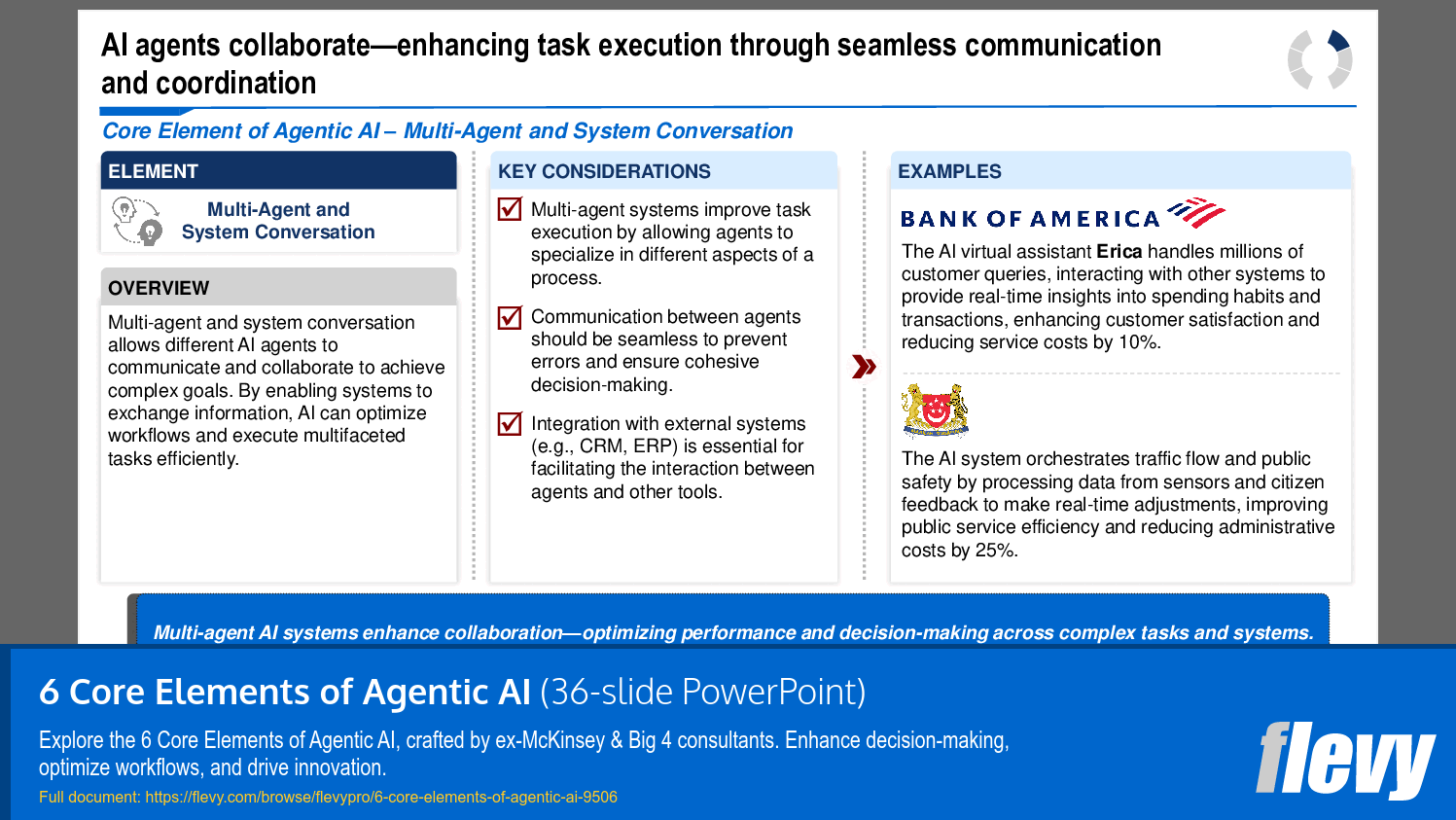
This PPT slide focuses on the concept of multi-agent and system conversation within the realm of Agentic AI. It outlines how various AI agents can communicate and collaborate to achieve complex goals, thereby optimizing workflows and executing multifaceted tasks more efficiently. The overview emphasizes the importance of information exchange among AI systems, which is crucial for enhancing operational effectiveness.
Key considerations are highlighted, indicating that multi-agent systems enhance task execution by allowing agents to specialize in different aspects of a process. This specialization can lead to improved efficiency and effectiveness in task completion. Communication between agents is also critical; it must be seamless to minimize errors and ensure cohesive decision-making. This aspect is essential for maintaining operational integrity and achieving desired outcomes.
Integration with external systems, such as Customer Relationship Management (CRM) and Enterprise Resource Planning (ERP) tools, is another vital point. This integration facilitates smoother interactions between agents and other tools, enhancing overall system performance.
The slide provides 2 examples to illustrate these concepts. The first example discusses Bank of America's virtual assistant, Erica, which manages millions of customer queries and interacts with various systems to provide real-time insights. This capability not only boosts customer satisfaction, but also reduces service costs significantly. The second example describes an AI system that manages traffic flow and public safety by processing data from sensors and citizen feedback, leading to improved efficiency and substantial cost reductions in public services.
These insights suggest that implementing multi-agent systems can lead to significant operational improvements and cost savings across various sectors.
This framework is developed by a team of former McKinsey and Big 4 consultants. The presentation follows the headline-body-bumper slide format used by global consulting firms.
For $10.00 more, you can download this document plus 2 more FlevyPro documents. That's just $13 each.
ABOUT FLEVYPRO
This document is part of the FlevyPro Library, a curated knowledge base of documents for our FlevyPro subscribers.

FlevyPro is a subscription service for on-demand business frameworks and analysis tools. FlevyPro subscribers receive access to an exclusive library of curated business documents—business framework primers, presentation templates, Lean Six Sigma tools, and more—among other exclusive benefits.
The average daily rate of a McKinsey consultant is $6,625 (not including expenses). The average price of a Flevy document is $65.
Trusted by over 10,000+ Client Organizations
Since 2012, we have provided best practices to over 10,000 businesses and organizations of all sizes, from startups and small businesses to the Fortune 100, in over 130 countries.
Read Customer Testimonials
"As a niche strategic consulting firm, Flevy and FlevyPro frameworks and documents are an on-going reference to help us structure our findings and recommendations to our clients as well as improve their clarity, strength, and visual power. For us, it is an invaluable resource to increase our impact and value."
– David Coloma, Consulting Area Manager at Cynertia Consulting
"One of the great discoveries that I have made for my business is the Flevy library of training materials.
As a Lean Transformation Expert, I am always making presentations to clients on a variety of topics: Training, Transformation, Total Productive Maintenance, Culture, Coaching, Tools, Leadership Behavior, etc. Flevy
It is well worth the money to purchase these presentations. Sure, I have the knowledge and information to make my point. It is another thing to create a presentation that captures what I want to say. Flevy has saved me countless hours of preparation time that is much better spent with implementation that will actually save money for my clients.
"
– Ed Kemmerling, Senior Lean Transformation Expert at PMG
"Last Sunday morning, I was diligently working on an important presentation for a client and found myself in need of additional content and suitable templates for various types of graphics. Flevy.com proved to be a treasure trove for both content and design at a reasonable price, considering the time I
saved. I encountered a download issue during the ordering process. However, a quick email to Flevy's support team, even on a Sunday (!!!), resulted in assistance within less than an hour, allowing me to download the content I needed. Fantastic job, Flevy! I give 5 stars for both content/price and customer service. Thank you!
"
– M. E., Chief Commercial Officer, International Logistics Service Provider
"I like your product. I'm frequently designing PowerPoint presentations for my company and your product has given me so many great ideas on the use of charts, layouts, tools, and frameworks. I really think the templates are a valuable asset to the job."
– Roberto Fuentes Martinez, Senior Executive Director at Technology Transformation Advisory
"[Flevy] produces some great work that has been/continues to be of immense help not only to myself, but as I seek to provide professional services to my clients, it gives me a large "tool box" of resources that are critical to provide them with the quality of service and outcomes they are expecting."
– Royston Knowles, Executive with 50+ Years of Board Level Experience
"As a consulting firm, we had been creating subject matter training materials for our people and found the excellent materials on Flevy, which saved us 100's of hours of re-creating what already exists on the Flevy materials we purchased."
– Michael Evans, Managing Director at Newport LLC
"FlevyPro provides business frameworks from many of the global giants in management consulting that allow you to provide best in class solutions for your clients."
– David Harris, Managing Director at Futures Strategy
"As a young consulting firm, requests for input from clients vary and it's sometimes impossible to provide expert solutions across a broad spectrum of requirements. That was before I discovered Flevy.com.
Through subscription to this invaluable site of a plethora of topics that are key and crucial to consulting, I
have been able to exceed expectations and deliver quality advice and solutions to my clients. The quality and expertise of the authors are exemplary and gives me great confidence to use as part of my service offerings.
I highly recommend this company for any consultant wanting to apply international best practice standards in their service offerings.
"
– Nishi Singh, Strategist and MD at NSP Consultants
Download our FREE Digital Transformation Templates
Download our free compilation of 50+ Digital Transformation slides and templates. DX concepts covered include Digital Leadership, Digital Maturity, Digital Value Chain, Customer Experience, Customer Journey, RPA, etc.