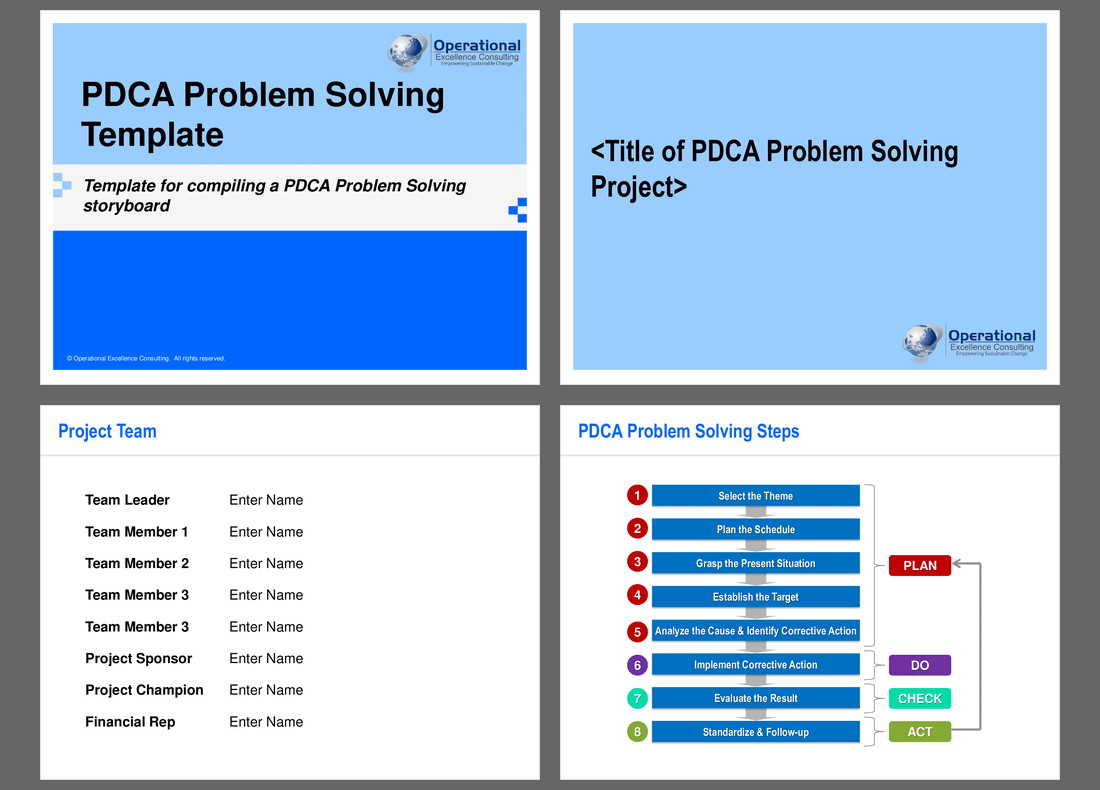

Solve problems effectively with this structured PDCA Problem-Solving Project Template, designed to guide you through the Plan-Do-Check-Act (PDCA) cycle in a clear, actionable way. Whether you're tackling process inefficiencies or driving continuous improvement, this template ensures your team stays on track with a well-defined roadmap.

What You Get:
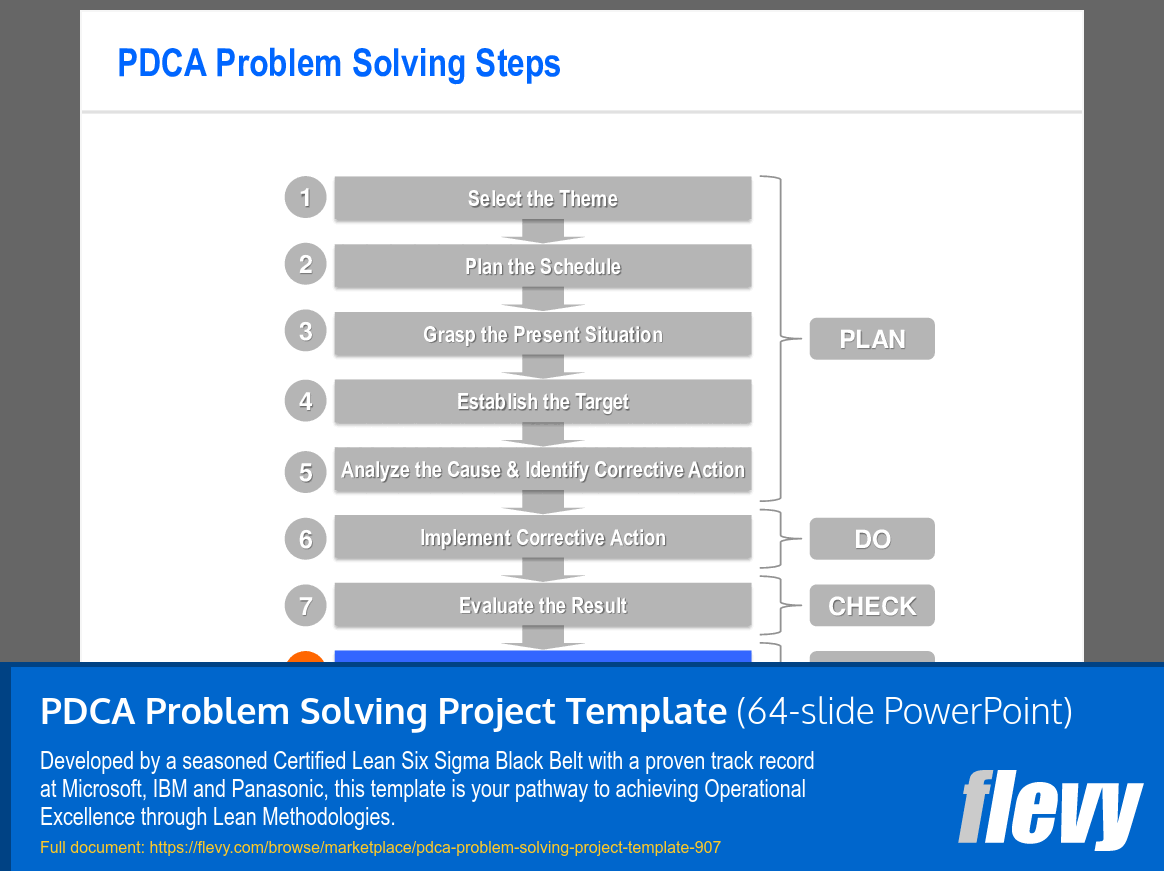
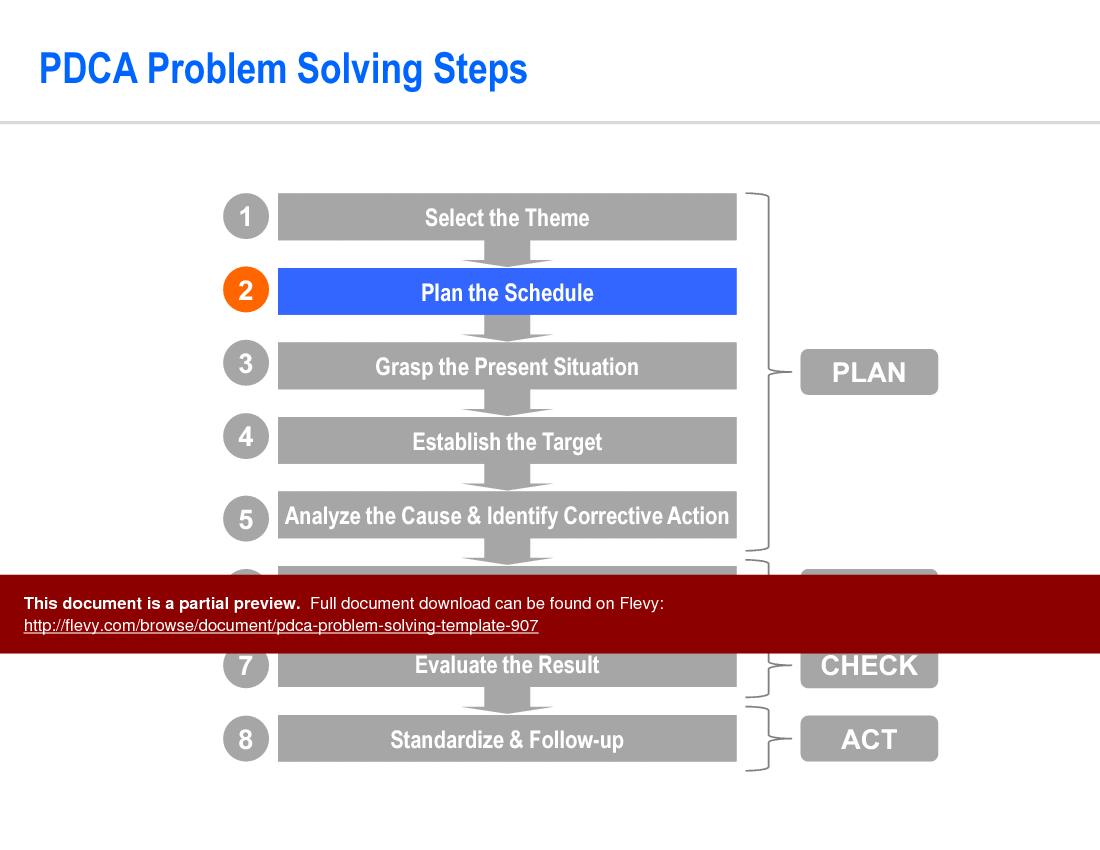
✅ Step-by-Step Guidance – Covers all 8 PDCA steps, from selecting a theme to standardizing improvements.
✅ Pre-Designed Slides – Simply insert your content and follow the structured approach.
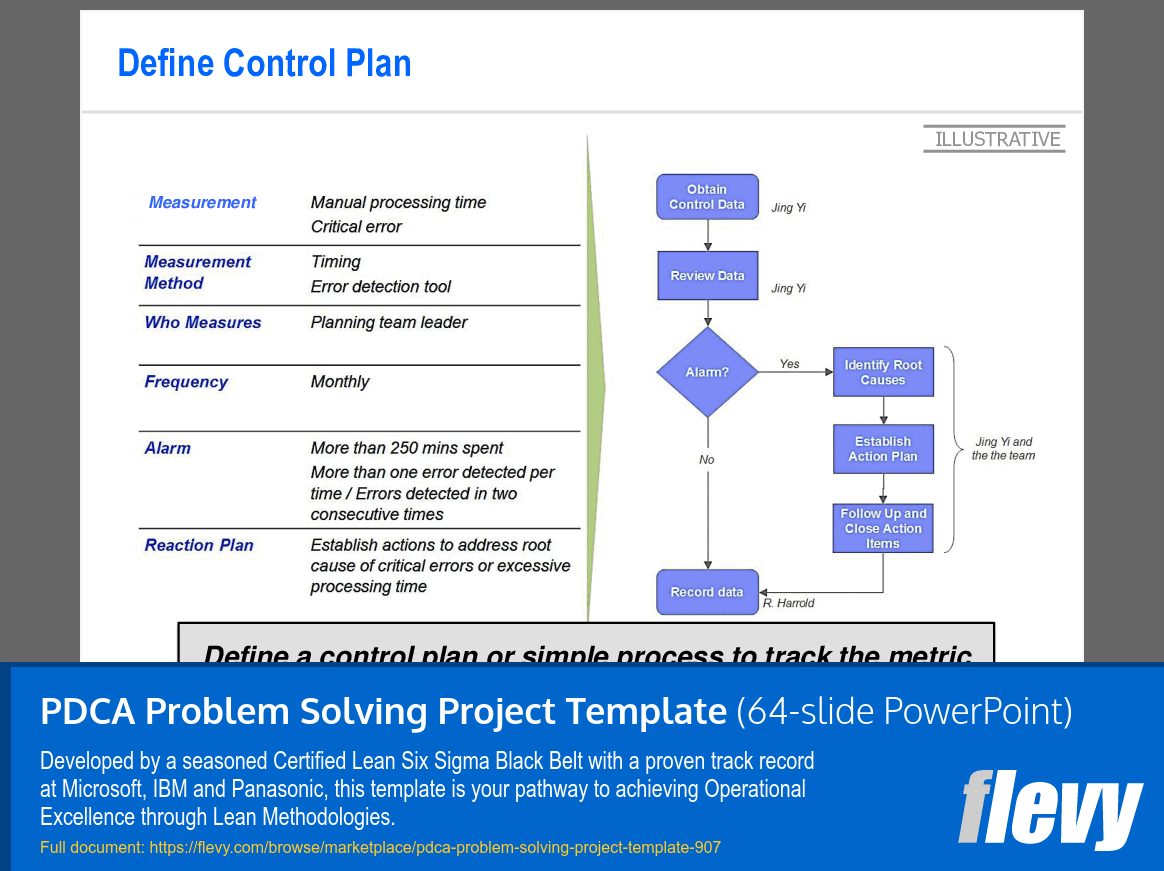
✅ Visual Aids & Tools – Includes flowcharts, value stream maps, Pareto charts, and before-and-after visuals for clear communication.
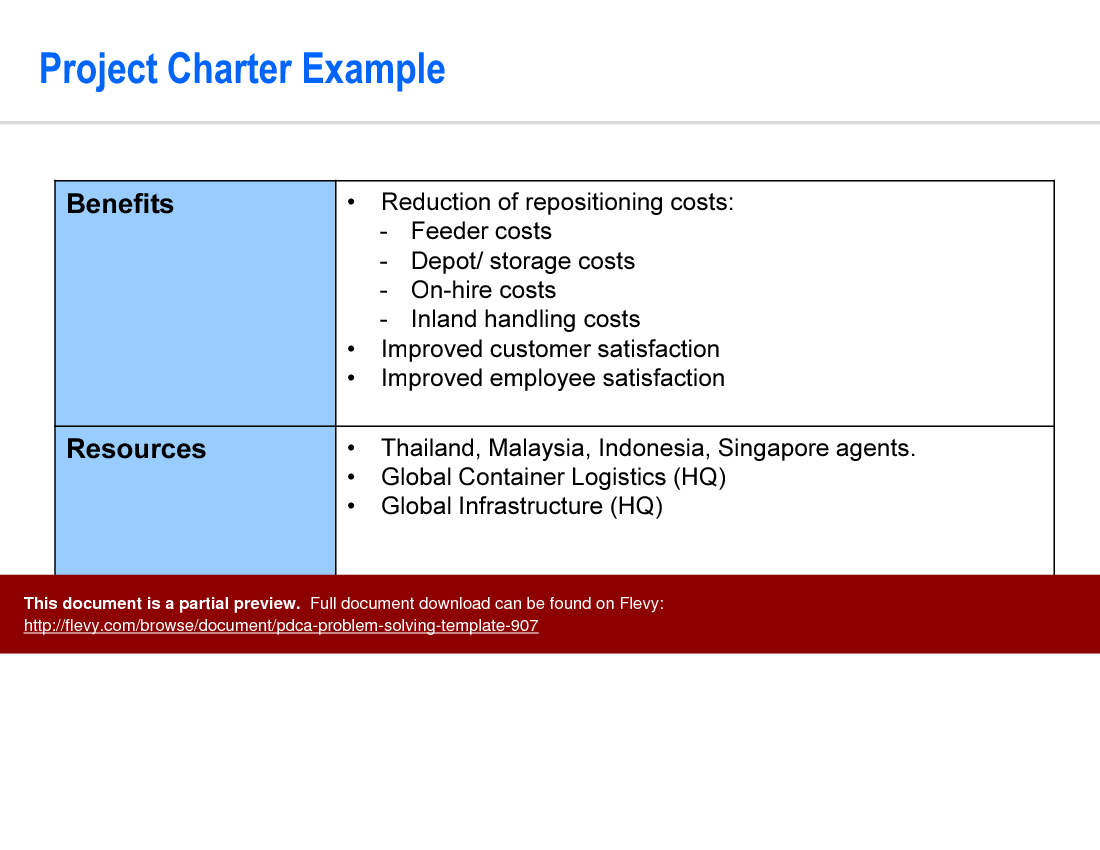
✅ Project Charter Template – Define problem statements, scope, and goals from the outset.
✅ Deliverables Checklist – Know exactly what to include at each phase for a complete and professional storyboard.
Why This Template?
✔ Saves Time & Effort – No need to start from scratch; just follow the built-in framework.
✔ Enhances Team Alignment – Keeps everyone focused on objectives with clear steps and structured documentation.
✔ Drives Results – Helps identify root causes, implement corrective actions, and standardize improvements.
Get your copy today and take the guesswork out of problem-solving!
Note: This template can be used together with the PDCA Problem Solving Technique & Tools training presentation (sold separately).
Got a question about the product? Email us at support@flevy.com or ask the author directly by using the "Ask the Author a Question" form. If you cannot view the preview above this document description, go here to view the large preview instead.
Executive Summary
The PDCA Problem Solving Project Template is designed to streamline the problem-solving process using the Plan-Do-Check-Act (PDCA) methodology. Created by Operational Excellence Consulting, this template facilitates systematic problem-solving and continuous improvement within organizations. Users can effectively compile a PDCA storyboard, define project charters, and implement corrective actions to enhance operational efficiency. This ready-to-use PowerPoint template empowers teams to achieve measurable improvements in productivity, quality, and cost reduction.
Who This Is For and When to Use
• Project managers leading continuous improvement initiatives
• Quality assurance teams focused on operational excellence
• Lean Six Sigma practitioners implementing PDCA methodologies
• Cross-functional teams addressing specific operational challenges
Best-fit moments to use this deck:
• During initial project planning to define themes and goals
• When analyzing current processes and identifying areas for improvement
• At project milestones to evaluate results and standardize successful practices
Learning Objectives
• Define the PDCA methodology and its application in problem-solving
• Create a project charter that outlines goals, scope, and benefits
• Analyze current processes using tools like flowcharts and Pareto charts
• Implement corrective actions and evaluate their effectiveness
• Standardize successful solutions and develop training plans for staff
Table of Contents
• Introduction to PDCA (page 2)
• Project Charter (page 11)
• Planning the Schedule (page 15)
• Current State Analysis (page 19)
• Establishing Targets (page 26)
• Root Cause Analysis (page 30)
• Implementing Corrective Actions (page 36)
• Evaluating Results (page 45)
• Standardizing Solutions (page 51)
Primary Topics Covered
• PDCA Methodology - A systematic approach to problem-solving that includes planning, executing, checking, and acting on improvements.
• Project Charter - A document that defines the problem statement, goals, scope, and benefits of the project.
• Current State Analysis - Techniques to map out existing processes and identify inefficiencies or pain points.
• Root Cause Analysis - Methods such as fishbone diagrams and 5 Whys to identify underlying causes of problems.
• Corrective Actions - Steps to implement solutions and track their effectiveness in resolving identified issues.
• Evaluation and Standardization - Processes for assessing results and ensuring successful practices are maintained over time.
Deliverables, Templates, and Tools
• Project charter template outlining goals, scope, and resources
• Gantt chart for planning and scheduling project activities
• Current state process map to visualize existing workflows
• Data collection plan for tracking relevant metrics
• Root cause analysis tools like Pareto charts and fishbone diagrams
• Implementation plan for corrective actions and training materials
Slide Highlights
• Overview of the PDCA cycle illustrating each phase
• Example project charter showcasing background, scope, and goals
• Gantt chart detailing the timeline for problem-solving activities
• Current state process map highlighting inefficiencies
• Pareto chart comparing scrap rates before and after improvements
Potential Workshop Agenda
Introduction to PDCA (30 minutes)
• Overview of the PDCA methodology and its significance
• Discussion on the importance of problem-solving in operational excellence
Project Charter Development (60 minutes)
• Breakout sessions to define project themes and goals
• Group presentations of project charters for feedback
Current State Analysis (90 minutes)
• Mapping current processes and identifying pain points
• Utilizing data collection plans to gather relevant metrics
Customization Guidance
• Tailor project charter templates to reflect specific organizational goals and challenges
• Adjust Gantt chart timelines to align with project schedules and milestones
• Modify current state analysis tools to fit the unique processes of your organization
Secondary Topics Covered
• Continuous improvement frameworks beyond PDCA
• Integration of Lean Six Sigma principles in problem-solving
• Change management strategies for implementing solutions
• Team dynamics and collaboration in project execution
FAQ
What is the PDCA methodology?
PDCA stands for Plan-Do-Check-Act, a cyclical approach to problem-solving that encourages continuous improvement in processes.
How do I create a project charter?
A project charter outlines the problem statement, goals, scope, benefits, and resources needed for the project. It should be approved by project sponsors.
What tools can I use for current state analysis?
Common tools include flowcharts, value stream maps, and Pareto charts to visualize processes and identify inefficiencies.
How do I implement corrective actions?
Define specific actions to address root causes, assign responsibilities, and establish timelines for completion.
What metrics should I track to evaluate results?
Track metrics related to quality, cost savings, delivery lead times, and overall process efficiency to assess the impact of improvements.
How can I standardize successful practices?
Document successful processes, develop training materials, and ensure ongoing monitoring to maintain improvements over time.
What are the lessons learned from using the PDCA template?
Teams often gain insights into effective problem-solving techniques, improve collaboration, and enhance their understanding of process improvement methodologies.
How can I ensure team engagement during the PDCA process?
Encourage participation through collaborative workshops, regular updates, and recognition of contributions to maintain motivation and commitment.
Glossary
• PDCA - Plan-Do-Check-Act, a framework for continuous improvement.
• Project Charter - A document that outlines the objectives and scope of a project.
• Root Cause Analysis - Techniques used to identify the underlying causes of problems.
• Gantt Chart - A visual representation of a project schedule.
• Pareto Chart - A bar graph that identifies the most significant factors in a dataset.
• Continuous Improvement - Ongoing efforts to enhance products, services, or processes.
• Lean Six Sigma - A methodology that combines Lean manufacturing principles with Six Sigma quality control.
• Stakeholders - Individuals or groups with an interest in the outcome of a project.
• Metrics - Quantitative measures used to assess performance.
• Change Management - The process of managing changes in an organization.
• Training Plan - A structured approach to educating staff on new processes.
• Standard Operating Procedures (SOPs) - Established procedures to ensure consistent performance.
• Data Collection Plan - A strategy for gathering relevant data to inform decision-making.
• Team Dynamics - The interactions and relationships between team members.
• Implementation Plan - A detailed outline of actions required to execute solutions.
• Stakeholder Engagement - Involving stakeholders in the decision-making process.
• Process Mapping - Visual representation of a process to identify inefficiencies.
• Quality Improvement - Efforts aimed at enhancing the quality of products or services.
• Cost Reduction - Strategies aimed at decreasing expenses while maintaining quality.
• Operational Excellence - A philosophy of leadership, teamwork, and problem-solving that results in continuous improvement.
• Performance Metrics - Standards used to measure the efficiency and effectiveness of a process.
Source: Best Practices in PDCA PowerPoint Slides: PDCA Problem Solving Project Template PowerPoint (PPTX) Presentation Slide Deck, Operational Excellence Consulting
This document is available as part of the following discounted bundle(s):
Save %!
PDCA Problem Solving Toolkit
This bundle contains 2 total documents. See all the documents to the right.
|
Receive our FREE presentation on Operational Excellence
This 50-slide presentation provides a high-level introduction to the 4 Building Blocks of Operational Excellence. Achieving OpEx requires the implementation of a Business Execution System that integrates these 4 building blocks. |