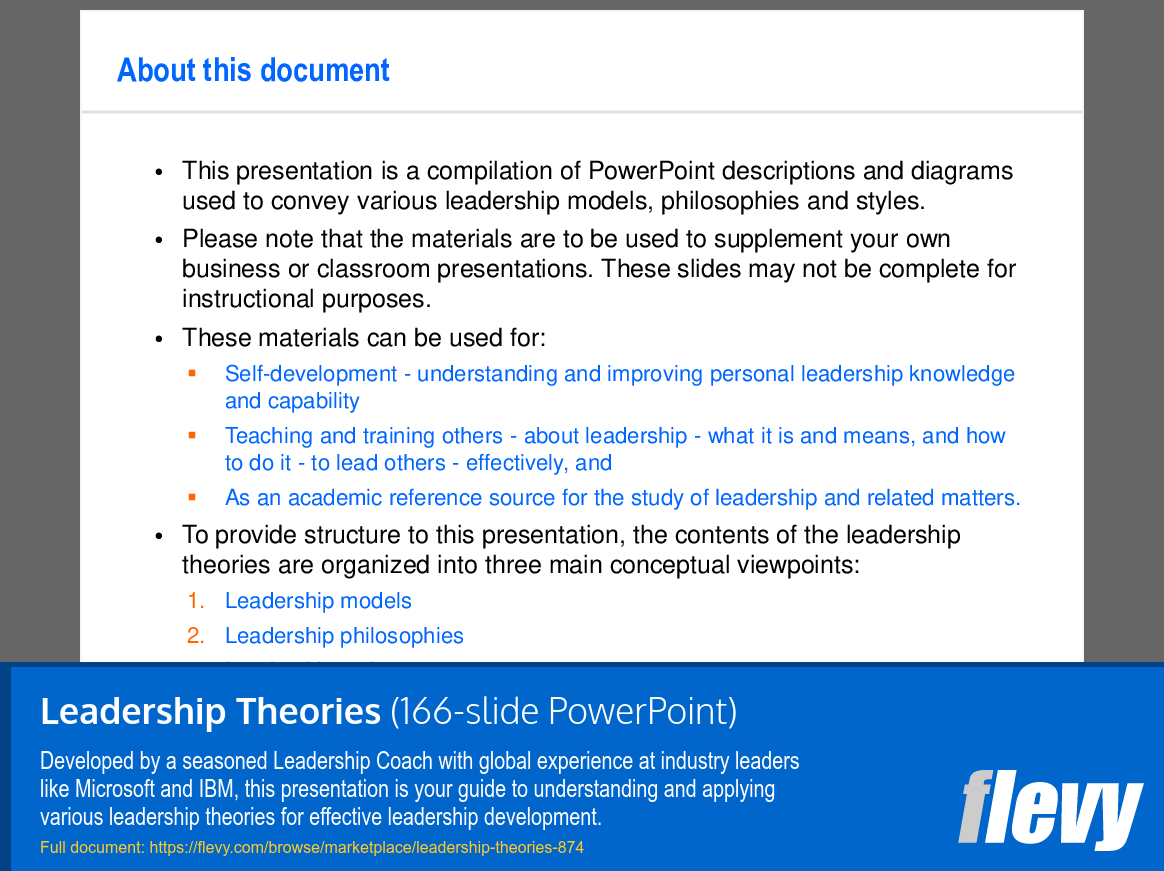

This presentation is a compilation of PowerPoint descriptions and diagrams used to convey 23 different leadership models, philosophies and styles.
The Leadership Models/Philosophies/Styles include:
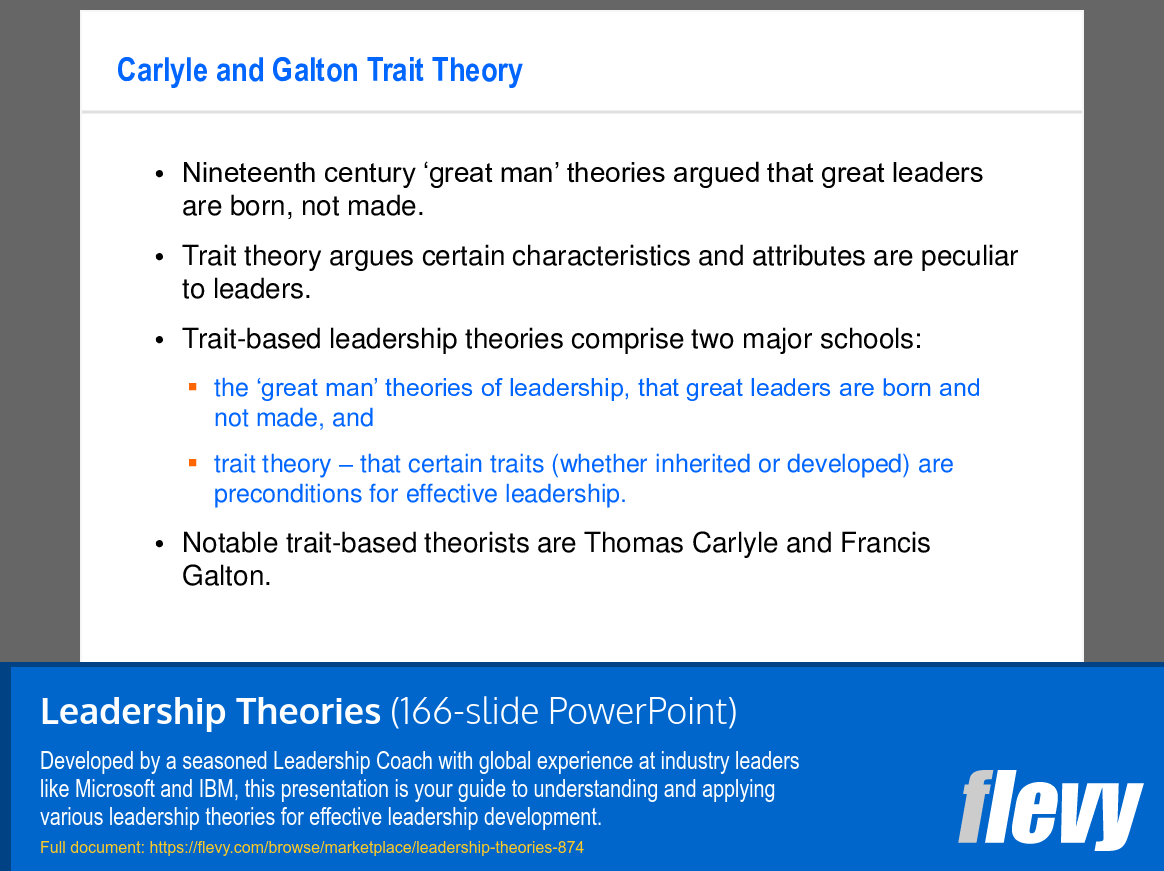
1. Carlyle & Galton Trait Theory
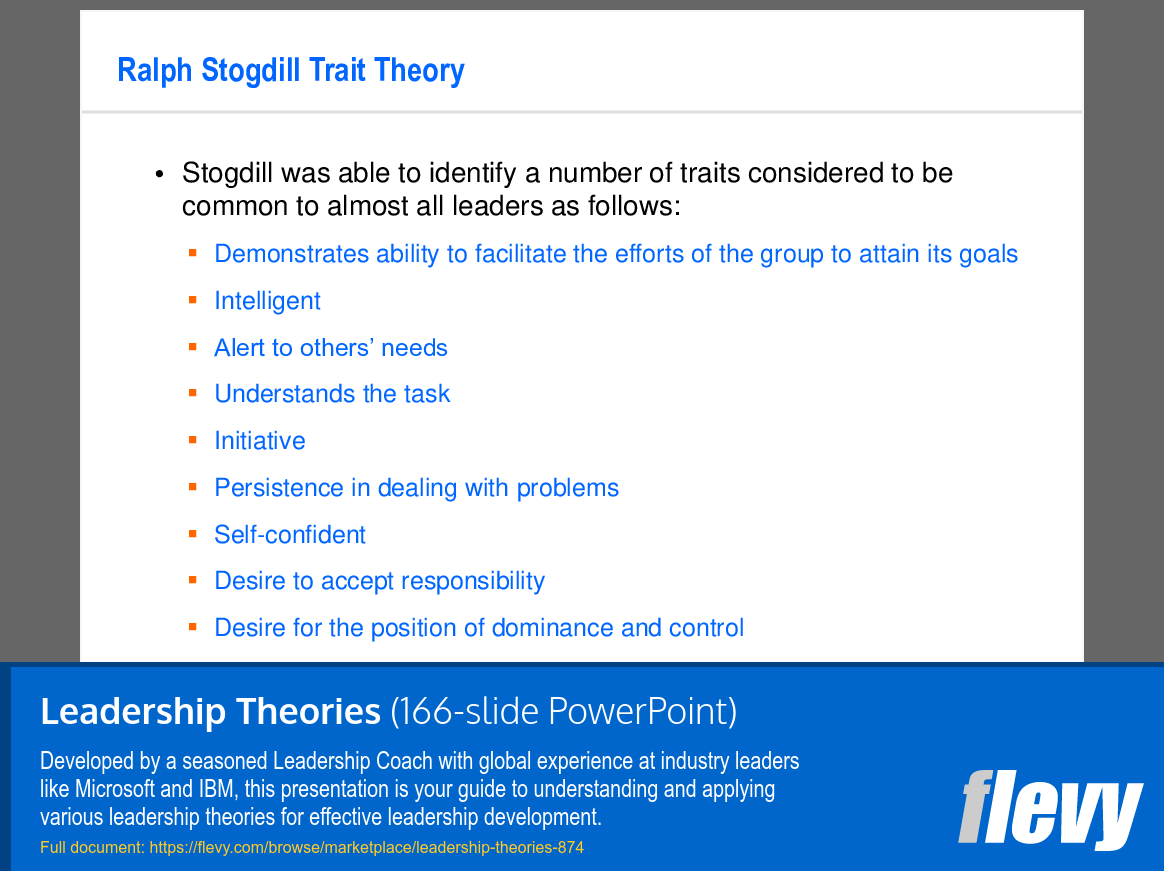
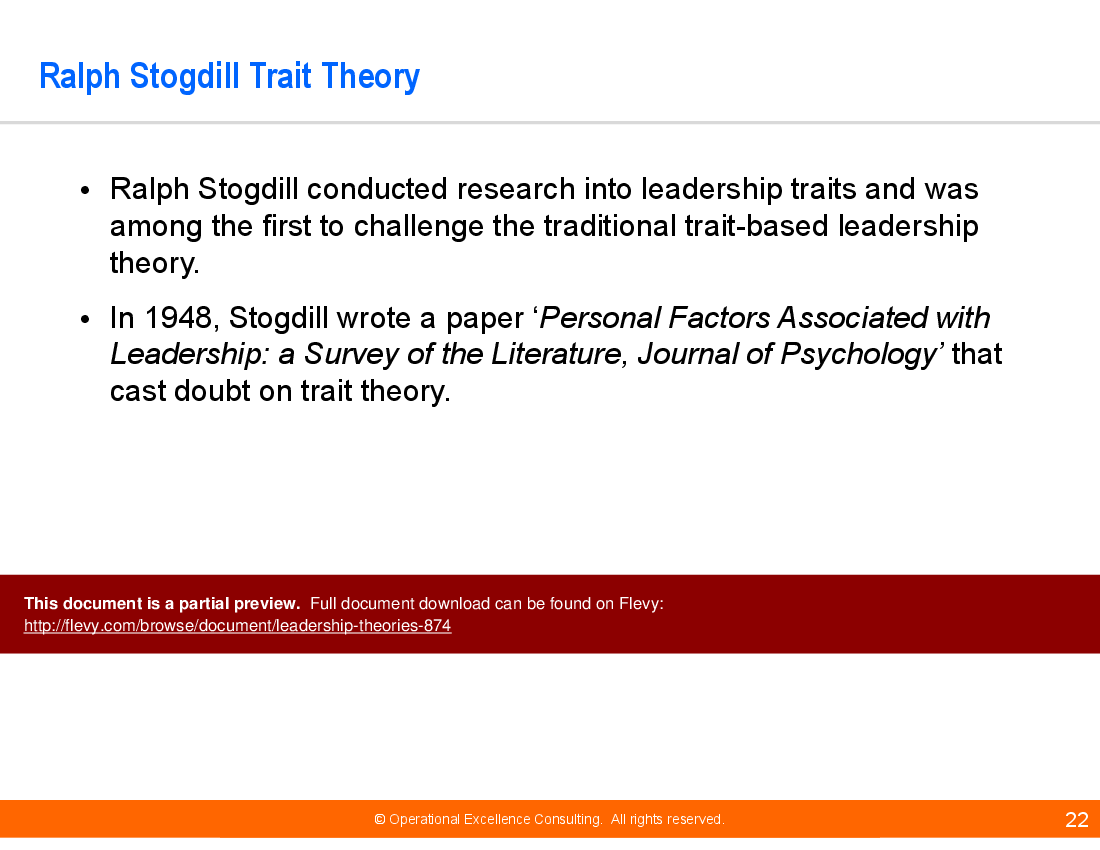
2. Ralph Stogdill Trait Theory
3. Kouzes & Posner Trait Theory
4. Douglas McGregor's XY Theory
5. Blake-Mouton's Managerial Grid
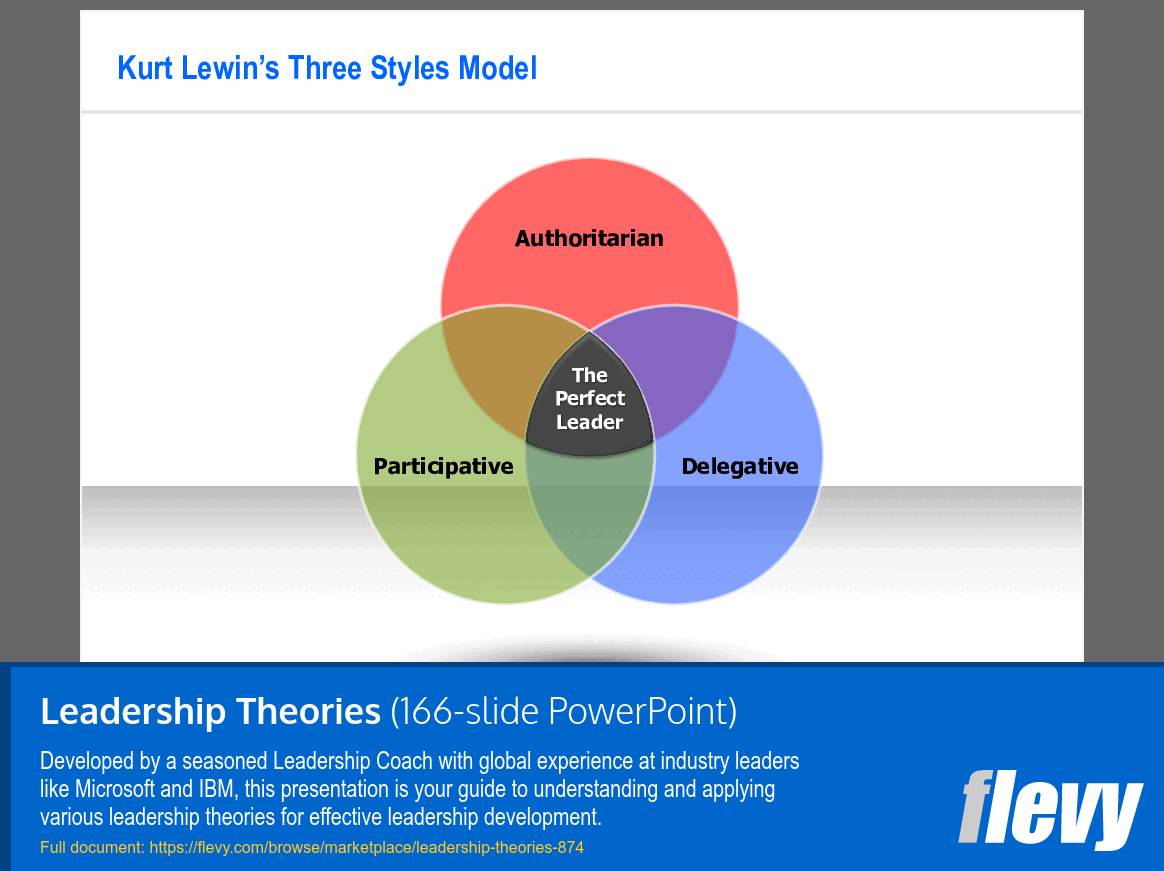
6. Kurt-Lewin's Three Styles Model
7. Bolman & Deal's Four Frame Model
8. Fiedler's Contingency Model
9. Hersey-Blanchard's Situational Leadership Model
10. Robert House's Path-Goal Theory
11. Tannenbaum & Schmidt's Leadership Behavior Continuum Model
12. John Adair's Action-Centered Leadership Model
13. Kouzes & Posner Five Leadership Practices
14. James Scouller's Three Levels of Leadership Model
15. Servant Leadership
16. Authentic Leadership
17. Ethical Leadership
18. Values-based Leadership
19. French & Raven's Five Bases of Power
20. Bureaucratic Leadership
21. Charismatic Leadership
22. Narcissistic Leadership
23. Transformation Leadership & Transactional Leadership
This presentation includes Leadership Models/Philosophies/Styles covering: Carlyle & Galton Trait Theory, Ralph Stogdill Trait Theory, Kouzes & Posner Trait Theory, Douglas McGregor's XY Theory, Blake-Mouton's Managerial Grid, Kurt-Lewin's Three Styles Model, Bolman & Deal's Four Frame Model, Fiedler's Contingency Model, Hersey-Blanchard's Situational Leadership Model, Robert House's Path-Goal Theory, Tannenbaum & Schmidt's Leadership Behavior Continuum Model, John Adair's Action-Centered Leadership Model, Kouzes & Posner Five Leadership Practices, James Scouller's Three Levels of Leadership Model, Servant Leadership, Authentic Leadership, Ethical Leadership, Values-based Leadership, French & Raven's Five Bases of Power, Bureaucratic Leadership, Charismatic Leadership, Narcissistic Leadership, and Transformation Leadership & Transactional Leadership.
This document provides a comprehensive breakdown of leadership theories, categorized into models, philosophies, and styles. It delves into the nuances of each theory, offering practical examples and detailed descriptions to facilitate understanding. The presentation is structured to help leaders identify the most suitable approach for various organizational contexts, enhancing their ability to adapt and lead effectively. Whether you are looking to understand the foundational traits of effective leaders or the situational factors that influence leadership success, this document serves as an invaluable resource for executives aiming to refine their leadership strategies.
Got a question about the product? Email us at support@flevy.com or ask the author directly by using the "Ask the Author a Question" form. If you cannot view the preview above this document description, go here to view the large preview instead.
Executive Summary
This presentation, titled "Leadership Theories," serves as a comprehensive guide to understanding various leadership models, philosophies, and styles. It is designed for individuals seeking to enhance their leadership capabilities or educate others about effective leadership practices. The content is structured around 23 distinct leadership theories, including trait-based, behavioral, contingency, functional, and integrated psychological models. By utilizing this presentation, users can gain insights into the complexities of leadership and apply these theories to foster effective leadership within their organizations.
Who This Is For and When to Use
• Corporate executives aiming to refine their leadership approach
• HR professionals focused on leadership development programs
• Educators teaching leadership concepts in academic settings
• Team leaders looking to enhance group dynamics and performance
• Consultants advising organizations on leadership strategies
Best-fit moments to use this deck:
• During leadership training sessions or workshops
• As a reference for developing leadership curricula
• In strategic planning meetings focused on leadership development
• For individual self-assessment and growth in leadership skills
Learning Objectives
• Define key leadership theories and their applications in organizational contexts
• Analyze the differences between leadership models, philosophies, and styles
• Identify effective leadership traits and behaviors based on established theories
• Apply various leadership frameworks to real-world scenarios
• Develop a personalized leadership development plan using insights from the presentation
• Facilitate discussions on leadership effectiveness among peers
Table of Contents
• Leadership Models (page 10)
• Leadership Philosophies (page 108)
• Leadership Styles (page 143)
Primary Topics Covered
• Leadership Models - Theories that provide frameworks for effective leadership practices, including trait-based, behavioral, and contingency models.
• Leadership Philosophies - Value-based approaches that guide leaders in their interactions and decision-making processes.
• Leadership Styles - Descriptions of how leaders behave in practice, including bureaucratic, charismatic, and transformational styles.
Deliverables, Templates, and Tools
• Diagrams illustrating various leadership models and their applications
• Frameworks for assessing leadership effectiveness
• Templates for developing leadership training programs
• Case studies demonstrating the application of leadership theories
Slide Highlights
• Overview of the leadership framework categorizing models, philosophies, and styles
• Detailed diagrams of the Blake-Mouton Managerial Grid and its implications for leadership behavior
• Key characteristics of transformational vs. transactional leadership
• Insights into the implications of Douglas McGregor's XY Theory on management styles
Potential Workshop Agenda
Introduction to Leadership Theories (30 minutes)
• Overview of leadership models and their significance
• Discussion on the importance of leadership philosophies
Deep Dive into Leadership Models (60 minutes)
• Exploration of trait-based and behavioral models
• Group activity analyzing different leadership scenarios
Leadership Styles and Their Impact (45 minutes)
• Examination of bureaucratic, charismatic, and transformational leadership styles
• Role-playing exercises to practice different styles
Customization Guidance
• Adapt the presentation to include specific case studies relevant to your organization
• Modify diagrams and frameworks to align with your corporate culture and values
• Incorporate local examples and leadership challenges faced by your team
Secondary Topics Covered
• The evolution of leadership theories over time
• The role of emotional intelligence in effective leadership
• Strategies for developing a leadership pipeline within organizations
FAQ
What are the main types of leadership models?
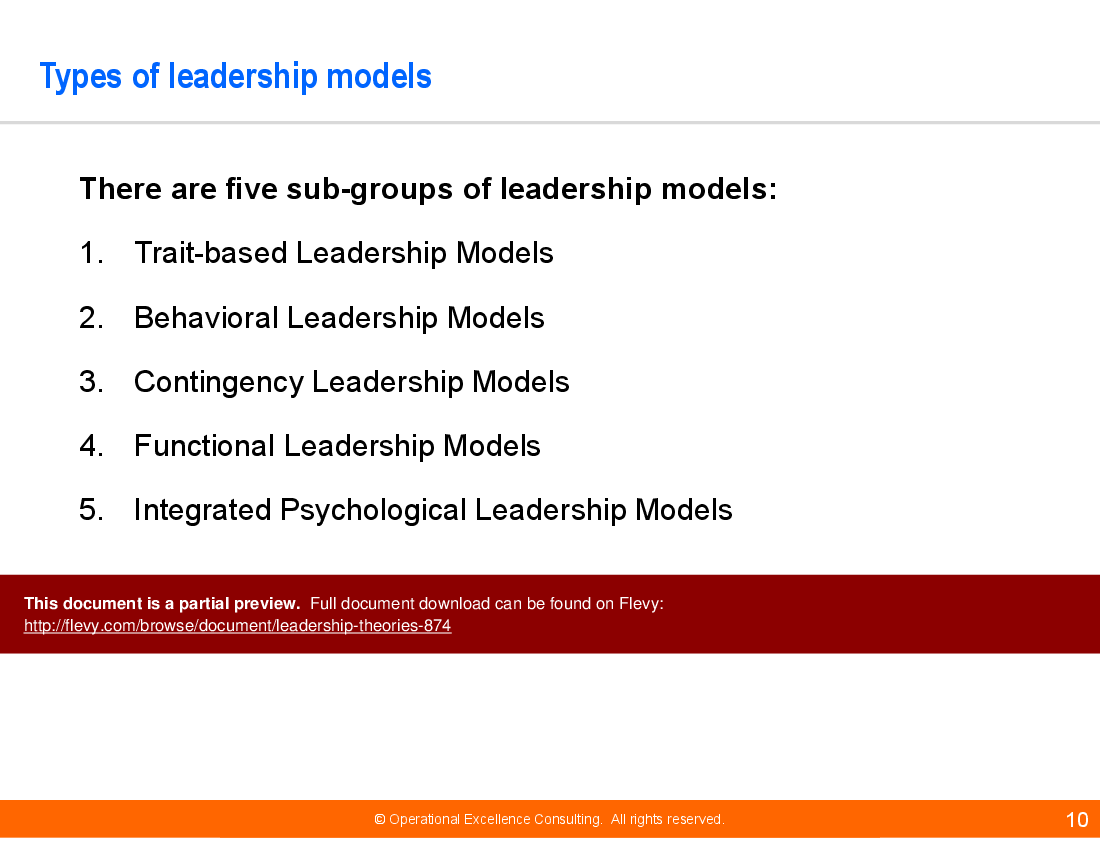
Leadership models can be categorized into trait-based, behavioral, contingency, functional, and integrated psychological models, each offering unique insights into effective leadership practices.
How can I apply these theories in my organization?
Utilize the frameworks and diagrams provided to assess current leadership practices, identify areas for improvement, and develop targeted training programs.
What is the difference between transformational and transactional leadership?
Transformational leadership focuses on inspiring and motivating followers toward a shared vision, while transactional leadership is based on exchanges where followers receive rewards for their compliance.
How can I customize this presentation for my team?
You can tailor the content by integrating specific examples from your organization, modifying case studies to reflect your industry, and adjusting the agenda to fit your training needs.
What resources are available for further learning?
The presentation includes references to key texts on leadership theories, as well as links to additional resources and training programs offered by Operational Excellence Consulting.
Glossary
• Leadership Models - Frameworks that outline effective leadership practices.
• Leadership Philosophies - Value-based approaches guiding leaders' actions.
• Leadership Styles - Behavioral classifications of how leaders interact with their teams.
• Trait Theory - A leadership model focusing on identifying specific traits of successful leaders.
• Behavioral Theory - A model emphasizing the behaviors that effective leaders exhibit.
• Contingency Theory - A model suggesting that leadership effectiveness depends on situational factors.
• Transformational Leadership - A style that inspires followers to achieve a higher purpose.
• Transactional Leadership - A style based on exchanges between leaders and followers.
• Servant Leadership - A philosophy that prioritizes serving others' needs.
• Authentic Leadership - A style emphasizing transparency and ethical behavior.

• Values-based Leadership - Leading by aligning actions with core values.
• Charismatic Leadership - A style that relies on the leader's charm and appeal.
• Bureaucratic Leadership - A style focused on strict adherence to rules and procedures.
• Narcissistic Leadership - A style characterized by self-centeredness and a lack of empathy.
• Path-Goal Theory - A model focusing on how leaders can help followers achieve their goals.
• Situational Leadership - A model suggesting leaders adapt their style based on followers' maturity.
• Managerial Grid - A framework assessing leadership behavior based on concern for people and results.
• XY Theory - A model categorizing management styles based on assumptions about human behavior.
• Four Frames Model - A framework for viewing organizational issues from multiple perspectives.

• Action-Centered Leadership - A model focusing on task achievement, team management, and individual needs.
• Five Bases of Power - A framework identifying sources of power in leadership contexts.
Source: Best Practices in Leadership, Business Framework PowerPoint Diagrams PowerPoint Slides: Leadership Theories PowerPoint (PPTX) Presentation Slide Deck, Operational Excellence Consulting
|
Download our FREE Organization, Change, & Culture, Templates
Download our free compilation of 50+ slides and templates on Organizational Design, Change Management, and Corporate Culture. Methodologies include ADKAR, Burke-Litwin Change Model, McKinsey 7-S, Competing Values Framework, etc. |