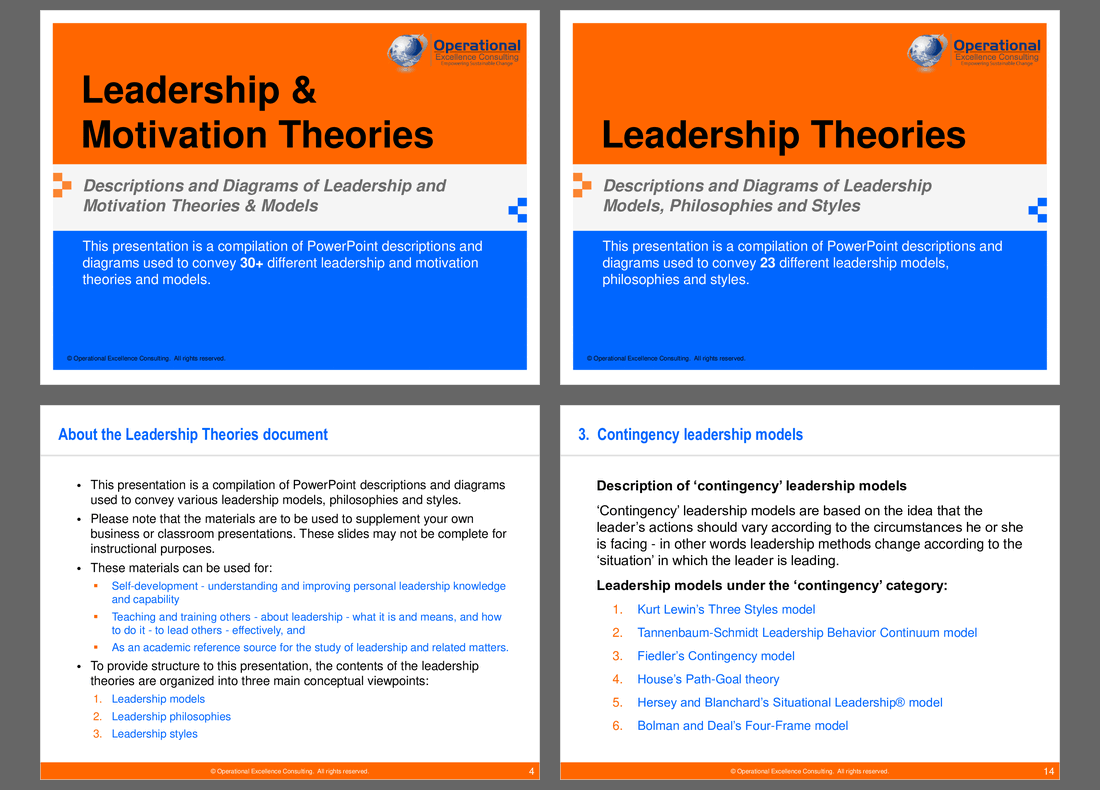

This presentation is a compilation of PowerPoint descriptions and diagrams used to convey 30+ different leadership and motivation theories and models.
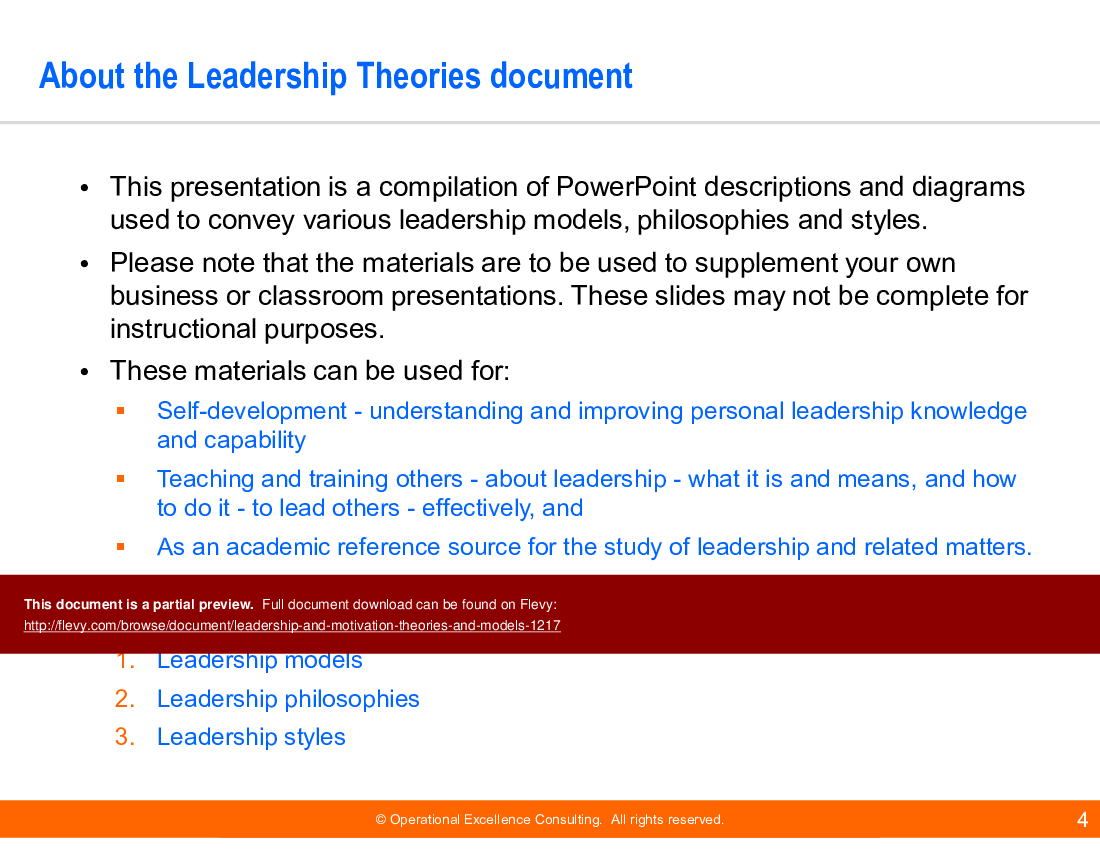
These materials can be used for:
1. Self-development – understanding and improving personal leadership knowledge and capability;
2. Teaching and training others – about leadership – what it is and means, and how to do it – to lead others – effectively; and
3. As an academic reference source for the study of leadership and related matters.
INCLUDED LEADERSHIP MODELS/PHILOSOPHIES/STYLES:
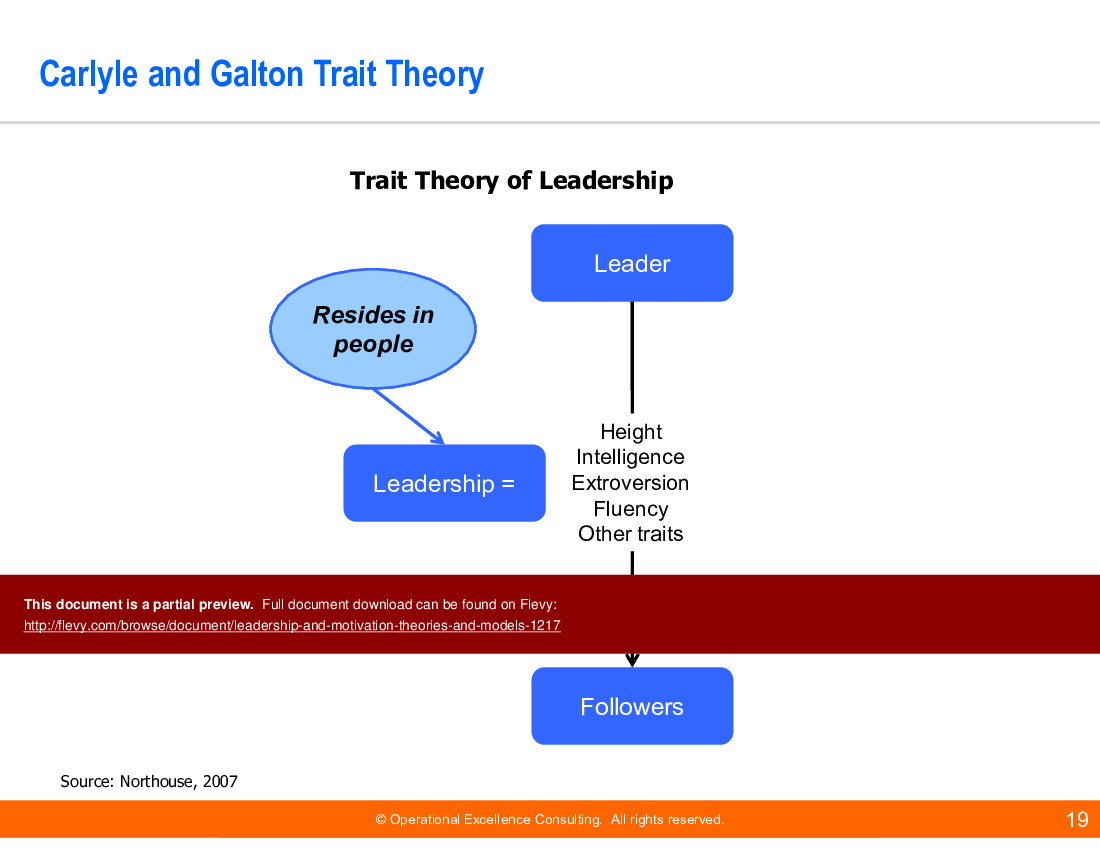
1. Carlyle & Galton Trait Theory
2. Ralph Stogdill Trait Theory
3. Kouzes & Posner Trait Theory
4. Douglas McGregor's XY Theory
5. Blake-Mouton's Managerial Grid
6. Kurt-Lewin's Three Styles Model
7. Bolman & Deal's Four Frame Model
8. Fiedler's Contingency Model
9. Hersey-Blanchard's Situational Leadership Model
10. Robert House's Path-Goal Theory
11. Tannenbaum & Schmidt's Leadership Behavior Continuum Model
12. John Adair's Action-Centered Leadership Model
13. Kouzes & Posner Five Leadership Practices
14. James Scouller's Three Levels of Leadership Model
15. Servant Leadership
16. Authentic Leadership
17. Ethical Leadership
18. Values-based Leadership
19. French & Raven's Five Bases of Power
20. Bureaucratic Leadership
21. Charismatic Leadership
22. Narcissistic Leadership
23. Transformation Leadership & Transactional Leadership
INCLUDED MOTIVATION THEORIES/MODELS:
1. Maslow's Hierarchy of Needs
2. Alderfer's ERG Theory
3. Herzberg's Two-Factor Theory
4. McClelland's Acquired Needs Theory
5. Adams' Equity Theory
6. Vroom's Expectancy Theory
7. Locke's Goal-Setting Theory
8. Skinner's Reinforcement Theory
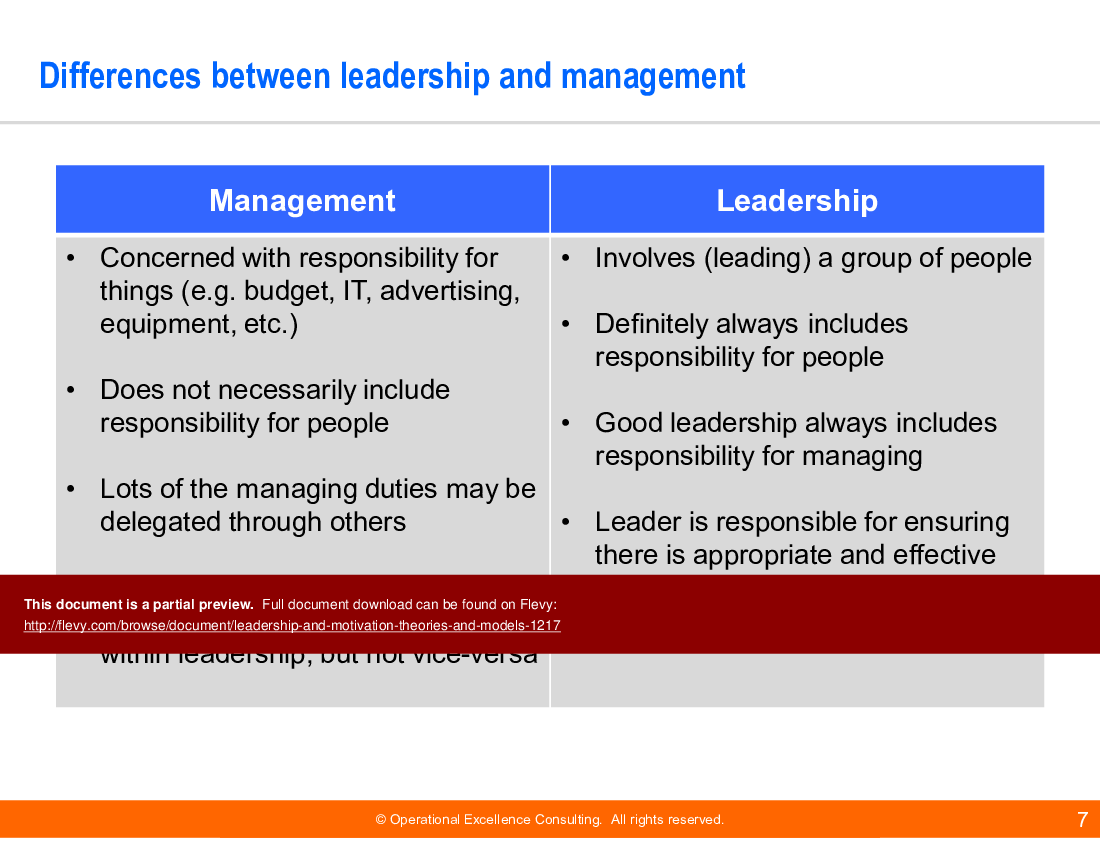
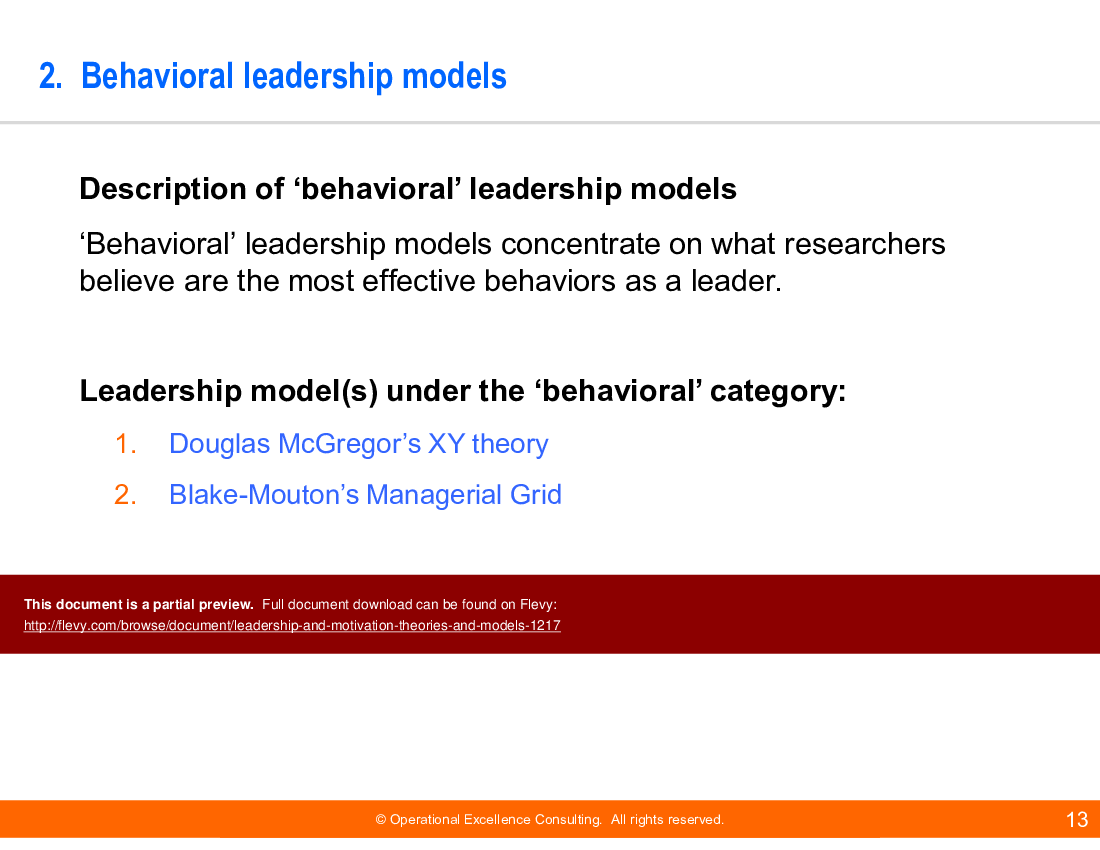
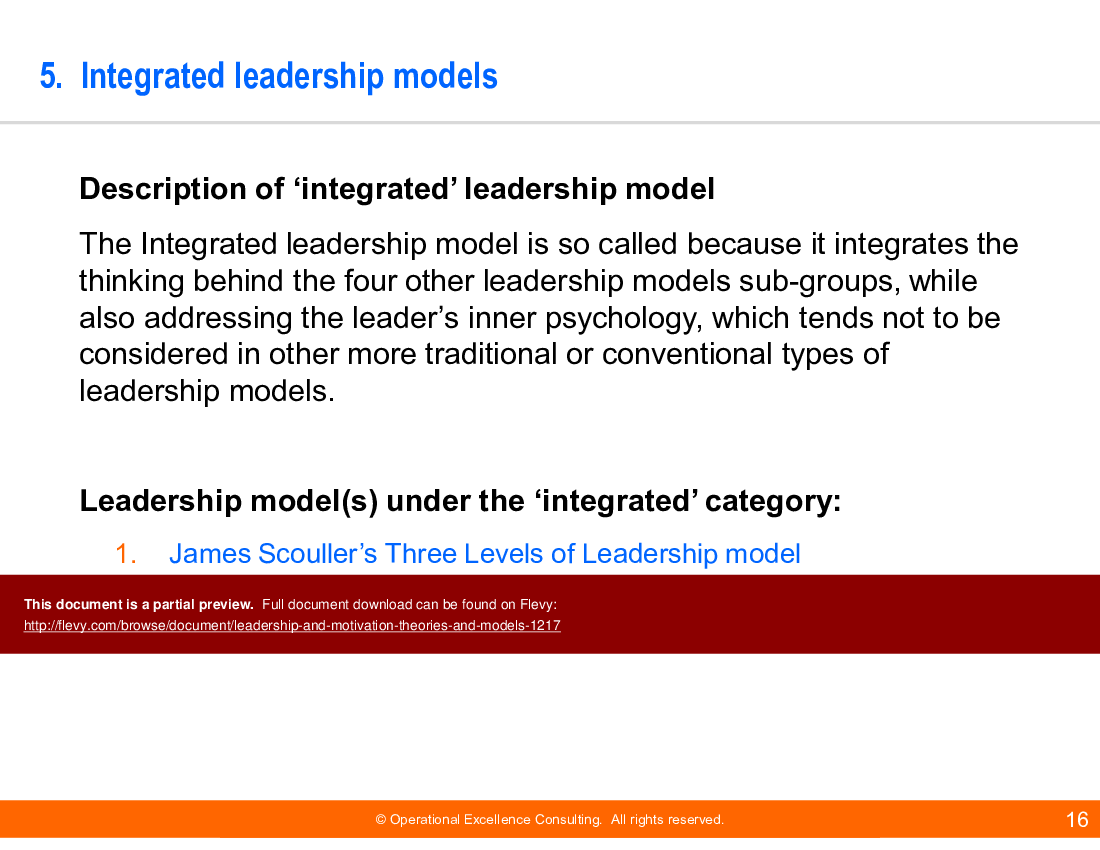
This PPT also delves into the nuanced differences between leadership and management, highlighting the distinct responsibilities and approaches each role entails. It covers behavioral leadership models, such as McGregor's XY Theory and Blake-Mouton's Managerial Grid, which focus on effective leader behaviors. Integrated leadership models like Scouller's Three Levels of Leadership are also discussed, emphasizing a holistic approach. The content is rich with practical examples and detailed descriptions, making it a valuable resource for those looking to refine their leadership strategies and drive organizational success.
Got a question about the product? Email us at support@flevy.com or ask the author directly by using the "Ask the Author a Question" form. If you cannot view the preview above this document description, go here to view the large preview instead.
Executive Summary
The "Leadership & Motivation Theories" presentation serves as a comprehensive guide to over 30 leadership and motivation theories and models. Developed by Operational Excellence Consulting, this resource is designed for corporate executives, integration leaders, and consultants looking to enhance their understanding of effective leadership practices. The presentation covers a range of theories, including trait-based, behavioral, contingency, and functional leadership models, as well as key motivation theories. Users will gain insights into applying these frameworks to improve team dynamics and organizational performance.
Who This Is For and When to Use
• Corporate executives seeking to enhance leadership effectiveness within their teams.
• Integration leaders managing organizational change and team dynamics.
• Consultants looking for a structured approach to leadership training and development.
• HR professionals involved in leadership development programs.
• Educators teaching leadership and management courses.
Best-fit moments to use this deck:
• During leadership training sessions to introduce foundational theories.
• In workshops focused on team dynamics and motivation strategies.
• As a reference for developing customized leadership development programs.
• For strategic planning meetings to align leadership practices with organizational goals.
Learning Objectives
• Define key leadership theories and their applications in organizational contexts.
• Analyze various motivation frameworks and their impact on employee performance.
• Build effective leadership strategies based on established models.
• Establish a comprehensive understanding of the differences between leadership and management.
• Apply motivational theories to enhance team engagement and productivity.
• Evaluate the effectiveness of different leadership styles in various scenarios.
Table of Contents
• Leadership Models (page 5)
• Leadership Philosophies (page 109)
• Leadership Styles (page 144)
• Motivation Theories (page 164)
• Challenges of Motivation in the New Workplace (page 227)
Primary Topics Covered
• Leadership Models - Various frameworks that outline effective leadership practices, including trait-based, behavioral, and contingency models.
• Leadership Philosophies - Core values and principles that guide leaders, such as servant leadership and ethical leadership.
• Leadership Styles - Different approaches to leadership, including bureaucratic, charismatic, and transformational styles.
• Motivation Theories - Key theories that explain what drives employee motivation, including Maslow's Hierarchy of Needs and Herzberg's Two-Factor Theory.
• Challenges of Motivation - Insights into contemporary issues affecting motivation in the workplace.
Deliverables, Templates, and Tools
• PowerPoint slides detailing leadership models and their applications.
• Diagrams illustrating motivation theories for easy comprehension.
• Templates for assessing leadership effectiveness and team dynamics.
• Frameworks for developing customized leadership training programs.
Slide Highlights
• Overview of the 5 sub-groups of leadership models.
• Visual representation of Maslow’s Hierarchy of Needs.
• Comparison chart of transformational versus transactional leadership.
• Key characteristics of effective leadership styles.
Potential Workshop Agenda
Introduction to Leadership Theories (30 minutes)
• Overview of key leadership models and their applications.
• Discussion on the importance of understanding leadership philosophies.
Motivation Strategies Workshop (60 minutes)
• Exploration of motivation theories and their practical implications.
• Group activities to apply motivational strategies in real-world scenarios.
Leadership Styles Deep Dive (45 minutes)
• Analysis of different leadership styles and their effectiveness.
• Case studies to illustrate the application of various styles in organizations.
Customization Guidance
• Tailor the presentation slides to reflect specific organizational values and goals.
• Incorporate case studies relevant to the audience's industry for practical application.
• Adjust the focus of the workshop based on the participants' existing knowledge and experience.
Secondary Topics Covered
• Differences between leadership and management.
• The role of emotional intelligence in effective leadership.
• The impact of organizational culture on leadership effectiveness.
• Strategies for fostering a motivating work environment.
Topic FAQ
Document FAQ
These are questions addressed within this presentation.
What are the key differences between leadership and management?
Leadership involves guiding and inspiring people, while management focuses on organizing and controlling resources.
How can I apply these theories in my organization?
Use the frameworks to assess current leadership practices and identify areas for improvement.
What are some common challenges in motivating employees?
Challenges include varying individual needs, lack of clear communication, and insufficient recognition of achievements.
How do I choose the right leadership style for my team?
Consider the team's dynamics, the specific challenges faced, and the organizational culture when selecting a style.
Can these theories be adapted for different industries?
Yes, the principles can be customized to fit the unique needs and contexts of various industries.
What resources are available for further learning?
The presentation includes references to additional literature and case studies for deeper exploration of the topics.
Glossary
• Leadership Models - Frameworks that outline effective leadership practices.
• Motivation Theories - Theories explaining what drives employee motivation.
• Transformational Leadership - A style focused on inspiring and motivating followers.
• Transactional Leadership - A style based on exchanges between leader and follower.
• Servant Leadership - A philosophy prioritizing serving others as a leader.
• Equity Theory - A motivation theory focusing on fairness in work outcomes.
• Expectancy Theory - A theory that links effort to performance and rewards.
• Reinforcement Theory - A theory emphasizing the role of consequences in shaping behavior.

• Bureaucratic Leadership - A leadership style focused on strict adherence to rules and procedures.

• Charismatic Leadership - A style that relies on the leader's personal charm and appeal.
• Narcissistic Leadership - A style characterized by self-centeredness and a focus on personal ambition.
• Values-based Leadership - Leading by staying true to one’s core values and principles.
Source: Best Practices in Leadership, Business Framework PowerPoint Diagrams, Motivation PowerPoint Slides: Leadership & Motivation Theories & Models PowerPoint (PPTX) Presentation Slide Deck, Operational Excellence Consulting
|
Download our FREE Organization, Change, & Culture, Templates
Download our free compilation of 50+ slides and templates on Organizational Design, Change Management, and Corporate Culture. Methodologies include ADKAR, Burke-Litwin Change Model, McKinsey 7-S, Competing Values Framework, etc. |