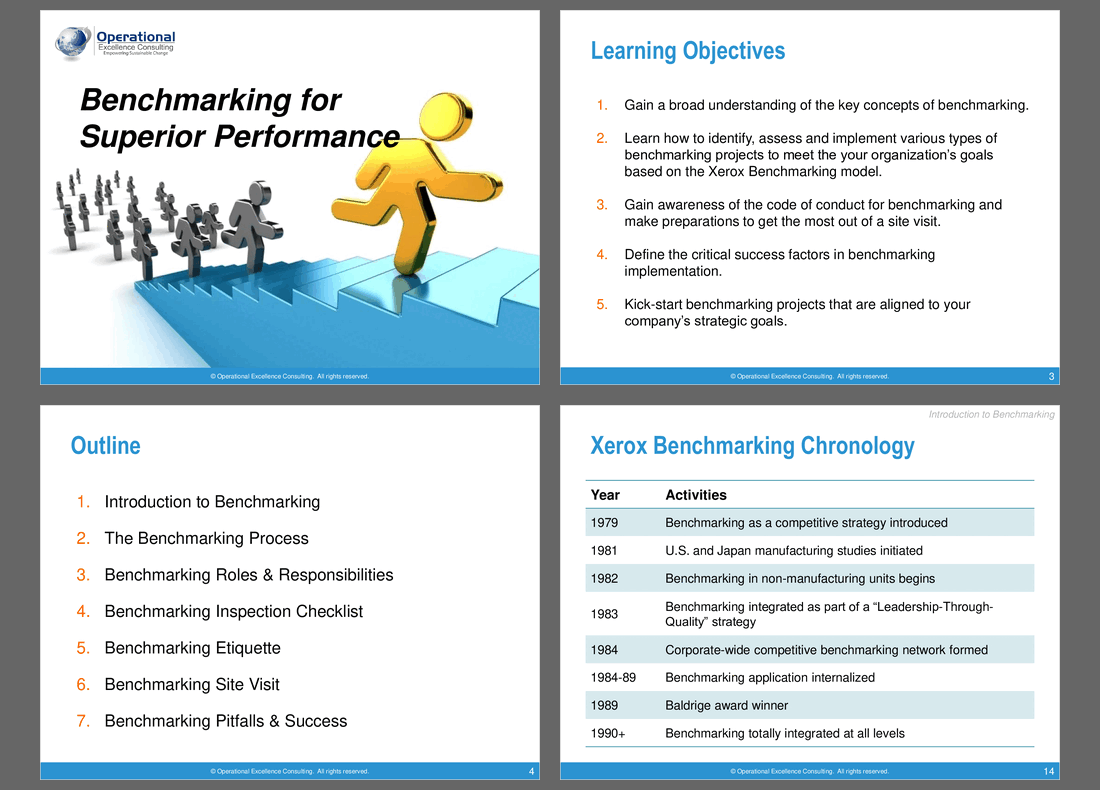

Benchmarking is the pursuit of superior company performance through best practices. It involves setting operational targets based on industry best practices. Traditional target-setting methods have left some companies vulnerable to global competition. Japanese philosophy of "dantotsu" (striving to be the best of the best) embodies the essence of gaining a competitive edge.
Benchmarking is globally embraced for achieving operational excellence. It's a structured, proactive process leading to superior performance and competitive advantage. It involves comparing one's function to others and adopting best practices for profitability, high inventory turnover, and asset returns.
Benchmarking is positive and proactive, aiding in goal setting based on the best practices of the industry. It differs from traditional methods, aiming for constant improvement.
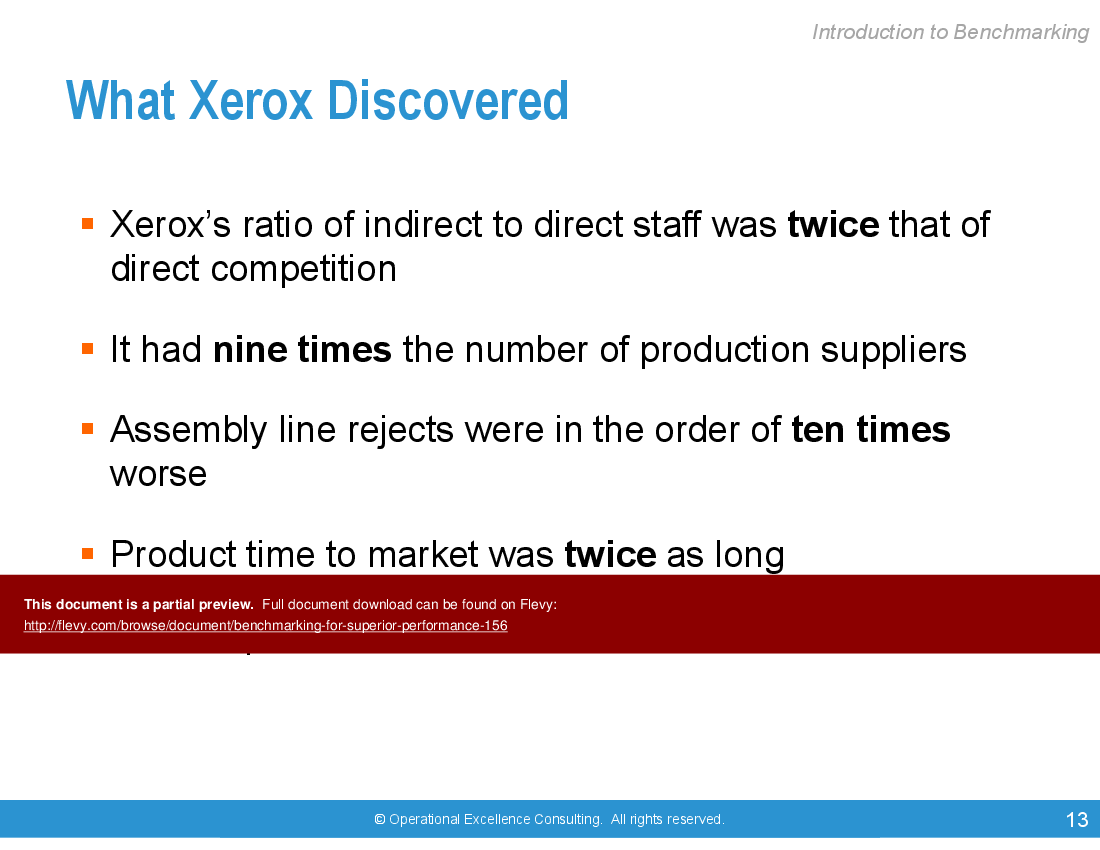
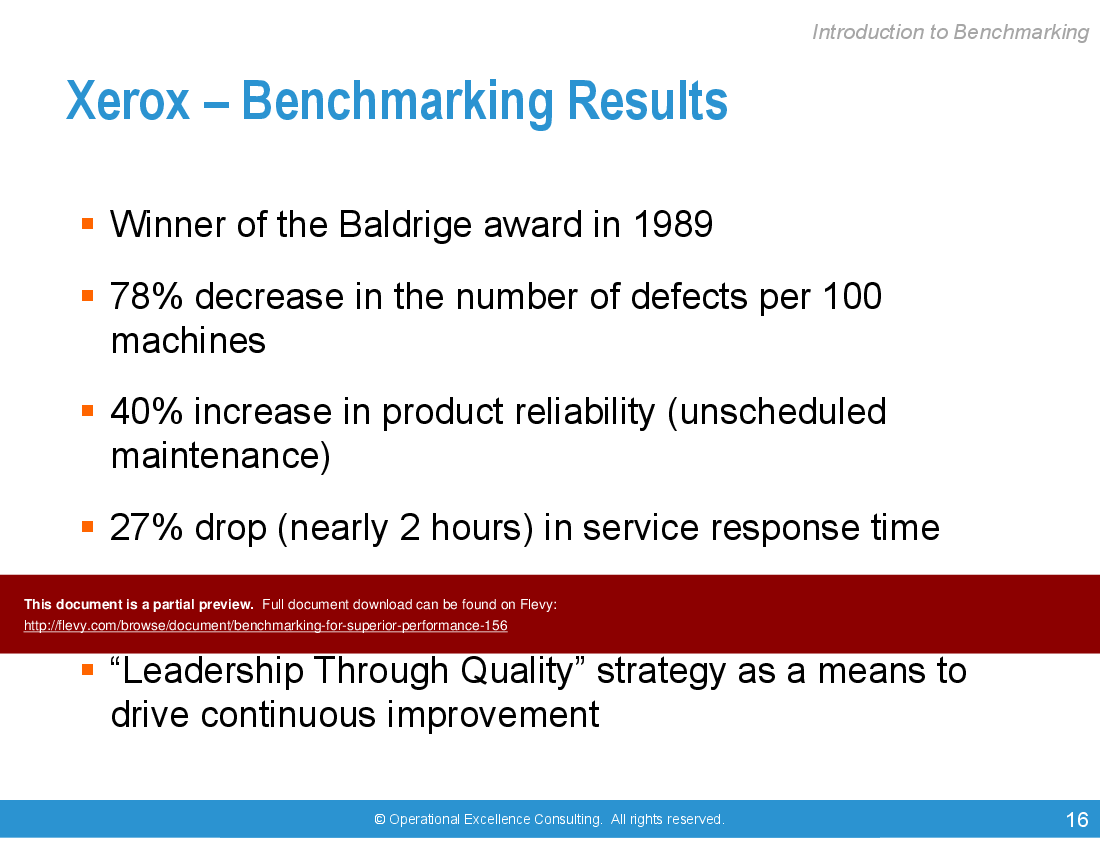
This presentation is based on Robert C. Camp's Xerox Benchmarking Process model. It covers benchmarking benefits, types, identifying targets, and project execution steps, including site visits, etiquette, and success factors.
LEARNING OBJECTIVES
1. Gain a broad understanding of the key concepts of benchmarking.
2. Learn how to identify, assess and implement various types of benchmarking projects to meet the your organization's goals based on the Xerox Benchmarking model.
3. Gain awareness of the code of conduct for benchmarking and make preparations to get the most out of a site visit.
4. Define the critical success factors in benchmarking implementation.
5. Kick-start benchmarking projects that are aligned to your company's strategic goals.
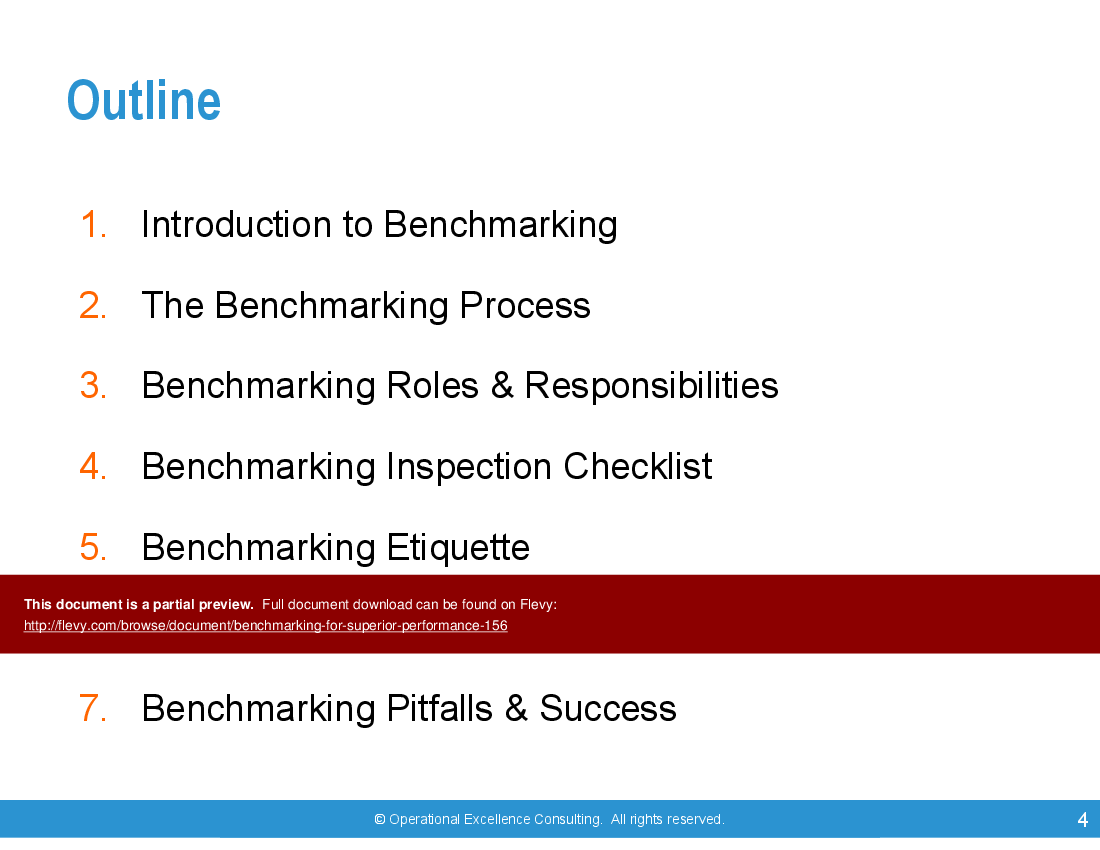
CONTENTS
1. Introduction to Benchmarking
2. The Four-phase, Ten-step Xerox Benchmarking Process
• Step 1: What to benchmark?
• Step 2: Whom to benchmark?
• Step 3: Data collection
• Step 4: Determine current performance "gap"
• Step 5: Project future performance levels
• Step 6: Communicate findings and gain acceptance
• Step 7: Establish goals
• Step 8: Develop action plans
• Step 9: Implement actions and monitor progress
• Step 10: Re-calibrate benchmarks
3. Benchmarking Roles and Responsibilities
4. Benchmarking Inspection Checklist (Toll-gate Review)
5. Benchmarking Etiquette
6. Benchmarking Site Visit
7. Benchmarking Pitfalls and Success
The document also provides a comprehensive checklist for benchmarking inspections and highlights common pitfalls to avoid. It emphasizes the importance of aligning benchmarking projects with strategic business goals for maximum impact.
Got a question about the product? Email us at support@flevy.com or ask the author directly by using the "Ask the Author a Question" form. If you cannot view the preview above this document description, go here to view the large preview instead.
Executive Summary
The "Benchmarking for Superior Performance" presentation is a comprehensive training tool designed to enhance understanding and implementation of benchmarking practices within organizations. Developed by Operational Excellence Consulting, this presentation guides users through the benchmarking process, emphasizing its importance in achieving operational excellence and continuous improvement. By utilizing the Xerox Benchmarking model, users will learn to identify performance gaps, set functional goals, and implement best practices that align with their strategic objectives. This presentation equips organizations with the knowledge to analyze, compare, and improve their business performance effectively.
Who This Is For and When to Use
• Corporate executives seeking to enhance operational performance
• Management consultants facilitating benchmarking initiatives
• Process owners responsible for continuous improvement
• Quality assurance teams aiming to implement best practices
Best-fit moments to use this deck:
• During strategic planning sessions to align benchmarking with business objectives
• When initiating new benchmarking projects to establish a clear framework
• For training sessions aimed at improving team understanding of benchmarking processes
Learning Objectives
• Gain a broad understanding of the key concepts of benchmarking
• Identify, assess, and implement various types of benchmarking projects
• Understand the code of conduct for effective benchmarking
• Define critical success factors in benchmarking implementation
• Kick-start benchmarking projects aligned with strategic goals
Table of Contents
• Introduction to Benchmarking (page 3)
• The Benchmarking Process (page 51)
• Benchmarking Roles & Responsibilities (page 198)
• Benchmarking Inspection Checklist (page 205)
• Benchmarking Etiquette (page 212)
• Benchmarking Site Visit (page 223)
• Benchmarking Pitfalls & Success (page 230)
Primary Topics Covered
• Benchmarking Definition - Benchmarking is the continuous process of measuring products, services, and practices against industry leaders to achieve superior performance.
• Benchmarking Process - The structured approach includes planning, analysis, integration, and action phases to ensure effective benchmarking.
• Data Collection Methods - Various methods for gathering benchmarking data, including surveys, site visits, and interviews, are outlined for effective analysis.
• Performance Gap Analysis - Techniques for identifying and evaluating performance gaps between current practices and industry benchmarks.
• Functional Goals Establishment - Guidance on converting benchmarking findings into actionable functional goals for improvement.
• Communication of Findings - Strategies for effectively communicating benchmarking results to gain acceptance and commitment from stakeholders.
Deliverables, Templates, and Tools
• Benchmarking project charter template for defining objectives and scope
• Data collection instrument template for gathering benchmarking information
• Performance gap analysis framework to evaluate current versus benchmarked performance
• Action plan template for implementing best practices identified through benchmarking
• Communication plan template for sharing findings with stakeholders
Slide Highlights
• Overview of the benchmarking process with clear phases and steps
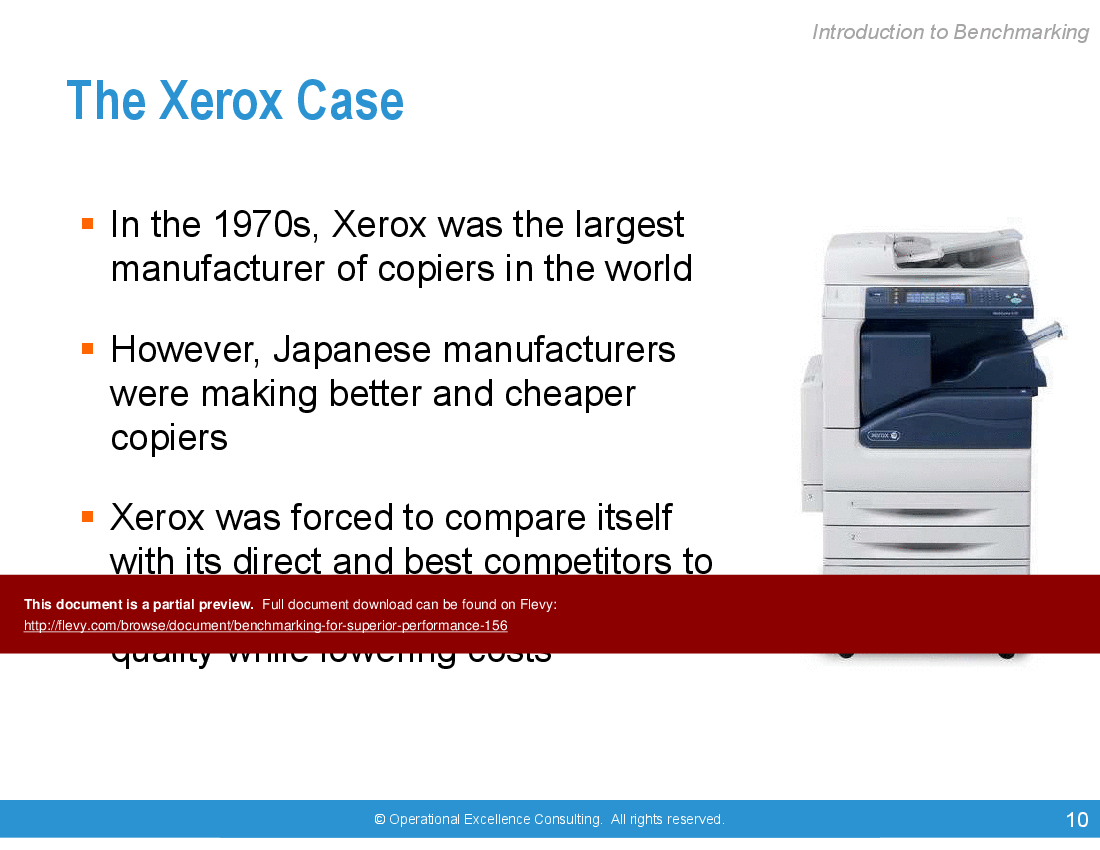
• Case study of Xerox's benchmarking success and its impact on performance
• Visual representation of performance gaps and future projections using charts
• Checklist for conducting effective benchmarking studies and site visits
• Guidelines for maintaining ethical standards in benchmarking practices
Potential Workshop Agenda
Introduction to Benchmarking (30 minutes)
• Discuss key concepts and importance of benchmarking
• Review the Xerox Benchmarking model
Benchmarking Process Overview (45 minutes)
• Walk through the phases of benchmarking
• Identify key roles and responsibilities in the benchmarking process
Data Collection and Analysis (60 minutes)
• Explore methods for effective data collection
• Conduct a performance gap analysis exercise
Establishing Functional Goals (30 minutes)
• Define how to translate findings into actionable goals
• Develop a communication plan for stakeholder engagement
Customization Guidance
• Tailor the benchmarking project charter to align with specific organizational goals
• Adapt data collection instruments to fit the unique context of your industry
• Modify action plans to reflect the resources and timelines available within your organization
Secondary Topics Covered
• Ethical considerations in benchmarking practices
• The role of management in supporting benchmarking initiatives
• Common pitfalls to avoid in benchmarking projects
• Strategies for sustaining improvements post-benchmarking
FAQ
What is benchmarking?
Benchmarking is the process of identifying, sharing, and implementing best practices to achieve superior performance compared to industry leaders.
How do I select benchmarking partners?
Choose partners based on comparability in size, industry, and performance metrics to ensure relevant and actionable insights.
What are the key steps in the benchmarking process?
The key steps include identifying what to benchmark, selecting comparative companies, collecting data, analyzing performance gaps, and implementing findings.
How can I ensure successful implementation of benchmarking findings?
Engage stakeholders early, communicate findings effectively, and establish clear functional goals linked to the organization's mission.
What should I avoid in benchmarking?
Avoid confusing benchmarking with market research, selecting overly broad topics, and neglecting to establish a baseline for comparison.
How often should I recalibrate benchmarks?
Critical benchmarks should be recalibrated annually, while others can be reviewed every 3 years, depending on industry dynamics.
What is the role of management in benchmarking?
Management must support the benchmarking effort by providing resources, removing barriers, and ensuring alignment with strategic objectives.
What are common pitfalls in benchmarking?
Common pitfalls include misalignment with strategic goals, lack of stakeholder engagement, and failure to establish measurable objectives.
Glossary
• Benchmark - A standard of excellence for comparison in business processes.
• Benchmarking Gap - The performance difference between an organization and its benchmark.
• Best Practice - A method that has consistently shown superior results compared to other approaches.
• Performance Gap - The difference between current performance and the benchmarked standard.
• Functional Goals - Specific objectives derived from benchmarking findings to guide improvement efforts.
• Data Collection Instrument - Tools used to gather benchmarking data, such as surveys or questionnaires.
• Action Plan - A detailed outline of steps to implement best practices identified through benchmarking.
• Stakeholder Engagement - The process of involving individuals or groups who have an interest in the benchmarking outcomes.
• Continuous Improvement - Ongoing efforts to enhance products, services, or processes.
• Ethical Standards - Guidelines that govern the conduct of benchmarking activities to ensure fairness and integrity.
• Site Visit - An on-site observation of best practices at a benchmarking partner's location.
• Communication Plan - A strategy for sharing benchmarking results with stakeholders to gain acceptance and commitment.
• Re-calibration - The process of reviewing and updating benchmarks to ensure they remain relevant and achievable.
• Xerox Benchmarking Model - A framework developed by Xerox to guide effective benchmarking practices.
• Performance Metrics - Quantitative measures used to assess the effectiveness of business processes.
• Management Support - The commitment and involvement of leadership in the benchmarking process.
• Training - Instruction provided to teams on benchmarking methodologies and practices.
• Operational Excellence - A philosophy of leadership, teamwork, and problem-solving that results in continuous improvement throughout the organization.
• Best-in-Class - The highest standard of performance in a specific industry or sector.

• Customer Satisfaction - A measure of how products or services meet or exceed customer expectations.

Source: Best Practices in Performance Management, Benchmarking PowerPoint Slides: Benchmarking for Superior Performance PowerPoint (PPTX) Presentation Slide Deck, Operational Excellence Consulting
|
Download our FREE Strategy & Transformation Framework Templates
Download our free compilation of 50+ Strategy & Transformation slides and templates. Frameworks include McKinsey 7-S, Balanced Scorecard, Disruptive Innovation, BCG Curve, and many more. |