
Effective communication skills are a critical aspect in your career and personal lives. In today's flexible working model where employees work from home and the office, it is even more important to understand the communication process so that we can enhance the effectiveness of our messages to our supervisors, colleagues, external stakeholders, and including friends and relatives.
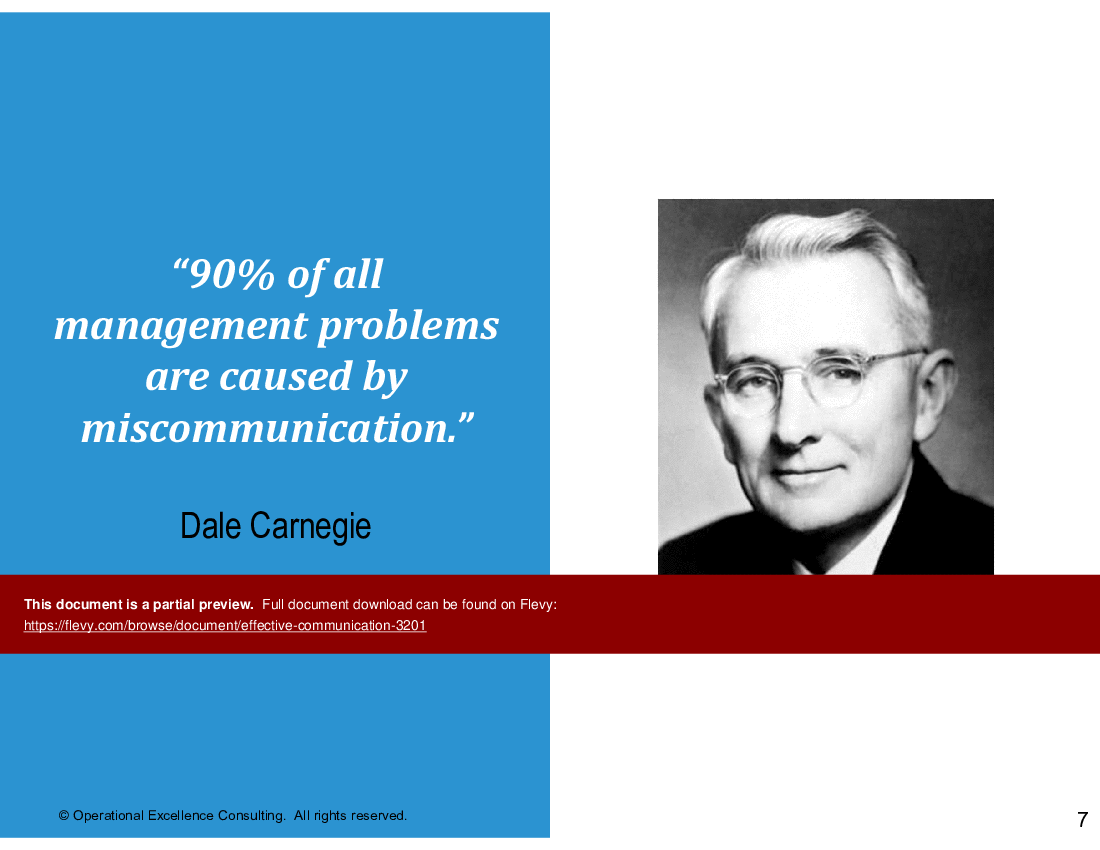
In the business environment, it is essential that we use a variety of communication techniques to both understand and be understood. However, messages are often distorted or misunderstood. The distortion of the message can happen at any of the stages in the communication process.
In this training presentation, you will learn the key concept and principles of effective communication, understand the communication process and the key stages, learn how to practice active listening and other useful communication techniques, and finally make use of a simple 7-step process to ensure effective communication. The guidelines or practices presented are used by consultants in the top tier consulting firms.
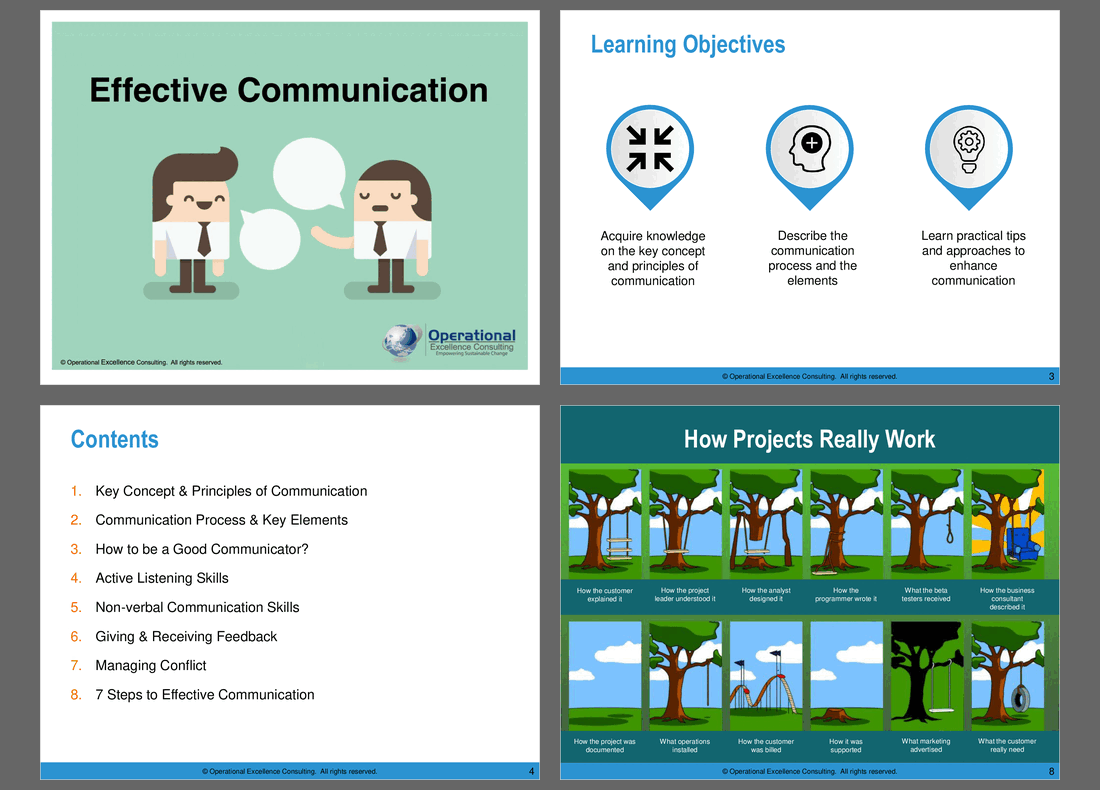
LEARNING OBJECTIVES
1. Acquire knowledge on the key concept and principles of communication.
2. Describe the communication process and the elements.
3. Learn practical tips and approaches to enhance communication.
CONTENTS
1. Key Concept & Principles of Communication
2. Communication Process & Key Elements
3. How to be a Good Communicator?
4. Active Listening Skills
5. Non-verbal Communication Skills
6. Giving & Receiving Feedback
7. Managing Conflict
8. 7 Steps to Effective Communication
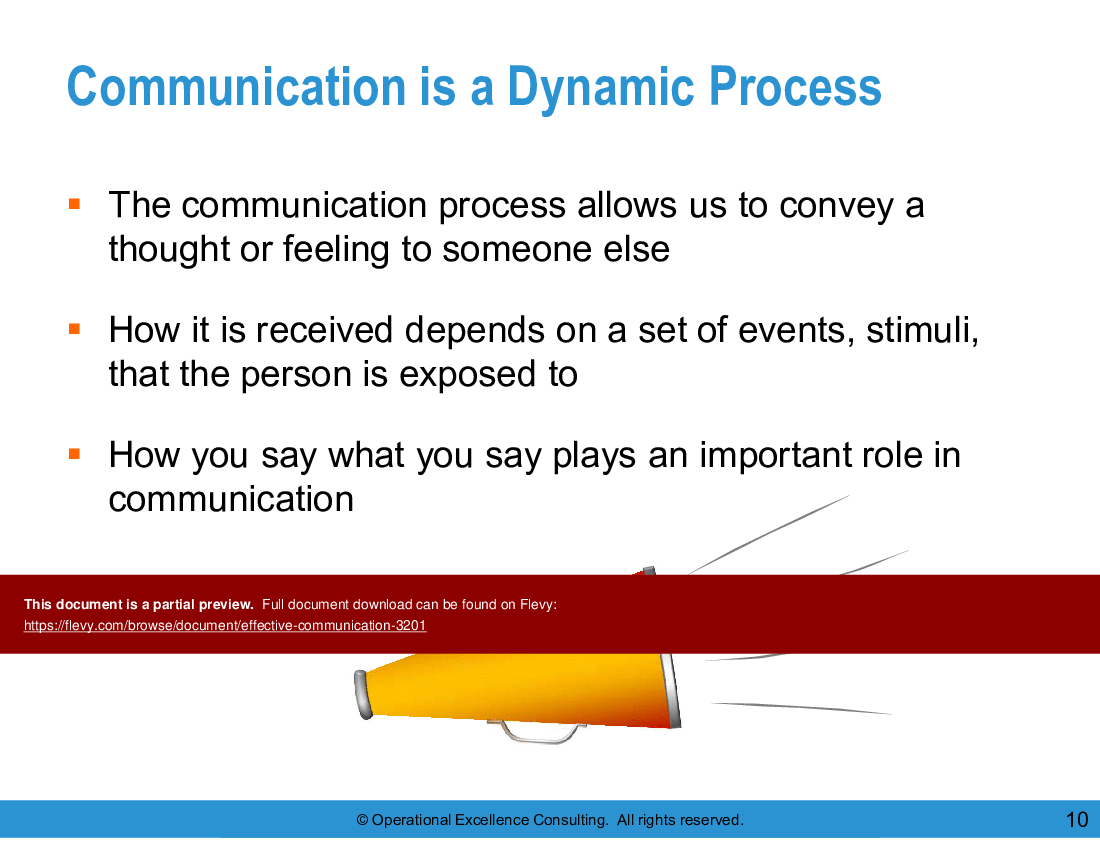
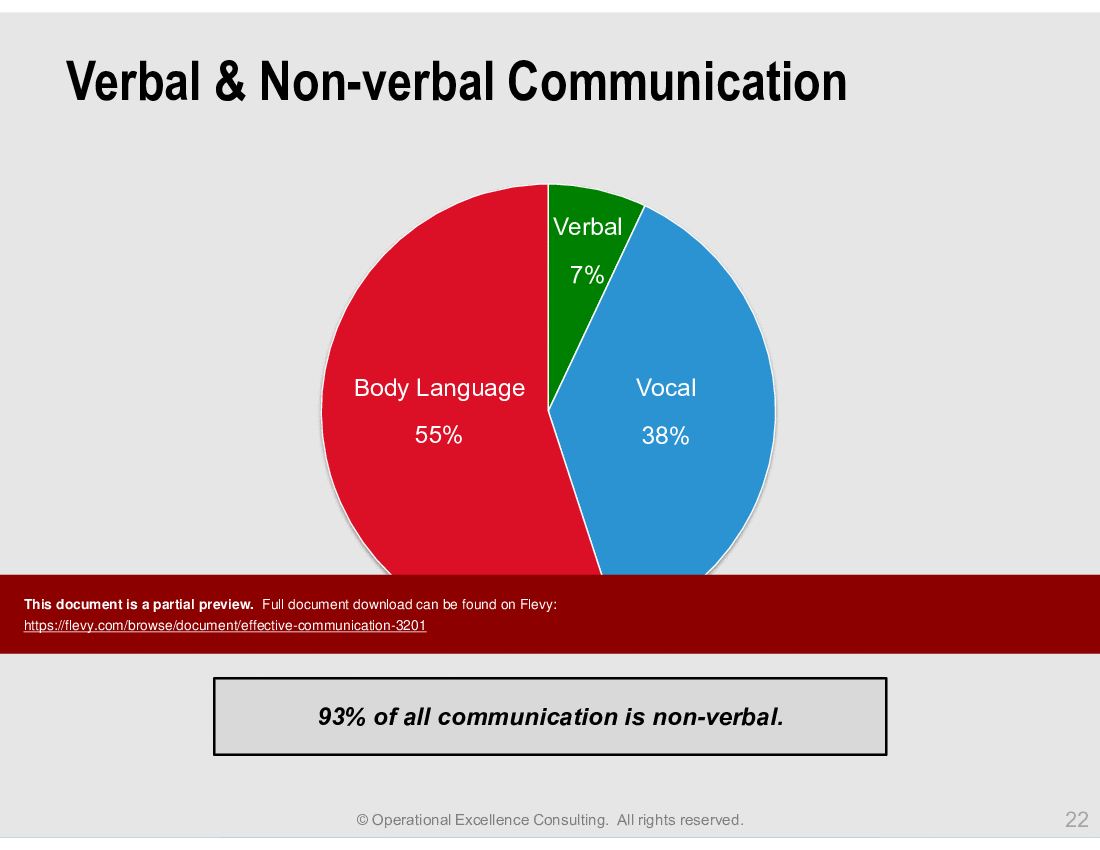
The presentation delves into the dynamic nature of communication, emphasizing its role in conveying thoughts and feelings. It highlights the importance of both verbal and non-verbal cues, such as body language and tone, which constitute a significant portion of the communication process. The PPT also outlines practical strategies for effective face-to-face interactions and voicemail communications, ensuring messages are clear and concise. It includes activities like the Grapevine Game to illustrate common communication pitfalls. This comprehensive guide is designed to equip leaders with the tools to manage communication barriers and foster a culture of open dialogue within their organizations.
Got a question about the product? Email us at support@flevy.com or ask the author directly by using the "Ask the Author a Question" form. If you cannot view the preview above this document description, go here to view the large preview instead.
Executive Summary
The "Effective Communication" presentation is designed to equip professionals with essential communication skills critical for success in both personal and professional environments. Developed by Operational Excellence Consulting, this PowerPoint deck offers a structured approach to understanding the communication process, enhancing interpersonal skills, and fostering a collaborative workplace culture. Users will learn practical techniques for improving verbal and non-verbal communication, active listening, and conflict management, ultimately leading to more effective interactions and stronger relationships.
Who This Is For and When to Use
• Corporate executives seeking to enhance team communication.
• Managers aiming to improve employee engagement and collaboration.
• HR professionals focused on training and development.
• Team leaders looking to resolve conflicts and improve group dynamics.
Best-fit moments to use this deck:
• During onboarding sessions to establish communication norms.
• In leadership training programs to enhance managerial effectiveness.
• At team-building workshops to foster better interpersonal relationships.
• In conflict resolution meetings to guide discussions toward constructive outcomes.
Learning Objectives
• Acquire knowledge on the key concepts and principles of communication.
• Define the communication process and its key elements.
• Build practical skills to enhance verbal and non-verbal communication.
• Establish effective active listening techniques.
• Learn how to give and receive constructive feedback.
• Manage conflict effectively within teams.
• Implement the 7 steps to effective communication.
Table of Contents
• Key Concept & Principles of Communication (page 6)
• Communication Process & Key Elements (page 25)
• How to be a Good Communicator? (page 41)
• Active Listening Skills (page 56)
• Non-verbal Communication Skills (page 65)
• Giving & Receiving Feedback (page 74)
• Managing Conflict (page 81)
• 7 Steps to Effective Communication (page 85)
Primary Topics Covered
• Key Concepts of Communication - Understanding the foundational principles that govern effective communication, including the importance of clarity and context.
• Communication Process - An overview of the sender, message, channel, receiver, and feedback loop that constitutes effective communication.
• Active Listening - Techniques for improving listening skills to enhance understanding and engagement during conversations.
• Non-verbal Communication - The role of body language, facial expressions, and tone in conveying messages.
• Feedback Mechanisms - Guidelines for providing and receiving feedback to foster a culture of continuous improvement.
• Conflict Management - Strategies for identifying and resolving conflicts in a constructive manner.
Deliverables, Templates, and Tools
• Communication process flowchart template for visualizing interactions.
• Active listening checklist to enhance engagement during conversations.
• Feedback forms designed to facilitate constructive criticism.
• Conflict resolution framework to guide discussions and agreements.
• Non-verbal communication assessment tool to evaluate body language and cues.
• Seven steps communication planning template for structured message delivery.
Slide Highlights
• A visual representation of the communication process, illustrating key elements and their interactions.
• Examples of effective and ineffective feedback, highlighting best practices.
• Techniques for active listening, including verbal and non-verbal cues.
• Strategies for managing conflict, emphasizing collaborative problem-solving.
• The 7 steps to effective communication, presented as a structured action plan.
Potential Workshop Agenda
Effective Communication Overview (60 minutes)
• Introduction to key concepts and principles of communication.
• Discussion on the importance of effective communication in organizations.
Active Listening Techniques (45 minutes)
• Interactive exercises to practice active listening skills.
• Group discussions on barriers to effective listening and how to overcome them.
Feedback and Conflict Management (60 minutes)
• Role-playing scenarios to practice giving and receiving feedback.
• Strategies for managing conflict and fostering a collaborative environment.
Customization Guidance
• Tailor the presentation to reflect organizational values and communication styles.
• Adapt examples and case studies to align with specific industry contexts.
• Modify the feedback and conflict management sections to include company-specific policies and procedures.
Secondary Topics Covered
• The impact of communication on organizational culture.
• Techniques for improving written communication skills.
• The importance of clarity and conciseness in messaging.
• Strategies for adapting communication styles to diverse audiences.
• The role of technology in modern communication practices.
FAQ
What are the key principles of effective communication?
Effective communication involves clarity, active listening, and appropriate feedback. It is essential to understand the audience and context to convey messages successfully.
How can I improve my active listening skills?
Practice focusing on the speaker, asking clarifying questions, and providing verbal and non-verbal feedback to show engagement.
What techniques can help in giving constructive feedback?
Use specific examples, focus on observable behaviors, and ensure the feedback is actionable and relevant to the recipient.
How do I manage conflict within my team?
Identify common goals, encourage open dialogue, and work collaboratively to find mutually acceptable solutions.
What are the 7 steps to effective communication?
The steps include situation analysis, defining the aim, crafting the overall message, identifying target groups, tailoring messages, selecting appropriate means, and checking effectiveness.
How important is non-verbal communication?
Non-verbal cues account for a significant portion of communication. Understanding body language and tone can enhance message delivery and interpretation.
When should feedback be provided?
Feedback should be given during regular performance reviews, after significant projects, or whenever there is a need for improvement or reinforcement.
What barriers can hinder effective communication?
Barriers include selective perception, lack of interest, language differences, and environmental distractions.
Glossary
• Active Listening - Engaging fully in a conversation to understand the speaker's message.
• Feedback - Information provided regarding a person's performance or behavior.

• Non-verbal Communication - Communication without words, including body language and facial expressions.
• Conflict Management - Techniques used to resolve disagreements in a constructive manner.
• Communication Process - The steps involved in conveying a message from sender to receiver.

• Sender - The individual or entity that initiates the communication.
• Receiver - The individual or group that receives and interprets the message.
• Encoding - The process of converting thoughts into communicable messages.
• Decoding - The process of interpreting the message received.
• Context - The circumstances surrounding the communication that influence its meaning.
• Channel - The medium through which the message is transmitted.
• Message - The information or content being communicated.
• Feedback Loop - The process of responding to a message to confirm understanding.
Source: Best Practices in Presentation Development, Feedback PowerPoint Slides: Effective Communication PowerPoint (PPTX) Presentation Slide Deck, Operational Excellence Consulting
This document is available as part of the following discounted bundle(s):
Save %!
Effective Facilitation Skills
This bundle contains 3 total documents. See all the documents to the right.
Save %!
Persuasive Communication Skills
This bundle contains 2 total documents. See all the documents to the right.
|
Receive our FREE whitepaper on the Top 101 Consulting Frameworks
Download our 200+ page guide summarizing the Top 101 Management Consulting Frameworks. Each framework provides a structured approach to analyzing and solving a common business problem. |