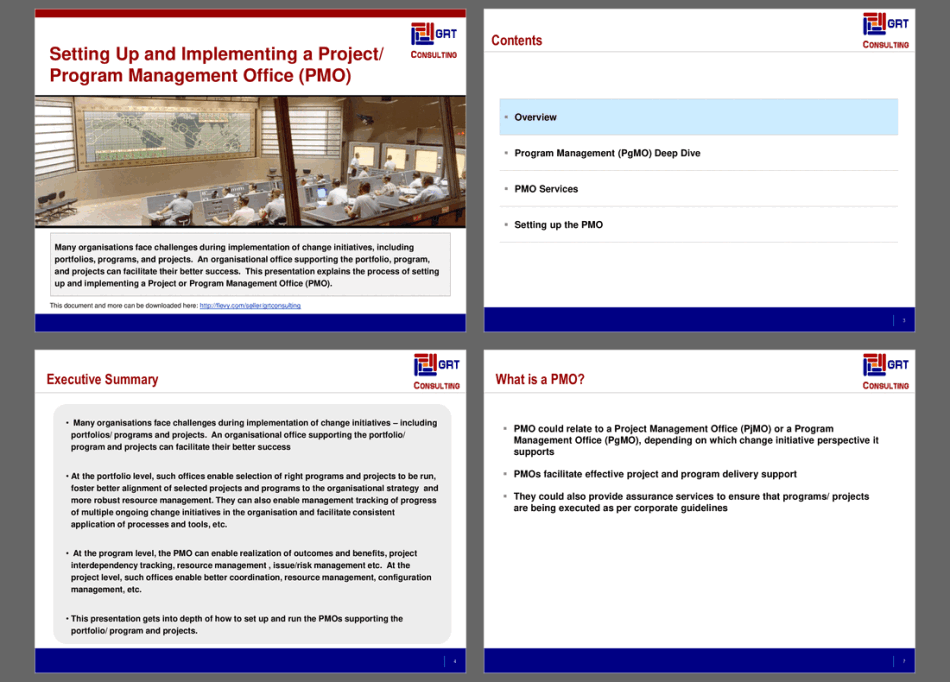

This presentation explains the process of setting up and implementing a Project Management Office (PjMO, PMO) or Program Management Office (PgMO, PMO).
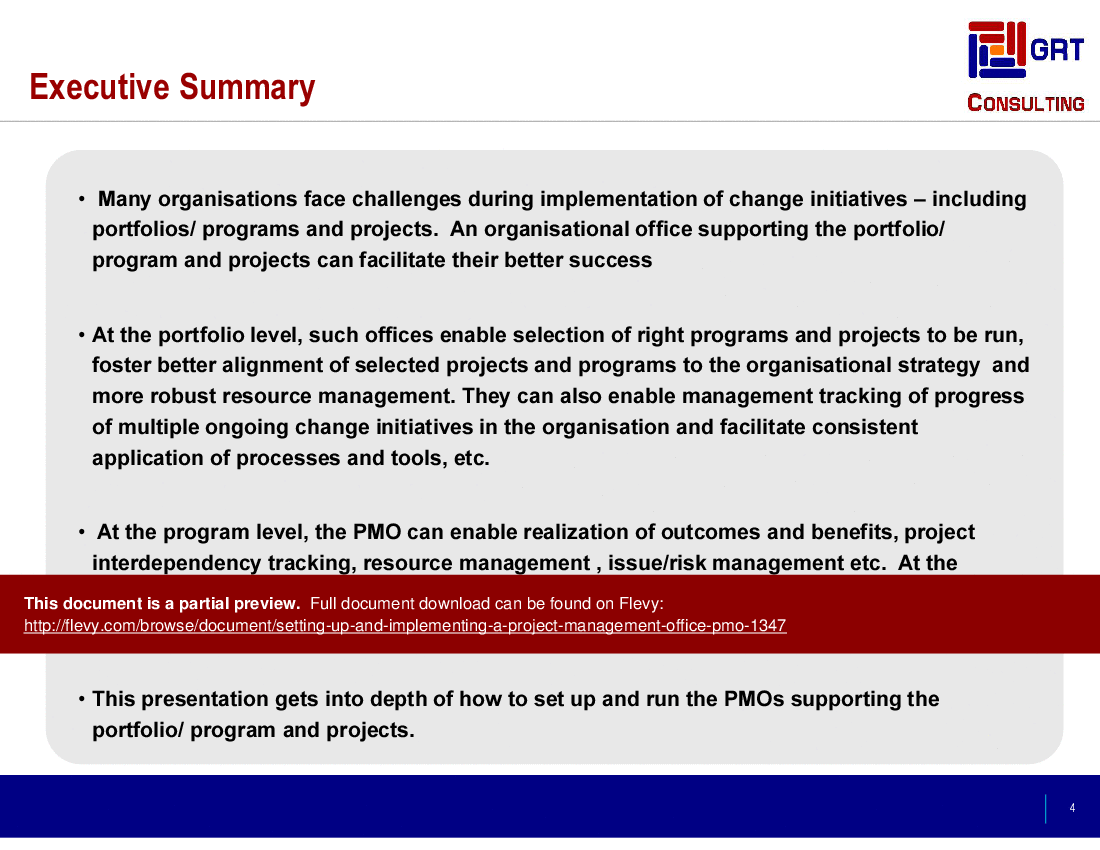
Many organizations face challenges during implementation of change initiatives, including portfolios/programs and projects. An organizational office supporting the portfolio/program and projects can facilitate their better success.
At the portfolio level, such offices enable selection of right programs and projects to be run, foster better alignment of selected projects and programs to the organisational strategy and more robust resource management. They can also enable management tracking of progress of multiple ongoing change initiatives in the organisation and facilitate consistent application of processes and tools.
At the program level, the PMO can enable realization of outcomes and benefits, project inter-dependency tracking, resource management, and issue/risk management. At the project level, such offices enable better coordination, resource management, configuration management, etc.
This comprehensive guide delves into the intricacies of setting up and operationalizing PMOs, covering essential aspects such as program benefits management and performance monitoring. It offers actionable insights on developing a robust business case, ensuring alignment with strategic objectives, and securing necessary investments. The PPT also highlights common issues PMOs face, such as lack of top management support and insufficient authority, providing strategies to mitigate these challenges.
The presentation is structured to facilitate a deep understanding of PMO services, from initial setup to closure. It emphasizes the importance of continuous monitoring and reassessment of ongoing change initiatives. This resource is invaluable for organizations aiming to enhance their project and program delivery support, ensuring compliance with corporate guidelines and fostering a culture of continuous improvement.
Got a question about the product? Email us at support@flevy.com or ask the author directly by using the "Ask the Author a Question" form. If you cannot view the preview above this document description, go here to view the large preview instead.
Executive Summary
Organizations often encounter challenges when implementing change initiatives, including portfolios, programs, and projects. Establishing a Project Management Office (PMO) can significantly enhance the success of these initiatives. This presentation outlines the process of setting up and implementing a PMO, detailing the roles it plays at the portfolio, program, and project levels. The PMO facilitates better alignment of projects with organizational strategy, robust resource management, and effective tracking of ongoing initiatives. This comprehensive guide provides actionable insights for executives and consultants looking to enhance project delivery and governance.
Who This Is For and When to Use
• Corporate executives overseeing project and program management
• Program and project managers seeking to improve delivery outcomes
• Change management leaders responsible for organizational alignment
• Consultants advising on project management best practices
Best-fit moments to use this deck:
• During the initiation phase of new projects or programs
• When assessing current PMO effectiveness and identifying improvement areas
• For training sessions focused on PMO setup and governance
Learning Objectives
• Define the role and importance of a PMO in organizational change initiatives
• Establish a framework for setting up a PMO tailored to specific organizational needs
• Identify key services and functions provided by PMOs at various levels
• Develop strategies for stakeholder engagement and communication plans
• Create a business case for PMO implementation, including cost and benefit analysis
• Measure PMO effectiveness through defined success metrics
Table of Contents
• Overview (page 3)
• Program Management (PgMO) Deep Dive (page 9)
• PMO Services (page 13)
• Setting up the PMO (page 25)
Primary Topics Covered
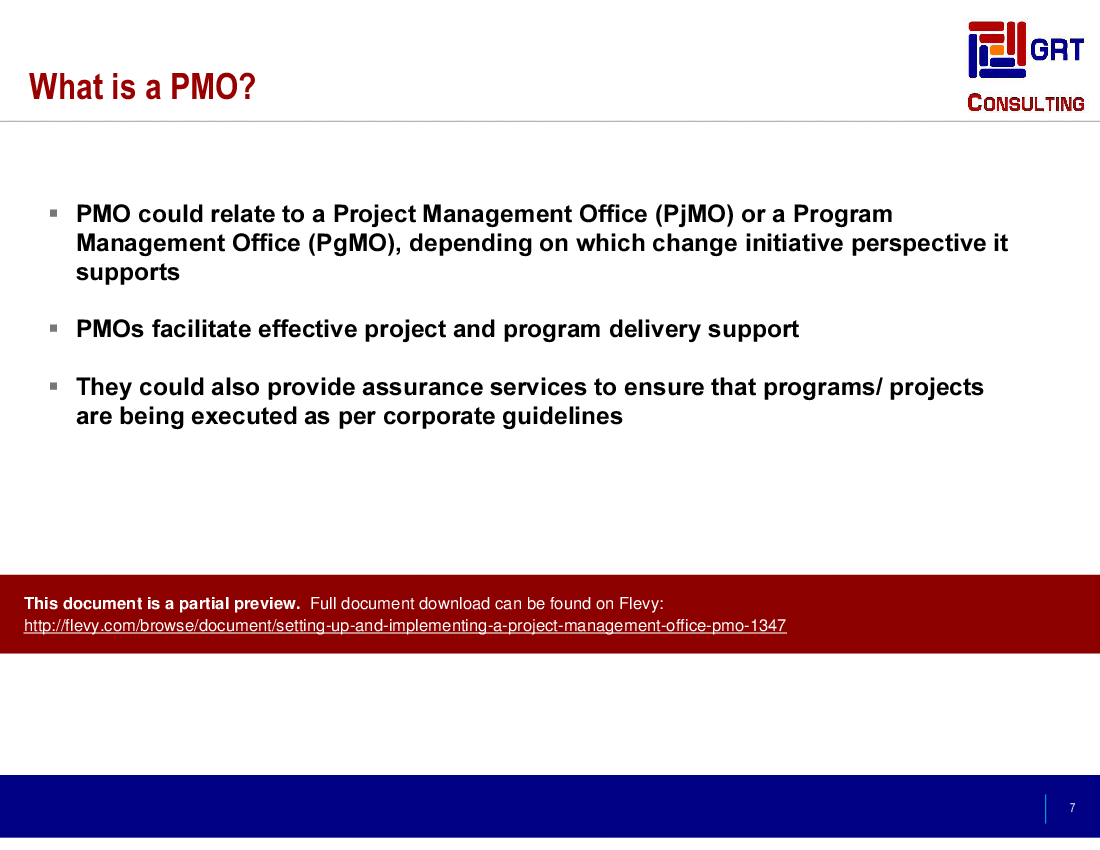
• Overview of PMOs - PMOs can be categorized as Project Management Offices (PjMO) or Program Management Offices (PgMO), each facilitating effective project and program delivery.
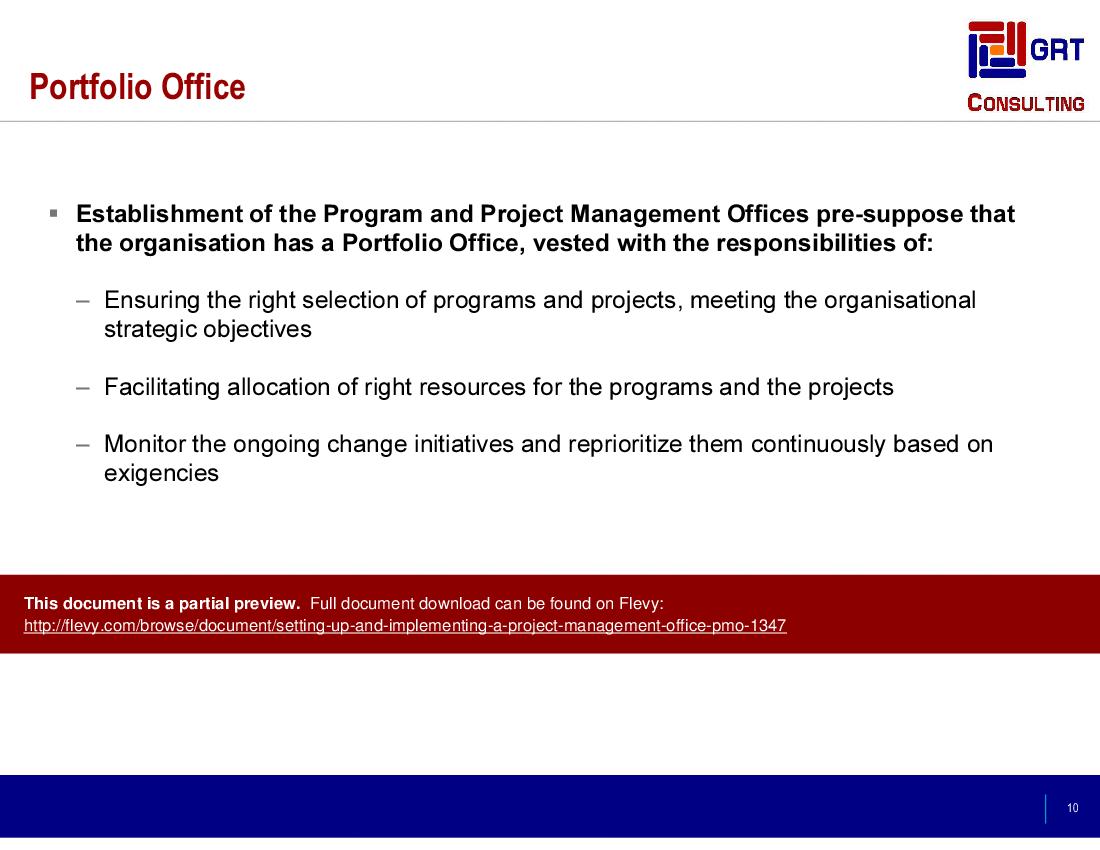
• Role of the Portfolio Office - The Portfolio Office ensures the right selection of programs and projects, aligning them with organizational strategic objectives and facilitating resource allocation.
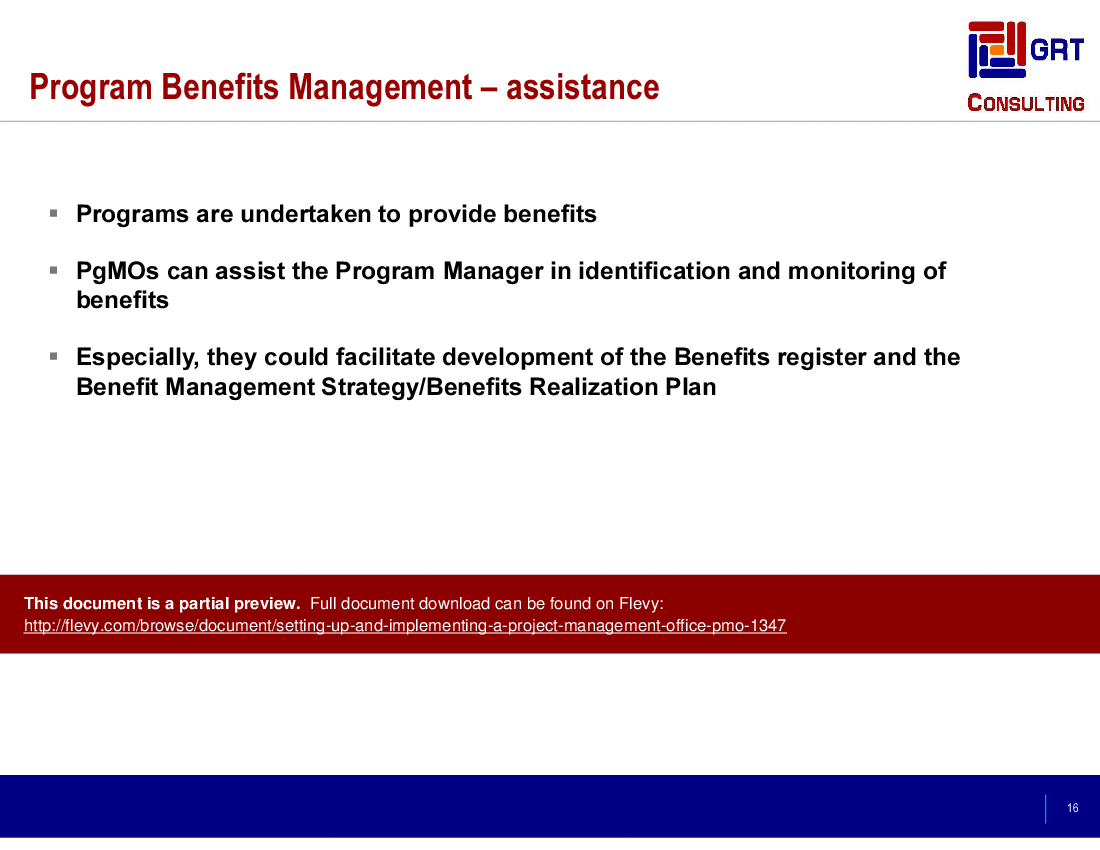
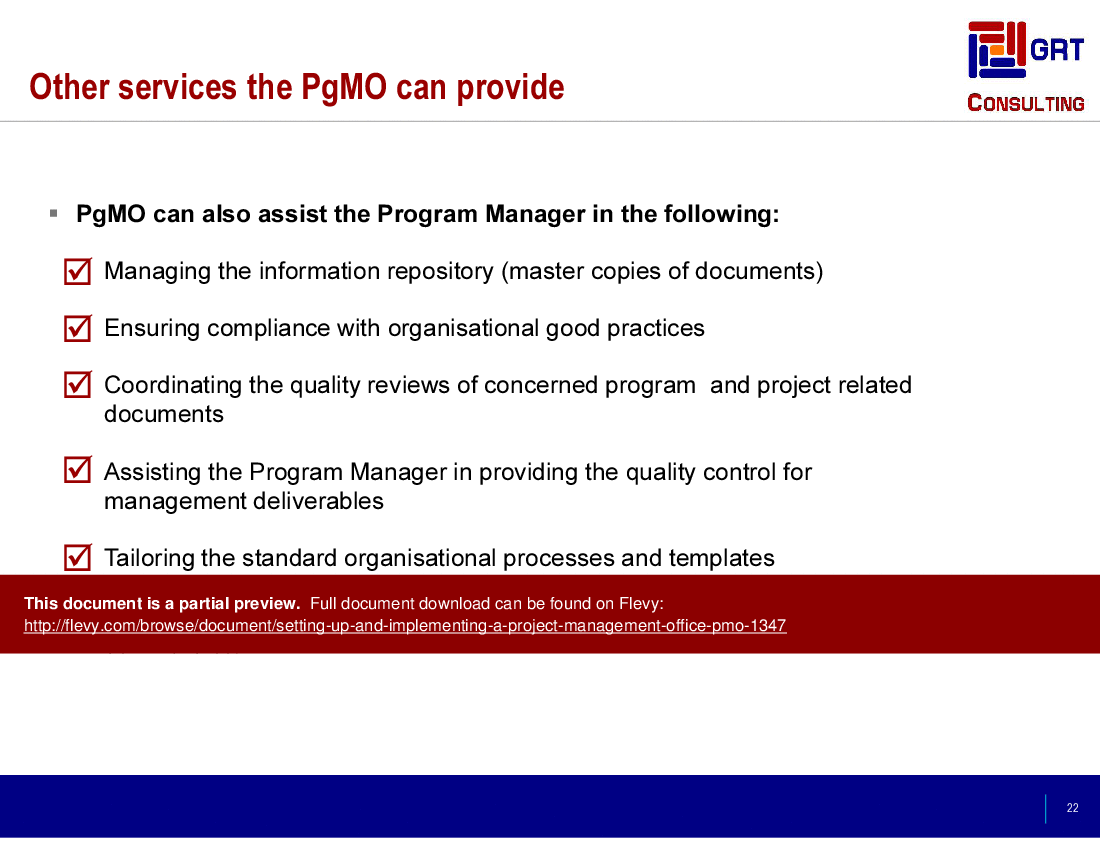
• PgMO Services - PgMOs provide support and assurance services throughout the program lifecycle, including stakeholder engagement and benefits management.
• Setting Up the PMO - A structured approach to establishing a PMO, including understanding current PM competency and stakeholder interviews.
• Business Case Development - Crafting a compelling business case for PMO implementation, highlighting costs, benefits, and risks.
• Success Metrics - Identifying key performance indicators to measure PMO effectiveness and project outcomes.
Deliverables, Templates, and Tools
• PMO setup framework template
• Stakeholder engagement strategy template
• Benefits register and management strategy template
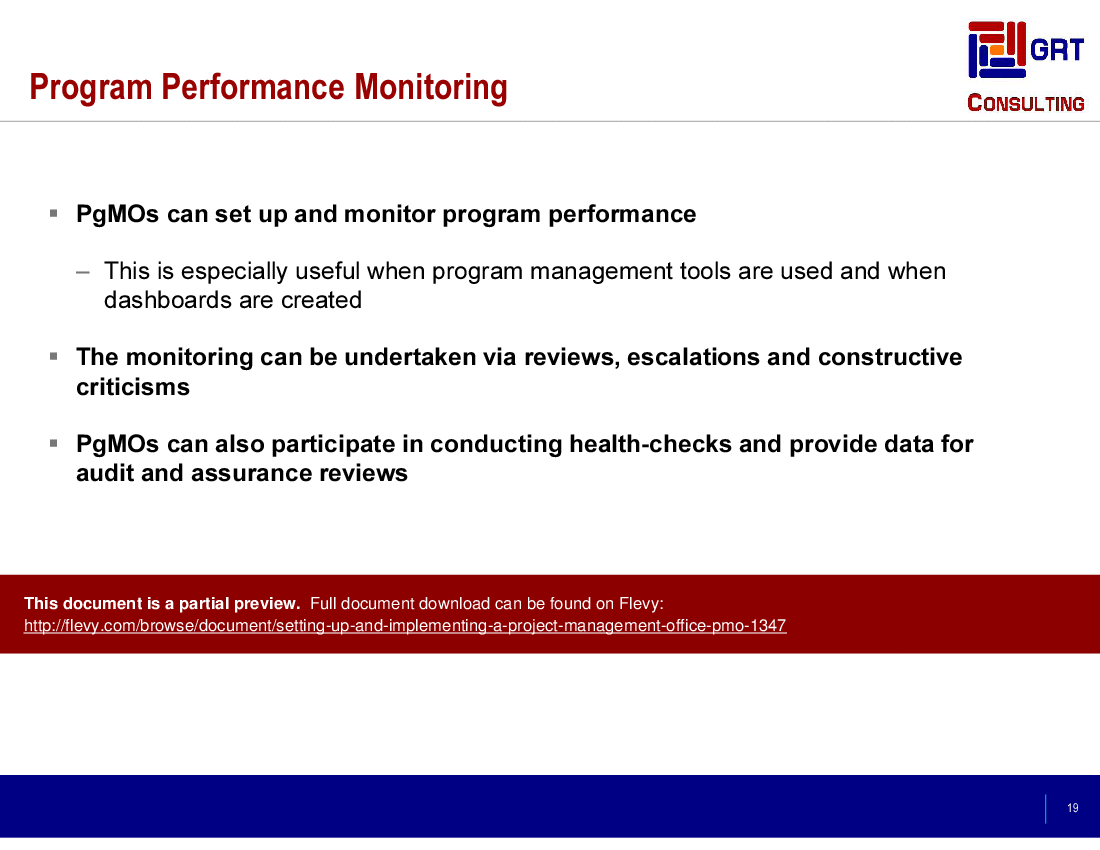
• Program performance monitoring dashboard
• Risk and issue management plan template
• Communication plan template for PMO initiatives
Slide Highlights
• Overview slide outlining the PMO's role in organizational success
• PgMO services slide detailing support functions during program execution
• Business case development slide emphasizing costs and benefits
• Success measures slide presenting key metrics for PMO effectiveness
• Stakeholder engagement strategy slide showcasing communication plans
Potential Workshop Agenda
PMO Setup Workshop (2 hours)
• Discuss current PM competency and identify gaps
• Review the PMO framework and its components
• Develop an initial business case for PMO implementation
Stakeholder Engagement Session (1 hour)
• Identify key stakeholders and their roles
• Draft stakeholder engagement strategies and communication plans
Customization Guidance
• Tailor the PMO framework to align with specific organizational structures and processes
• Adjust stakeholder engagement strategies based on organizational culture and dynamics
• Modify templates to reflect unique project or program requirements
Secondary Topics Covered
• Common challenges faced by PMOs and strategies to overcome them
• Importance of top management support in PMO success
• Best practices for resource management and allocation
• Techniques for effective risk and issue management
• Continuous improvement strategies for PMO operations
Topic FAQ
Document FAQ
These are questions addressed within this presentation.
What is the primary purpose of a PMO?
A PMO aims to enhance project and program delivery by providing governance, support, and assurance services, ensuring alignment with organizational objectives.
How do I determine if my organization needs a PMO?
Assess current project execution challenges, stakeholder satisfaction, and alignment with strategic goals to identify the need for a PMO.
What are the key services offered by a PgMO?
PgMOs provide services such as stakeholder engagement, benefits management, resource planning, and risk management throughout the program lifecycle.
How can I measure the effectiveness of a PMO?
Effectiveness can be measured through metrics such as project delivery on schedule and budget, stakeholder satisfaction, and adherence to established processes.
What challenges might a PMO face?
Common challenges include lack of top management support, insufficient authority, and potential conflicts with project managers.
How can I ensure successful PMO implementation?
Secure top management commitment, define the PMO's value proposition, and develop a clear communication strategy to engage stakeholders.
What is the role of a Portfolio Office in relation to a PMO?
The Portfolio Office oversees the selection and prioritization of programs and projects, ensuring alignment with strategic objectives and effective resource allocation.
How often should a PMO be evaluated for effectiveness?
Regular evaluations should be conducted, ideally quarterly or bi-annually, to assess performance against established metrics and make necessary adjustments.
Glossary
• PMO - Project Management Office
• PgMO - Program Management Office
• PjMO - Project Management Office
• Stakeholder - Any individual or group affected by a project
• Benefits Register - A document tracking expected benefits from a program
• Risk Management - The process of identifying and mitigating risks
• Resource Allocation - The distribution of resources among various projects
• Governance - Framework for decision-making and accountability
• Communication Plan - A strategy for engaging stakeholders
• Performance Monitoring - Tracking progress against defined metrics
• Change Initiative - A project or program aimed at organizational change
• Center of Excellence - A team or entity that provides leadership, best practices, and support for PMO functions
Source: Best Practices in Project Management PowerPoint Slides: Setting Up & Implementing a Project Management Office (PMO) PowerPoint (PPTX) Presentation Slide Deck, S Ramani (GRT Consulting)
|
Receive our FREE presentation on Operational Excellence
This 50-slide presentation provides a high-level introduction to the 4 Building Blocks of Operational Excellence. Achieving OpEx requires the implementation of a Business Execution System that integrates these 4 building blocks. |