This PowerPoint deck introduces the seven most commonly used storyline patterns in business and explains how to transform each one into a PowerPoint deck of its own.
Based on the Pyramid Principle, each of these seven patterns help you clarify your thinking around an important business issue so you can communicate it clearly.
While useful on its own, it is designed to accompany the templates for the patterns it describes, which are also available on Flevy.
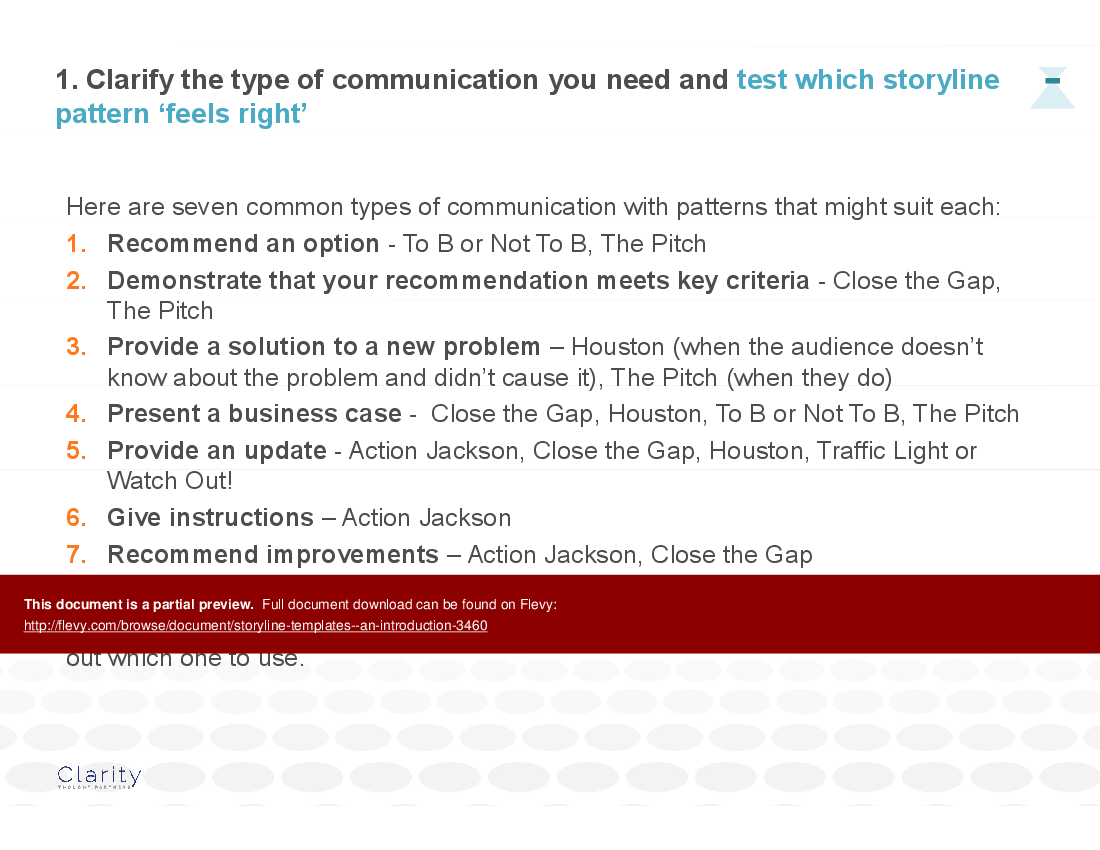
This PPT provides a comprehensive guide to creating effective business presentations using seven distinct storyline patterns. Each pattern is tailored to address specific communication needs, from recommending options to presenting business cases. The deck emphasizes the importance of selecting the right pattern to match your message, ensuring clarity and impact.
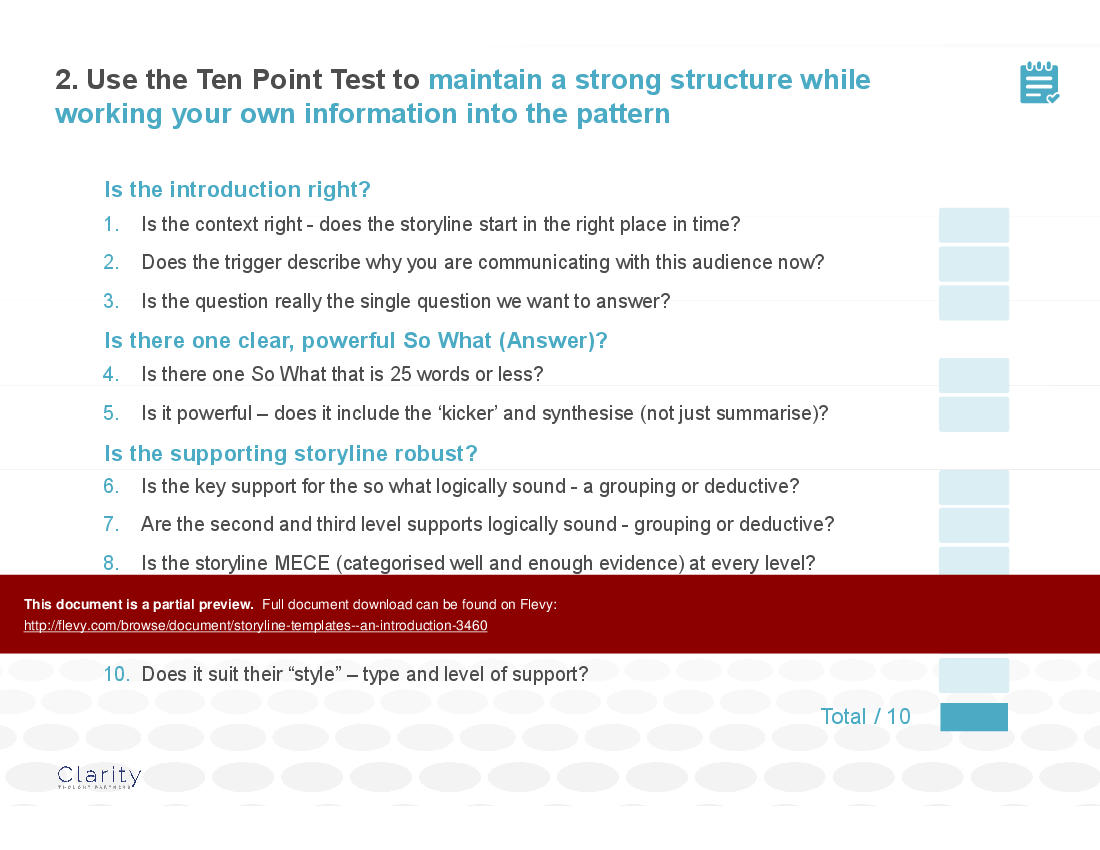
The included Ten Point Test is a robust tool for evaluating the strength of your storyline. It covers critical aspects such as the introduction, the central 'So What' message, and the supporting evidence. This test helps you maintain a coherent and compelling narrative, ensuring your presentation is both logical and persuasive.
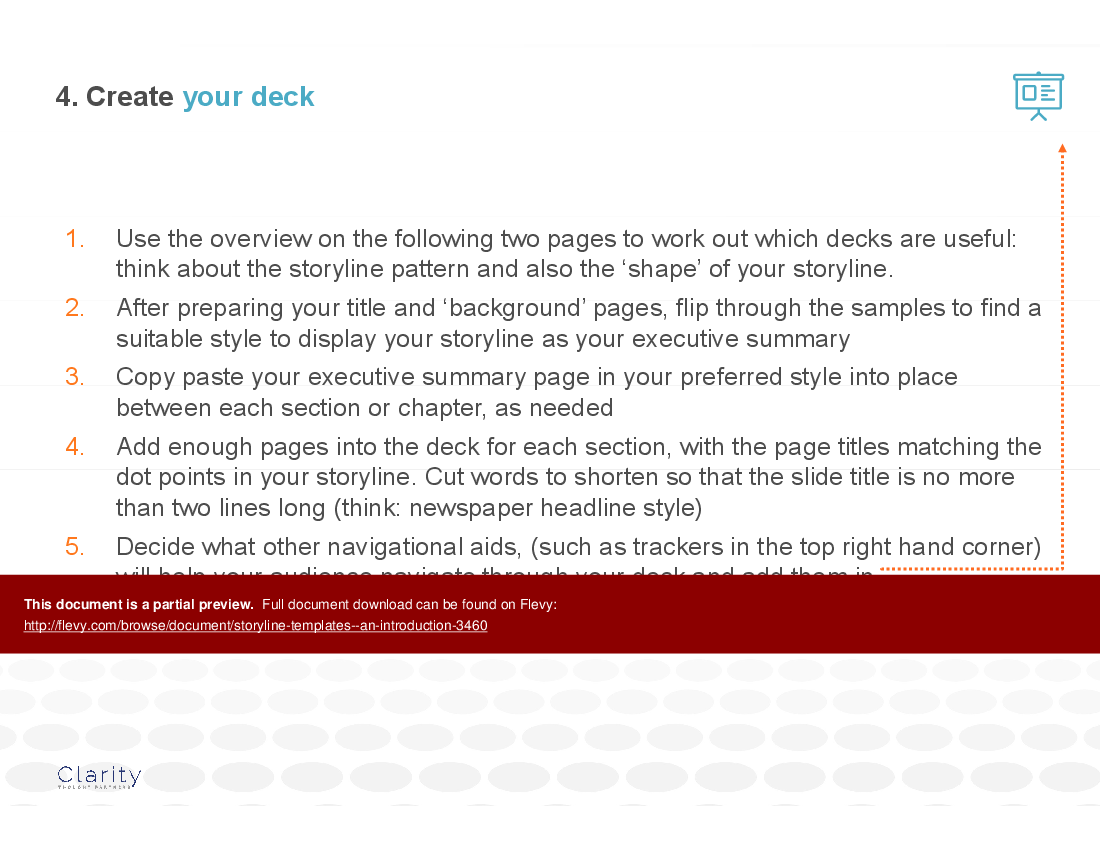
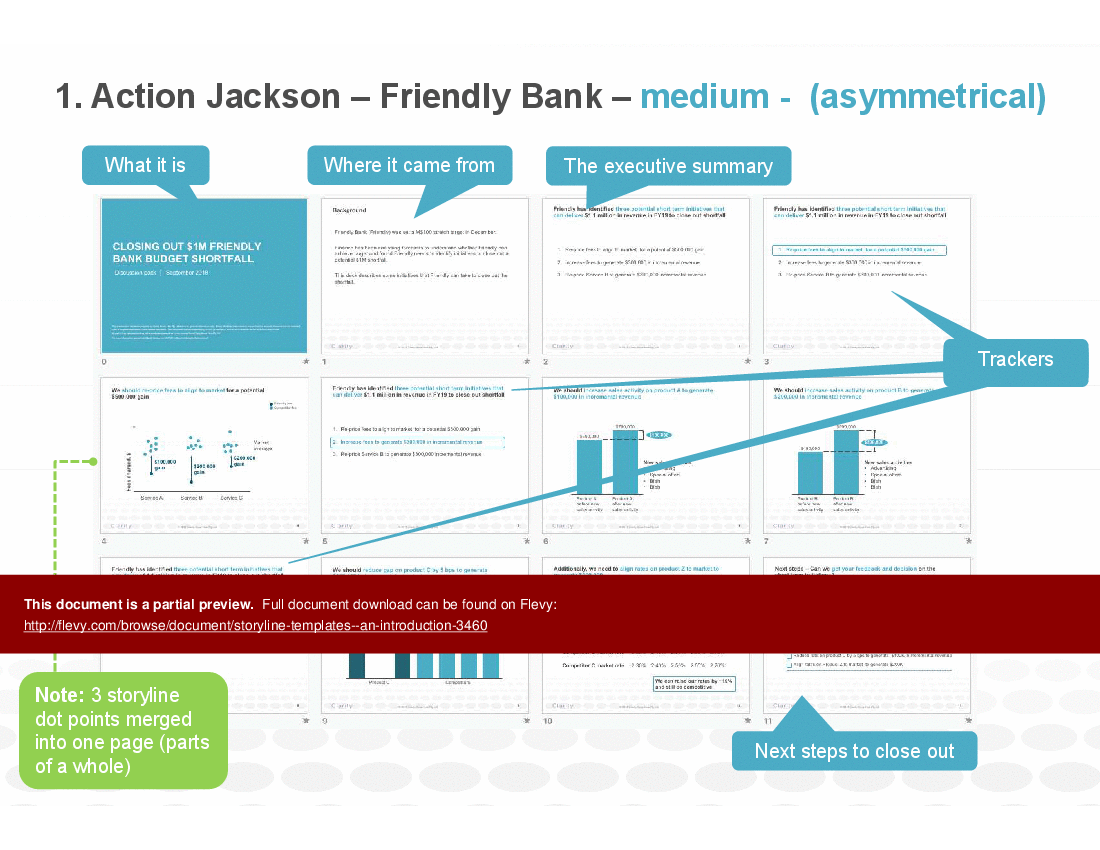
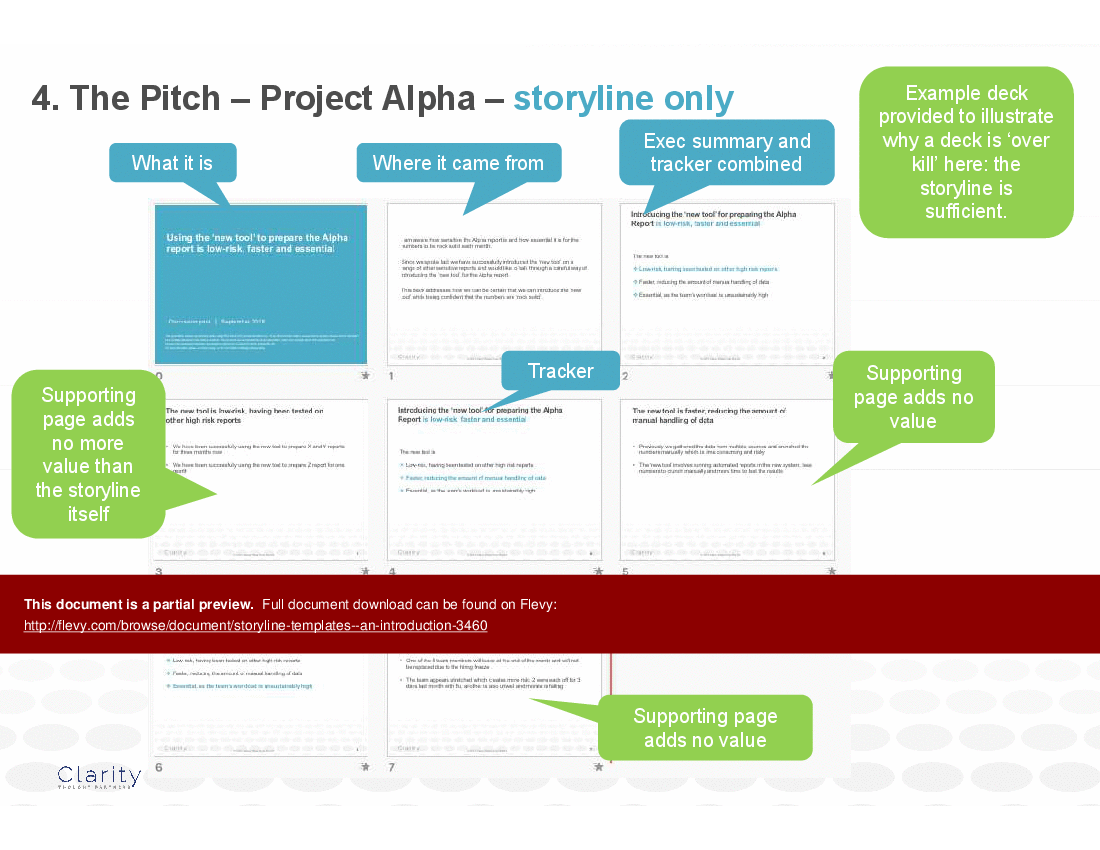
The document also offers practical steps for constructing your deck, from preparing titles and background pages to adding navigational aids. Detailed examples, such as the 'Action Jackson' and 'The Pitch' templates, illustrate how to effectively structure your slides. These templates are designed to streamline your process, saving time while enhancing the quality of your presentations.
Got a question about the product? Email us at support@flevy.com or ask the author directly by using the "Ask the Author a Question" form. If you cannot view the preview above this document description, go here to view the large preview instead.
Executive Summary
The "Storyline Templates - An Introduction" presentation equips corporate executives and consultants with essential frameworks for crafting effective PowerPoint decks. This resource outlines a structured approach to transforming storylines into visually engaging presentations. By utilizing proven storyline patterns and a systematic process, users can enhance their communication effectiveness, ensuring clarity and engagement in their presentations. The templates provided facilitate the creation of coherent narratives that resonate with diverse audiences, making it easier to convey complex ideas succinctly.
Who This Is For and When to Use
• Corporate executives seeking to improve presentation skills
• Consultants needing to convey complex ideas clearly
• Trainers and coaches looking for structured storytelling methods
• Project managers preparing stakeholder updates
• Marketing professionals developing persuasive pitches
Best-fit moments to use this deck:
• During strategic planning sessions to present options
• For stakeholder meetings requiring updates on progress
• When pitching new initiatives or proposals
• In training sessions focused on effective communication strategies
Learning Objectives
• Define the key components of effective storytelling in presentations
• Build a structured PowerPoint deck using storyline patterns
• Establish clarity in communication through the Ten Point Test
• Create storyboards that align with specific presentation goals
• Develop a cohesive narrative that engages the audience
• Utilize visual aids to enhance understanding and retention
Table of Contents
• Introduction to Storyline Patterns (page 1)
• Four Steps to Create a Structured Deck (page 2)
• Types of Communication and Suitable Patterns (page 4)
• The Ten Point Test for Strong Structure (page 7)
• Storyboard Preparation Techniques (page 8)
• Deck Creation Guidelines (page 10)
• Appendix: Storyline Patterns as Storyboards (page 11)
Primary Topics Covered
• Storyline Patterns - A framework for organizing presentations, including various types of communication such as recommendations and updates.
• Four Steps to Structuring a Deck - A systematic approach that includes clarifying communication needs, using the Ten Point Test, preparing a storyboard, and creating the deck.
• Ten Point Test - A checklist to ensure the storyline is clear, compelling, and meets audience needs.
• Storyboard Preparation - Techniques for aligning visual elements with the storyline for effective communication.
• Deck Creation - Guidelines for assembling the final presentation, including layout and navigational aids.
• Appendix of Storyboards - Examples of how to apply storyline patterns across different deck lengths and styles.
Deliverables, Templates, and Tools
• Storyline pattern templates for various communication types
• Storyboard templates to outline presentation structure
• PowerPoint deck templates for different presentation lengths
• Guidelines for using visual aids effectively
• Checklists for ensuring clarity and engagement in presentations
• Examples of completed decks for reference
Slide Highlights
• Overview of storyline patterns and their applications
• Step-by-step process for converting storylines into structured decks
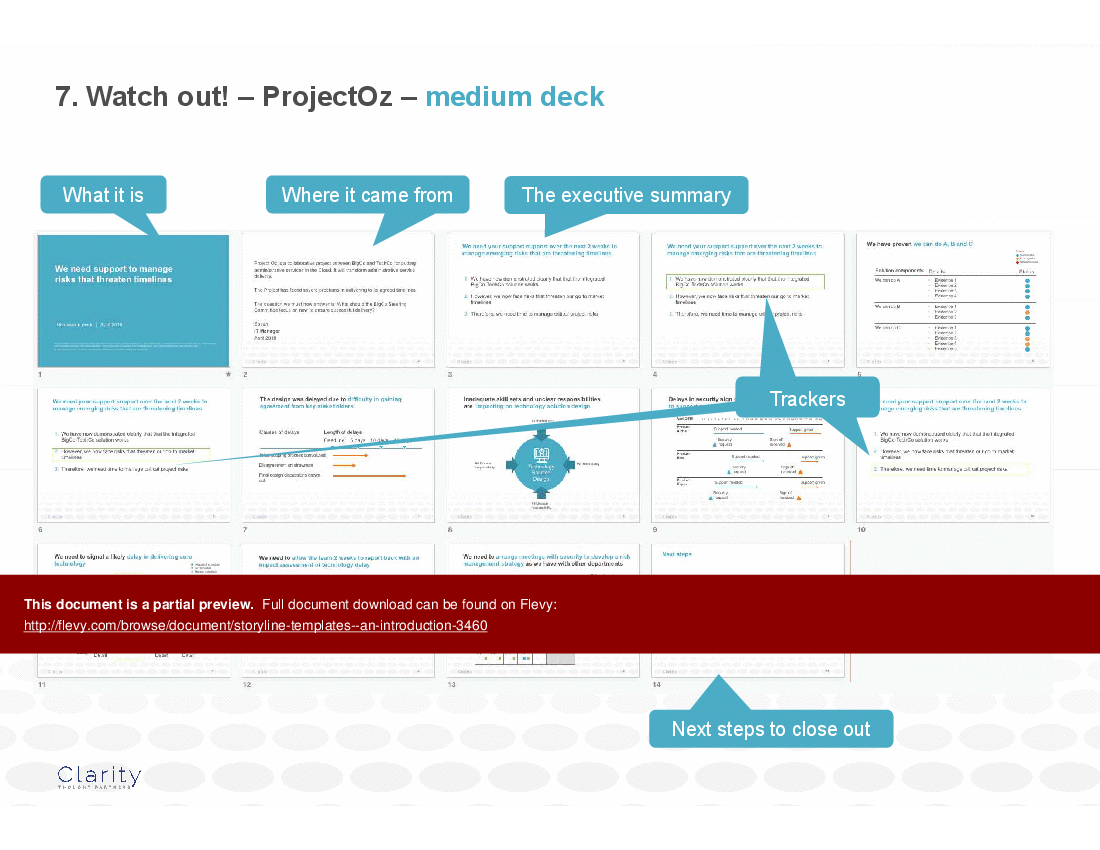
• Visual examples of different deck lengths and styles
• Insights on using the Ten Point Test to enhance presentation quality
• Practical tips for preparing storyboards that align with audience needs
Potential Workshop Agenda
Introduction to Storyline Patterns (30 minutes)
• Overview of the importance of storytelling in presentations
• Discussion of common communication types and suitable patterns
Hands-On Storyboarding Session (60 minutes)
• Participants create storyboards based on their own storylines
• Group feedback on storyboard effectiveness
Deck Creation Workshop (90 minutes)
• Guided session on assembling PowerPoint decks using templates
• Tips for incorporating visual aids and maintaining audience engagement
Customization Guidance
• Tailor storyline patterns to fit specific communication goals and audience needs
• Adjust templates to reflect organizational branding and style guidelines
• Incorporate relevant data and examples to enhance credibility and relevance
• Modify visual aids to align with the complexity of the message being conveyed
Secondary Topics Covered
• Visual communication strategies for enhancing presentations
• Techniques for engaging diverse audiences
• Best practices for delivering presentations effectively
• Methods for incorporating feedback into presentation design
Topic FAQ
Document FAQ
These are questions addressed within this presentation.
What are storyline patterns?
Storyline patterns are frameworks that help structure presentations by providing a clear narrative flow tailored to specific communication goals.
How can I ensure my presentation is engaging?
Utilize the Ten Point Test to evaluate clarity, relevance, and audience needs, and incorporate visual aids to enhance understanding.
What types of communication can these templates support?
The templates are suitable for various communication types, including recommendations, updates, and business cases.
Can I customize the templates for my organization?
Yes, the templates can be tailored to reflect your organization's branding and specific messaging needs.
How do I prepare a storyboard?
Follow the guidelines provided in the deck to outline your presentation structure, ensuring each section aligns with your storyline.
What is the purpose of the Ten Point Test?
The Ten Point Test serves as a checklist to ensure your presentation is well-structured, clear, and meets the needs of your audience.
Are there examples of completed decks?
Yes, the appendix includes examples of different deck lengths and styles to guide your presentation design.
How can I improve my presentation skills?
Engage in workshops, utilize the provided templates, and practice delivering your presentations to enhance your skills.
Glossary
• Storyline Patterns - Frameworks for organizing presentation content.
• Ten Point Test - A checklist for evaluating presentation clarity and structure.
• Storyboard - A visual outline of the presentation structure.
• Deck - A collection of slides used for presentations.
• Visual Aids - Tools such as charts and graphs that enhance understanding.
• Communication Goals - Objectives guiding the presentation's message.
• Audience Needs - The specific interests and expectations of the presentation audience.
• Engagement - The level of audience involvement and interest during a presentation.
• Customization - Tailoring templates to fit specific organizational or presentation needs.
• Feedback - Input from others used to improve presentation quality.
• Branding - The visual and messaging elements that represent an organization.
• Presentation Design - The process of creating visually appealing and effective slides.
Source: Best Practices in Presentation Development, Pyramid Principle, Bain PowerPoint PowerPoint Slides: Storyline Templates - An Introduction PowerPoint (PPTX) Presentation Slide Deck, Clarity First
|
Receive our FREE whitepaper on the Top 101 Consulting Frameworks
Download our 200+ page guide summarizing the Top 101 Management Consulting Frameworks. Each framework provides a structured approach to analyzing and solving a common business problem. |










