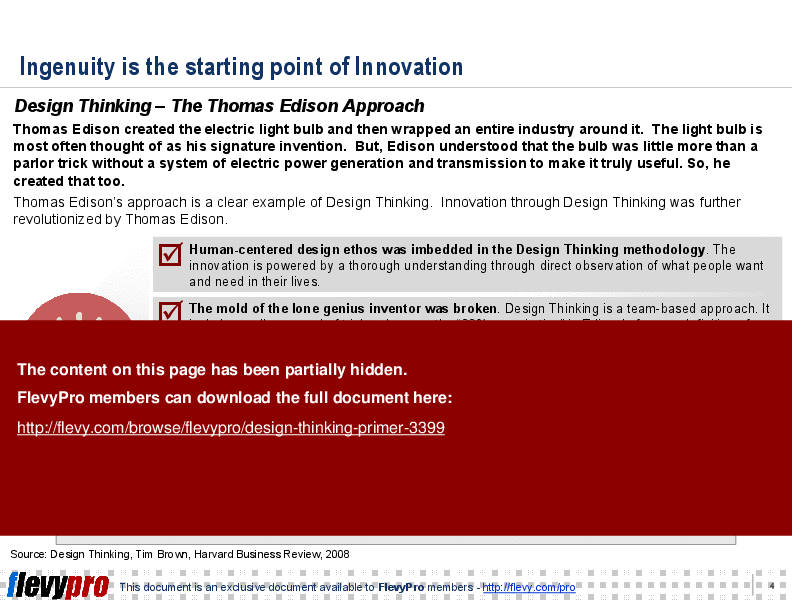

Thomas Edison represents what many of us think of as a golden age of American innovation. It is a time when new ideas transformed every aspect of our lives. Today, the need for transformation is greater than before.
A human-centered, creative, iterative, and practical approach is necessary to finding the best ideas and ultimate solutions. Design Thinking is just such an approach to innovation.
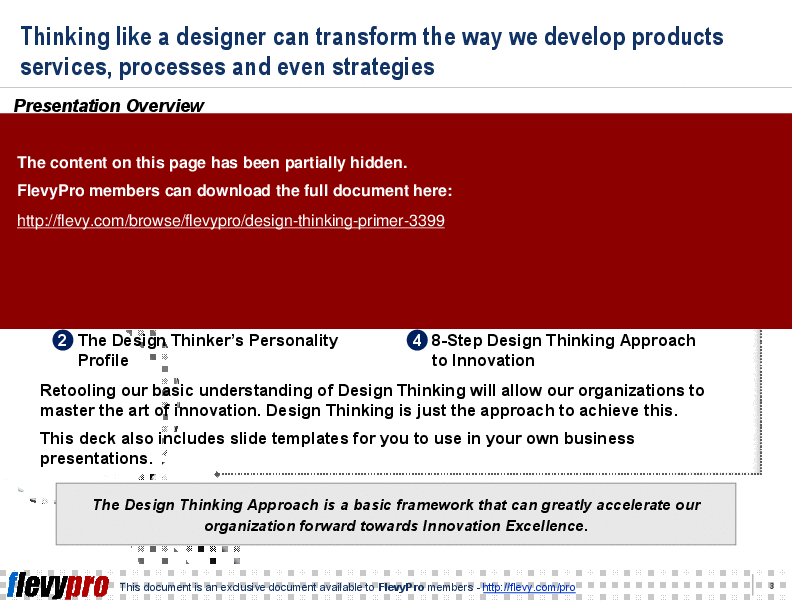
This presentation discusses important concepts that will allow us to unravel the Design Thinking Approach systematically. The Design Thinking Approach is a basic framework that can greatly accelerate our organization forward towards Innovation Excellence.
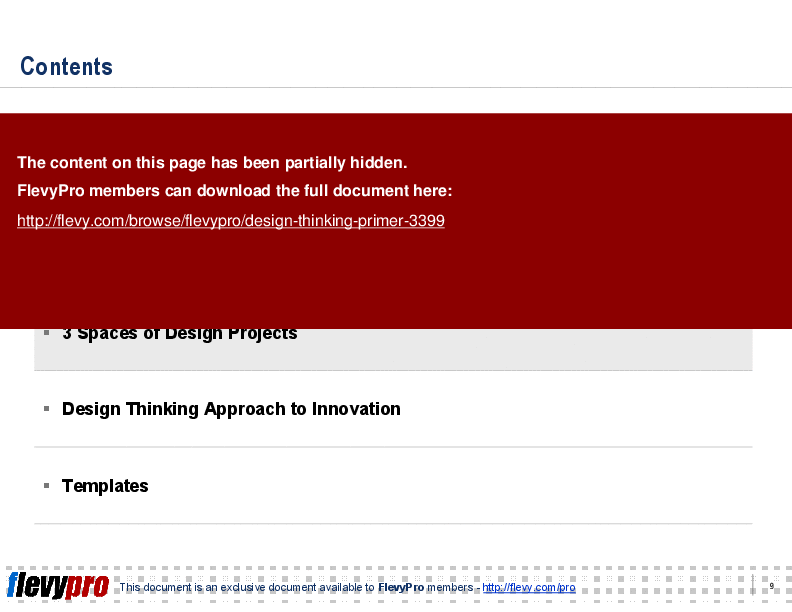
Core concepts discussed in this presentation include:
1. The Thomas Edison Approach
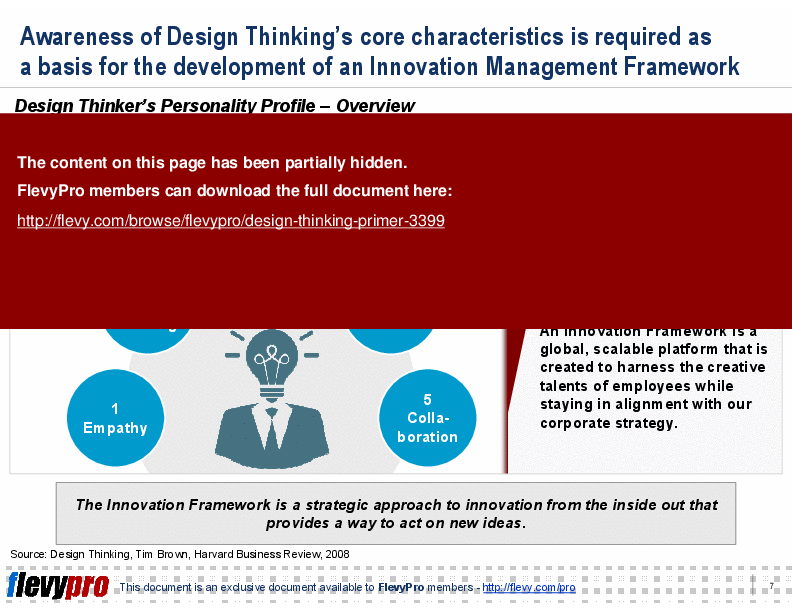
2. The Design Thinker's Personality Profile
3. 3 Spaces of Design Projects
4. 8-Step Design Thinking Approach to Innovation
Retooling our basic understanding of Design Thinking will allow our organizations to master the art of innovation. Design Thinking is just the approach to achieve this.
This deck also includes slide templates for you to use in your own business presentations.
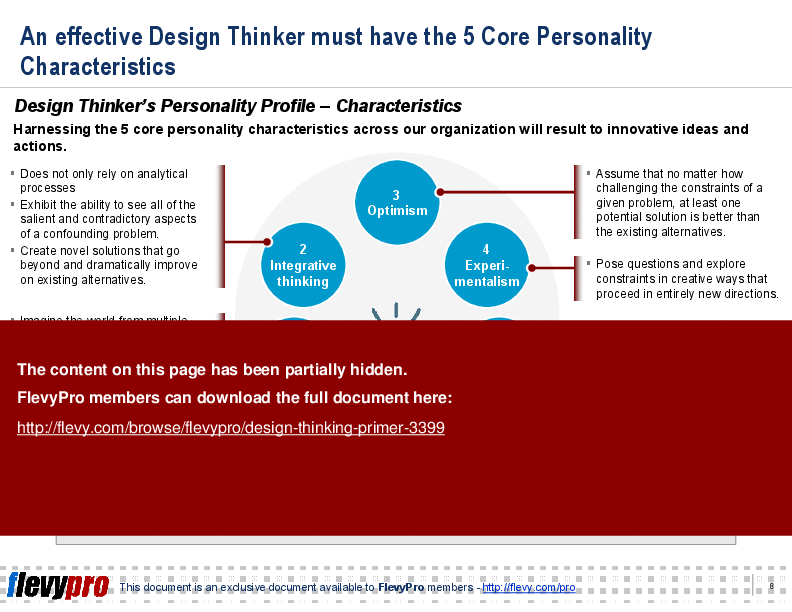
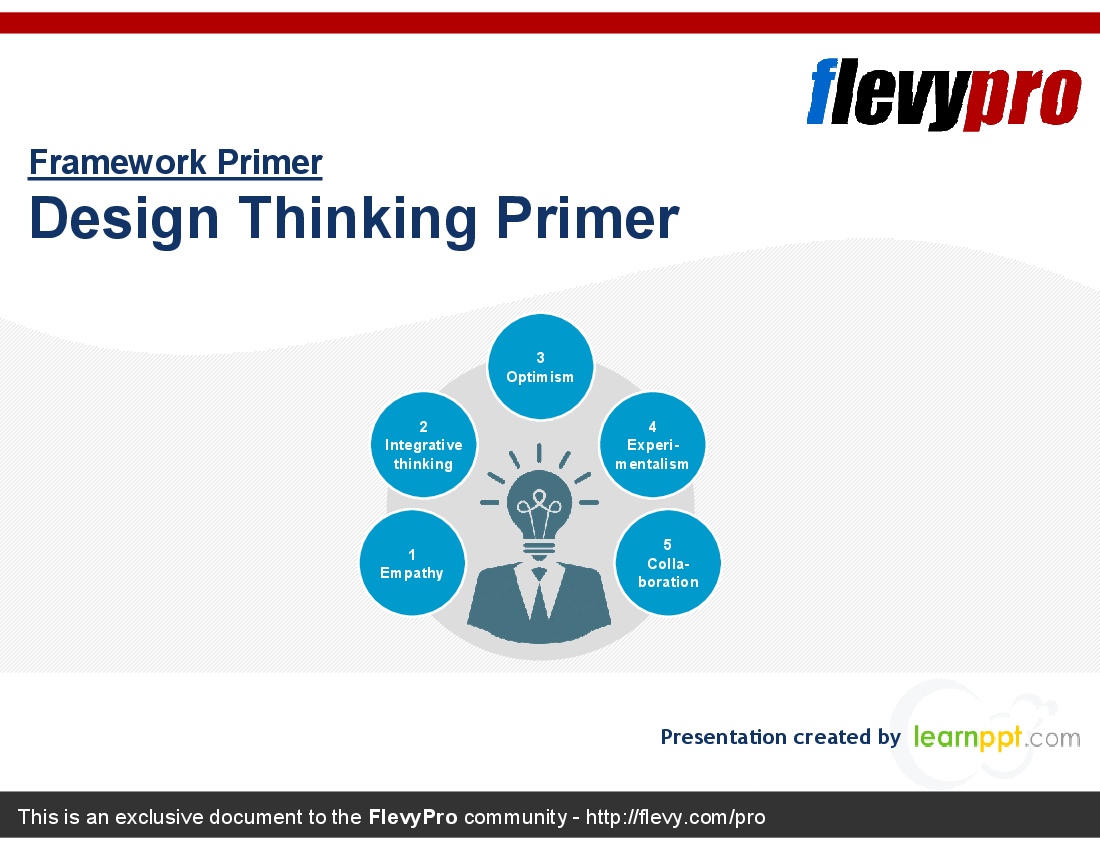
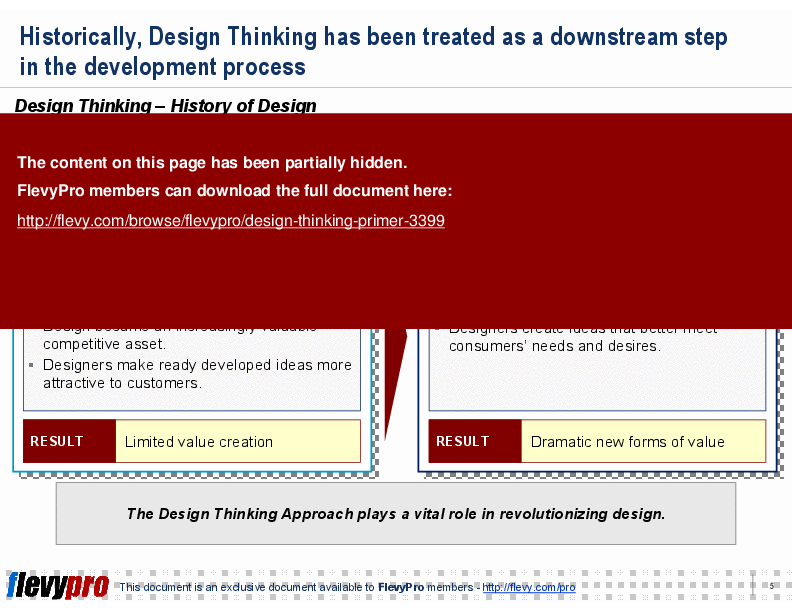
The Design Thinking Primer delves into the historical context and evolution of design thinking, emphasizing its transformation from a downstream step to a core strategic process. The PPT highlights the pivotal role of human-centered design ethos and the collaborative nature of modern innovation, breaking away from the lone genius inventor model. It underscores the importance of empathy, integrative thinking, optimism, experimentalism, and collaboration as the five core personality traits of an effective design thinker.
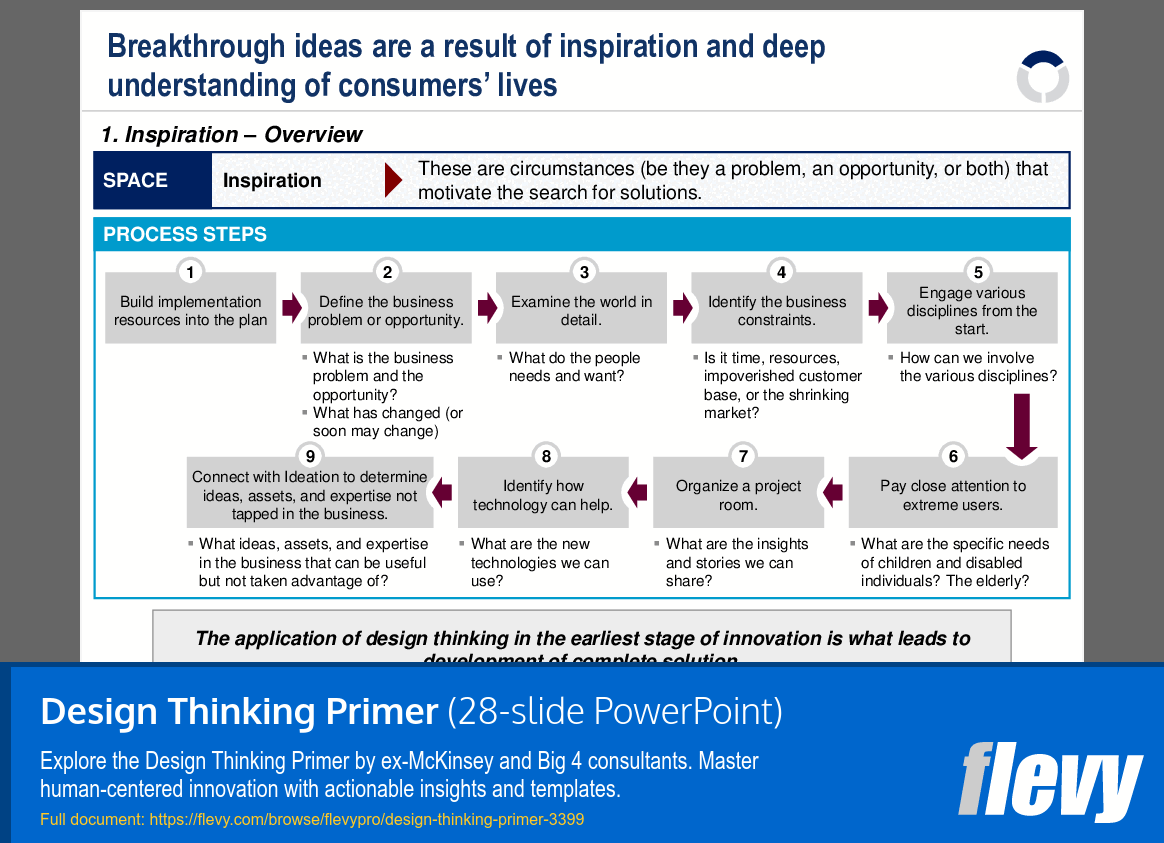
The presentation also outlines the three spaces of design projects: inspiration, ideation, and implementation. These stages guide the development of breakthrough ideas through a structured yet flexible framework. The deck includes detailed steps for each phase, providing actionable insights and practical templates to facilitate the innovation process. This comprehensive guide is essential for organizations aiming to embed design thinking into their innovation strategy and drive sustainable growth.
Got a question about this document? Email us at flevypro@flevy.com.
Executive Summary
The Design Thinking Primer PPT is a comprehensive resource designed to enhance innovation through a human-centered approach. This presentation outlines the fundamental principles of Design Thinking, emphasizing empathy, integrative thinking, collaboration, optimism, and experimentalism. It provides a structured framework for organizations to foster creativity and develop innovative solutions. With templates included for each phase of the Design Thinking process, users can effectively implement these concepts in their own projects, driving meaningful change and improvement.
Who This Is For and When to Use
• Innovation leaders seeking to embed Design Thinking into their organizational culture
• Product managers looking to enhance product development processes
• Teams focused on user experience and customer-centric design
• Consultants aiming to guide clients through innovation challenges
Best-fit moments to use this deck:
• During workshops aimed at fostering a culture of innovation
• In strategy sessions focused on product development and user experience
• When introducing Design Thinking concepts to new teams or stakeholders
Learning Objectives
• Define the principles and phases of the Design Thinking process
• Build empathy through user research and observation
• Develop innovative solutions using integrative thinking
• Foster collaboration across interdisciplinary teams
• Implement rapid prototyping and testing methodologies
• Establish a culture of experimentation and continuous improvement
Table of Contents
• Overview (page 3)
• Design Thinker's Personality Profile (page 7)
• 3 Spaces of Design Projects (page 10)
• Design Thinking Approach to Innovation (page 15)
• Templates (page 25)
Primary Topics Covered
• Overview of Design Thinking - An introduction to the principles and importance of Design Thinking in driving innovation.
• Design Thinker's Personality Profile - Key characteristics that define effective Design Thinkers, including empathy and integrative thinking.
• 3 Spaces of Design Projects - The cyclical process of inspiration, ideation, and implementation that guides design projects.
• Design Thinking Approach to Innovation - A structured 8-step framework for integrating Design Thinking into organizational practices.
• Templates for Implementation - Practical templates to facilitate the application of Design Thinking concepts in real-world scenarios.
Deliverables, Templates, and Tools
• Template for the Design Thinker's Personality Profile
• Framework for the 3 Spaces of Design Projects
• 8-Step Design Thinking Approach template
• Prototyping and testing templates for iterative development
• Implementation planning templates for project management
Slide Highlights
• Visual representation of the Design Thinker's Personality Profile, emphasizing core traits.
• Flowchart illustrating the 3 Spaces of Design Projects: Inspiration, Ideation, Implementation.
• Detailed overview of the 8-Step Design Thinking Approach, highlighting key actions at each stage.
• Case studies showcasing successful applications of Design Thinking in various industries.
Potential Workshop Agenda
Introduction to Design Thinking (60 minutes)
• Overview of Design Thinking principles
• Discussion on the importance of empathy in innovation
Hands-On Ideation Session (90 minutes)
• Brainstorming innovative solutions
• Prototyping ideas using templates
Implementation Planning (60 minutes)
• Developing a roadmap for integrating Design Thinking into projects
• Assigning roles and responsibilities for execution
Customization Guidance
• Tailor the templates to reflect specific organizational goals and project requirements.
• Adapt the language and examples to resonate with the target audience.
• Incorporate company branding and visual identity into the presentation materials.
Secondary Topics Covered
• The historical evolution of Design Thinking
• Case studies of successful Design Thinking implementations
• Challenges and common pitfalls in adopting Design Thinking
Topic FAQ
Document FAQ
These are questions addressed within this presentation.
What is Design Thinking?
Design Thinking is a human-centered approach to innovation that emphasizes understanding user needs and iterative problem-solving.
How can this presentation be used in workshops?
The presentation can serve as a foundational resource for training sessions, providing both theoretical insights and practical templates for participants.
What are the key characteristics of a Design Thinker?
Key characteristics include empathy, integrative thinking, collaboration, optimism, and experimentalism.
How does the 8-Step Design Thinking Approach work?
The 8-Step Approach provides a structured framework for integrating Design Thinking into projects, ensuring a systematic process from ideation to implementation.
Can the templates be customized?
Yes, the templates are designed to be adaptable to fit specific organizational needs and branding.
What are the benefits of using Design Thinking?
Design Thinking fosters innovation, enhances user experience, and promotes collaboration across teams, leading to more effective solutions.
How can organizations measure the success of Design Thinking initiatives?
Success can be measured through user feedback, project outcomes, and the overall impact on organizational culture and innovation capabilities.
Is Design Thinking applicable in all industries?
Yes, Design Thinking principles can be applied across various industries, including technology, healthcare, education, and more.
Glossary
• Design Thinking - A human-centered approach to innovation that focuses on understanding user needs.
• Empathy - The ability to understand and share the feelings of others, crucial for identifying user needs.
• Integrative Thinking - A problem-solving approach that seeks to reconcile opposing ideas and create innovative solutions.
• Collaboration - Working together across disciplines to generate ideas and solve problems.
• Prototyping - The process of creating a preliminary model of a product to test concepts and gather feedback.
• Iterative Process - A cyclical approach to development that involves repeated testing and refinement.
• User Experience (UX) - The overall experience a user has when interacting with a product or service.
• Innovation - The process of translating an idea or invention into a good or service that creates value.
• Human-Centered Design - A design approach that prioritizes the needs and experiences of users.
• Templates - Pre-designed formats that facilitate the application of concepts in practical scenarios.
• Ideation - The creative process of generating, developing, and communicating new ideas.
• Implementation - The execution of a plan or project, bringing ideas to life.
• Inspiration - The initial phase of the design process where problems and opportunities are identified.
• Feedback Loop - A system where outputs of a process are circled back as inputs for further improvement.
• Stakeholders - Individuals or groups with an interest in the outcome of a project or initiative.
• Market Research - The process of gathering information about consumers' needs and preferences.
• Design Cycle - The iterative process of designing, testing, and refining products or services.
• Cross-Functional Teams - Groups composed of members from different departments or areas of expertise.
• Customer-Centric - An approach that places the customer at the center of business decisions and strategies.
• Value Proposition - The promise of value to be delivered to customers, explaining why they should choose a product or service.
• Innovation Management - The discipline of managing processes in innovation.
Source: Best Practices in Innovation, Human-centered Design, Ideation, Design Thinking PowerPoint Slides: Design Thinking Primer PowerPoint (PPT) Presentation Slide Deck, LearnPPT Consulting
Did you need more documents?
Consider a FlevyPro subscription from $39/month. View plans here.
For $10.00 more, you can download this document plus 2 more FlevyPro documents. That's just $13 each.
|
Download our FREE Strategy & Transformation Framework Templates
Download our free compilation of 50+ Strategy & Transformation slides and templates. Frameworks include McKinsey 7-S, Balanced Scorecard, Disruptive Innovation, BCG Curve, and many more. |