
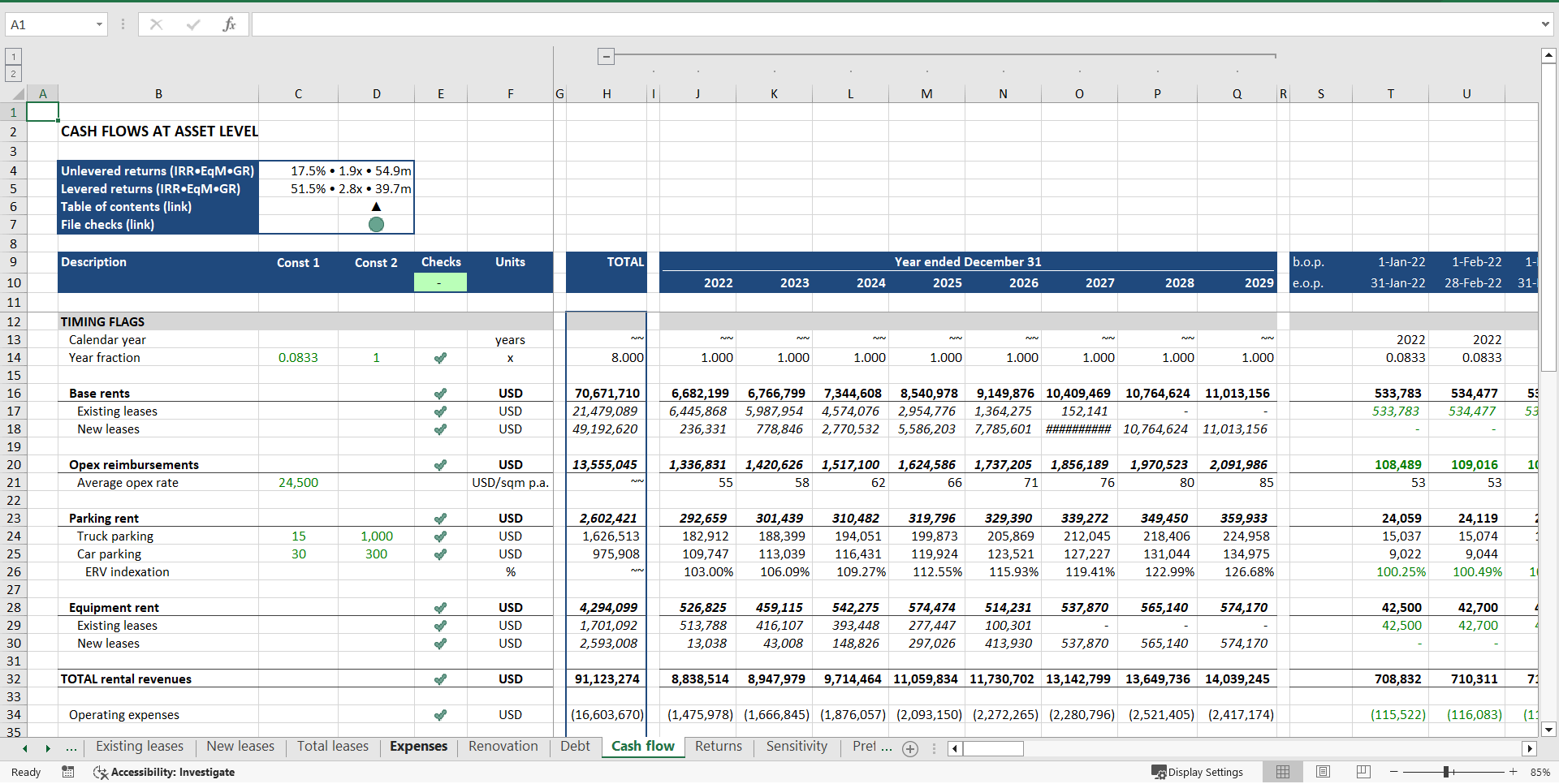
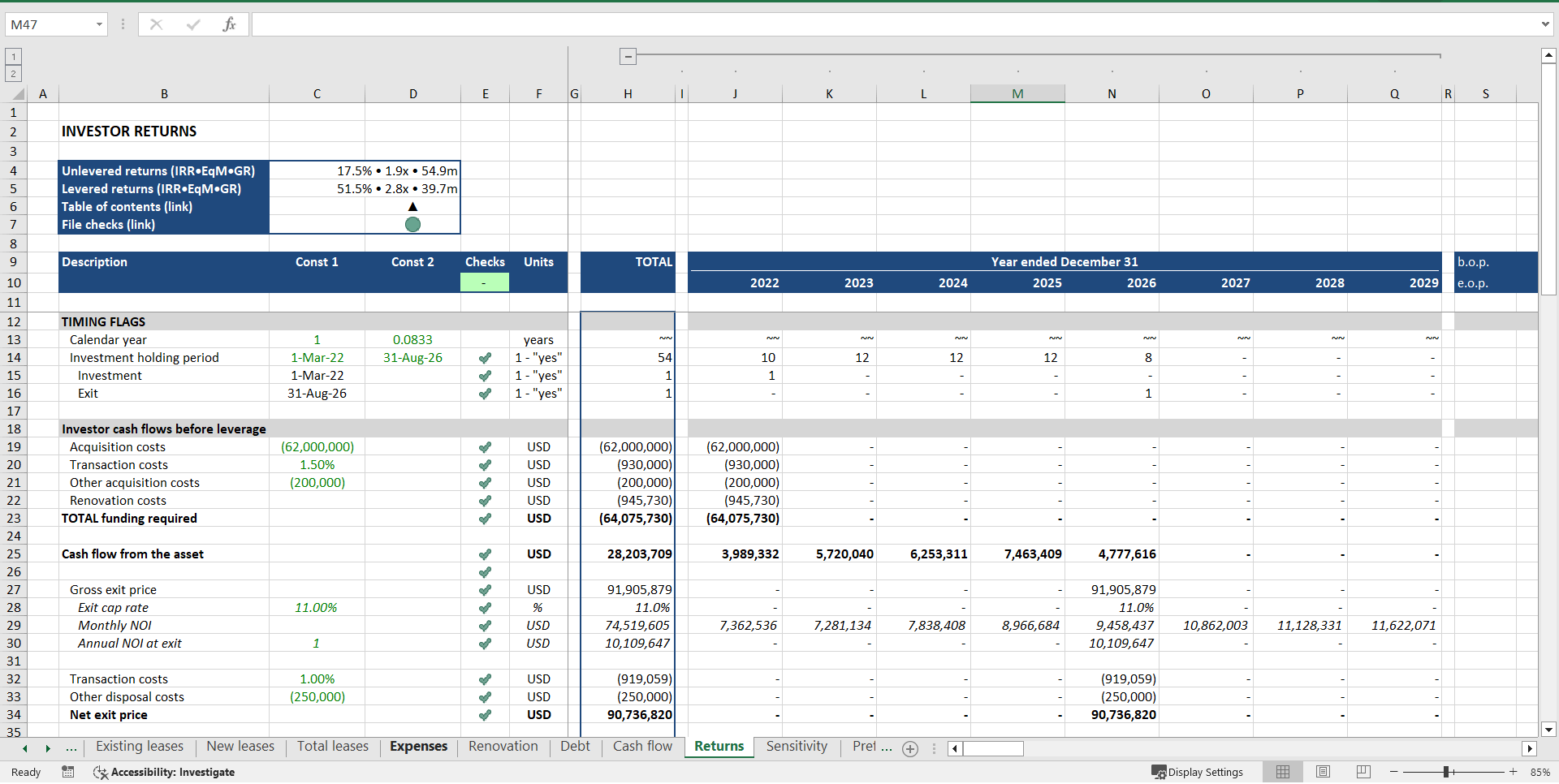
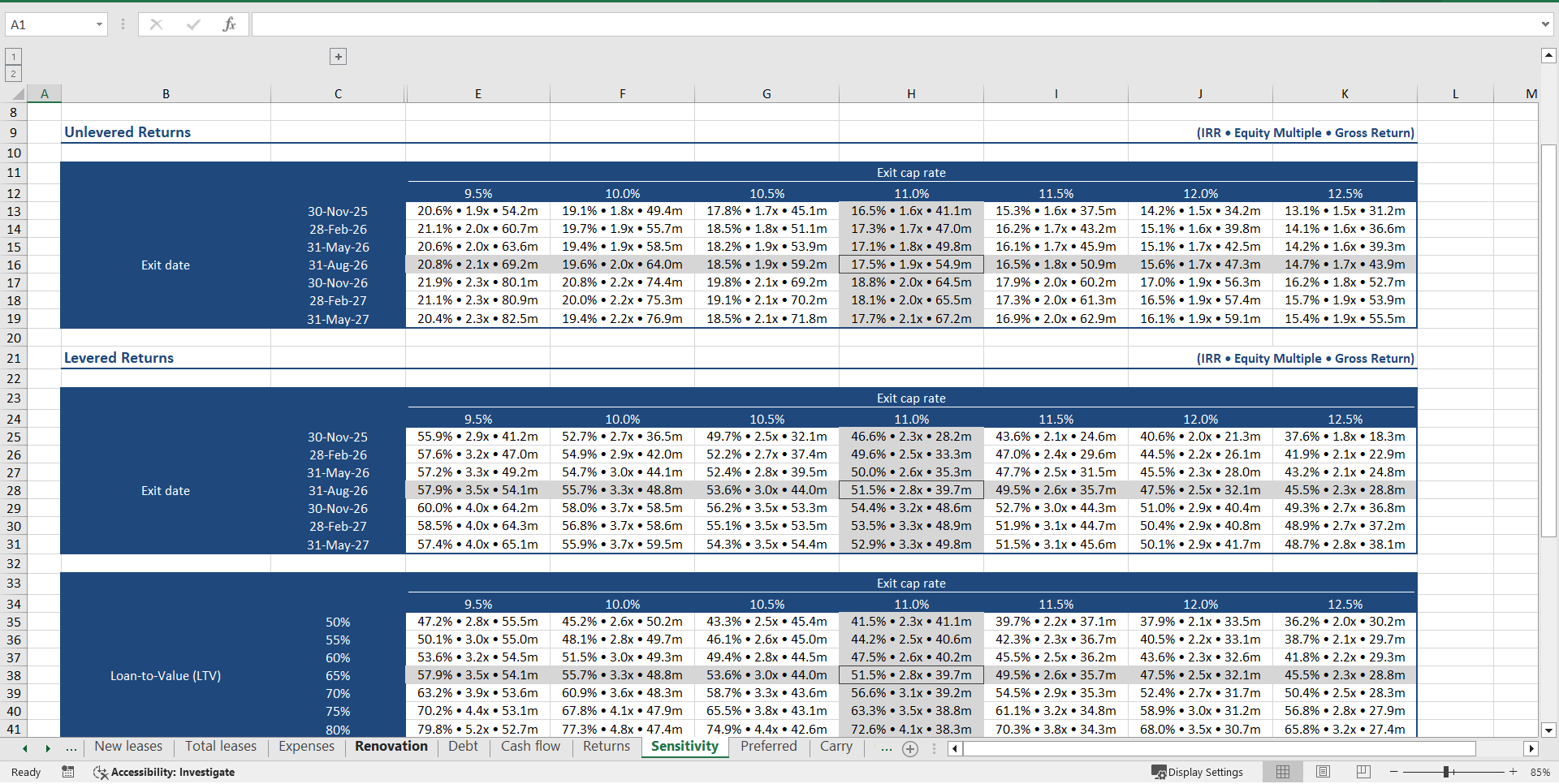

 Click main image to view in full screen. Unlock all 13 preview images:
Warehouse Acquisition ("Buy-Hold-Sell") Financial Model – Excel XLSX
Excel (XLSX) + supplemental PDF


BENEFITS OF THIS DOWNLOADABLE EXCEL DOCUMENT
- A professional financial model to analyze acquisition, operation and sale of a warehouse
- Incorporates granular inputs
- Produces detailed cash flow statement and sensitivity analysis
REAL ESTATE EXCEL DESCRIPTION
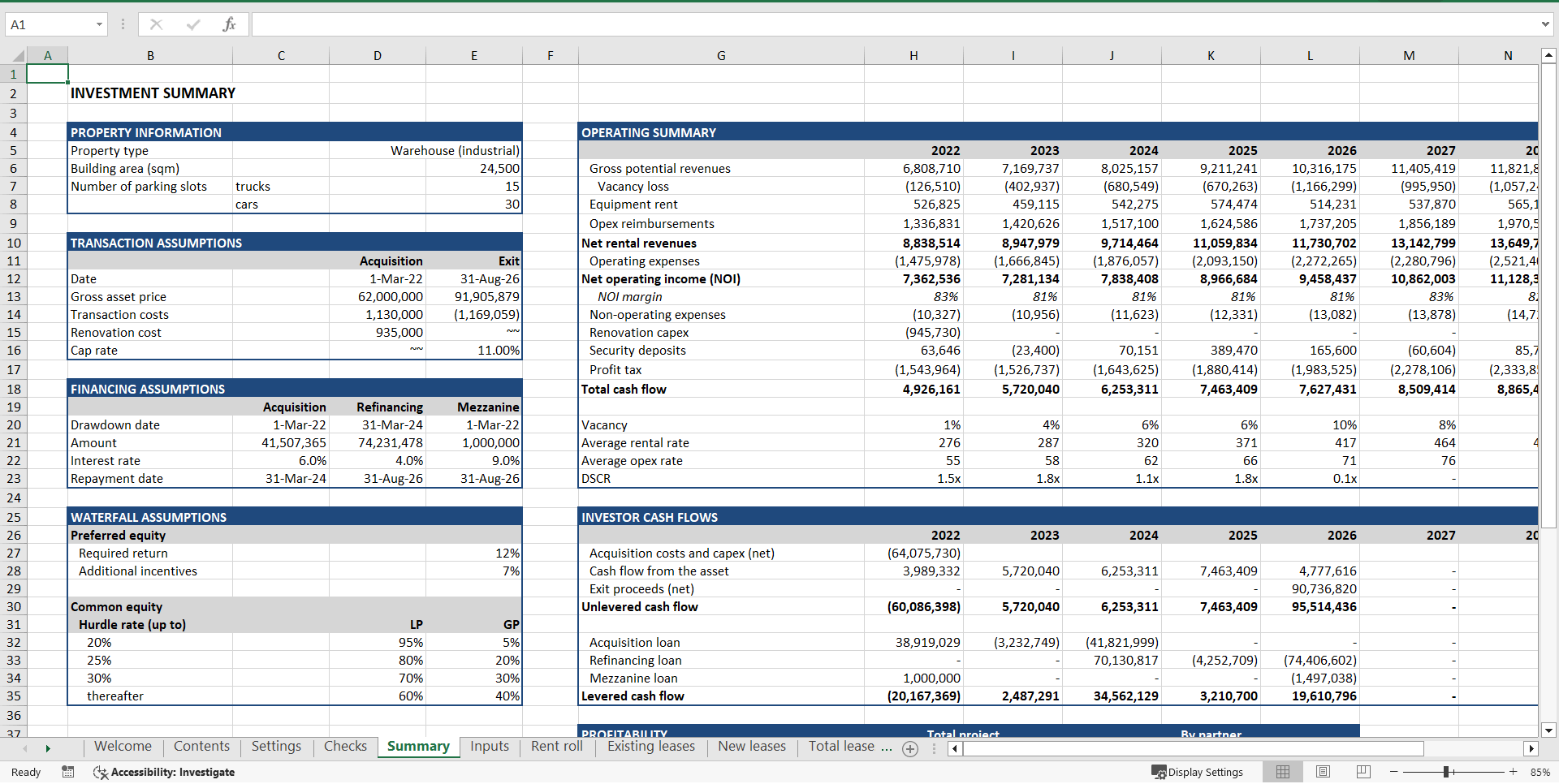
This is a detailed, well-structured and transparent cash flow model for an acquisition of a stabilized warehouse (industrial) building. The model features clear navigation, color-codes, error checks and includes the following investment stages:
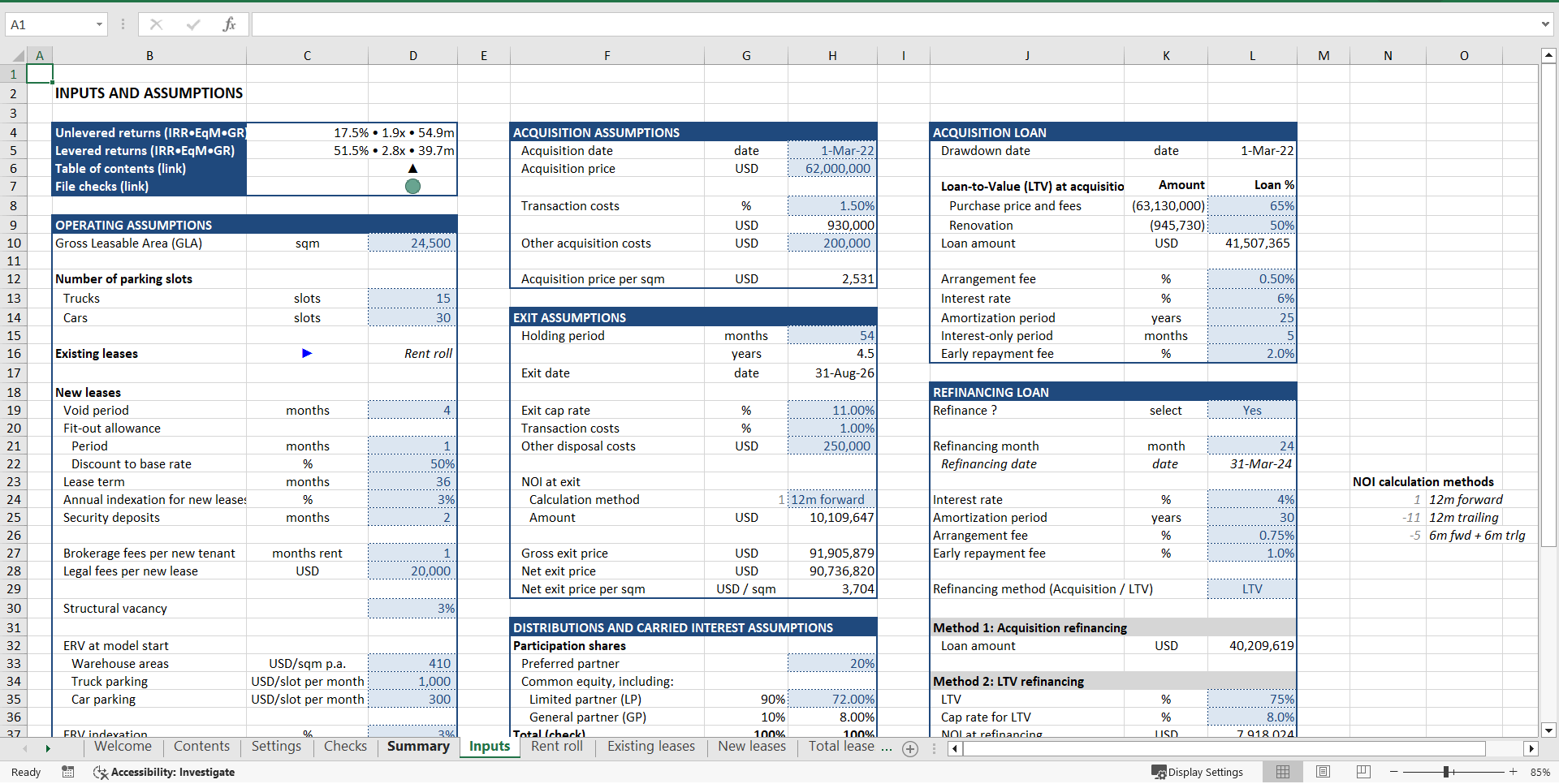
1. Acquisition. The model allows you to set the acquisition date, price, fixed and variable transaction costs.
2. Renovation. The model assumes that immediately after the acquisition your warehouse will undergo a renovation program. You can set the amount and timing of various renovation capex items.
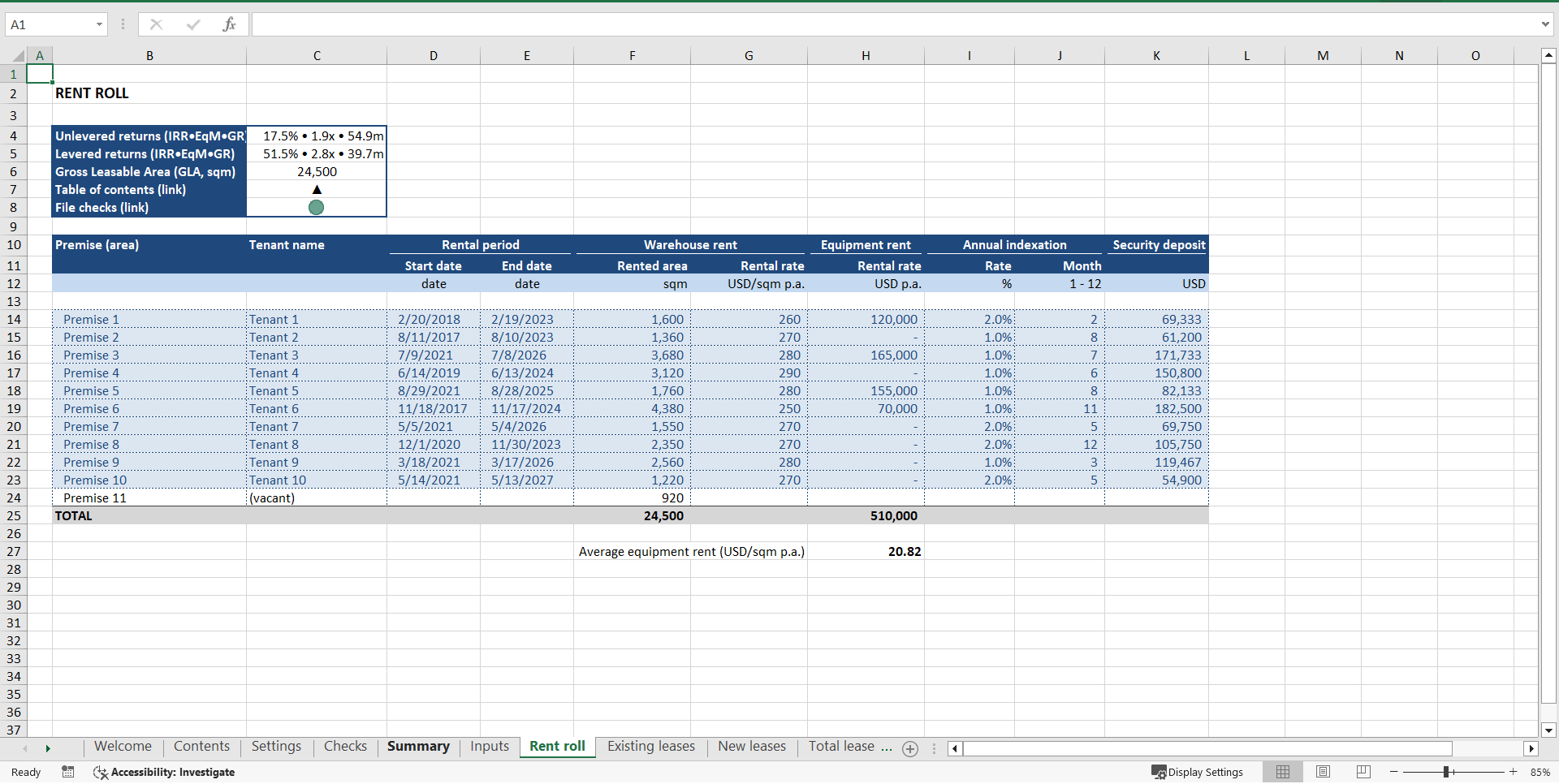
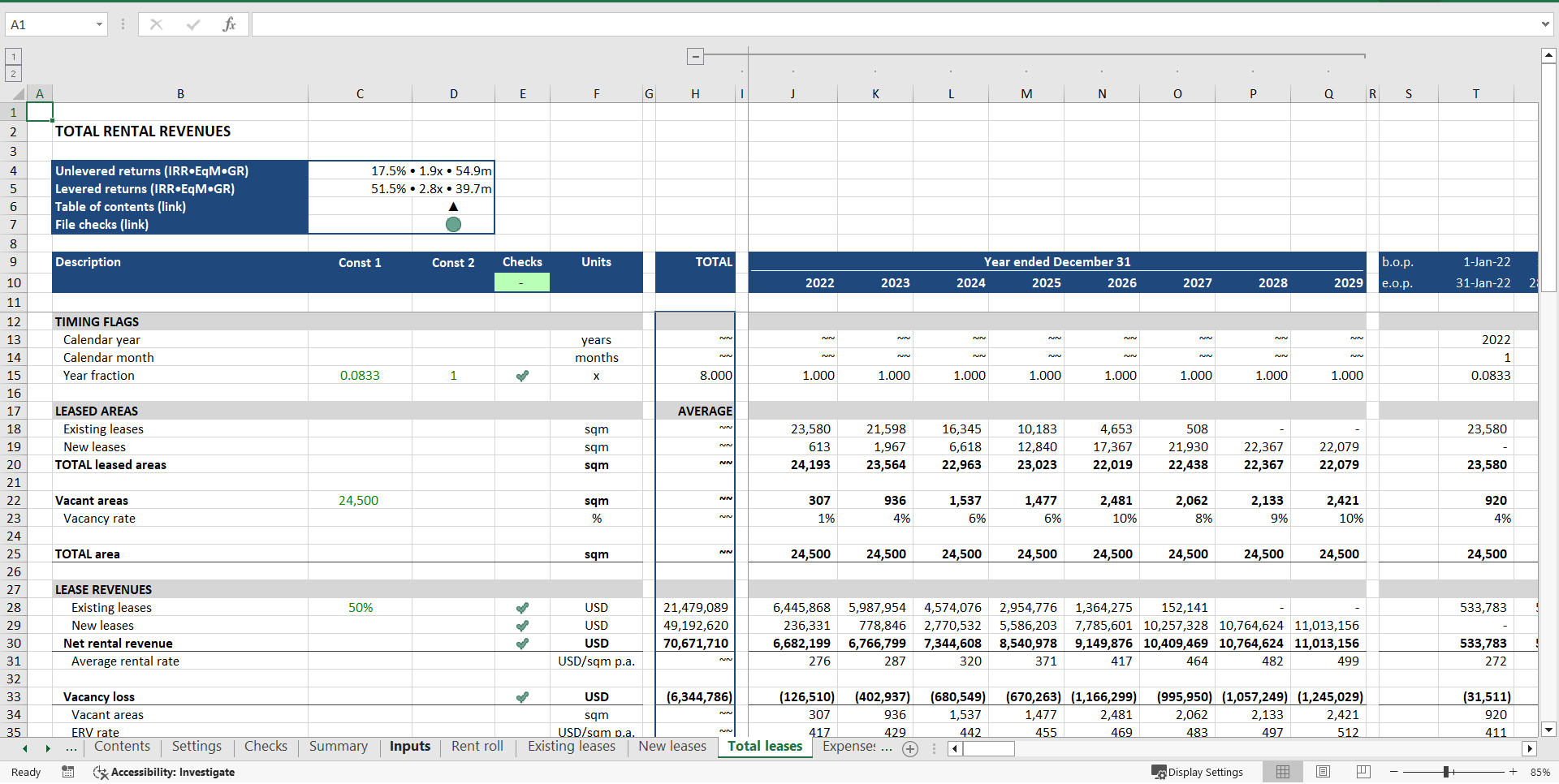
3. Operation. The model features a very detailed and flexible revenue analysis based on existing and prospective tenants' lease terms and rates, timing and vacancy assumptions. It also builds a granular opex forecasts, calculates the tax effect.
4. Sale. You can define the holding period, the cap rate and transaction costs at exit. You can choose the method to calculate the NOI for the purposes of valuation (12 month forward, 12 month trailing or 6+6 of each.
5. Distribution of profits between shareholders. The model calculates returns to a preferred partner, if there is one in the project. It then uses a 4-hurdle carried interest waterfall to calculate the distributions between General Partner (GP) and Limited Partner (LP).
The model assumes the investment will be financed by equity and loan. The following funding structure is considered:
• Acquisition loan to finance the initial investment and renovation. You can set the interest rate, amortization period, interest-only period, arrangement and early repayment fees. You can also choose the loan-to-value (LTV) ratio for the asset and for the renovation costs.
• Refinancing loan. The model allows to set the date of refinancing, parameters of the new loan (interest rate, amortization period, fees etc.). You can refinance just the old amount of loan or take additional funding (as much as refinancing LTV allows) and to distribute (cash out) any extra amounts.
• Mezzanine loan. This loan is drawn at acquisition to bridge any potential gaps in funding. Repaid at exit.
The model produces the cash flow statements at the asset's and investor's levels. it also calculates key profitability metrics (IRR, equity multiple, gross return, DSCR, peak equity required amount and date) for every investor.
Sensitivities. The model includes numerous inputs which you can change to see the effect on profitability and cash flows. There is also a data table which shows the IRR and equity multiple at various exit date and cap rate assumptions.
The model is accompanied by professionally designed magazine-quality charts to illustrate the findings of the analysis.
Every investment is unique and so the model might need to be adjusted to your situation. Contact me if you need help tailoring this model or developing a new one.
Got a question about the product? Email us at support@flevy.com or ask the author directly by using the "Ask the Author a Question" form. If you cannot view the preview above this document description, go here to view the large preview instead.
TOPIC FAQ
What are the main stages to model in a buy-hold-sell financial analysis for a warehouse asset?
A typical buy-hold-sell analysis models 5 stages: Acquisition (purchase price and transaction costs), Renovation (capex amounts and timing), Operation (leases, vacancy, opex, taxes), Sale (holding period, cap rate, exit costs), and Distribution (investor waterfalls and profit splits), covering all 5 investment stages.How should I model renovation capex and its timing after acquiring a warehouse?
Best practice is to assume renovation begins immediately after acquisition, with separate inputs for amounts and timing for each capex item. The Warehouse Acquisition ("Buy-Hold-Sell") Financial Model implements this by letting you set renovation capex items and their timing to reflect post-acquisition works and cashflow impact.What loan types and financing settings should an acquisition model include for accuracy?
Include an acquisition loan (interest rate, amortization, interest-only period, arrangement/early repayment fees, LTV for asset and renovation), a refinancing loan (date, terms, option to refinance old amount or increase funding up to refinancing LTV and cash out), and a mezzanine loan drawn at acquisition and repaid at exit, covering those 3 loan types.How do I model NOI for valuation at exit in a warehouse sale scenario?
Use explicit NOI calculation options such as 12-month forward, 12-month trailing, or a 6+6 hybrid to derive a stabilized NOI for valuation. Selecting one of these approaches changes the terminal valuation used with your chosen cap rate and sale transaction costs, with the 3 NOI options available.What should I look for when buying a ready-made warehouse acquisition model instead of building one?
Prioritize clear navigation, color-coded inputs, built-in error checks, flexible lease/revenue and vacancy assumptions, loan/refinancing modules, investor-level cash flows, and sensitivity tools. Flevy's Warehouse Acquisition ("Buy-Hold-Sell") Financial Model explicitly includes these features plus a sensitivity data table and professionally designed charts.How do ready-made models compare to bespoke builds in terms of customization and time savings?
Ready-made models reduce initial build time by providing structured inputs, loan and waterfall templates, and sensitivity tables,, but often require tailoring for unique deals. The author of the Warehouse Acquisition ("Buy-Hold-Sell") Financial Model offers customization support, and the model includes sensitivity analysis and magazine-quality charts as built-in outputs.I’m considering refinancing mid-hold; what model inputs let me test refinancing and potential cash-out?
A model should let you set a refinancing date, new loan parameters (interest rate, amortization, fees), choose whether to refinance only the old loan or to draw additional funding up to the refinancing LTV, and model distribution of any extra proceeds as cash-out, specifically allowing refinancing LTV and cash-out options.How can I test the impact of exit cap rate and timing on investor returns?
Use scenario and sensitivity analysis to vary exit cap rates and sale dates and observe changes to IRR and equity multiple. The Warehouse Acquisition ("Buy-Hold-Sell") Financial Model includes a data table that shows IRR and equity multiple across different exit dates and cap rate assumptions, reporting IRR and equity multiple.Source: Best Practices in Real Estate, Warehouse Management, Integrated Financial Model Excel: Warehouse Acquisition ("Buy-Hold-Sell") Financial Model Excel (XLSX) Spreadsheet, Andrei Okhlopkov
ABOUT THE AUTHOR

- Financial Modeling
• Business Analysis
• Excel Fundamentals
• Visual Basic for Applications
Ask the Author a Question
You must be logged in to contact the author.




























