 Click main image to view in full screen.
Tail Spend Management Toolkit - Indirect Spend – PowerPoint PPTX Template
PowerPoint (PPTX) + Zip archive file (ZIP) 15 Slides


BENEFITS OF THIS DOWNLOADABLE POWERPOINT DOCUMENT
- Build the business case nobody in your organisation currently has: the fully loaded cost of processing one order, through six different buying routes, using your own rates and timings
- Assign every tail category a buying route, and identify the repeat purchases with no contract behind them - the largest single source of maverick spend in most organisations
- Size supplier rationalisation on the cost it actually removes, and put an intake gate in place first so that the supplier count does not simply return within two years
COST REDUCTION ASSESSMENT PPT TEMPLATE DESCRIPTION
Tail spend is not a savings problem. It is a cost-to-serve problem that almost everybody insists on measuring as a savings problem, and then abandons when the savings turn out to be small.
That single misdiagnosis is why most tail spend programmes are quietly dropped at about week six. Somebody is asked to do something about the long tail, attempts to negotiate prices across a thousand small suppliers, produces a trivial number, and the effort stops.
WHERE THE MONEY ACTUALLY IS
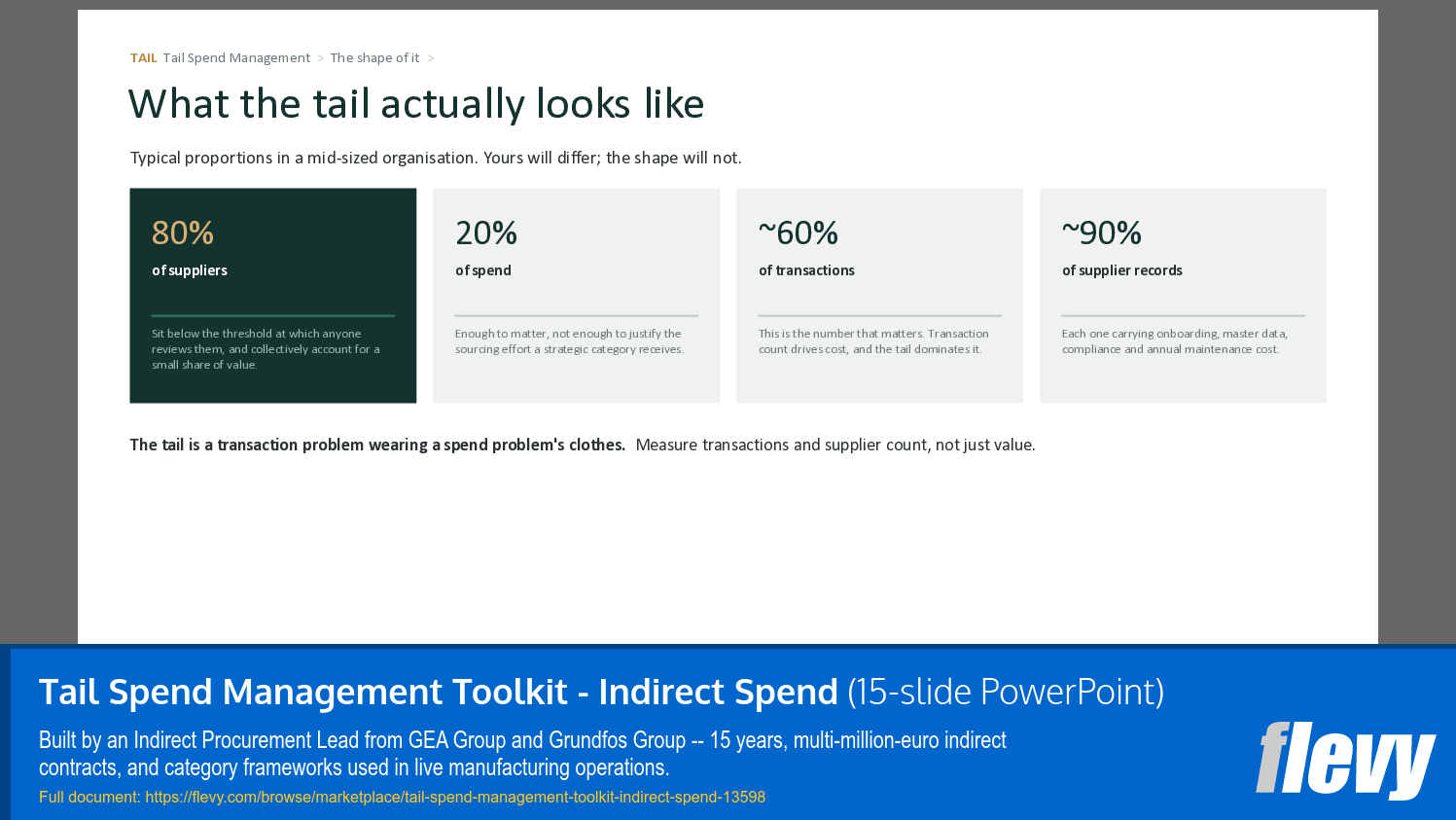
A four-hundred euro order can cost between eighty and two hundred euros to process once requisition, approval, sourcing, purchase order handling, goods receipt, invoice processing, payment and supplier maintenance are counted honestly. Multiply that by the transaction count in your tail – typically sixty per cent or more of all transactions – and the figure is an order of magnitude larger than anything price negotiation on those suppliers could produce.
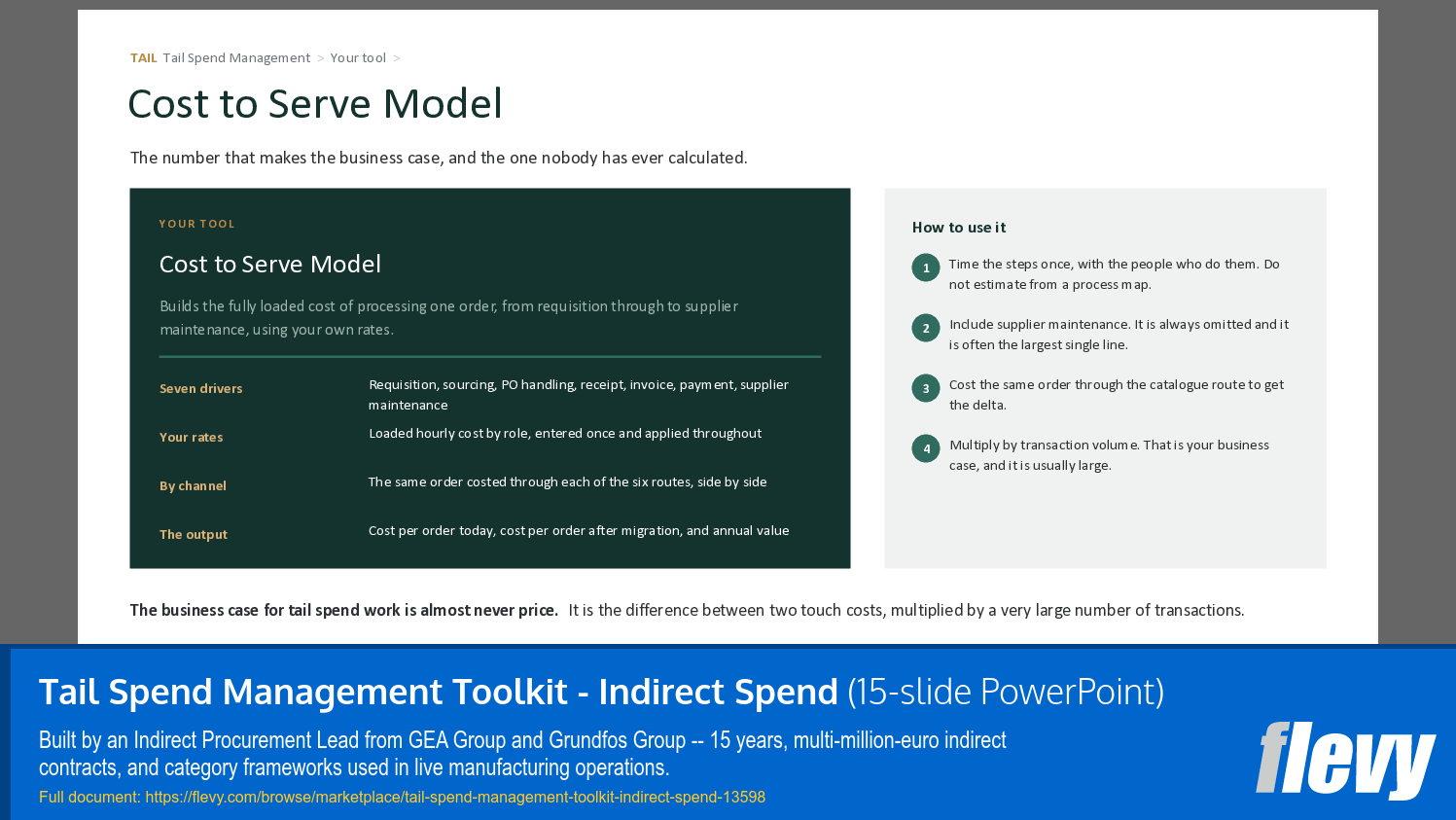
The cost to serve model in this pack builds that number from your own loaded rates and your own timings, costs the same order through six different buying routes, and turns the difference into an annual figure you can take to finance. In the worked example supplied, migrating nine thousand transactions from a three-quote route to a catalogue route is worth 1.38 million a year, none of it price.
WHAT IS INCLUDED
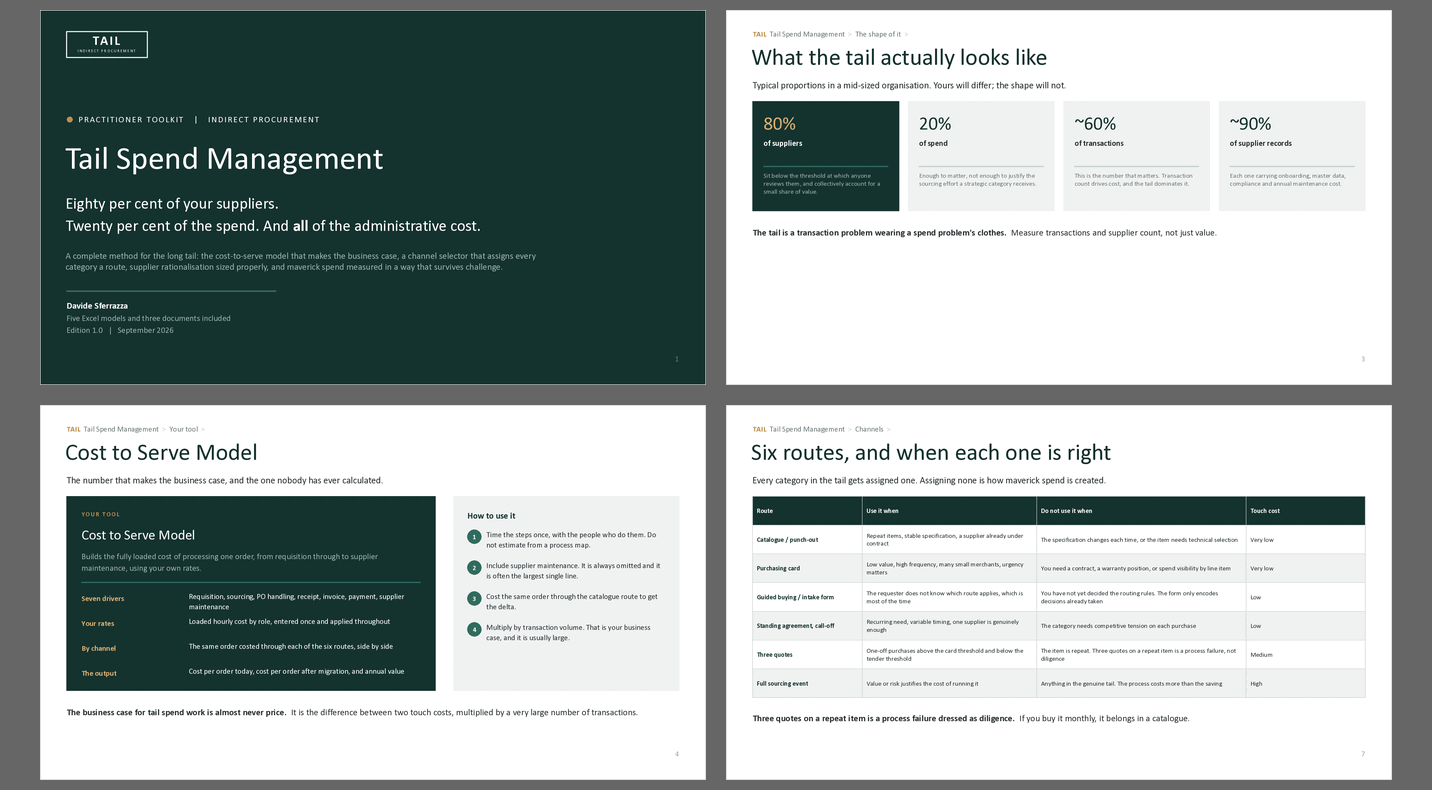
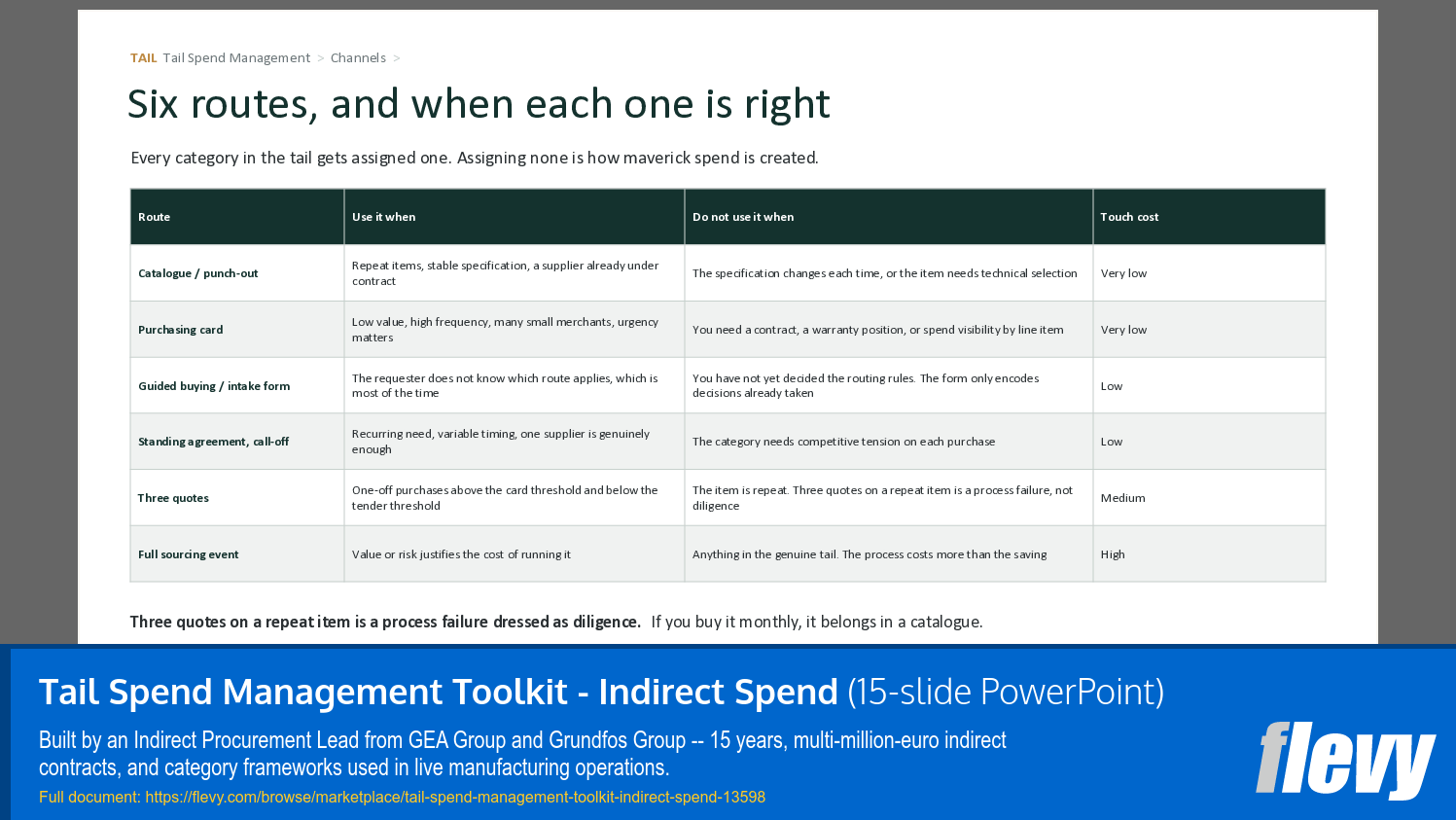
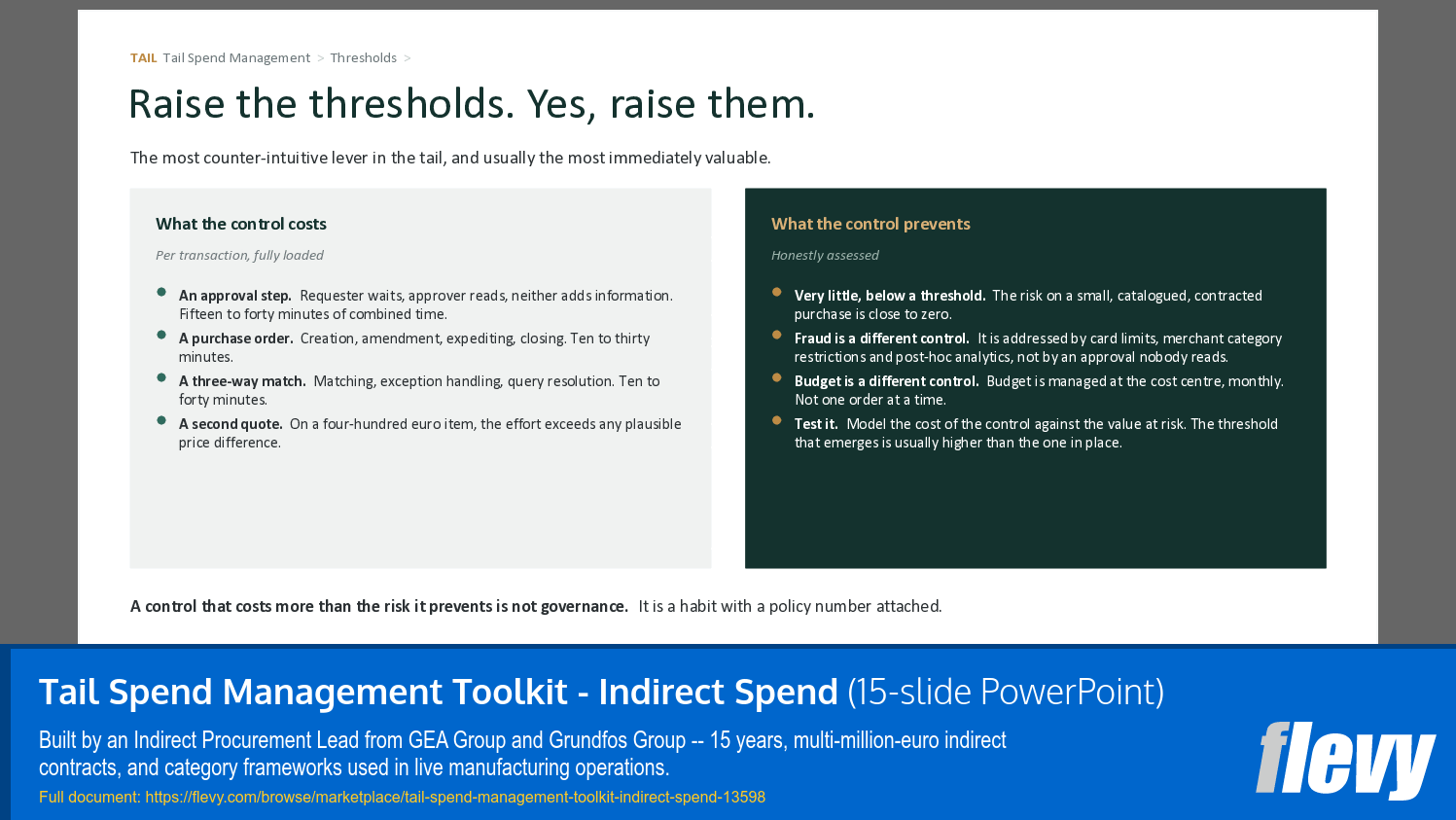
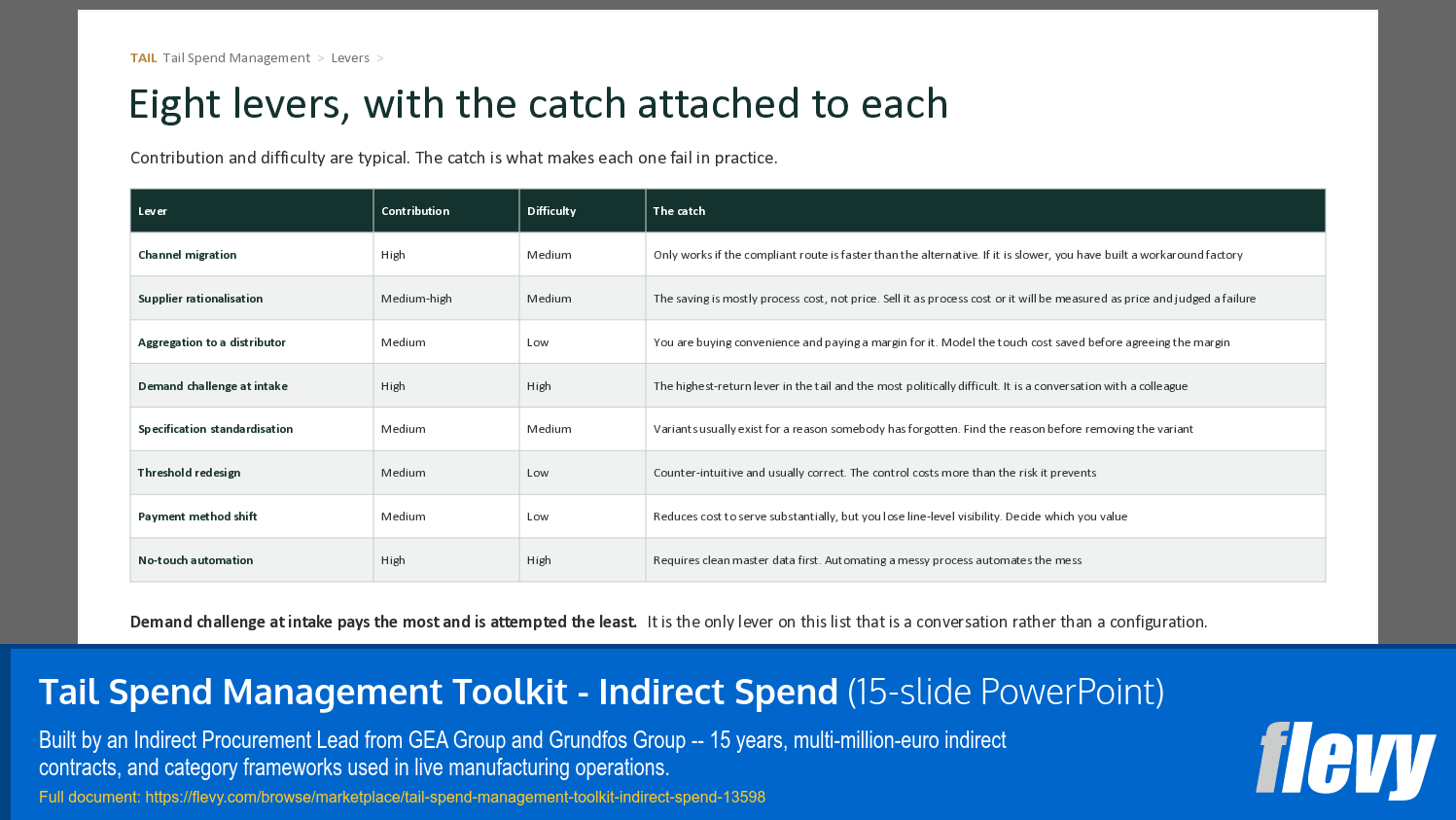
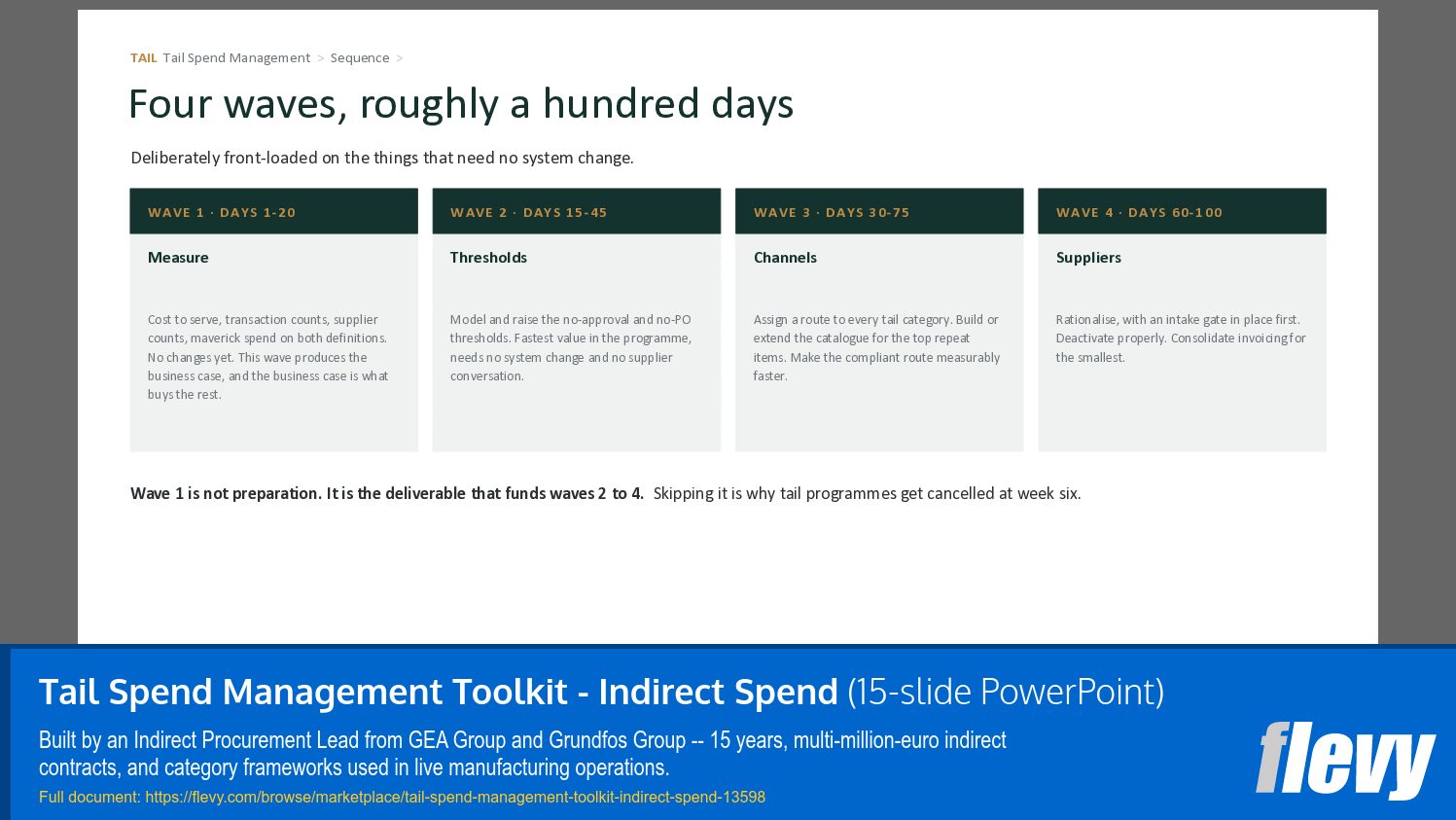
Primary document – a 14-slide guide covering what the tail actually looks like, the seven cost drivers, why the compliant route has to be faster than the workaround, the six buying routes and when each fits, why thresholds should usually be raised rather than lowered, supplier rationalisation sized on the right basis, maverick spend measured in a way that survives challenge, eight levers with the catch attached to each, a four-wave sequence over a hundred days, and what stops the tail growing back.
Working files, all unlocked with live formulas:
Tail Spend Diagnostic (Excel) – suppliers, value and transaction count by spend band, with the share of each in the tail and the average order value. Built to show that the transaction share, not the value share, is the number that matters.
Cost to Serve Model (Excel) – seven drivers, five roles, six routes. Enter your own loaded rates and your own timings and it returns the fully loaded cost of one order through each route, then converts a migration into an annual business case.
Channel Selector (Excel) – forty-five category rows. Answer four questions per category and the model assigns a buying route and states why, including the specific case where a repeat purchase has no contract, which is the largest single source of maverick spend in most organisations.
Supplier Rationalisation Model (Excel) – sixty supplier rows classified as one-off, low frequency, repeat, not substitutable or must-retain, with the value of removal calculated as maintenance cost plus touch cost rather than as a price saving that will not arrive.
Maverick Spend Measurement (Excel) – off-contract and off-channel measured separately across thirty categories, weighted by value, with the retrospective purchase order rate reported alongside, and an automatic read on whether each category has a channel problem or a contract problem.
Tail Spend Playbook (Word) – the four waves, what to report and to whom, the objections you will receive on thresholds and the answers to them.
Channel Strategy and Threshold Guide (Word) – the six routes in full, the five questions that assign one, how to model a threshold, and how to build a catalogue that is actually used.
Intake and Supplier Gate Design (Word) – the five-part supplier gate, automatic deactivation rules, the route assignment rule, and the fifteen-minute monthly review that prevents regrowth.
WHO IT IS FOR
Procurement leads asked to address the long tail. Heads of procurement building the business case for process investment. Shared service and accounts payable managers who carry the transaction cost. Consultants running a procurement efficiency review.
WHAT THIS IS NOT
It is not a systems implementation guide and it recommends no software. It is also not an argument for negotiating harder with small suppliers, which is the approach it exists to replace.
Got a question about the product? Email us at support@flevy.com or ask the author directly by using the "Ask the Author a Question" form. If you cannot view the preview above this document description, go here to view the large preview instead.
Source: Best Practices in Cost Reduction Assessment, Procurement Strategy PowerPoint Slides: Tail Spend Management Toolkit - Indirect Spend PowerPoint (PPTX) Presentation Slide Deck, Davide Sferrazza
ABOUT THE AUTHOR

Indirect Procurement Lead, with 15 years spent in the categories most organisations manage least well: MRO, facilities, utilities and energy, marketing services, IT and software, professional services, logistics and CapEx.
That career has been inside manufacturing groups -- Pavan (GEA Group) and DAB Pumps (Grundfos Group) -- leading procurement transformation projects, negotiating
... [read more]
Ask the Author a Question
You must be logged in to contact the author.




























