
Explore a strategic review approach for a global food company, crafted by industry experts. Analyze market trends, evaluate options, and drive performance. Strategic Review Approach is a 148-slide PPT PowerPoint presentation slide deck (PPT) available for immediate download upon purchase.
This presentation sets out a strategic review approach using a global food company as an example. This strategic review incorporates the review of the environmental scan and internal scrutiny and the identification, evaluation and recommendation of future strategic options to achieve the required returns. The approach includes the following steps:
• Perform environmental and internal assessment
• Develop hypothesis
• Review business performance
• Identify strategic options
• Evaluate strategic options and identify implications
• Develop business case/business model
• Identify the way forward
Specifically, two key value drivers were identified for this business unit – product mix and value chain configuration. And 12 strategic options are evaluated based on fit with global strategic objectives, channel attractiveness, value chain landscape and business performance.
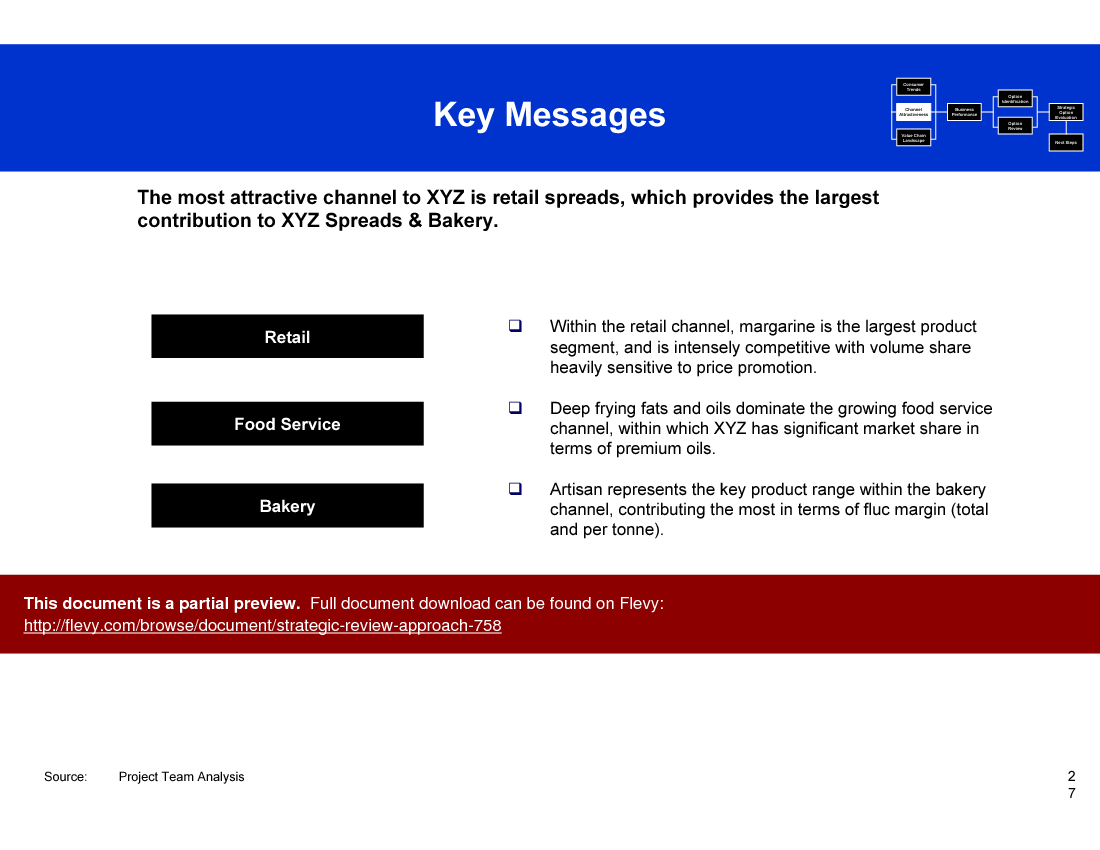
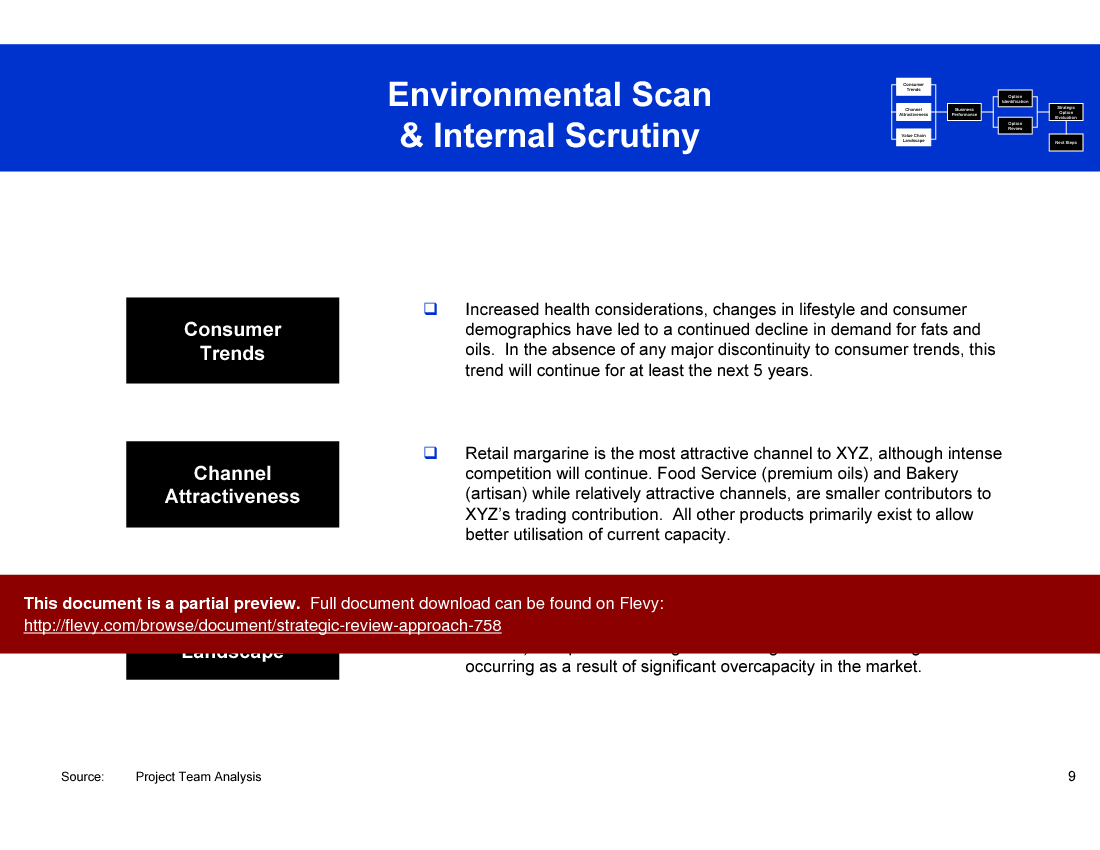
The document provides a comprehensive analysis of the current market conditions, focusing on consumer trends, channel attractiveness, and the competitive landscape. It highlights the decline in demand for fats and oils due to increased health considerations and changes in lifestyle. The document also underscores the significance of retail margarine as the most attractive channel for XYZ, despite the intense competition and price sensitivity.
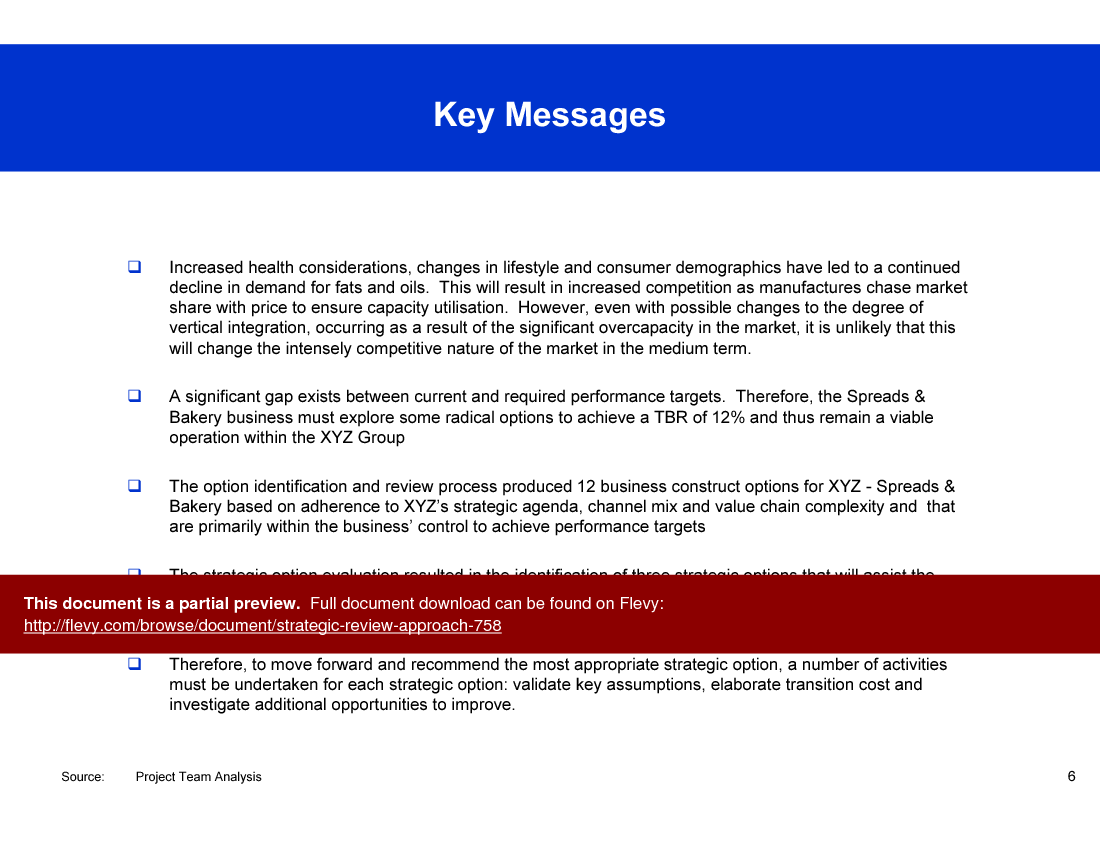
The strategic review identifies several critical gaps between current performance and required targets. It suggests exploring radical options to achieve a 12% total business return (TBR). The analysis includes a detailed evaluation of 12 strategic options, considering factors like channel mix, value chain complexity, and business performance. The document emphasizes the need for validating key assumptions, understanding transition costs, and investigating additional opportunities for improvement.
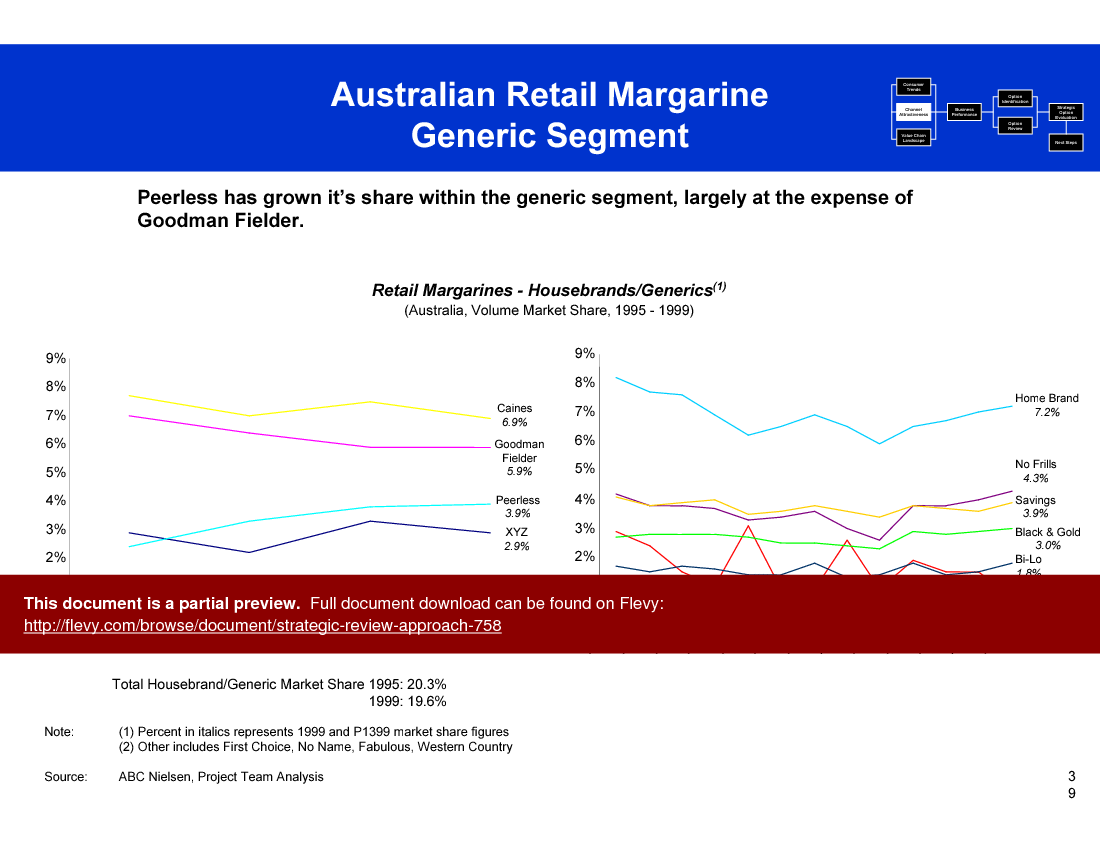
The environmental scan and internal scrutiny sections provide valuable insights into consumer trends and channel behavior. The document outlines the competitive environment, with key players like Goodman Fielder and Peerless influencing market dynamics. It also discusses the potential for growth in niche segments driven by health trends and technological advancements. The strategic agenda and value chain options sections offer a roadmap for achieving business objectives and enhancing value chain integration.
Got a question about the product? Email us at support@flevy.com or ask the author directly by using the "Ask the Author a Question" form. If you cannot view the preview above this document description, go here to view the large preview instead.
MARCUS OVERVIEW
This synopsis was written by Marcus [?] based on the analysis of the full 148-slide presentation.
Executive Summary
The Strategic Review for XYZ's Spreads & Bakery business unit presents a comprehensive analysis aimed at addressing the significant performance gap between the current total business return (TBR) of 4.5% and the required target of 12%. This consulting-grade presentation, crafted with the rigor expected from McKinsey, Bain, or BCG (not affiliated), outlines strategic options to enhance profitability in a challenging market characterized by declining consumption and intense competition. The review includes an environmental scan, internal scrutiny, and the evaluation of twelve strategic options, ultimately recommending a focused approach to realign operations and improve financial performance.
Who This Is For and When to Use
• Executives in the food and beverage industry seeking to enhance profitability and market share.
• Strategic planners and consultants focused on operational efficiency and market positioning.
• Financial analysts assessing business performance and investment opportunities in the food sector.
• Marketing teams aiming to understand consumer trends and adapt brand strategies.
Best-fit moments to use this deck:
• During strategic planning sessions to define future business direction.
• When evaluating operational changes to improve financial metrics.
• For stakeholder presentations to communicate strategic insights and recommendations.
Learning Objectives
• Define the current market landscape and its implications for the Spreads & Bakery business.
• Analyze consumer trends affecting the fats and oils market.
• Identify and evaluate strategic options to achieve a TBR of 12%.
• Develop a clear roadmap for implementing recommended strategies.
• Establish metrics for tracking performance improvements post-implementation.
Primary Topics Covered
• Market Trends - The fats and oils market is experiencing declining consumption, with significant implications for profitability and market share.
• Strategic Options - Twelve strategic options were identified to address performance gaps, focusing on operational efficiency and market alignment.
• Consumer Insights - Health trends are reshaping consumer preferences, necessitating a shift in product offerings and marketing strategies.
• Financial Analysis - A detailed review of financial performance metrics highlights the need for radical improvements to meet TBR targets.
• Implementation Roadmap - A clear plan for executing recommended strategies, including necessary actions and timelines.
Deliverables, Templates, and Tools
• Strategic option evaluation matrices to assess potential paths forward.
• Environmental scan templates for ongoing market analysis.
• Financial performance tracking models to monitor progress against TBR targets.
• Consumer research frameworks to gather insights on preferences and behaviors.
• Project management tools for effective execution of strategic initiatives.
Slide Highlights
• Overview of market trends impacting the fats and oils industry.
• Detailed analysis of consumer preferences and health considerations.
• Evaluation of strategic options with financial implications.
• Roadmap for implementing recommended strategies and tracking performance.
Potential Workshop Agenda
Strategic Planning Workshop (90 minutes)
• Present market trends and consumer insights.
• Discuss strategic options and their implications.
• Identify key performance metrics for tracking success.
Implementation Planning Session (60 minutes)
• Develop a detailed action plan for the selected strategic option.
• Assign responsibilities and establish timelines for execution.
Performance Review Meeting (30 minutes)
• Review progress against TBR targets.
• Adjust strategies based on market feedback and performance data.
Customization Guidance
• Tailor the financial performance metrics to reflect specific operational contexts.
• Adjust consumer insights based on regional market variations.
• Modify strategic options based on organizational capabilities and resources.
Secondary Topics Covered
• Competitive landscape analysis within the fats and oils market.
• Regulatory considerations affecting operational decisions.
• Technological advancements impacting production and distribution.
FAQ What are the main challenges facing the Spreads & Bakery business?
The main challenges include declining consumption, intense competition, and a significant performance gap between current and target returns.
How were the strategic options evaluated?
Options were evaluated based on alignment with strategic objectives, channel attractiveness, and potential for improving financial performance.
What is the recommended strategic option?
The recommended option focuses on a retail spreads finishing business on a shared XYZ site to leverage existing assets and improve profitability.
What actions are necessary to close the performance gap?
Key actions include reaffirming pricing disciplines, conducting consumer research, and evaluating trade promotion effectiveness.
How will success be measured?
Success will be measured through tracking total business return, trading contribution, and market share growth against established targets.
Glossary
• Total Business Return (TBR) - The overall return on investment required for business viability.
• Fluc Margin - Fluctuation margin per tonne, indicating profitability per unit sold.
• NPS - Net proceeds of sales, reflecting revenue after costs.
• Market Share - The percentage of total sales in a market captured by a company.
• Consumer Trends - Shifts in consumer preferences and behaviors impacting product demand.
• Strategic Options - Various paths identified for improving business performance.
• Environmental Scan - Analysis of external factors affecting business operations.
• Internal Scrutiny - Review of internal capabilities and performance metrics.
• Channel Attractiveness - Evaluation of market segments based on potential profitability.
• Value Chain - The full range of activities required to bring a product from conception to market.
• Operational Efficiency - The ability to deliver products with minimal waste and maximum productivity.
• Consumer Research - Gathering insights on consumer preferences to inform product development and marketing strategies.
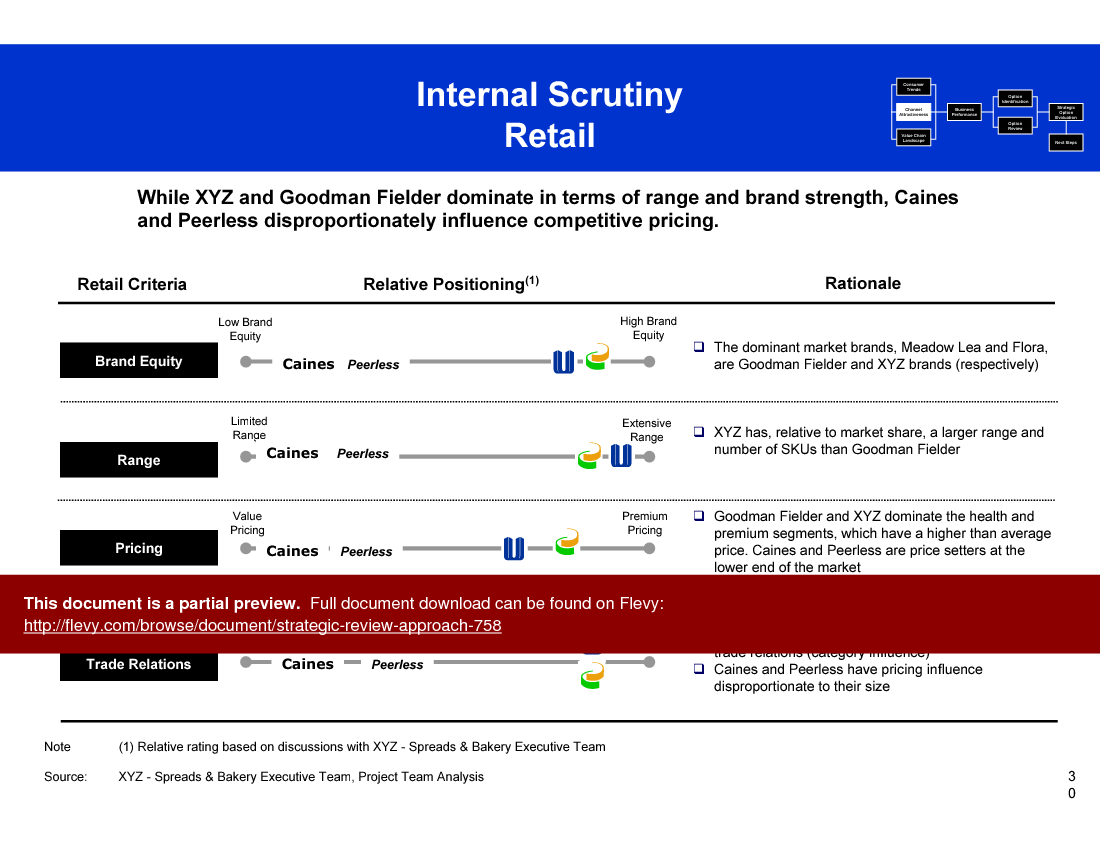
This PPT slide analyzes key retail criteria affecting brand positioning, focusing on brands Caines, Peerless, XYZ, and Goodman Fielder across 4 dimensions: Brand Equity, Range, Pricing, and Trade Relations. In Brand Equity, Goodman Fielder and XYZ lead with higher recognition, while Caines and Peerless lag, limiting their marketing effectiveness and consumer loyalty. XYZ offers a broader product Range than Goodman Fielder, providing a strategic advantage in meeting diverse consumer needs, whereas Caines and Peerless face limitations. Pricing analysis shows Goodman Fielder and XYZ target the premium segment, while Caines and Peerless appeal to cost-sensitive consumers, impacting profitability. Strong Trade Relations benefit Goodman Fielder and XYZ, enhancing market influence, while Caines and Peerless maintain some pricing power despite their smaller size, indicating potential for strategic pricing maneuvers.
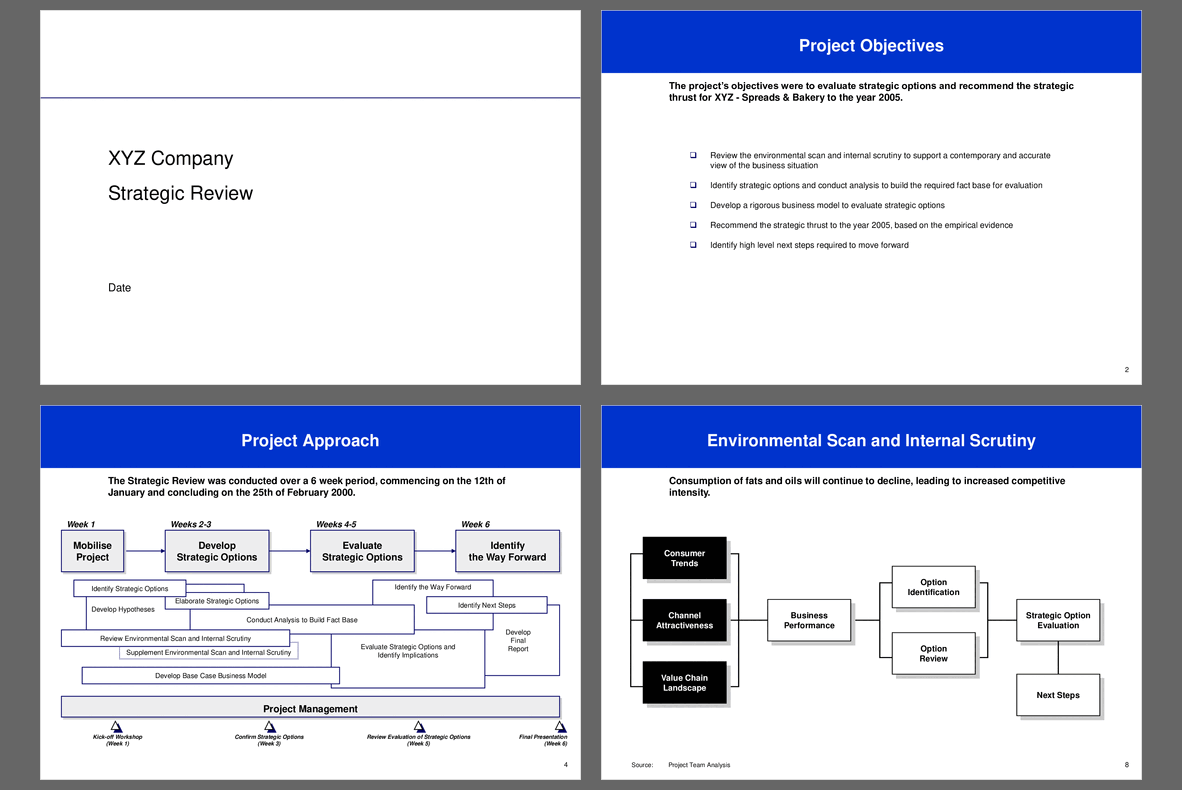
This PPT slide outlines a structured approach to a strategic review conducted over 6 weeks, divided into 4 phases: Mobilize Project, Develop Strategic Options, Evaluate Strategic Options, and Identify the Way Forward. The first week focuses on mobilizing the project, identifying strategic options, and developing hypotheses. Weeks 2 and 3 emphasize developing these options, including an environmental scan and internal scrutiny, culminating in a base case business model. Weeks 4 and 5 are dedicated to evaluating strategic options through detailed analysis and identifying implications for informed decision-making. Finally, week 6 focuses on determining next steps and developing a final report encapsulating findings and recommendations. This structured approach ensures systematic evaluation and stakeholder alignment.
This PPT slide outlines essential components for a successful transition to a new business configuration, focusing on leadership and communication. Key performance indicators (KPIs) are necessary for effective change management. The Transformation Architecture Model categorizes 4 critical areas: Leadership, Navigation, Enablement, and Ownership, each with specific implications for the transformation process.
Leadership emphasizes robust communication mechanisms for clarity on strategic direction, as weak leadership can hinder transition success. Navigation highlights project management, ensuring transitions occur within budget and minimizing market disruption. Enablement involves reconfiguring brand and marketing teams to enhance responsiveness to market demands, relying on timely market data for informed decisions. Ownership establishes measures and incentives for stakeholder engagement, ensuring accountability and driving results in customer development.
This PPT slide evaluates strategic options based on net present value (NPV) and implementation complexity. The primary option, "3B Brown Field," shows a high NPV of $124.8 million, but presents significant execution risks due to its complex implementation. This complexity is linked to the hypothetical nature of refined oil supply and its dependence on fluctuating sale prices of related products like frytol and artisan bakery goods. Other options include "Exit," which could yield the best return depending on sale price, and "Base Case," which does not meet performance targets due to existing initiatives. The "2B" option is less financially attractive than "3B Brown Field", but shares similar risks regarding refined oil supply. The slide highlights the trade-offs between potential returns and execution challenges, providing a framework for decision-making.
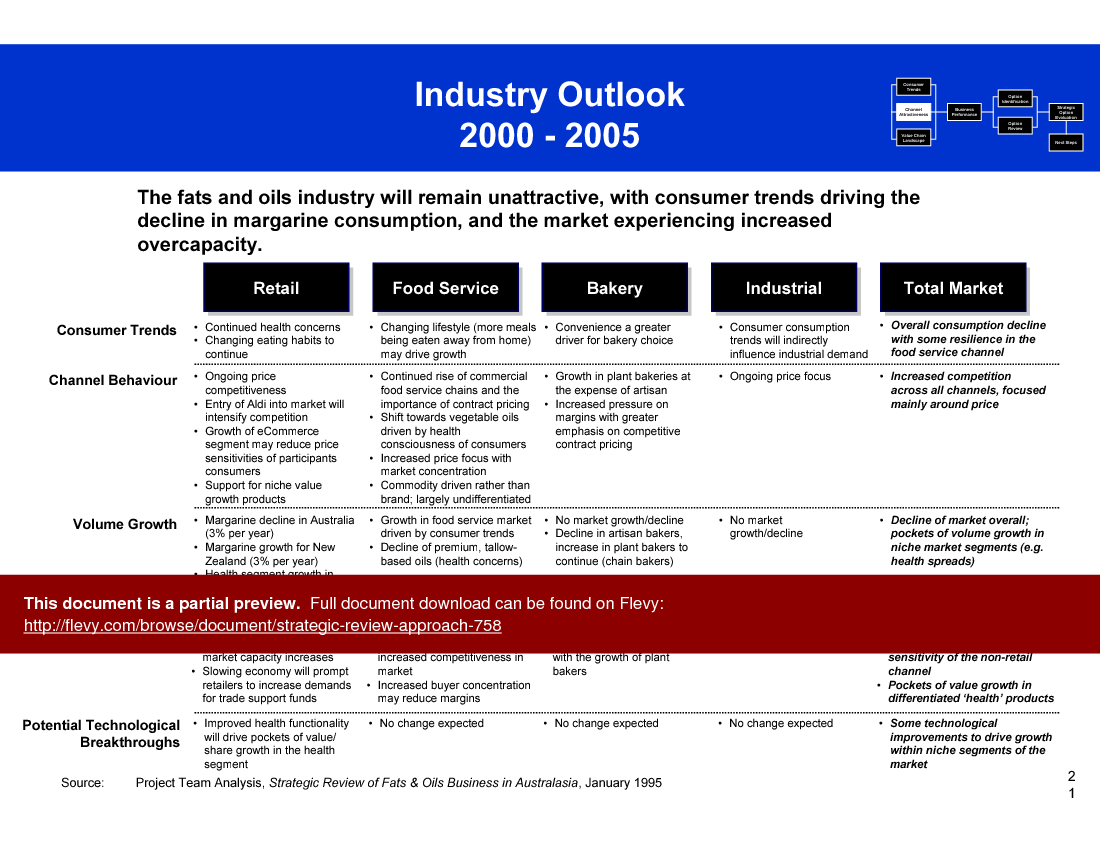
This PPT slide analyzes market dynamics and internal capabilities in the fats and oils sector. Consumption in this category is declining, intensifying competitive pressures. The analysis is divided into 2 sections: external factors, including "Consumer Trends," "Channel Attractiveness," and "Value Chain Landscape," which influence consumer behavior and distribution viability; and internal assessments represented by "Business Performance," evaluating organizational performance against market expectations. The decision-making process includes "Option Identification," "Option Review," and "Strategic Option Evaluation," emphasizing a methodical approach to strategy exploration and feasibility assessment. The final step, "Next Steps," indicates actionable recommendations for navigating the complexities of a declining market and enhancing performance.
This PPT slide outlines key drivers of business value creation, focusing on factors within XYZ's control. Value creation is influenced by operational and financial elements. Revenue is highlighted as a critical driver, encompassing market growth, market share, volume, and pricing strategies, suggesting a proactive approach to enhancing revenue streams. Costs counterbalance revenue, with categories including production costs, sales force costs, and trade and marketing expenses, emphasizing the need for a balanced strategy. Financing aspects include finance charges and net assets, indicating the importance of managing financial resources. The inclusion of WABCC (Weighted Average Cost of Capital) focuses on optimizing capital structure. Fixed assets and working capital management strategies are addressed, particularly inventory, debtor, and creditor management, for operational efficiency. The degree of control over each driver is visually represented, categorizing performance impact into trading contribution and total business return for evaluating strategy effectiveness.
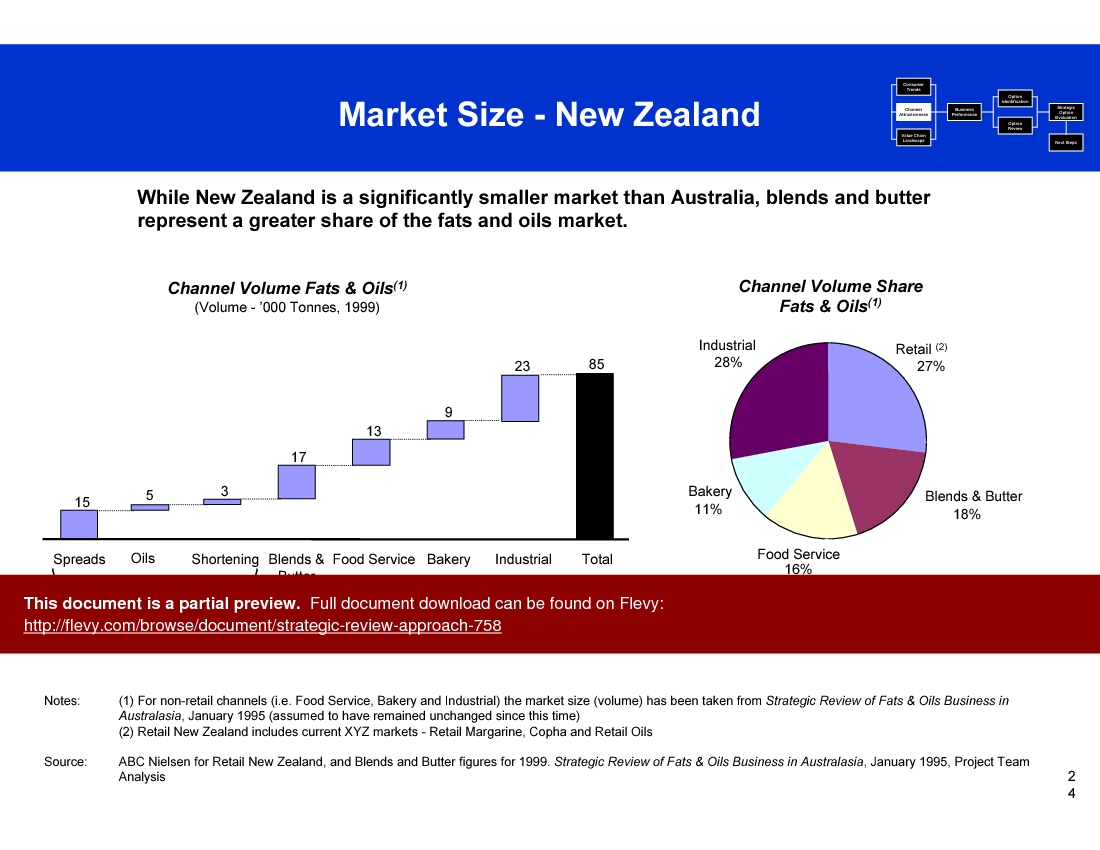
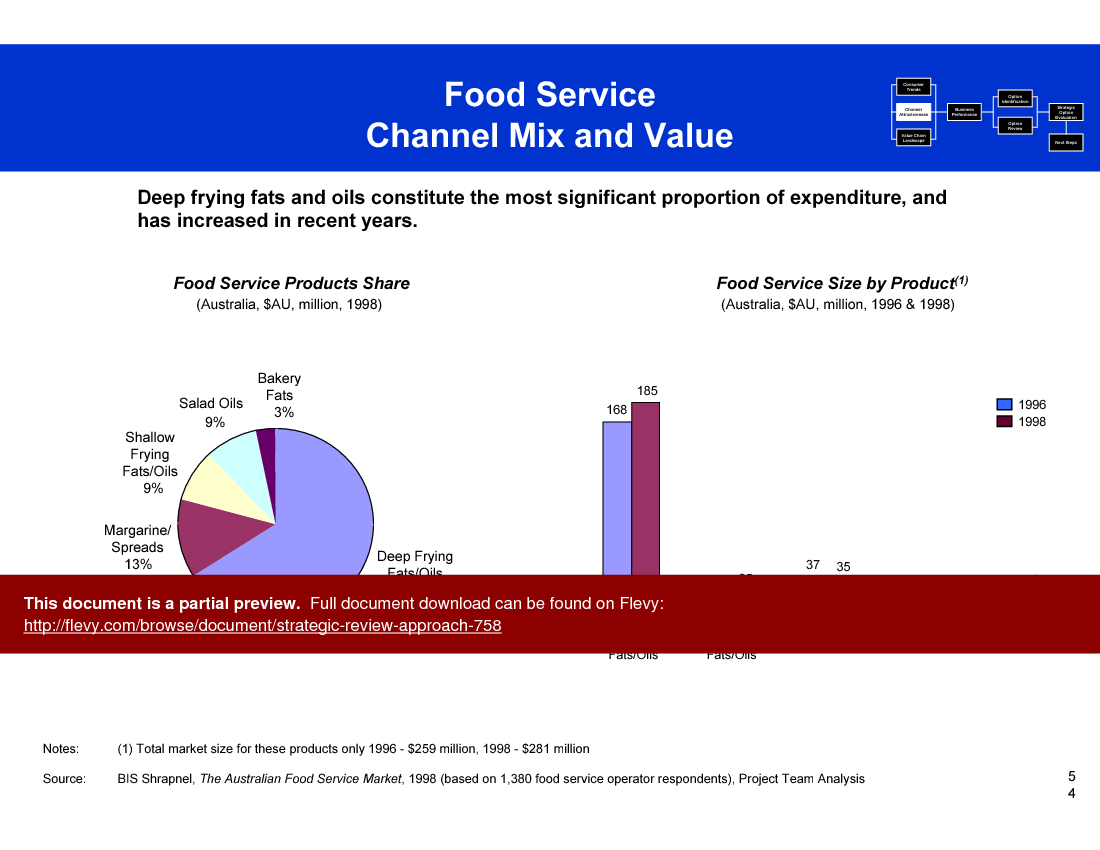
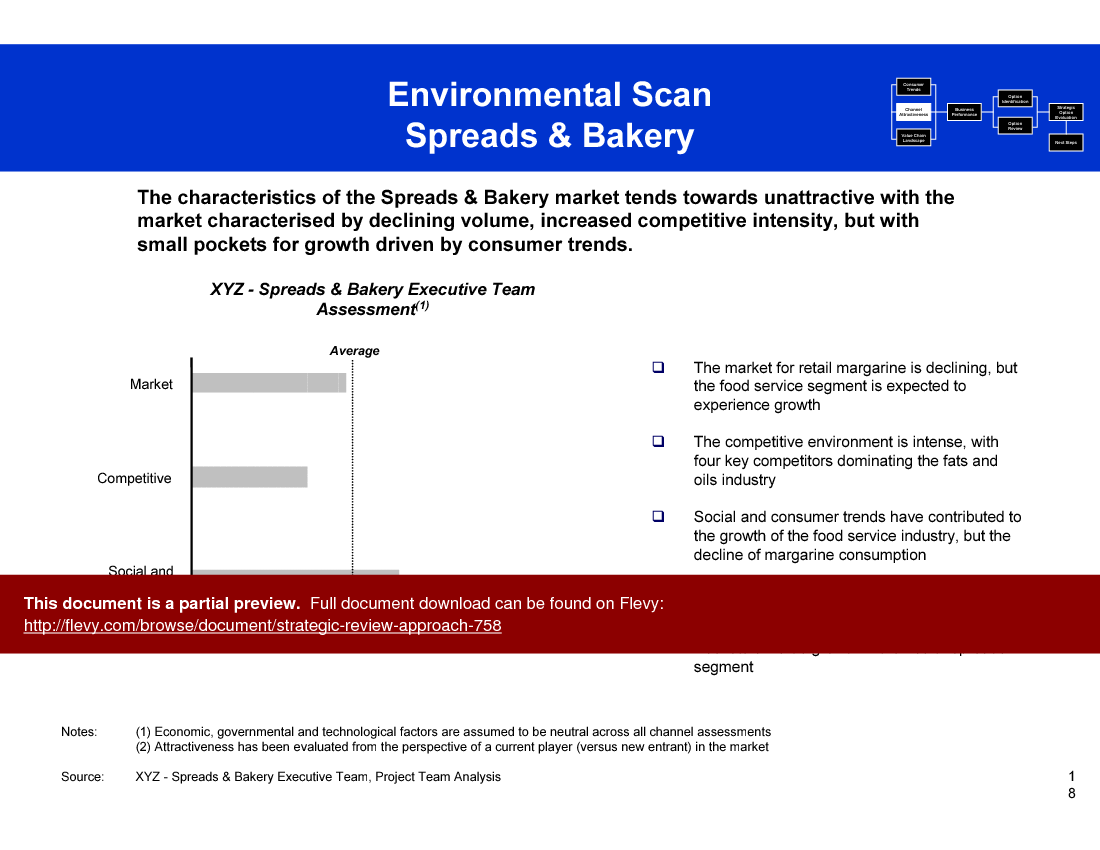
The fats and oils market is segmented into 4 primary channels: Retail, Food Service, Bakery, and Industrial. The Retail channel includes margarine, copha, shortening,, butter, blends, and oils, indicating diverse consumer preferences. The Food Service channel features premium oils, standard oils, culinary spreads, and portion control products, focusing on quality and convenience. The Bakery segment centers on bakery fats and oils essential for baked goods, while the Industrial channel focuses on industrial fats and oils. Key market players include XYZ, Goodman Fielder, and Peerless, providing insights into competitive dynamics and potential partnerships. Retail has the largest number of competitors, suggesting a fragmented landscape compared to other channels.
This PPT slide analyzes key suppliers in the food industry regarding their potential for vertical integration within the value chain: sourcing, making, moving, and selling. Suppliers are rated on a scale from 1 to 9, with Cargill Foods, Kerry, and Gardner Smith each receiving a score of 9, indicating strong capabilities in sourcing and processing raw materials. Cargill Foods excels in global sourcing, trading, commodity storage, and risk management. Kerry specializes in tropical oils, while Gardner Smith is recognized as a trader and seed crusher. Cargill and Kerry have potential to expand into refining oils, with Cargill already engaged in this in the U.S. and Australia. All 3 suppliers are unlikely to enter the distribution of fats and oils, focusing on their core competencies.
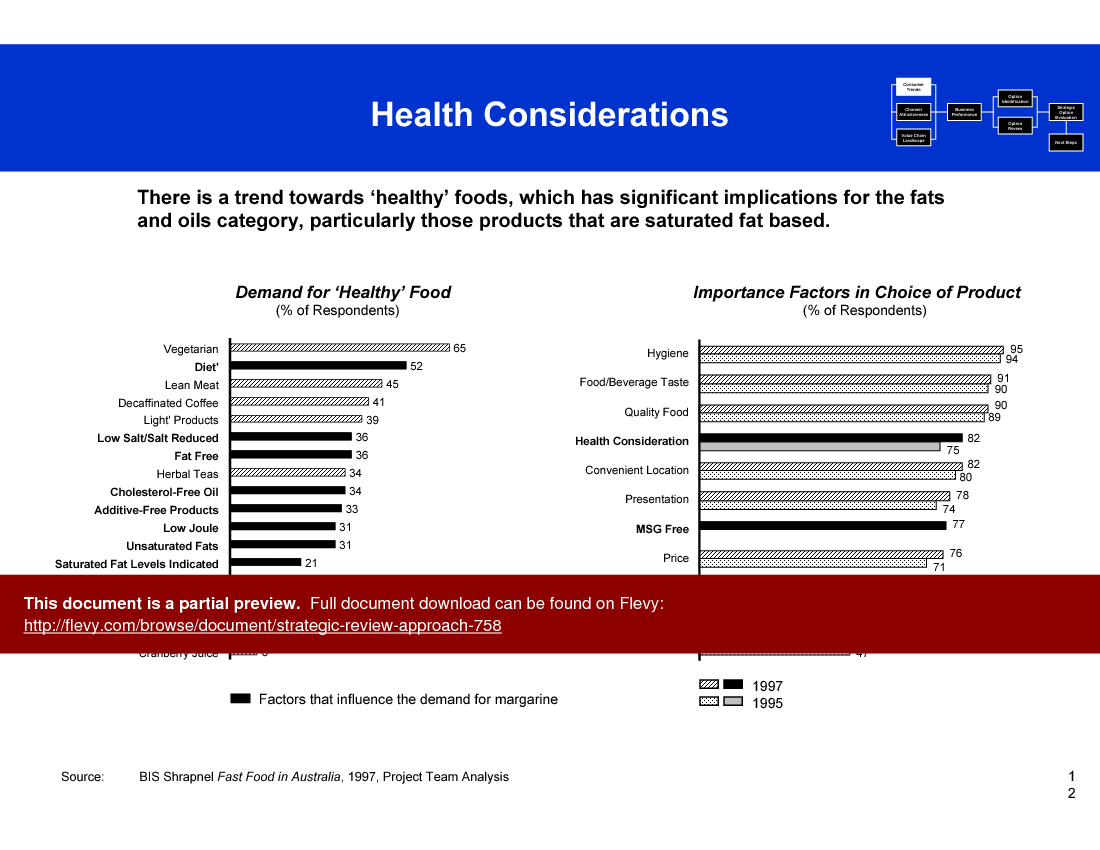
This PPT slide outlines the growing consumer demand for healthy food options, particularly in the fats and oils category. Vegetarian diets lead preferences at 65%, followed by low salt/salt reduction and fat-free options at 36%. Hygiene is the top factor influencing product choice at 95%, with taste, quality, and health considerations around 90%. Health considerations are emphasized at 82%, indicating a shift towards healthier products. Convenience and presentation are also important, both rated above 75%. The demand for transparency is highlighted by factors like "No Additives/Preservatives" and "Tick of NHF." Companies must adapt their strategies to align with these evolving consumer preferences.
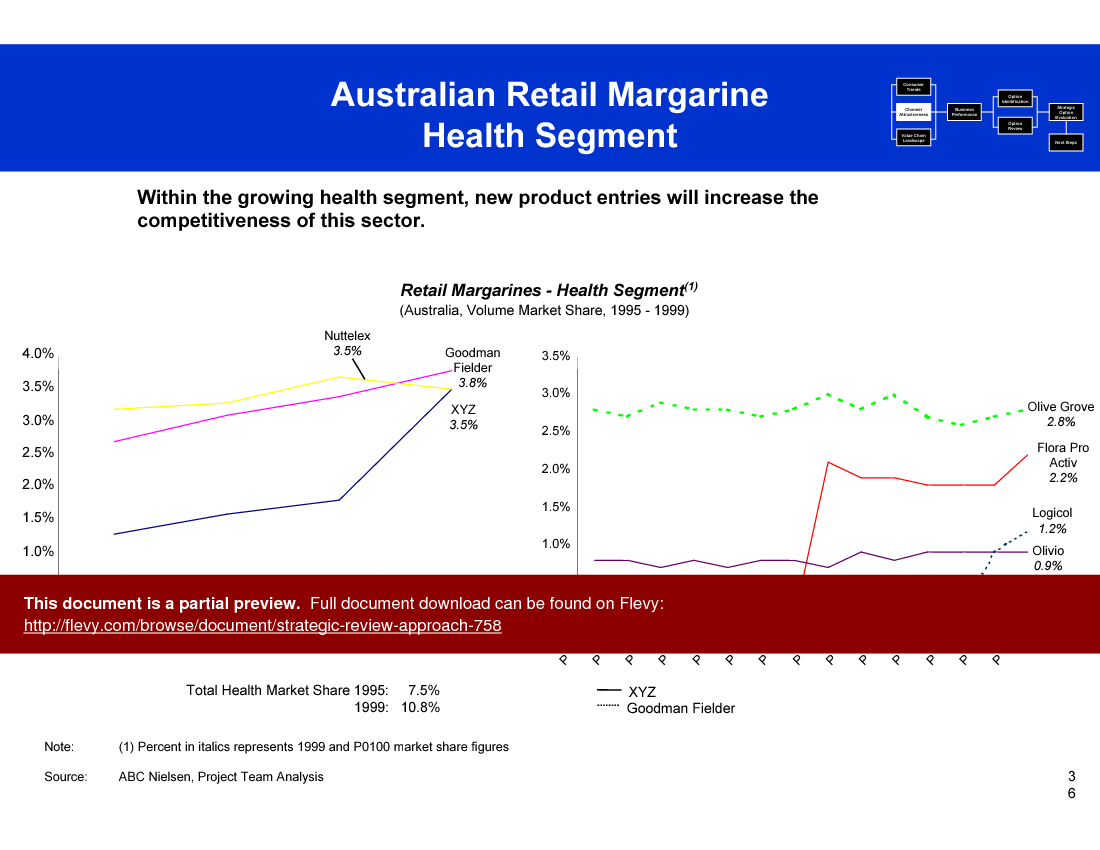
This PPT slide analyzes the Australian retail margarine market, focusing on the brand portfolios of XYZ and Goodman Fielder across 4 segments: Health, Premium, Value, and Generic. XYZ holds 55% of its portfolio in the Premium segment, indicating a strategic focus on higher-value products. The Health segment accounts for 8%, while the Value segment captures 29%, appealing to cost-conscious consumers. In contrast, Goodman Fielder's Premium segment dominates with 64%, while its Value segment is lower at 17%, suggesting a gap in budget-sensitive offerings. The Generic segment shows Goodman Fielder leading with 13% compared to XYZ's 8%. Overall, XYZ has a market share of 35.6%, while Goodman Fielder captures 45.6%, highlighting differing strategies in premium versus value segments.
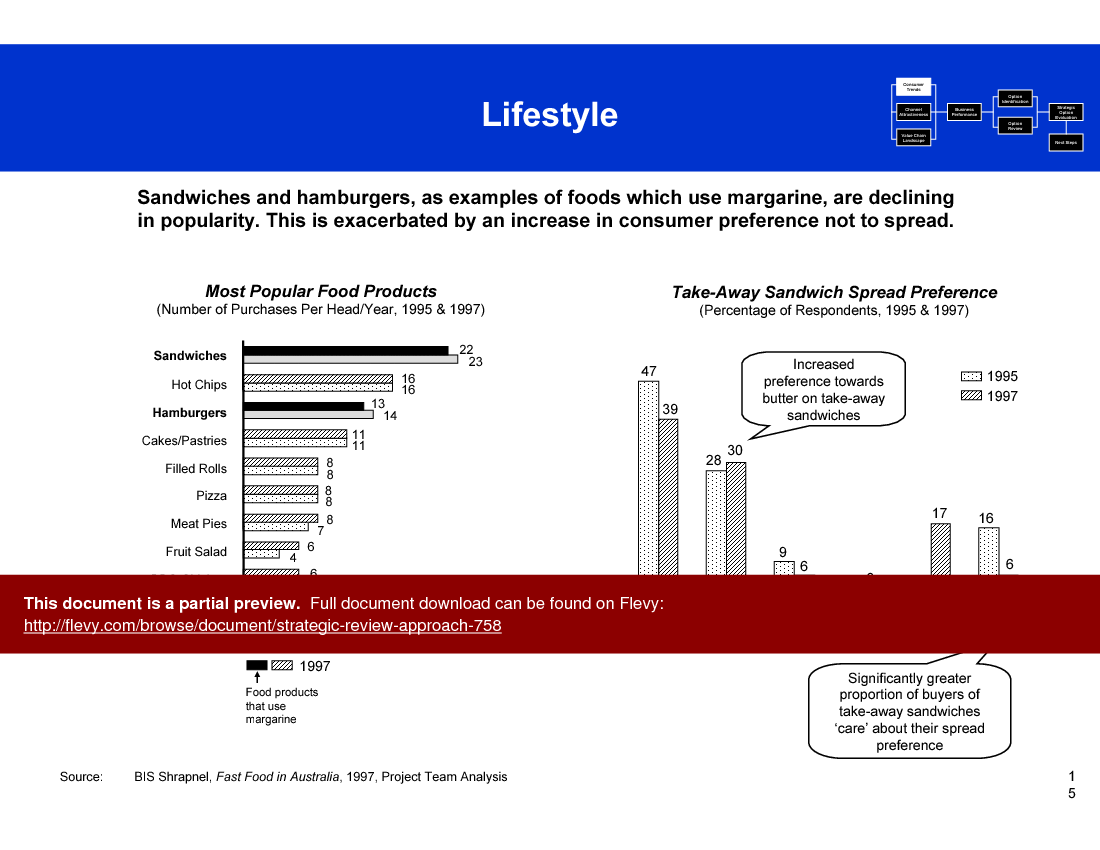
This PPT slide analyzes food consumption trends from 1995 to 1997, focusing on sandwiches and hamburgers, which are declining in popularity. In 1997, sandwiches led with 23 purchases per head, a slight increase from 22 in 1995, while hamburgers decreased from 14 to 13 purchases, indicating changing consumer preferences. Insights into takeaway sandwich spreads reveal a rise in, butter preference from 39% in 1995 to 47% in 1997, while margarine decreased from 30% to 28%. This shift suggests a trend towards traditional spreads, with stable options like "Don't Buy" and "No Spread." The decline in sandwiches and hamburgers may relate to evolving consumer attitudes towards food quality and health, particularly regarding spreads, informing product development and marketing strategies in the food industry.
This PPT slide presents a matrix framework for evaluating 3 strategic options based on channel mix and product offerings. The vertical axis represents channel mix, while the horizontal axis categorizes options A, B, and C. Option 2B involves producing spreads and premium oil products at a specific site, utilizing refined oils from third-party suppliers, suggesting potential partnerships for leveraging existing capabilities. Option 3B, labeled "Brown Field," focuses on retail spreads using alternate manufacturing sites and existing assets, noting that transition costs are not factored in, indicating a need for further financial analysis. An "Exit" option suggests a potential divestiture of the spreads and bakery business based on performance metrics, allowing resource reallocation or focus on more profitable ventures. This structured overview aids executives in assessing the viability of various strategic paths in the food industry.
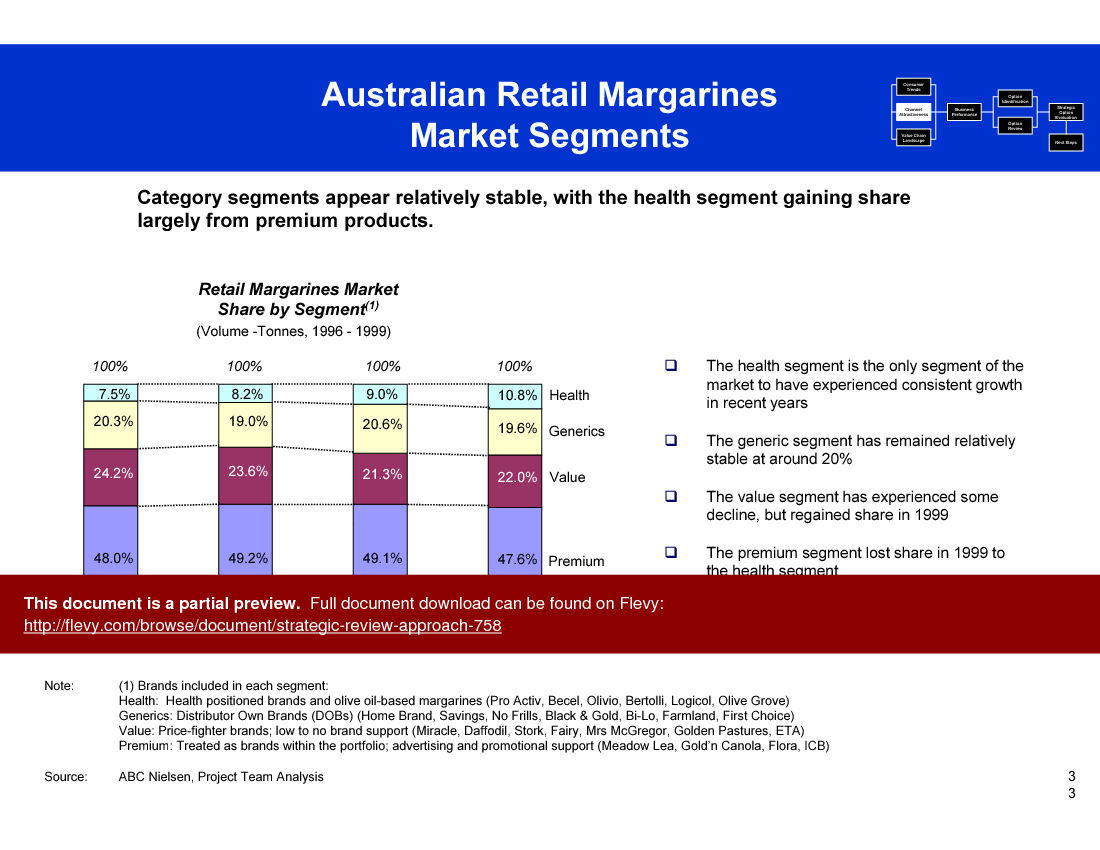
This PPT slide analyzes the price positioning of margarine products in the Australian retail market as of 1999, categorizing them into 4 segments: Health, Premium, Value, and Generic. The x-axis represents retail price per 500 grams, while the y-axis shows the range of benefit claims, indicating a correlation between price and perceived value. The Health segment, with 10.8% market share, has an average price of $2.38, reflecting consumer willingness to pay more for health-oriented products. The Premium segment captures 47.6% of the market at $2.30, indicating strong demand for higher-quality margarine. Value and Generic segments are priced lower at $1.30 and $1.27, representing 22.0% and 19.6% of the market, respectively, highlighting consumer preference for cost over premium features. The chart provides insights into brand positioning and competition within the margarine category.
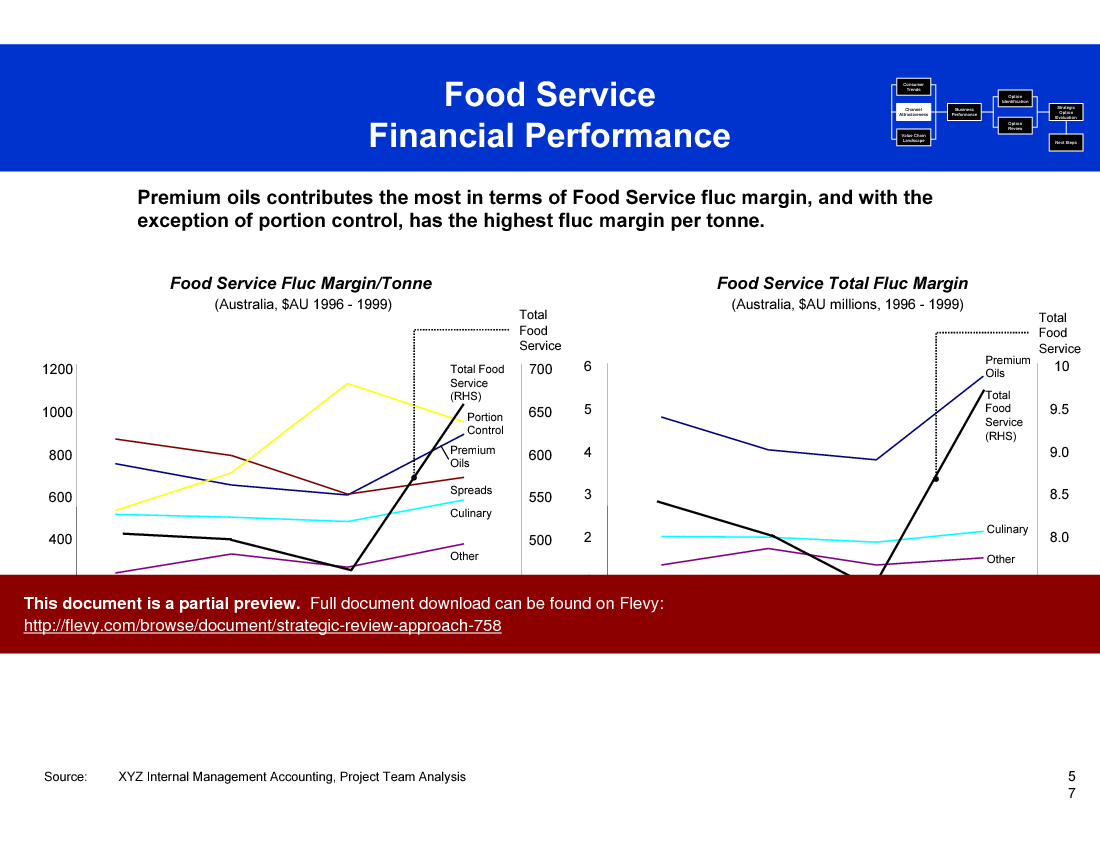
This PPT slide provides a financial performance overview of the Australian margarine market from 1996 to 1999, focusing on the Net Promoter Score (NPS) for XYZ's products. Despite a decline in the margarine sector, XYZ improved its NPS from 74.4 in 1996 to 78.2 in 1999, indicating effective customer engagement strategies. The bar chart details NPS contributions from product lines, showing that while margarine sales decline, Copha and Retail Oils perform well. A line graph tracks NPS per tonne for various products, highlighting growth in Copha and Oils against stagnation in margarine. XYZ's strategic pivot towards premium products like Pro Activ enhances customer loyalty and positions the company favorably in the retail landscape, suggesting growth opportunities through innovation and consumer engagement even in declining markets.
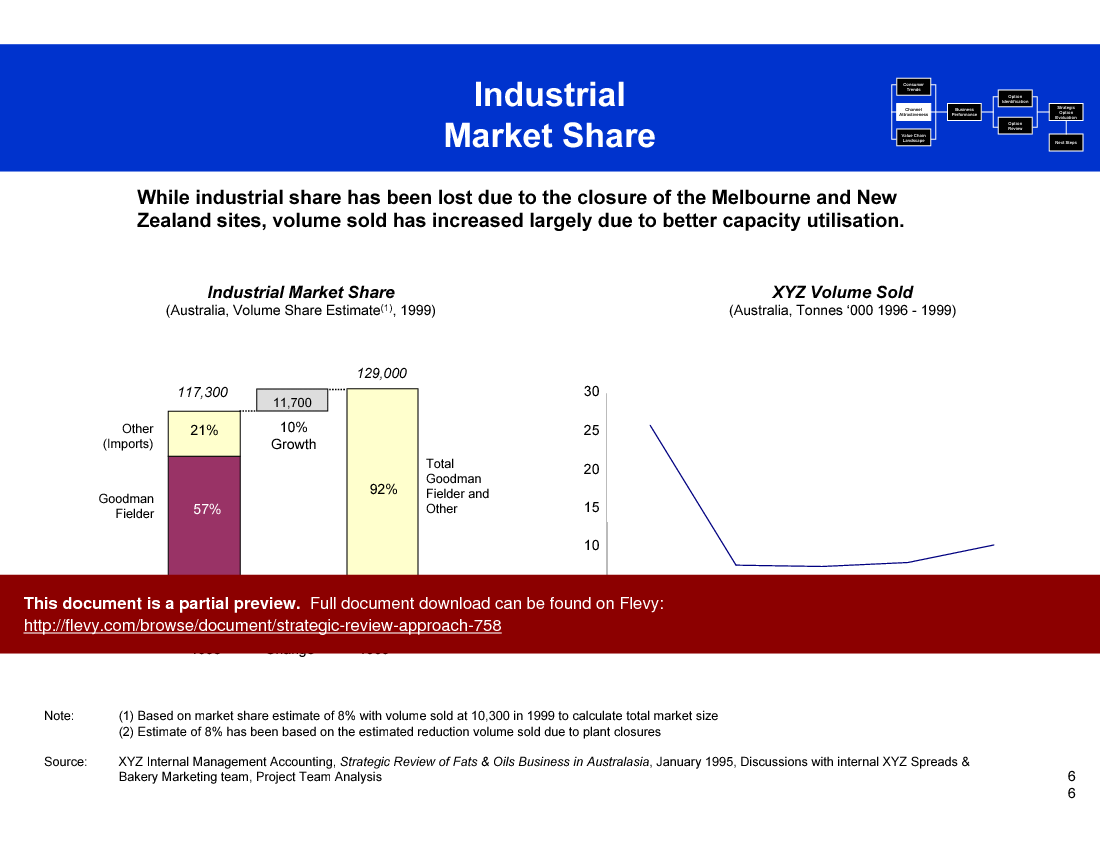
The industrial channel in Australia is primarily price-driven, with geographical factors significantly influencing market dynamics. Goodman Fielder dominates due to its extensive refining network, necessitating strategic partnerships for competitors. XYZ's diminished geographic presence, marked by factory closures in Melbourne and New Zealand, raises concerns about its operational strategy and long-term viability. Increased transport costs hinder XYZ's competitiveness against Goodman Fielder, particularly outside New South Wales, highlighting the importance of logistical efficiency. Additionally, XYZ's loss of contracts in Sydney suggests broader issues with pricing strategy and market positioning, serving as a caution for other industry players. Goodman Fielder's focus on industrial fats and oils at its Mascot site indicates a shift in supply dynamics, while competition from Malaysian imports emphasizes the need for local players to adapt to international pricing influences.
This PPT slide provides an overview of the Edible Fats and Oils value chain, segmented into 4 areas: Source, Make, Move, and Sell. In the Source phase, raw materials are identified as essential inputs for production. The Make phase includes refining and finishing processes, emphasizing operational efficiency in transforming inputs into market-ready products. The Move section highlights the distribution of products through warehousing and transportation, impacting customer satisfaction and sales performance. The Sell phase addresses market dynamics, listing participants like Cargill and Kerry, illustrating the interconnected roles from sourcing to selling. A consumer-centric approach underscores the value chain's goal of meeting consumer demands, crucial for optimizing operations and enhancing market position.
This PPT slide evaluates operational options for a retail spreads business on a shared XYZ site, categorizing them by Strategic Objectives, Channel Attractiveness, Value Chain Integration, Business Performance, Average Total Contribution (TC), and Target Business Return (TBR). The Base Case serves as a benchmark with scores of 5 across most categories. Option A, "Spreads, Premium Oils & Artisan Bakery," aligns well with Strategic Objectives, but has limitations in Channel Attractiveness and TBR. Refine & Finish maintains balanced scores, but shows a decline in Business Performance metrics. Option B has a positive Trading Contribution, but a lower TBR than the Base Case, indicating a trade-off between immediate returns and long-term viability. Option C, "Purchase Finished Goods," is deemed unviable based on financial analysis. This structured overview allows decision-makers to assess each option against strategic goals and financial expectations.
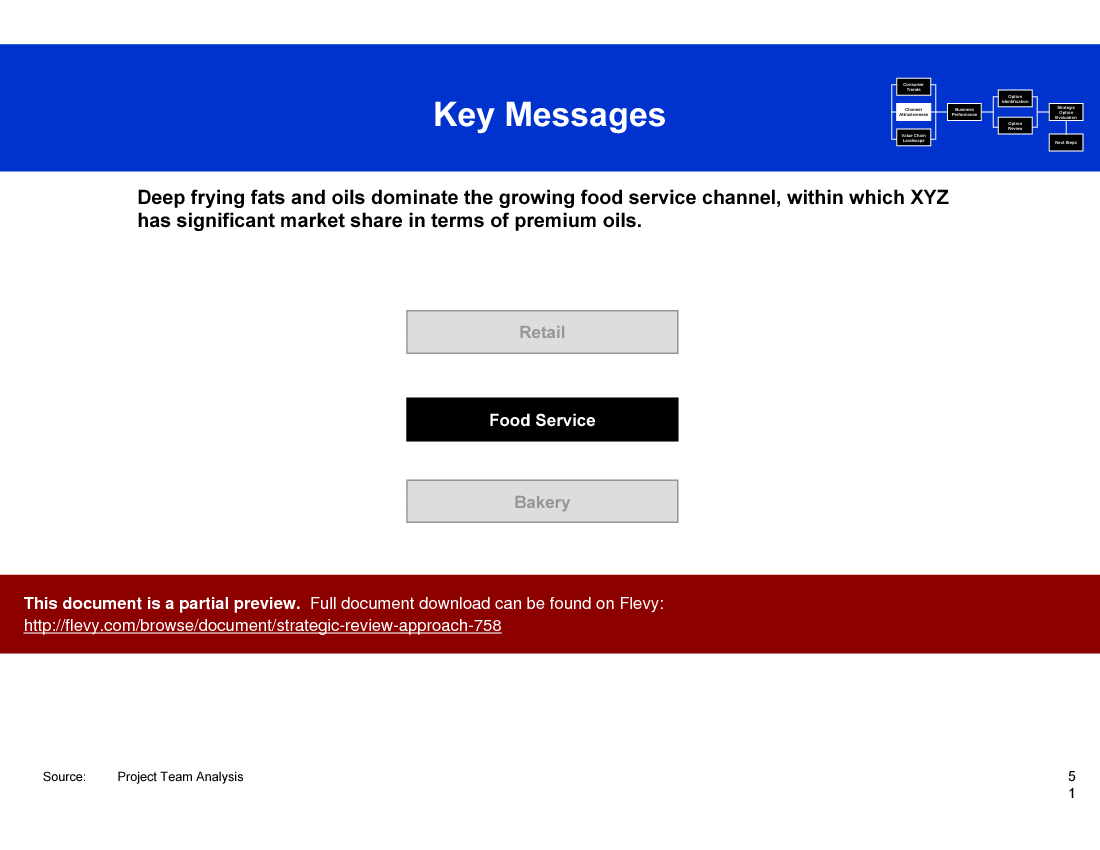
This PPT slide outlines Strategic Option 2B for purchasing and finishing refined materials in the retail spreads and premium oils sectors of the food service market. It features 2 sections: "Channel - Retail Spreads and Premium Oils," which categorizes market segments such as Retail, Food Service, Bakery, and Industrial, and "Value Chain - Finish and Sell," detailing the operational steps from sourcing raw materials to selling finished products. Key stages include sourcing, making, moving, and selling, highlighting the importance of efficiency in the value chain. The rationale emphasizes alignment with operational simplification and core competencies, noting XYZ's position as the second-largest player in retail spreads in Australia and New Zealand, along with significant market share in premium oils. This strategic realignment aims to reduce costs and enhance operational efficiency, positioning XYZ to adapt effectively to market dynamics.
Source: Best Practices in Strategic Plan Example, Food & Beverage Industry PowerPoint Slides: Strategic Review Approach PowerPoint (PPT) Presentation Slide Deck, Documents & Files
The average daily rate of a McKinsey consultant is $6,625 (not including expenses). The average price of a Flevy document is $65.
Trusted by over 10,000+ Client Organizations
Since 2012, we have provided business templates to over 10,000 businesses and organizations of all sizes, from startups and small businesses to the Fortune 100, in over 130 countries.

"I like your product. I'm frequently designing PowerPoint presentations for my company and your product has given me so many great ideas on the use of charts, layouts, tools, and frameworks. I really think the templates are a valuable asset to the job."
– Roberto Fuentes Martinez, Senior Executive Director at Technology Transformation Advisory
"I have used FlevyPro for several business applications. It is a great complement to working with expensive consultants. The quality and effectiveness of the tools are of the highest standards."
– Moritz Bernhoerster, Global Sourcing Director at Fortune 500
"As a consultant requiring up to date and professional material that will be of value and use to my clients, I find Flevy a very reliable resource.
The variety and quality of material available through Flevy offers a very useful and commanding source for information. Using Flevy saves me time, enhances my expertise and ends up being a good decision."
– Dennis Gershowitz, Principal at DG Associates
"FlevyPro provides business frameworks from many of the global giants in management consulting that allow you to provide best in class solutions for your clients."
– David Harris, Managing Director at Futures Strategy
"I have found Flevy to be an amazing resource and library of useful presentations for lean sigma, change management and so many other topics. This has reduced the time I need to spend on preparing for my performance consultation. The library is easily accessible and updates are regularly provided. A wealth of great information."
– Cynthia Howard RN, PhD, Executive Coach at Ei Leadership
"As an Independent Management Consultant, I find Flevy to add great value as a source of best practices, templates and information on new trends. Flevy has matured and the quality and quantity of the library is excellent. Lastly the price charged is reasonable, creating a win-win value for
the customer, Flevy and the various authors. This is truly a service that benefits the consulting industry and associated clients. Thanks for providing this service.
"
– Jim Schoen, Principal at FRC Group
"Flevy.com has proven to be an invaluable resource library to our Independent Management Consultancy, supporting and enabling us to better serve our enterprise clients.
The value derived from our [FlevyPro] subscription in terms of the business it has helped to gain far exceeds the investment made, making a subscription a no-brainer for any growing consultancy – or in-house strategy team."
– Dean Carlton, Chief Transformation Officer, Global Village Transformations Pty Ltd.
"As a consulting firm, we had been creating subject matter training materials for our people and found the excellent materials on Flevy, which saved us 100's of hours of re-creating what already exists on the Flevy materials we purchased."
Download our free compilation of 50+ Strategy & Transformation slides and templates. Frameworks include McKinsey 7-S, Balanced Scorecard, Disruptive Innovation, BCG Curve, and many more.