
 Click main image to view in full screen. Unlock all 13 preview images:
Six Sigma Yellow Belt – PowerPoint PPTX Template
PowerPoint (PPTX) 48 Slides


BENEFITS OF THIS DOWNLOADABLE POWERPOINT DOCUMENT
- Provides the material to create a strong foundation in Six Sigma concepts
- Enables application of Six Sigma basic tools
- Provides the foundational skills to deploy six sigma
LEAN MANAGEMENT PPT TEMPLATE DESCRIPTION
Six Sigma Yellow Belt: 2-Day Foundational Certification Curriculum
A successful Six Sigma deployment depends on more than just the experts; it requires a workforce that speaks the language of data and efficiency. This 2-day Yellow Belt curriculum is a turnkey training solution designed to turn employees into active participants in your Lean Six Sigma journey.
🏛️ Built for the "Change Agent"
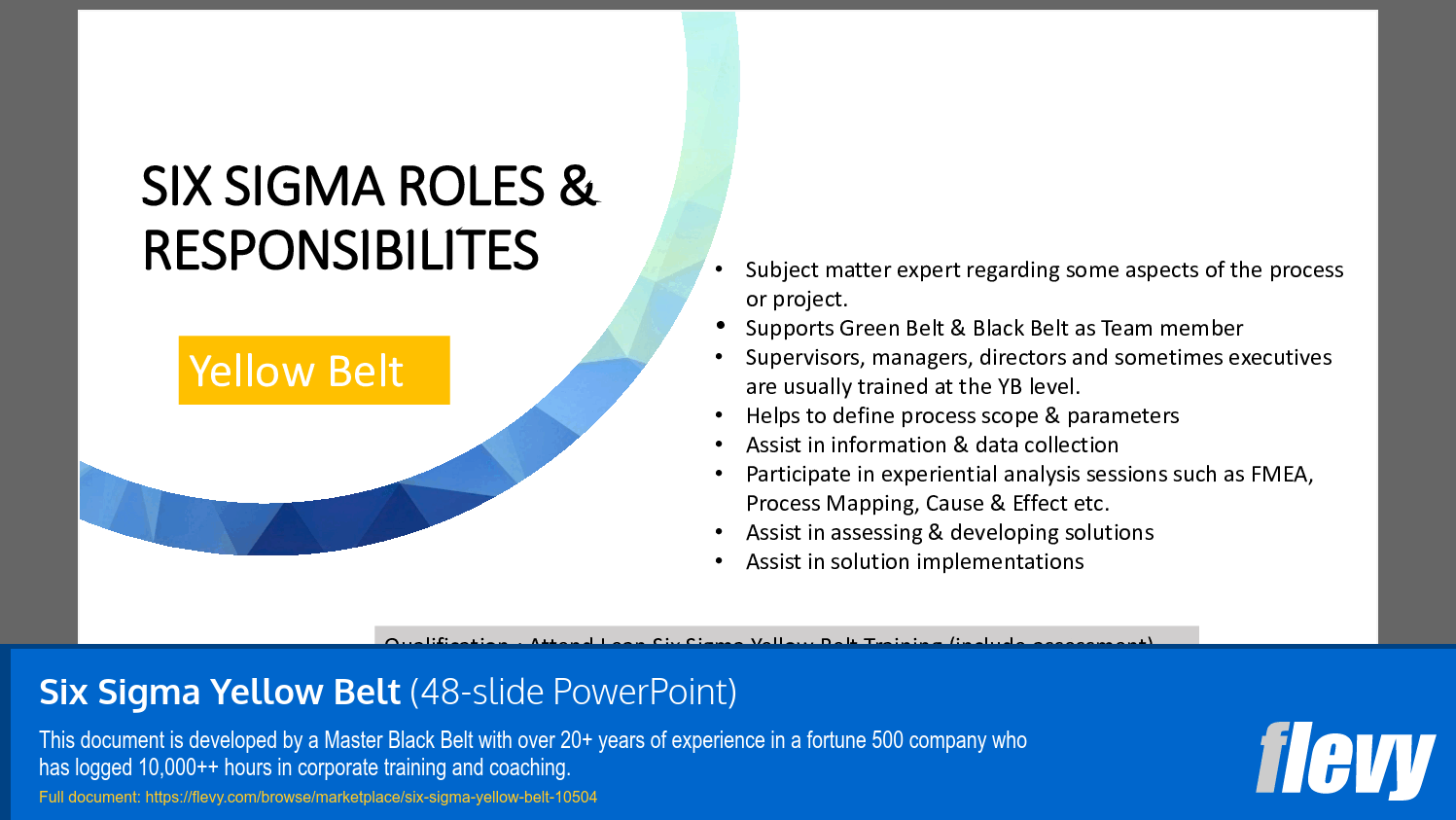
Developed by a Master Black Belt with 27 years of experience, this curriculum is not about overwhelming students with math—it is about practical application. It provides the foundational knowledge required for team members to support Green and Black Belt projects effectively.
📊 The 2-Day Curriculum Breakdown:
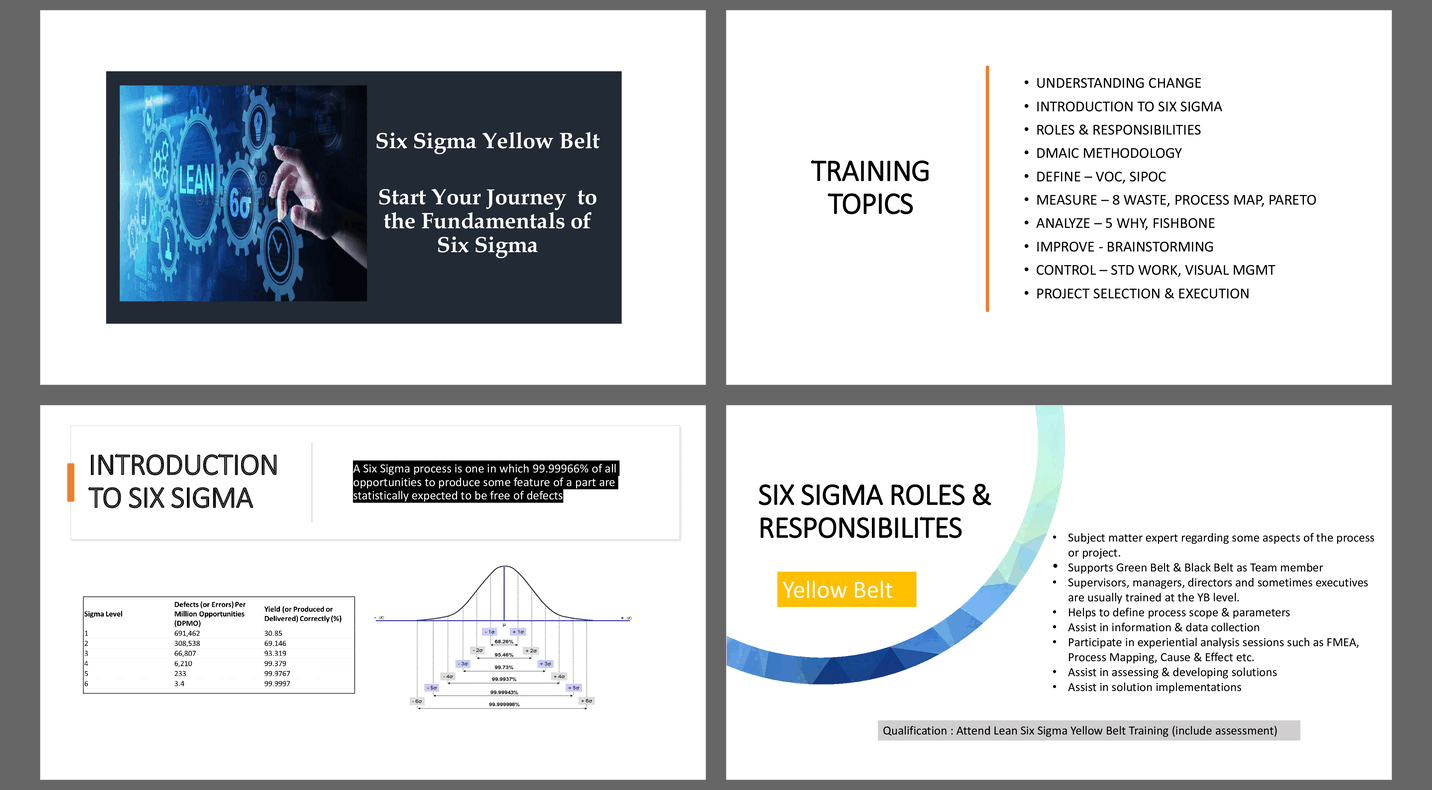
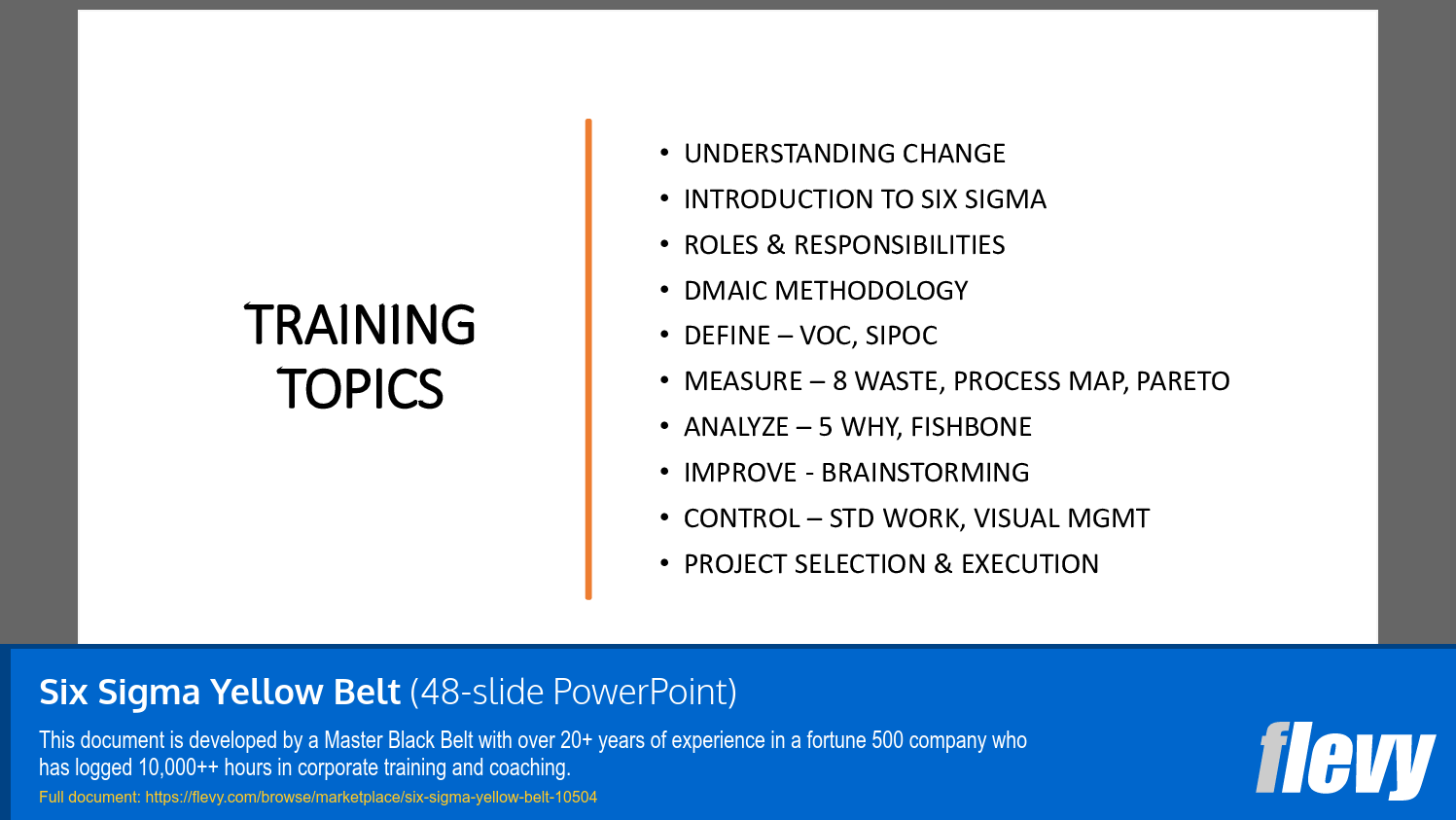
Day 1: The Six Sigma Mindset & The "Define" Phase
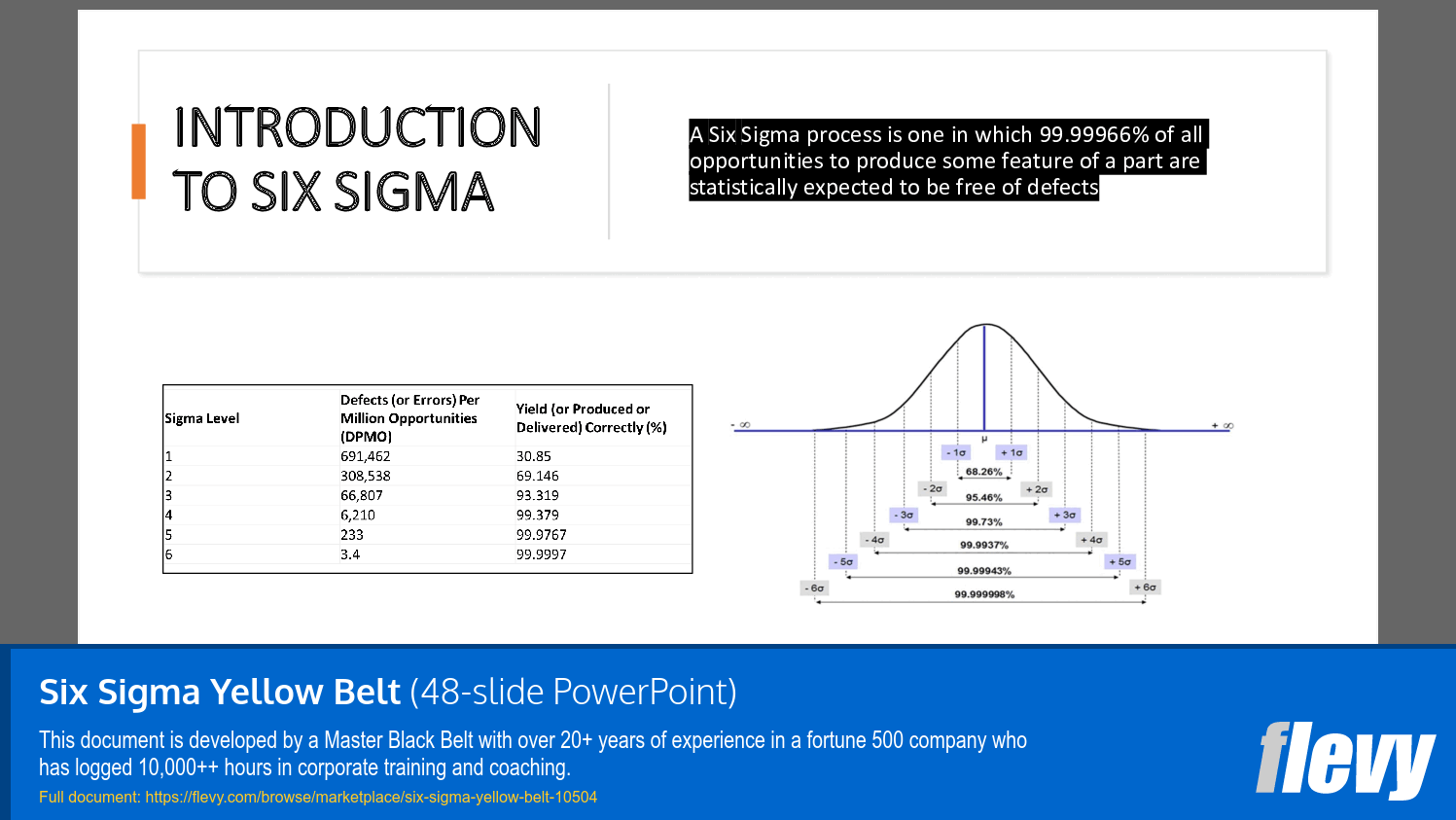
Introduction to Six Sigma principles and the cost of poor quality.
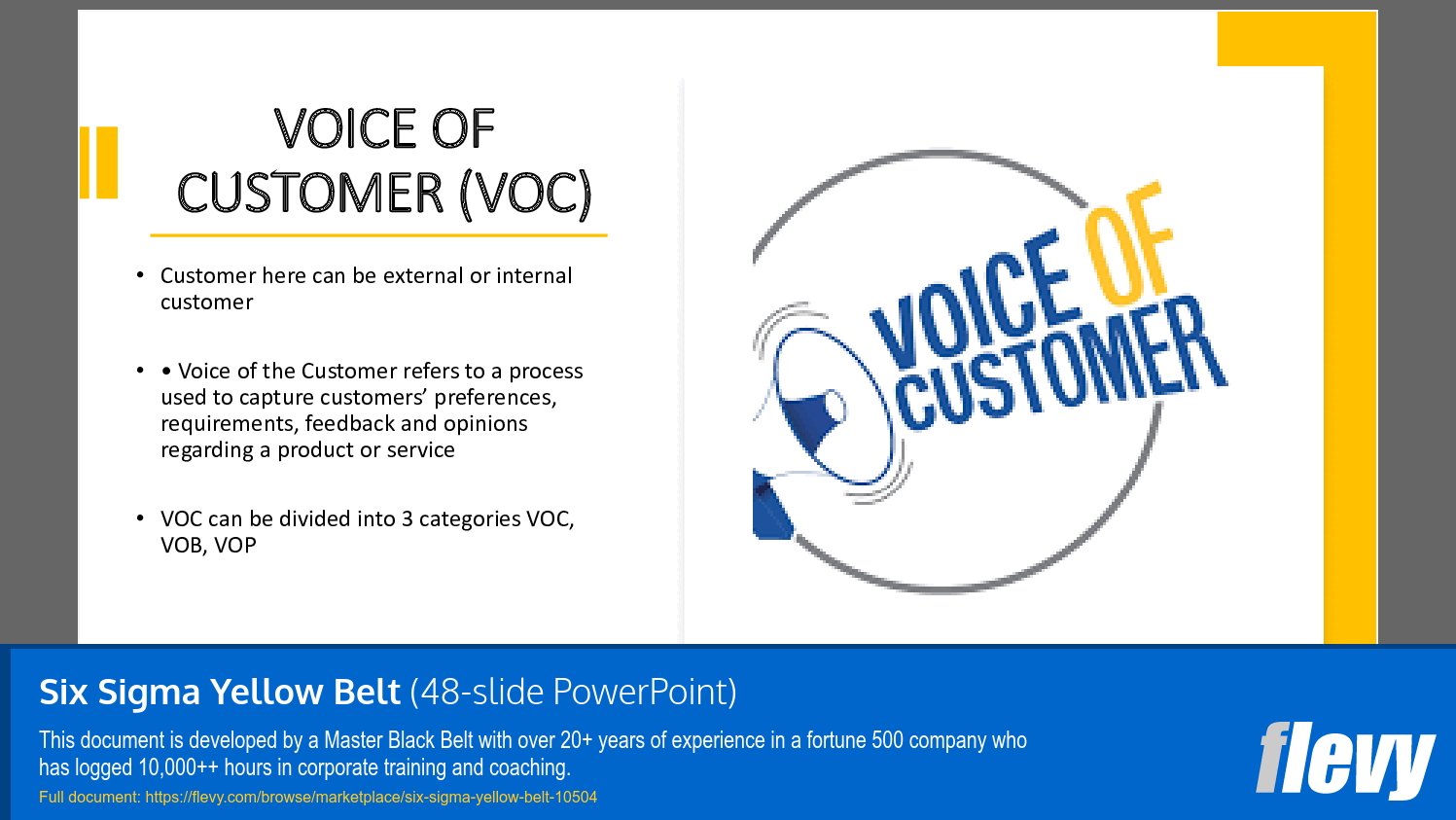
Understanding your customer (VOC) and CTQ (Critical to Quality) requirements.
How to read and contribute to a Project Charter.
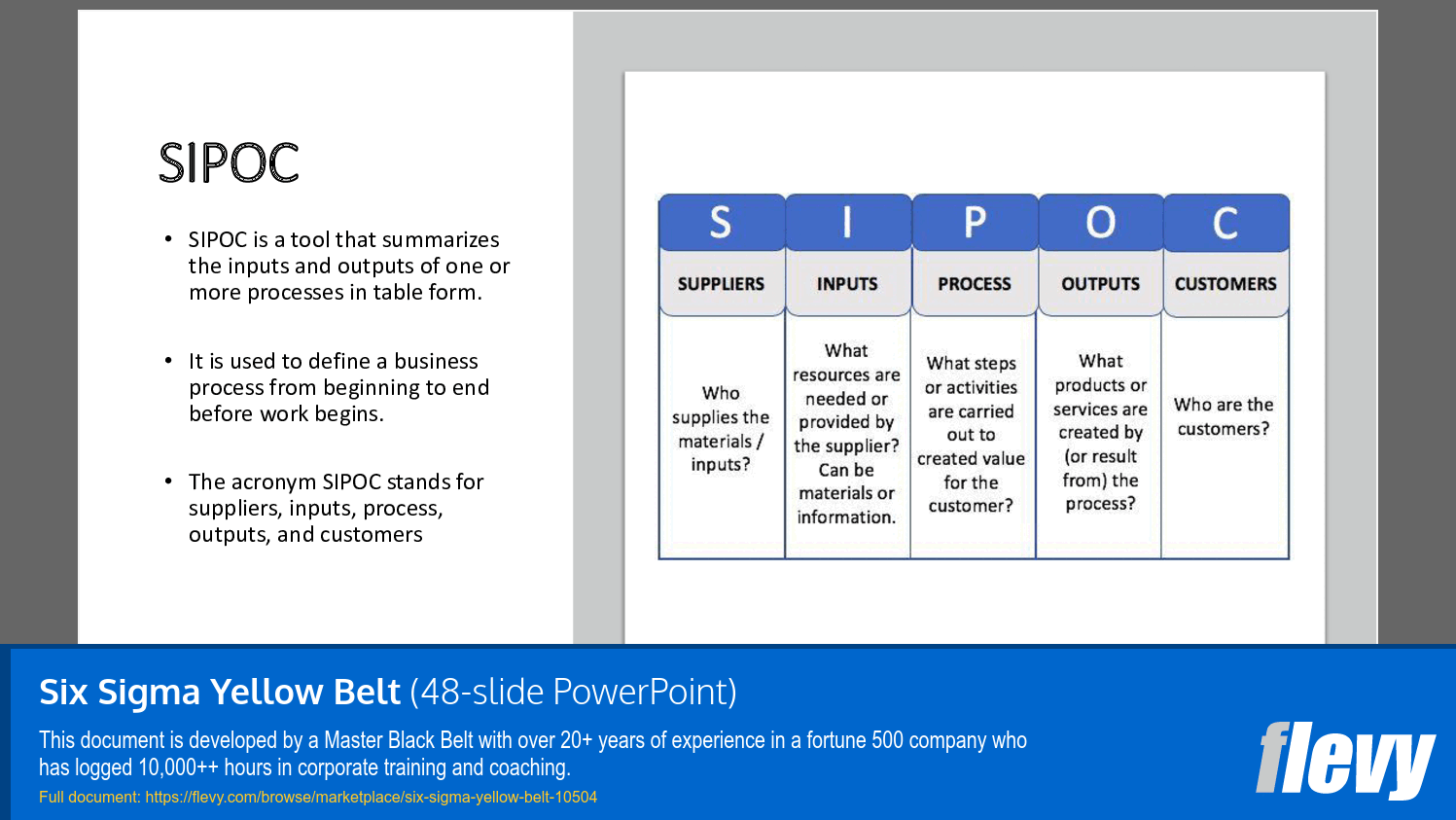
Process Mapping: SIPOC and Flowcharting.
Day 2: Supporting the DMAIC Journey
Measure: Basic data collection techniques and understanding variation.
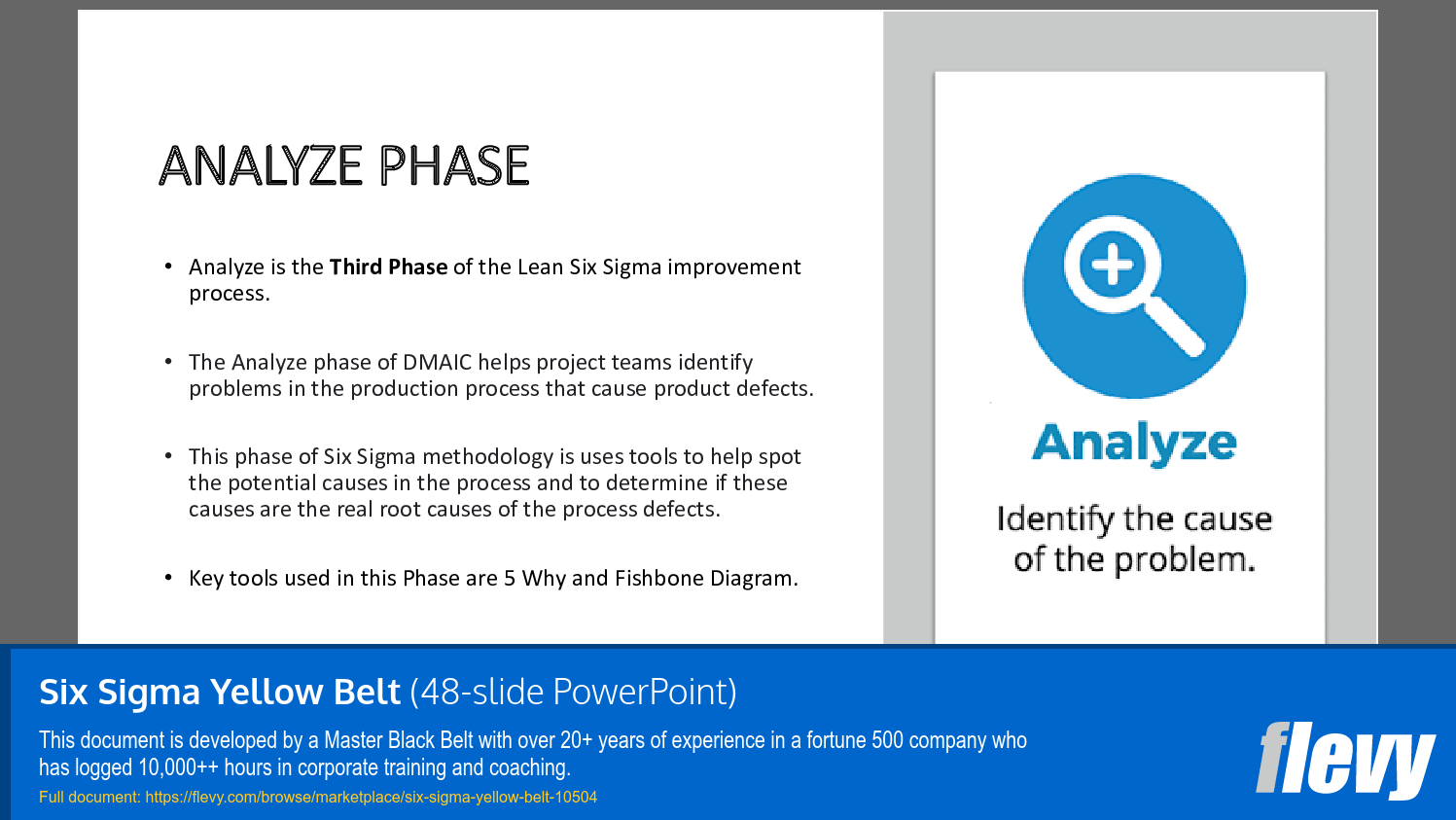
Analyze: Introduction to Root Cause Analysis (Fishbone & 5 Whys).
Improve & Control: Brainstorming solutions and sustaining gains through 5S and standardized work.
🛡️ Why This Training Suite?
Certification-Ready: High-quality content that meets global standards for Yellow Belt training.
Plug-and-Play: 2 days of structured PowerPoint slides ready for immediate delivery.
MBB Authority: Infused with real-world insights from nearly three decades of global deployments.
Fully Editable: Add your corporate branding and specific process examples with ease.
💰 The Investment:
At $99.00, this is the most cost-effective way to build a culture of continuous improvement across your entire organization.
Turn your team into problem-solvers. Download the 2-Day Yellow Belt Excellence Suite today.
Got a question about the product? Email us at support@flevy.com or ask the author directly by using the "Ask the Author a Question" form. If you cannot view the preview above this document description, go here to view the large preview instead.
Source: Best Practices in Lean Management, Six Sigma Project, Lean Six Sigma Yellow Belt PowerPoint Slides: Six Sigma Yellow Belt PowerPoint (PPTX) Presentation Slide Deck, Prema Narayanan
ABOUT THE AUTHOR

Author Profile: Prema Narayanan | Master Black Belt |
Strategic Deployment Architect | 27 Years of Global Operations Excellence Experience
Bridging the gap between theoretical Lean and high-performance reality requires more than templates it requires a proven blueprint. With nearly three decades of experience leading Enterprise-wide Transformations, this storefront provides the
... [read more]
Ask the Author a Question
You must be logged in to contact the author.