
 Click main image to view in full screen. Unlock all 15 preview images:
Basic Lean Six Sigma Statistics and Foundation – PowerPoint PPTX Template
PowerPoint (PPTX) 67 Slides


BENEFITS OF THIS DOWNLOADABLE POWERPOINT DOCUMENT
- Builds a strong statistical foundation that enables Lean Six Sigma practitioners to make confident, data-driven decisions instead of relying on assumptions.
- Clearly explains data types, variation, distributions, and quality metrics so teams can select the correct analytical tools and avoid common statistical errors.
- Connects basic statistics and Sigma metrics directly to the DMAIC methodology, enabling measurable, defensible, and sustainable process improvement results.
LEAN MANAGEMENT PPT TEMPLATE DESCRIPTION
Lean Six Sigma Foundation: Basic Statistics and Quality Metrics
This presentation provides a comprehensive and practical foundation in basic statistics and quality metrics for Lean Six Sigma practitioners. It is designed to help professionals move from intuition-based decision making to fact-based, data-driven improvement by clearly explaining how data, variation, and statistical thinking underpin process excellence.
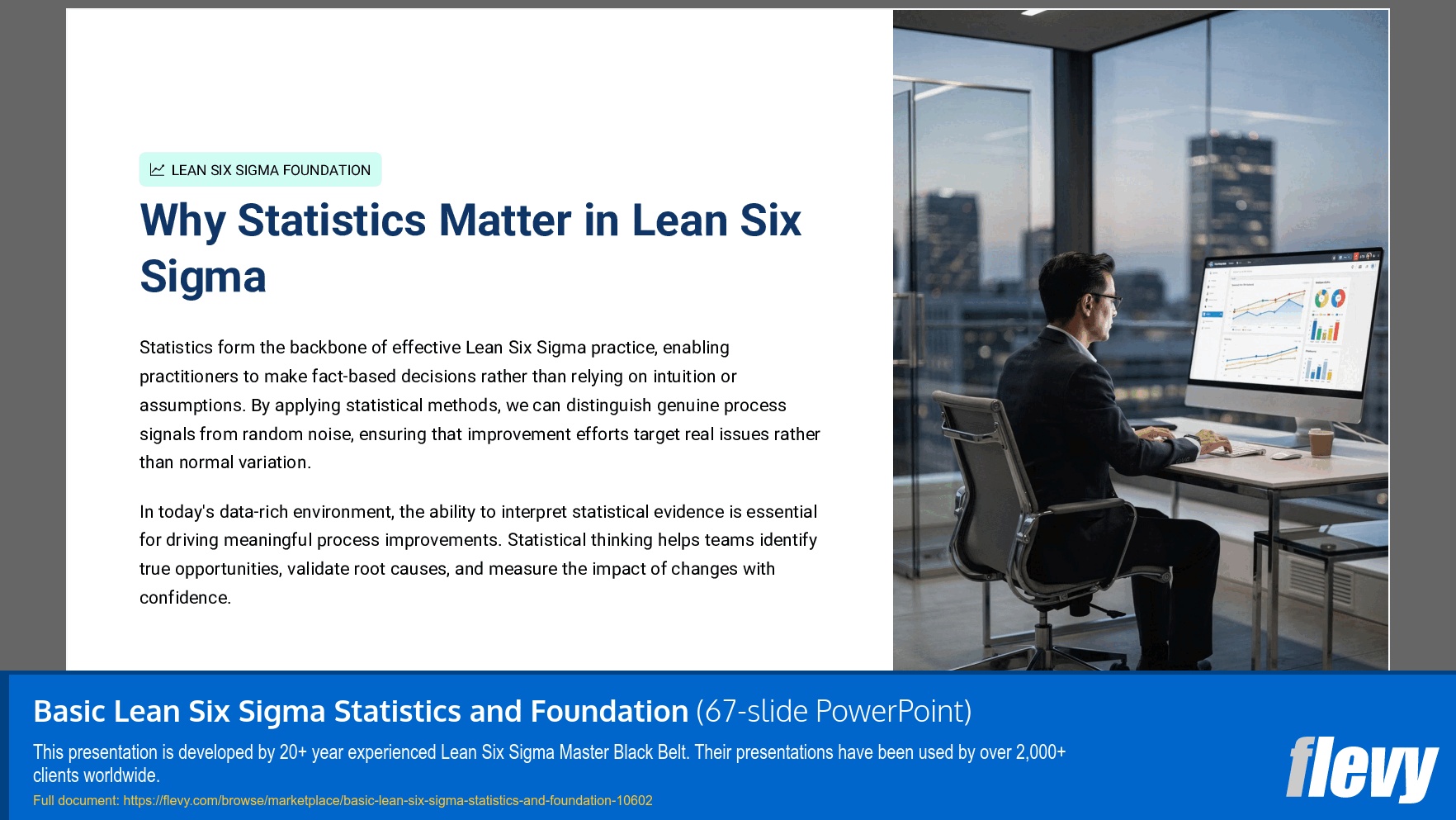
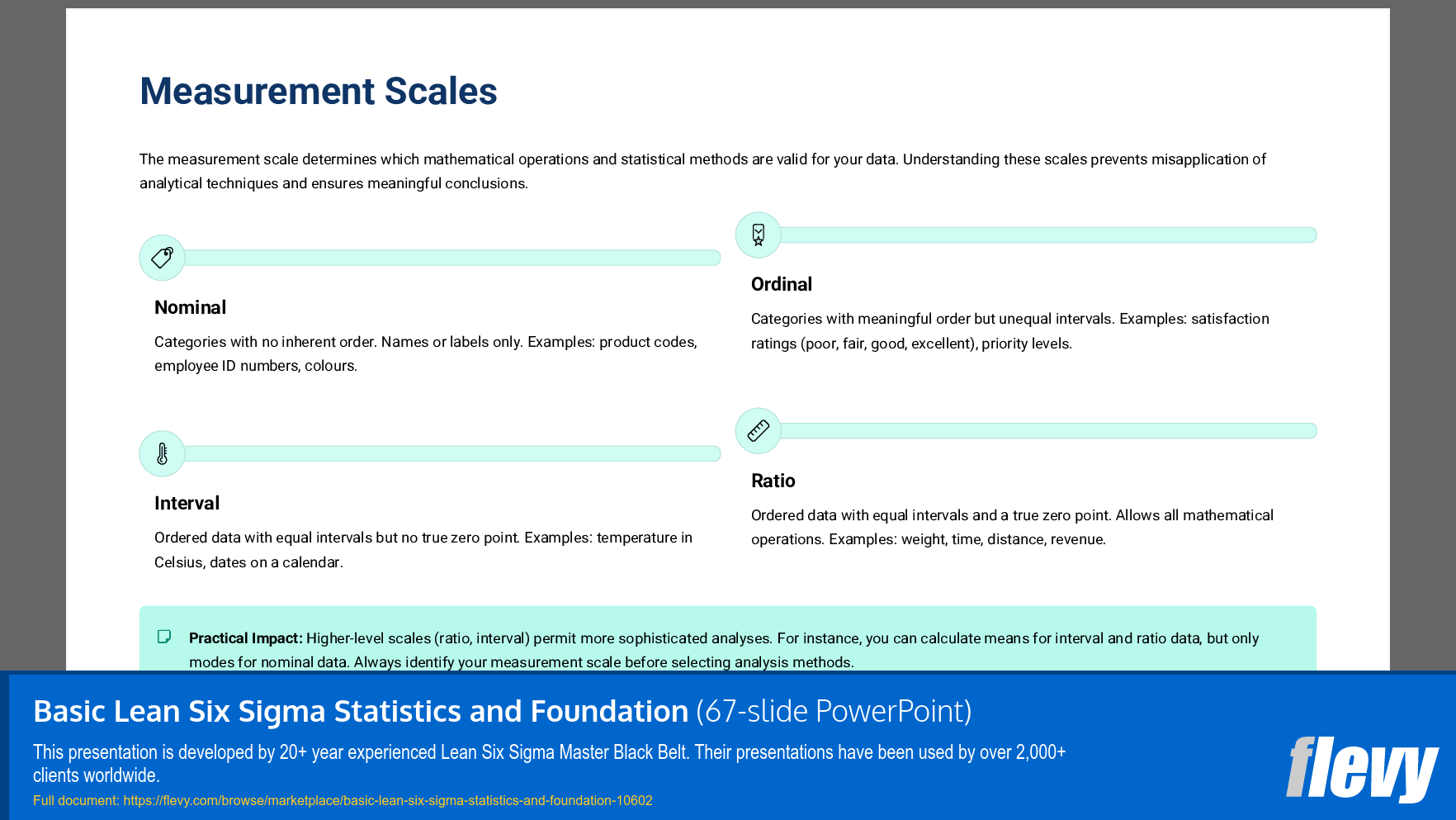
The deck begins by establishing why statistics matter in Lean Six Sigma, distinguishing data from information, and explaining how raw observations are transformed into actionable insight. It systematically covers data types and classifications, including qualitative vs quantitative data, discrete vs continuous data, and the four measurement scales. These concepts are critical for selecting the correct analytical methods and avoiding common statistical misuse.
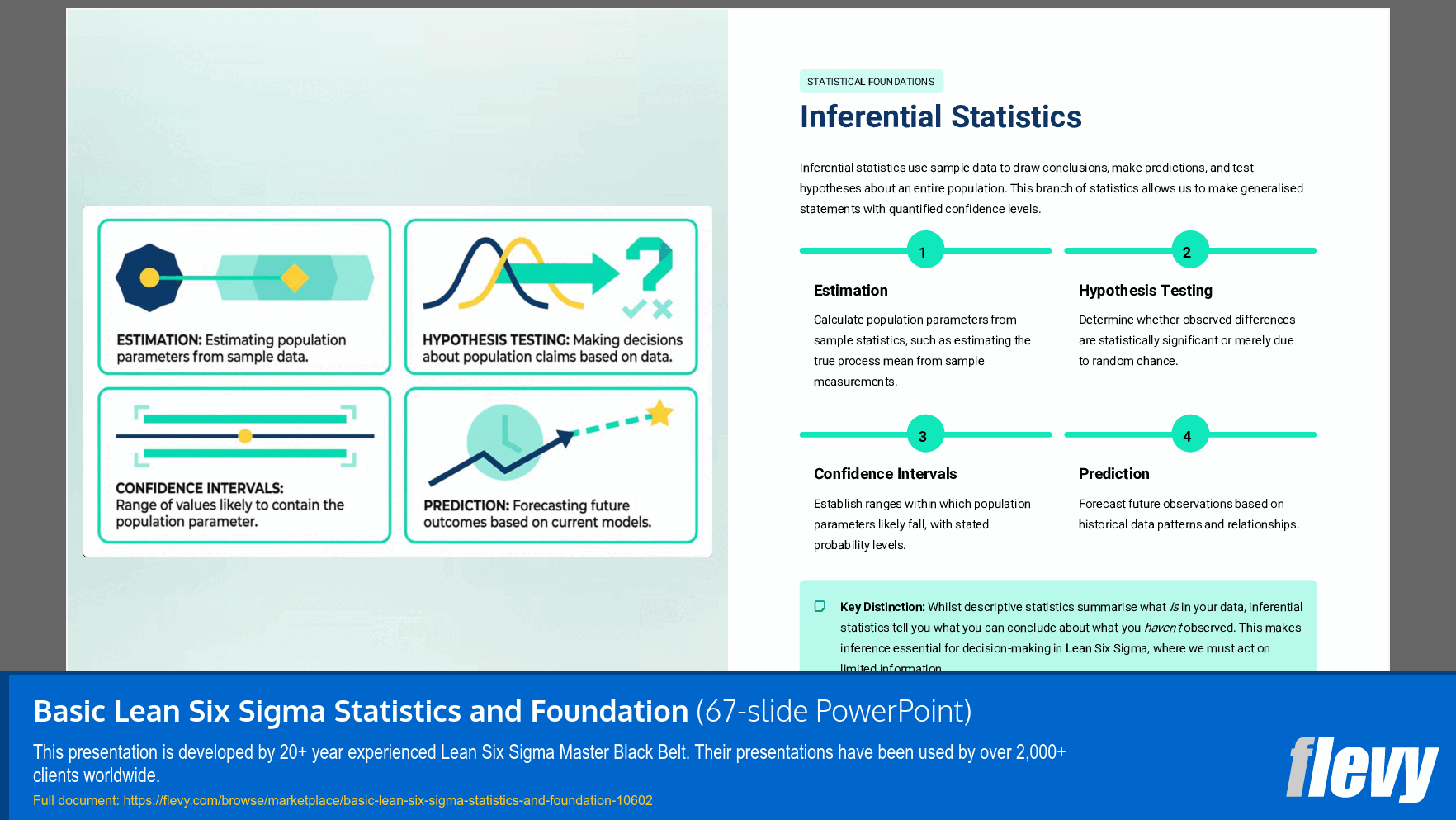
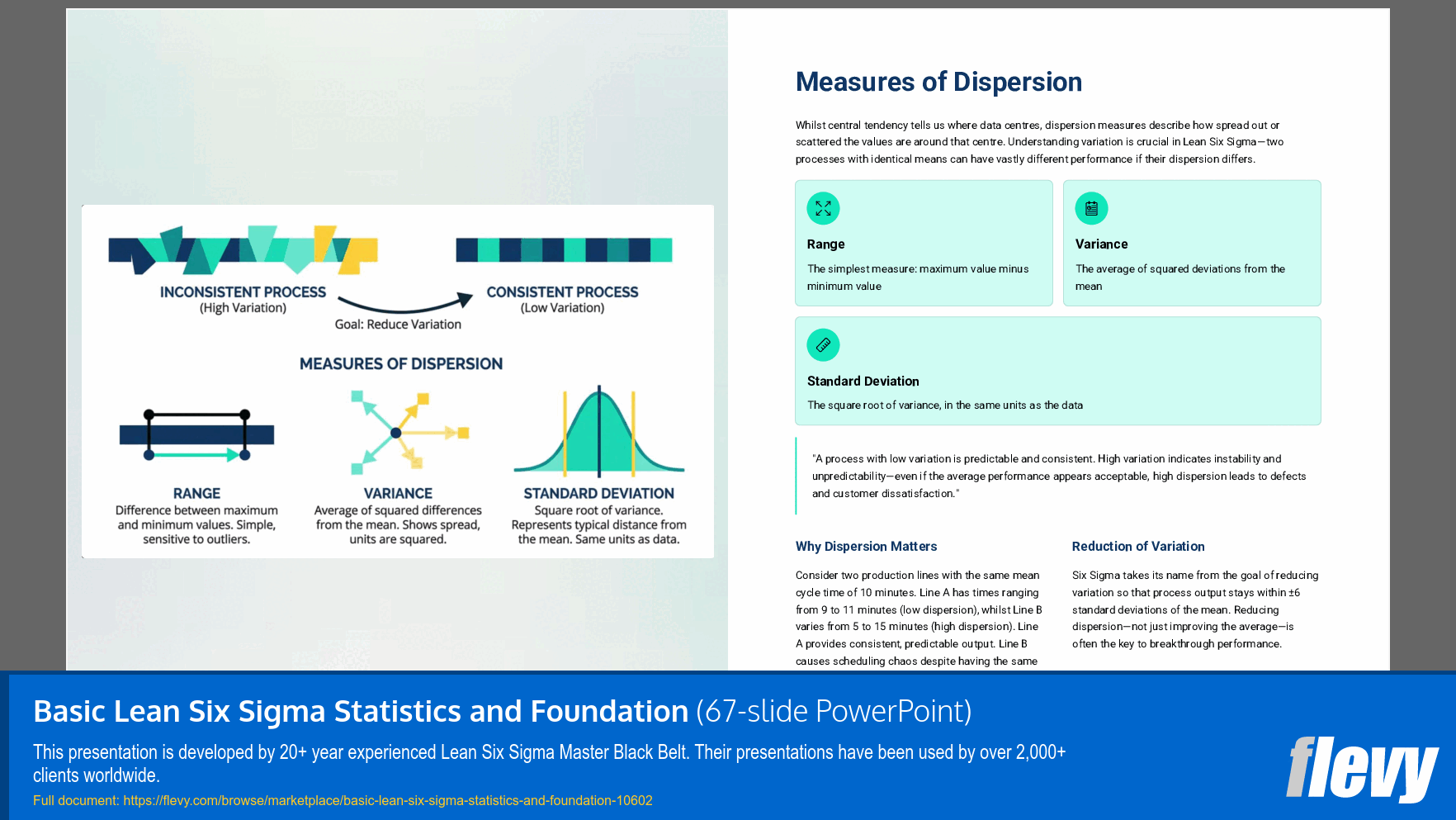
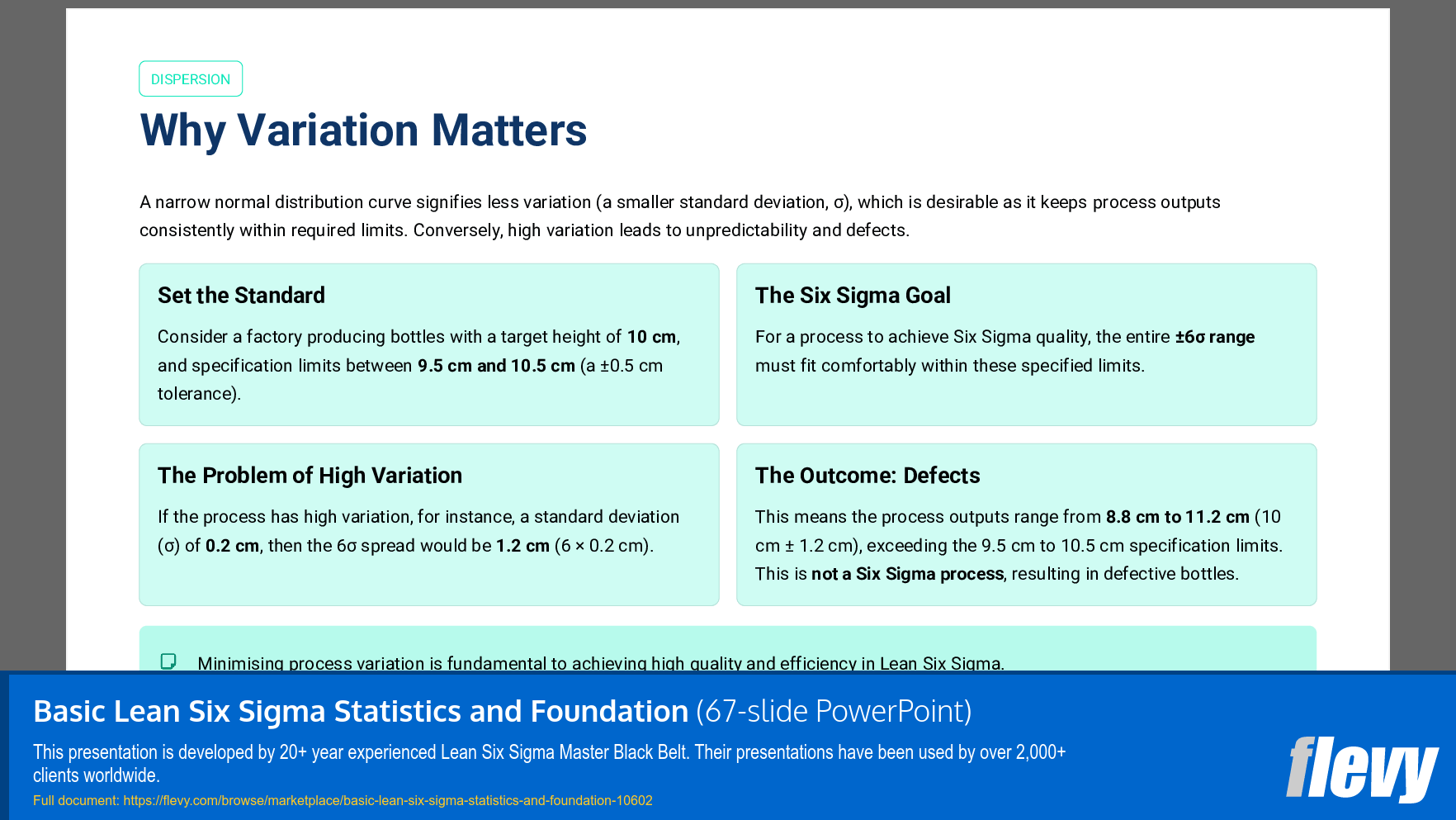
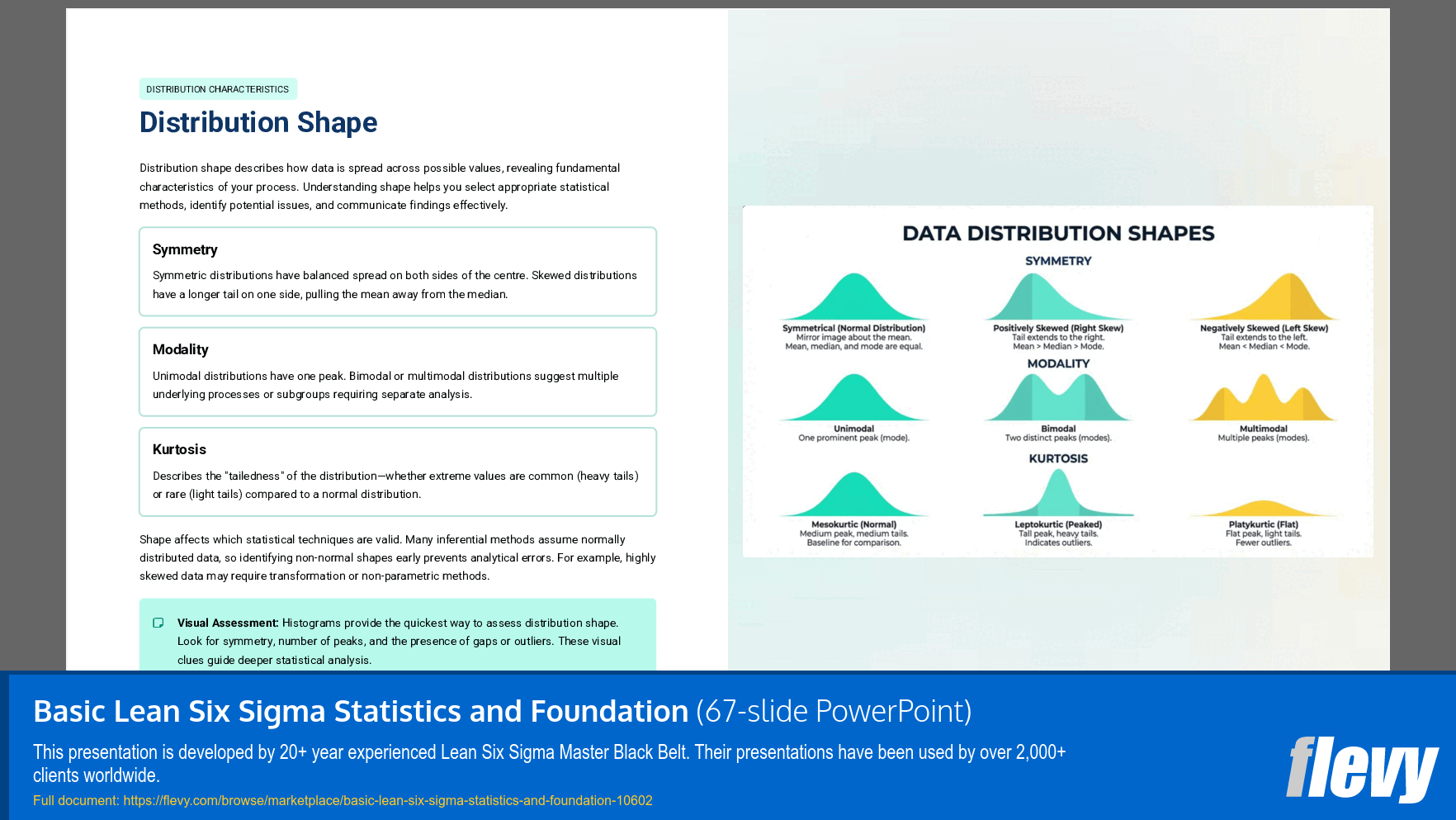
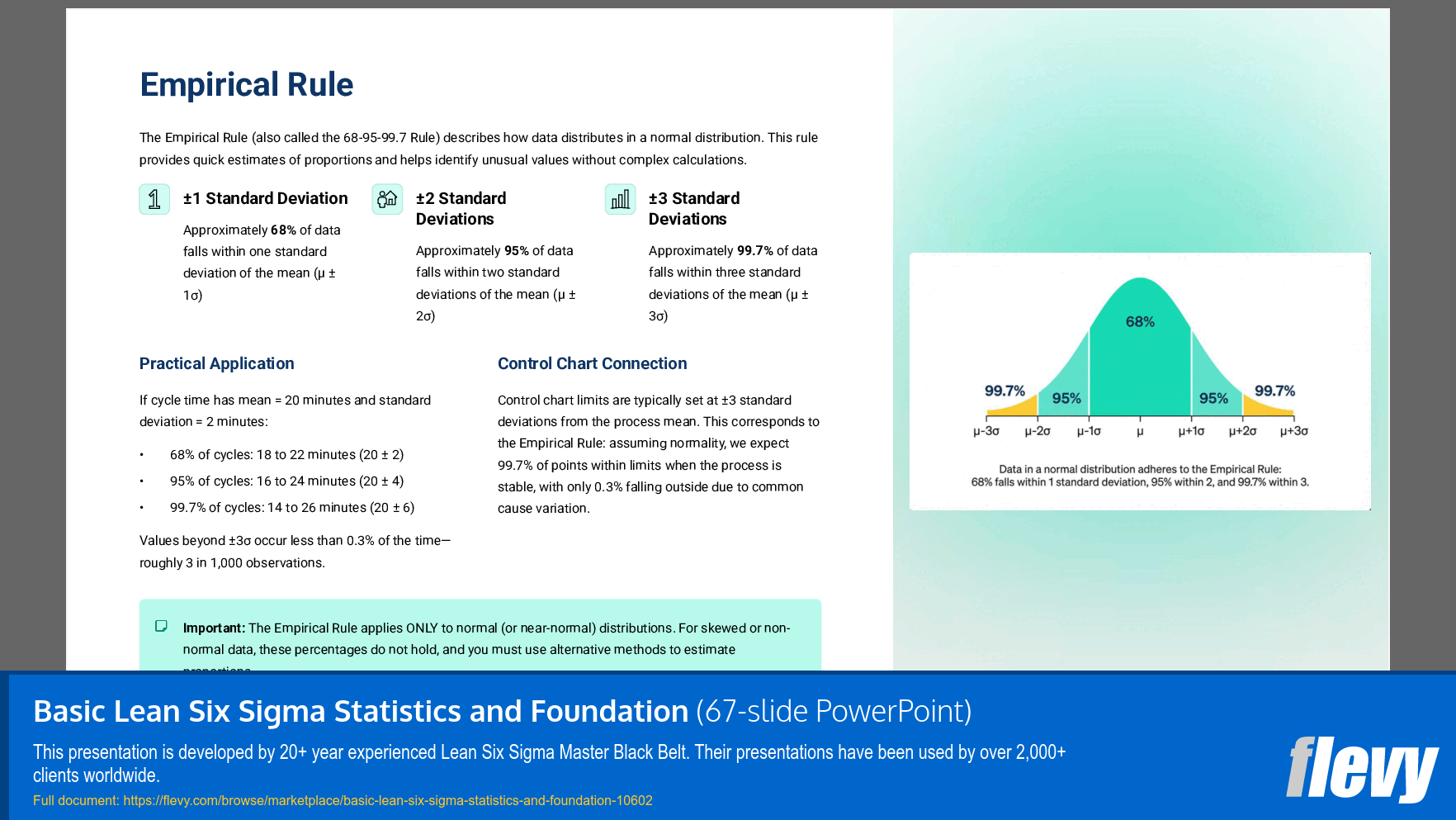
The presentation then builds strong statistical fundamentals through descriptive and inferential statistics, measures of central tendency and dispersion, and interpretation of variation. Clear explanations of mean, median, mode, range, variance, and standard deviation are supported by practical business examples. Distribution concepts such as symmetry, skewness, normal distribution, and the empirical rule are explained in an intuitive and application-focused manner.
A major strength of this deck is its clear linkage between statistics and Six Sigma quality metrics. It provides step-by-step guidance on defining units, defects, and opportunities, and calculating DPU, DPO, DPMO, PPM, yield, RTY, and Sigma Level. The role of the 1.5 sigma shift is explained to ensure realistic interpretation of long-term process capability.
The presentation concludes by connecting statistical methods to each phase of the DMAIC methodology, reinforcing how statistics support problem definition, baseline measurement, root cause analysis, solution validation, and sustained control.
This deck is ideal for Yellow Belt and Green Belt or Black Belt Training , internal capability building, consulting engagements, and academic programs seeking a rigorous yet practical statistics foundation.
Got a question about the product? Email us at support@flevy.com or ask the author directly by using the "Ask the Author a Question" form. If you cannot view the preview above this document description, go here to view the large preview instead.
Source: Best Practices in Lean Management, Six Sigma Project PowerPoint Slides: Basic Lean Six Sigma Statistics and Foundation PowerPoint (PPTX) Presentation Slide Deck, Lean 6 Sigma Hub
ABOUT THE AUTHOR

At Lean 6 Sigma Hub, we are dedicated to revolutionizing the way Lean Six Sigma is taught and applied. With over 20 years of industry experience, our mission is to empower professionals and organizations to achieve excellence through continuous improvement and operational efficiency.
Lean 6 Sigma Hub is officially accredited by the Council for Six Sigma Certification (CSSC), USA. Our
... [read more]
Ask the Author a Question
You must be logged in to contact the author.




























