
 Click main image to view in full screen. Unlock all 10 preview images:
Resource-to-Industry Capture Architecture – PDF
PDF document 26 Pages


BENEFITS OF THIS DOWNLOADABLE PDF DOCUMENT
- Provides a structured framework for evaluating how resource investment can translate into durable domestic industrial capability.
- Identifies major value-leakage points across procurement, skills, supply chains, infrastructure, technology, processing, and downstream participation.
- Helps executives and policymakers convert resource-project opportunities into prioritized industrial, capability-building, and value-capture decisions.
PDF DESCRIPTION
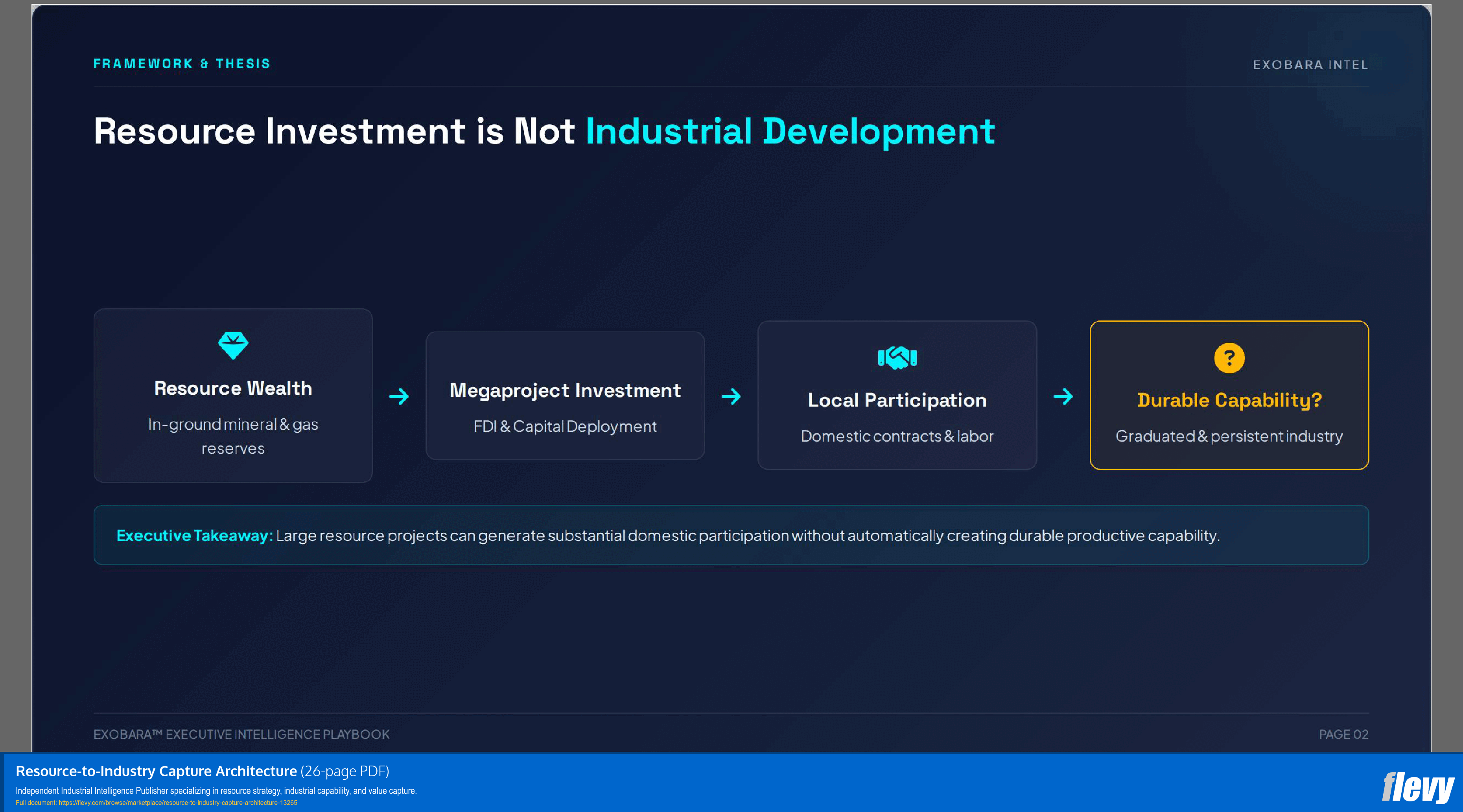
Resource-rich economies can attract billions of dollars in mining, LNG, energy, and infrastructure investment without necessarily building the domestic industrial capabilities needed to retain a meaningful share of the resulting economic value.
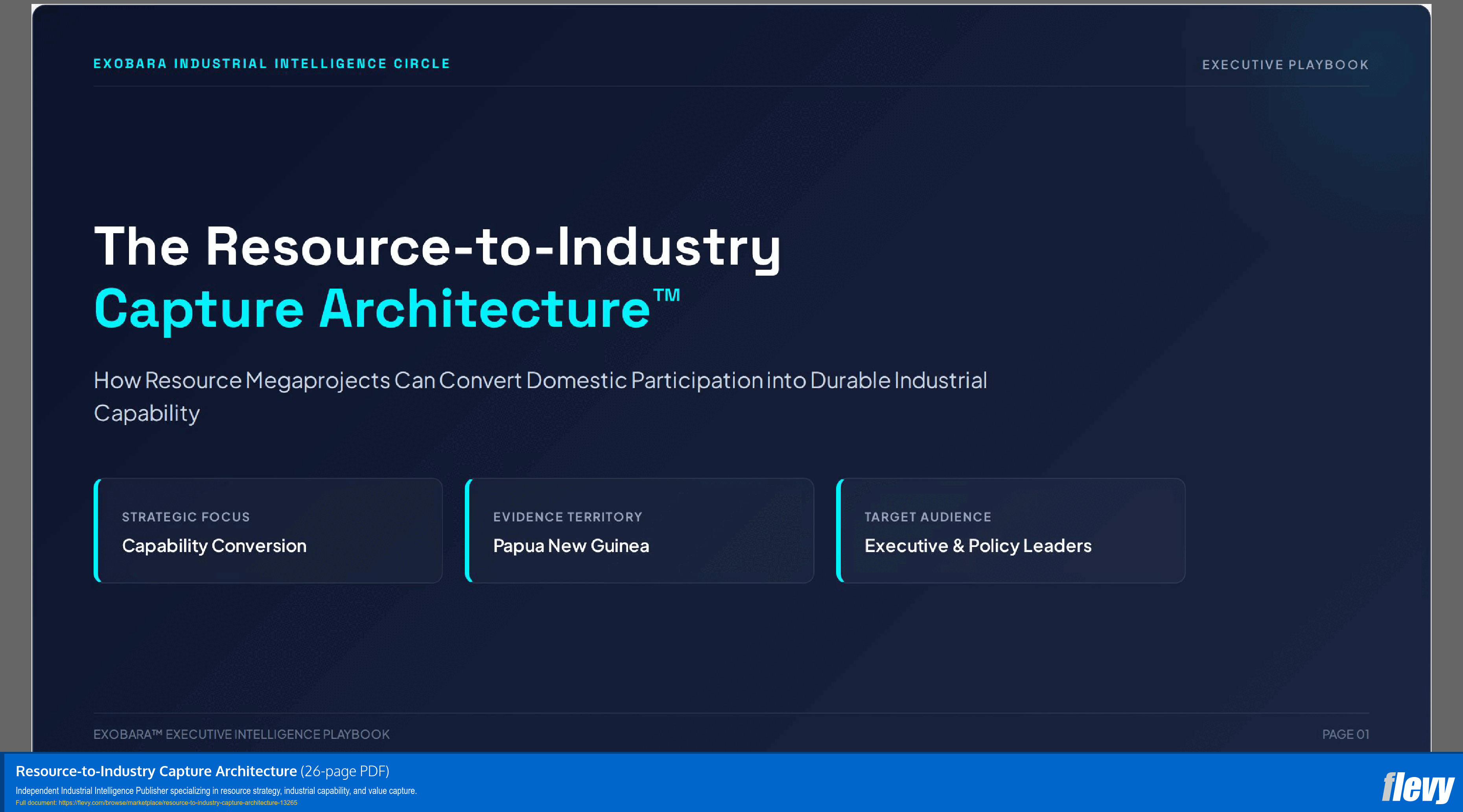
The Resource-to-Industry Capture Architecture examines this structural problem through an industrial value-capture lens. Instead of treating resource development, local content, downstreaming, employment, supplier development, and industrialization as separate policy topics, this Executive Intelligence Playbook connects them into one decision architecture.
The central question is straightforward: how can resource investment become a platform for durable domestic industrial capability rather than remain an import-intensive extraction enclave?
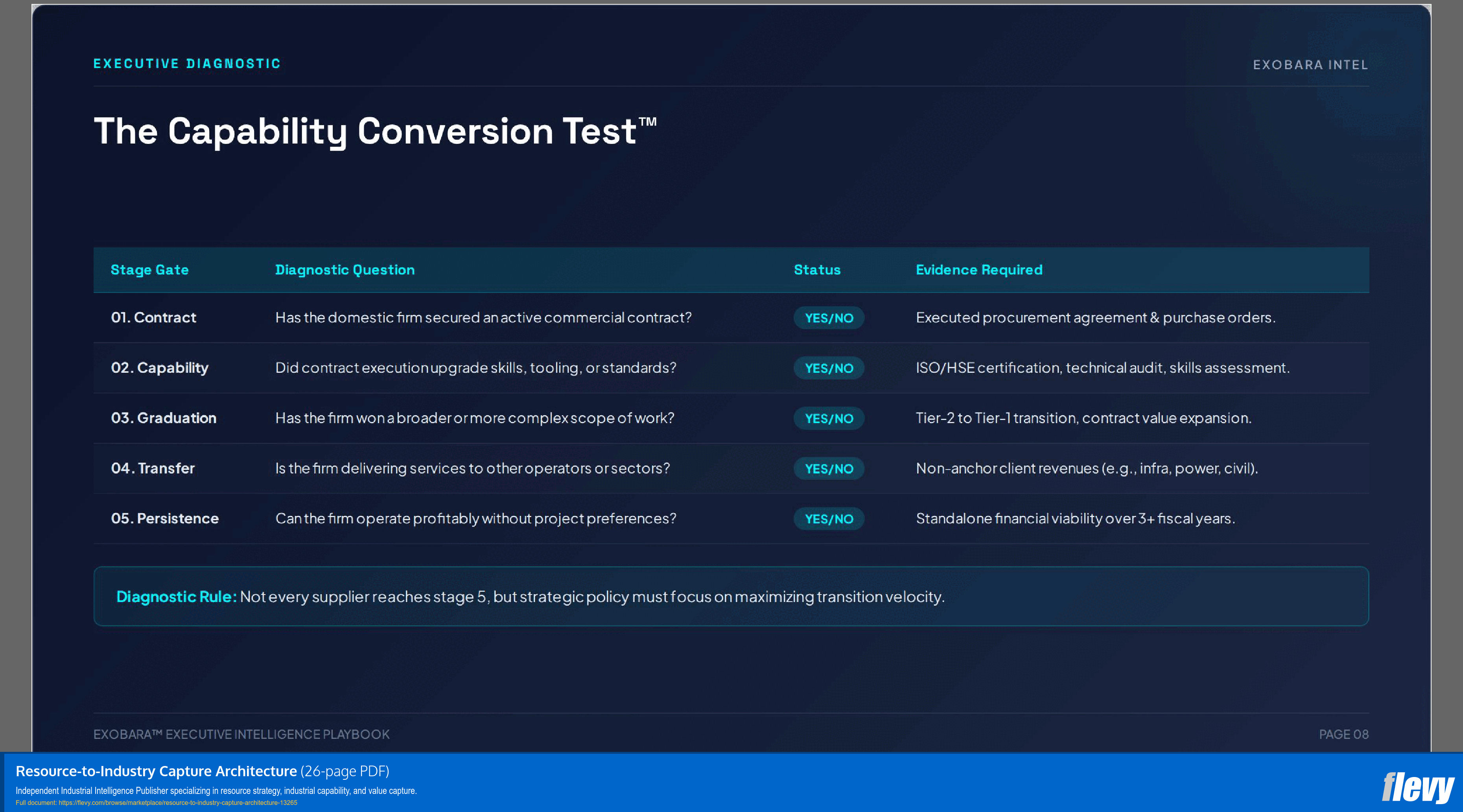
The playbook introduces a structured way to examine the conversion pathway from resource investment to domestic productive capability. It evaluates where value enters a resource economy, where economic leakage occurs, which capabilities can realistically be localized, and which interventions can convert project spending into longer-term industrial participation.
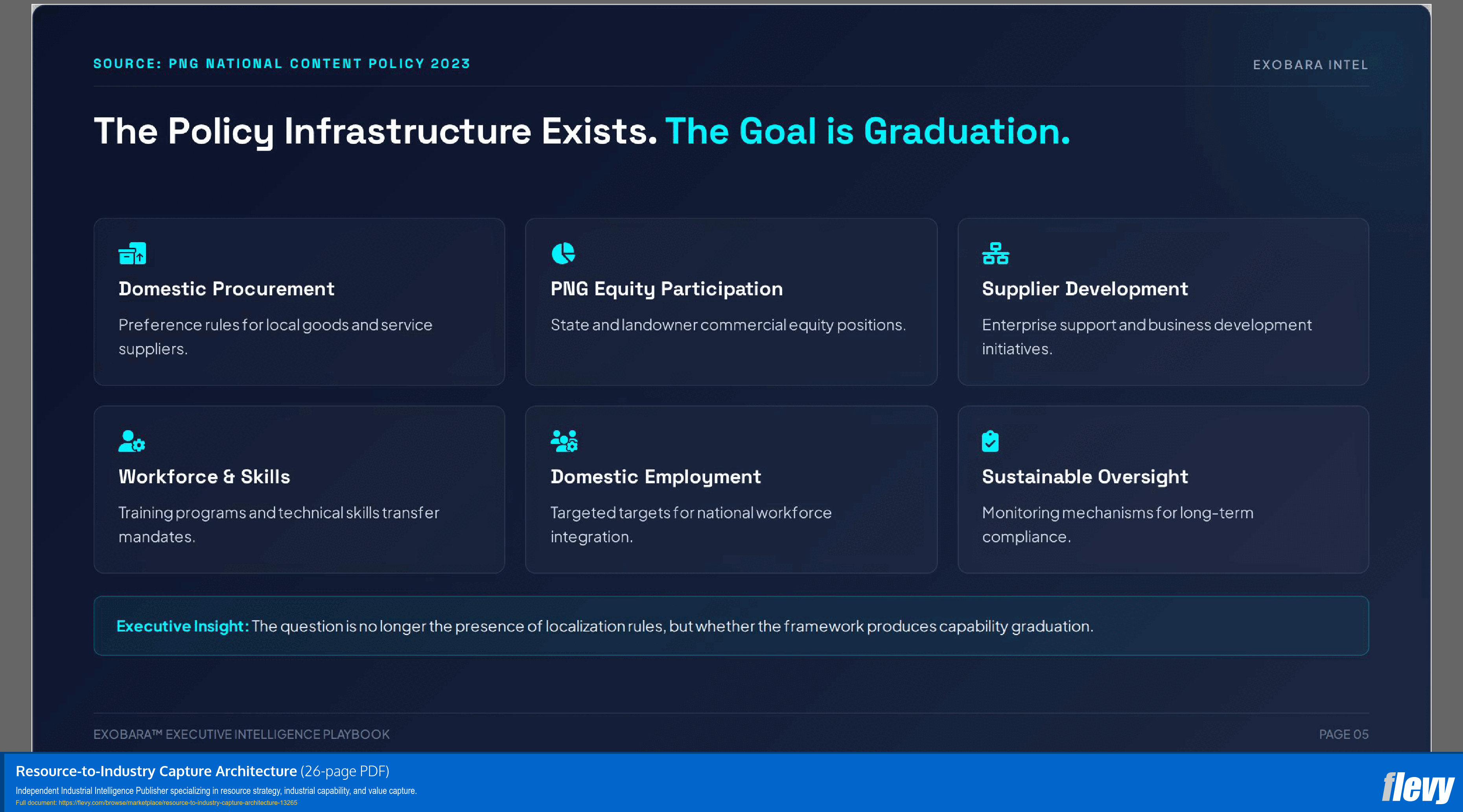
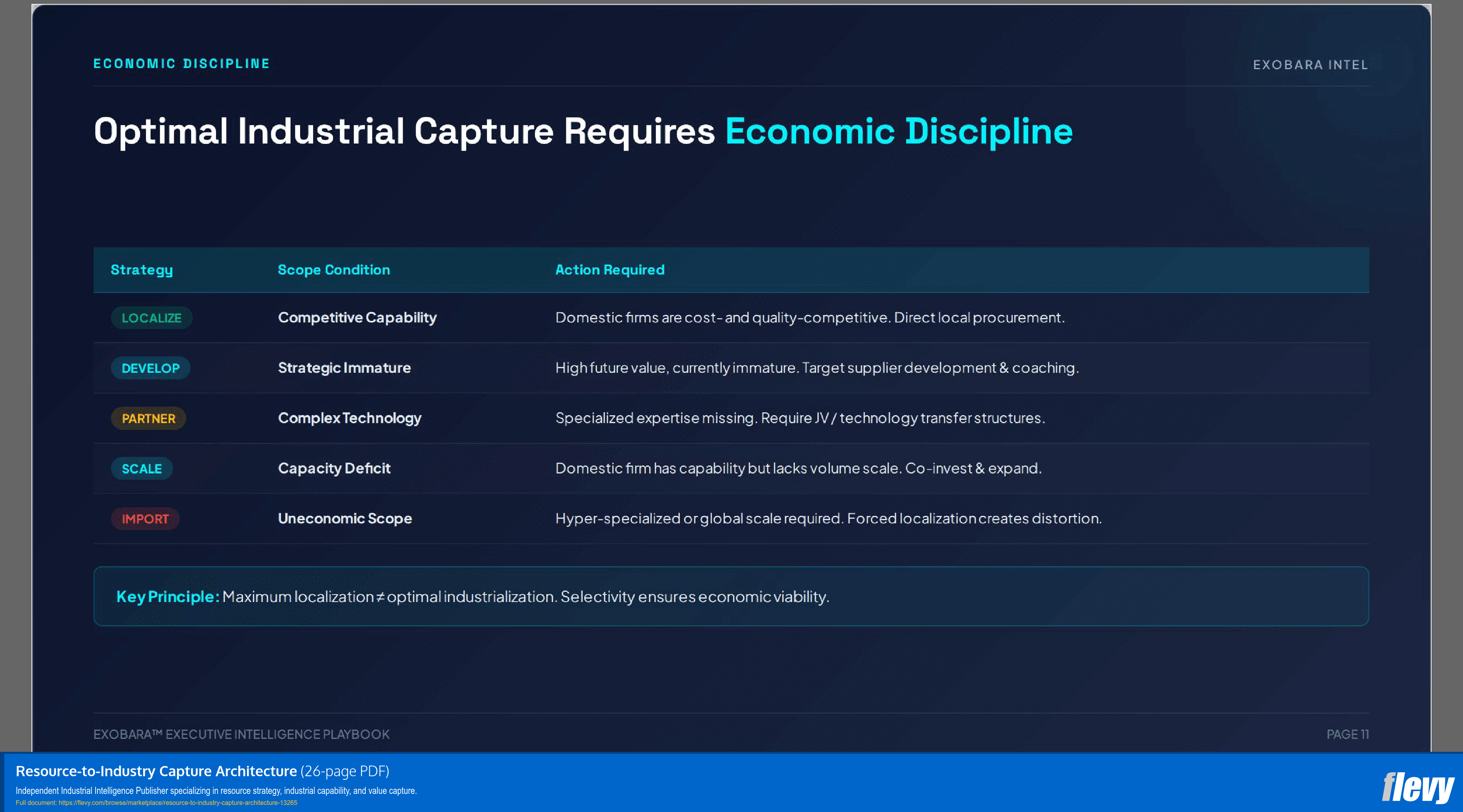
The framework considers multiple layers of value capture, including project procurement, local supplier participation, workforce capability, engineering and technical services, infrastructure utilization, processing opportunities, downstream activity, technology transfer, and ecosystem development. It distinguishes between activities that can be localized immediately, activities requiring capability development, and activities that may remain internationally sourced because of scale, technology, financing, or competitiveness constraints.
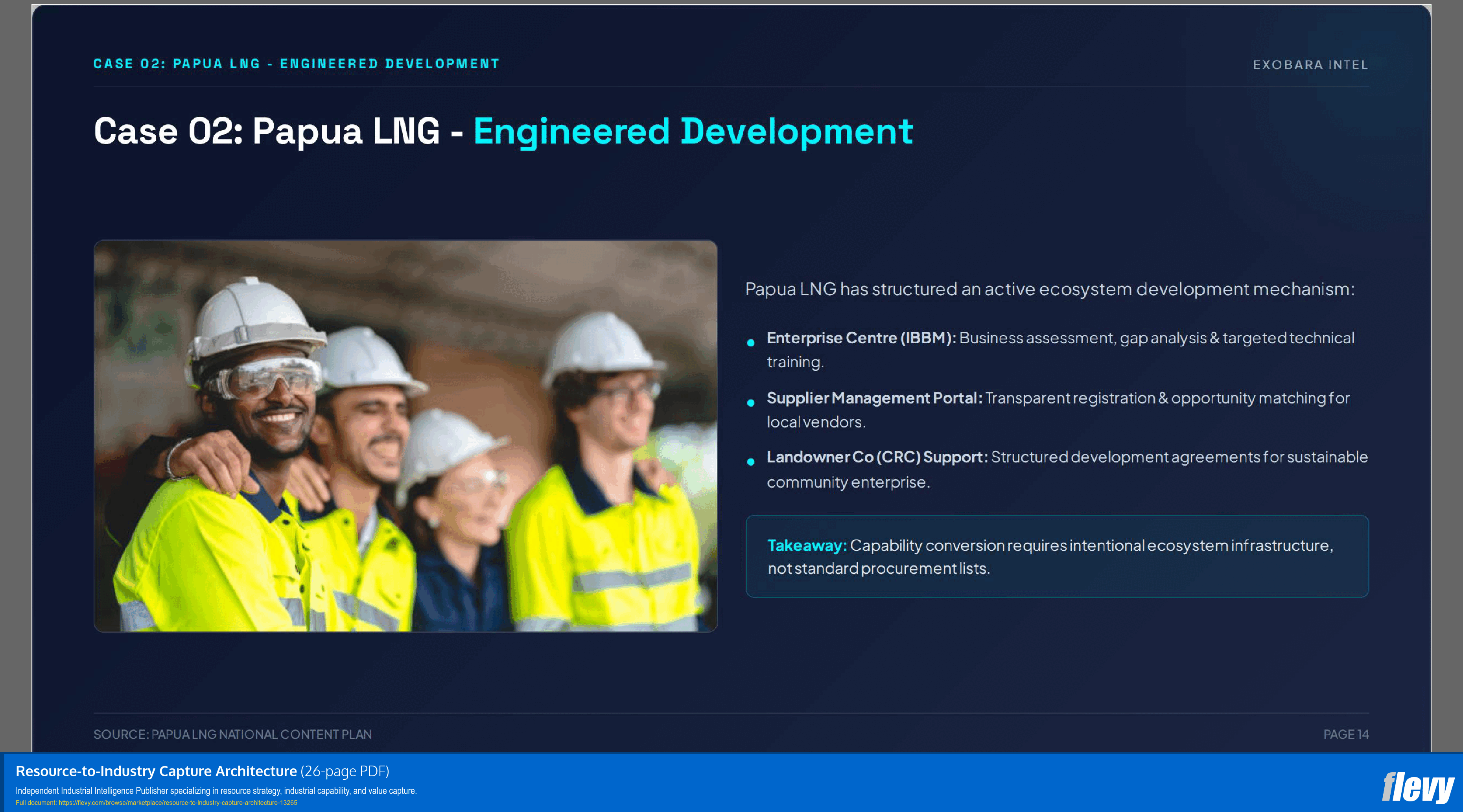
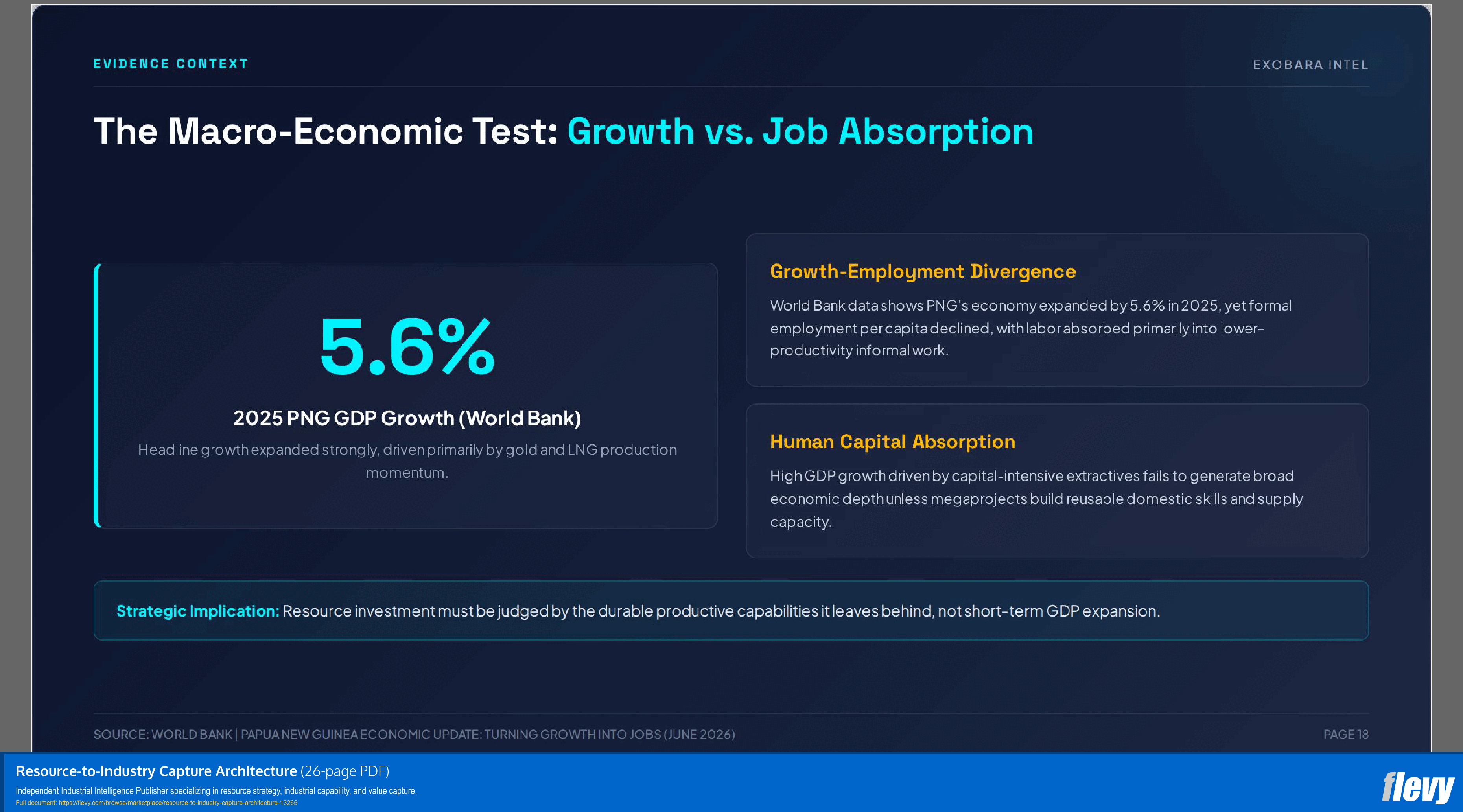
Papua New Guinea is used as the primary evidence territory because its emerging resource investment cycle provides a particularly relevant environment for examining the challenge. Major resource developments create significant opportunities for national participation, while geographic constraints, limited domestic industrial depth, infrastructure gaps, financing limitations, and dependence on imported capabilities create equally important capture constraints.
Rather than providing a conventional country report, this document is designed as a reusable executive decision framework. Its purpose is to help executives, investors, policymakers, development institutions, and industrial strategists identify where resource-led investment can generate stronger domestic capability and where value is likely to leak from the national economic system.
The result is a practical architecture for moving the discussion beyond extraction volume toward capability formation, industrial participation, and durable value capture.
This intelligence asset is designed for strategic screening, investment discussions, industrial-policy analysis, supplier-development programs, resource-project strategy, and executive decision-making.
Got a question about the product? Email us at support@flevy.com or ask the author directly by using the "Ask the Author a Question" form. If you cannot view the preview above this document description, go here to view the large preview instead.
Source: Resource-to-Industry Capture Architecture PDF (PDF) Document, Wisnu Pandega Wardana
ABOUT THE AUTHOR

I am an independent Industrial Intelligence and Strategic Innovation Publisher focused on developing structured business intelligence, innovation frameworks, and opportunity-oriented research for decision-makers.
My work focuses on translating emerging technologies, industrial transformation, sustainability, resource efficiency, and market shifts into structured intelligence assets that
... [read more]
Ask the Author a Question
You must be logged in to contact the author.




























