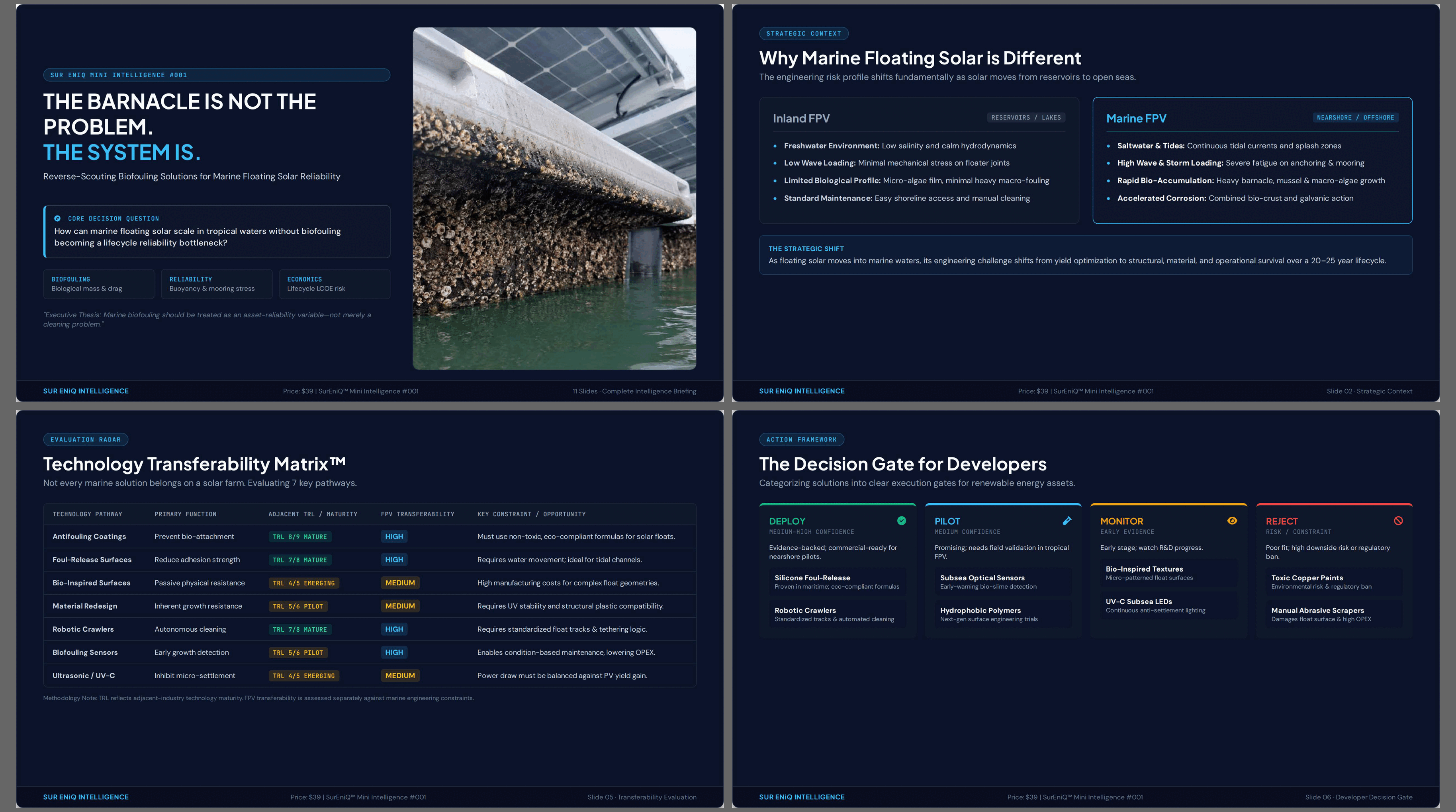
 Click main image to view in full screen.
Beyond the Barnacle: Marine Floating Solar Reliability – PDF
PDF document 13 Pages


BENEFITS OF THIS DOWNLOADABLE PDF DOCUMENT
- Provides a structured framework for evaluating biofouling as a marine floating solar reliability and lifecycle risk.
- Maps transferable technologies from adjacent marine industries through a practical technology maturity and FPV transferability assessment.
- Helps decision-makers prioritize technologies for deployment, piloting, monitoring, or rejection based on evidence, compatibility, and strategic relevance.
SOLAR ENERGY PDF DESCRIPTION
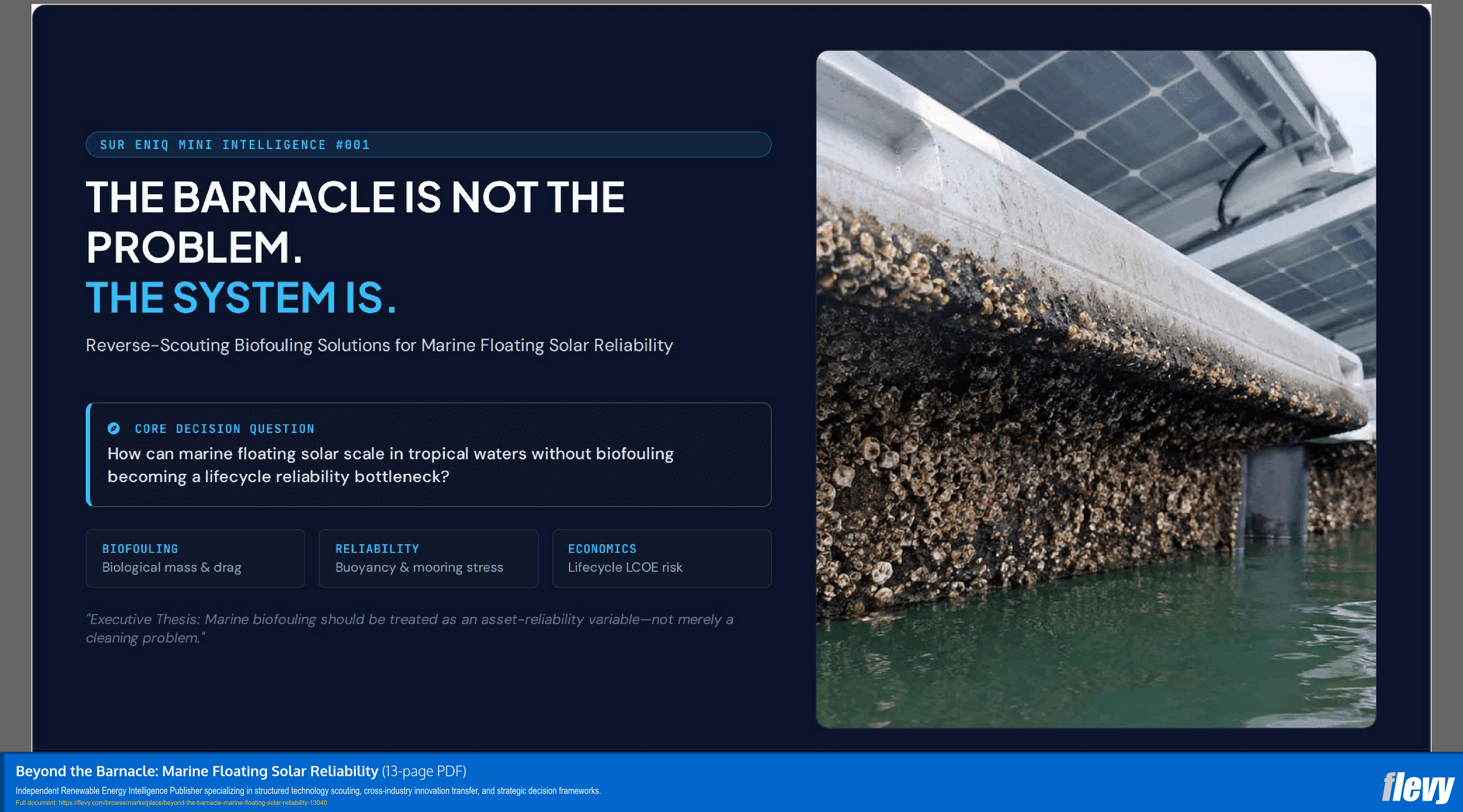
Beyond the Barnacle examines a critical reliability challenge emerging as floating solar moves from sheltered freshwater reservoirs into tropical marine environments: biofouling and its potential implications for asset reliability, maintenance, and lifecycle economics.
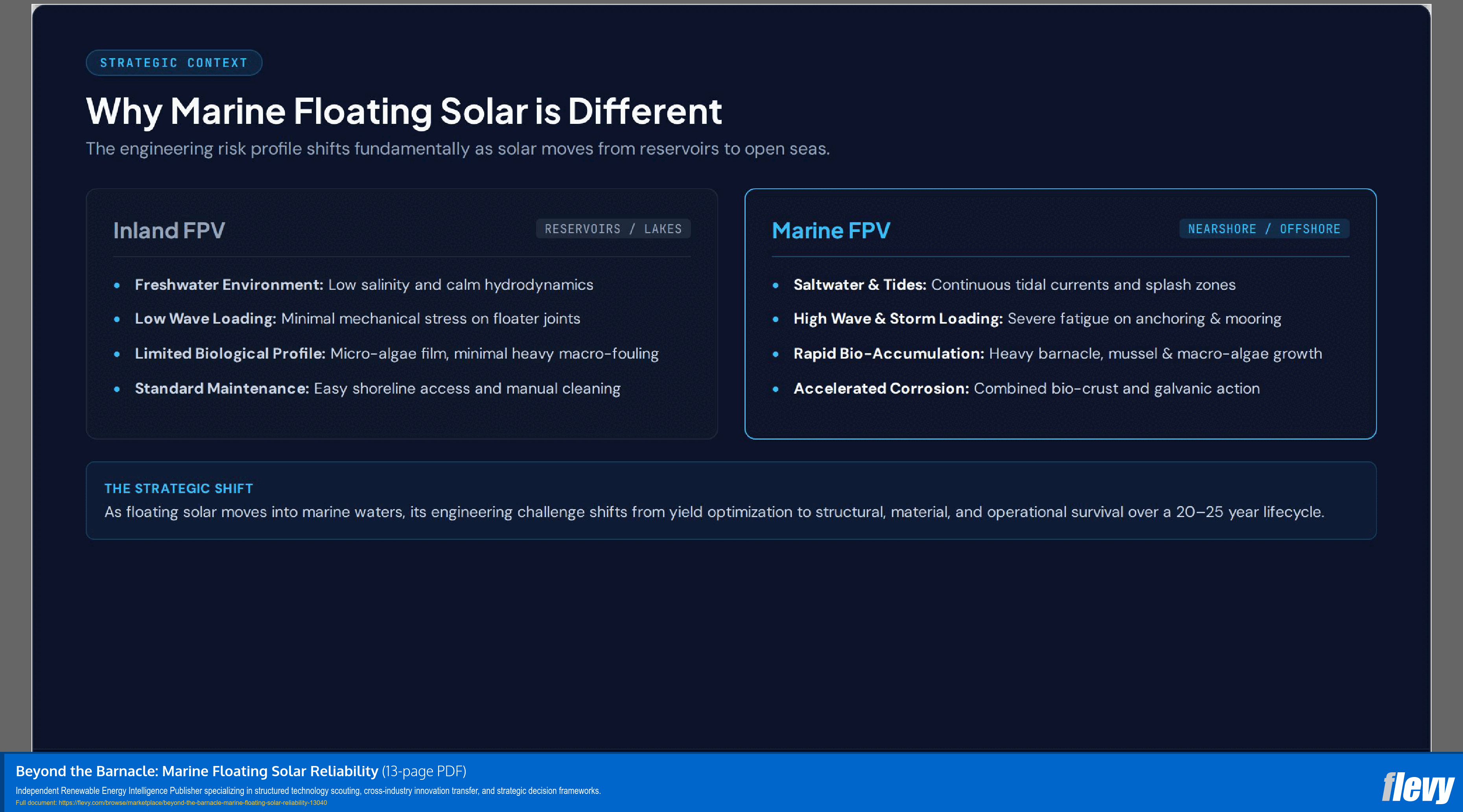
Marine floating photovoltaic (FPV) systems operate under a substantially different engineering environment from inland floating solar. Warm seawater, biological growth, corrosion, waves, currents, mooring loads, ultraviolet exposure, and constrained marine access can create interacting operational challenges over a 20–25 year asset lifecycle. Rather than treating biofouling as a standalone cleaning problem, this intelligence frames it as part of a broader marine energy asset reliability challenge.
The publication applies the SurEniQ™ Reverse Scouting approach to identify potentially transferable solutions from adjacent industries where comparable marine problems have already been addressed. The scan considers technology pathways associated with marine shipping, offshore wind, aquaculture, subsea and offshore operations, marine materials, and underwater robotics.
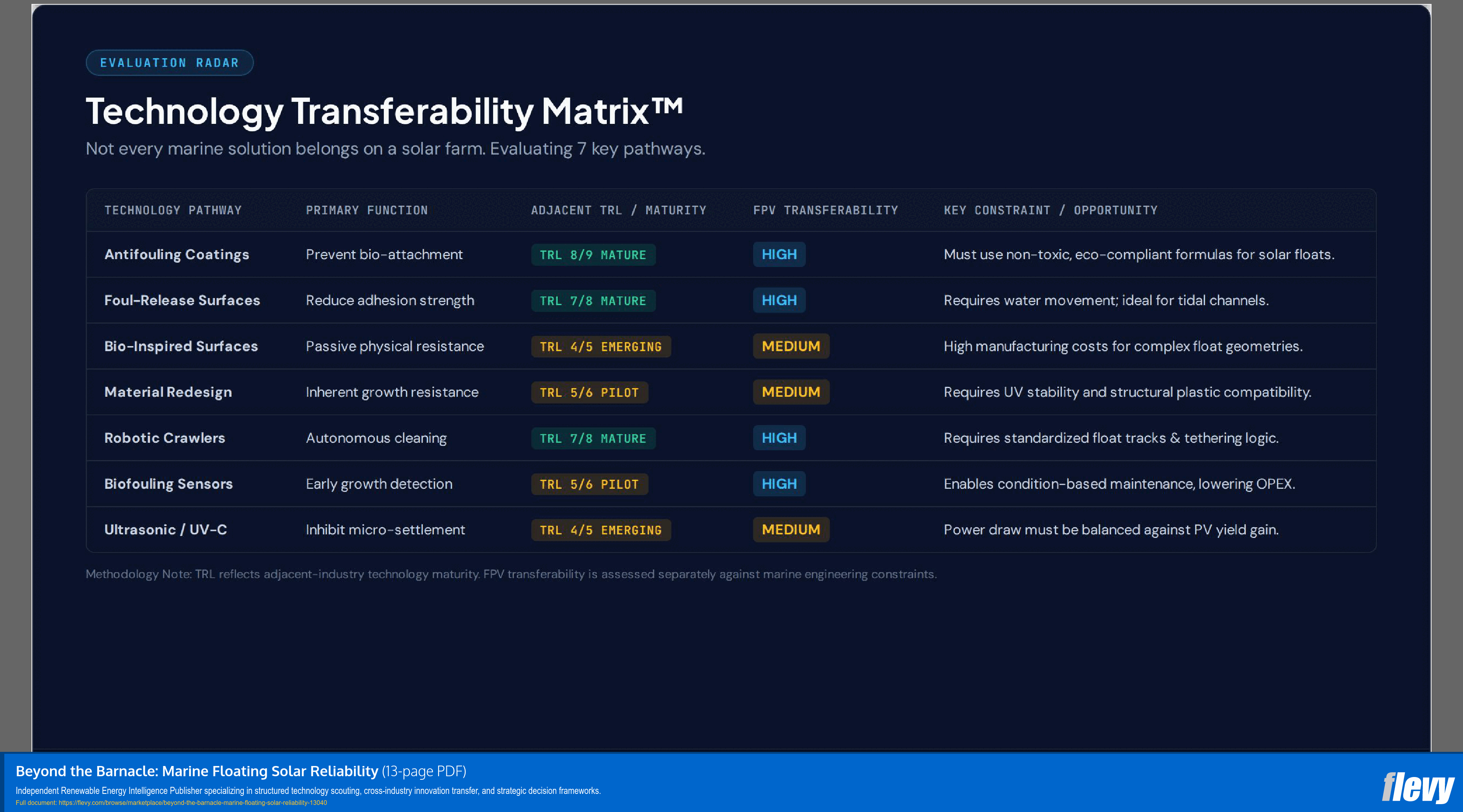
The resulting Technology Transferability Matrix™ distinguishes adjacent-industry technology maturity from suitability for marine floating solar applications. Technologies are assessed through a practical decision lens covering maturity, evidence strength, marine compatibility, environmental considerations, maintenance implications, and potential transferability to tropical FPV environments.
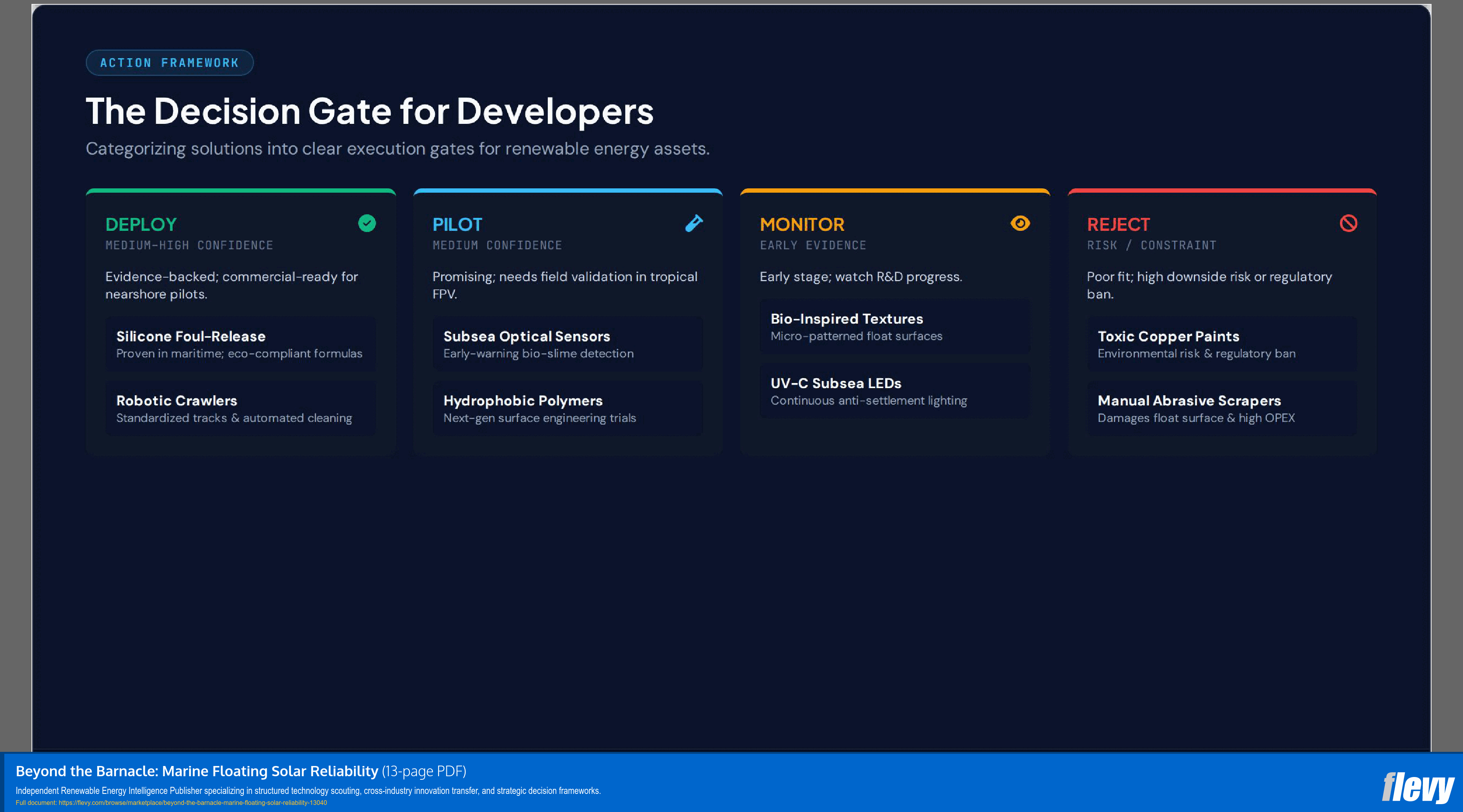
A Developer Decision Gate then organizes technology options into Deploy, Pilot, Monitor, and Reject categories, with confidence levels designed to distinguish established evidence from emerging or application-specific opportunities.
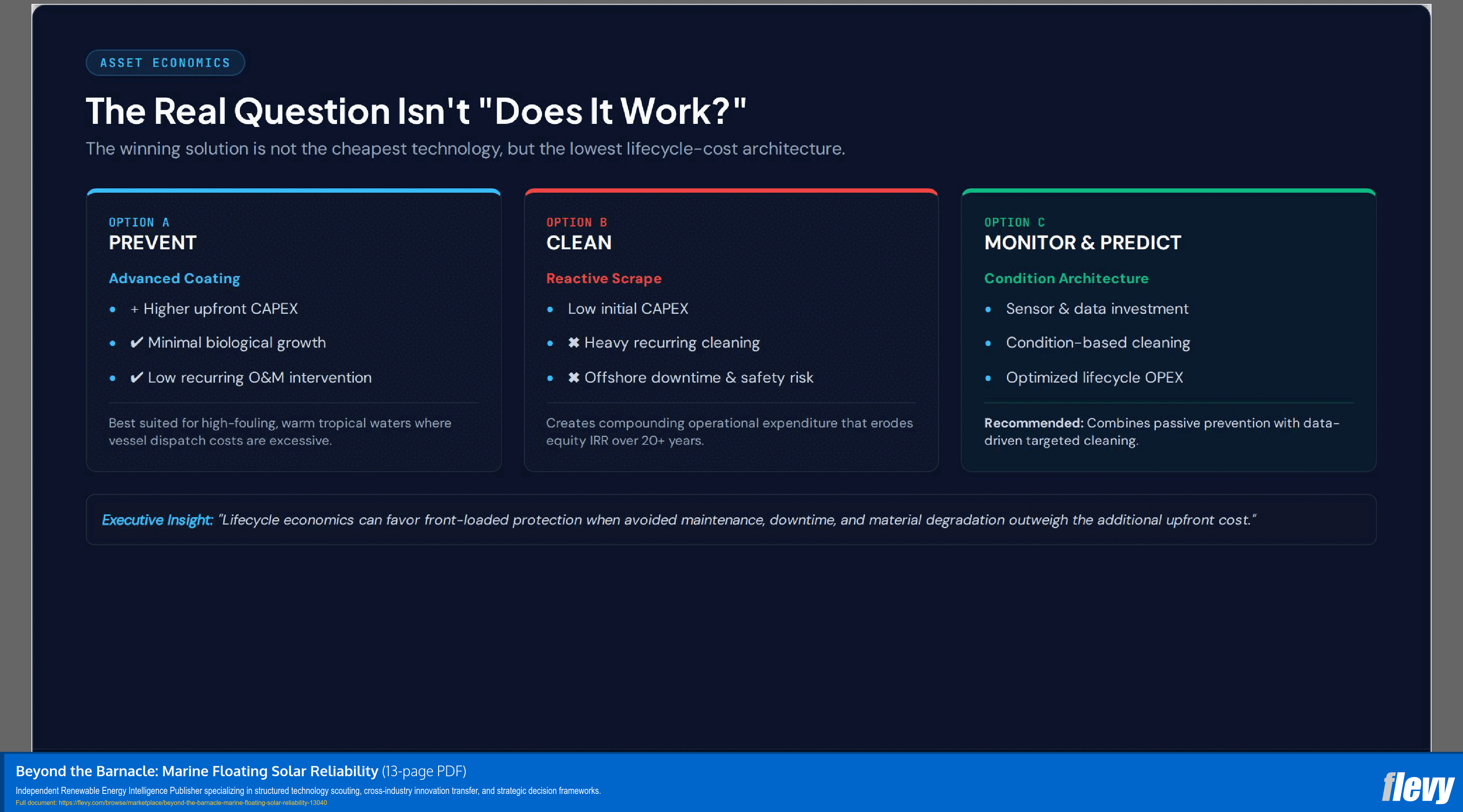
The intelligence also examines lifecycle economics, emphasizing that the lowest upfront cost is not necessarily the lowest-cost reliability strategy. Preventive surface protection, condition monitoring, predictive analytics, and targeted intervention may need to operate as an integrated reliability architecture rather than as isolated solutions.
Finally, the analysis extends beyond Singapore as a case signal. The same reliability challenge may become increasingly relevant across Southeast Asian marine environments as floating solar expands in Indonesia, Malaysia, the Philippines, Vietnam, and other tropical markets.
This publication is intended as a compact executive decision asset for renewable energy developers, infrastructure investors, asset owners, technology providers, engineering organizations, and strategic innovation teams evaluating marine floating solar opportunities and associated reliability risks.
Got a question about the product? Email us at support@flevy.com or ask the author directly by using the "Ask the Author a Question" form. If you cannot view the preview above this document description, go here to view the large preview instead.
Source: Best Practices in Solar Energy PDF: Beyond the Barnacle: Marine Floating Solar Reliability PDF (PDF) Document, Wisnu Pandega Wardana
ABOUT THE AUTHOR

I am an independent Industrial Intelligence and Strategic Innovation Publisher focused on developing structured business intelligence, innovation frameworks, and opportunity-oriented research for decision-makers.
My work focuses on translating emerging technologies, industrial transformation, sustainability, resource efficiency, and market shifts into structured intelligence assets that
... [read more]
Ask the Author a Question
You must be logged in to contact the author.




























