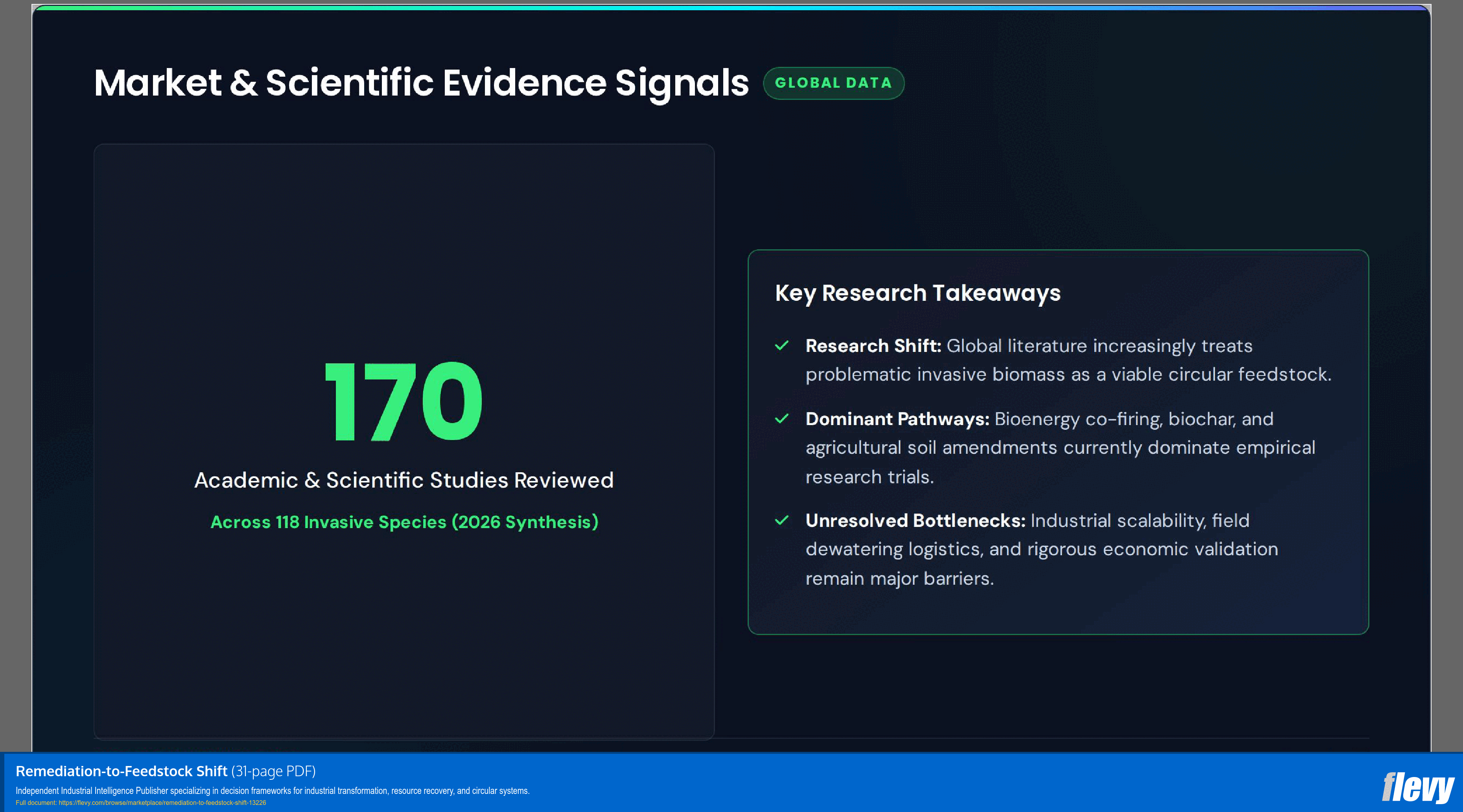

 Click main image to view in full screen. Unlock all 12 preview images:
Remediation-to-Feedstock Shift – PDF
PDF document 31 Pages


BENEFITS OF THIS DOWNLOADABLE PDF DOCUMENT
- Provides a structured six-gate framework for determining whether environmental biomass liabilities can become commercially viable industrial feedstock systems.
- Enables decision-makers to quantify remediation pressure, recoverable feedstock, logistics intensity, conversion complexity, market pull, and ecological integrity through a 100-point diagnostic model.
- Helps organizations reduce execution risk by identifying opportunities that can leverage existing industrial infrastructure, specifications, supply chains, and established markets.
CIRCULAR ECONOMY PDF DESCRIPTION
The Remediation-to-Feedstock Shift™ (R2F™) is an executive decision intelligence framework for evaluating whether environmental liabilities can be converted into viable industrial feedstock systems.
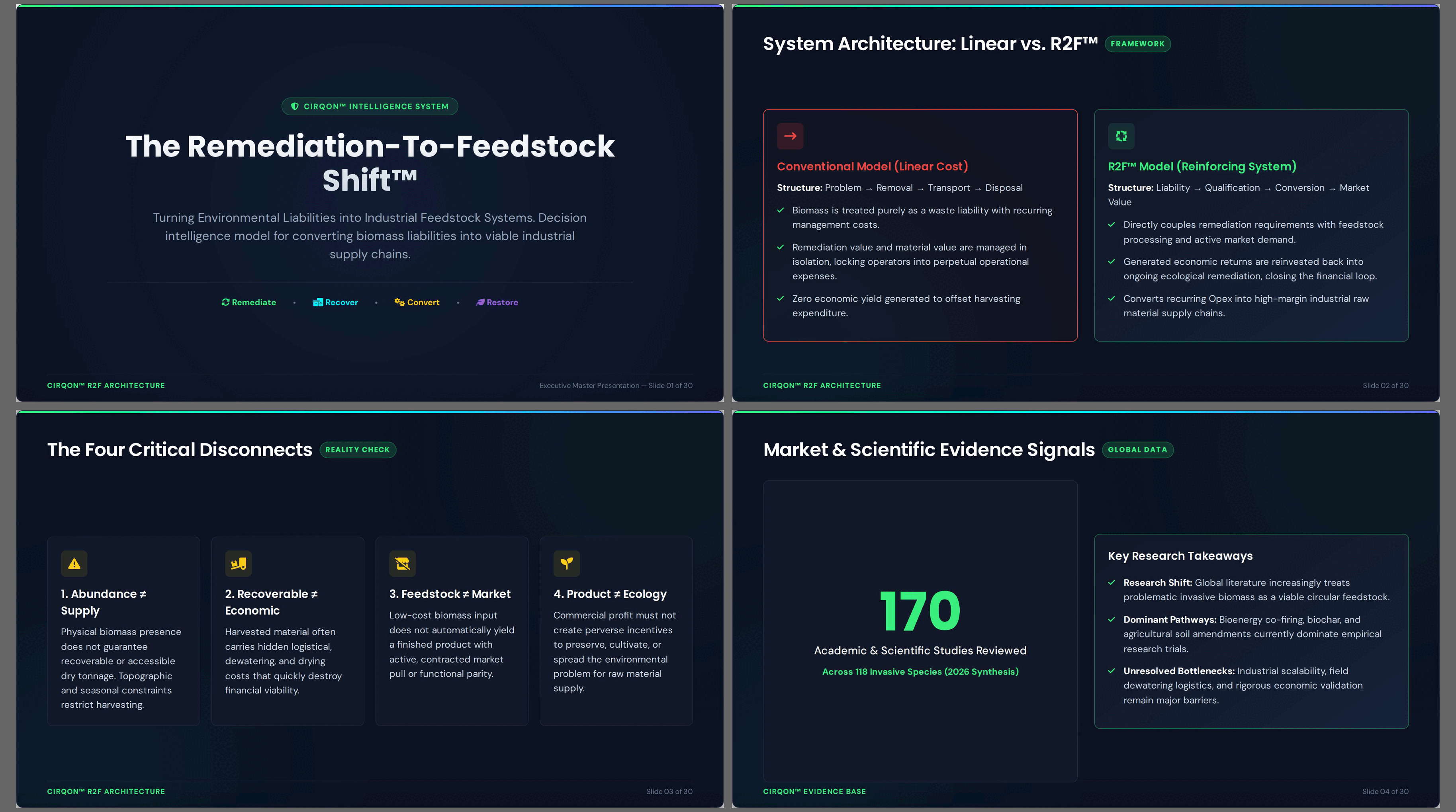
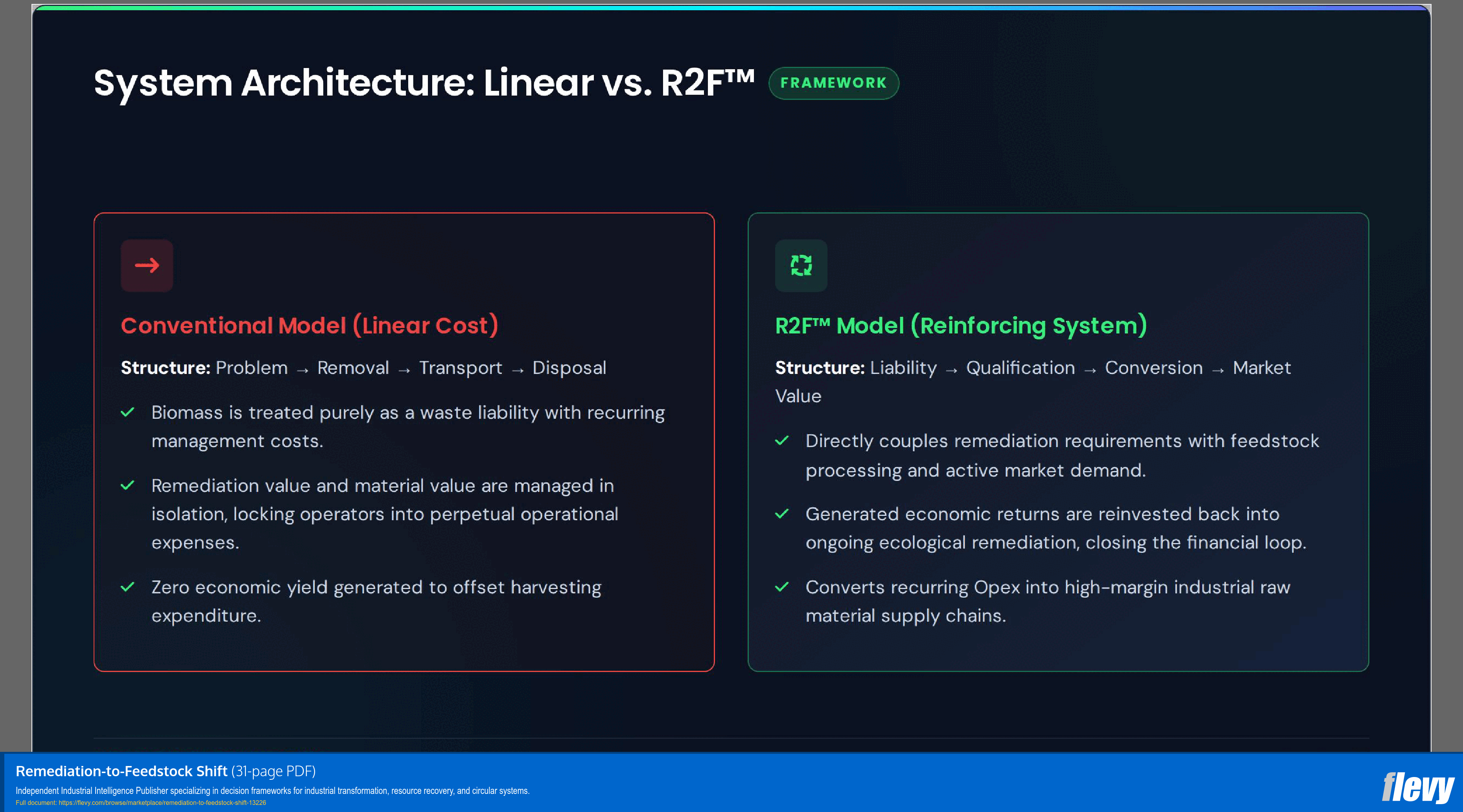
Environmental remediation, invasive biomass control, and resource recovery are often treated as separate problems. Organizations may spend significant resources removing problematic biomass while industrial buyers simultaneously pay for conventional feedstocks. The R2F™ framework connects these two realities by asking a more strategic question: Can the cost and obligation of environmental remediation be transformed into a qualified, economically viable feedstock supply system without creating new ecological or operational liabilities?
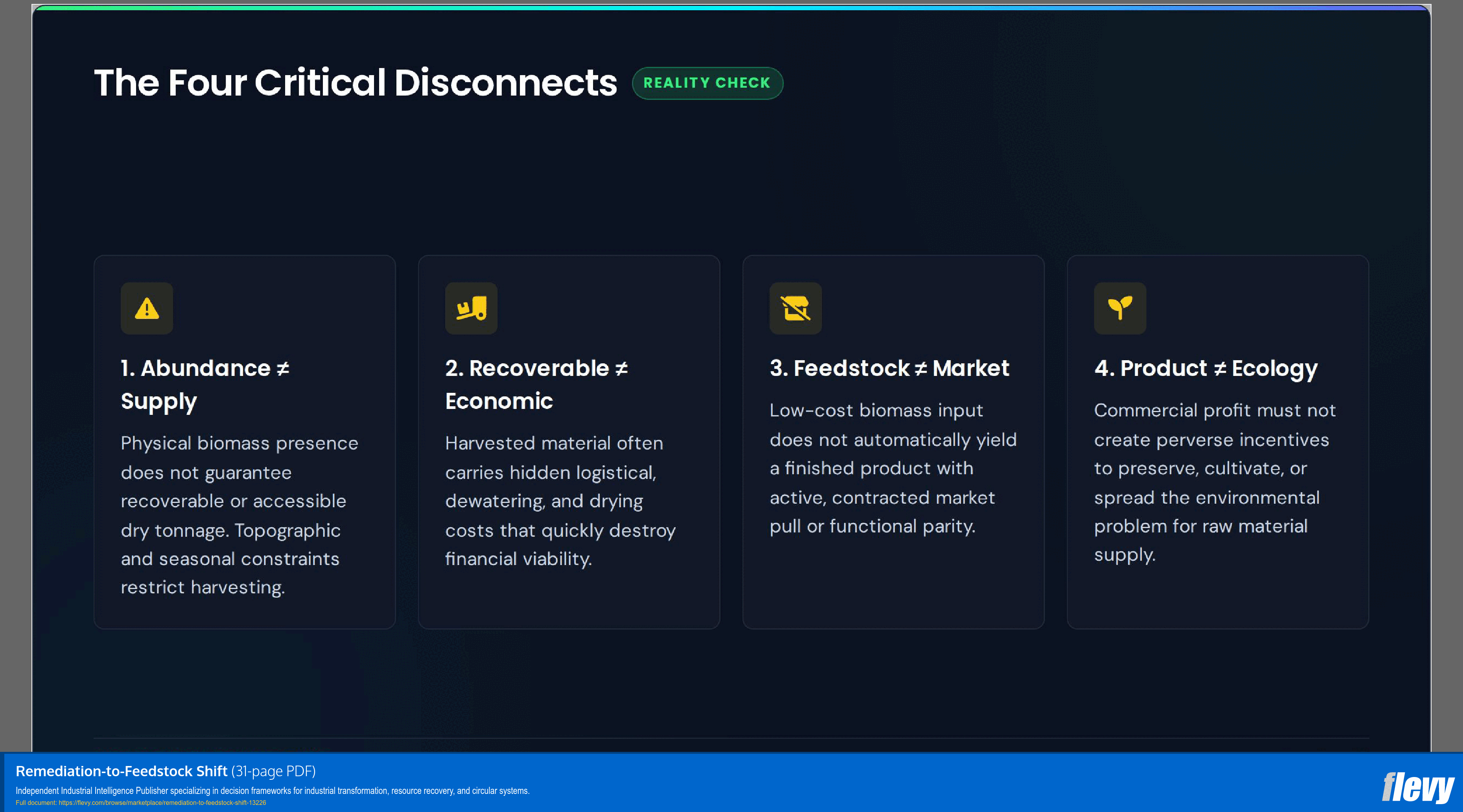
The framework moves beyond conventional waste-to-value thinking. It distinguishes physical biomass abundance from recoverable supply, recoverable supply from qualified feedstock, and technical conversion potential from genuine market viability. It also recognizes that the highest-value technical pathway is not necessarily the best commercial pathway.
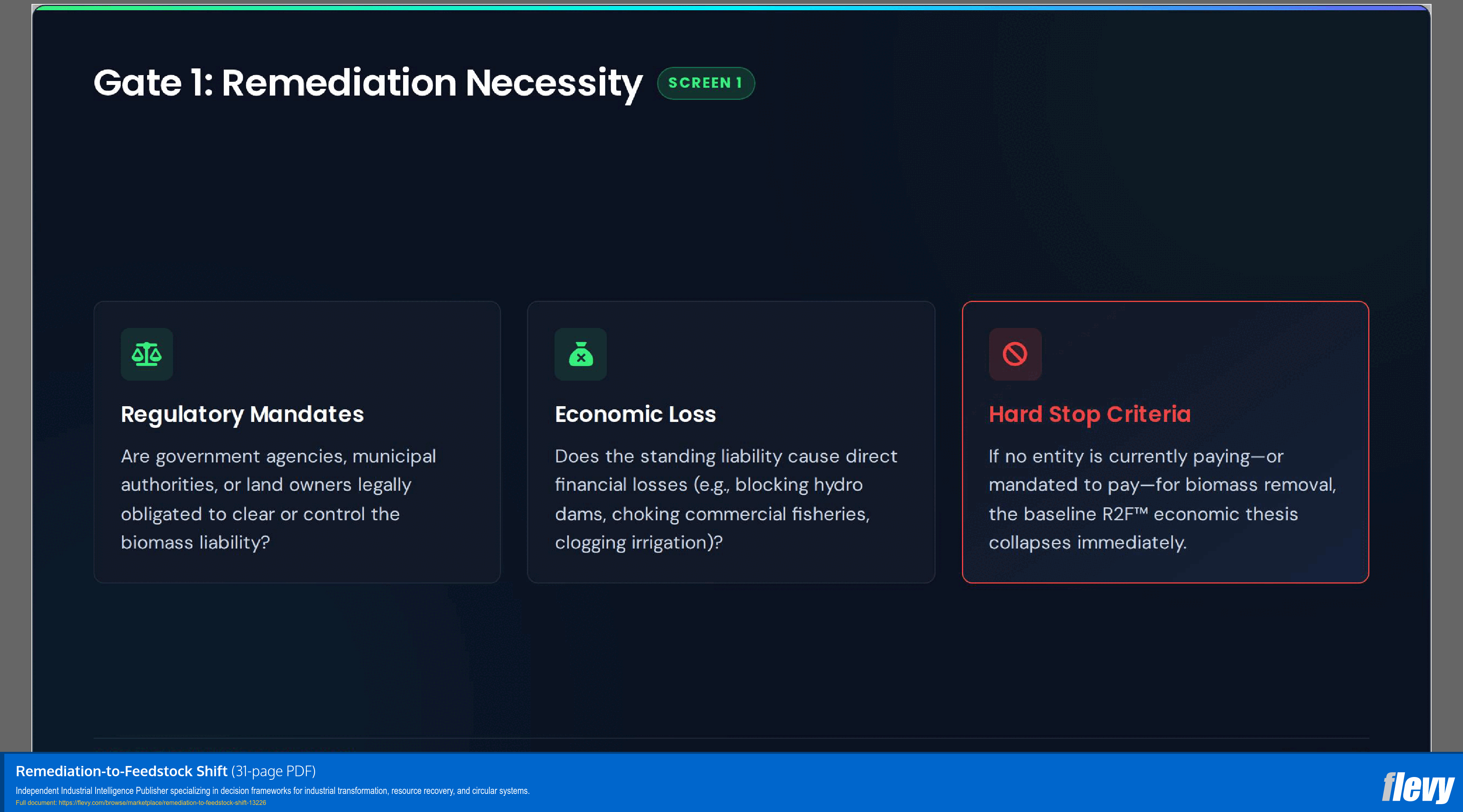
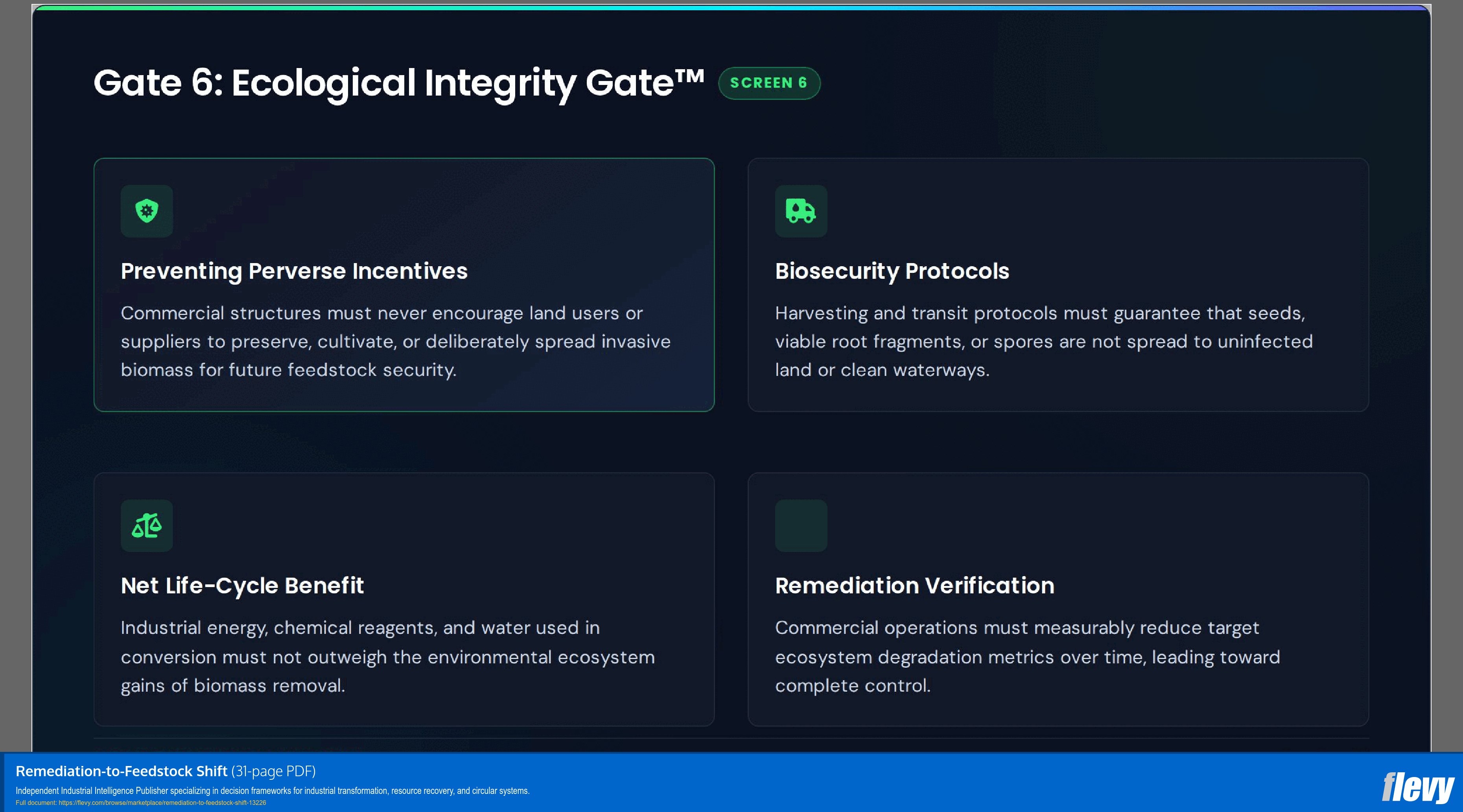
The R2F™ Decision Engine uses a six-gate qualification architecture covering remediation necessity, recoverable density, feedstock quality, conversion economics, market pull, and ecological integrity. These gates are supported by the R2F™ Economic Value Stack, Feedstock Quality Matrix, New-System Burden™ Diagnostic, Valorization Ladder™, Remediation Exit Condition™, and a 100-point opportunity scoring model.
The playbook also introduces a practical market-led principle: minimize new-system burden by connecting qualified biomass to existing industrial infrastructure, specifications, buyers, and supply chains wherever technically and economically viable. This helps decision-makers avoid projects that require simultaneous invention of new collection systems, processing technologies, factories, products, markets, and regulatory pathways.
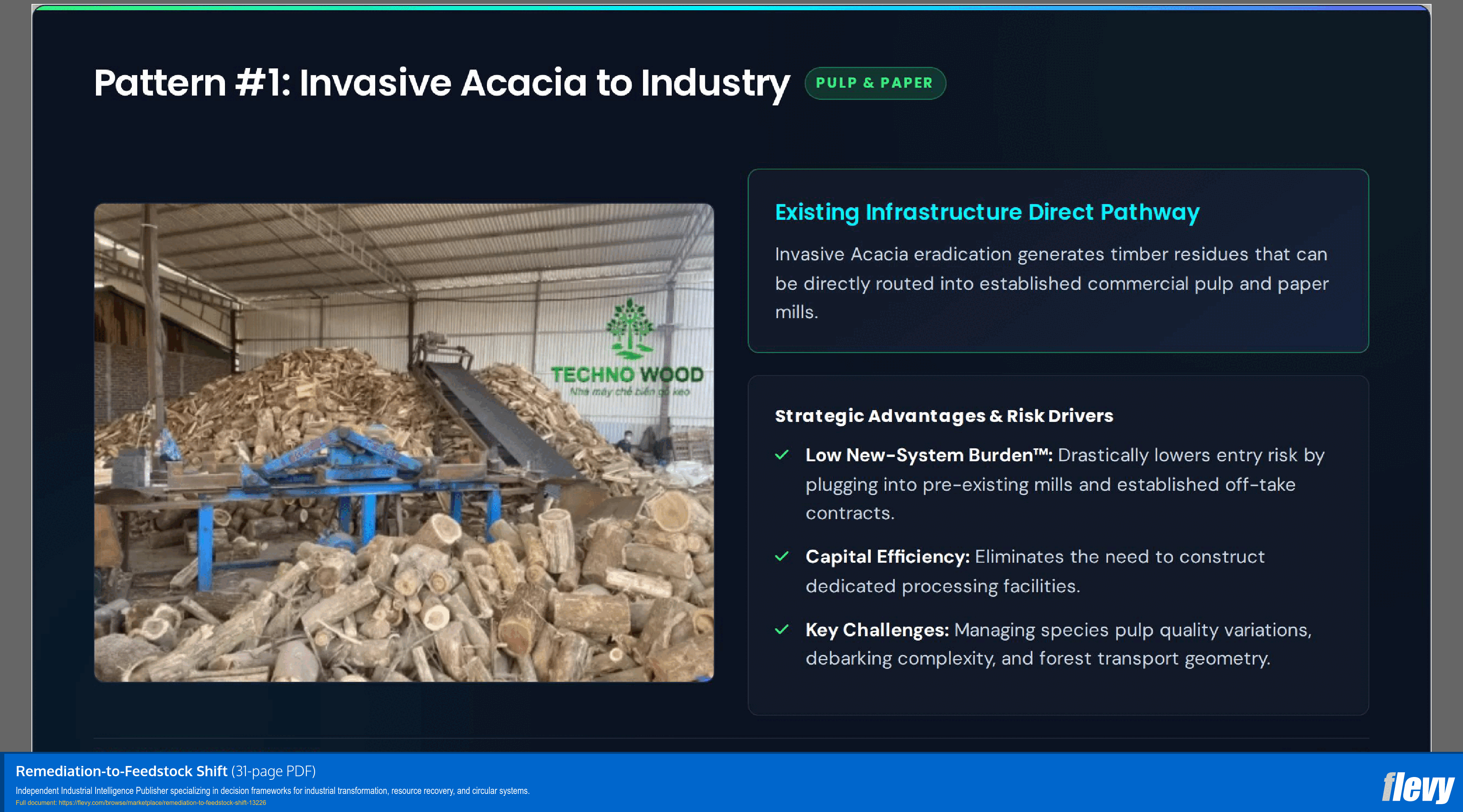
Case pathways covering invasive Acacia, Prosopis, water hyacinth, and higher-value biomass conversion illustrate how the framework can distinguish between industrial, commercial, emerging, and conditional opportunities. A dedicated Indonesia Strategic Decision Lens translates the framework into an archipelagic operating context, emphasizing decentralized preprocessing, regional industrial absorbers, and geographically disciplined feedstock qualification.
This executive intelligence asset is designed for executives, strategy leaders, operations leaders, industrial project developers, resource-recovery organizations, investors, and sustainability decision-makers evaluating biomass remediation and industrial valorization opportunities.
The central decision principle is simple: not every environmental liability should become an industrial product. The objective is to identify the liabilities that can become reliable feedstock systems while simultaneously improving economic viability and accelerating ecological recovery.
Got a question about the product? Email us at support@flevy.com or ask the author directly by using the "Ask the Author a Question" form. If you cannot view the preview above this document description, go here to view the large preview instead.
Source: Best Practices in Circular Economy PDF: Remediation-to-Feedstock Shift PDF (PDF) Document, Wisnu Pandega Wardana
ABOUT THE AUTHOR

I am an independent Industrial Intelligence and Strategic Innovation Publisher focused on developing structured business intelligence, innovation frameworks, and opportunity-oriented research for decision-makers.
My work focuses on translating emerging technologies, industrial transformation, sustainability, resource efficiency, and market shifts into structured intelligence assets that
... [read more]
Ask the Author a Question
You must be logged in to contact the author.




























