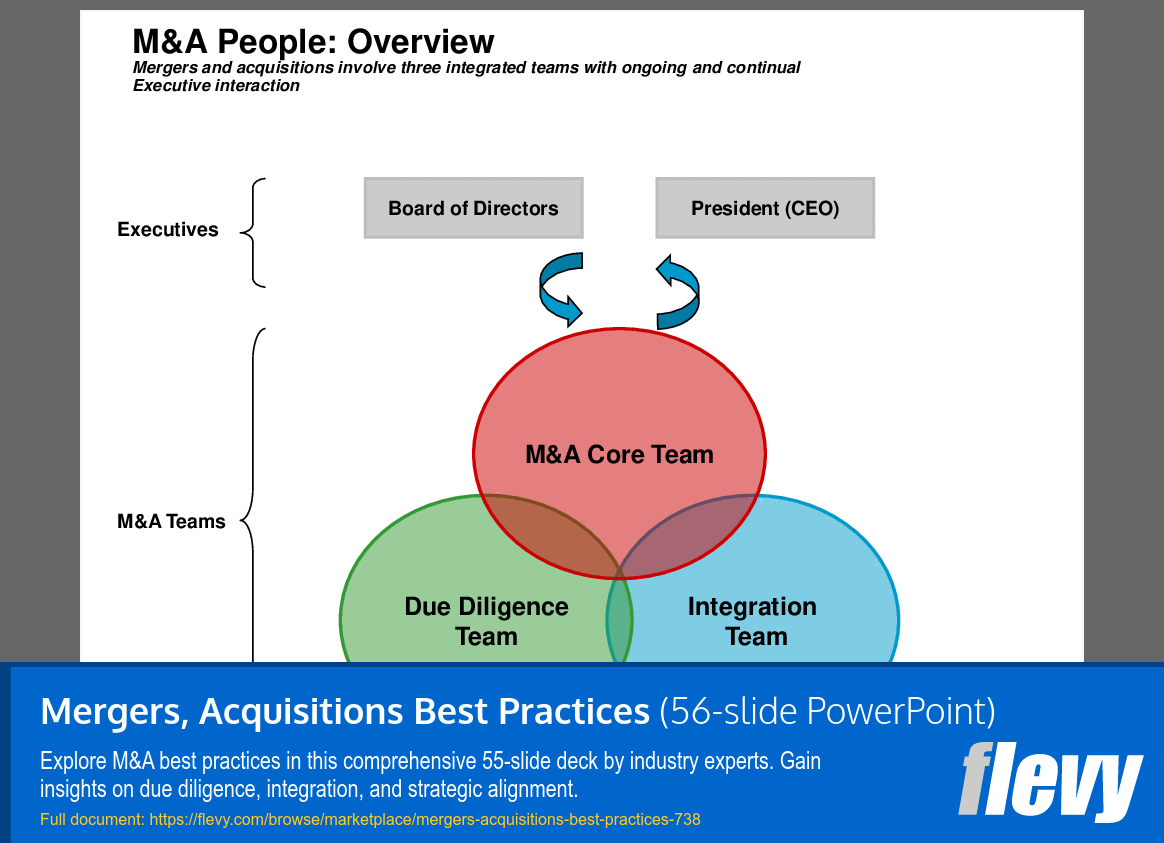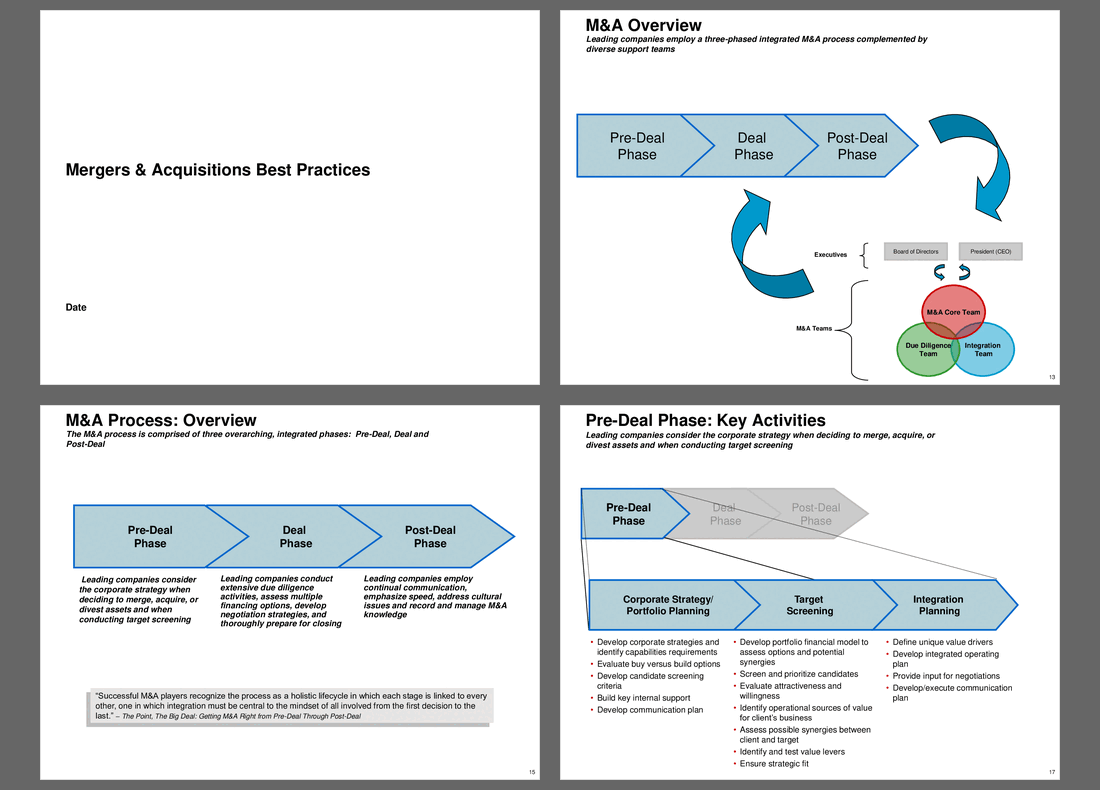

This presentation outlines some best practices during mergers and acquisitions. The best practices are discussed over a wide spectrum of the M & A process, including: pre-deal, during deal, post deal, executive teams, core team, due diligence team, integration team, Case studies are used to illustrate the best practices. The deck has 55 slides.
The document delves into the complexities of the M&A landscape, emphasizing the importance of strategic rationale and integration planning. It highlights that a significant portion of acquisitions fail to create shareholder value, often due to poor strategic fit and inadequate planning. The presentation underscores the necessity of thorough due diligence, from financial assessments to understanding the target's management and operations.
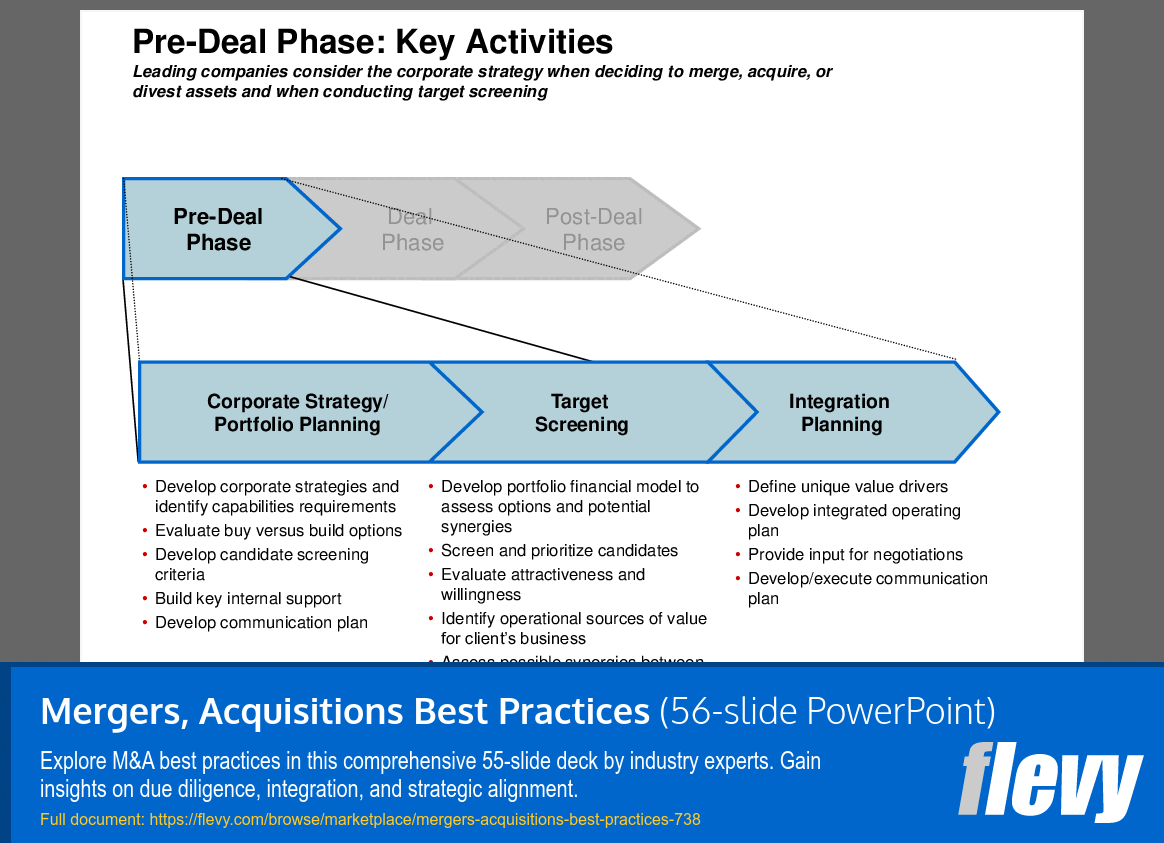
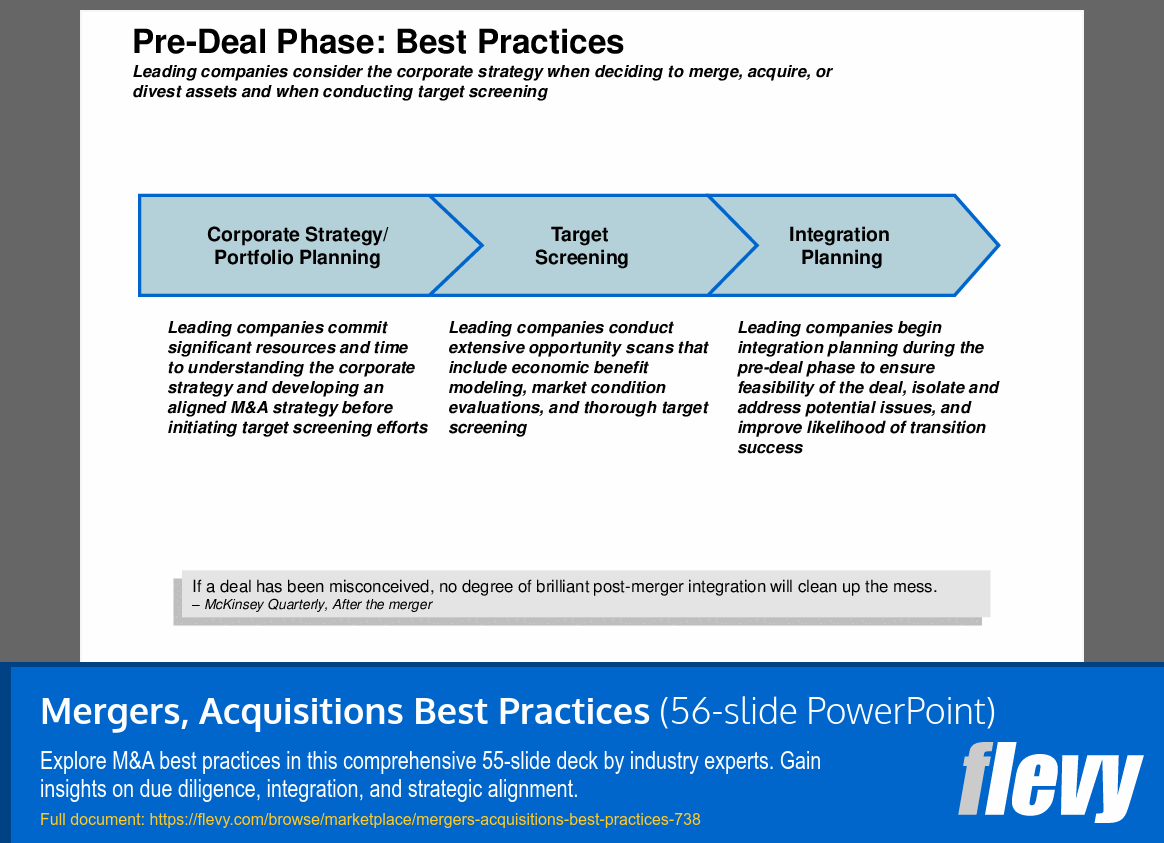
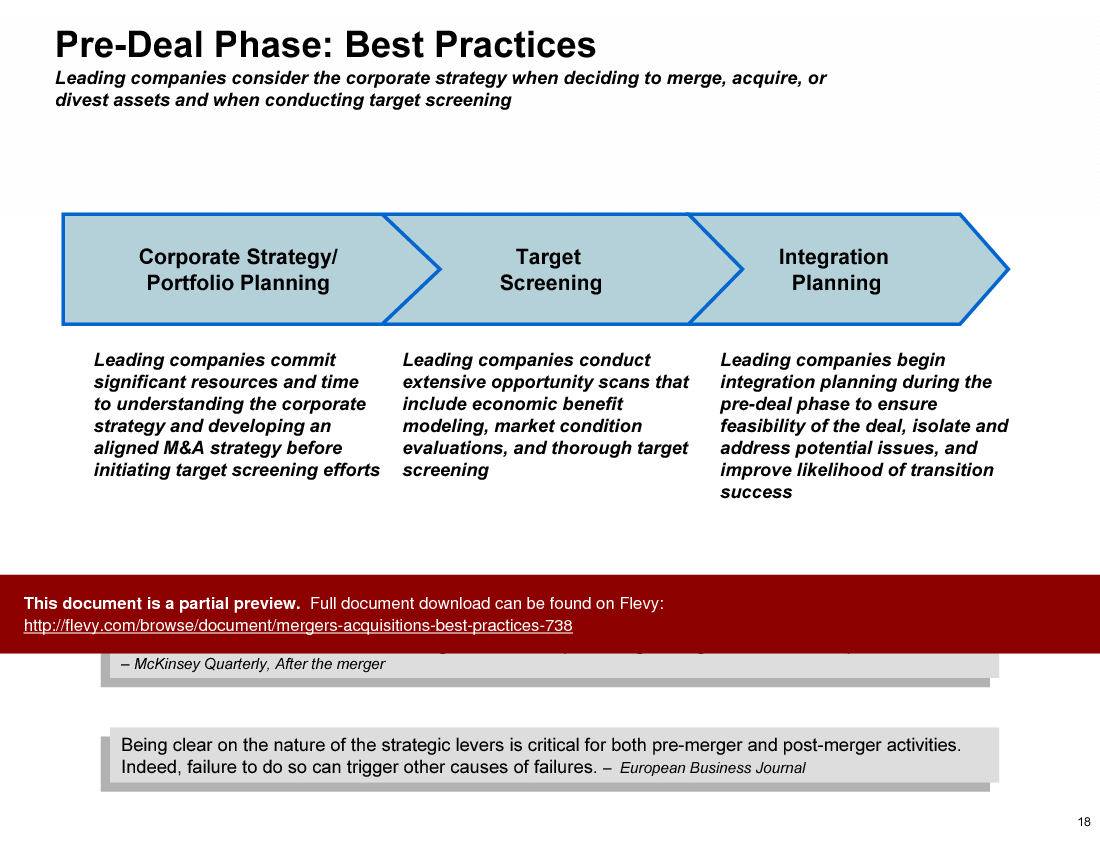
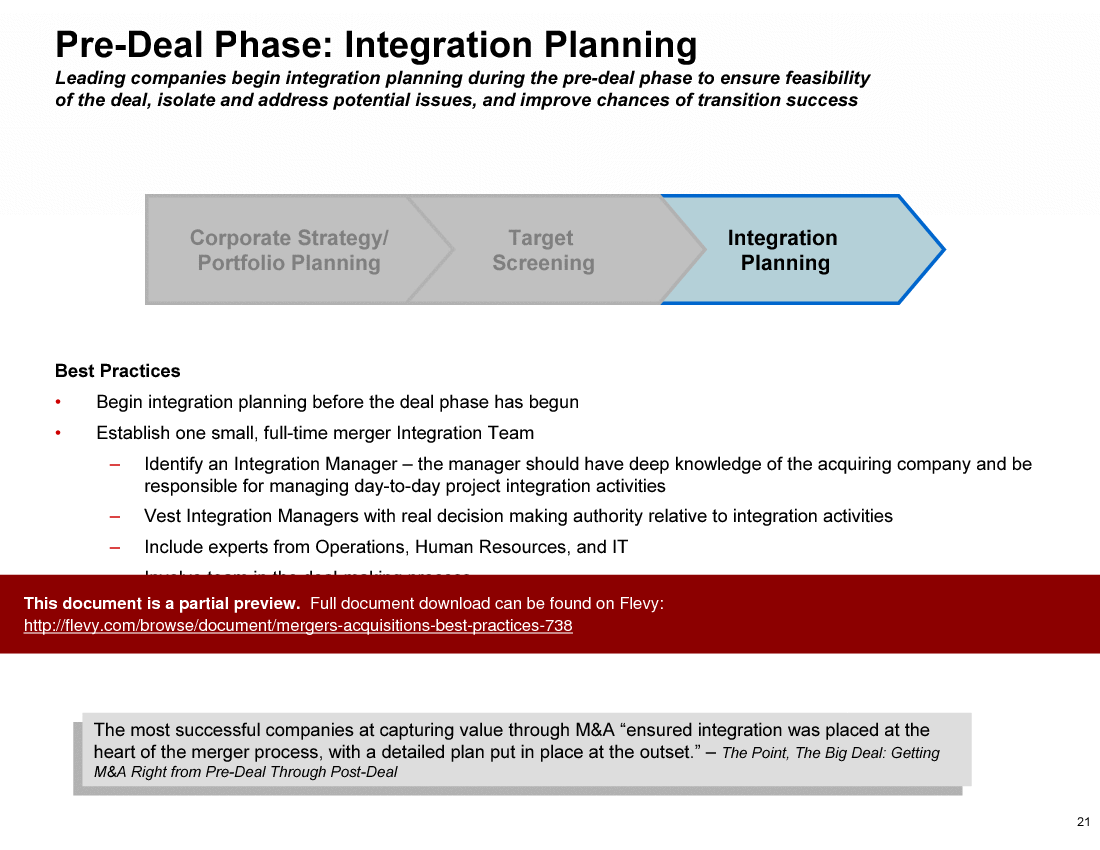
In the pre-deal phase, the focus is on aligning corporate strategy with M&A objectives, conducting rigorous target screening, and initiating integration planning early. This phase sets the foundation for a successful merger or acquisition by ensuring all potential issues are identified and addressed upfront. The document provides actionable insights on how to navigate this critical stage effectively.
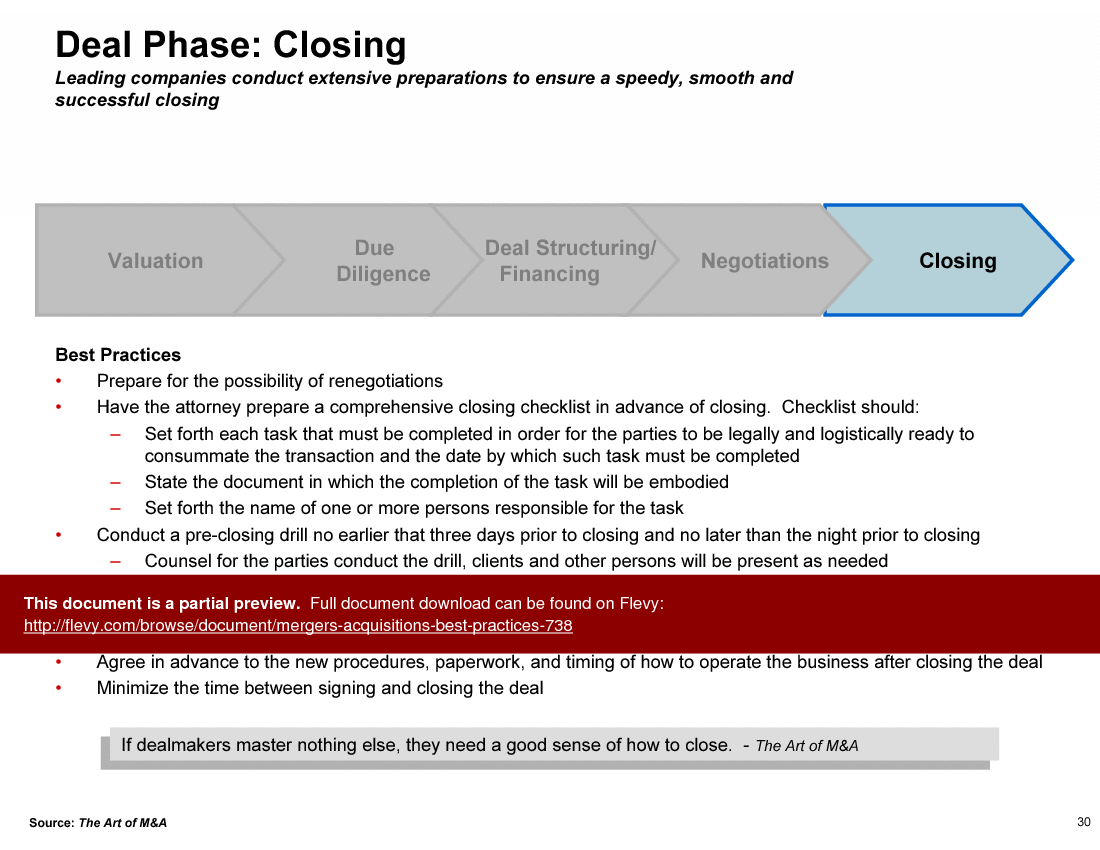
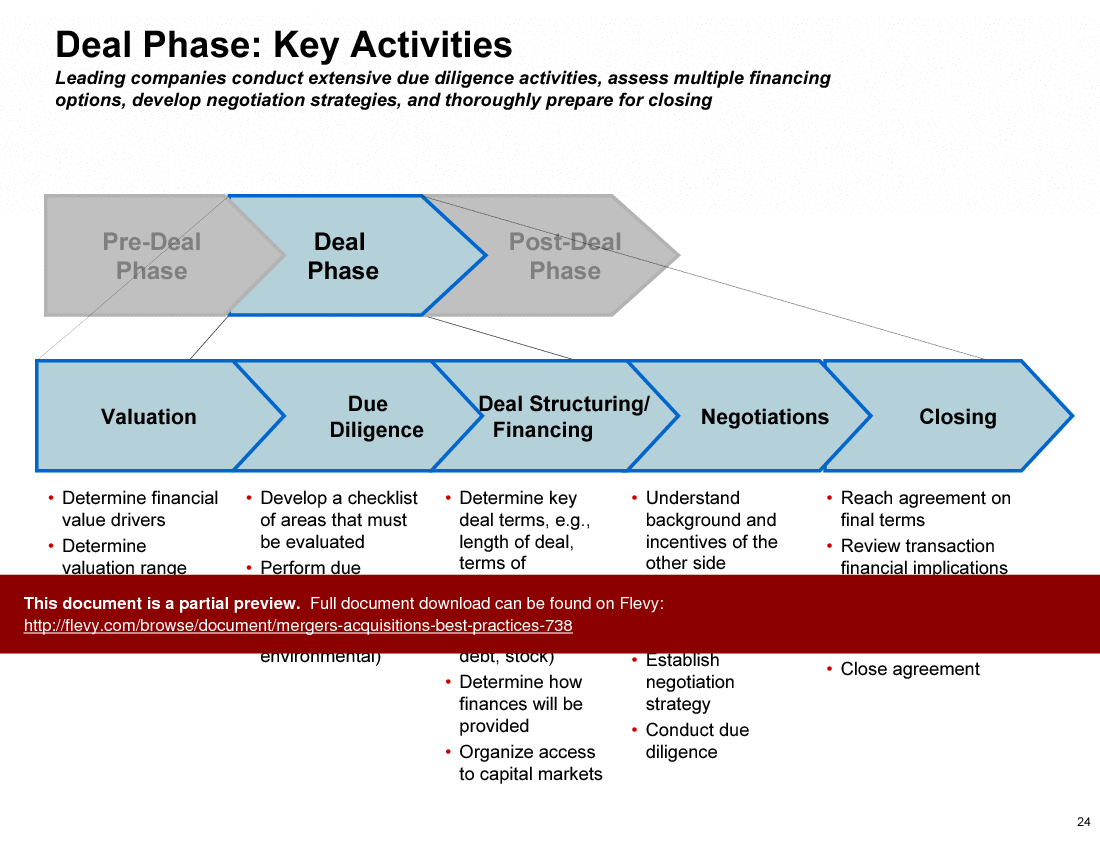
The deal phase is meticulously broken down into key activities such as valuation, due diligence, deal structuring, and negotiations. Each step is accompanied by best practices and practical tips to ensure a smooth transaction. The importance of a comprehensive closing checklist and pre-closing drills is emphasized to mitigate risks and ensure all parties are prepared for the final agreement.
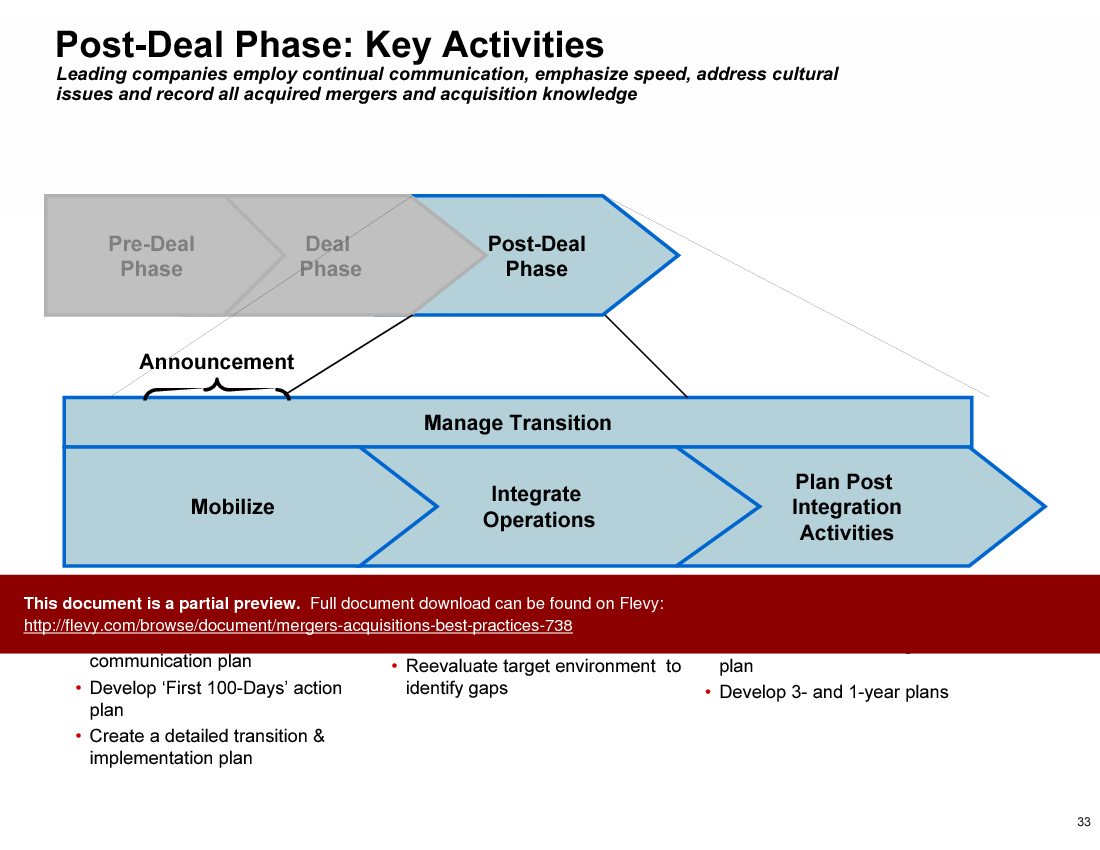
Post-deal integration is another critical area covered extensively. The document outlines how leading companies manage the transition, integrate operations, and plan post-integration activities. It stresses the importance of speed, communication, and cultural alignment in achieving a seamless integration. Real-world case studies are used to illustrate successful integration strategies and the impact of effective management on the overall success of the M&A process.
Got a question about the product? Email us at support@flevy.com or ask the author directly by using the "Ask the Author a Question" form. If you cannot view the preview above this document description, go here to view the large preview instead.
Executive Summary
This Mergers & Acquisitions Best Practices presentation provides a comprehensive overview of effective strategies and methodologies for executing successful M&A transactions, structured in a consulting-grade format akin to McKinsey, Bain, or BCG-quality presentations (not affiliated). It equips corporate executives, integration leaders, and consultants with actionable insights into the M&A lifecycle, including pre-deal, deal, and post-deal phases. By leveraging industry best practices, this resource enables organizations to enhance their strategic objectives, mitigate risks, and maximize value during mergers and acquisitions.
Who This Is For and When to Use
• Corporate executives overseeing M&A strategy and execution
• Integration leaders responsible for post-merger integration
• Business development teams involved in target screening and evaluation
• Consultants advising on M&A processes and best practices
Best-fit moments to use this deck:
• During strategic planning sessions for upcoming mergers or acquisitions
• In integration workshops to align teams on post-deal execution
• For training sessions on M&A best practices and methodologies
Learning Objectives
• Define the integrated M&A process and its phases: Pre-Deal, Deal, and Post-Deal
• Build a robust M&A strategy aligned with corporate objectives
• Conduct thorough due diligence to assess potential targets
• Develop effective negotiation strategies and closing plans
• Implement a comprehensive integration plan to ensure smooth transitions
• Address cultural challenges and communication strategies during integration
Table of Contents
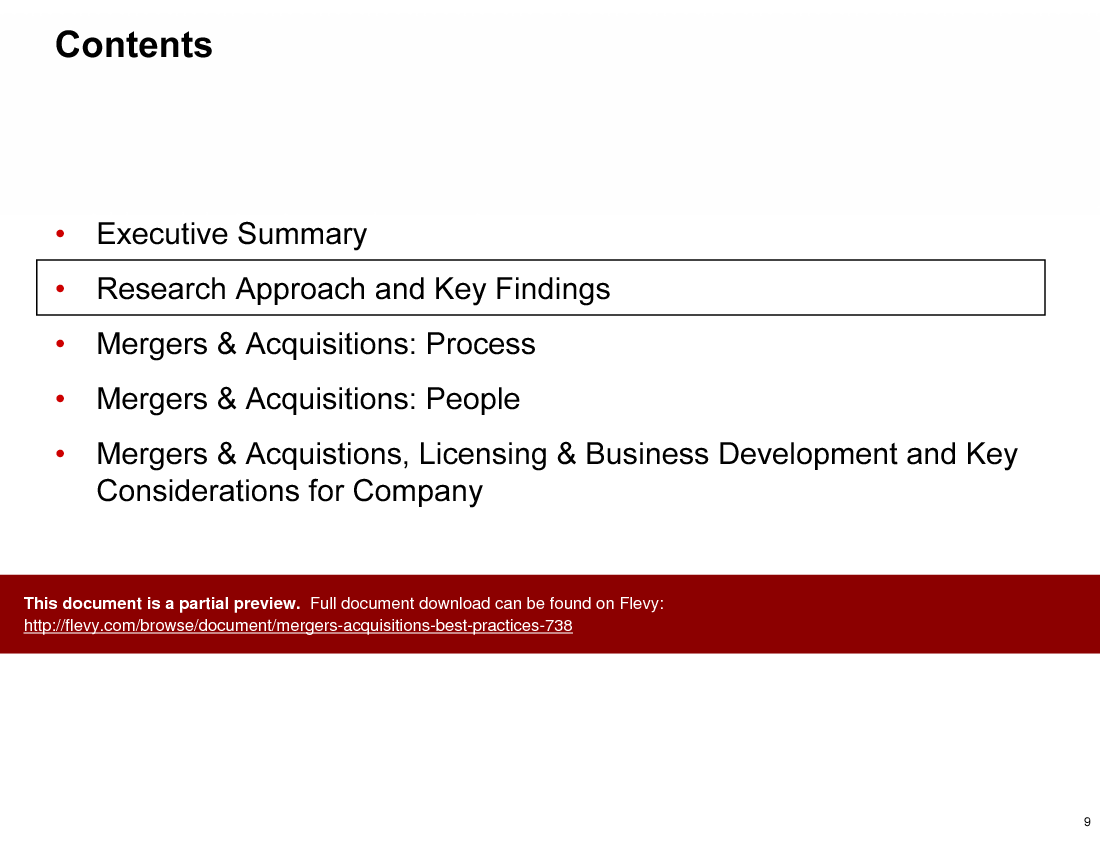
• Executive Summary (page 2)
• Research Approach and Key Findings (page 10)
• Mergers & Acquisitions: Process (page 11)
• Mergers & Acquisitions: People (page 42)
• Mergers & Acquisitions, Licensing & Business Development and Key Considerations for Company (page 50)
Primary Topics Covered
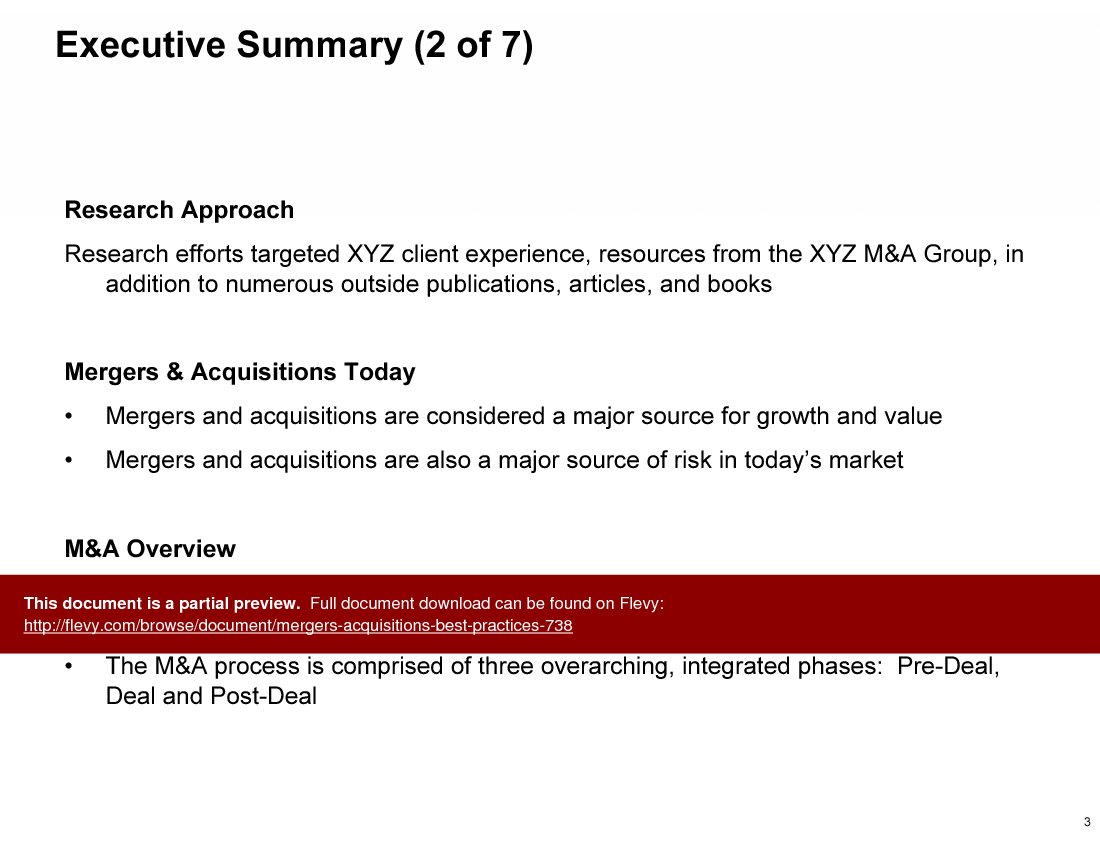
• M&A Process Overview - An integrated approach to M&A involving Pre-Deal, Deal, and Post-Deal phases, emphasizing the importance of continuous integration.
• Pre-Deal Phase Best Practices - Strategies for aligning M&A efforts with corporate strategy, conducting thorough target screening, and initiating integration planning early.
• Deal Phase Best Practices - Key activities such as due diligence, valuation techniques, and negotiation strategies to ensure successful deal closure.
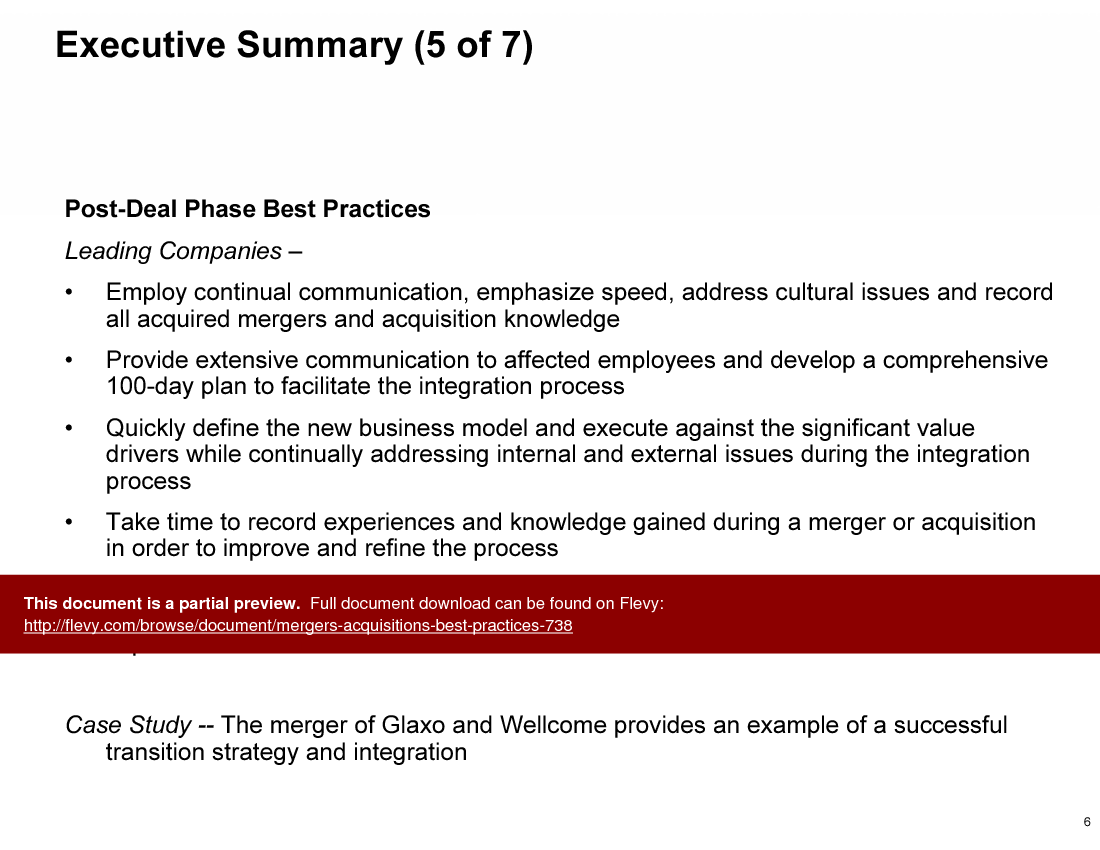
• Post-Deal Phase Best Practices - Focus on communication, cultural integration, and knowledge management to enhance transition success.
• M&A Teams and Roles - The structure and responsibilities of core M&A teams, including executives, due diligence teams, and integration teams.
• Case Studies - Real-world examples illustrating the impact of strategic planning and integration on M&A outcomes.
Deliverables, Templates, and Tools
• M&A strategy framework template for aligning corporate objectives with M&A activities
• Due diligence checklist to guide evaluation of potential targets
• Negotiation strategy outline to prepare for discussions and deal closure
• Integration plan template to facilitate post-deal execution
• Communication plan template for managing stakeholder engagement during transitions
• Knowledge management framework for documenting lessons learned and best practices
Slide Highlights
• Overview of the three-phased M&A process emphasizing integration
• Best practices for pre-deal activities, including target screening and integration planning
• Key considerations during the deal phase, including due diligence and negotiation strategies
• Post-deal integration strategies focusing on communication and cultural alignment
• Case studies showcasing successful and unsuccessful M&A transactions
Potential Workshop Agenda
M&A Strategy Alignment Session (90 minutes)
• Review corporate objectives and align M&A strategy
• Identify potential targets and screening criteria
• Develop initial integration planning steps
Due Diligence and Negotiation Workshop (120 minutes)
• Conduct a mock due diligence review of a potential target
• Develop negotiation strategies based on target valuation
• Role-play negotiation scenarios to practice skills
Post-Deal Integration Planning Session (90 minutes)
• Define the new business model and value drivers
• Develop a comprehensive 100-day action plan
• Address cultural integration strategies and communication plans
Customization Guidance
• Tailor the M&A strategy framework to align with specific corporate objectives and market conditions
• Modify the due diligence checklist to include industry-specific considerations
• Adapt the negotiation strategy outline based on the unique dynamics of each deal
• Customize the integration plan template to reflect organizational structure and culture
• Update communication plans to address stakeholder needs and concerns specific to the transaction
Secondary Topics Covered
• Differences between M&A and Licensing & Business Development (L&BD)
• Importance of integration planning in M&A versus L&BD
• Key considerations for leveraging resources between M&A and L&BD teams
• The role of corporate finance skills in M&A activities
FAQ
What are the key phases of the M&A process?
The M&A process consists of 3 phases: Pre-Deal, Deal, and Post-Deal, each with distinct activities and best practices to ensure success.
How can we ensure effective integration post-acquisition?
Successful integration requires a comprehensive 100-day action plan, continual communication, and addressing cultural issues to align both organizations.
What role do executives play in the M&A process?
Executives are crucial in developing the M&A strategy, making key decisions, and maintaining oversight throughout the lifecycle of the deal.
What are common pitfalls in M&A transactions?
Common pitfalls include poor strategic rationale, inadequate due diligence, and failure to address cultural mismatches between organizations.
How can we assess potential acquisition targets?
Conduct extensive opportunity scans, evaluate financial performance, and assess strategic fit to determine the attractiveness of potential targets.
What is the importance of due diligence?
Due diligence is critical for uncovering potential risks and ensuring the acquisition aligns with shareholder interests and corporate strategy.
How should we approach negotiations during an M&A deal?
Develop a comprehensive negotiation strategy that considers the value to both parties, establishes clear processes, and maintains momentum throughout discussions.
What are the best practices for communication during the integration phase?
Implement a detailed communication plan that keeps all stakeholders informed, addresses concerns, and fosters a sense of unity between the merging organizations.
Glossary
• M&A - Mergers and Acquisitions, a strategic approach to growth through combining companies.
• Due Diligence - The process of investigating a potential acquisition to assess its value and risks.
• Integration Plan - A structured approach to merging operations, cultures, and systems post-acquisition.
• Valuation Techniques - Methods used to determine the worth of a company, including Discounted Cash Flow (DCF) and comparables.
• Core Team - A small, focused group responsible for managing the M&A process.
• Cultural Integration - The process of aligning the cultures of merging organizations to ensure smooth transitions.
• Negotiation Strategy - A plan outlining how to approach discussions and agreements during the M&A process.
• Communication Plan - A strategy for informing stakeholders about the M&A process and addressing their concerns.
• 100-Day Plan - A detailed action plan outlining key initiatives and milestones for the first 100 days post-acquisition.
• Strategic Rationale - The underlying reasons for pursuing a merger or acquisition, aligned with corporate goals.
• Stakeholders - Individuals or groups with an interest in the outcome of the M&A transaction.
• Synergies - The potential benefits and efficiencies gained from combining 2 organizations.
• Integration Manager - A designated individual responsible for overseeing the integration process post-acquisition.
• Cultural Fit - The compatibility of the organizational cultures of merging companies.
• Financial Modeling - The process of creating representations of a company's financial performance to assess potential outcomes.
• Target Screening - The process of identifying and evaluating potential acquisition candidates.
• Post-Merger Integration - The activities undertaken to combine 2 organizations after a merger or acquisition.
• Corporate Strategy - The overall plan guiding a company's direction and decision-making, including M&A activities.
• Transaction - The act of buying or merging with another company.
• Market Capitalization - The total market value of a company's outstanding shares, often used to assess its size and value.
• Shareholder Value - The financial worth that a company provides to its shareholders, often a key measure of success in M&A.
Source: Best Practices in M&A PowerPoint Slides: Mergers, Acquisitions Best Practices PowerPoint (PPT) Presentation Slide Deck, Documents & Files
This document is available as part of the following discounted bundle(s):
Save %!
Mergers and Acquisitions Toolkit
This bundle contains 7 total documents. See all the documents to the right.
|
Download our FREE Strategy & Transformation Framework Templates
Download our free compilation of 50+ Strategy & Transformation slides and templates. Frameworks include McKinsey 7-S, Balanced Scorecard, Disruptive Innovation, BCG Curve, and many more. |