
### Leadership Excellence: Ten Key Concepts for Effective Leadership
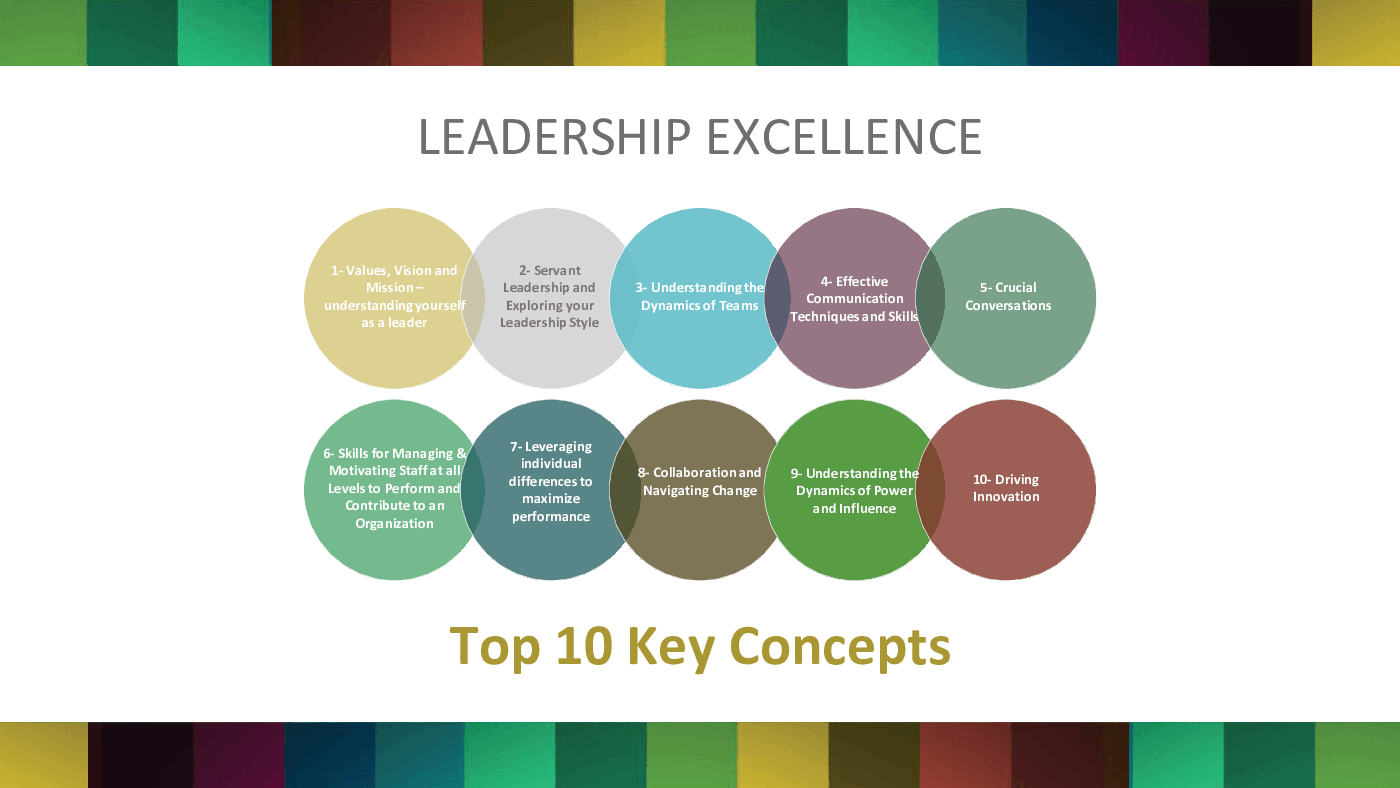
1. Values, Vision, and Mission – Understanding Yourself as a Leader
Understanding your core values, vision, and mission is the foundation of leadership excellence. Your values guide your decisions and actions, your vision sets the direction for where you want to lead your team, and your mission defines your purpose. Reflecting on these elements helps you align your leadership with your personal beliefs and organizational goals. A clear sense of self-awareness enables you to lead authentically and inspire trust and respect from your team.
2. Servant Leadership and Exploring Your Leadership Style
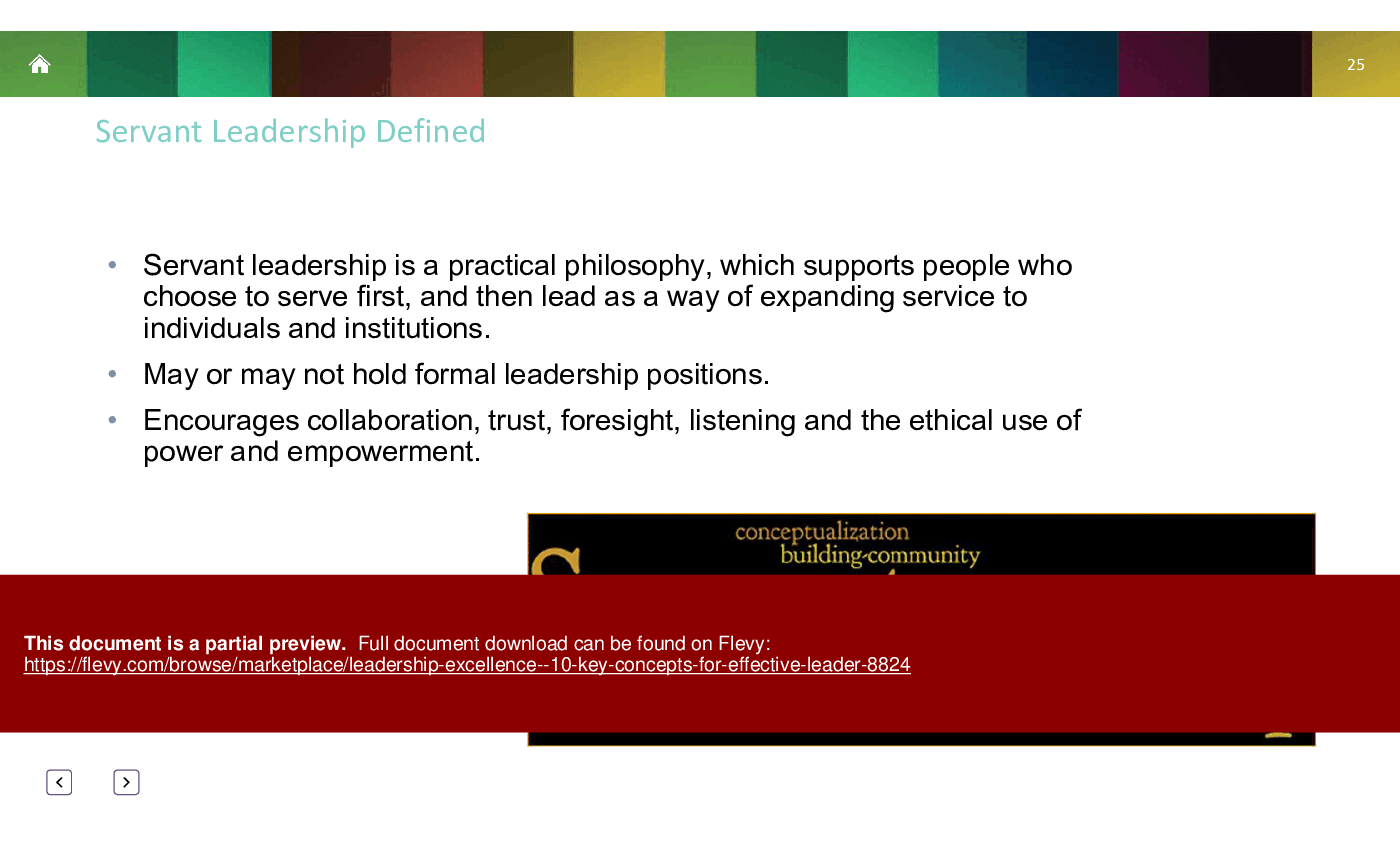
Servant leadership is about prioritizing the needs of your team and empowering them to succeed. By exploring your leadership style, you can understand your strengths and areas for improvement. Servant leaders focus on developing their team members, fostering a culture of trust, and encouraging collaboration. This approach helps in building a supportive environment where everyone feels valued and motivated to contribute their best.
3. Understanding the Dynamics of Teams
Effective leaders understand team dynamics and how to harness them for optimal performance. Teams are composed of individuals with unique skills, personalities, and motivations. Recognizing these differences and leveraging them appropriately can lead to more cohesive and high-performing teams. Facilitating open communication, fostering mutual respect, and creating a sense of belonging are crucial for healthy team dynamics.
4. Effective Communication Techniques and Skills
Effective communication is essential for successful leadership. This includes not only clear and concise verbal communication but also active listening and non-verbal cues. Leaders should practice empathetic listening, provide constructive feedback, and ensure that their messages are understood. Mastering these skills helps prevent misunderstandings and builds stronger relationships with team members.
5. Crucial Conversations
Crucial conversations are those high-stakes interactions where opinions vary, emotions run strong, and the outcomes are significant. Leaders must be adept at navigating these conversations to resolve conflicts, make critical decisions, and drive change. This involves staying calm, being respectful, and focusing on the issue rather than the person. By handling crucial conversations effectively, leaders can maintain trust and ensure productive outcomes.
6. Skills for Managing & Motivating Staff at All Levels
Leaders need to manage and motivate staff across all levels of the organization. This involves setting clear expectations, providing the necessary resources, and recognizing achievements. Effective leaders tailor their motivational strategies to the individual needs and aspirations of their team members. By fostering an inclusive and engaging work environment, leaders can drive performance and enhance job satisfaction.
7. Leveraging Individual Differences to Maximize Performance
Every team member brings unique strengths and perspectives. Leaders who recognize and leverage these individual differences can create a more innovative and dynamic team. This involves assigning roles that align with each person's strengths, encouraging diverse viewpoints, and fostering an environment where everyone feels valued. Embracing diversity leads to better problem-solving and more creative solutions.
8. Driving Innovation
Innovation is crucial for organizational growth and competitiveness. Leaders can drive innovation by creating a culture that encourages experimentation, embraces failure as a learning opportunity, and rewards creative thinking. Providing the right resources, removing barriers to innovation, and supporting ongoing learning and development are key to fostering an innovative mindset.
9. Understanding the Dynamics of Power and Influence
Power and influence are integral to leadership. Understanding how to wield them ethically and effectively is vital for achieving organizational goals. Leaders should use their power to empower others, build alliances, and influence change positively. Recognizing the impact of their actions on their team and the broader organization ensures that they use their influence responsibly.
10. Collaboration and Navigating Change
Collaboration is essential in today's interconnected world. Leaders must foster a collaborative culture where team members work together towards common goals. Navigating change effectively is also critical, as change is constant in any organization. Leaders should communicate the vision for change clearly, involve team members in the process, and provide the support needed to adapt. By doing so, they can reduce resistance and ensure a smoother transition.
In conclusion, leadership excellence involves a deep understanding of oneself, the ability to inspire and motivate others, and the skills to navigate complex team dynamics and organizational challenges. By focusing on these key concepts, leaders can create a positive impact, drive innovation, and lead their organizations to success.
Got a question about the product? Email us at support@flevy.com or ask the author directly by using the "Ask the Author a Question" form. If you cannot view the preview above this document description, go here to view the large preview instead.
Executive Summary
The Leadership Excellence presentation provides a comprehensive framework for understanding and enhancing leadership capabilities. It covers ten essential concepts, including values, vision, servant leadership, team dynamics, and effective communication. Designed for corporate executives and consultants, this deck equips leaders with the tools to foster collaboration, drive innovation, and navigate change effectively. By integrating these principles, leaders can enhance their effectiveness and inspire their teams to achieve organizational goals.
Who This Is For and When to Use
• Corporate executives seeking to refine their leadership approach
• Team leaders aiming to improve team dynamics and performance
• HR professionals focused on leadership development and training
• Consultants advising organizations on leadership strategies
• Change management leaders navigating organizational transitions
Best-fit moments to use this deck:
• Leadership training sessions for new managers
• Workshops aimed at enhancing team collaboration
• Strategic planning meetings focused on innovation
• Change management initiatives requiring strong leadership
Learning Objectives
• Define personal leadership values and mission to enhance self-awareness
• Build effective communication strategies to foster team engagement
• Establish techniques for managing and motivating diverse teams
• Identify and leverage individual differences to maximize performance
• Develop skills for navigating change and driving innovation
• Master crucial conversations to resolve conflicts and enhance collaboration
Table of Contents
• Values, Vision and Mission – Understanding Yourself as a Leader (page 1)
• Servant Leadership and Exploring Your Leadership Style (page 2)
• Understanding the Dynamics of Teams (page 3)
• Effective Communication Techniques and Skills (page 4)
• Crucial Conversations (page 5)
• Skills for Managing & Motivating Staff at All Levels (page 6)
• Leveraging Individual Differences to Maximize Performance (page 7)
• Collaboration and Navigating Change (page 8)
• Understanding the Dynamics of Power and Influence (page 9)
• Driving Innovation (page 10)
Primary Topics Covered
• Values, Vision and Mission - Leaders must understand their core values and vision to guide their actions and decisions effectively.
• Servant Leadership - Emphasizes serving others first, fostering collaboration, trust, and ethical leadership.
• Team Dynamics - Understanding team behavior and dynamics is crucial for effective leadership and collaboration.
• Effective Communication - Leaders must master communication techniques to engage and motivate their teams.
• Crucial Conversations - Skills for handling high-stakes conversations that can impact team dynamics and outcomes.
• Motivating Staff - Techniques for managing and motivating diverse teams to enhance performance and engagement.
• Leveraging Differences - Recognizing and valuing individual differences to drive team performance and innovation.
• Collaboration and Change - Strategies for fostering collaboration during periods of change and uncertainty.
• Power and Influence - Understanding the dynamics of power and influence to lead effectively within organizations.
• Driving Innovation - Cultivating an environment that encourages creativity and innovation among team members.
Deliverables, Templates, and Tools
• Leadership self-assessment template to clarify personal values and mission
• Communication strategy framework for effective team engagement
• Team dynamics assessment tool to evaluate and improve team performance
• Guide for conducting crucial conversations effectively
• Motivational strategies checklist for diverse teams
• Innovation framework to encourage creative problem-solving
Slide Highlights
• Overview of the ten key concepts of leadership excellence
• Visual representation of the dynamics of team behavior
• Framework for effective communication techniques
• Step-by-step guide for mastering crucial conversations
• Strategies for leveraging individual differences in teams
Potential Workshop Agenda
Leadership Values Workshop (90 minutes)
• Define personal leadership values and vision
• Discuss the impact of values on leadership effectiveness
• Create a personal leadership mission statement
Team Dynamics Session (60 minutes)
• Explore the stages of team development
• Identify strategies for enhancing team collaboration
• Conduct a team dynamics assessment
Effective Communication Skills (90 minutes)
• Review communication techniques for leaders
• Practice active listening and feedback skills
• Role-play crucial conversations scenarios
Customization Guidance
• Tailor the values and mission section to reflect the organization's specific culture and goals
• Adapt communication strategies to align with team dynamics and individual preferences
• Modify the innovation framework to fit industry-specific challenges and opportunities
Secondary Topics Covered
• Emotional intelligence in leadership
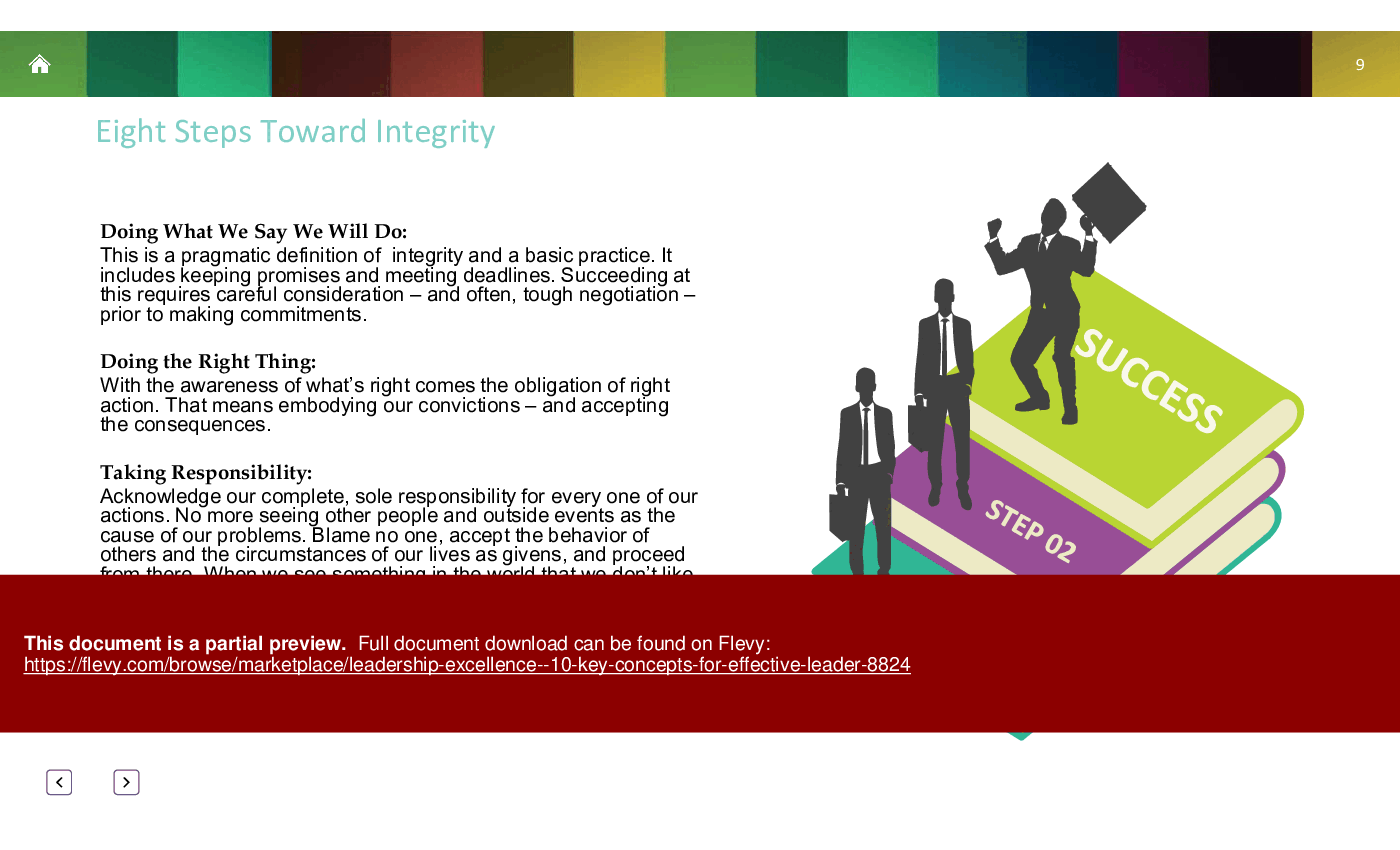
• The role of integrity in building trust
• Strategies for effective feedback and performance management
• Understanding generational differences in the workplace
• Techniques for fostering a culture of accountability
Topic FAQ
Document FAQ
These are questions addressed within this presentation.
What are the key concepts covered in this presentation?
The presentation covers ten essential concepts, including values, servant leadership, team dynamics, effective communication, and driving innovation.
Who can benefit from this leadership training?
Corporate executives, team leaders, HR professionals, and consultants can all benefit from the insights and tools provided in this deck.
How can I apply these concepts in my organization?
Use the frameworks and strategies outlined in the presentation to guide leadership development initiatives, team-building activities, and change management efforts.
What is servant leadership?
Servant leadership is a philosophy that emphasizes serving others first, fostering collaboration, and empowering team members to achieve shared goals.
How can I improve team dynamics?
Utilize the team dynamics assessment tool and strategies provided in the presentation to evaluate and enhance team performance and collaboration.
What techniques are recommended for effective communication?
The presentation outlines various communication techniques, including active listening, clear expectation setting, and providing constructive feedback.
How do I handle crucial conversations?
The presentation offers a step-by-step guide for preparing and conducting crucial conversations effectively, focusing on maintaining respect and clarity.
What role does emotional intelligence play in leadership?
Emotional intelligence is critical for understanding and managing one's emotions and those of others, enhancing communication, and building strong relationships.
How can I foster a culture of innovation?
Encourage creativity by providing recognition for innovative ideas, establishing collaborative forums, and promoting a safe environment for experimentation.
Glossary
• Servant Leadership - A leadership philosophy that prioritizes serving others first.
• Team Dynamics - The behavioral relationships between team members.
• Emotional Intelligence - The ability to recognize and manage emotions in oneself and others.
• Crucial Conversations - High-stakes discussions where opinions vary and emotions run strong.
• Innovation - The process of improving or developing new ideas, products, or services.
• Communication Techniques - Strategies for effective verbal and non-verbal communication.
• Motivation - The process of encouraging individuals to perform and contribute effectively.
• Collaboration - Working together to achieve common goals.
• Power and Influence - The capacity to affect others' beliefs, attitudes, or actions.
• Values and Vision - Core beliefs and long-term aspirations that guide leadership behavior.
• Diversity - The inclusion of different perspectives, backgrounds, and experiences in a team.
• Feedback - Information provided to individuals regarding their performance or behavior.
• Change Management - The process of guiding individuals and organizations through change.
• Trust - The reliance on the integrity, strength, or ability of a person or organization.
• Accountability - The obligation to report, explain, or justify actions or decisions.
• Generational Differences - Variations in attitudes and behaviors among different age groups in the workplace.
• Leadership Styles - Different approaches to leading and managing teams.
• Collaboration Tools - Resources that facilitate teamwork and communication.
• Performance Management - The process of ensuring that organizational goals are met effectively and efficiently.
Source: Best Practices in Leadership PowerPoint Slides: Leadership Excellence - 10 Key Concepts for Effective Leader PowerPoint (PPTX) Presentation Slide Deck, RadVector Consulting
|
Download our FREE Organization, Change, & Culture, Templates
Download our free compilation of 50+ slides and templates on Organizational Design, Change Management, and Corporate Culture. Methodologies include ADKAR, Burke-Litwin Change Model, McKinsey 7-S, Competing Values Framework, etc. |










