
"If you spend more on coffee than on IT security, you will be hacked. What's more, you deserve to be hacked."
— Richard Clarke
The Evolution of Cybersecurity: ISO/IEC 27001:2022
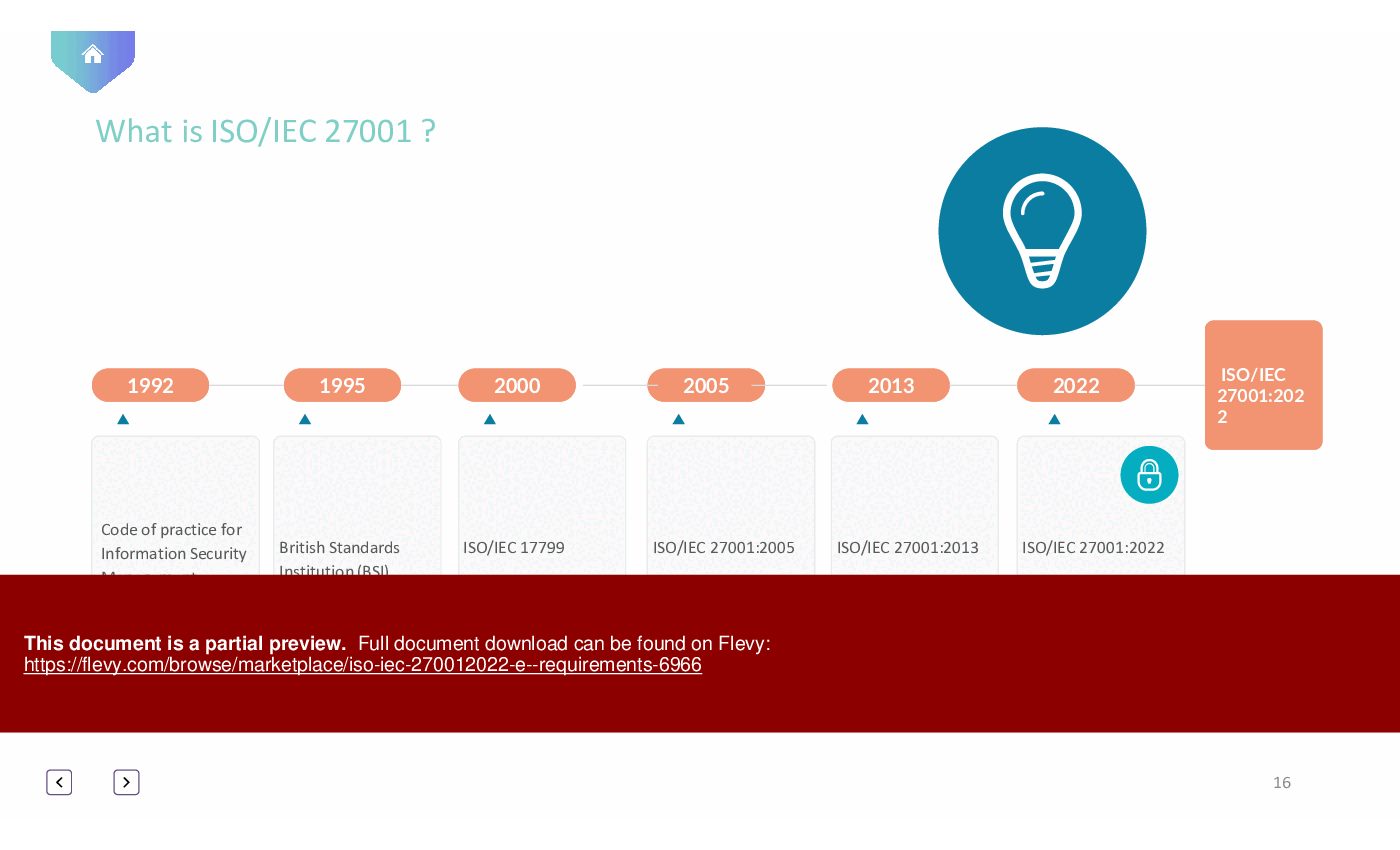
In our fast-paced digital world, where every keystroke and click holds value, the realm of cybersecurity is constantly in flux. Cybercrime, with its growing sophistication, presents an ever-increasing threat. In response to this evolving landscape, the International Organization for Standardization (ISO) has introduced updates to the ISO/IEC 27001 Information Security Management and ISO/IEC 27002 Controls for Information Security.
The dawn of ISO/IEC 27001:2022 heralds a new era in managing information security risks. With a structured implementation timeline commencing in late 2022 and extending through 2025, these updates bring significant changes:
1. Ensuring that organizations manage their information security risks effectively.
2. Identifying the controls in place to mitigate or reduce identified information security risks.
ISO/IEC 27001:2022 – Guiding Your Information Security Journey
ISO/IEC 27001:2022 isn't just a standard; it's a management systems standard. It outlines the processes and procedures necessary for organizations to manage information security issues across core business areas. While it provides a roadmap, it does not dictate the exact route to be taken.
Navigating the Information Security Landscape: Objectives of This Presentation:
This 91-Slide PowerPoint document serves as your compass in the realm of ISO/IEC 27001:2022. It illuminates the requirements of information security, cybersecurity, and privacy protection, as outlined in "ISO/IEC 27001:2022: Information security management systems – Requirements." With a comprehensive overview, definitions, audit processes, installation steps, risk management insights, control references, and more, this document equips you with the knowledge needed to navigate the complex landscape of information security management.
This presentation also includes a detailed comparison between ISO/IEC 27001:2022 and ISO/IEC 27001:2013, highlighting key changes and new controls. Gain insights into the certification process with step-by-step guidance on achieving ISO/IEC 27001 compliance.
Got a question about the product? Email us at support@flevy.com or ask the author directly by using the "Ask the Author a Question" form. If you cannot view the preview above this document description, go here to view the large preview instead.
Executive Summary
The ISO/IEC 27001:2022 (E) Requirements PPTX is an essential resource for organizations aiming to establish, implement, maintain, and improve their Information Security Management System (ISMS). This presentation, developed by a team of experts with extensive consulting backgrounds at McKinsey, Deloitte, and Capgemini, provides a comprehensive overview of the updated standards and requirements for information security management. Users will gain insights into risk management, certification processes, and the necessary controls to protect sensitive information, ensuring compliance with modern cybersecurity regulations.
Who This Is For and When to Use
• Information Security Officers responsible for implementing ISMS.
• Compliance Managers ensuring adherence to international standards.
• IT Managers overseeing cybersecurity measures.
• Risk Management Professionals assessing information security risks.
Best-fit moments to use this deck:
• During the planning phase of ISO/IEC 27001 implementation.
• For training sessions on updated information security standards.
• When preparing for ISO/IEC 27001 certification audits.
Learning Objectives
• Define the requirements for establishing an ISMS according to ISO/IEC 27001:2022.
• Identify and assess information security risks relevant to the organization.
• Implement necessary controls to mitigate identified risks.
• Understand the audit process and requirements for ISO/IEC 27001 certification.
• Develop a comprehensive information security policy aligned with organizational objectives.
• Communicate the importance of information security to all stakeholders.
Table of Contents
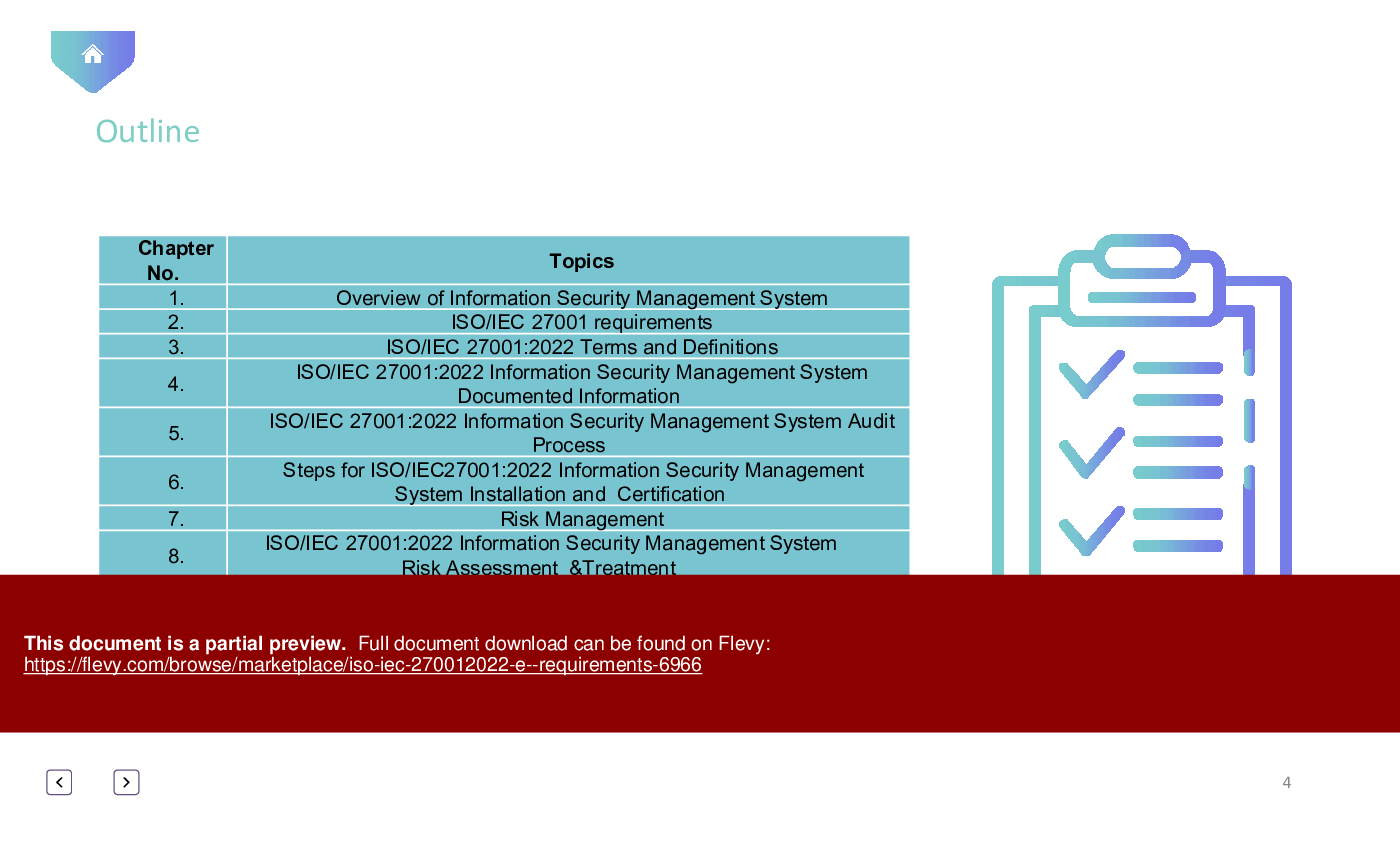
• Overview of Information Security Management System (page 3)
• ISO/IEC 27001 Requirements (page 5)
• Terms and Definitions (page 7)
• Documented Information for ISMS (page 9)
• ISMS Audit Process (page 10)
• Steps for Installation and Certification (page 12)
• Risk Management (page 15)
• Risk Assessment & Treatment (page 18)
• ISMS Controls Reference (page 20)
• Basic Concepts of Information Security Management (page 22)
• Summary of Changes in ISO/IEC 27001:2022 (page 25)
• Implementation and Certification Process Overview (page 28)
Primary Topics Covered
• Information Security Management System (ISMS) - An overview of the ISMS framework, emphasizing the systematic approach to managing sensitive information and ensuring its confidentiality, integrity, and availability.
• ISO/IEC 27001 Requirements - Detailed requirements for establishing, implementing, maintaining, and improving an ISMS, tailored to organizational needs.
• Risk Management - A structured process for identifying, assessing, and treating information security risks, ensuring effective risk mitigation strategies.
• ISMS Audit Process - Guidelines for conducting internal and external audits to evaluate the effectiveness of the ISMS and ensure compliance with ISO/IEC 27001.
• Certification Steps - A comprehensive guide to the steps required for ISO/IEC 27001 certification, including preparation, application, and ongoing maintenance.
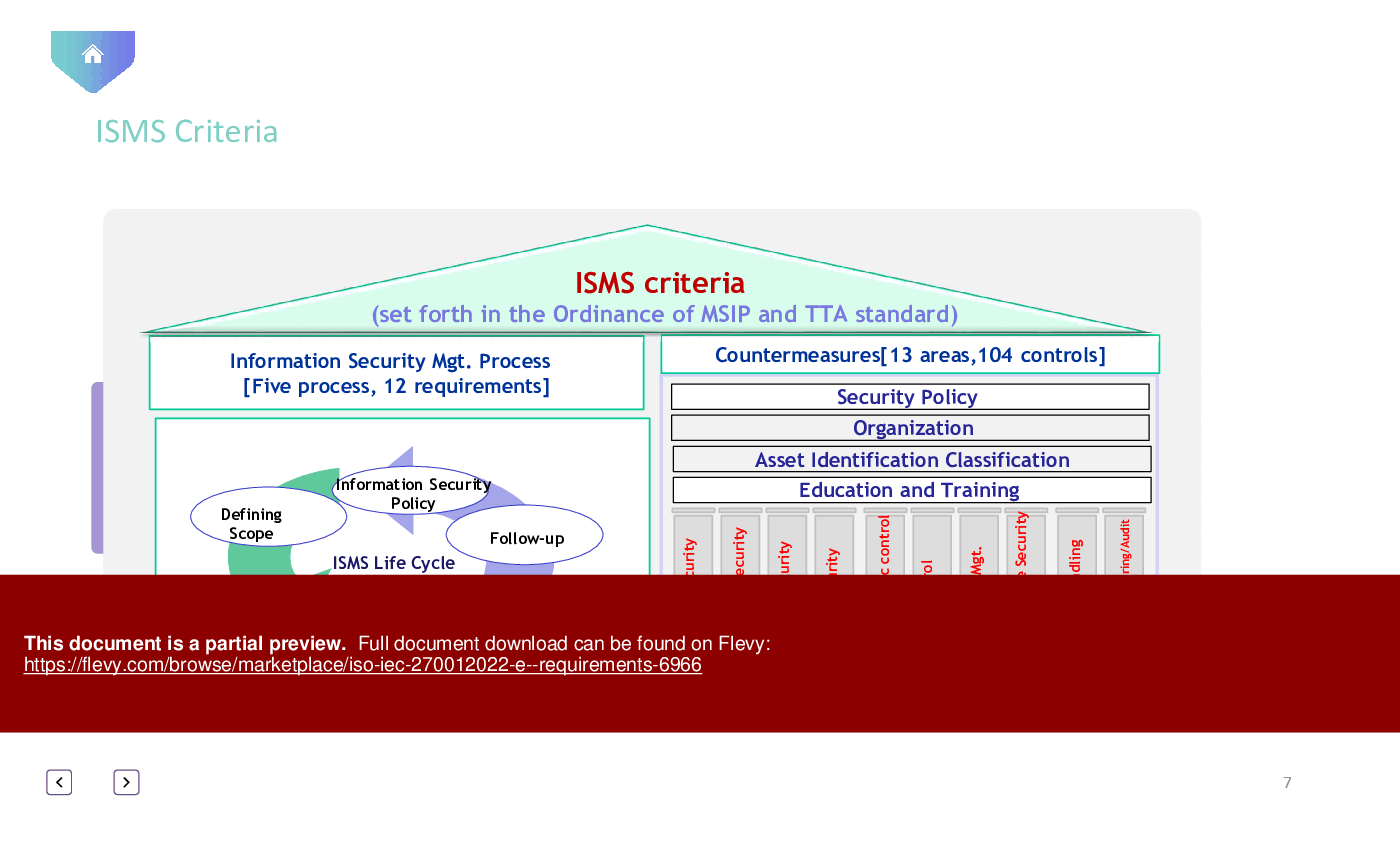
• Control Framework - An updated control framework with 93 controls categorized into organizational, people, physical, and technological aspects, aligned with ISO/IEC 27002:2022.
Deliverables, Templates, and Tools
• ISMS implementation roadmap template to guide organizations through the certification process.
• Risk assessment and treatment plan template for identifying and managing information security risks.
• Information security policy framework to establish organizational security objectives and commitments.
• Audit checklist for internal assessments to ensure compliance with ISO/IEC 27001 requirements.
• Statement of Applicability (SoA) template to document applicable controls and their implementation status.
• Training materials for staff awareness on information security practices and policies.
Slide Highlights
• Overview of the ISMS framework and its importance in protecting sensitive information.
• Detailed breakdown of the ISO/IEC 27001:2022 requirements and their implications for organizations.
• Visual representation of the risk management process, illustrating key steps and considerations.
• Summary of changes from the previous ISO/IEC 27001:2013 standard, highlighting new controls and requirements.
• Certification process overview, detailing each step from preparation to ongoing maintenance.
Potential Workshop Agenda
ISO/IEC 27001 Overview Session (90 minutes)
• Introduction to ISO/IEC 27001:2022 and its significance.
• Discussion on the requirements for establishing an ISMS.
• Overview of the risk management process and its importance.
ISMS Implementation Workshop (120 minutes)
• Step-by-step guidance on implementing the ISMS.
• Group activity: Developing a risk assessment and treatment plan.
• Q&A session to address specific implementation challenges.
Certification Preparation Session (60 minutes)
• Overview of the certification process and requirements.
• Discussion on maintaining compliance and preparing for audits.
• Sharing best practices for successful certification.
Customization Guidance
• Tailor the ISMS scope to align with specific organizational needs and objectives.
• Modify the risk assessment process to reflect unique information assets and vulnerabilities.
• Adapt the information security policy framework to incorporate organizational culture and values.
• Update training materials to address specific roles and responsibilities within the organization.
• Incorporate feedback from internal audits to continuously improve the ISMS.
Secondary Topics Covered
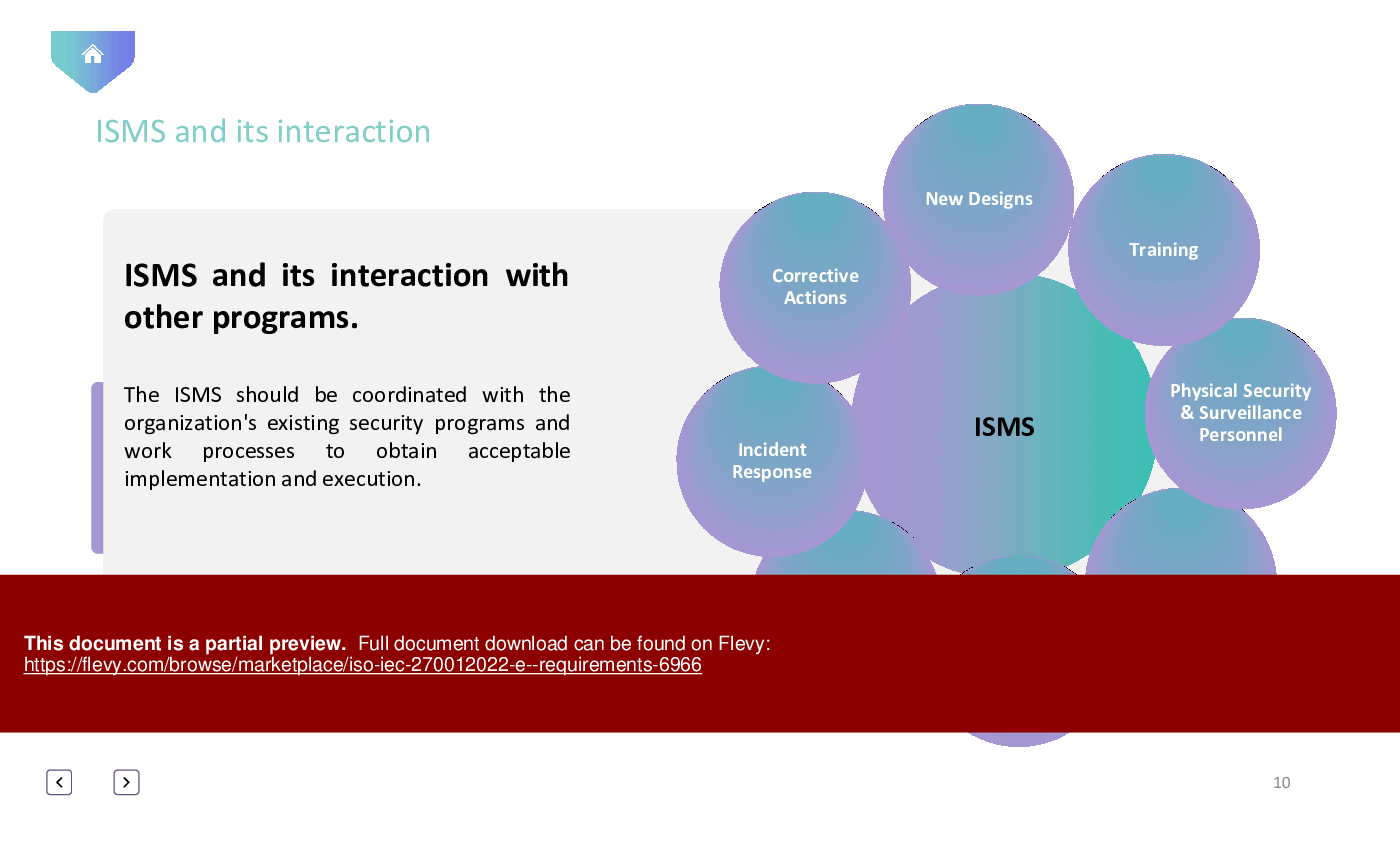
• Integration of ISMS with existing organizational processes and security programs.
• Legal and regulatory compliance considerations in information security.
• Best practices for managing information security incidents and breaches.
• Strategies for fostering a culture of security awareness within the organization.
• Emerging trends in cybersecurity and their implications for information security management.
Topic FAQ
Document FAQ
These are questions addressed within this presentation.
What is ISO/IEC 27001?
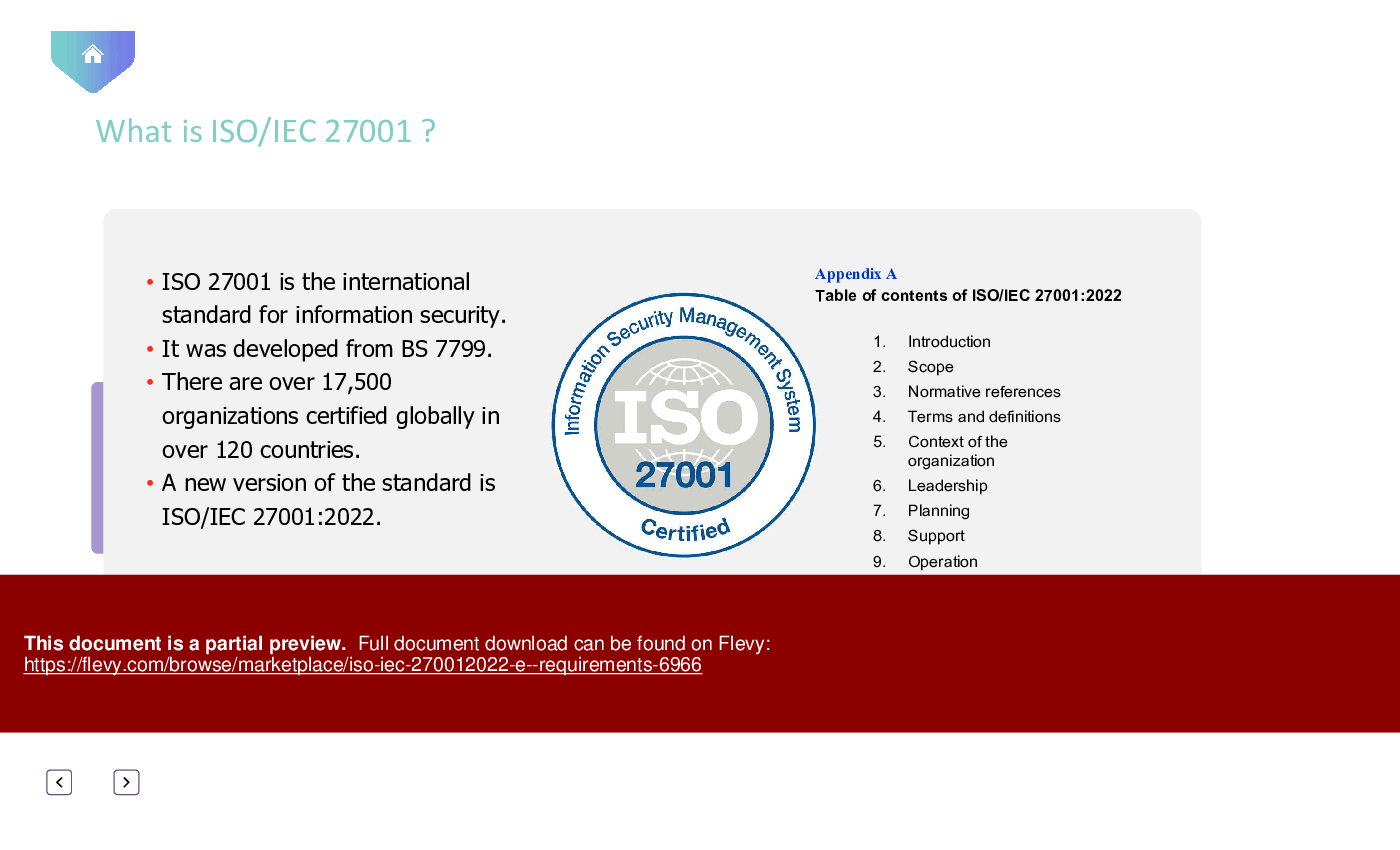
ISO/IEC 27001 is the international standard for establishing, implementing, maintaining, and improving an Information Security Management System (ISMS).
What are the benefits of ISO/IEC 27001 certification?
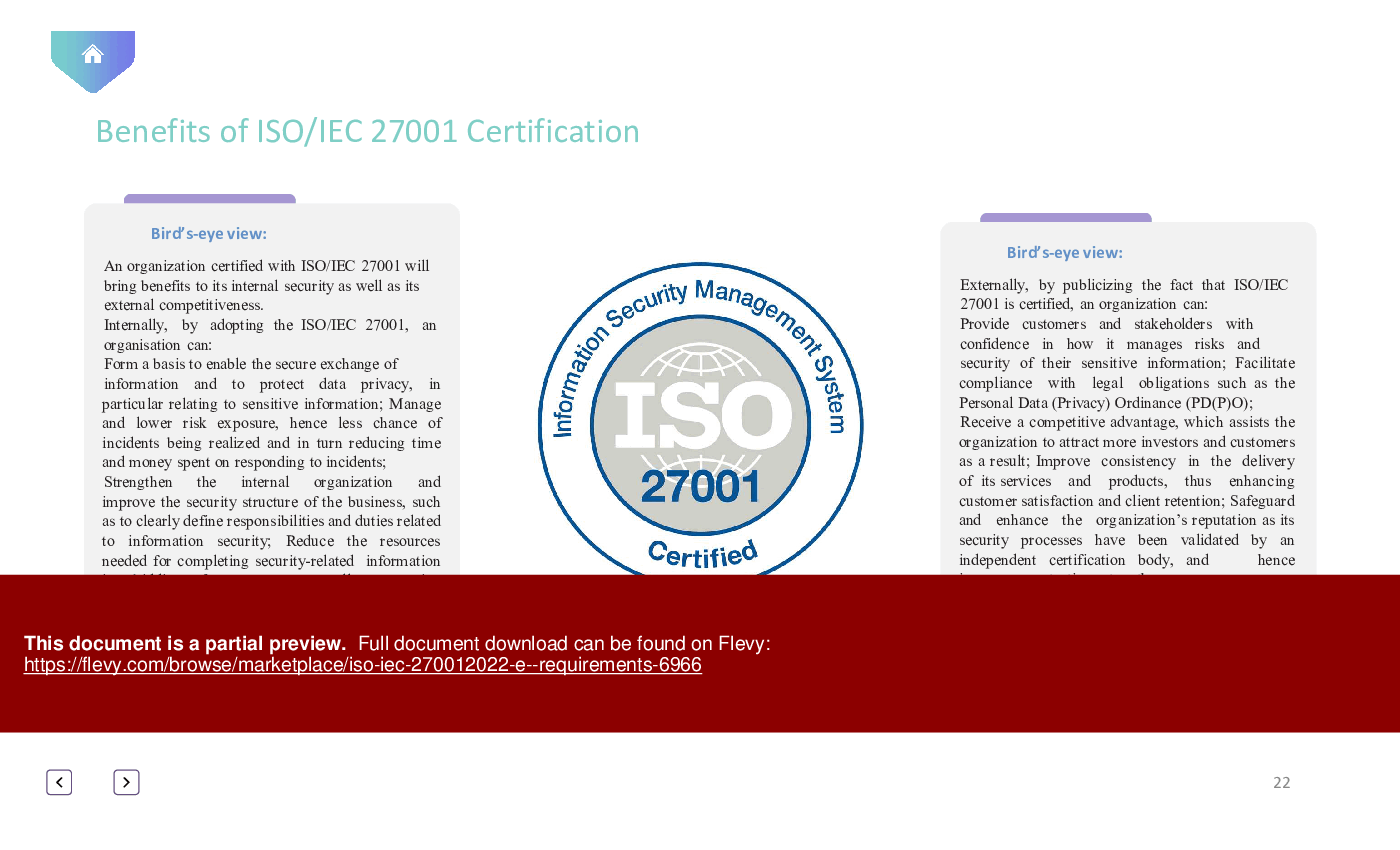
Certification demonstrates an organization’s commitment to information security, enhances customer trust, and helps meet regulatory requirements.
How often should an ISMS be audited?
Internal audits should be conducted at planned intervals, while external audits are typically performed annually to maintain certification.
What are the key changes in ISO/IEC 27001:2022?
The updated standard includes a reduction in controls from 114 to 93, new control categories, and a focus on cybersecurity and privacy protection.
How can we prepare for ISO/IEC 27001 certification?
Organizations should conduct a gap analysis, develop an ISMS implementation plan, and ensure staff are trained on information security practices.
What is the role of top management in the ISMS?
Top management must demonstrate leadership and commitment by establishing policies, providing resources, and promoting continual improvement.
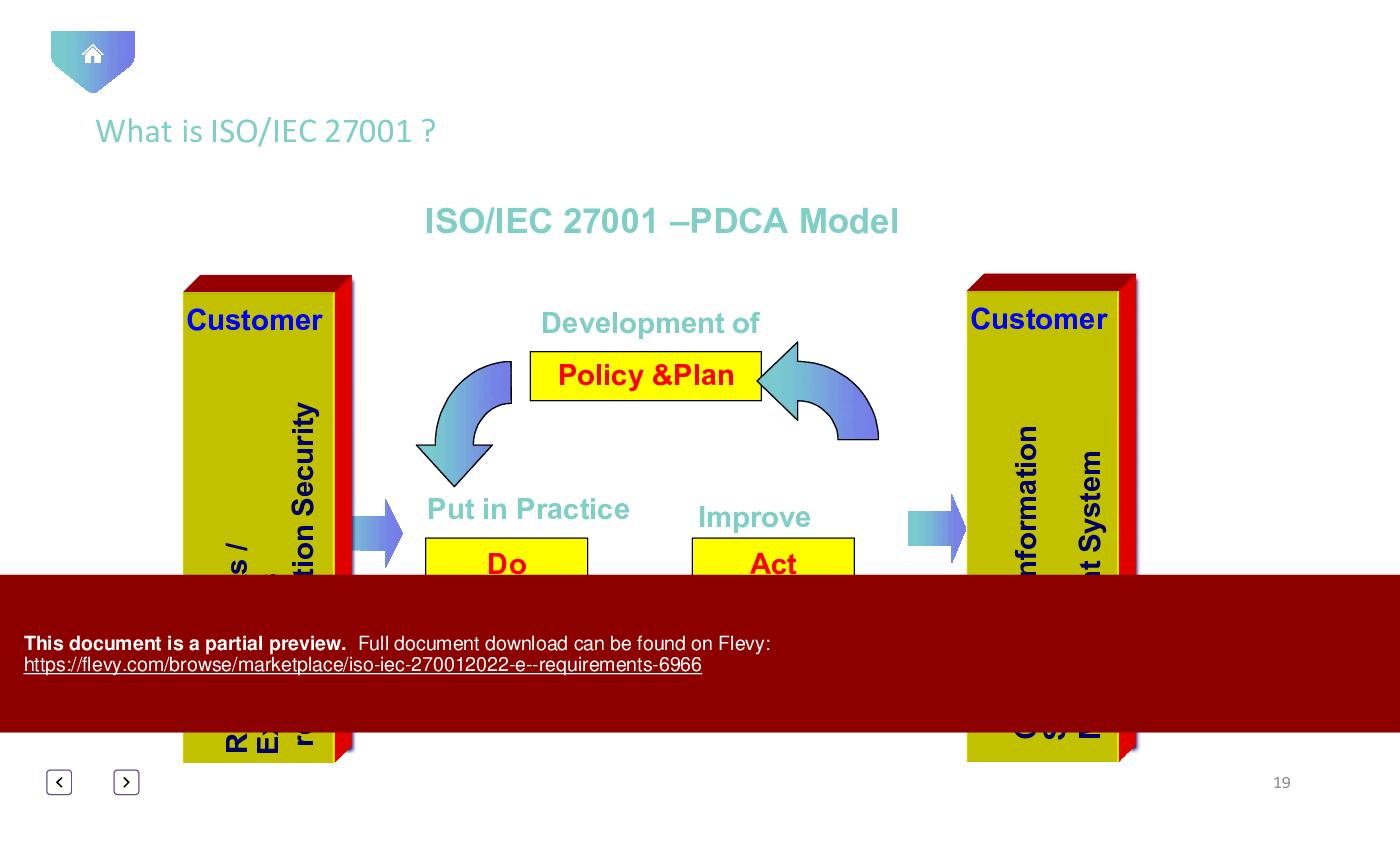
What is the risk management process in ISO/IEC 27001?
The process involves identifying, analyzing, evaluating, and treating information security risks to ensure they are effectively managed.
How do we maintain ISO/IEC 27001 certification?
Organizations must conduct regular internal audits, address nonconformities, and continuously improve the ISMS to ensure ongoing compliance.
Glossary
• ISMS - Information Security Management System, a systematic approach to managing sensitive information.
• Risk Assessment - The process of identifying and evaluating risks to information security.
• Statement of Applicability (SoA) - A document that outlines the controls applicable to the ISMS.
• Audit - A systematic examination of an organization’s ISMS to ensure compliance with ISO/IEC 27001.
• Control - A measure implemented to mitigate information security risks.
• Certification Body - An organization that conducts audits and issues ISO/IEC 27001 certificates.
• Annex A - A section of ISO/IEC 27001 that lists information security controls.
• Compliance - Adherence to legal, regulatory, and contractual obligations related to information security.
• Continual Improvement - Ongoing efforts to enhance the effectiveness of the ISMS.
• Incident Management - The process of identifying, managing, and responding to information security incidents.
• Data Privacy - The protection of personal information and compliance with privacy regulations.
• Cybersecurity - The practice of protecting systems, networks, and data from digital attacks.
• Stakeholders - Individuals or groups with an interest in the organization’s information security practices.
• Training - Programs designed to educate staff on information security policies and procedures.
• Policy - A formal statement outlining an organization’s approach to information security.
• Governance - The framework for making decisions and managing information security within an organization.
• Compliance Audit - An assessment to ensure adherence to information security standards and regulations.
• Threat Intelligence - Information about potential threats to an organization’s information security.
• Incident Response Plan - A documented strategy for managing information security incidents.
Source: Best Practices in ISO 27001 PowerPoint Slides: ISO/IEC 27001:2022 (E) - Requirements PowerPoint (PPTX) Presentation Slide Deck, RadVector Consulting
|
Download our FREE Digital Transformation Templates
Download our free compilation of 50+ Digital Transformation slides and templates. DX concepts covered include Digital Leadership, Digital Maturity, Digital Value Chain, Customer Experience, Customer Journey, RPA, etc. |










