Topics covered include:
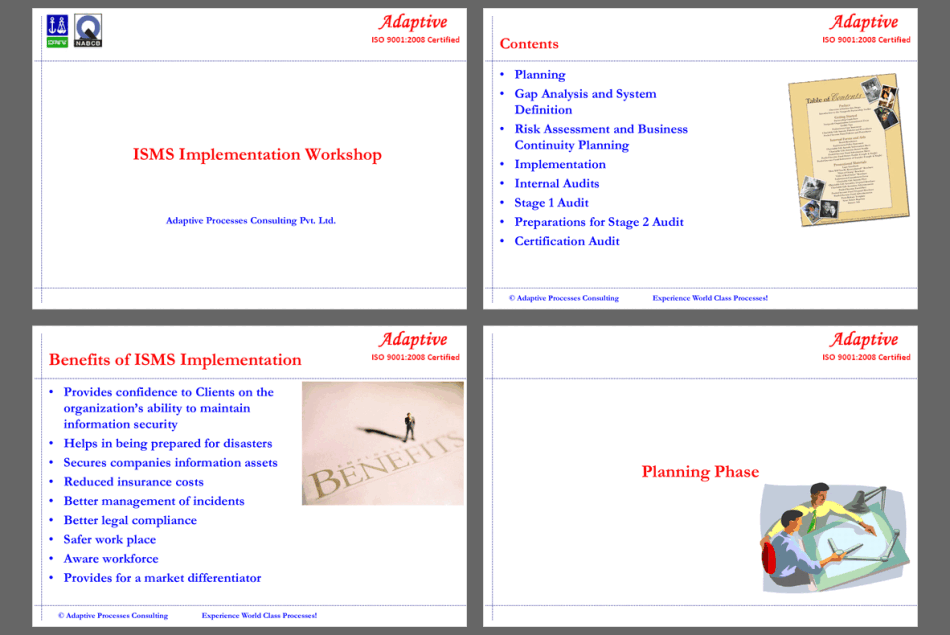
• Planning
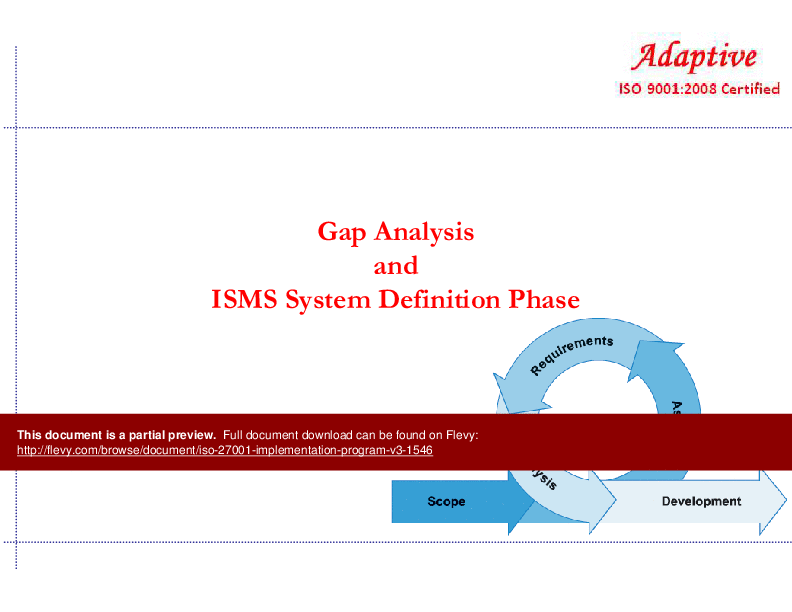
• Gap Analysis and System Definition
• Risk Assessment and Business Continuity * * Planning
• Implementation
• Internal Audits
• Stage 1 Audit
• Preparations for Stage 2 Audit
• Certification Audit
This presentation also includes a number of supplemental documents (embedded inside the slides). For your convenience, these documents have also been included in the secondary document (ZIP):
• Slide 26 -ISMS Manual
• Slide 26 – SOA
• Slide 26 -Risk Management Approach
• Slide 30 – Asset Register
• Slide 30 – RA/RTP
• Slide 37 – BCP Template
Got a question about the product? Email us at support@flevy.com or ask the author directly by using the "Ask the Author a Question" form. If you cannot view the preview above this document description, go here to view the large preview instead.
Executive Summary
The ISO 27001 Implementation Program (PPTX) offers a structured approach to establishing an Information Security Management System (ISMS). This comprehensive presentation guides organizations through the critical phases of planning, gap analysis, risk assessment, implementation, and auditing. By utilizing this program, corporate executives and consultants can ensure their organizations effectively manage information security risks and achieve ISO 27001 certification. The program emphasizes the importance of continuous improvement, stakeholder engagement, and adherence to best practices.
Who This Is For and When to Use
• Information Security Managers responsible for implementing ISMS.
• Compliance Officers ensuring adherence to ISO standards.
• Project Managers overseeing information security initiatives.
• Corporate Executives seeking to enhance organizational security posture.
Best-fit moments to use this deck:
• During the initial planning phase of ISO 27001 implementation.
• When conducting gap analysis to assess current security measures.
• In preparation for internal and external audits related to ISO 27001 certification.
Learning Objectives
• Define the key components of an ISMS and its importance in information security.
• Develop a comprehensive project plan for ISO 27001 implementation.
• Conduct a thorough gap analysis to identify areas for improvement.
• Implement effective risk assessment techniques and establish a risk treatment plan.
• Prepare for and execute internal and external audits successfully.
• Foster a culture of information security awareness across the organization.
Table of Contents
• Planning (page 3)
• Gap Analysis and System Definition (page 13)
• Risk Assessment and Business Continuity Planning (page 25)
• Implementation (page 40)
• Internal Audits (page 52)
• Stage 1 Audit (page 58)
• Preparations for Stage 2 Audit (page 62)
• Certification Audit (page 62)
Primary Topics Covered
• Planning - Establishing a clear roadmap for ISO 27001 implementation, including project timelines and stakeholder roles.
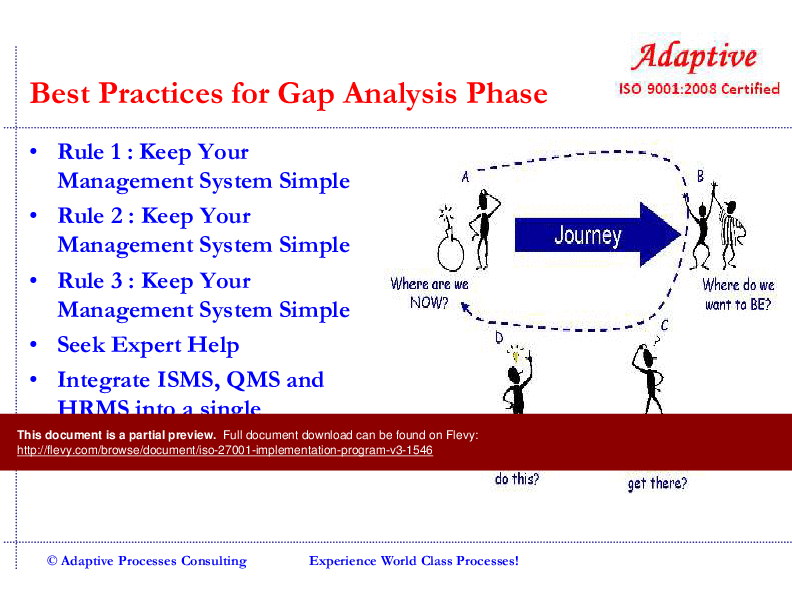
• Gap Analysis - Evaluating existing policies and procedures to identify deficiencies in information security measures.
• Risk Assessment - Identifying and analyzing risks to information security, including threats and vulnerabilities.
• Implementation - Executing the ISMS framework, including training and awareness initiatives.
• Internal Audits - Conducting audits to assess compliance with ISO standards and identify areas for improvement.
• Certification Audit - Preparing for and successfully navigating the certification process to achieve ISO 27001 accreditation.
Deliverables, Templates, and Tools
• ISMS Project Plan template for structured implementation.
• Gap Analysis Report template to document findings and recommendations.
• Risk Assessment Matrix for identifying and prioritizing risks.
• Internal Audit Checklist for evaluating compliance with ISO 27001.
• Business Continuity Plan template to ensure operational resilience.
• Training Materials for enhancing employee awareness of information security.
Slide Highlights
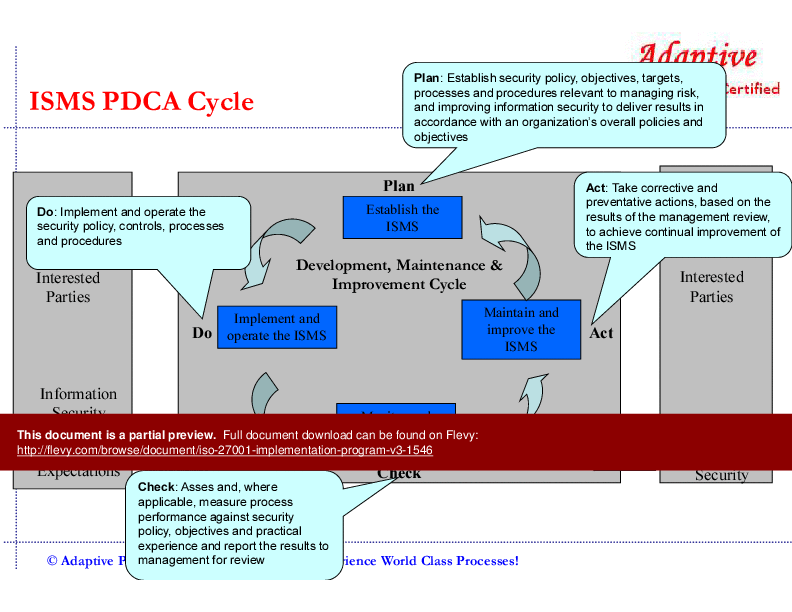
• Overview of the ISMS PDCA Cycle illustrating continuous improvement.
• Detailed roadmap for ISMS Implementation outlining key phases and activities.
• Visual representation of risk assessment processes and treatment plans.
• Best practices for conducting internal audits and preparing for certification.
• Case studies demonstrating successful ISO 27001 implementation.
Potential Workshop Agenda
ISMS Planning Workshop (90 minutes)
• Discuss the importance of ISMS and its alignment with business objectives.
• Review the project plan and assign roles and responsibilities.
• Conduct a gap analysis exercise to identify current security measures.
Risk Assessment Workshop (60 minutes)
• Identify potential threats and vulnerabilities within the organization.
• Develop a risk treatment plan based on identified risks.
• Discuss strategies for business continuity and disaster recovery.
Internal Audit Preparation Session (90 minutes)
• Review the internal audit process and its significance in ISO compliance.
• Develop an internal audit checklist and assign audit team members.
• Conduct a mock audit to practice assessment techniques.
Customization Guidance
• Tailor the project plan to reflect specific organizational goals and timelines.
• Adjust risk assessment criteria based on industry-specific threats.
• Incorporate company-specific policies and procedures into the ISMS framework.
Secondary Topics Covered
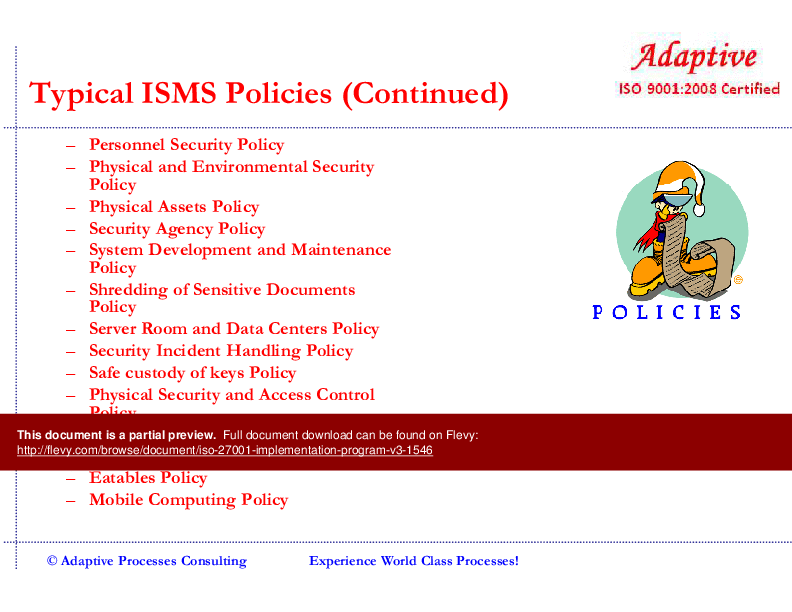
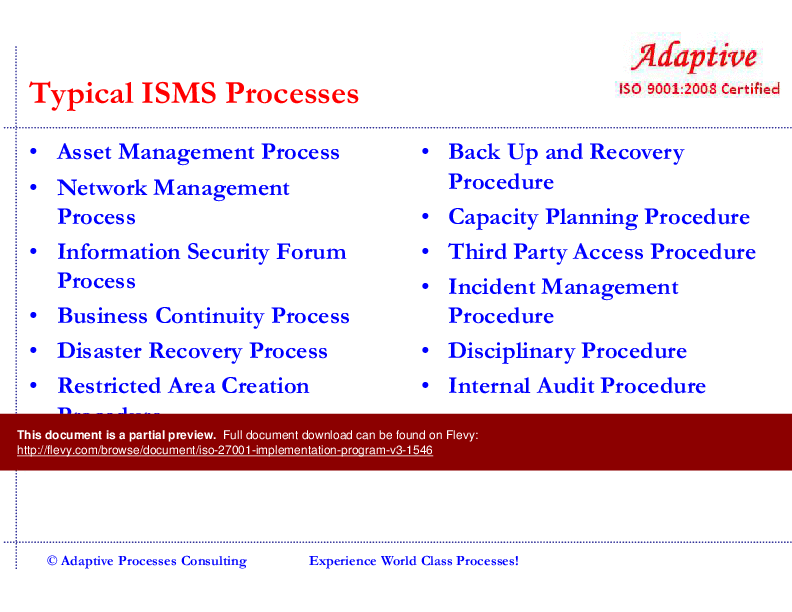
• Information Security Policies and Procedures.
• Business Continuity Planning and Disaster Recovery.
• Stakeholder Engagement and Communication Strategies.
• Training and Awareness Programs for employees.
• Monitoring and Measuring ISMS Effectiveness.
Topic FAQ
Document FAQ
These are questions addressed within this presentation.
What is the purpose of the ISO 27001 Implementation Program?
The program provides a structured approach to establishing an ISMS that meets ISO 27001 standards, ensuring effective management of information security risks.
Who should participate in the ISMS implementation process?
Key stakeholders include Information Security Managers, Compliance Officers, Project Managers, and Corporate Executives.
What are the key phases of the ISO 27001 implementation?
The key phases include planning, gap analysis, risk assessment, implementation, internal audits, and certification audits.
How can organizations prepare for internal audits?
Organizations should develop an internal audit checklist, train audit team members, and conduct mock audits to practice assessment techniques.
What is the significance of risk assessment in ISMS?
Risk assessment identifies potential threats and vulnerabilities, enabling organizations to develop effective risk treatment plans and enhance their security posture.
What are typical challenges faced during ISMS implementation?
Challenges include lack of coordination among functions, inadequate planning, and insufficient resources for training and awareness.
How can organizations ensure continuous improvement of their ISMS?
Organizations should regularly monitor and review their ISMS, conduct internal audits, and implement corrective actions based on audit findings.
What is the role of training in ISMS implementation?
Training is essential for raising awareness among employees about information security policies and procedures, ensuring compliance, and fostering a culture of security.
Glossary
• ISMS - Information Security Management System, a systematic approach to managing sensitive company information.
• PDCA Cycle - Plan-Do-Check-Act, a continuous improvement model used in ISMS.
• Gap Analysis - A method for assessing the difference between current practices and desired standards.
• Risk Assessment - The process of identifying, analyzing, and evaluating risks to information security.
• Business Continuity Plan - A strategy for ensuring the continuity of operations during and after a disaster.
• Internal Audit - An independent evaluation of an organization's processes and controls to ensure compliance with standards.
• Certification Audit - An external assessment to verify compliance with ISO 27001 standards.
• Stakeholder Engagement - Involving key stakeholders in the ISMS implementation process to ensure alignment and support.
• Training and Awareness - Programs designed to educate employees about information security policies and practices.
• Corrective Action - Steps taken to address non-conformities identified during audits.
• Risk Treatment Plan - A strategy for managing identified risks, including reduction, avoidance, transfer, or acceptance.
• VAPT - Vulnerability Assessment and Penetration Testing, a method for identifying security weaknesses.
• Statement of Applicability - A document that outlines the controls applicable to the ISMS.
• ISMS Manual - A comprehensive document detailing the policies and procedures of the ISMS.
• Management Review - A formal evaluation of the ISMS by top management to ensure its effectiveness and alignment with organizational objectives.
• Performance Metrics - Measurements used to assess the effectiveness of the ISMS.
• Incident Management - The process of identifying, analyzing, and responding to security incidents.
• Configuration Management - The process of maintaining computer systems and software in a desired state.
• Supplier Evaluation - The assessment of third-party suppliers to ensure they meet security requirements.
• Awareness Training - Programs aimed at educating employees about their roles in maintaining information security.
Source: Best Practices in ISO 27001 PowerPoint Slides: ISO 27001 Implementation Program (v3) PowerPoint (PPTX) Presentation Slide Deck, Adaptive US Inc.
|
Download our FREE Digital Transformation Templates
Download our free compilation of 50+ Digital Transformation slides and templates. DX concepts covered include Digital Leadership, Digital Maturity, Digital Value Chain, Customer Experience, Customer Journey, RPA, etc. |