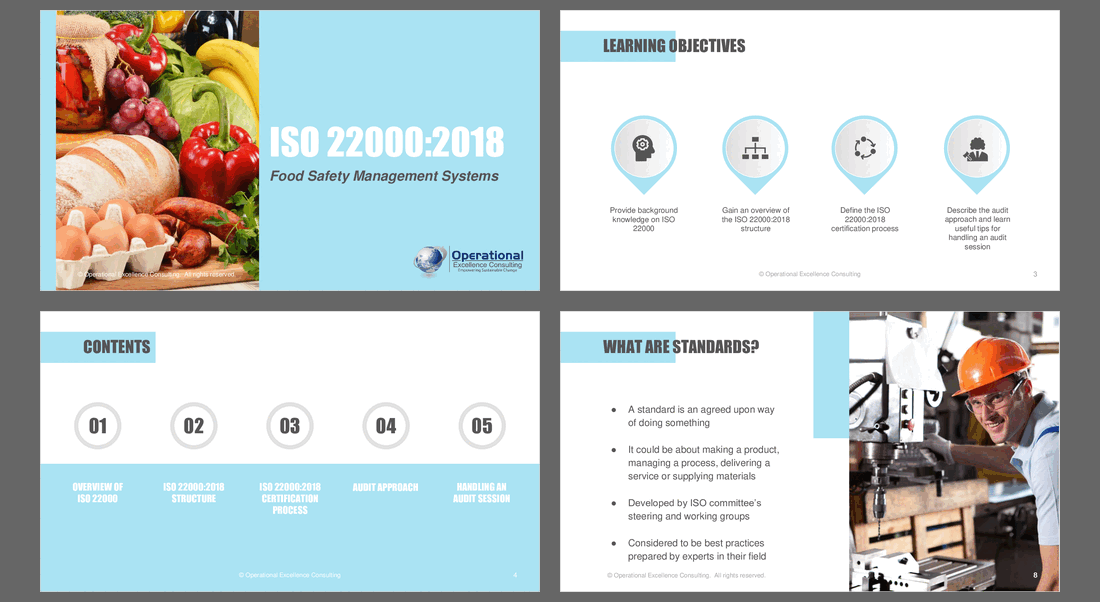
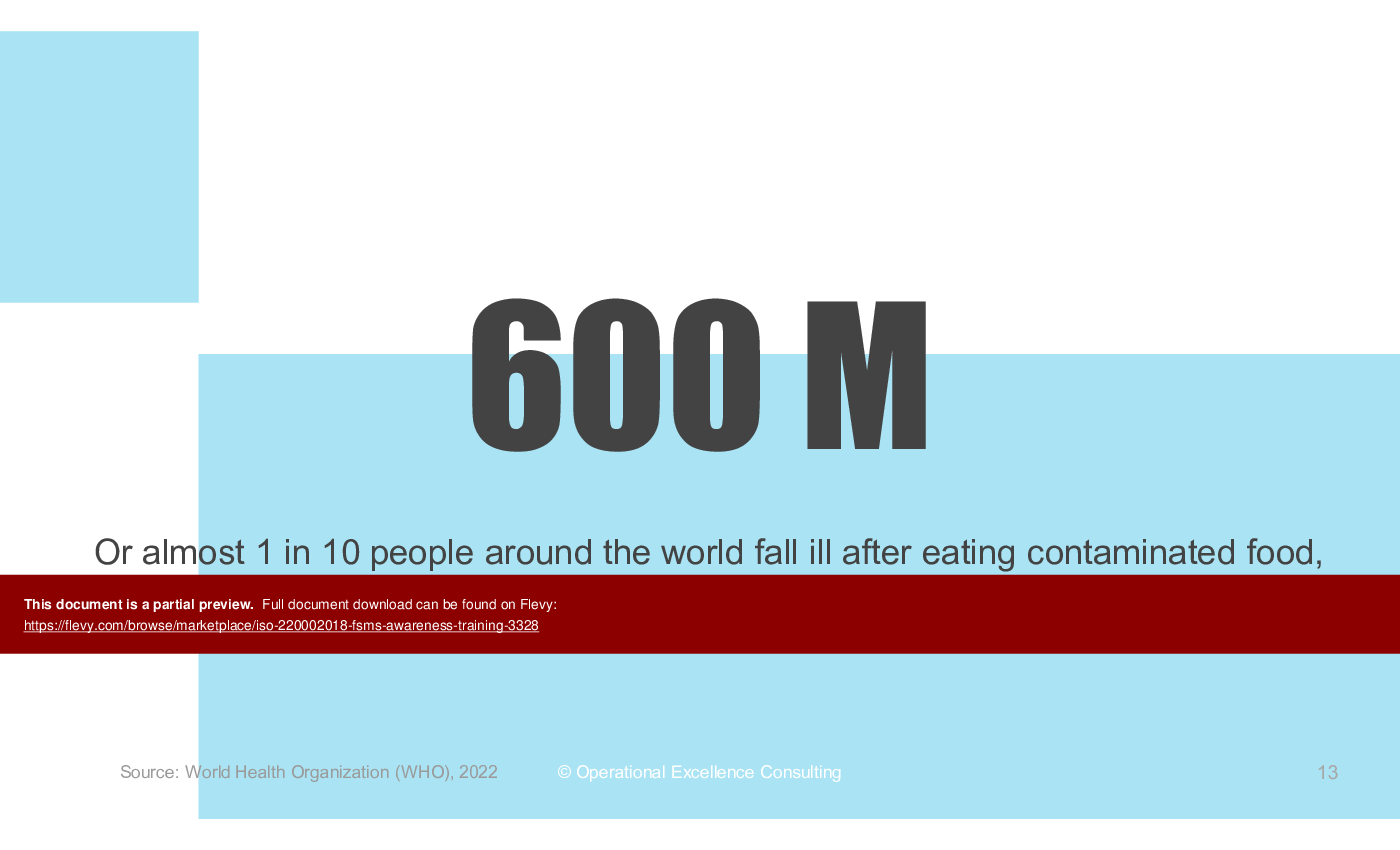

Did you know that one in 10 people falls ill each year due to eating contaminated food, as highlighted by the World Health Organization? In response to the increasing global challenges facing the food industry, ISO 22000:2018 is a globally recognized standard for Food Safety Management Systems (FSMS). This updated standard replaces ISO 22000:2005 and establishes requirements for organizations to create and maintain a food safety management system.

Applicable to organizations of all sizes within the food and feed industries, ISO 22000:2018 aligns with other ISO management system standards and can be seamlessly integrated into existing processes. It addresses the latest trends, food safety requirements, and emphasizes sustainable and trustworthy food security systems.
This ISO 22000:2018 Awareness Training Presentation is a valuable tool for introducing this standard to your employees. Covering the importance of the standard, the FSMS clause structure, the certification process, and practical tips for audit sessions, this presentation ensures that your employees are well-informed and comfortable with ISO 22000:2018, enhancing their contribution to your food safety management system.
LEARNING OBJECTIVES
1. Provide background knowledge on ISO 22000.
2. Gain an overview of ISO 22000 structure.
3. Understand the ISO 22000 certification process.
4. Describe the audit approach and learn useful tips for handling an audit session.
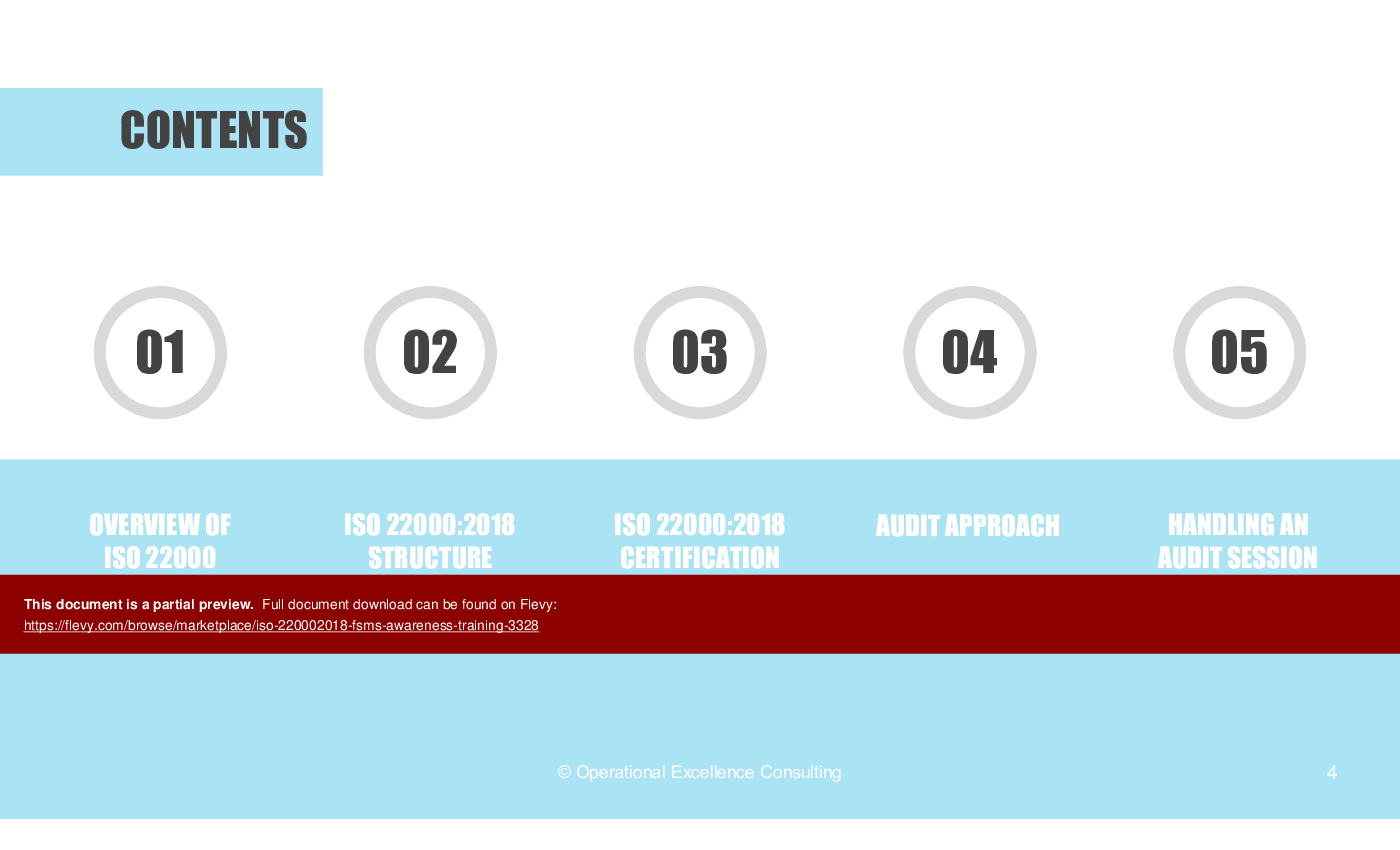
CONTENTS
1. Overview of ISO 22000
• About ISO
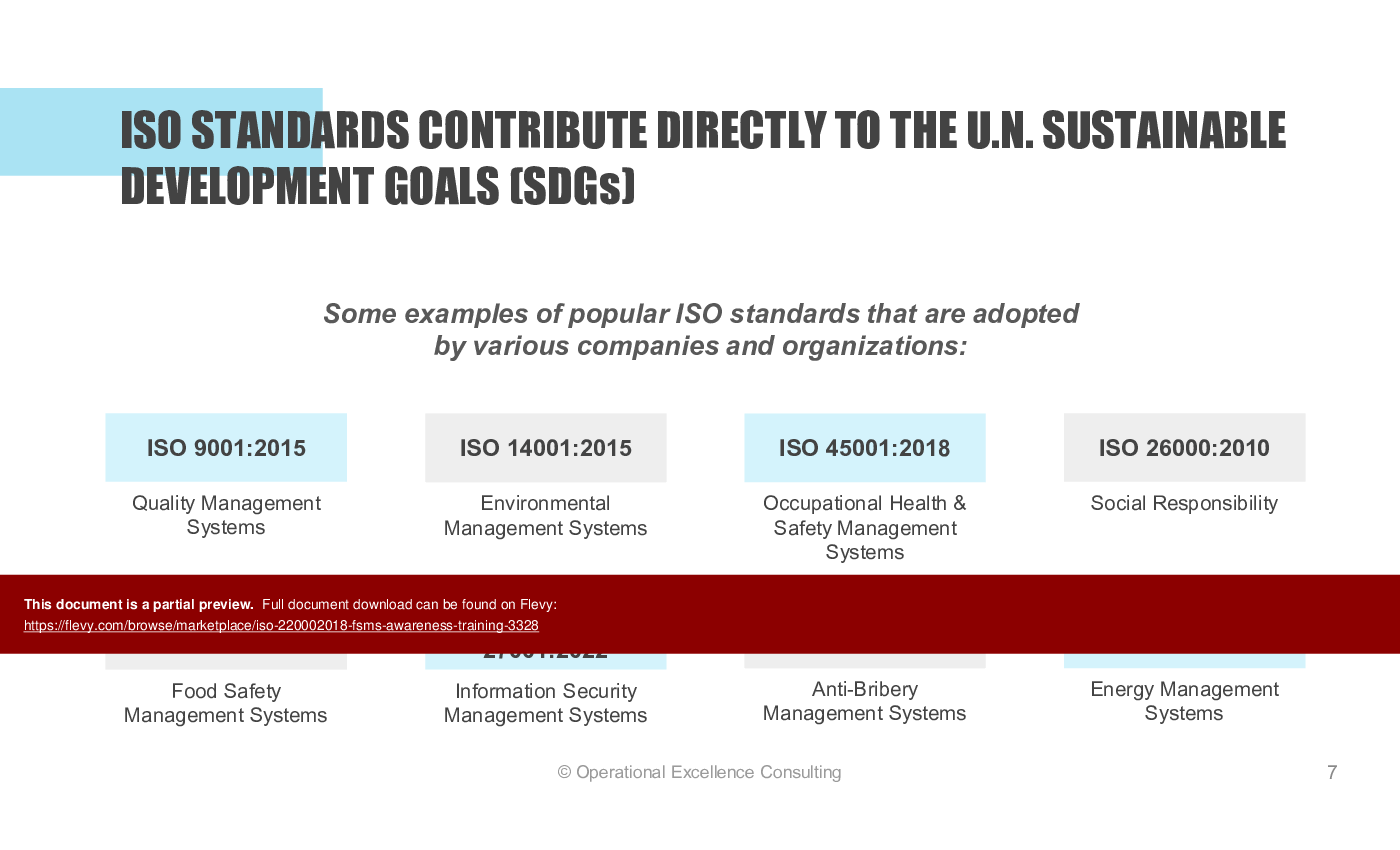
• ISO Standards Contribute Directly to the UN Sustainable Development Goals (SDGs)
• What are Standards?
• What Standards are Not
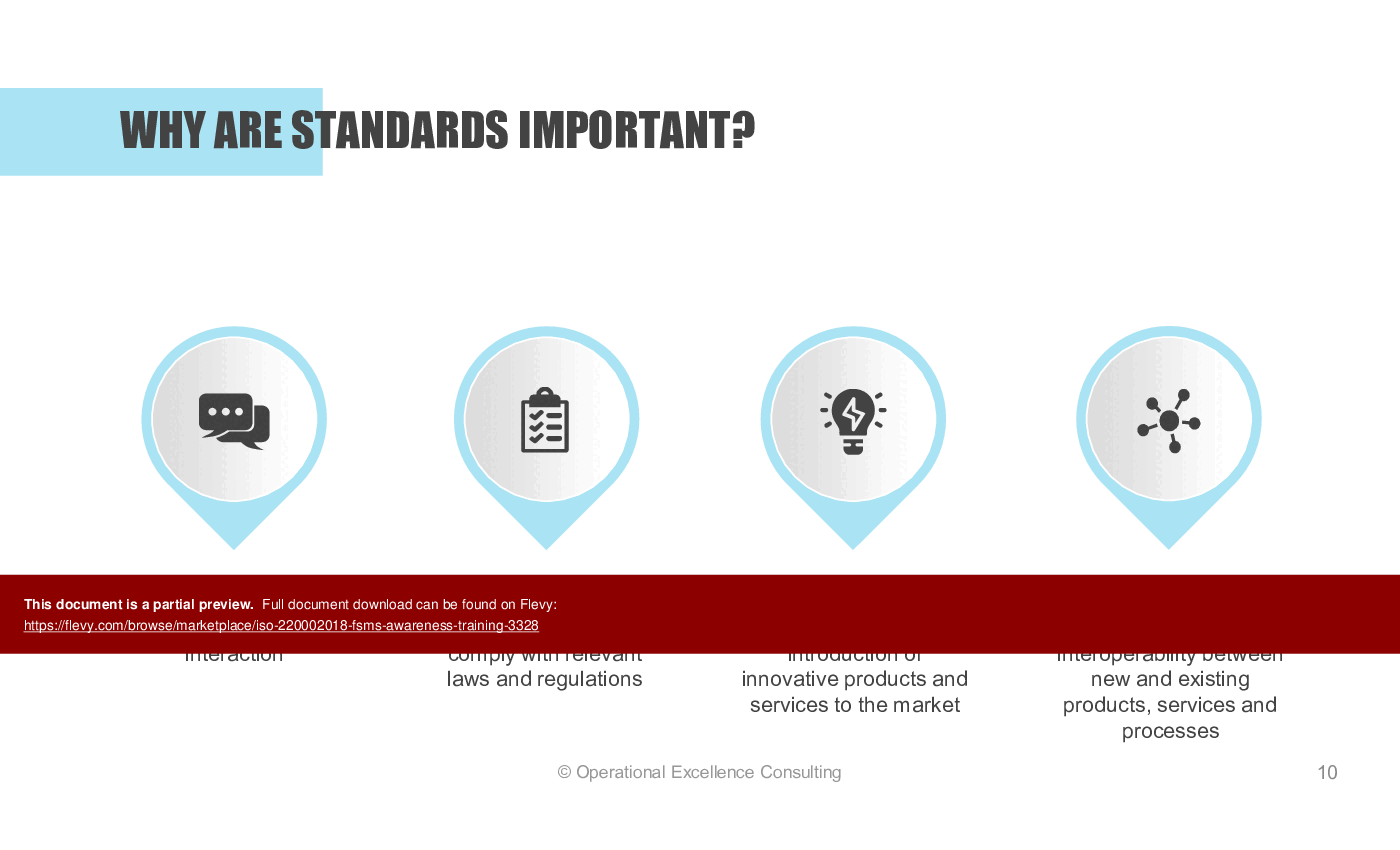
• Why are Standards Important?
• Why an ISO Standard?
• What is a Management System?
• Introduction to Food Safety
• The Food Supply Chain
• Risk Factors of Food Safety
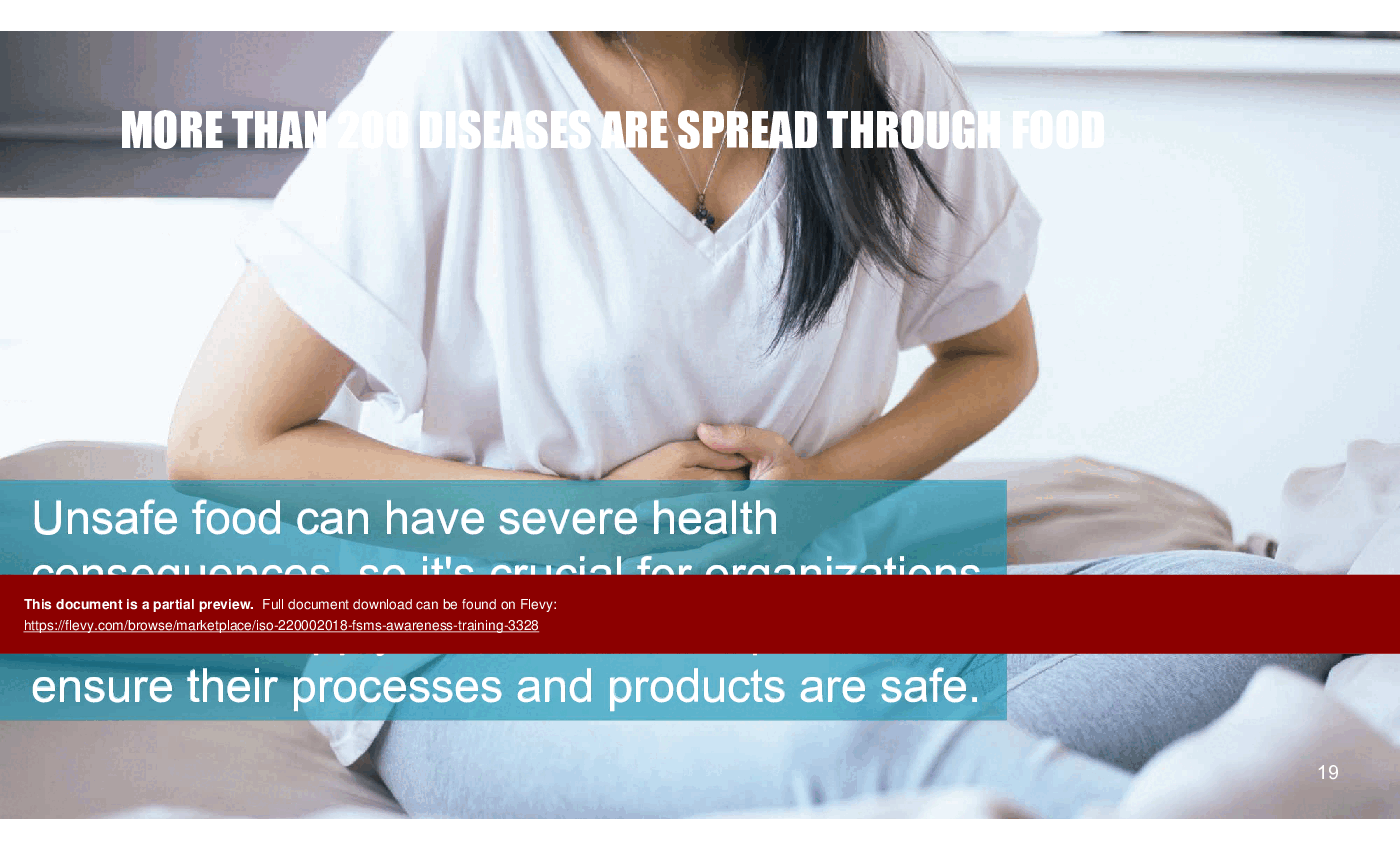
• More than 200 Diseases are Spread through Food
• What is ISO 22000?
• Why is ISO 22000 Required?
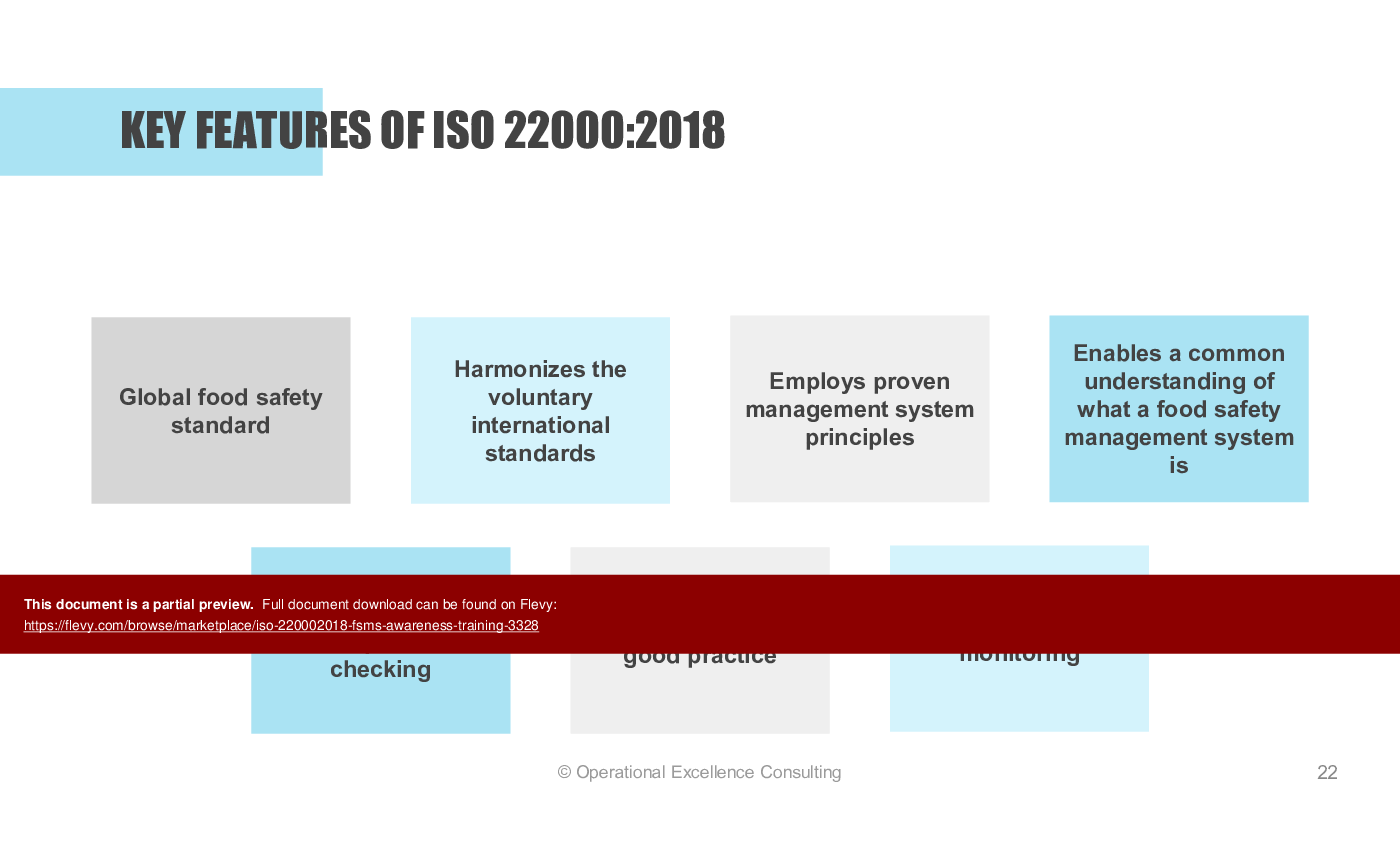
• Key Features of ISO 22000
• Primary Elements of an FSMS
• How Does ISO 22000 Work?
• 7 Principles of HACCP
• ISO 22000 & Codex Alimentarius
• Benefits to an Organization for Implementing an FSMS
• Advantages of Certification
• Accreditation & Certification Bodies
• The Plan-Do-Check-Act (PDCA) Process Model
• Emphasis on Process Approach
• Risk-based Thinking
• Benefits of the New ISO 22000:2018
2. ISO 22000 Structure
• What is Annex L?
• Annex L is a Framework for a Generic Management System
• High-Level Structure (HLS)
• ISO 22000 is Based on the High-Level Structure for Management System Standards
• HLS: The Same Core Elements
• ISO 22000 is Based on the PDA Model
• The PDCA Cycle at the Two Levels
• PDCA and ISO 22000:2018 Clause Structure
• ISO 22000:2018 Key Clause Structure (4-10)
• Context of the Organization
• Leadership
• Planning
• Support
• Operation
• Performance Evaluation
• Improvement
• The PDCA Cycle is the Engine of Continuous Improvement
• Continual Improvement
3. ISO 22000 Certification
• Becoming ISO 22000:2018 Certified
• ISO 22000:2018 Certification Transition Timeline
• ISO 22000:2018 Certification Process
• What Does Certification Assure?
4. Audit Approach
• What is an Audit?
• What is an ISO Audit?
• What Are Audits Used For?
• Types of Audits
• Internal Audit
• Principles of Auditing
• Audit Approach
• Audit Emphasis
• Review of Documented Information
• Audit Findings
5. Handling an Audit Session
• Rights of Auditee
• Rights of Auditor
• How to Handle the Audit Session?
• Auditee's Conduct
• Do's
• Don'ts
• From Farm to Table, Make Food Safe
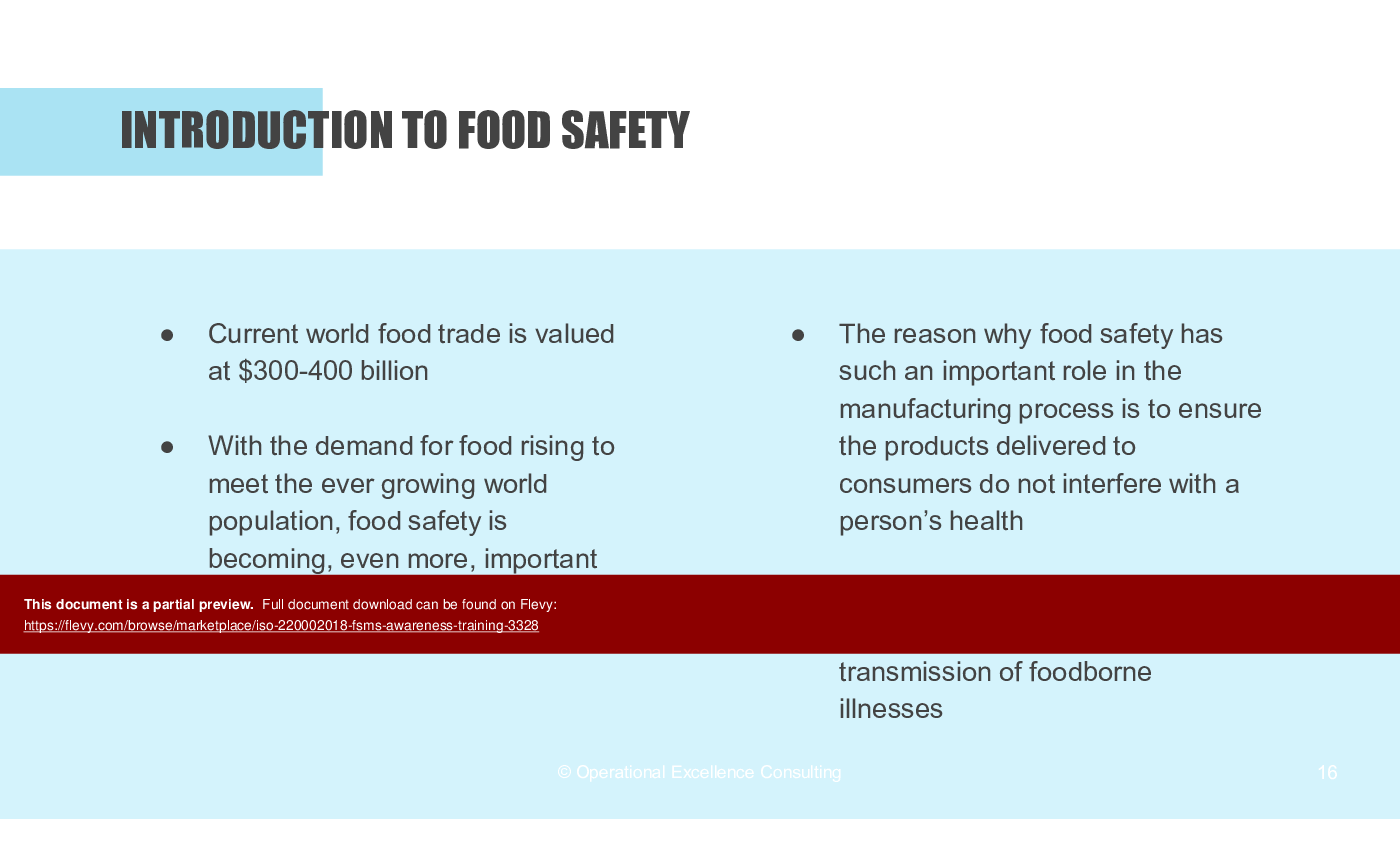
This training presentation also highlights the critical role of food safety in the global trade market, valued at $300-400 billion. It emphasizes the importance of maintaining safe food processes to prevent severe health consequences and foodborne illnesses.
Got a question about the product? Email us at support@flevy.com or ask the author directly by using the "Ask the Author a Question" form. If you cannot view the preview above this document description, go here to view the large preview instead.
Executive Summary
This ISO 22000:2018 Awareness Training presentation is designed to equip organizations with the knowledge necessary to implement effective Food Safety Management Systems (FSMS). Developed by a seasoned ISO Management System Lead Auditor, this training covers the essentials of ISO 22000, including its structure, certification process, and audit strategies. Participants will gain insights into managing food safety hazards, ensuring compliance, and enhancing customer satisfaction. This training is essential for organizations aiming to improve their food safety practices and achieve ISO certification.
Who This Is For and When to Use
• Quality Assurance Managers overseeing food safety protocols
• Compliance Officers ensuring adherence to regulatory standards
• Food Safety Team Members involved in FSMS implementation
• Senior Management aiming to understand ISO 22000 benefits
• Internal Auditors conducting audits for food safety compliance
Best-fit moments to use this deck:
• During onboarding sessions for new employees in food safety roles
• As part of continuous professional development for quality assurance teams
• When preparing for an upcoming ISO 22000 certification audit
• To enhance understanding of food safety management among stakeholders
Learning Objectives
• Provide background knowledge on ISO 22000
• Gain an overview of the ISO 22000:2018 structure
• Define the ISO 22000:2018 certification process
• Describe the audit approach and learn useful tips for handling an audit session
• Understand the importance of food safety in the supply chain
• Identify key elements of an effective FSMS
• Learn about the integration of ISO 22000 with other ISO standards
Table of Contents
• Overview of ISO 22000 (page 5)
• ISO 22000:2018 Structure (page 34)
• ISO 22000:2018 Certification Process (page 47)
• Audit Approach (page 52)
• Handling an Audit Session (page 64)
Primary Topics Covered
• Overview of ISO 22000 - An introduction to ISO 22000 as a global standard for food safety management, detailing its relevance and application across the food supply chain.
• ISO 22000:2018 Structure - Explanation of the high-level structure (HLS) and key clauses that define the framework for an effective FSMS.
• Certification Process - Steps involved in achieving ISO 22000:2018 certification, including audits and the role of certification bodies.
• Audit Approach - Overview of the systematic process for conducting audits, focusing on compliance with ISO standards.
• Handling an Audit Session - Best practices for auditees during an audit, including rights and responsibilities.
Deliverables, Templates, and Tools
• FSMS implementation plan template for organizations
• Audit checklist for ISO 22000 compliance
• Training materials for staff on food safety practices
• Risk management action plan template for food safety
• Documentation guidelines for maintaining ISO standards
Slide Highlights
• Overview of ISO 22000 slide summarizing its global significance and impact on food safety.
• Structure of ISO 22000:2018 slide outlining the high-level structure and key clauses.
• Certification process flowchart detailing the steps to achieve ISO 22000:2018 certification.
• Audit approach slide emphasizing the importance of systematic and objective evaluation.
• Handling an audit session slide providing tips for effective interaction with auditors.
Potential Workshop Agenda
ISO 22000 Overview Session (60 minutes)
• Introduction to ISO 22000 and its significance
• Discussion on food safety management principles
• Overview of the food supply chain and risk factors
ISO 22000 Structure and Certification (90 minutes)
• Detailed explanation of the ISO 22000:2018 structure
• Steps to achieve certification and maintain compliance
• Group activity on identifying gaps in current FSMS
Audit Preparation Workshop (60 minutes)
• Best practices for conducting internal audits
• Role-playing audit scenarios to practice handling sessions
• Q&A session on common audit challenges
Customization Guidance
• Tailor the presentation to include specific organizational policies and procedures.
• Adjust case studies and examples to reflect industry-specific challenges.
• Incorporate local regulatory requirements relevant to food safety.
Secondary Topics Covered
• Importance of HACCP principles in food safety management
• Role of leadership in promoting a culture of food safety
• Integration of ISO 22000 with other management systems like ISO 9001
• Risk-based thinking in food safety management
Topic FAQ
Document FAQ
These are questions addressed within this presentation.
What is ISO 22000?
ISO 22000 is a global food safety standard that specifies requirements for a Food Safety Management System (FSMS) to ensure safe food production and handling.
Why is ISO 22000 important?
ISO 22000 helps organizations manage food safety hazards effectively, ensuring compliance with regulations and enhancing consumer trust.
What are the key components of an FSMS?
An FSMS includes interactive communication, system management, prerequisite programs, and HACCP principles to control food safety hazards.
How does the certification process work?
The certification process involves selecting a certification body, conducting internal audits, and undergoing stage 1 and stage 2 audits to confirm compliance.
What types of audits are there?
There are internal audits, second-party audits (by customers), and third-party audits (by certification bodies) to assess compliance with ISO standards.
What should I do if I encounter nonconformities during an audit?
Address nonconformities promptly, document corrective actions, and ensure compliance with ISO requirements to maintain certification.
How can I prepare for an ISO audit?
Familiarize yourself with ISO standards, conduct internal audits, and ensure all documentation is up to date and accessible for auditors.
What is the role of leadership in food safety management?
Leadership is crucial in establishing a food safety culture, setting objectives, and ensuring resources are allocated for effective FSMS implementation.
Glossary
• ISO 22000 - International standard for food safety management systems.
• FSMS - Food Safety Management System, a framework for managing food safety.
• HACCP - Hazard Analysis and Critical Control Points, a systematic preventive approach to food safety.
• Certification Body - An organization that assesses and certifies compliance with ISO standards.
• Audit - A systematic evaluation of an organization's processes against set standards.
• Nonconformity - A failure to meet specified requirements in an audit.
• Prerequisite Programs (PRPs) - Basic conditions and activities necessary for the effective implementation of food safety management.
• Risk-Based Thinking - An approach that considers risks in decision-making processes.
• High-Level Structure (HLS) - A standardized structure for ISO management system standards.
• Continuous Improvement - Ongoing efforts to enhance products, services, or processes.
• Stakeholders - Individuals or groups with an interest in the organization's performance.
• Compliance - Adherence to laws, regulations, and standards.
• Documentation - Recorded information that must be controlled and maintained.
• Internal Audit - A self-assessment of compliance with standards within the organization.
• External Audit - An independent assessment conducted by a third party.
• Accreditation - Formal recognition that a certification body operates according to international standards.
• Food Safety Hazards - Biological, chemical, or physical agents in food that can cause illness or injury.
• Traceability - The ability to track the history, application, or location of an item through recorded identification.
• Emergency Preparedness - Planning and training for potential food safety emergencies.
• Stakeholder Expectations - The needs and requirements of individuals or groups affected by the organization.
Source: Best Practices in FSMS, ISO 22000 PowerPoint Slides: ISO 22000:2018 (FSMS) Awareness Training PowerPoint (PPTX) Presentation Slide Deck, Operational Excellence Consulting
|
Download our FREE Strategy & Transformation Framework Templates
Download our free compilation of 50+ Strategy & Transformation slides and templates. Frameworks include McKinsey 7-S, Balanced Scorecard, Disruptive Innovation, BCG Curve, and many more. |