
BENEFITS OF THIS POWERPOINT DOCUMENT
- Provides a framework for organizations to implement state-of-the-art solutions for the event industry.
- Provides a tool to create awareness of the ISO 20121 event sustainability management system.
- Supports your organization's commitment to the U.N. Sustainable Development Goals (SDGs).
ESG PPT DESCRIPTION
Editor Summary
63-slide PowerPoint (PPTX) ISO 20121 awareness training developed by Operational Excellence Consulting and authored by an ex-ISO Management System Lead Auditor with experience at Microsoft and IBM.
Read more
Covers ISO 20121 structure (aligned to Annex L/High-Level Structure and PDCA), the certification process, audit session management, and continuous improvement. Includes 5 deliverables: ESMS framework template, internal audit checklist, certification process roadmap, audit session preparation guide, and continuous improvement action plan template. Sold as a digital download on Flevy.
Use this deck when an organization needs to brief staff or prepare teams for ISO 20121 event sustainability requirements—during onboarding, pre-audit readiness, or when designing ESMS processes.
Event managers and coordinators integrating sustainability criteria into event planning checklists and operational controls.
Compliance or sustainability leads aligning organizational policies and objectives ahead of certification assessments.
Internal auditors and certification assessors rehearsing audit roles, rights, and evidence requirements before third-party audits.
Procurement or supply-chain partners mapping supplier requirements into the ESMS.
The presentation’s structure follows the PDCA model and Annex L alignment, reflecting common management-systems practice.
ISO 20121:2012 specifies requirements for an Event Sustainability Management System (ESMS) for any type of event or event-related activity, and provides guidance on conforming to those requirements.
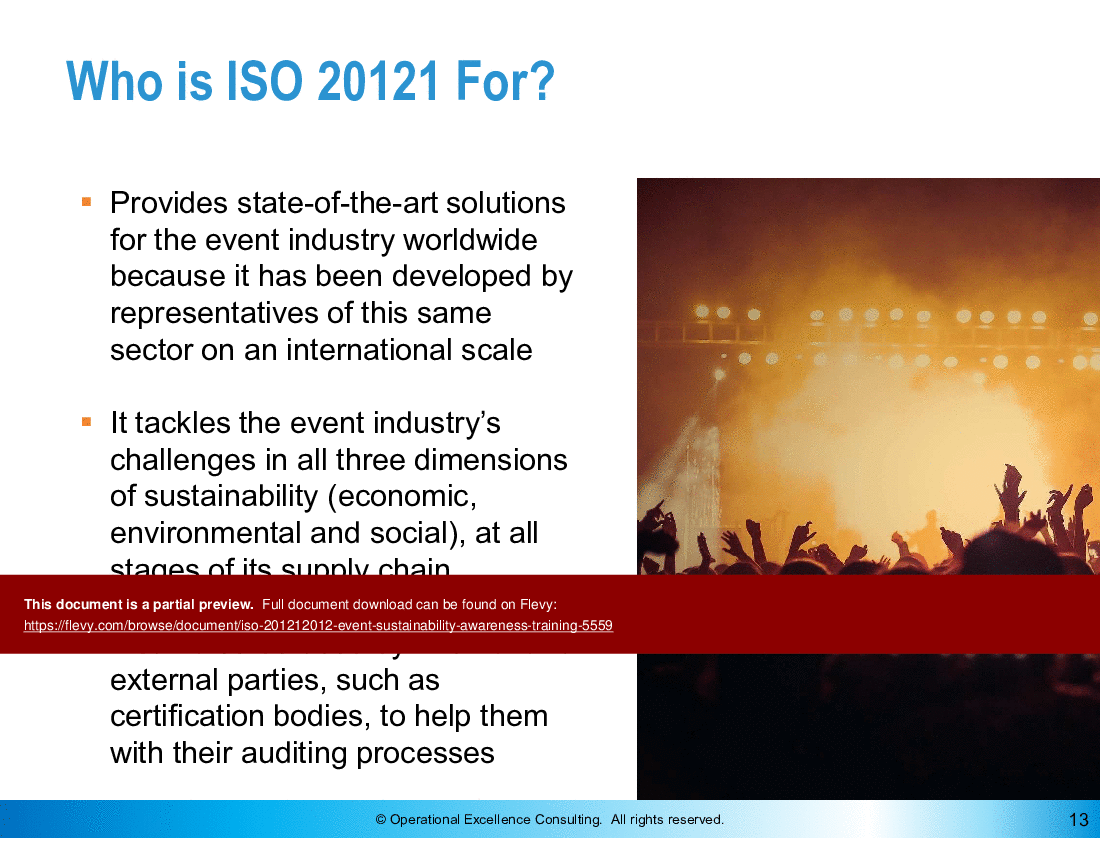
The ISO 20121:2012 international standard provides state-of-the-art solutions for the event industry worldwide, and provides business, government and society with practical tools for all three dimensions of sustainable development: economic, environmental and social.
This presentation is designed for briefing your employees, new hires and potential auditees so as to create awareness of the ISO 20121 standard. Alternatively, the presentation may be used to supplement your materials for the training of ESMS professionals and internal auditors.
It covers the what and why of ISO 20121, the ESMS clause structure, and also offers practical tips on how to handle an audit session. When you are done teaching this material to your employees, they will be much more informed and comfortable with ISO 20121.
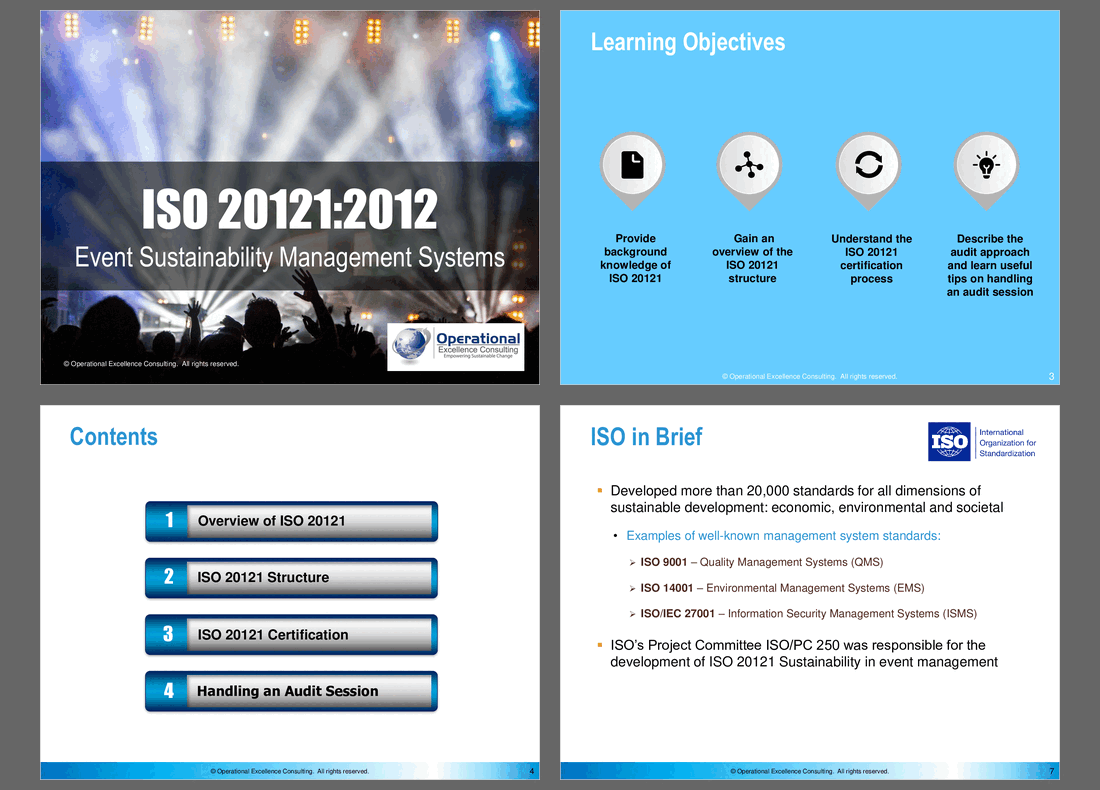
LEARNING OBJECTIVES
1. Provide background knowledge on ISO 20121.
2. Gain an overview of ISO 20121 structure.
3. Understand the ISO 20121 certification process.
4. Gather useful tips on handling the audit session.
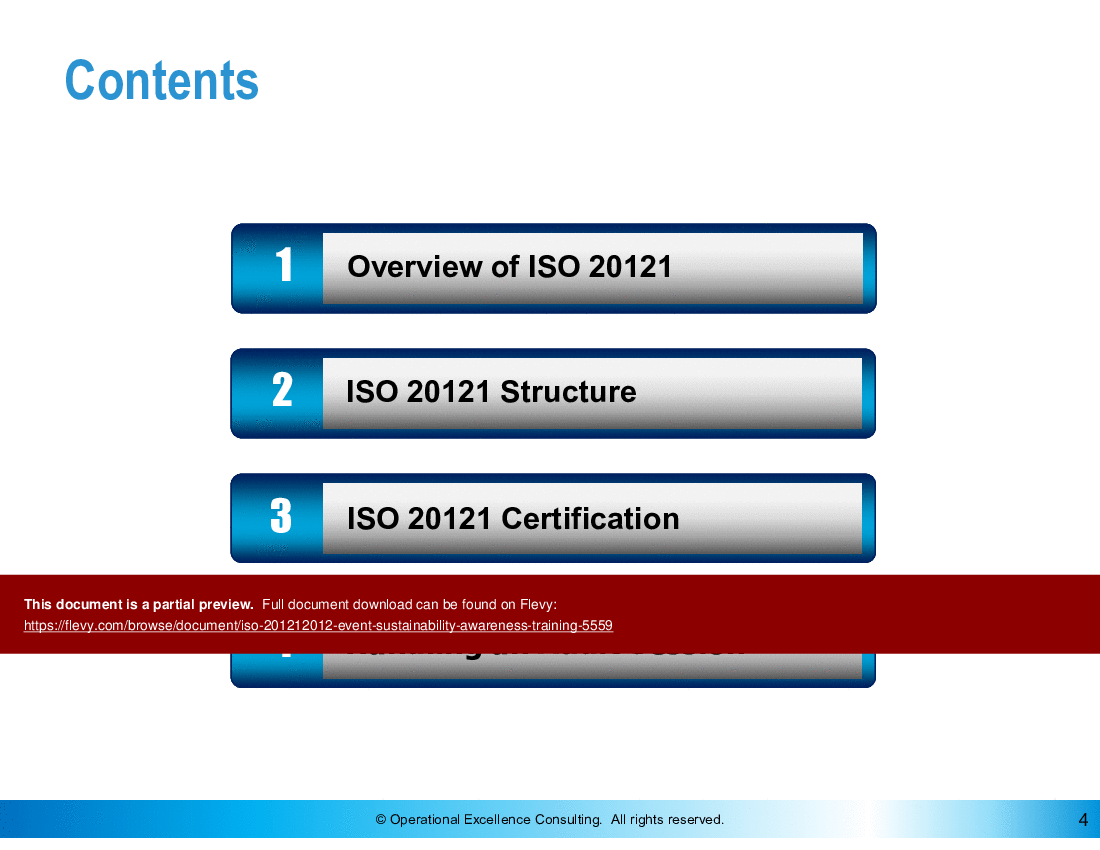
CONTENTS
1. Overview of ISO 20121
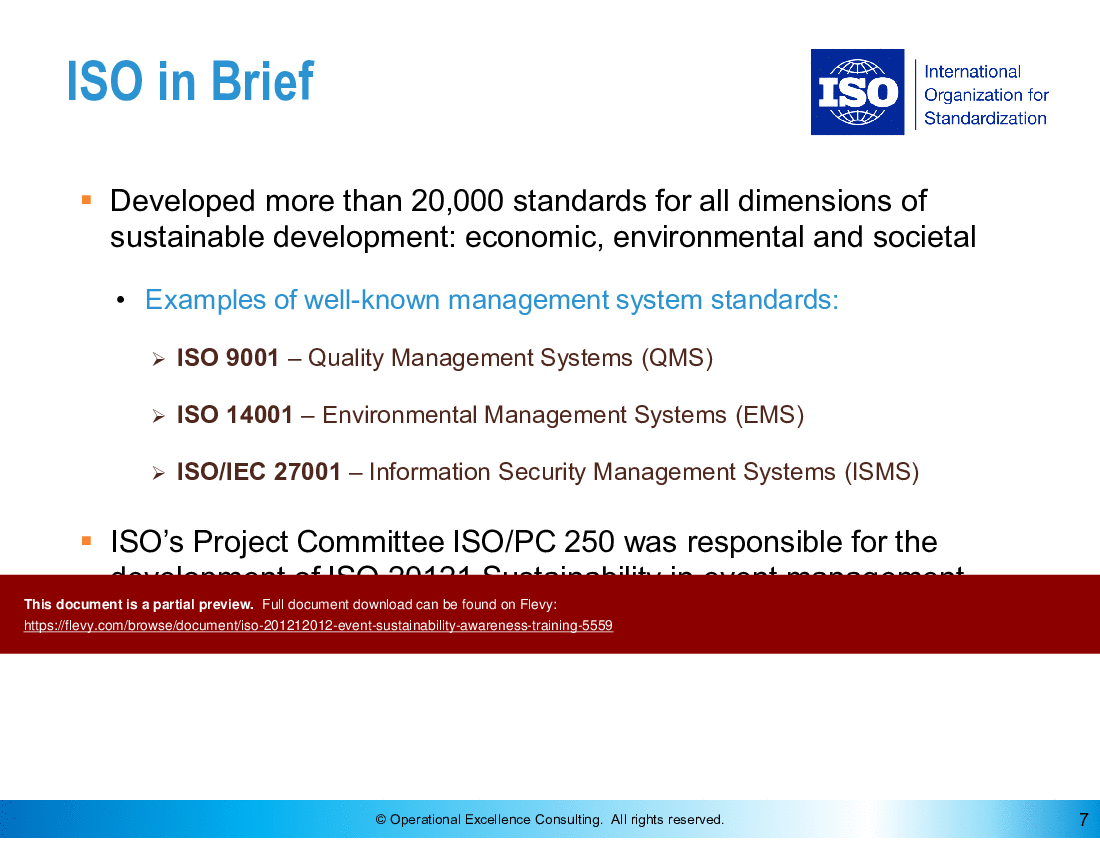
• ISO in Brief
• What are Standards?
• What Standards are Not
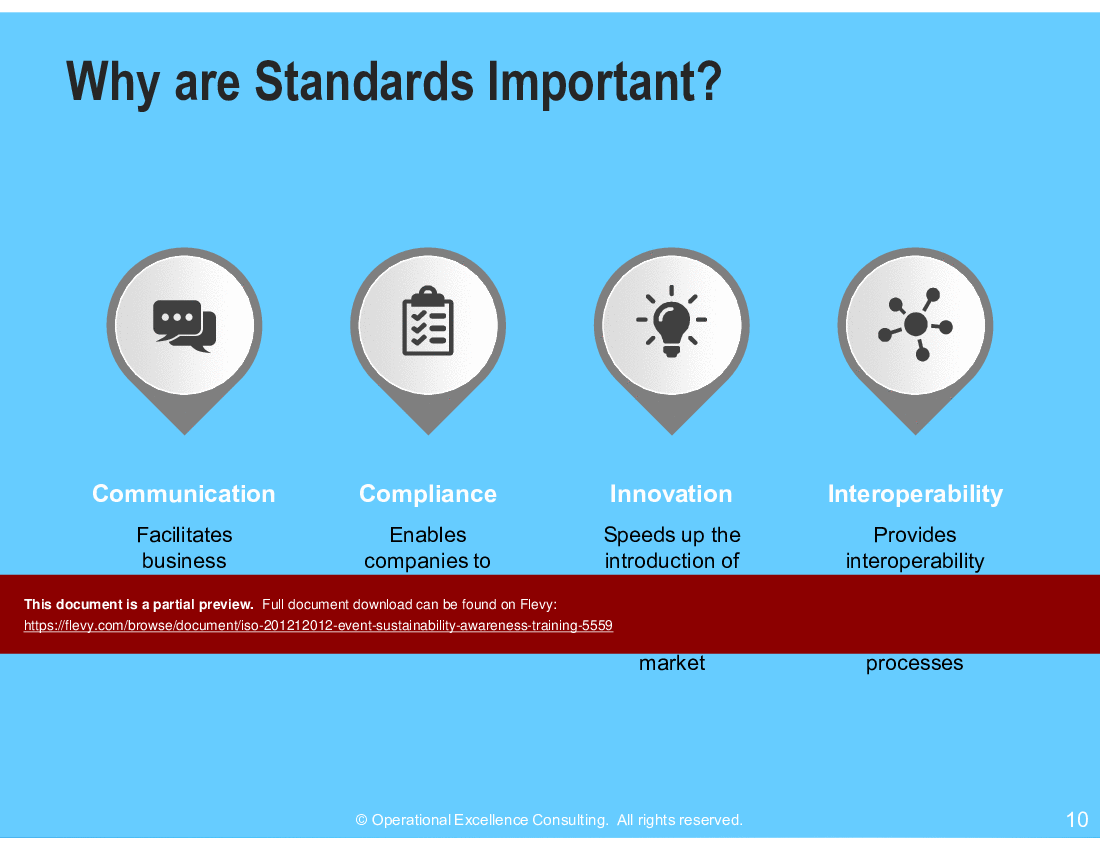
• Why are Standards Important?
• What is ISO 20121?
• Who Developed ISO 20121?
• Who is ISO 20121 For?
• What are Events?
• How does ISO 20121 Work?
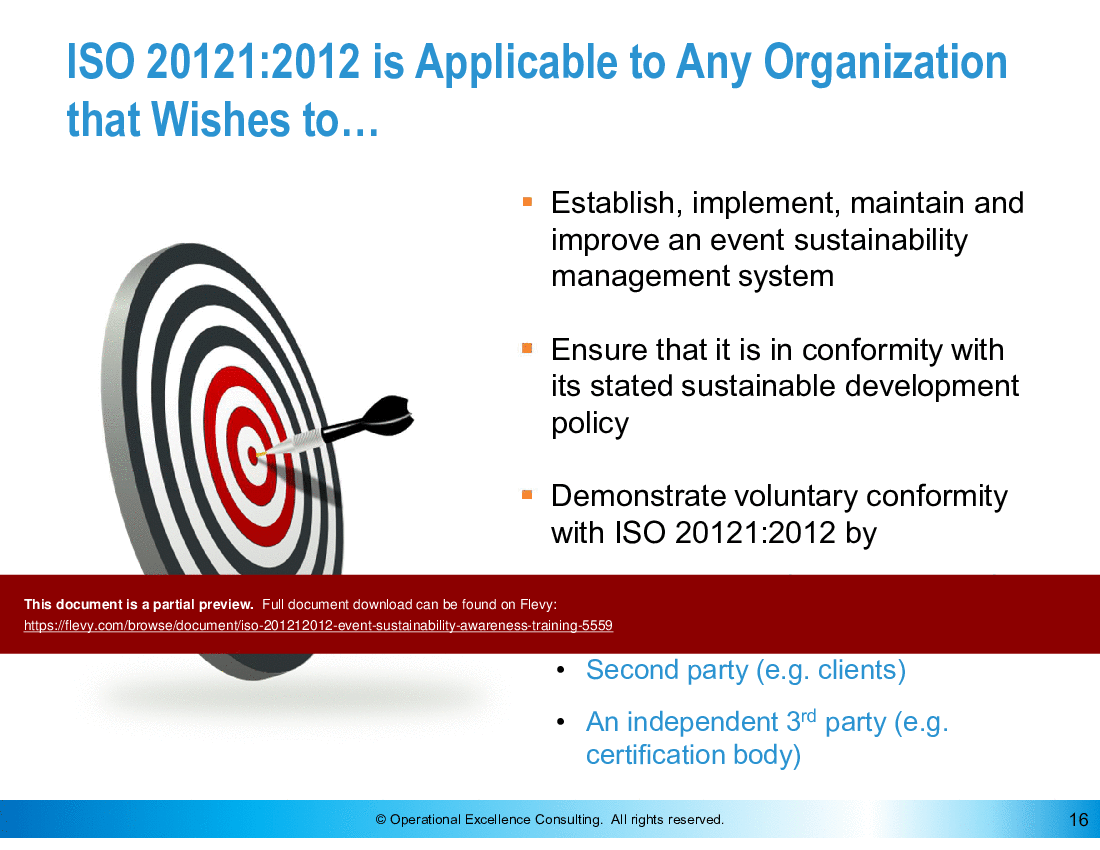
• ISO 20121 is Applicable to Organization Who Wishes to...
• Benefits of ISO 20121
• Advantages of Certification
2. ISO 20121 Structure
• What is Annex L?
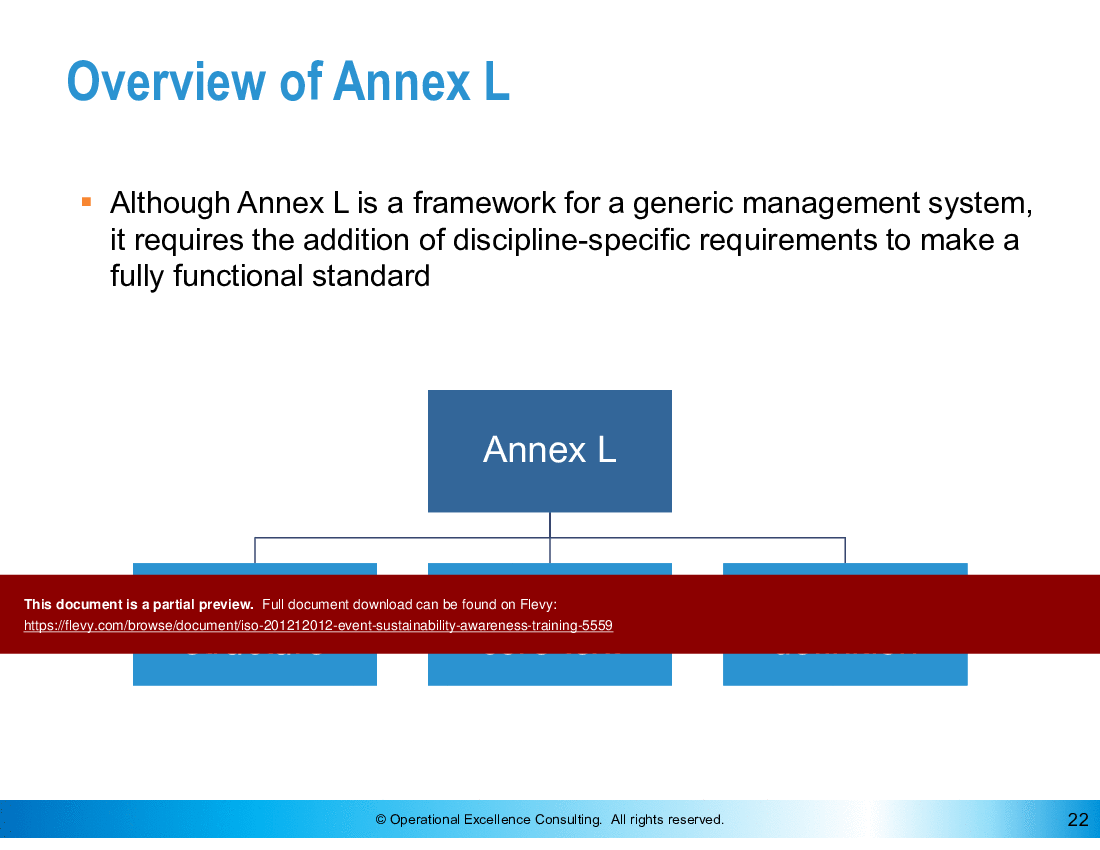
• Overview of Annex L
• The ISO 20121 Structure is Aligned to the Common Structure for MSS
• HLS: The Same Core Elements
• The Plan-Do-Check-Act (PDCA) Process Model
• ISO 20121 Approach is Based on the PDCA Model
• PDCA and ISO 20121 Clause Structure
• The ISO 20121 Process Model
• ISO 20121 Key Clause Structure (4-10)
• Context of the Organization
• Leadership
• Planning
• Support
• Operation
• Performance Evaluation
• Improvement
3. ISO 20121 Certification
• Becoming ISO 20121 Certified
• ISO 20121 Certification Process
• Audit Findings
4. Handling the Audit Session
• Rights of Auditee
• Rights of Auditor
• How to Handle the Audit Session?
• Auditee's Conduct
• Do's and Don'ts
Appendix
• ISO 20121:2012 Detailed Clause Structure
Got a question about the product? Email us at support@flevy.com or ask the author directly by using the "Ask the Author a Question" form. If you cannot view the preview above this document description, go here to view the large preview instead.
MARCUS OVERVIEW
This synopsis was written by Marcus
[?] based on the analysis of the full 63-slide presentation.
Executive Summary
The ISO 20121:2012 Event Sustainability Management Systems (ESMS) Awareness Training presentation is designed to equip organizations with the knowledge and tools necessary to implement sustainable practices in event management. Created by an ex-ISO Management System Lead Auditor with extensive experience at leading firms, this training enhances understanding of ISO 20121, covering its structure, certification process, and audit strategies. Participants will learn to establish, implement, and improve an ESMS, ensuring compliance with sustainability standards while demonstrating their commitment to responsible event management.
Who This Is For and When to Use
• Event managers and coordinators seeking to enhance sustainability practices
• Organizational leaders responsible for compliance and sustainability initiatives
• Auditors and certification bodies involved in event sustainability assessments
• Supply chain partners engaged in event-related activities
Best-fit moments to use this deck:
• During onboarding sessions for new event management staff
• As part of sustainability training programs for existing teams
• Prior to audits or certification assessments to ensure readiness
• When developing new event sustainability policies or practices
Learning Objectives
• Provide background knowledge of ISO 20121
• Gain an overview of the ISO 20121 structure
• Understand the ISO 20121 certification process
• Describe the audit approach and learn useful tips on handling an audit session
• Identify key stakeholders in event sustainability
• Establish a framework for continuous improvement in event management
Table of Contents
• Overview of ISO 20121 (page 1)
• ISO 20121 Structure (page 2)
• ISO 20121 Certification (page 3)
• Handling an Audit Session (page 4)
Primary Topics Covered
• ISO 20121 Overview - This section introduces the ISO 20121 standard, outlining its purpose and relevance for various types of events.
• ISO 20121 Structure - Details the framework and components of the ISO 20121 standard, including its alignment with the High-Level Structure for management systems.
• ISO 20121 Certification Process - Explains the steps required for an organization to achieve certification, including internal audits and third-party evaluations.
• Audit Session Management - Provides strategies for effectively managing audit sessions, including rights and responsibilities of both auditors and auditees.
• Continuous Improvement Framework - Discusses the importance of ongoing evaluation and enhancement of sustainability practices within event management.
Deliverables, Templates, and Tools
• Event Sustainability Management System (ESMS) framework template
• Internal audit checklist for ISO 20121 compliance
• Certification process roadmap
• Audit session preparation guide
• Continuous improvement action plan template
Slide Highlights
• Overview of ISO 20121, emphasizing its global significance
• Detailed breakdown of the ISO 20121 structure aligned with the High-Level Structure
• Step-by-step certification process flowchart
• Key rights and responsibilities during audit sessions
• Continuous improvement cycle visual to illustrate ongoing sustainability efforts
Potential Workshop Agenda
Introduction to ISO 20121 (30 minutes)
• Overview of the standard and its importance
• Discussion of key stakeholders and their roles
ISO 20121 Structure and Certification (60 minutes)
• Breakdown of the ISO 20121 framework
• Steps to achieve certification and maintain compliance
Audit Session Management (45 minutes)
• Rights and responsibilities of auditors and auditees
• Strategies for handling audit sessions effectively
Continuous Improvement in Event Management (30 minutes)
• Framework for ongoing evaluation and enhancement
• Action planning for future sustainability initiatives
Customization Guidance
• Tailor the presentation to reflect specific organizational policies and practices
• Adjust examples and case studies to align with the audience's industry context
• Incorporate local regulations and standards relevant to event sustainability
• Modify templates and tools to fit organizational needs and workflows
Secondary Topics Covered
• The role of stakeholders in event sustainability
• Best practices for engaging supply chain partners
• Strategies for effective communication during audits
• Importance of transparency in sustainability reporting
Topic FAQ
What are the core clauses and structure of ISO 20121 that event teams should know?
ISO 20121’s clause structure aligns with Annex L and the High-Level Structure for management systems, using the PDCA model. Key clauses cover Context of the Organization, Leadership, Planning, Support, Operation, Performance Evaluation, and Improvement, commonly referenced as clauses 4–10.
How does the Plan-Do-Check-Act (PDCA) cycle apply to event sustainability under ISO 20121?
ISO 20121 uses the PDCA model to structure continual improvement: plan sustainability objectives and processes, implement event controls, monitor and evaluate performance, and take corrective actions. The standard maps each PDCA stage to its clause structure, following the PDCA cycle.
What elements typically belong in an Event Sustainability Management System (ESMS)?
An ESMS typically includes documented policy and objectives, stakeholder engagement, risk and opportunity assessment, operational controls, supplier requirements, performance evaluation, corrective actions, and management review. Practical implementation often starts with an ESMS framework template.
What should I look for when selecting an ISO 20121 training deck or toolkit for my team?
Choose materials that explain the standard’s structure, certification steps, audit session conduct, and provide practical tools such as internal audit checklists, certification roadmaps, and action-plan templates; for example, Flevy's ISO 20121:2012 (Event Sustainability) Awareness Training is a 63-slide PPTX with those tools.
How can I judge the cost versus value of purchasing ISO 20121 templates and slide decks?
Evaluate whether templates reduce audit preparation time, lower the risk of non-conformities, and standardize documentation across teams. Value is often realized through fewer audit findings and clearer evidence of compliance, such as addressing common non-conformities like inadequate documentation.
My organization has an upcoming ISO 20121 audit—what practical steps should I take to prepare my team?
Brief staff on the audit process and rights, ensure documentation and records are organized, run internal audits to surface gaps, train auditees on conduct, and use an audit session preparation guide and internal audit checklist to rehearse responses and evidence gathering.
How should event organizers involve suppliers in their ISO 20121 ESMS?
Suppliers should be engaged through clear sustainability requirements, performance criteria, and communication channels; include supplier oversight in supply-chain management processes, collect evidence of compliance, and incorporate suppliers into performance evaluation and improvement activities.
What are common non-conformities in ISO 20121 audits and how can organizations prevent them?
Frequently observed non-conformities include inadequate documentation, failure to meet established objectives, and lack of evidence supporting compliance. Prevention involves maintaining records, conducting internal audits, implementing corrective actions, and applying a continuous improvement action plan template.
Document FAQ
These are questions addressed within this presentation.
What is ISO 20121?
ISO 20121:2012 specifies requirements for an Event Sustainability Management System (ESMS) applicable to any type of event or event-related activity, promoting sustainable practices across the event management lifecycle.
Who developed ISO 20121?
ISO 20121 was developed by the event industry for the event industry, with contributions from international experts in event management and sustainability initiatives.
What are the benefits of ISO 20121 certification?
Certification provides an independent verification of an organization's commitment to sustainability, enhances credibility, and can improve overall company image and competitive advantage.
What is the certification process for ISO 20121?
The process involves implementing an ESMS, conducting internal audits, selecting a certification body, and undergoing compliance audits to confirm adherence to ISO 20121 requirements.
How can organizations prepare for an audit session?
Organizations should familiarize themselves with the audit process, ensure all documentation is in order, and train staff on their roles and responsibilities during the audit.
What are common non-conformities found during audits?
Common non-conformities include inadequate documentation, failure to meet established objectives, and lack of evidence supporting compliance with the standard.
How does ISO 20121 support continuous improvement?
ISO 20121 encourages organizations to regularly evaluate their sustainability practices, identify areas for improvement, and implement changes to enhance overall performance.
What rights do auditees have during an audit?
Auditees have the right to adjust the audit schedule, provide evidence post-interview, and confirm findings at the end of each session.
What should organizations avoid during audit interactions?
Organizations should avoid speculating on questions, providing irrelevant information, or expressing frustration with the audit process.
Glossary
•
Event Sustainability Management System (ESMS) - A framework for managing sustainability in event planning and execution.
•
ISO - International Organization for Standardization, a body that develops and publishes international standards.
•
Certification - The process of verifying that an organization meets the requirements of a specific standard.
•
Audit - A systematic examination of an organization's processes and systems to ensure compliance with established standards.
•
Non-conformity - A failure to meet a requirement of a standard or internal policy.
•
Continuous Improvement - An ongoing effort to enhance products, services, or processes through incremental improvements.
•
Stakeholders - Individuals or organizations with an interest in the outcomes of an event, including organizers, attendees, and suppliers.
•
High-Level Structure (HLS) - A standardized framework for management system standards to ensure consistency and compatibility.
•
Sustainability - The ability to maintain or improve standards without compromising future generations' ability to meet their needs.
•
Compliance - Adhering to laws, regulations, and standards relevant to an organization's operations.
•
Documentation - Records that provide evidence of compliance and support the effective operation of the ESMS.
•
Internal Audit - An evaluation conducted by an organization to assess its compliance with internal policies and external standards.
•
Management Review - A formal evaluation of an organization's management system to ensure its ongoing suitability and effectiveness.
•
Supply Chain Management - The oversight of materials, information, and finances as they move from supplier to manufacturer to wholesaler to retailer to consumer.
•
Stakeholder Engagement - The process of involving individuals or groups who may be affected by or can affect an organization's actions.

•
Risk Management - The identification, assessment, and prioritization of risks followed by coordinated efforts to minimize, monitor, and control the probability or impact of unfortunate events.
•
Objectives - Specific, measurable goals that an organization aims to achieve as part of its sustainability efforts.
•
Performance Evaluation - The process of assessing the effectiveness of the ESMS against established criteria and objectives.
•
Corrective Action - Steps taken to eliminate the causes of non-conformities to prevent their recurrence.
•
Annex L - A framework for developing management system standards, ensuring consistency across ISO standards.
•
Sustainable Development - Development that meets the needs of the present without compromising the ability of future generations to meet their own needs.
Source: Best Practices in ESG, Sustainability, Event Industry PowerPoint Slides: ISO 20121:2012 (Event Sustainability) Awareness Training PowerPoint (PPTX) Presentation Slide Deck, Operational Excellence Consulting