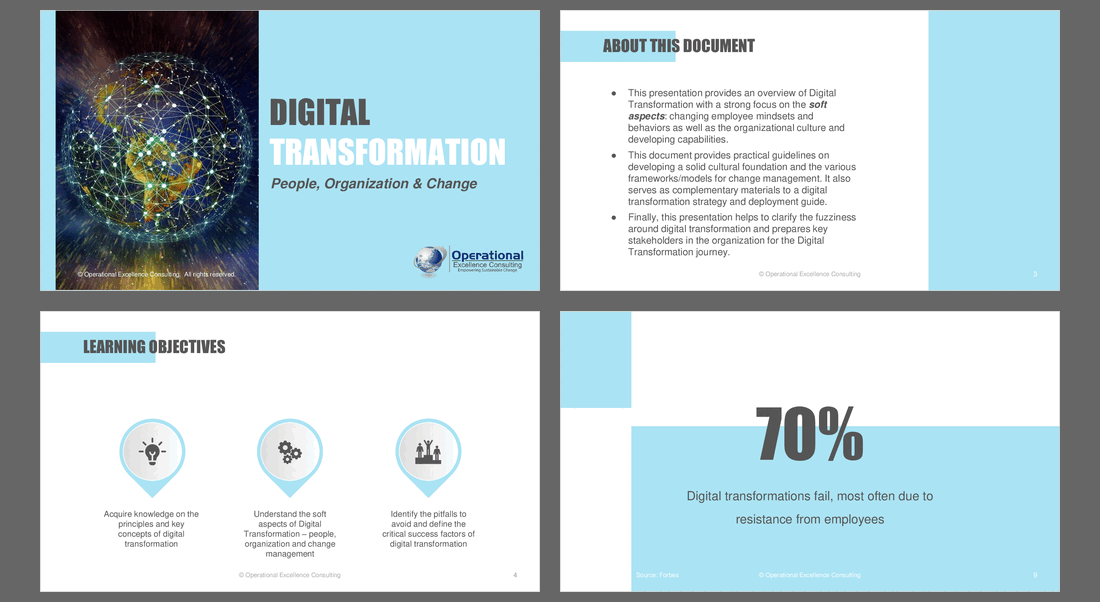
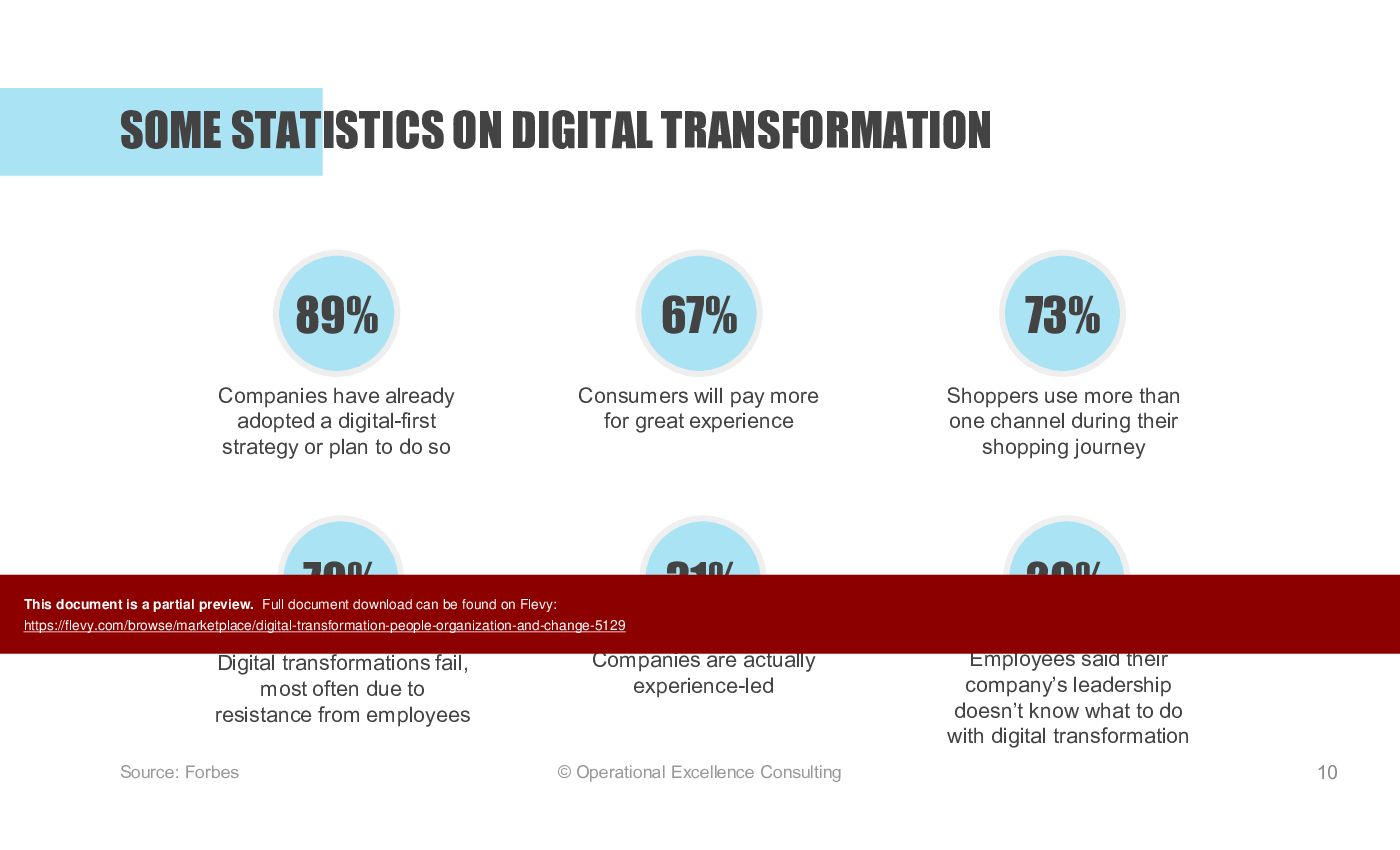

Digital Transformation starts with people, not technology. According to Forbes, 70% of all Digital Transformations fail most often due to organizational resistance to change.

Organizational change management and the human side of change is by far the most significant piece of any digital transformation puzzle. If you address the human factor well, you are likely to succeed. If you don't address it well, you are highly likely to fail.
What this presentation will focus is not technology implementation, but a company-wide approach to digital transformation by paying special attention to the human aspects of change—changing employee mindsets, behaviors and the organizational culture.
This Digital Transformation PPT training presentation provides practical guidelines on developing a solid cultural foundation and the various frameworks/models for change management. It also serves as complementary materials to a digital transformation strategy and deployment guide.
Finally, this presentation helps to clarify the fuzziness around Digital Transformation and prepares key stakeholders in the organization for the Digital Transformation journey.
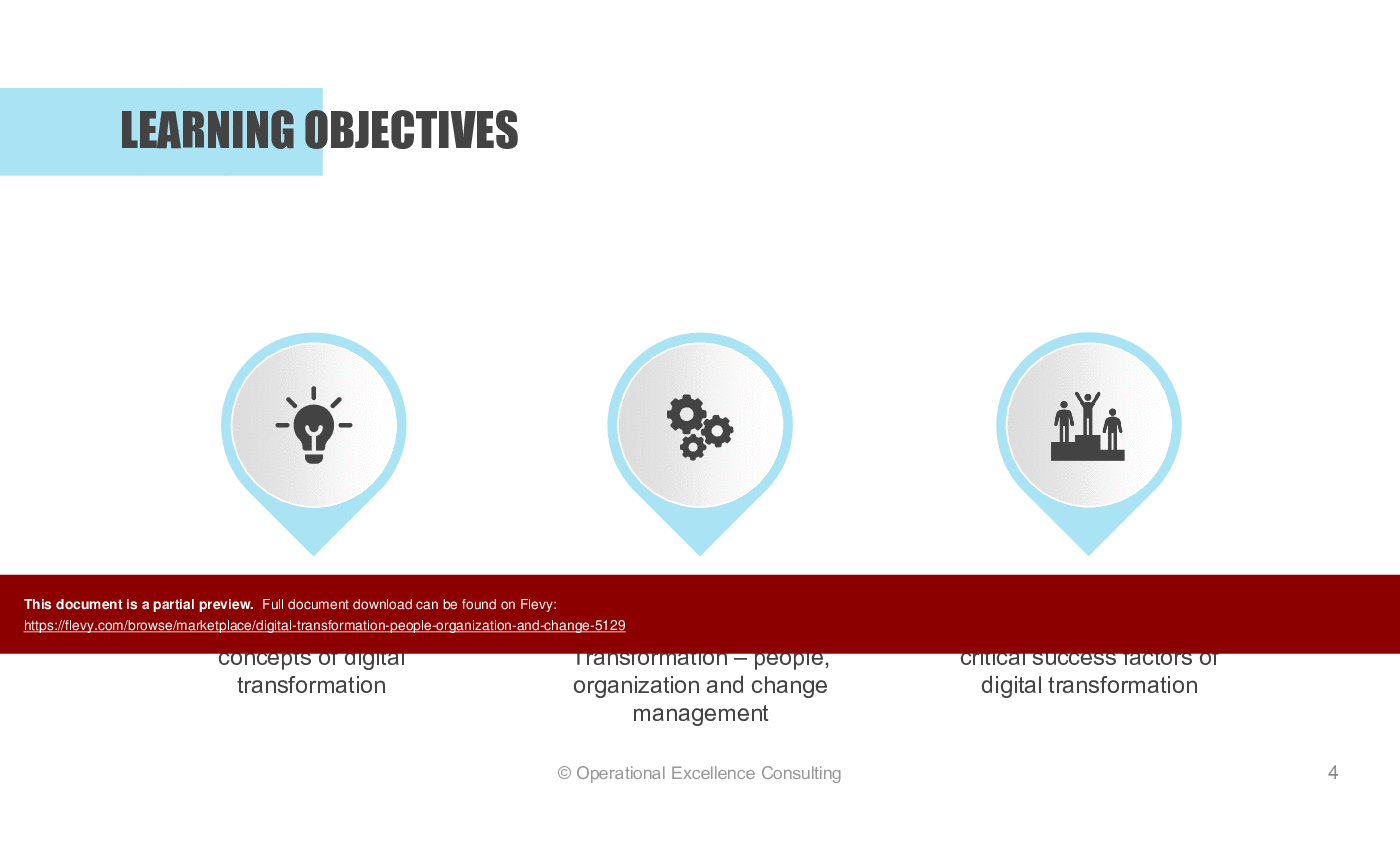
LEARNING OBJECTIVES
1. Acquire knowledge on the principles and key concepts of digital transformation.
2. Understand the soft aspects of Digital Transformation – people, organization and change management.
3. Identify the pitfalls to avoid and define the critical success factors of digital transformation.
CONTENTS
1. Introduction and Key Concepts of Digital Transformation
• What Brought Us Here Today
• Some Statistics on Digital Transformation
• The Era of Smart Customers
• The Speed of Change is Increasing Rapidly
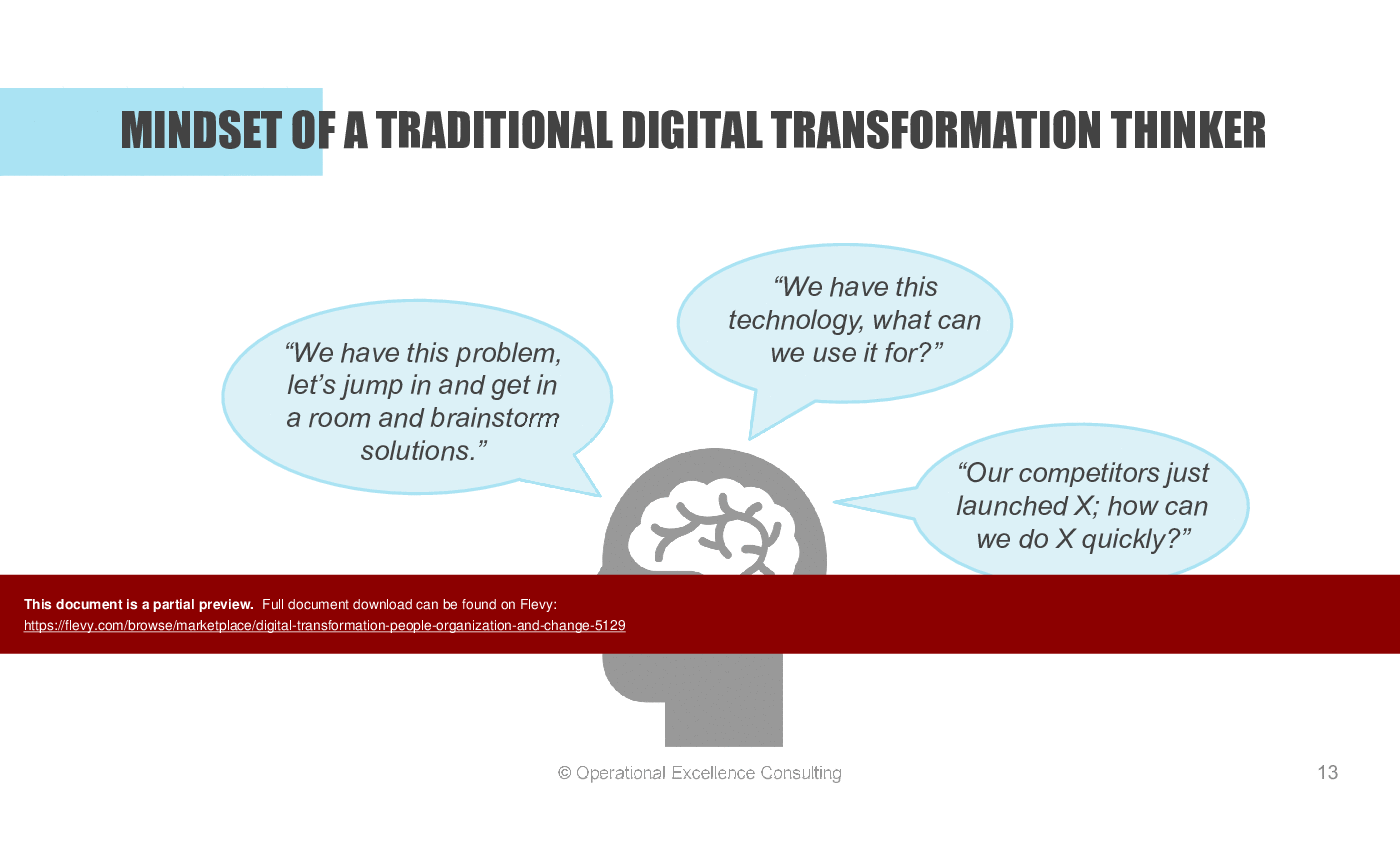
• Mindset of a Traditional Digital Transformation Thinker
• Digital Transformation is Based on Design Thinking Principles
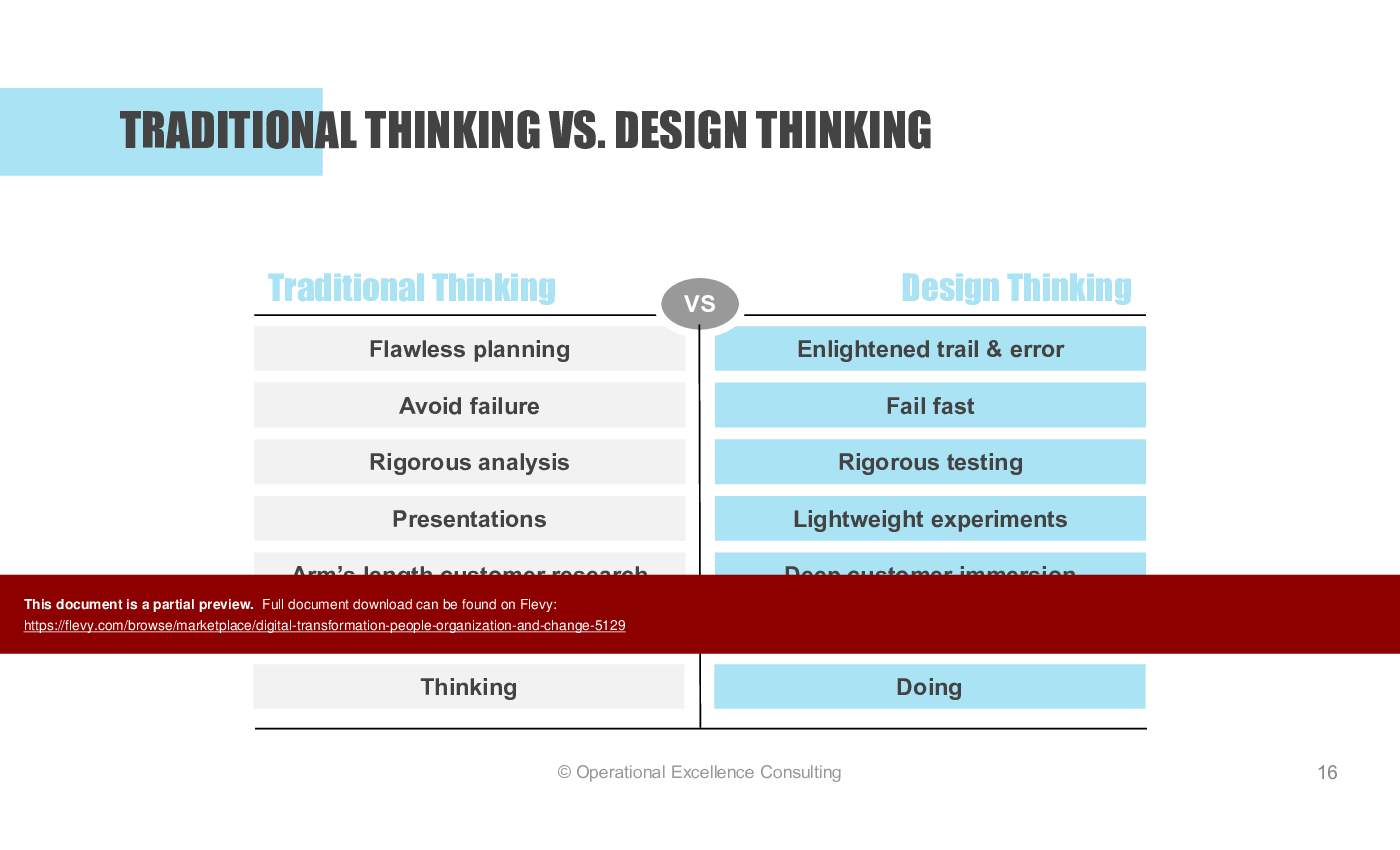
• Traditional Thinking vs. Design Thinking
• Three Lenses of Human Centered Design
• Martec's Law on Technology vs. Organizational Change
• Soft Skills are Essential to Ensure Digital Transformation Management
• Digital Transformation Defined
• Digital Disruption vs. Digital Transformation
• Examples of Disruptive Companies
• Companies that Succeeded & Failed at Digital Transformation
• Five Key Digital Technologies Transforming Industry & Commerce
• Customer Journeys
• Omni-channel is a Prerequisite to Great Customer Experience
• Companies Use Digital Transformations to...
• Important Metrics for Tracking Digital Transformation
• Benefits of Digital Transformation
• The Journey of Digital Transformation
• Digital Transformation Framework
2. Organizational Impact of Digital Transformation
• Challenges in Delivering Full End-to-end Customer Experience
• Digital Transformation Management Requires a Solid Cultural Foundation
• Impact on the Employees
• Three Steps Companies Can Take
• Areas for Skills Development
• Impact on the Role of Management
• Impact on Process Structures
• Marketing & IT Can Impact Customer Experience through Collaboration & Change
3. Guidelines for Change Management
• Understand Why People Fear Change
• Understanding Responses to Change – The Enrollment Curve
• Prepare & Coach Change Leaders
• The Change Curve
• Plan Long Term for Real Change
• Business Model Canvas
• Change Management Process
• The McKinsey 7-S Framework
• Sources of Team Conflict
• Lencioni's Five Dysfunctions of a Team Model
• Tuckman's Model of Team Development
• Principles of Communication for Change Management
• Sinek's Golden Circle Model
• Szpekman's Communication Framework
• Ulrich's HR Competency Model
• Training Needs Analysis Framework
• Emotional Competence Framework
4. Pitfalls to Avoid and Critical Success Factors
• Ten Pitfalls to Avoid
• Critical Success Factors for Digital Transformation
The presentation includes real-world examples of companies that have both succeeded and failed in their digital transformation efforts, providing valuable lessons learned. It also emphasizes the importance of empathy mapping and customer journey analysis in driving successful digital initiatives.
Got a question about the product? Email us at support@flevy.com or ask the author directly by using the "Ask the Author a Question" form. If you cannot view the preview above this document description, go here to view the large preview instead.
Executive Summary
This presentation on Digital Transformation focuses on the critical aspects of people, organization, and change management. Developed by Operational Excellence Consulting, it provides a structured approach to navigating the complexities of digital transformation. The content emphasizes the importance of changing employee mindsets and behaviors, fostering a supportive organizational culture, and developing essential capabilities. By utilizing practical guidelines and frameworks, this presentation equips stakeholders with the tools needed to successfully implement a digital transformation strategy, addressing common pitfalls and defining critical success factors.
Who This Is For and When to Use
• Change Management Consultants seeking to enhance their frameworks
• Corporate Executives responsible for digital strategy and transformation
• HR Leaders focused on employee engagement and cultural change
• Project Managers overseeing digital initiatives
• Training and Development Teams implementing change management programs
Best-fit moments to use this deck:
• During the planning phase of a digital transformation initiative
• In workshops aimed at aligning teams on change management strategies
• For training sessions focused on developing a culture of innovation
• When assessing organizational readiness for digital transformation
Learning Objectives
• Acquire knowledge on the principles and key concepts of digital transformation
• Identify pitfalls to avoid and define critical success factors of digital transformation
• Understand the soft aspects of Digital Transformation—people, organization, and change management
• Develop strategies for effective communication during transformation
• Foster a culture that embraces change and innovation
• Implement frameworks for managing the change process effectively
Table of Contents
• Introduction & Key Concepts (page 6)
• Organizational Impact (page 52)
• Change Management Guidelines (page 62)
• Pitfalls & Critical Success Factors (page 102)
Primary Topics Covered
• Digital Transformation Overview - An exploration of digital transformation, emphasizing its necessity in today’s business landscape and the importance of aligning technology with organizational goals.
• Cultural Change - Strategies for fostering a culture that supports digital transformation, focusing on employee engagement and mindset shifts.
• Change Management Frameworks - Practical models and frameworks for managing change, including the McKinsey 7S Framework and the Change Curve.
• Employee Empowerment - Techniques for equipping employees with the skills and mindset necessary for adapting to digital changes.
• Customer Experience - Understanding the importance of customer journeys and how digital transformation impacts overall customer satisfaction.
• Leadership in Transformation - The role of leadership in guiding organizations through digital transformation and ensuring alignment with strategic goals.
Deliverables, Templates, and Tools
• Change management communication plan template
• Employee engagement survey example
• Digital transformation readiness assessment tool
• Business Model Canvas for aligning activities with customer value
• Empathy mapping framework for understanding customer needs
• Training needs analysis framework to identify skill gaps
Slide Highlights
• Overview of digital transformation statistics, highlighting the necessity for change
• Visual representation of the Change Curve, illustrating stages of employee response to change
• Frameworks for managing cultural change and employee engagement
• Case studies of companies that succeeded and failed in digital transformation
• Key metrics for tracking the effectiveness of digital transformation initiatives
Potential Workshop Agenda
Digital Transformation Kickoff Session (90 minutes)
• Introduce the concept of digital transformation and its importance
• Discuss common challenges and pitfalls in digital initiatives
• Align on objectives and expected outcomes for the transformation
Change Management Frameworks Workshop (120 minutes)
• Explore various change management frameworks and their applications
• Breakout sessions to develop tailored strategies for organizational needs
• Present and discuss proposed strategies with the group
Cultural Change and Employee Engagement Session (60 minutes)
• Discuss the importance of culture in digital transformation
• Identify key behaviors and mindsets to foster within the organization
• Develop an action plan for enhancing employee engagement
Customization Guidance
• Tailor communication strategies to fit the specific needs of your organization
• Adjust the frameworks and models presented to align with your company culture and goals
• Incorporate specific metrics and KPIs relevant to your digital transformation objectives
• Modify case studies and examples to reflect your industry context
Secondary Topics Covered
• The role of technology in enabling digital transformation
• Strategies for overcoming resistance to change
• Importance of cross-functional collaboration during transformation
• Metrics for measuring success in digital initiatives
• The impact of leadership styles on change management
Topic FAQ
Document FAQ
These are questions addressed within this presentation.
What is digital transformation?
Digital transformation is a radical rethinking of how an organization uses technology, people, and processes to fundamentally change business performance.
Why do digital transformations fail?
Most digital transformations fail due to resistance from employees, lack of clear strategy, and insufficient leadership commitment.
How can we ensure employee buy-in during transformation?
Effective communication, training, and involving employees in the change process are key to gaining buy-in and reducing resistance.
What frameworks can help manage change?
Frameworks like the McKinsey 7S Framework and the Change Curve provide structured approaches to managing the change process effectively.
How important is culture in digital transformation?
A solid cultural foundation is essential for successful digital transformation, as it influences employee engagement and adaptability to change.
What metrics should we track during digital transformation?
Key metrics include customer satisfaction, employee engagement, operational efficiency, and innovation rates.
How can we develop a culture of innovation?
Encouraging open communication, recognizing and rewarding innovative ideas, and providing training can help foster a culture of innovation.
What role does leadership play in digital transformation?
Leadership is crucial in setting the vision, aligning teams, and modeling the behaviors necessary for successful transformation.
How can we assess our organization's readiness for digital transformation?
Conducting a readiness assessment that evaluates current capabilities, culture, and employee engagement can help identify gaps and areas for improvement.
Glossary
• Digital Transformation - A fundamental change in how an organization operates and delivers value through technology.
• Change Management - The process of guiding individuals and organizations through change to achieve desired outcomes.
• Cultural Change - The process of shifting an organization's values, beliefs, and behaviors to support new ways of working.
• Empathy Map - A tool used to gain insights into customer needs and experiences.
• Business Model Canvas - A strategic management tool for developing new business models or documenting existing ones.
• McKinsey 7S Framework - A model that outlines 7 internal elements of an organization that need to be aligned for success.
• Change Curve - A model that illustrates the emotional stages individuals go through during change.
• Customer Journey - The complete experience a customer has with a brand, from initial awareness to post-purchase interactions.
• Employee Engagement - The level of commitment and involvement an employee has towards their organization and its goals.
• Leadership Commitment - The dedication and support of leaders in driving change initiatives within an organization.
• Resistance to Change - The reluctance of individuals or groups to adapt to new methods or processes.
• Key Performance Indicators (KPIs) - Metrics used to evaluate the success of an organization in achieving its objectives.
• Stakeholder Analysis - The process of identifying and assessing the influence and importance of key stakeholders in a project.
• Digital Disruption - The change that occurs when new digital technologies and business models affect the value proposition of existing goods and services.
• Innovation - The process of translating an idea or invention into a good or service that creates value or for which customers will pay.
• Agile Culture - An organizational culture that promotes flexibility, collaboration, and rapid response to change.
• Training Needs Analysis - A systematic approach to identifying the training needs of employees to support organizational goals.
• Soft Skills - Interpersonal skills that enable individuals to communicate effectively and work well with others.
• Data-Driven Decision Making - The practice of basing decisions on data analysis rather than intuition or observation alone.
• Customer Experience (CX) - The overall perception a customer has of a brand based on their interactions across all touchpoints.
Source: Best Practices in Digital Transformation PowerPoint Slides: Digital Transformation: People, Organization & Change PowerPoint (PPTX) Presentation Slide Deck, Operational Excellence Consulting
|
Download our FREE Digital Transformation Templates
Download our free compilation of 50+ Digital Transformation slides and templates. DX concepts covered include Digital Leadership, Digital Maturity, Digital Value Chain, Customer Experience, Customer Journey, RPA, etc. |