 Click main image to view in full screen.
Cybersecurity Strategic Alignment with Business Objectives – PowerPoint PPTX Template
PowerPoint (PPTX) 60 Slides


CYBER SECURITY PPT TEMPLATE DESCRIPTION
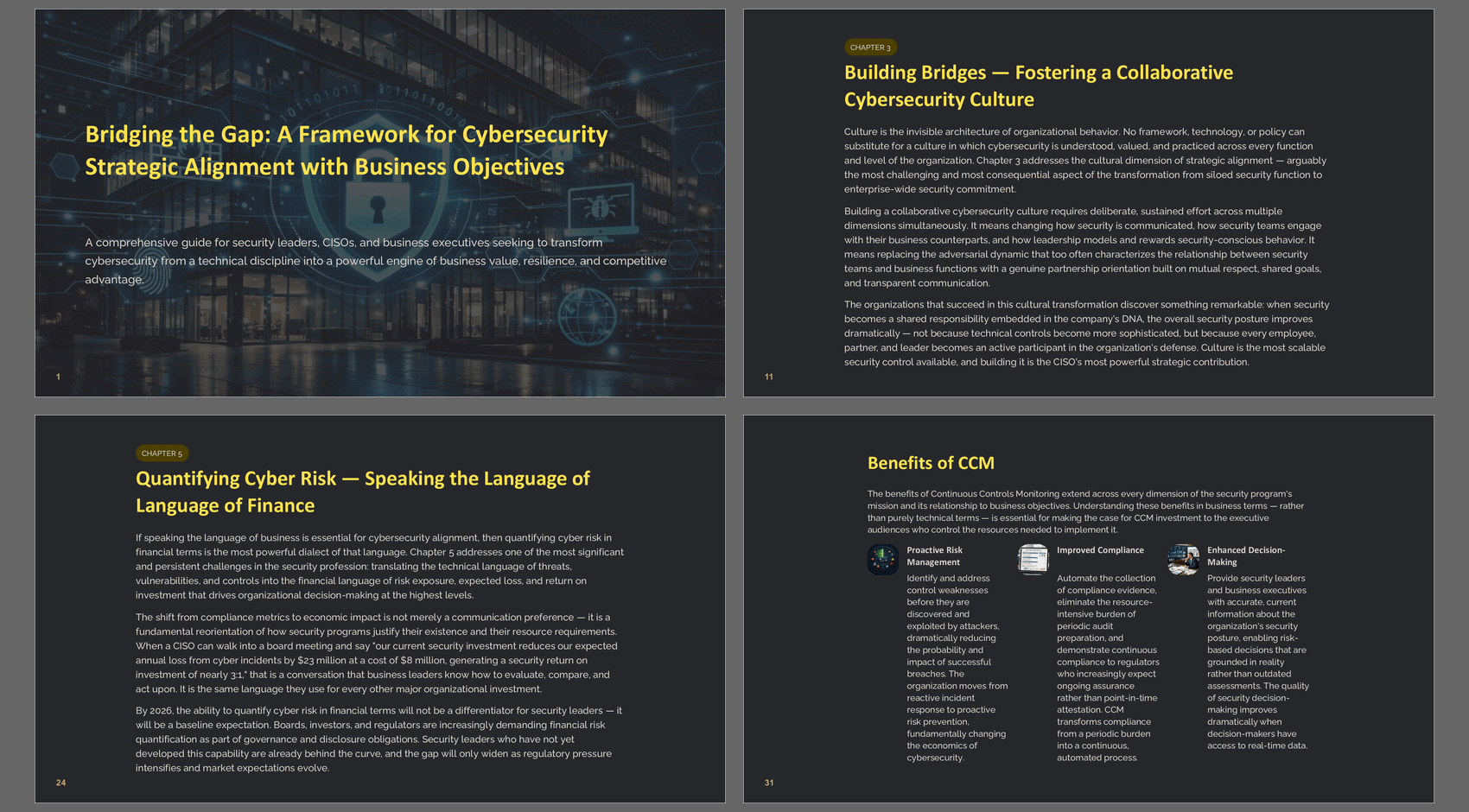
Bridging the Gap: A Framework for Cybersecurity Strategic Alignment with Business Objectives
Chapter 1: The Critical Disconnect – Why Cybersecurity Isn't Speaking Business Language
The Stark Reality: Only 27% of Business Leaders Believe in Cybersecurity Alignment
• PwC's Global Digital Trust Insights 2024 reveals a significant chasm between cybersecurity efforts and business goals.
• This misalignment is not just inefficient; it's existentially dangerous by 2026, with escalating AI threats, regulatory pressures, and supply chain risks.
• Security leaders often struggle for resources and C-suite buy-in despite having robust technical programs.
The "Best Freaking Security Plan" Problem
• A security leader's blunt assessment: "it doesn't matter if you have the best freaking security plan if it's not aligned to the business and you lack trust."
• This highlights the fundamental challenge: technical prowess without business context leads to perceived irrelevance.
The Cost of Misalignment: Beyond Budget Fights
• Stifled innovation due to security overreach or misprioritization.
• Missed growth opportunities because security was not an enabler.
• Increased vulnerability to sophisticated attacks that exploit business logic.
• Erosion of trust with stakeholders, including customers, investors, and regulators.
Chapter 2: Understanding the Business Landscape – The CISO as a Strategic Partner
Beyond Technical Expertise: The Evolving CISO Role
• The Chief Information Security Officer (CISO) is no longer solely a technical role; they are a strategic business partner to the CEO.
• CISOs must demonstrate how cybersecurity strategies align with and drive business objectives, ensuring resilience and competitiveness.
• The challenge: making cybersecurity a value driver, not just an operational necessity.
Mapping the Business Terrain: A CISO's Essential Toolkit
• Understand Mission and Strategic Goals: Deeply comprehend the organization's core purpose and long-term aspirations.
• Identify Key Operational Processes: Map how business functions support strategic goals.
• Engage with Executive Leadership: Foster relationships with the CEO, board, and other executives to gain insights.
Key Business Drivers to Understand
• Regulatory Compliance: Map requirements (GDPR, HIPAA, PCI-DSS) to business processes, integrating compliance into strategy.
• Risk Appetite: Understand the organization's tolerance for risk, influenced by industry, market, and culture.
• Growth Strategies: Anticipate plans for expansion, acquisitions, or new product launches to tailor security accordingly.
[image] A Venn diagram showing "Cybersecurity" and "Business Objectives" with a significant overlapping area labeled "Strategic Alignment."
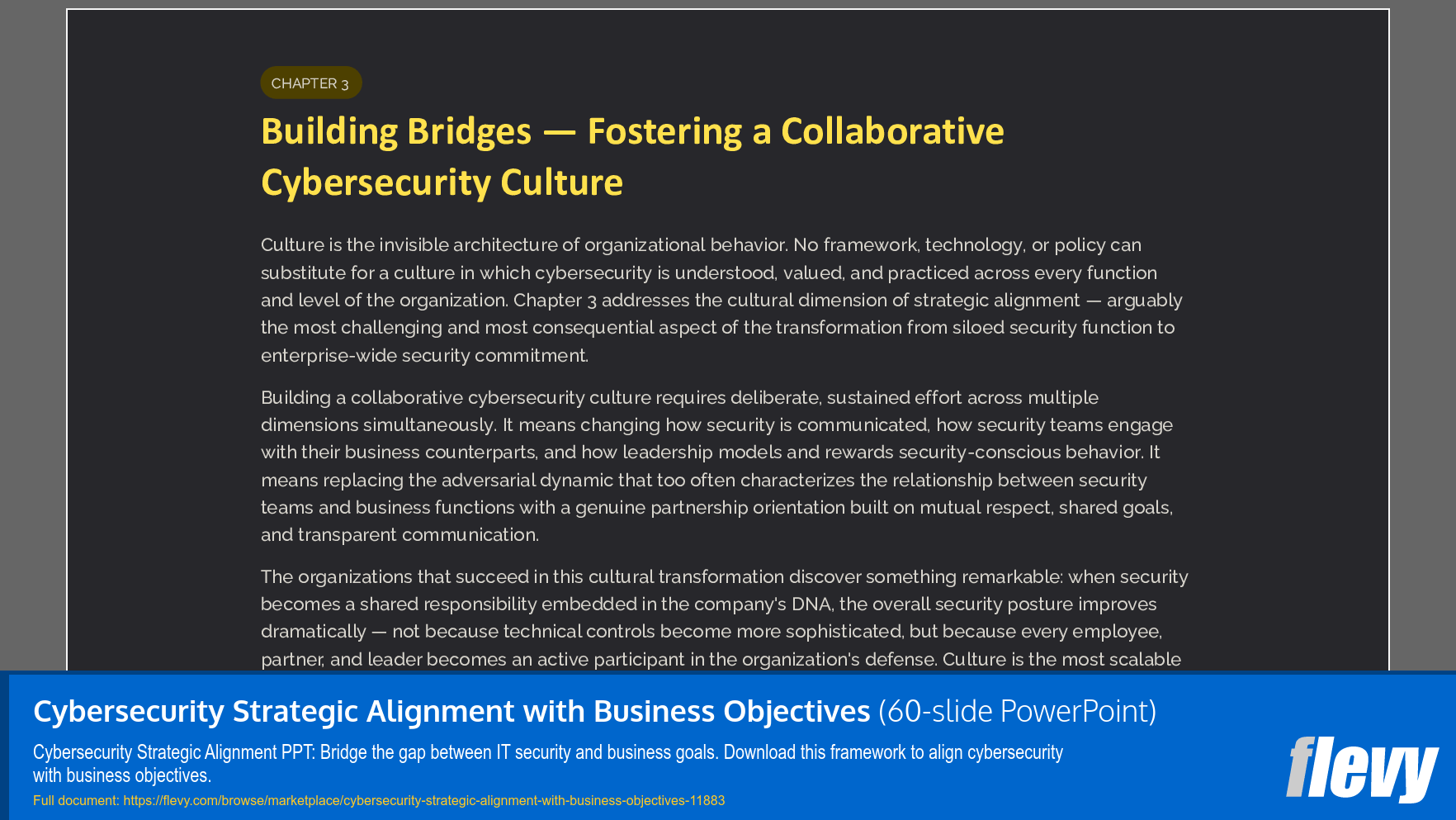
Chapter 3: Building Bridges – Fostering a Collaborative Cybersecurity Culture
Cybersecurity as a Shared Responsibility
• Moving from an IT-only function to an enterprise-wide commitment.
• Fostering a culture where security is embedded in the company's DNA.
Cross-Departmental Collaboration: Breaking Down Silos
• Finance: Partner to quantify cyber risk in financial terms and justify investments.
• Marketing/Sales: Ensure security measures don't hinder customer acquisition or trust.
• HR: Collaborate on insider threat monitoring and building a robust security culture through training.
• Legal: Ensure privacy requirements are met during new product launches and business initiatives.
Executive Engagement: Speaking the Language of Business
• Emphasize cybersecurity as a business enabler, not just a cost center.
• Tie security initiatives to tangible business outcomes: protecting revenue, enhancing customer trust, ensuring business continuity.
• Gain buy-in and secure adequate investment by demonstrating clear business value.
The Power of Trust: Building Credibility with Stakeholders
• Transparent communication about risks and mitigation strategies.
• Demonstrating proactive measures and a commitment to resilience.
• Aligning security metrics with business performance indicators.
Chapter 4: Frameworks for Success – Leveraging NIST CSF and CISA CPGs
The NIST Cybersecurity Framework (CSF) 2.0: A Universal Language for Risk
• Provides a taxonomy of high-level cybersecurity outcomes for any organization, regardless of size or sector.
• Enables organizations to better understand, assess, prioritize, and communicate cybersecurity efforts.
• Focuses on outcomes, linking to resources for achieving them, rather than prescribing specific methods.
CSF 2.0 Core Components
• Govern: Emphasizes leadership's role in overseeing cybersecurity, accountability, and strategic integration.
• Identify: Understanding organizational context, assets, and risks.
• Protect: Implementing safeguards to ensure delivery of critical services.
• Detect: Developing and implementing activities to identify cybersecurity events.
• Respond: Taking action regarding detected cybersecurity incidents.
• Recover: Maintaining resilience and restoring capabilities or services.
CSF Profiles and Tiers: Tailoring to Organizational Needs
• Profiles: Help organizations map their current and target cybersecurity state.
• Tiers: Provide a scale for assessing cybersecurity risk management rigor.
The Cybersecurity and Infrastructure Security Agency (CISA) Cross-Sector Cybersecurity Performance Goals (CPGs)
• Voluntary, high-impact security actions for businesses and critical infrastructure owners.
• Developed based on operational data, threat landscape research, and expert collaboration.
• Aim to address common and impactful cyber risks with clarity and simplicity.
CPGs: Outcome-Driven and Practical
• Streamlined, outcome-driven protections for IT and OT environments.
• Provide clear, foundational practices aligned with real-world threats.
• Aid implementation and serve as a baseline for guiding investment and reducing risk.
CPGs Key Areas
• Govern: Critical role of organizational leadership in overseeing cybersecurity.
• Identify: Asset inventory, identifying known, unknown, and unmanaged assets.
• Protect: Implementing safeguards.
• Detect: Identifying cybersecurity events.
• Respond: Taking action on incidents.
• Recover: Restoring capabilities.
[image] A graphic showing the NIST CSF 2.0 core functions (Govern, Identify, Protect, Detect, Respond, Recover) interconnected with CISA CPGs.
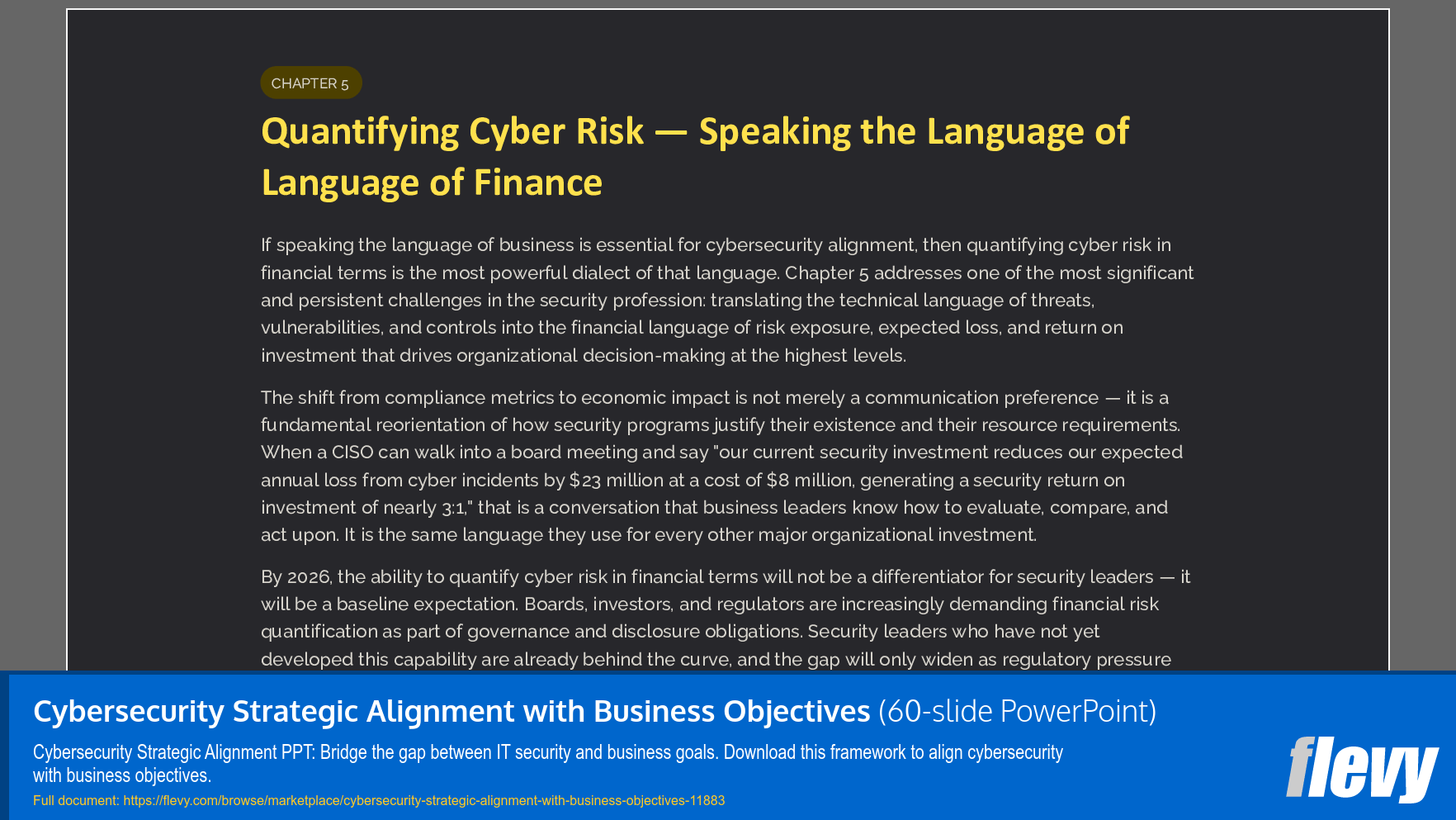
Chapter 5: Quantifying Cyber Risk – Speaking the Language of Finance
The Shift: From Technical Controls to Financial Impact
• By 2026, security leaders must quantify cyber risk in financial terms to demonstrate clear business value.
• Moving beyond compliance metrics to economic impact.
Key Metrics for Financial Alignment
• Cost of a Breach: Estimating potential financial losses from data breaches, downtime, and recovery.
• Return on Security Investment (ROSI): Calculating the financial benefit of security investments.
• Cyber Risk Exposure: Quantifying the potential financial impact of identified risks.
Tools and Techniques for Quantification
• Risk Quantification Platforms: Software solutions designed to model and measure cyber risk financially.
• Scenario Analysis: Developing plausible cyberattack scenarios and estimating their financial consequences.
• Benchmarking: Comparing cyber risk metrics against industry peers.
[image] A bar chart showing projected financial losses from cyberattacks increasing over time, with a smaller bar representing the cost of preventative measures.
Chapter 6: Implementing Continuous Controls Monitoring (CCM)
Real-Time Visibility for Proactive Defense
• CCM provides continuous, real-time visibility into the effectiveness of security controls.
• Enables rapid detection of control failures and deviations from policy.
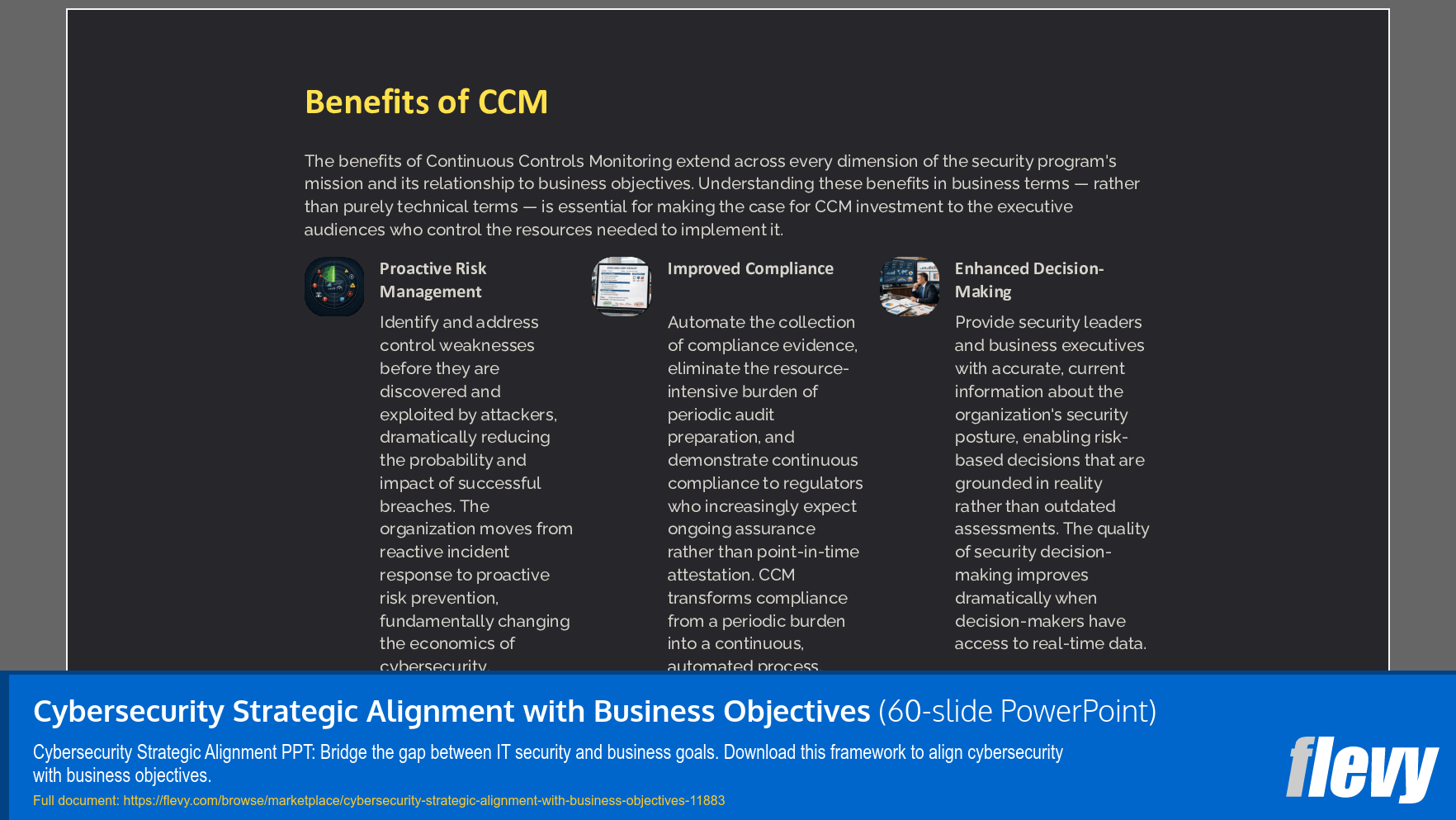
Benefits of CCM
• Proactive Risk Management: Identify and address control weaknesses before they are exploited.
• Improved Compliance: Automate evidence collection and demonstrate continuous compliance.
• Enhanced Decision-Making: Provide accurate, up-to-date information for risk-based decisions.
Integrating CCM with Business Objectives
• Align CCM metrics with key business processes and critical assets.
• Focus monitoring efforts on controls that directly impact business objectives.
[image] A dashboard displaying real-time security control status, highlighting areas of concern with red indicators.
Chapter 7: Maturing Third-Party Risk Management (TPRM)
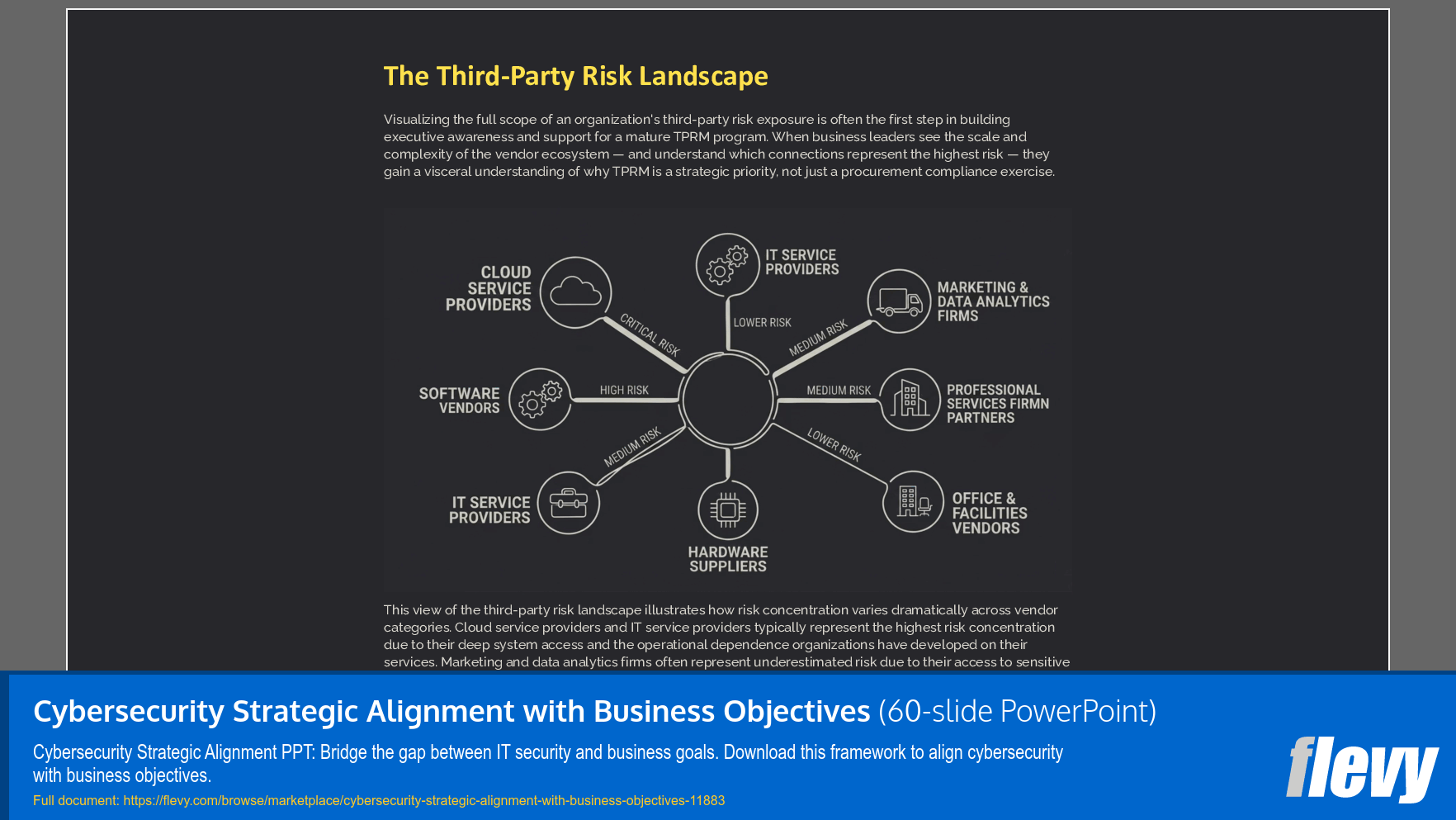
The Expanding Attack Surface: Supply Chain Vulnerabilities
• Third-party vendors and partners represent a significant and often overlooked attack vector.
• Supply chain risks are intensifying and require a strategic approach.
Key Components of a Mature TPRM Program
• Vendor Due Diligence: Thoroughly assessing the security posture of potential vendors.
• Contractual Safeguards: Including robust security clauses in vendor contracts.
• Continuous Monitoring: Regularly assessing vendor compliance and security performance.
• Incident Response Planning: Collaborating with vendors on incident response.
Aligning TPRM with Business Strategy
• Prioritize vendor assessments based on their criticality to business operations.
• Ensure TPRM processes support business agility and innovation.
[image] A network diagram showing a central organization connected to numerous third-party vendors, with some connections highlighted as high-risk.
Chapter 8: Automating Risk Management for Efficiency and Scale
The Need for Automation
• Manual risk management processes are time-consuming, error-prone, and cannot keep pace with evolving threats.
• Automation is crucial for efficiency, consistency, and scalability.
Areas for Automation
• Evidence Collection: Automating the gathering of compliance and security data.
• Risk Assessment: Streamlining the process of identifying and evaluating risks.
• Control Testing: Automating the verification of control effectiveness.
• Reporting: Generating automated reports for stakeholders.
Integrated GRC Platforms: A Single Source of Truth
• Integrated Governance, Risk, and Compliance (GRC) platforms can accelerate alignment.
• They automate evidence collection, streamline vendor risk, and provide a unified view for security and business leaders.
[image] A flowchart illustrating an automated risk management workflow, from data input to risk mitigation.
Chapter 9: Communicating Value – Reporting for Executive and Board Audiences
Tailoring Communication to the Audience
• Executives and boards require concise, business-focused information, not technical jargon.
• Focus on strategic impact, financial implications, and alignment with business goals.
Key Elements of Effective Reporting
• Executive Summary: A high-level overview of key risks, initiatives, and alignment status.
• Key Risk Indicators (KRIs): Metrics that signal potential future risks.
• Performance Dashboards: Visual representations of cybersecurity posture and progress.
• Alignment Scorecards: Demonstrating how cybersecurity efforts support specific business objectives.
Demonstrating ROI and Business Enablement
• Quantify the value of cybersecurity in terms of risk reduction, cost savings, and business enablement.
• Highlight how security investments protect revenue, brand reputation, and operational continuity.
[image] A polished presentation slide with key performance indicators (KPIs) related to cybersecurity and business objectives.
Chapter 10: Measuring Success – Establishing Benchmarks and KPIs
Defining Measurable Outcomes
• Establish clear Key Performance Indicators (KPIs) that directly link cybersecurity efforts to business objectives.
• Move beyond activity-based metrics to outcome-based metrics.
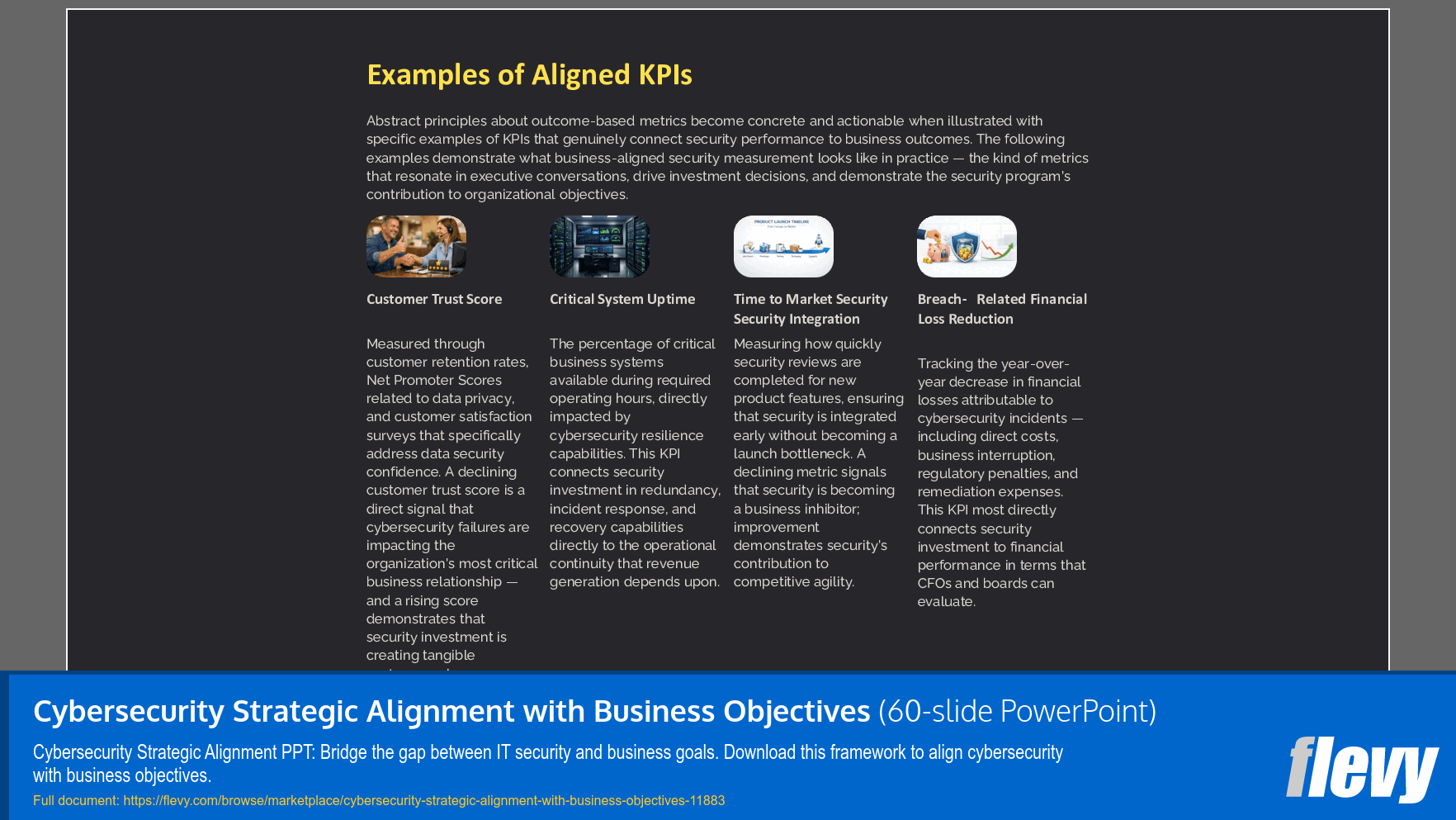
Examples of Aligned KPIs
• Customer Trust: Measured by customer retention rates or Net Promoter Score (NPS) related to data privacy.
• Operational Uptime: Percentage of critical business systems available, directly impacted by cybersecurity resilience.
• Time to Market for New Products: Ensuring security is integrated early to avoid delays.
• Reduction in Financial Losses from Incidents: Tracking the decrease in breach-related costs.
Benchmarking for Continuous Improvement
• Compare performance against industry peers and internal historical data.
• Use benchmarks to identify areas for improvement and set realistic targets.
[image] A graph showing a positive trend line for a key performance indicator, such as "Customer Trust Score," with a note indicating cybersecurity's contribution.
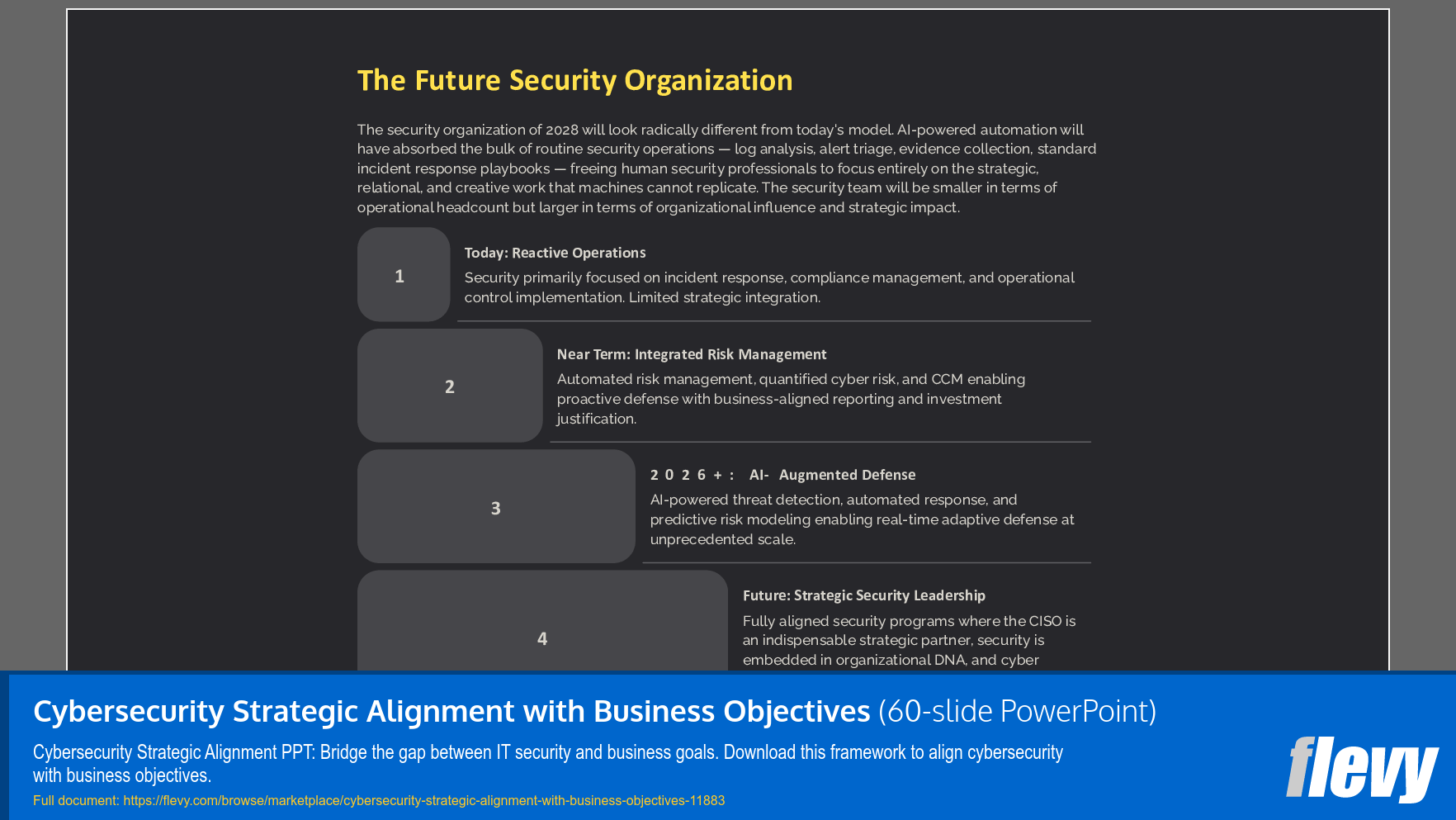
Chapter 11: The Future of Alignment – AI, Emerging Threats, and Evolving Strategies
The AI Revolution in Cybersecurity
• AI-powered threats require AI-powered defenses.
• AI can enhance risk assessment, threat detection, and incident response.
• Ethical considerations and responsible AI deployment are paramount.
Adapting to Emerging Threats
• Continuous monitoring of the threat landscape.
• Agile security strategies that can adapt to new attack vectors and methodologies.
• Proactive threat hunting and intelligence gathering.
Evolving Regulatory Landscape
• Staying ahead of new and evolving data privacy and cybersecurity regulations globally.
• Integrating compliance requirements seamlessly into business strategy.
[image] A futuristic graphic depicting AI interacting with complex data networks, symbolizing advanced cybersecurity.
Chapter 12: Conclusion – Cybersecurity as a Strategic Imperative
From Cost Center to Value Driver: The Final Transformation
• By embracing strategic alignment, organizations can transform cybersecurity from a perceived burden into a critical enabler of business success.
• This requires a fundamental shift in mindset, culture, and operational approach, leveraging frameworks, automation, and clear communication.
• The future belongs to organizations where cybersecurity is intrinsically woven into the fabric of their business objectives, ensuring resilience, trust, and sustainable growth.
Got a question about the product? Email us at support@flevy.com or ask the author directly by using the "Ask the Author a Question" form. If you cannot view the preview above this document description, go here to view the large preview instead.
Source: Best Practices in Cyber Security PowerPoint Slides: Cybersecurity Strategic Alignment with Business Objectives PowerPoint (PPTX) Presentation Slide Deck, Mohamed Alshamey
ABOUT THE AUTHOR

Senior Consultant in Cybersecurity GRC, Data Governance, Cybersecurity, Privacy, and Data Management, with over 20 years of experience in information technology, consulting, training, and technical capacity building. holds a PhD. In AI & Data Privacy, he has a master's degree in cybersecurity and is currently pursuing research focused on data privacy. possesses extensive expertise in ... [read more]
Ask the Author a Question
You must be logged in to contact the author.




























