
 Click main image to view in full screen. Unlock all 9 preview images:
Collision Body Shop Acquisition and SBA Underwriting Model – Excel XLSX
Excel (XLSX) + supplemental PDF


BENEFITS OF THIS DOWNLOADABLE EXCEL DOCUMENT
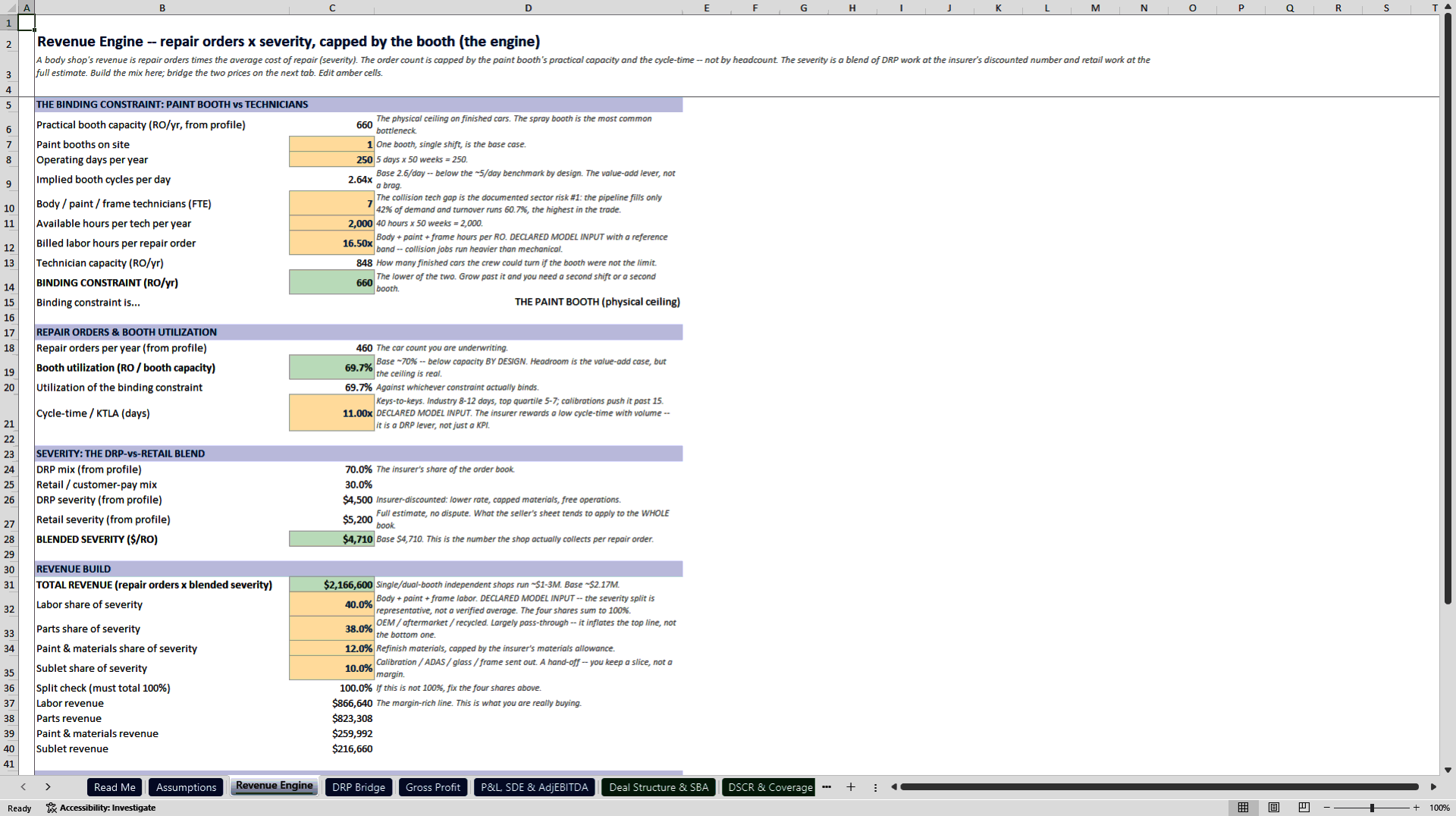
- Revenue is built from booth throughput and mix: 460 repair orders at 69.7% booth utilisation, 70% DRP, severity of $4,500 DRP and $5,200 retail blending to $4,710 per repair order.
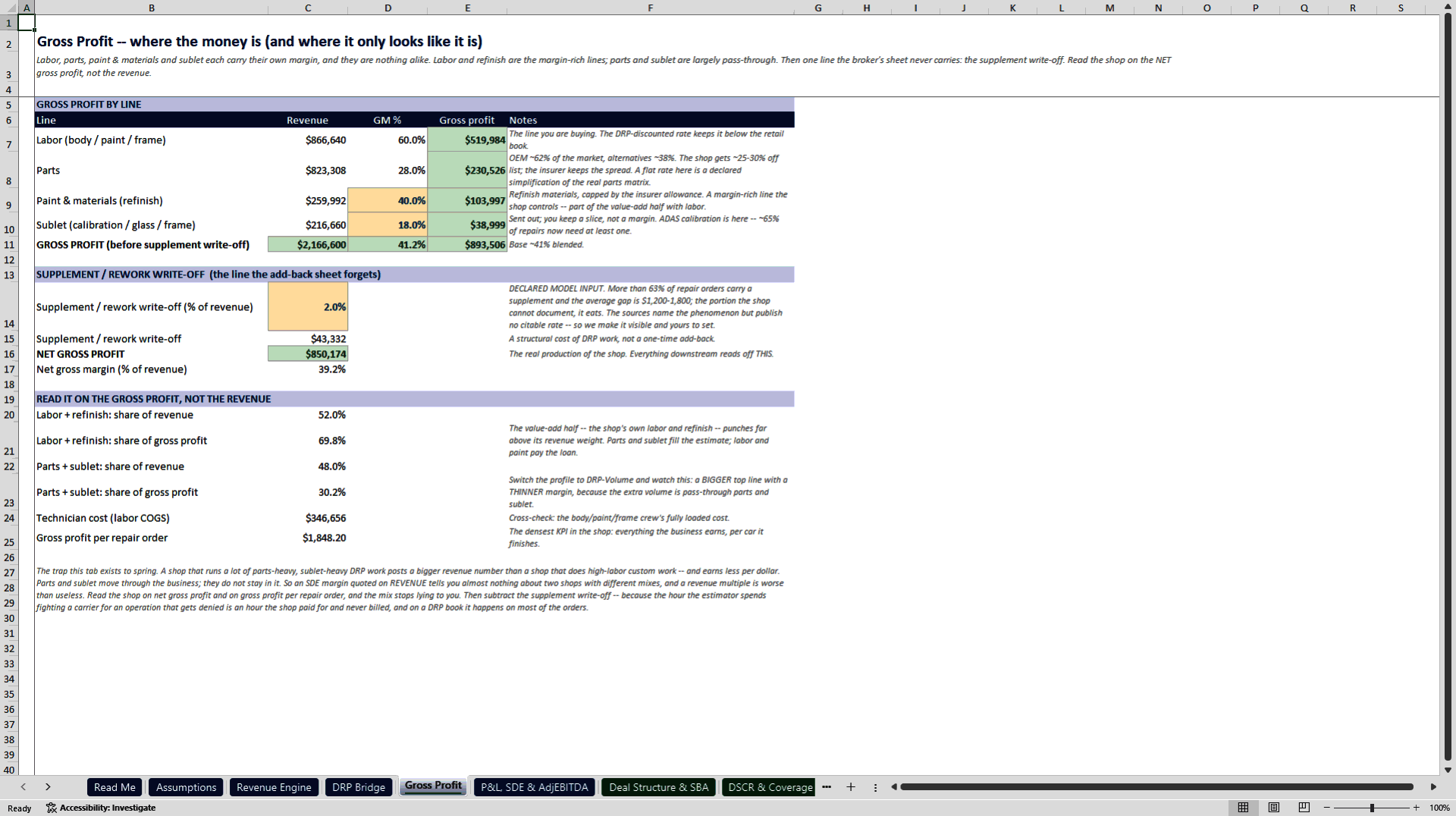
- The supplement write-off is booked, not ignored: $43,332 takes gross profit from $893,506 (41.24%) to $850,174 (39.24%), and break-even severity of $4,526 per RO shows how little slippage the deal absorbs.
- Three DRP profiles expose vanity revenue: the 90% DRP high-throughput shop books 14.4% more revenue while its SDE margin falls to 12.7% against the balanced base case.
AUTO REPAIR EXCEL DESCRIPTION
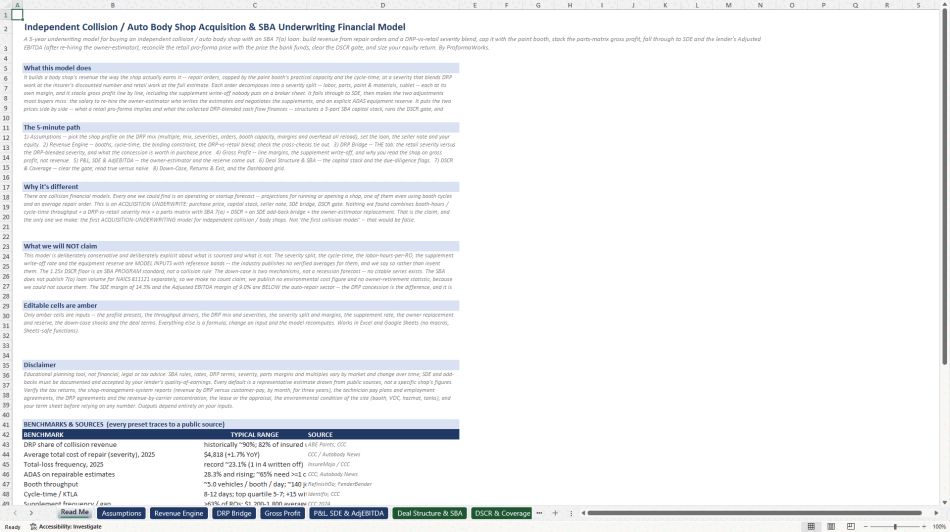
This is an acquisition-underwriting model for an independent collision or auto body shop bought with an SBA 7(a) loan. Startup and operating forecasts for body shops already exist; what this file adds is the underwriting layer a lender applies, namely booth capacity, the direct repair programme mix, severity per repair order, an owner-estimator add-back and a DSCR gate.
Revenue is manufactured from throughput rather than typed in. In the base case the shop turns 460 repair orders at 69.7% booth utilisation with a 70% DRP mix, at a severity of $4,500 on DRP work and $5,200 on retail work, blending to $4,710 per repair order and $2,166,600 of revenue. Gross profit is $893,506, or 41.24%, before a supplement write-off of $43,332 takes it to $850,174, or 39.24% net. That write-off is money a shop bills and does not collect, and leaving it out is one of the ways a seller's sheet flatters the deal.
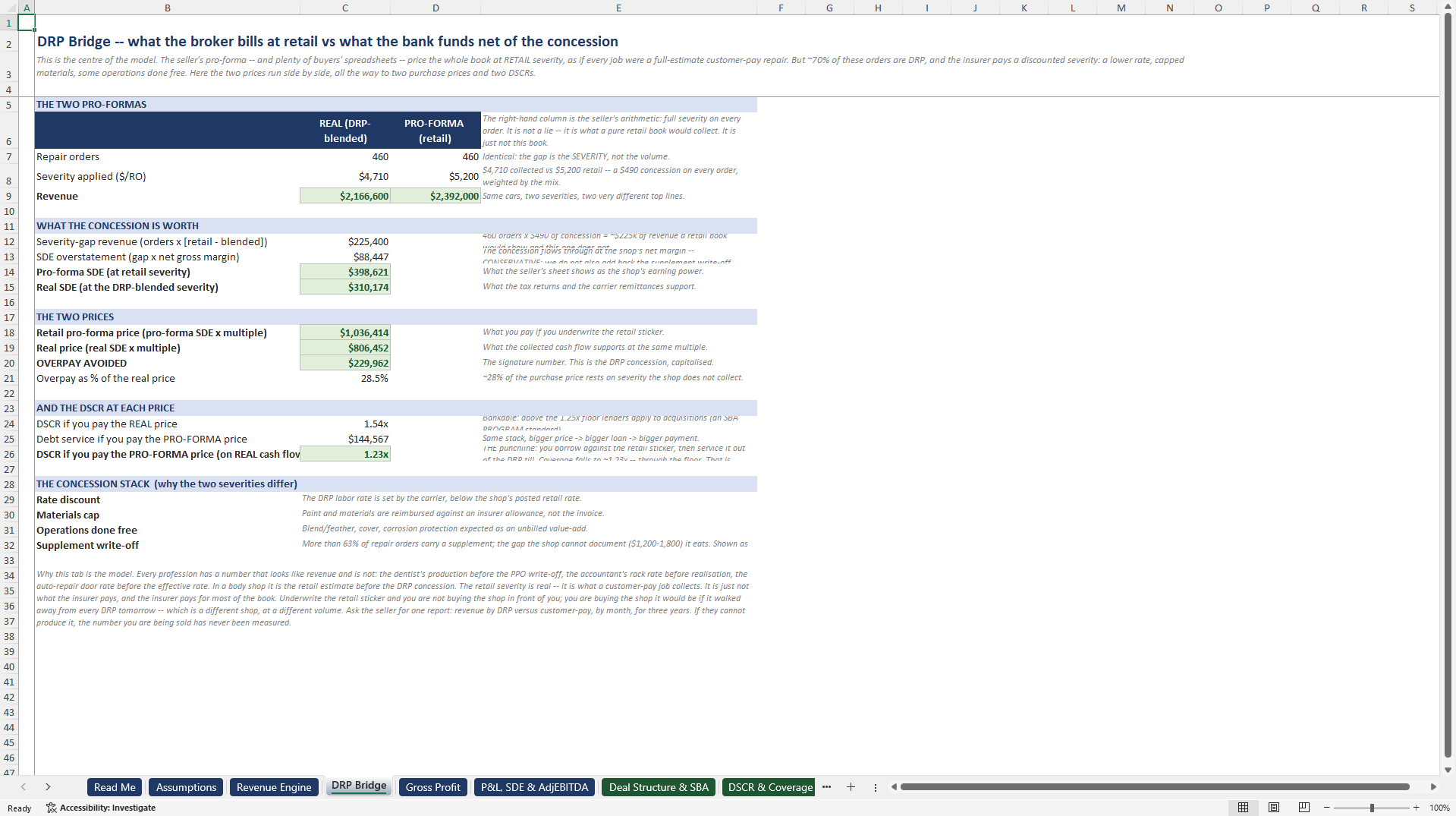
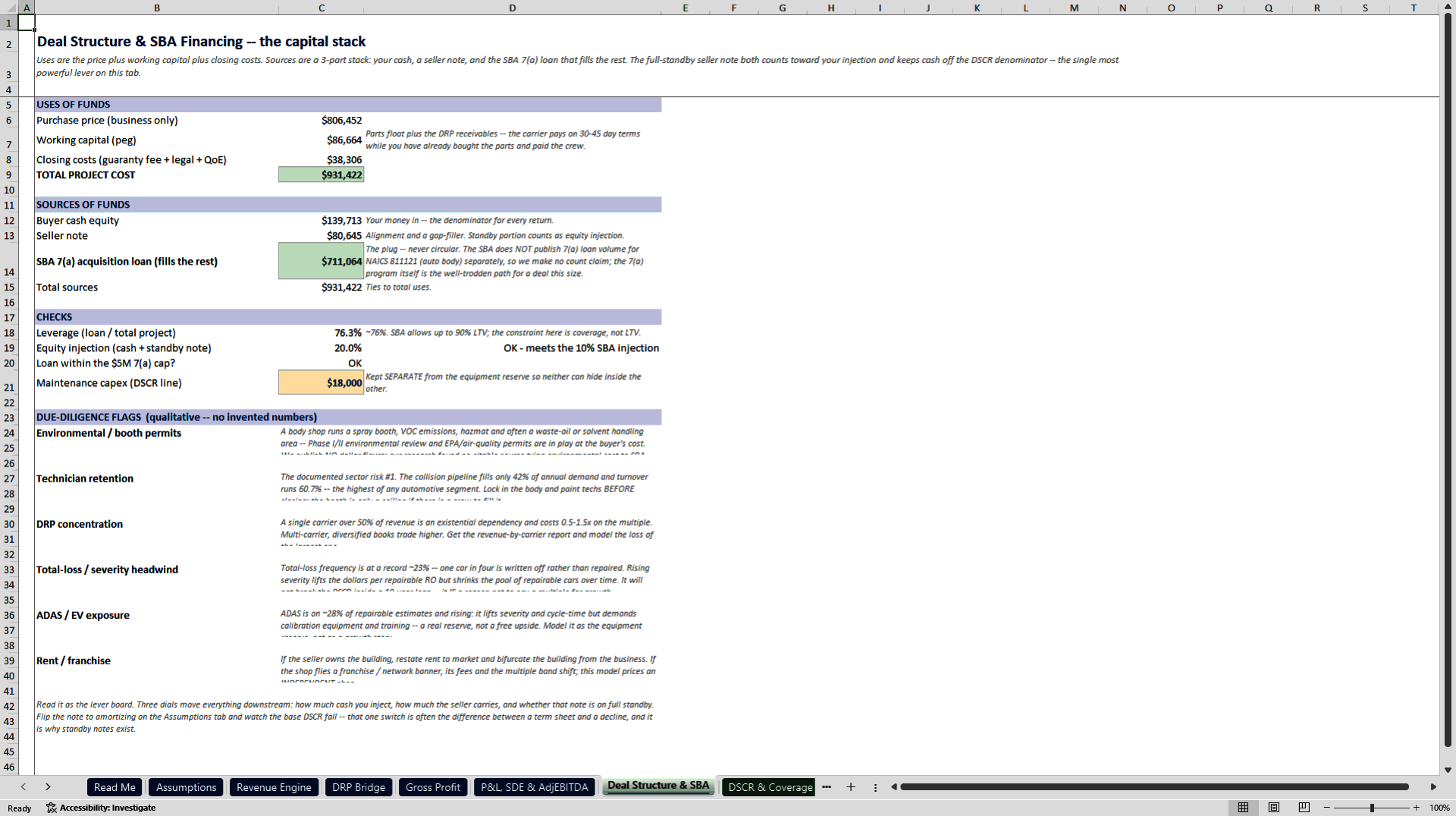
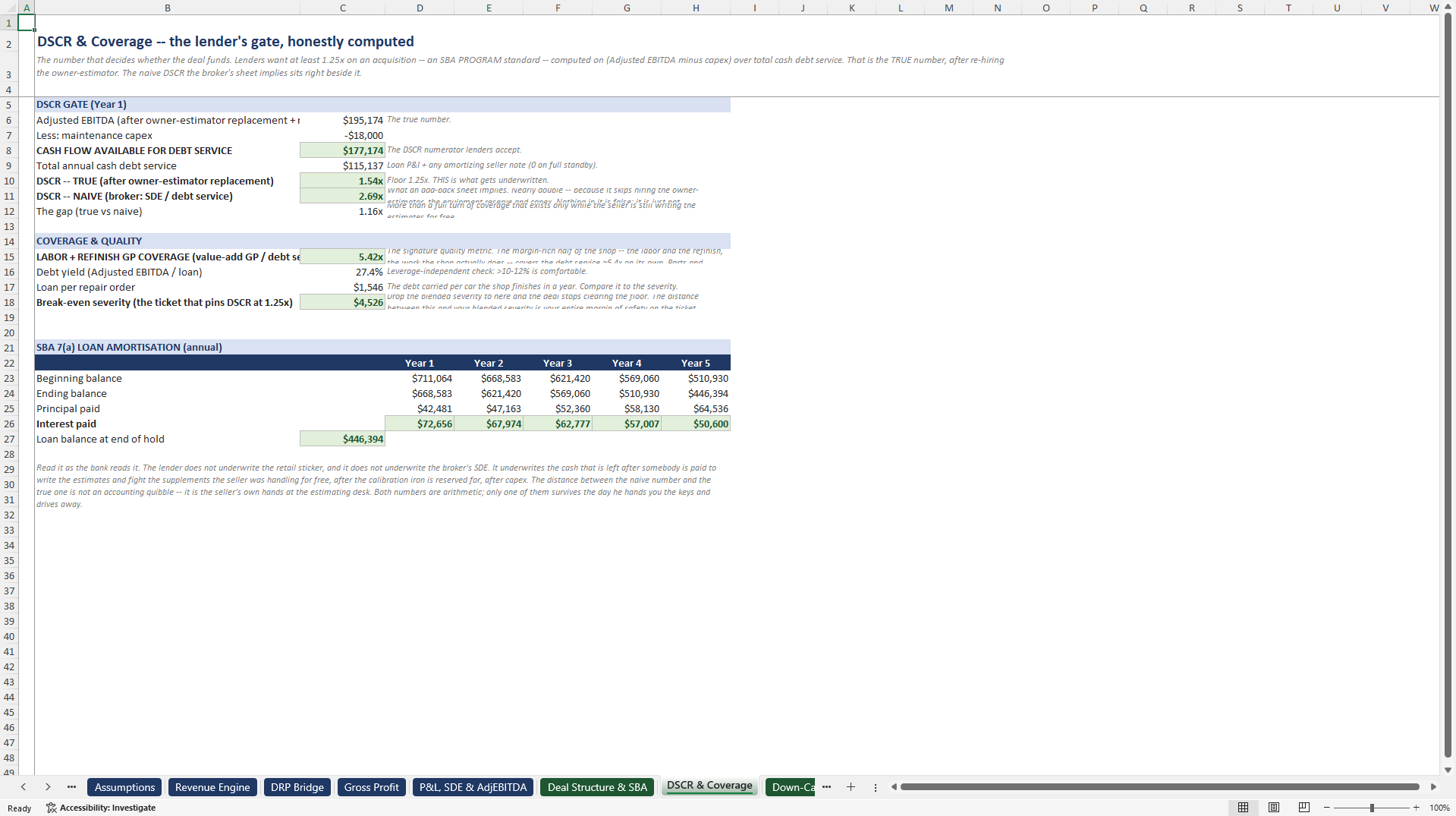
Owner economics are then made explicit. SDE is $310,174, a 14.32% margin, and Adjusted EBITDA is $195,174, or 9.01%, once the owner-estimator is replaced at market rate. At 2.60x SDE the price is $806,452, against a retail pro-forma price of $1,036,414, an overpay avoided of $229,962, or 28.5%. The SBA loan is $711,064 at 76.34% leverage with a 20.0% injection. True DSCR is 1.54x against a naive 2.69x, and 1.23x at the pro-forma price, which is a decline. Labour and refinish gross-profit coverage is 5.42x, debt yield is 27.45%, and break-even severity is $4,526 per repair order, so you can see how little severity slippage the deal absorbs before coverage breaks.
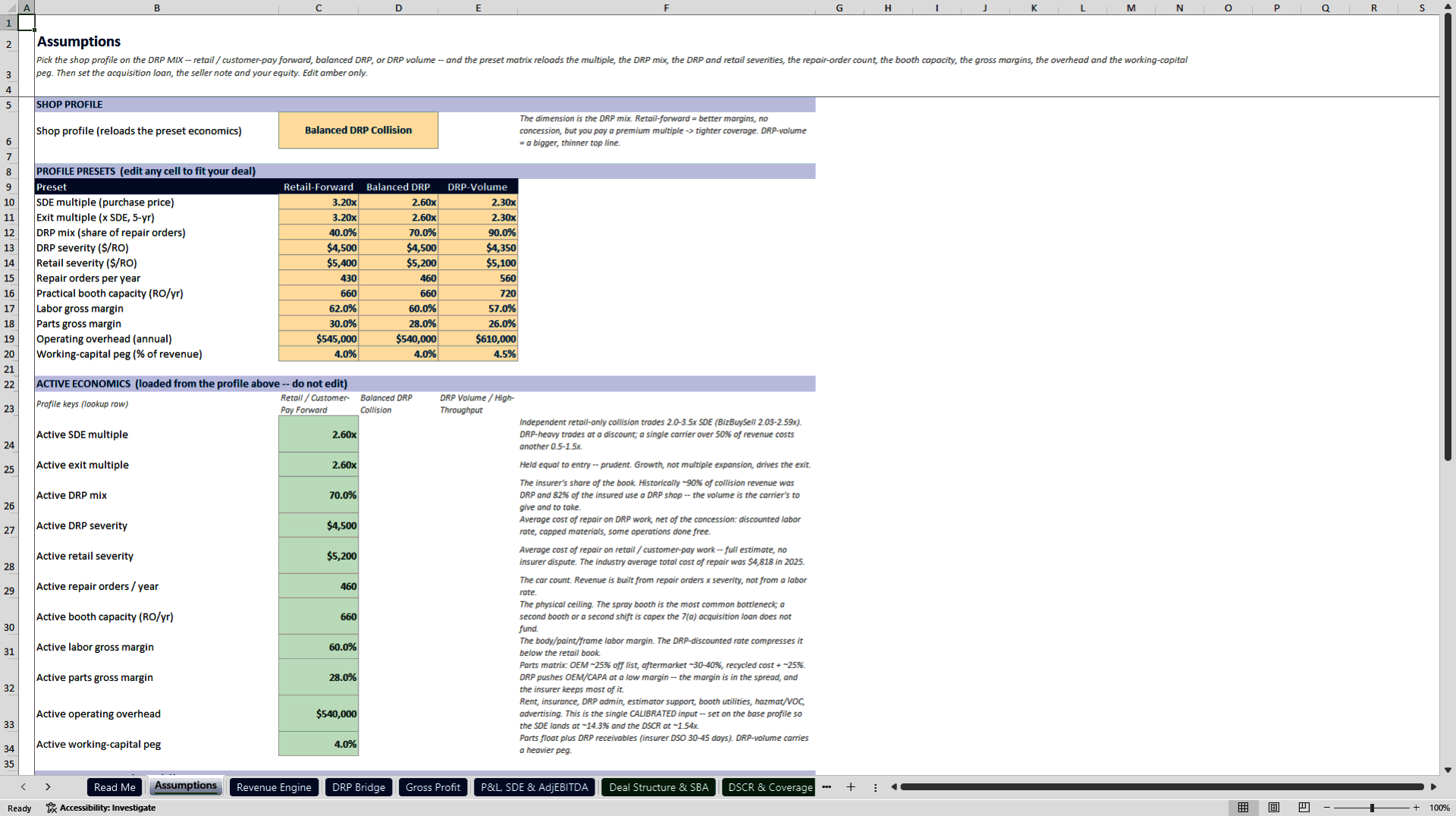
The down case is built from two declared mechanisms rather than a historical series, and it takes DSCR to 0.64x. Three profiles ship in one file and each tells a different story about insurer dependence. Retail and customer-pay forward runs at 3.20x with a 40% DRP mix and a 1.37x DSCR, because you pay a premium for insurer independence. Balanced DRP is the base at 2.60x, 70% DRP and 1.54x. DRP-volume and high-throughput runs at 2.30x with a 90% DRP mix: revenue is 14.4% higher while the SDE margin falls to 12.7%, which is what vanity revenue looks like in this trade.
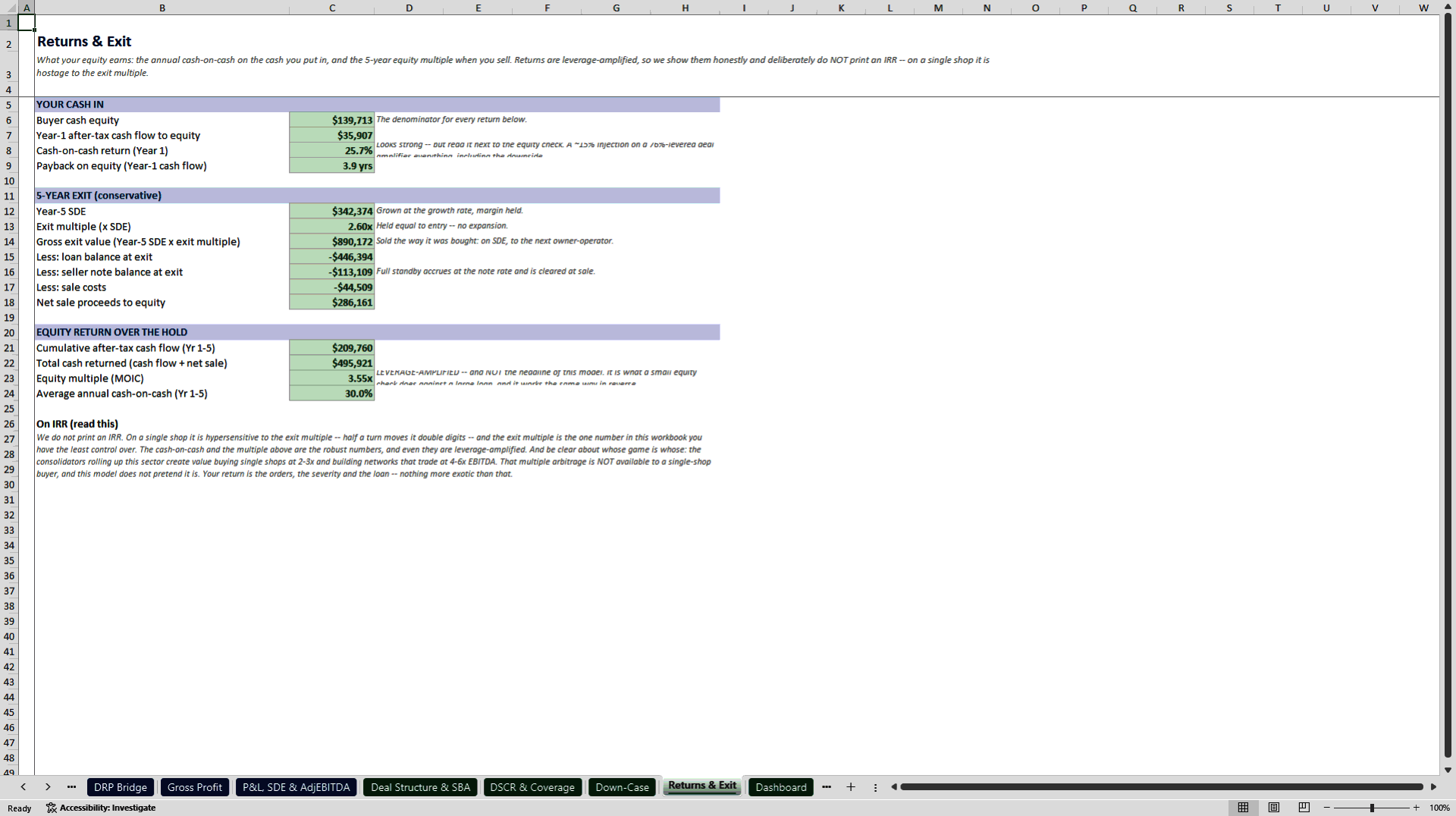
Returns are stated conservatively. Year-1 cash-on-cash is 25.7% and the five-year MOIC is 3.55x, and there is deliberately no IRR. Every number above comes from a 137-check quality suite run across three independent engines, and the reference bands draw on published industry sources including CCC, Mitchell, FenderBender, BizBuySell, TechForce and ABE Paints. No SBA loan counts are invented for this industry code, because they are not published.
The model is an educational planning tool, not financial, lending or legal advice. Replace the reference bands with the target shop's management-system reports, its DRP agreements and its tax returns before relying on any output.
Got a question about the product? Email us at support@flevy.com or ask the author directly by using the "Ask the Author a Question" form. If you cannot view the preview above this document description, go here to view the large preview instead.
Source: Best Practices in Auto Repair, Integrated Financial Model Excel: Collision Body Shop Acquisition and SBA Underwriting Model Excel (XLSX) Spreadsheet, ProformaWorks
ABOUT THE AUTHOR
ProformaWorks builds acquisition-grade financial models for Main Street and lower-middle-market businesses - the kind of deal financed with an SBA 7(a) loan or a small commercial facility.
Every model answers one question: does this deal pencil at the bank? That means SDE or NOI rebuilt from the seller's own numbers, the add-backs a lender will and will not accept, a debt-service
... [read more]
Ask the Author a Question
You must be logged in to contact the author.




























