 Click main image to view in full screen.
AI Value Chain Control Shift – PDF
PDF document 20 Pages


BENEFITS OF THIS DOWNLOADABLE PDF DOCUMENT
- Provides a structured framework for identifying which AI value-chain dependencies create strategic control, vulnerability, or optionality.
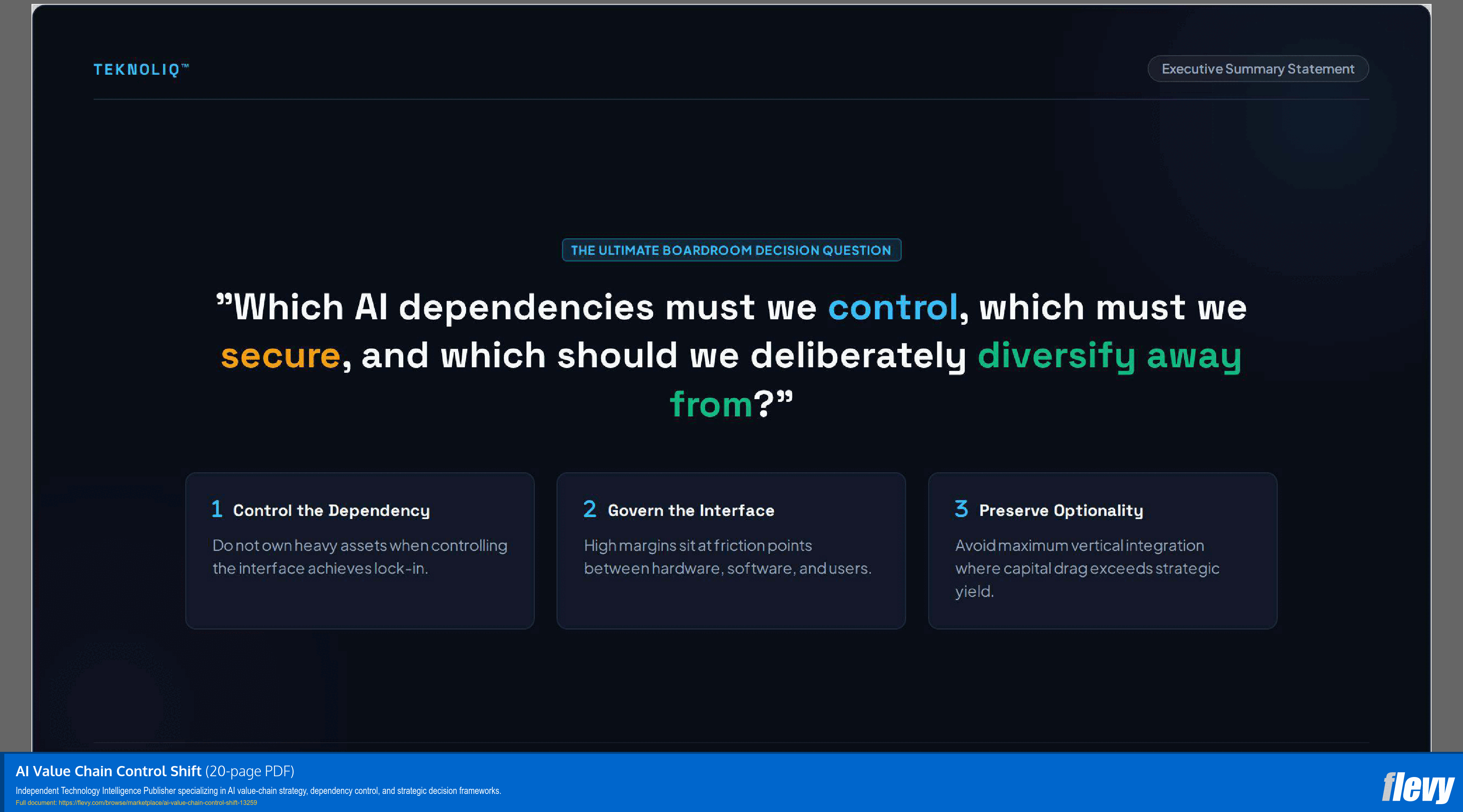
- Helps executives determine when to own, integrate, secure, control, diversify, or outsource critical AI capabilities and interfaces.
- Transforms complex AI ecosystem developments into actionable strategic decisions using reusable control maps, matrices, and decision frameworks.
ARTIFICIAL INTELLIGENCE PDF DESCRIPTION
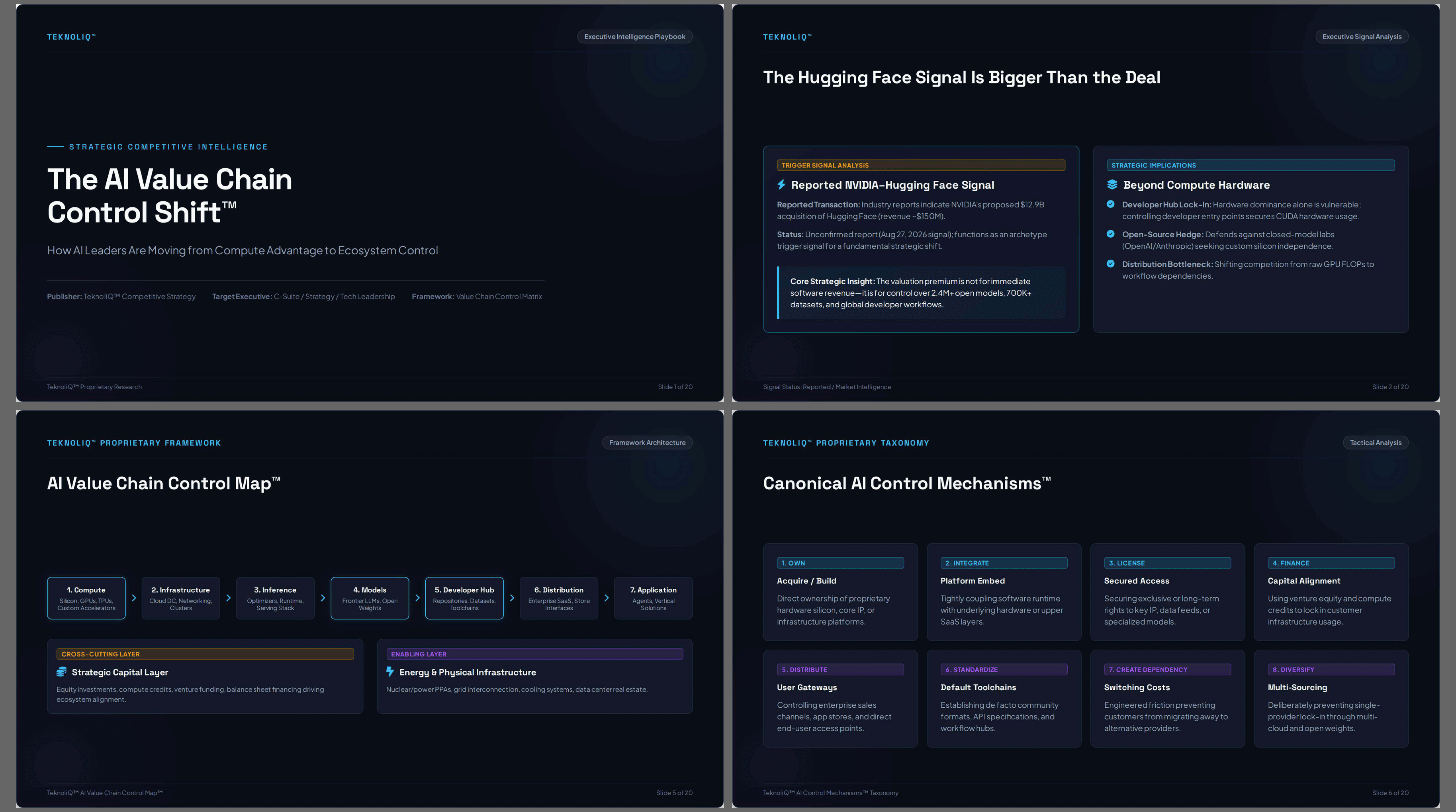
The AI Value Chain Control Shift examines how competitive advantage in artificial intelligence is evolving beyond raw compute performance toward control of critical dependencies, interfaces, infrastructure, models, developer ecosystems, distribution channels, and capital.
The playbook provides an executive-level framework for understanding where strategic control is accumulating across the AI value chain and how companies can decide which capabilities to own, integrate, license, finance, distribute, standardize, secure, or deliberately diversify. Rather than treating AI competition as a simple race between model providers or semiconductor companies, the analysis focuses on the structural relationships between the layers that determine access, switching costs, distribution power, and strategic optionality.
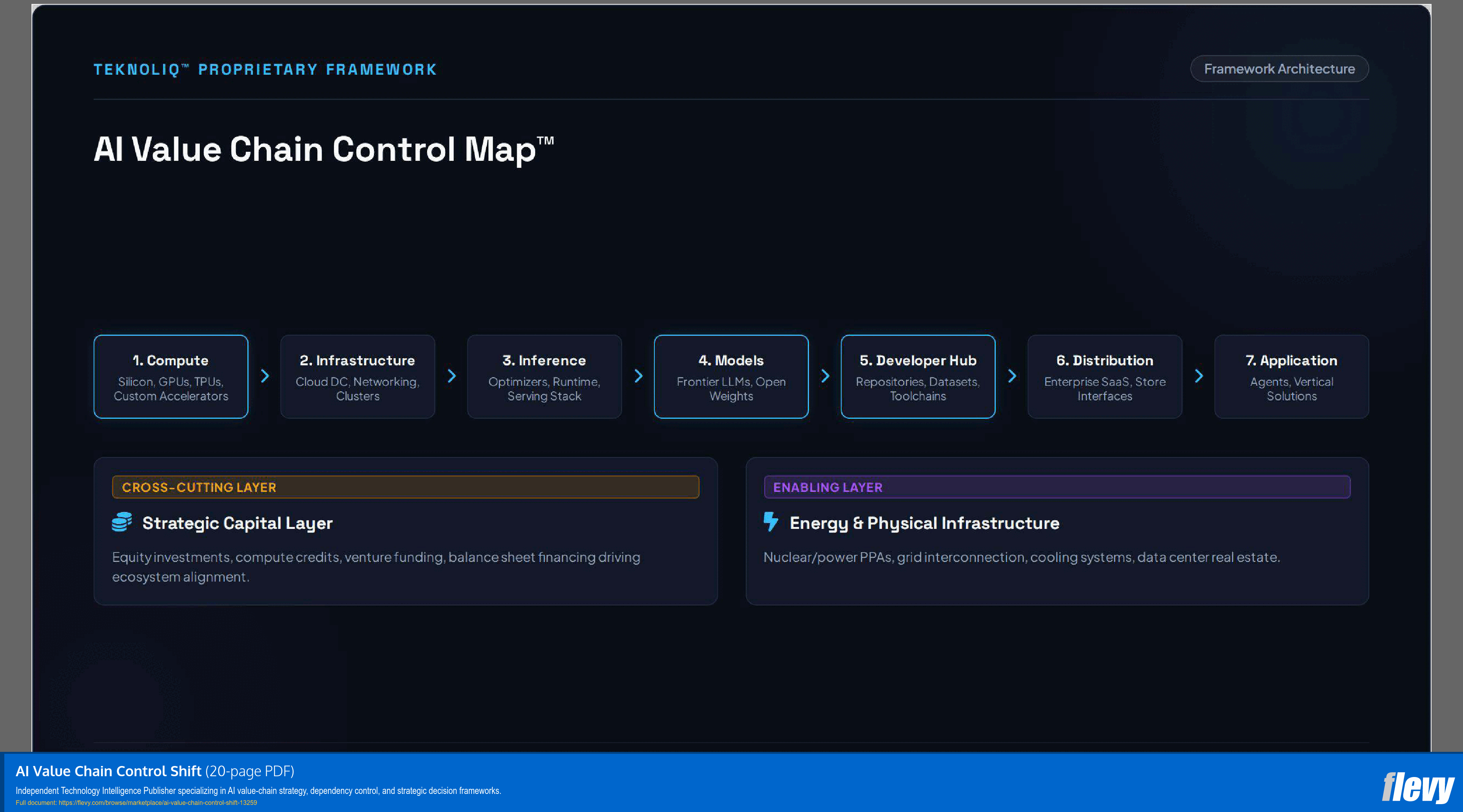
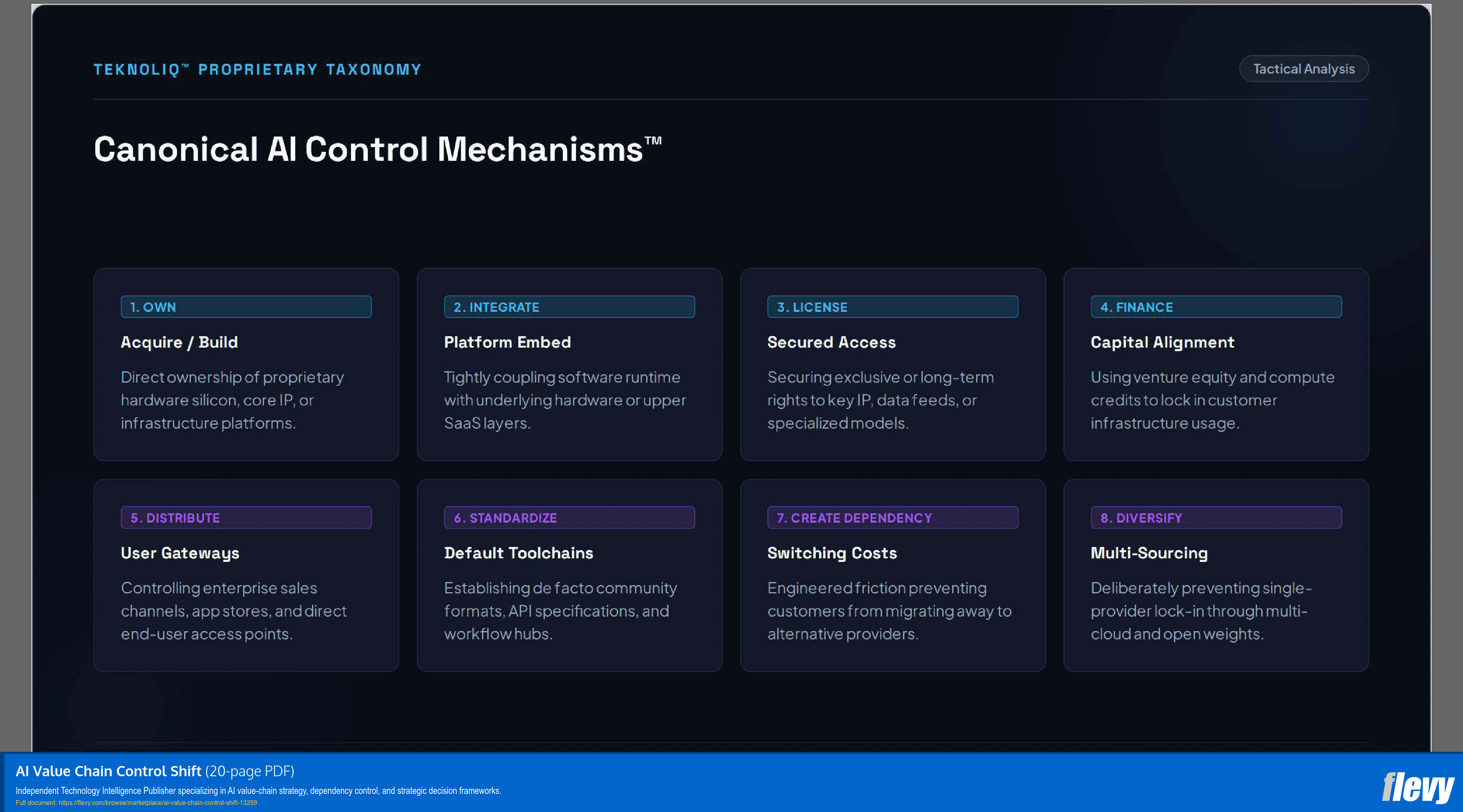
The playbook introduces the AI Value Chain Control Map™, which maps the major control points spanning compute, infrastructure, inference, models, developers, distribution, and applications. It then applies the AI Control Mechanisms™ framework across eight mechanisms: OWN, INTEGRATE, LICENSE, FINANCE, DISTRIBUTE, STANDARDIZE, CREATE DEPENDENCY, and DIVERSIFY.
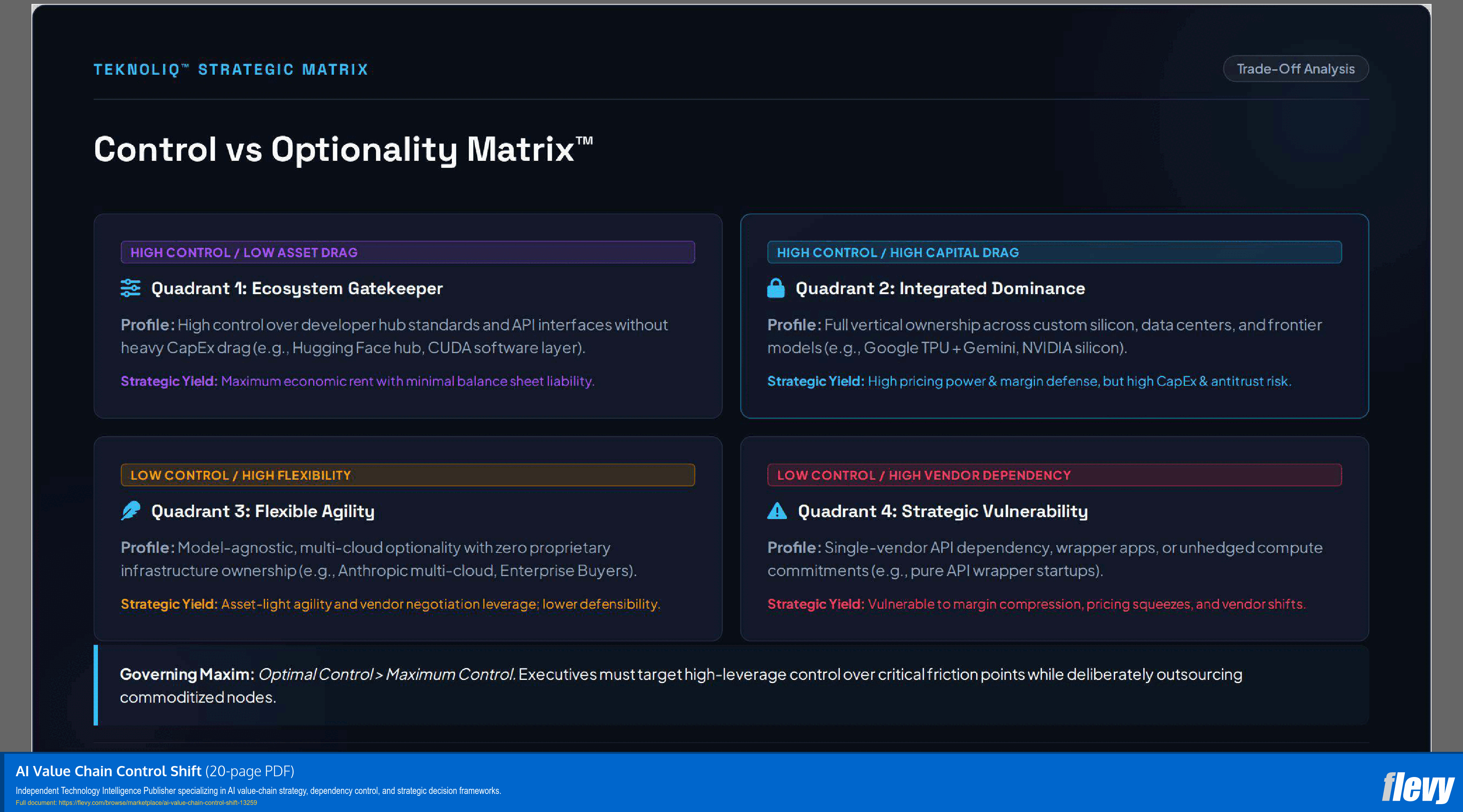
The analysis also introduces the AI Control Advantage™ as a conceptual strategic diagnostic for evaluating the relationship between switching costs, distribution control, and capital drag. A Control vs. Optionality Matrix™ helps executives distinguish between ecosystem gatekeeping, integrated dominance, flexible agility, and strategic vulnerability.
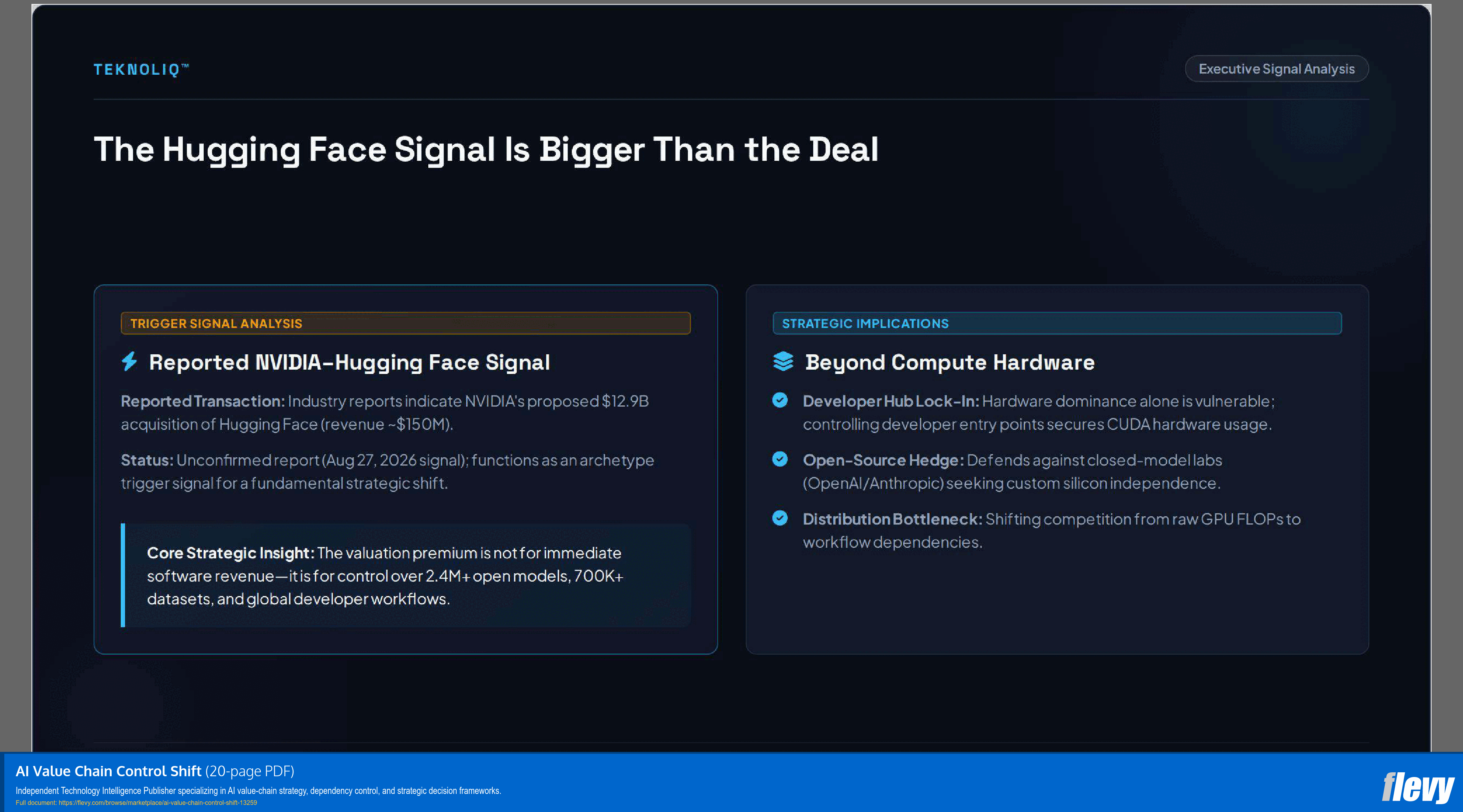
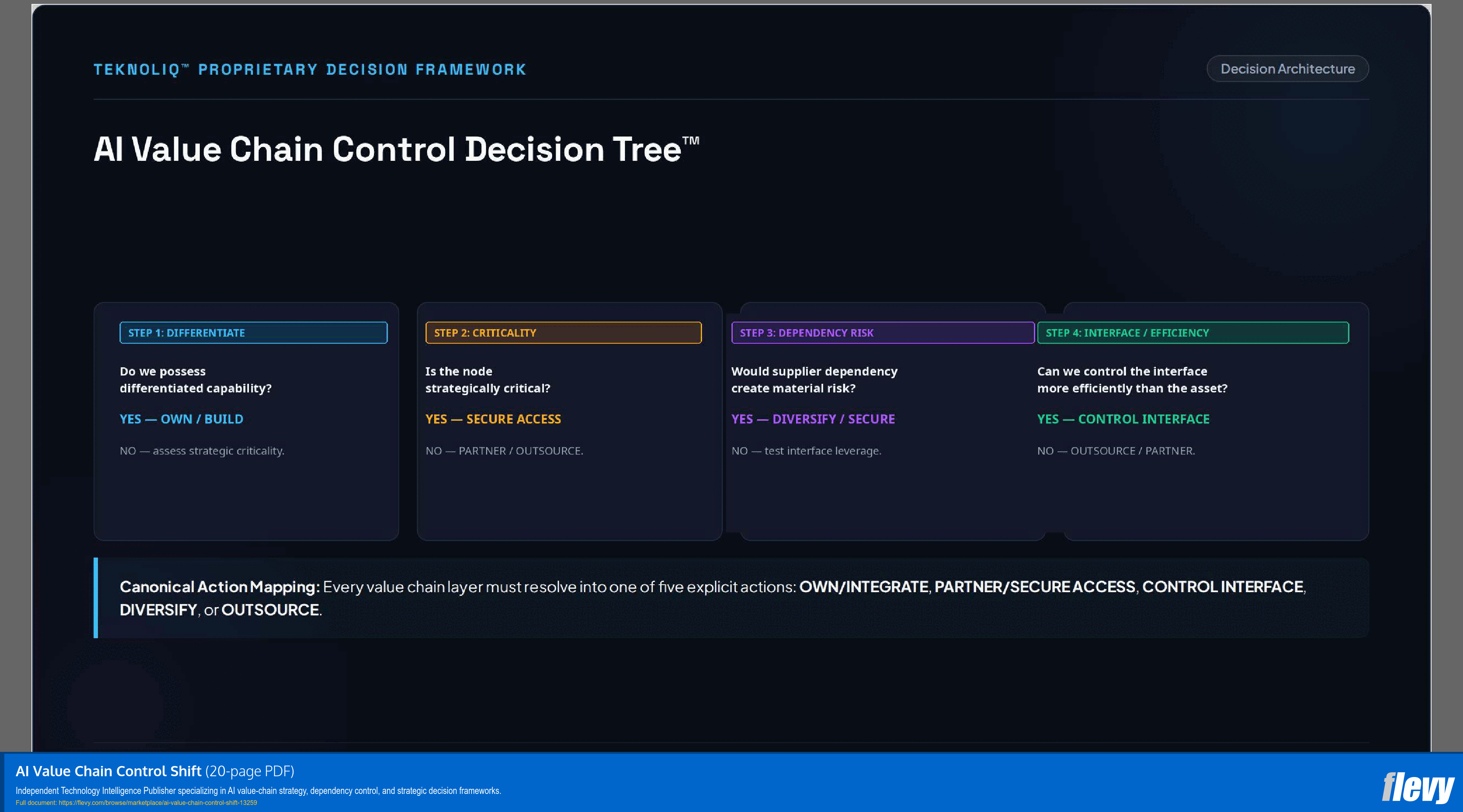
The playbook compares different strategic approaches used by major AI ecosystem participants and examines how control can emerge not only from owning assets, but also from controlling interfaces between layers. It provides a practical decision tree for determining when an organization should build differentiated capabilities internally, secure critical dependencies, control strategic interfaces, or preserve flexibility through diversification and outsourcing.
The final sections translate the framework into an executive action model and a live strategic-signal structure for monitoring changes in hardware-software bundling, physical infrastructure constraints, regulatory scrutiny, and model-agnostic orchestration.
This is designed for executives, strategy leaders, technology leaders, investors, and innovation teams evaluating AI infrastructure dependencies, ecosystem positioning, vertical integration, platform strategy, and long-term competitive advantage.
Got a question about the product? Email us at support@flevy.com or ask the author directly by using the "Ask the Author a Question" form. If you cannot view the preview above this document description, go here to view the large preview instead.
Source: Best Practices in Artificial Intelligence, Value Chain Analysis PDF: AI Value Chain Control Shift PDF (PDF) Document, Wisnu Pandega Wardana
ABOUT THE AUTHOR

I am an independent Industrial Intelligence and Strategic Innovation Publisher focused on developing structured business intelligence, innovation frameworks, and opportunity-oriented research for decision-makers.
My work focuses on translating emerging technologies, industrial transformation, sustainability, resource efficiency, and market shifts into structured intelligence assets that
... [read more]
Ask the Author a Question
You must be logged in to contact the author.




























