
Introduction:
Agile isn't just a methodology; it's a transformative mindset, a dynamic philosophy that propels teams to collaborate, adapt, and thrive in the face of uncertainty. Agile isn't a magic cure-all, but it equips modern project managers with indispensable tools. This comprehensive guide delves into Agile, unraveling its core values, principles, and practices.
1. The Agile Mindset:
• *Embracing Agile*: Understand Agile as a collaborative, cooperative way of working.
• *Beyond Silver Bullets*: Acknowledge that Agile isn't a one-size-fits-all solution.
• *Tools of the Modern PM*: Explore why Agile is an essential addition to the project manager's toolkit.
2. The Essence of Agile:
• *Agile: A Mindset*: Embrace Agile as a mindset for efficient, effective work within constraints.
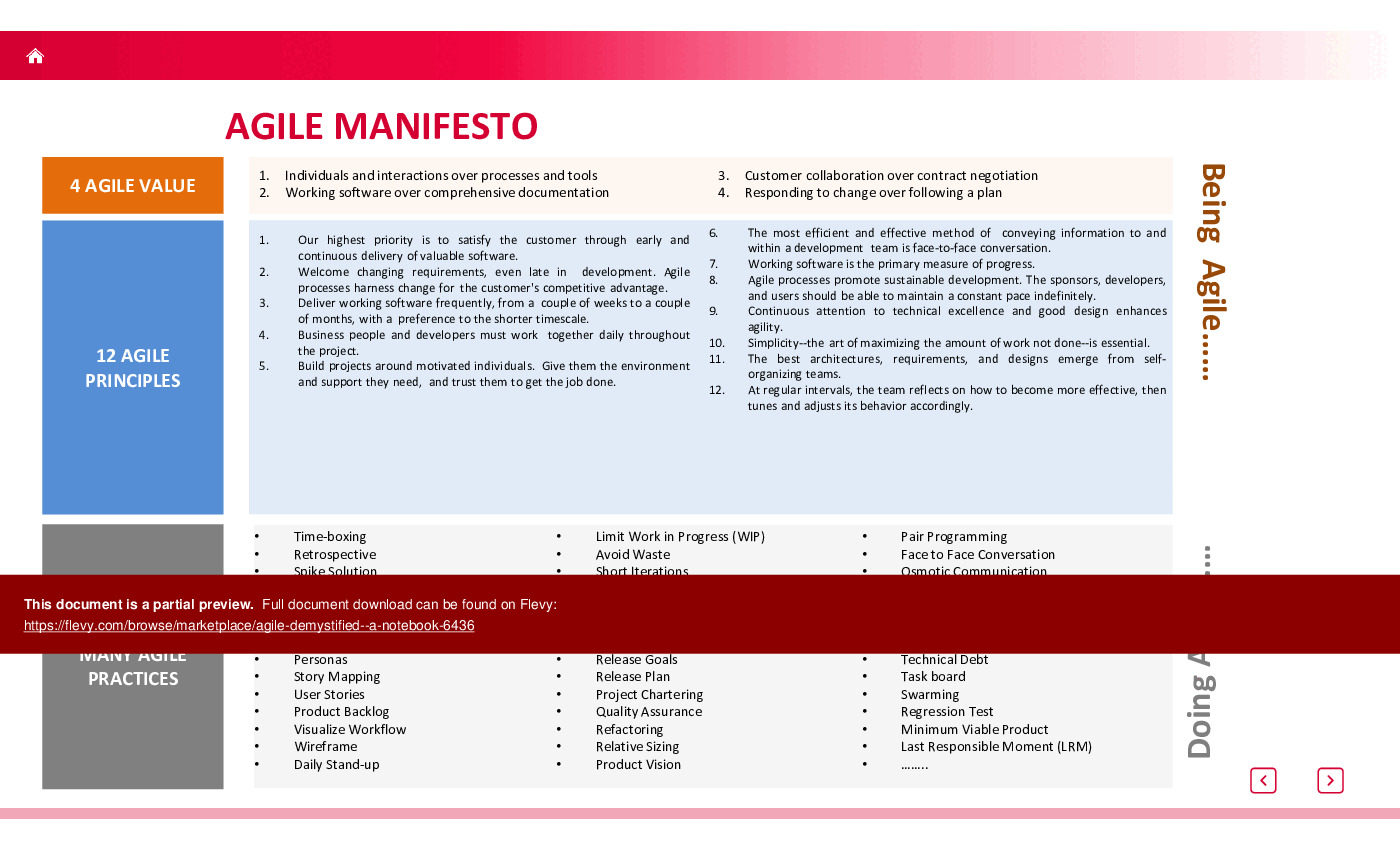
• *The Agile Quartet*: Discover the four foundational values of the Agile mindset.
• *The Agile Dozen*: Dive into the twelve core principles that define the Agile approach.
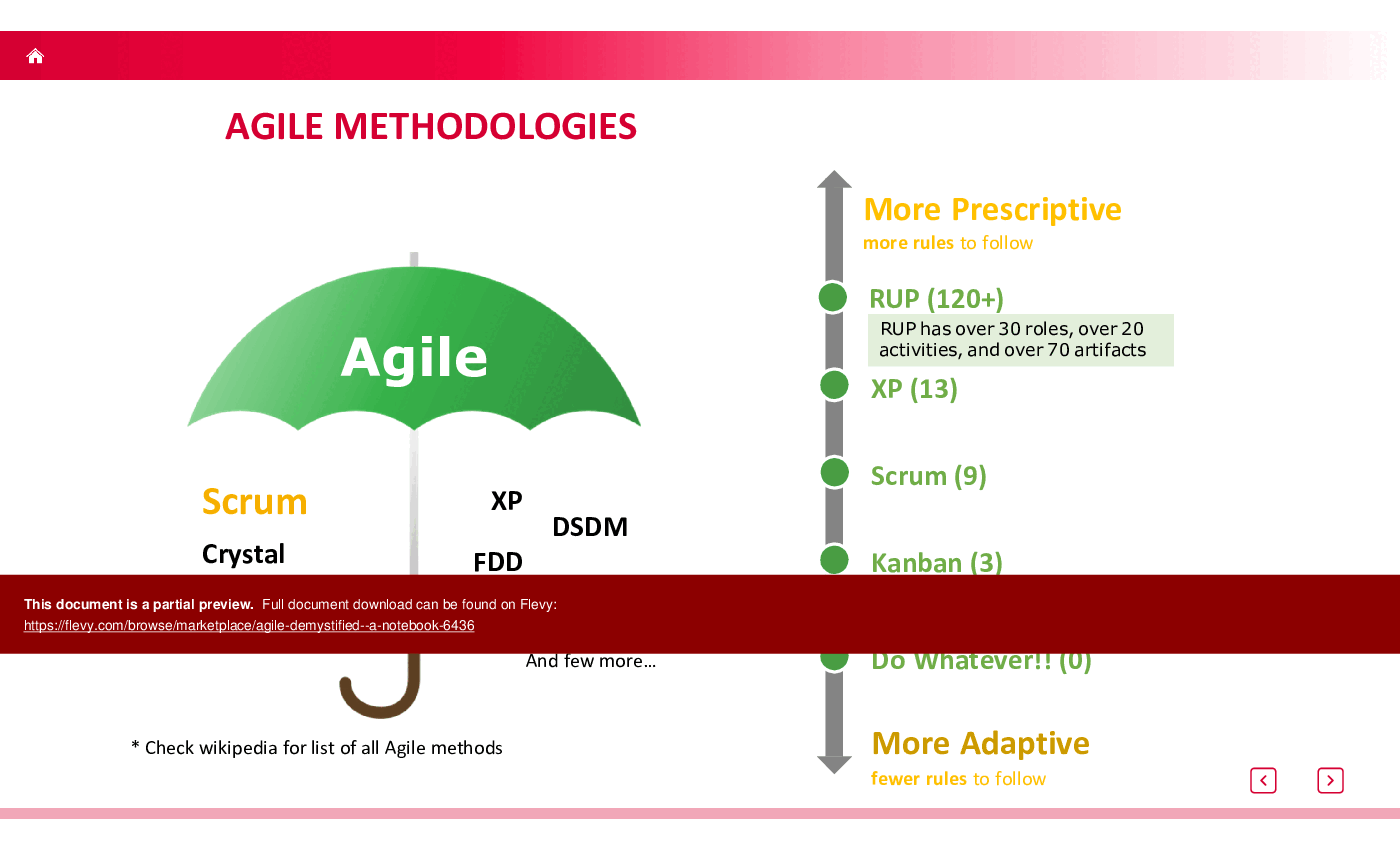
• *The Power of Scrum*: Explore Scrum, Agile's renowned, lightweight practice.
3. Your Agile Handbook:
• *Agile Principles*: Uncover the fundamental principles that guide Agile.
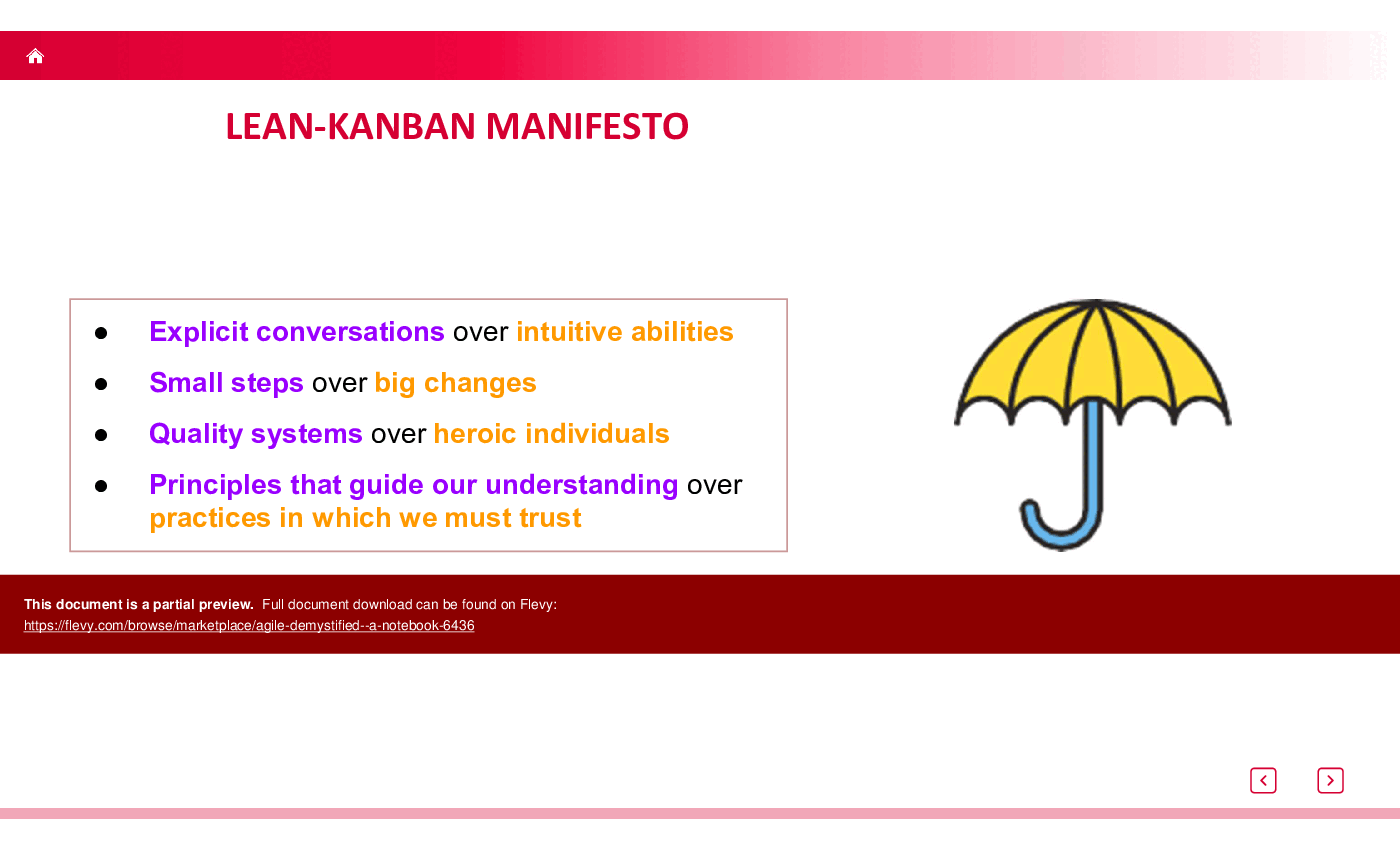
• *Lean Principles*: Explore Lean principles, an Agile companion for eliminating waste.
• *Key Concepts*: Navigate Agile's key concepts that underpin its philosophy.
4. Mastering Scrum:
• *Scrum Roles*: Meet the cast of characters in the Scrum framework.
• *Scrum Meetings*: Break down the crucial meetings that keep Scrum projects on track.
• *Scrum Assets*: Explore Scrum's artifacts that capture project progress.
• *Definition of Done*: Understand the hallmark of quality in Agile.
5. Agile in Action:
• *User Stories*: Learn the art of capturing user requirements in Agile.
• *Estimation & Planning*: Discover Agile's approach to estimation and planning.
• *Scrumban v. Kanban*: Explore the Scrum-Kanban hybrid and pure Kanban practices.
• *Scaling Scrum*: Dive into Agile at scale and strategies for managing larger projects.
6. Agile Excellence:
• *Agile Quality*: Unveil Agile's quality-centric philosophy.
• *Agile Engineering*: Explore Agile engineering practices that elevate product quality.
• *Agile Online Tools*: Discover digital tools that enhance Agile collaboration.
7. Agile Coaching & Training:
• *Agile Coaching*: Understand the role of Agile coaches in guiding teams.
• *Team Training*: Embrace continuous learning as a cornerstone of Agile teams.
8. Agile Metrics & References:
• *Metrics*: Learn how to measure Agile success.
• *References*: Access essential resources to deepen your Agile knowledge.
This 267-slide PowerPoint guide serves as a comprehensive reference for all things Agile. Customizable and richly illustrated, it's a valuable resource for Agile presentations, professional development, or Agile certification exam preparation, offering a holistic view of Agile concepts and practices.
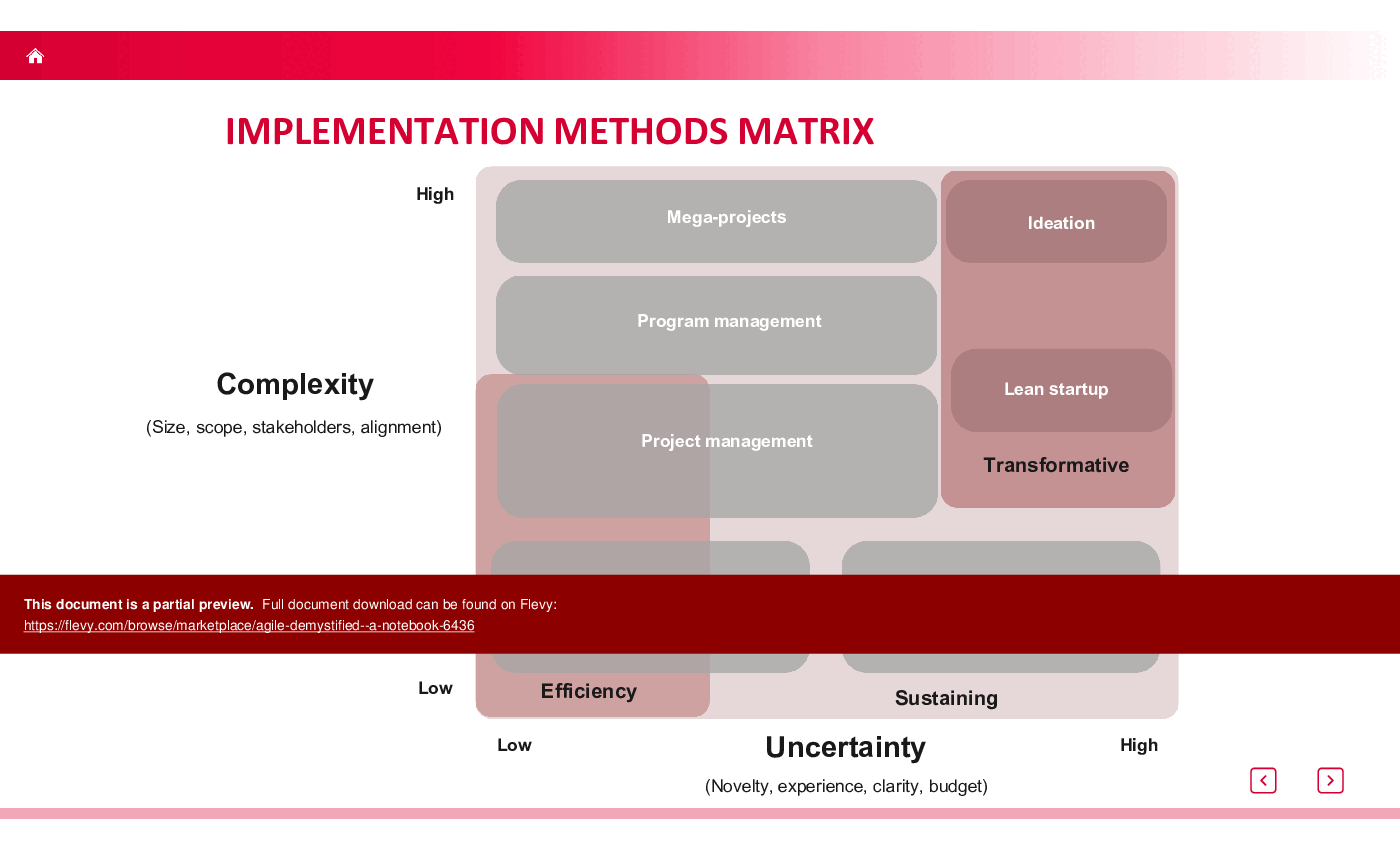
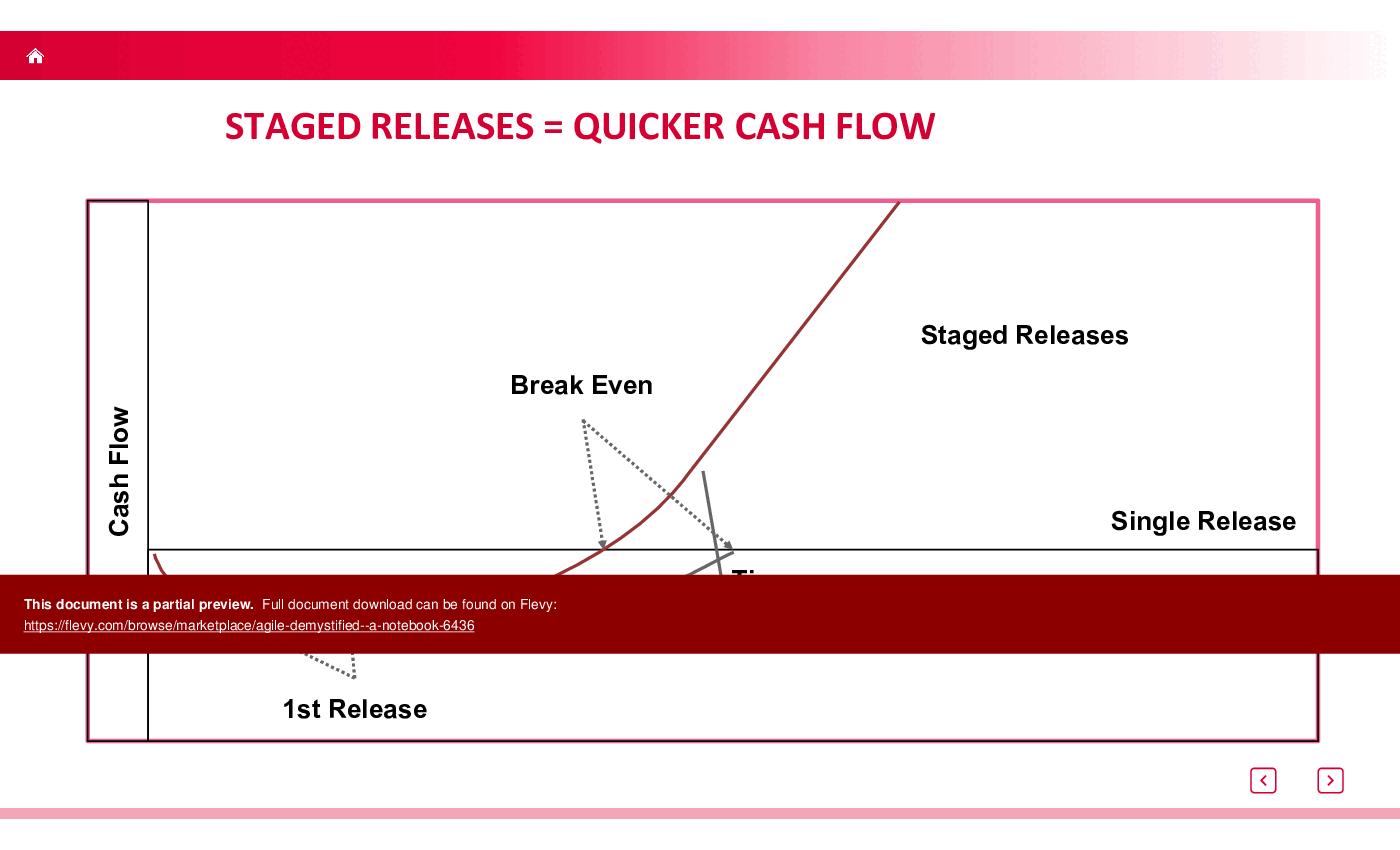
The PPT includes an implementation methods matrix to help determine the best Agile approach based on project complexity and uncertainty. It also emphasizes the importance of staged releases for quicker cash flow and better project outcomes.
Got a question about the product? Email us at support@flevy.com or ask the author directly by using the "Ask the Author a Question" form. If you cannot view the preview above this document description, go here to view the large preview instead.
Executive Summary
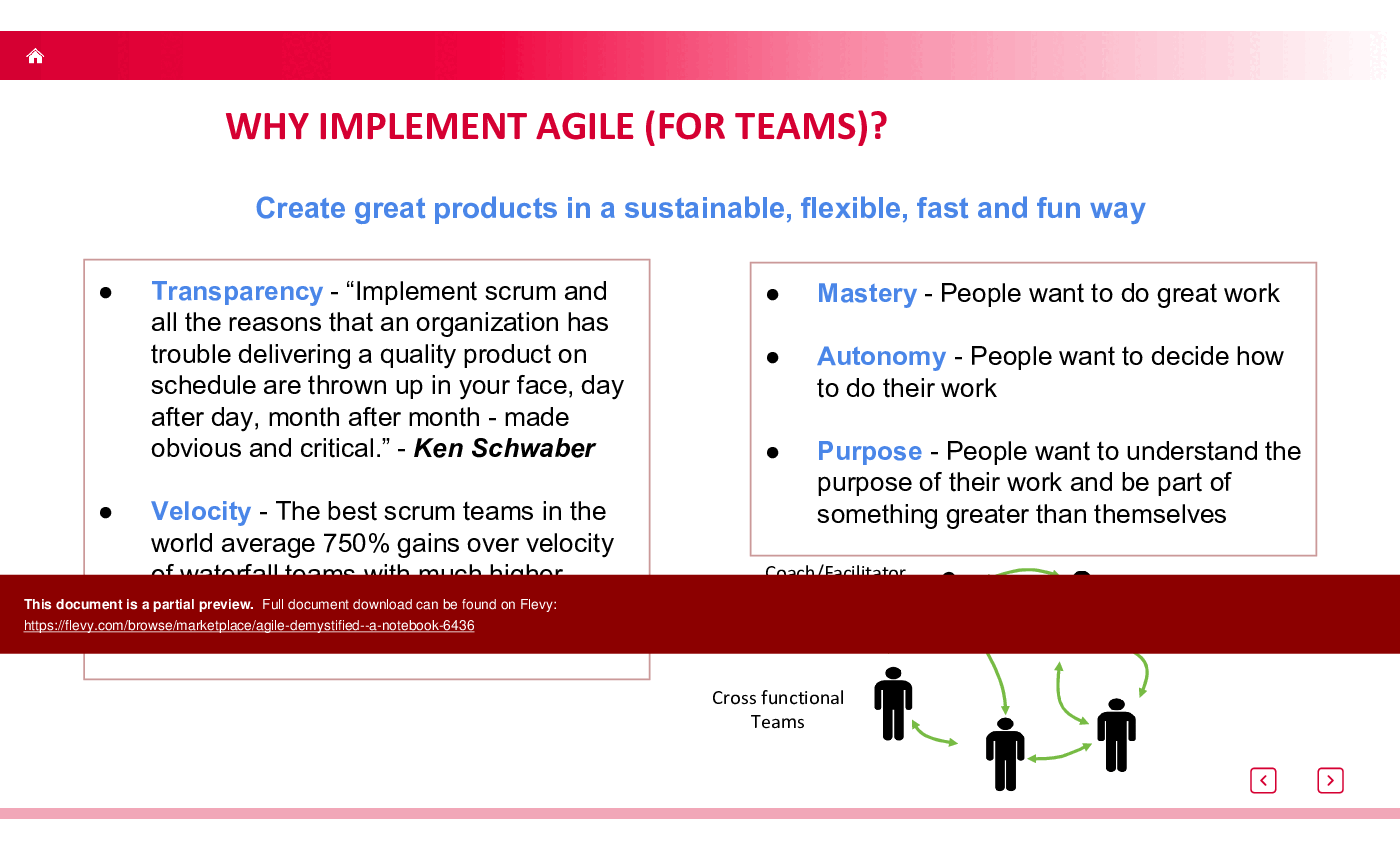
The "Agile Demystified - A Notebook" presentation is a comprehensive guide designed to enhance understanding of Agile methodologies, particularly for teams and executives. It covers essential concepts such as Agile principles, Scrum roles, Lean principles, and user stories, providing actionable insights for implementing Agile practices effectively. This resource is ideal for organizations aiming to improve product delivery, foster collaboration, and enhance team performance through Agile frameworks. Buyers will gain the knowledge to implement Agile strategies that drive efficiency and adaptability in their projects.
Who This Is For and When to Use
• Agile Coaches and Trainers facilitating team development
• Product Owners responsible for backlog management and prioritization
• Scrum Masters guiding teams in Agile practices
• Executives overseeing Agile transformations and strategic alignment
• Development Teams implementing Agile methodologies in projects
Best-fit moments to use this deck:
• During Agile training sessions to introduce core concepts and frameworks
• In team retrospectives to reflect on Agile practices and identify improvements
• For executive briefings on Agile methodologies and their impact on business value
• When planning Agile transformations to align teams with Agile principles
Learning Objectives
• Define key Agile principles and their implications for team dynamics
• Build effective user stories that align with customer needs and business value
• Establish clear roles and responsibilities within Scrum teams
• Identify and implement Lean principles to enhance efficiency and reduce waste
• Create actionable plans for Agile adoption tailored to organizational needs
• Measure and track Agile performance metrics to ensure continuous improvement
Table of Contents
• Agile Principles (page 5)
• Lean Principles (page 10)
• Key Concepts (page 15)
• Scrum Roles (page 20)
• Scrum Meetings (page 25)
• Scrum Assets (page 30)
• Definition of Done (page 35)
• User Stories (page 40)
• Estimation & Planning (page 45)
• Scrumban vs. Kanban (page 50)
• Scaling Scrum (page 55)
• Agile Quality (page 60)
• Agile Engineering (page 65)
• Agile Online Tools (page 70)
• Agile Coaching (page 75)
• Team Training (page 80)
• Metrics (page 85)
• References (page 90)
Primary Topics Covered
• Agile Principles - Agile emphasizes delivering value through iterative development, fostering collaboration, and embracing change to meet customer needs effectively.
• Lean Principles - Focuses on minimizing waste and optimizing processes to enhance value delivery and operational efficiency.
• Scrum Roles - Defines the responsibilities of key roles such as the Product Owner, Scrum Master, and Development Team, ensuring clear accountability and collaboration.
• User Stories - Provides a framework for capturing requirements from the user's perspective, facilitating better alignment with customer expectations.
• Estimation & Planning - Outlines techniques for estimating effort and planning sprints, ensuring teams can commit to achievable goals.
• Agile Quality - Discusses practices for maintaining high quality in Agile projects, including continuous integration and testing strategies.
Deliverables, Templates, and Tools
• User story templates for capturing requirements effectively
• Scrum meeting agendas to facilitate productive discussions
• Estimation techniques such as Planning Poker for accurate workload assessment
• Definition of Done checklists to ensure quality standards are met
• Agile metrics dashboards for tracking team performance and progress
• Retrospective formats to encourage continuous improvement discussions
Slide Highlights
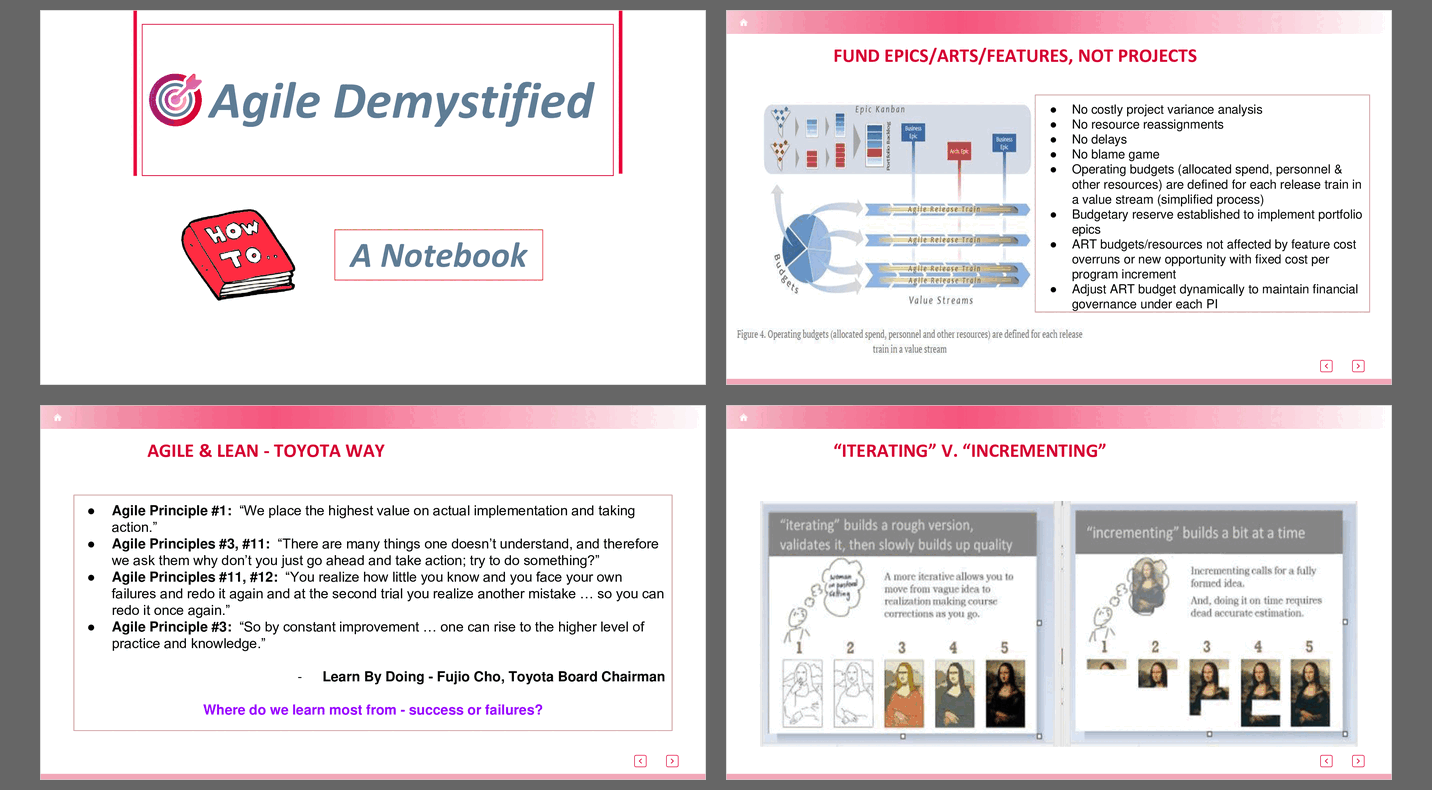
• Visual representation of the Agile Manifesto emphasizing values and principles
• Implementation Methods Matrix illustrating the relationship between complexity and uncertainty in Agile projects
• Examples of famous quotes that encapsulate Agile philosophy and mindset
• Diagrams depicting Scrum roles and responsibilities for clarity in team dynamics
• Flowcharts demonstrating the Scrum process from planning to delivery
Potential Workshop Agenda
Agile Fundamentals Workshop (2 hours)
• Introduction to Agile principles and methodologies
• Overview of Scrum roles and responsibilities
• Interactive session on writing effective user stories
Scrum Simulation Exercise (1 hour)
• Team activity to practice Scrum ceremonies (sprint planning, daily standup, retrospective)
• Debriefing to discuss learnings and areas for improvement
Lean Principles in Action (1.5 hours)
• Discussion on Lean principles and their application in Agile
• Group activity to identify waste in current processes and brainstorm solutions
Customization Guidance
• Tailor user story templates to align with specific project requirements and stakeholder needs
• Adjust estimation techniques based on team experience and project complexity
• Modify retrospective formats to suit team dynamics and foster open communication
• Incorporate organizational terminology and metrics into Agile practices for better alignment
Secondary Topics Covered
• Scrumban vs. Kanban methodologies and their respective applications
• Scaling Scrum for larger teams and projects
• Agile engineering practices that enhance software quality
• Tools for Agile project management and collaboration
• Metrics for measuring Agile success and team performance
Topic FAQ
Source: Best Practices in Agile PowerPoint Slides: Agile Demystified - A Notebook PowerPoint (PPTX) Presentation Slide Deck, RadVector Consulting
|
Download our FREE Digital Transformation Templates
Download our free compilation of 50+ Digital Transformation slides and templates. DX concepts covered include Digital Leadership, Digital Maturity, Digital Value Chain, Customer Experience, Customer Journey, RPA, etc. |










