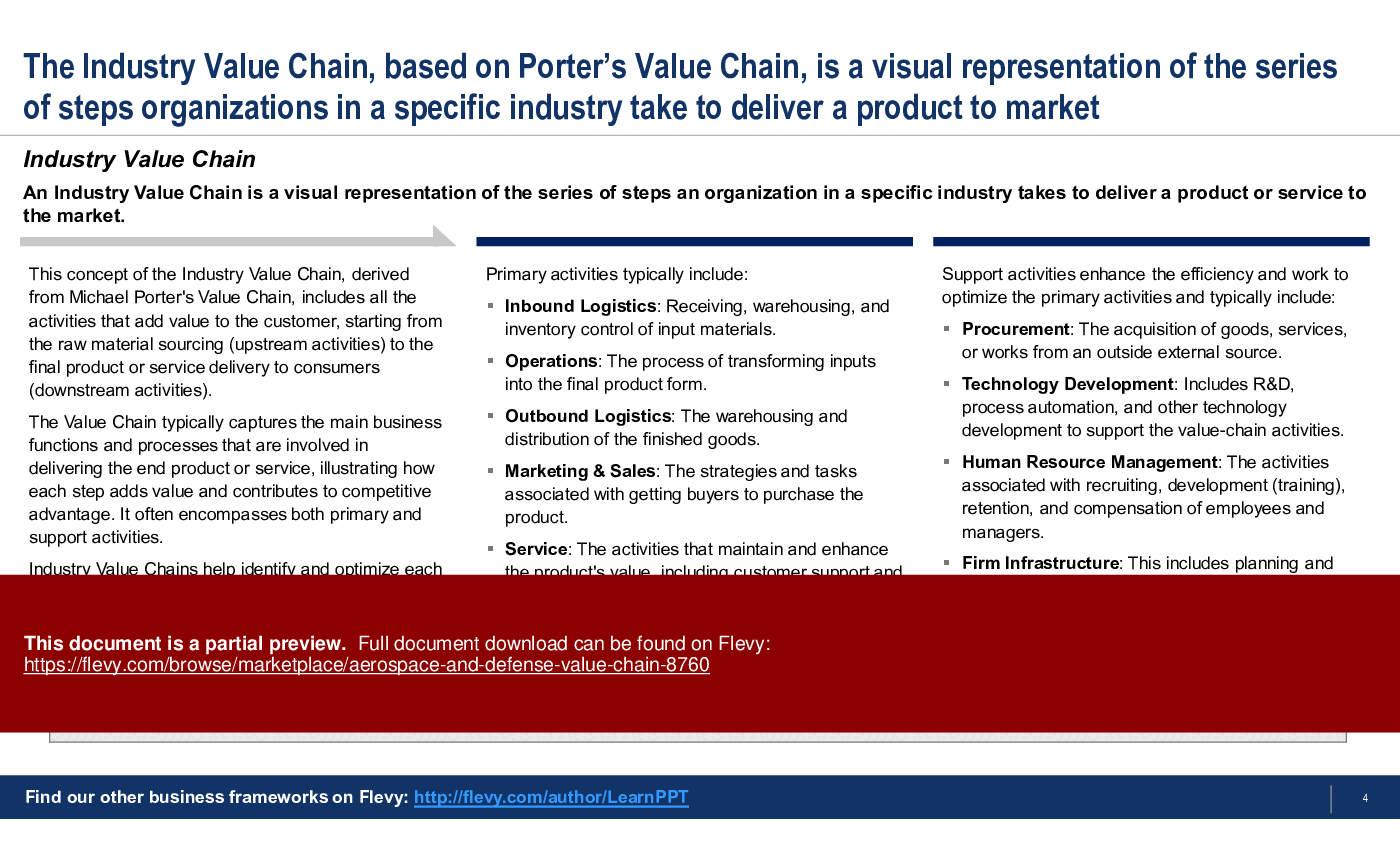
An Industry Value Chain is a visual representation of the series of steps an organization in a specific industry takes to deliver a product or service to the market. It captures the main business functions and processes that are involved in delivering the end product or service, illustrating how each step adds value and contributes to a Competitive Advantage. It often encompasses both primary and support activities.

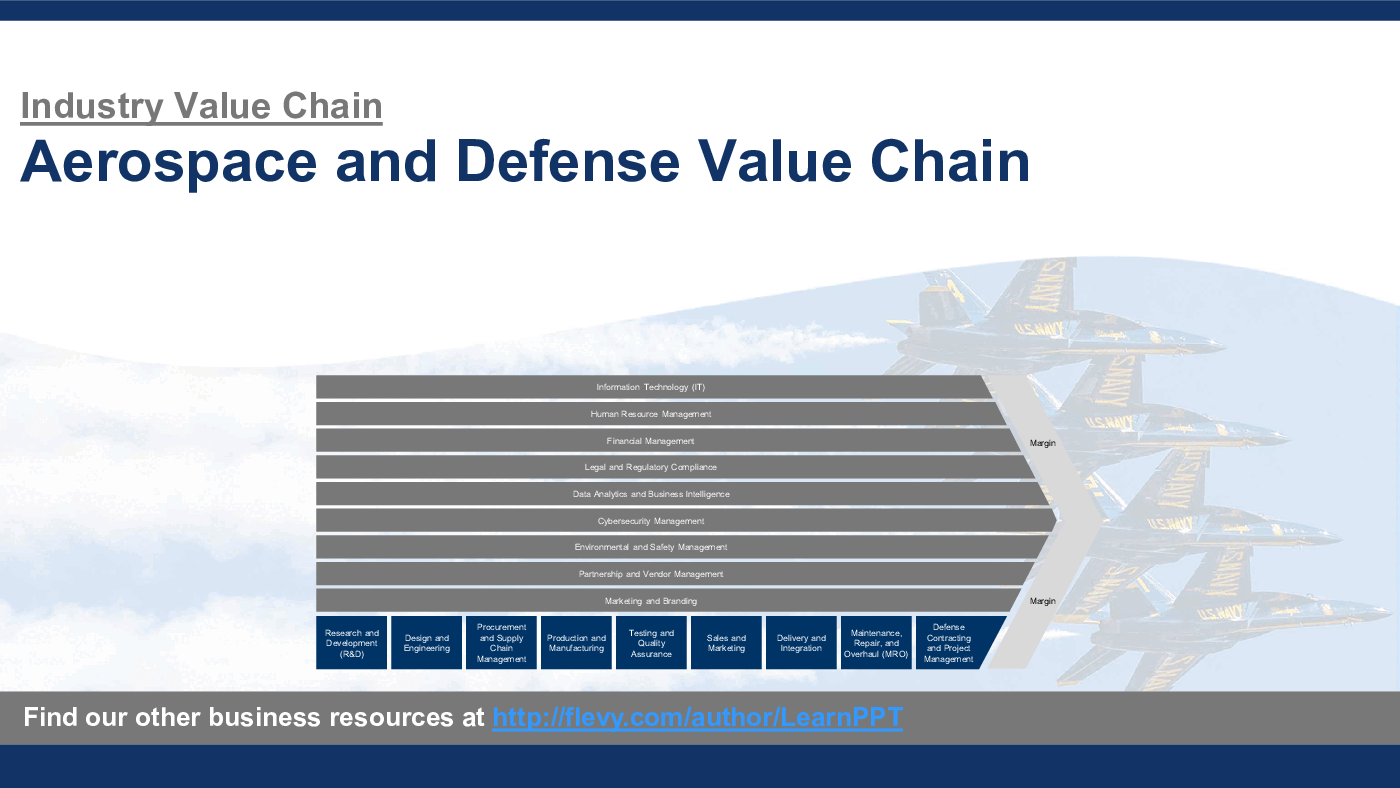
This PowerPoint presentation captures the Aerospace and Defense Industry Value Chain, which includes the following primary and support activities for Aerospace and Defense:
Primary Activities
1. Research and Development (R&D)
2. Design and Engineering
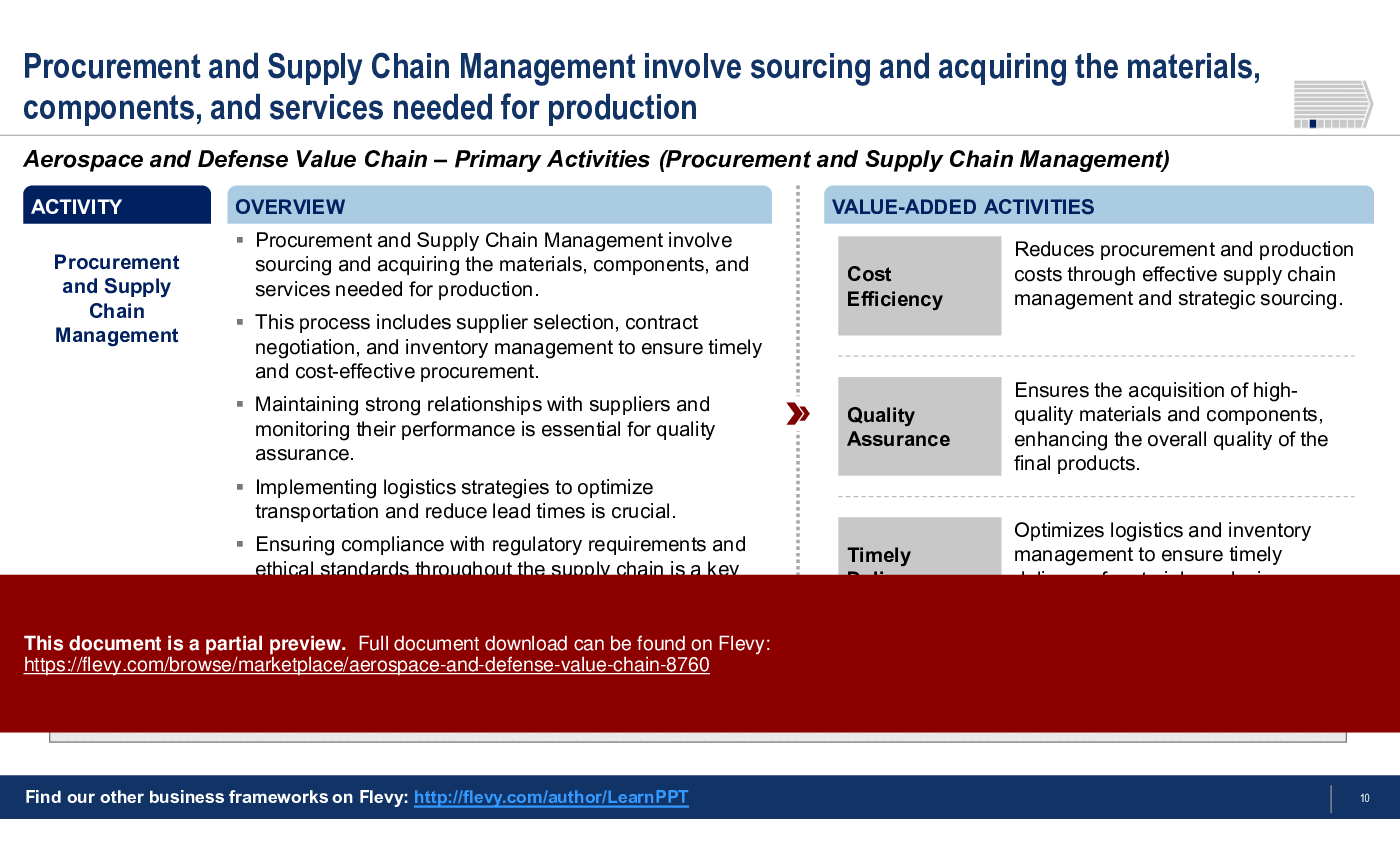
3. Procurement and Supply Chain Management
4. Production and Manufacturing
5. Testing and Quality Assurance
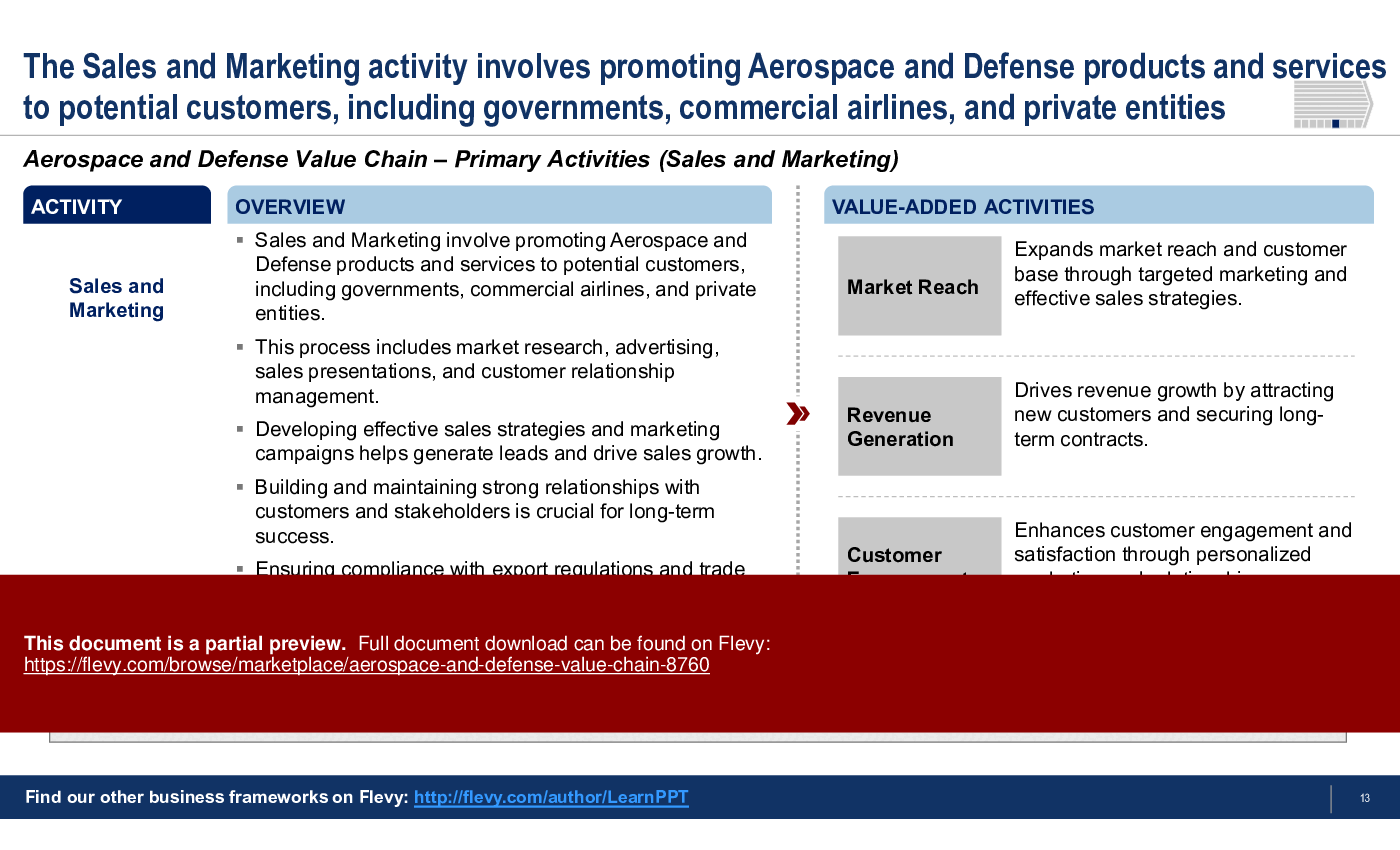
6. Sales and Marketing
7. Delivery and Integration
8. Maintenance, Repair, and Overhaul (MRO)
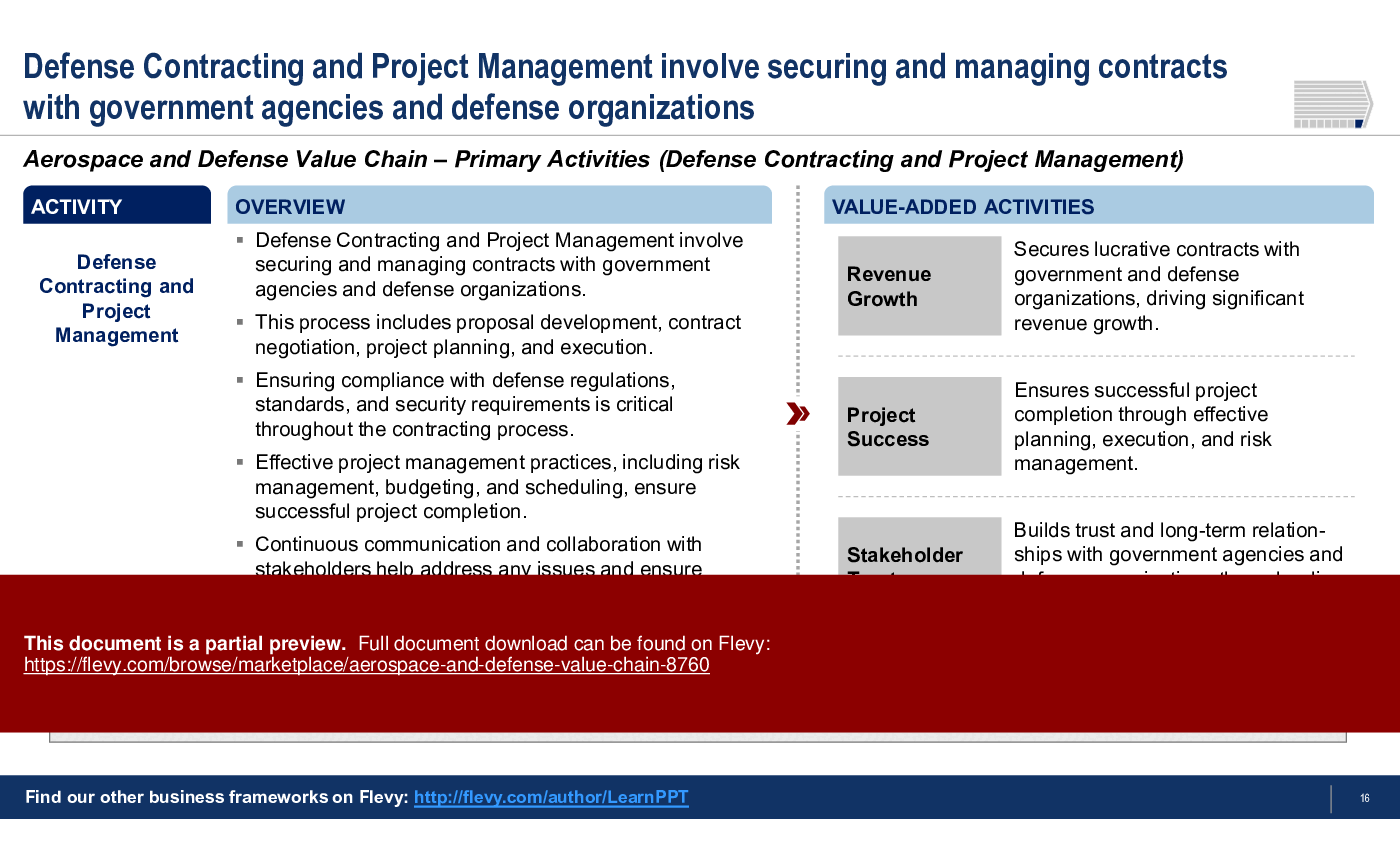
9. Defense Contracting and Project Management
Support Activities
1. Information Technology (IT)
2. Human Resource Management
3. Financial Management
4. Legal and Regulatory Compliance
5. Data Analytics and Business Intelligence
6. Cybersecurity Management
7. Environmental and Safety Management
8. Partnership and Vendor Management
9. Marketing and Branding
The Aerospace and Defense Value Chain integrates cutting-edge R&D, precise design and engineering, and advanced manufacturing to deliver high-performance aircraft and defense systems. Robust supply chain management and strategic procurement ensure the timely availability of high-quality materials and components essential for production and maintenance. Comprehensive testing and quality assurance processes are critical for ensuring the safety, reliability, and performance of Aerospace and Defense products. Effective sales, marketing, and customer support drive market penetration and long-term customer relationships, critical for sustained growth. Continuous innovation and adherence to regulatory standards throughout the Value Chain ensure compliance and competitiveness in a rapidly evolving industry.
This PowerPoint presentation dives deeper into each of these activities, highlighting key elements.
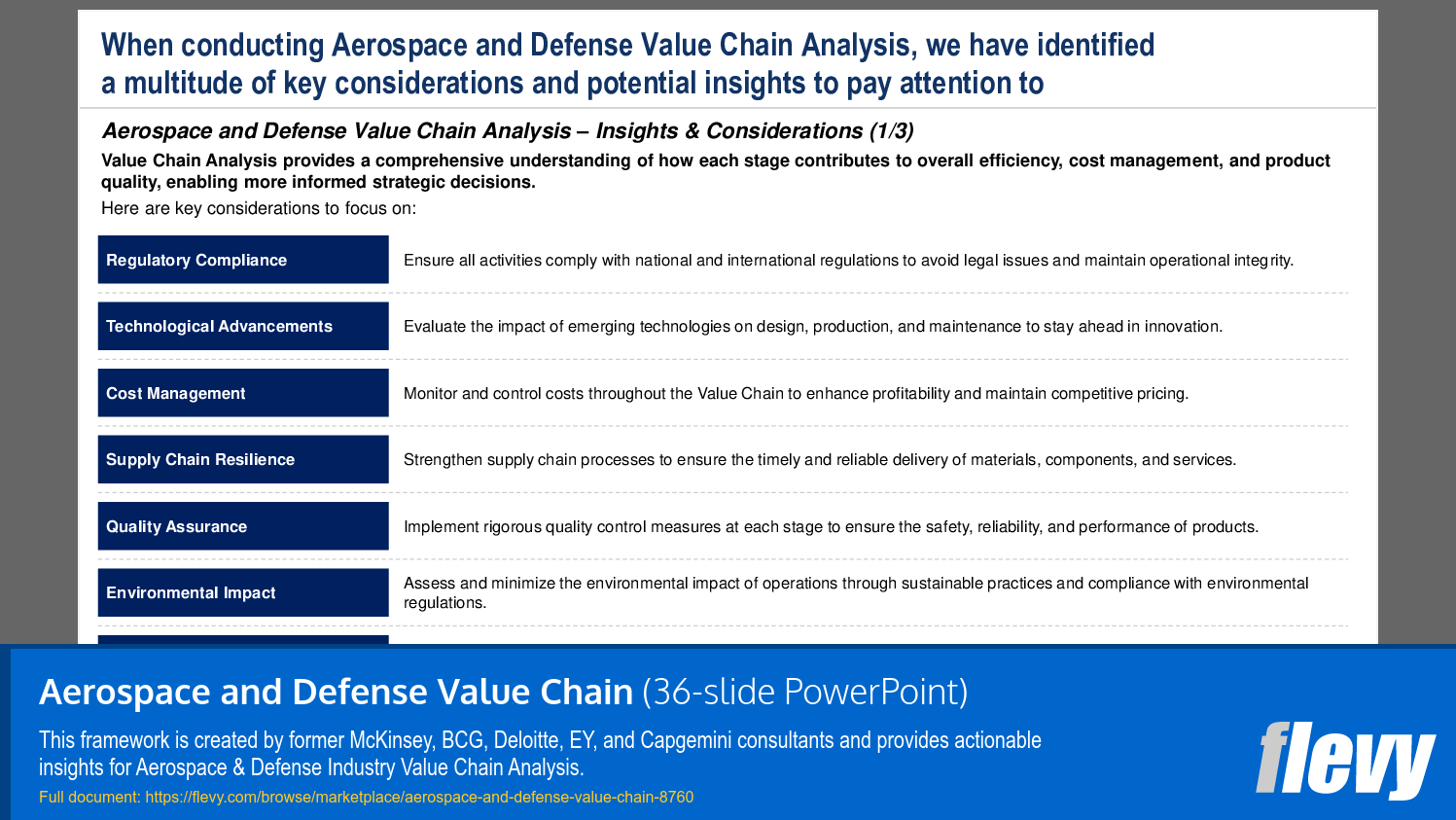
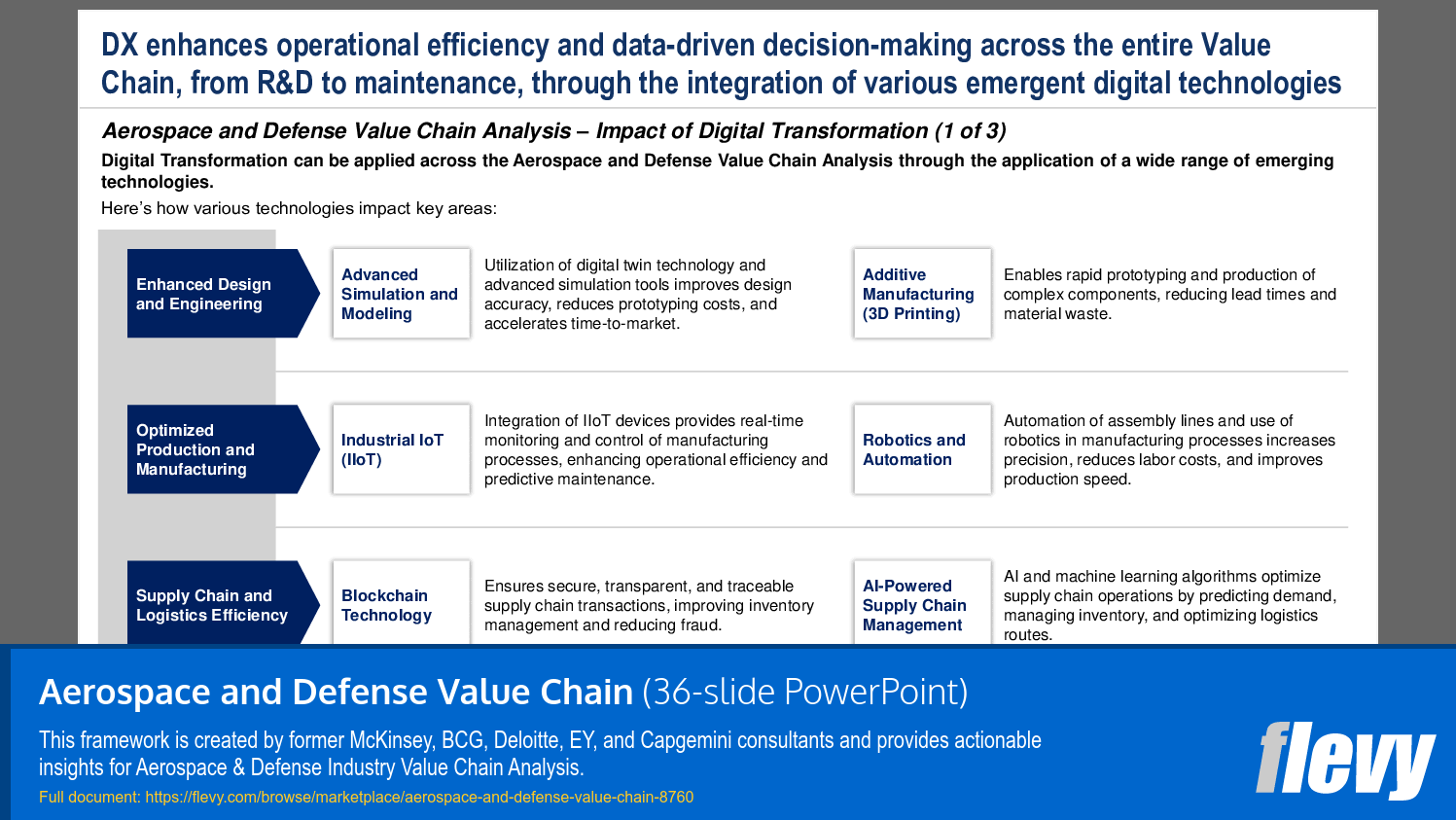
This PPT presentation also discusses Aerospace and Defense Value Chain Analysis, highlighting a multitude of key considerations and potential insights to pay attention to. Value Chain Analysis provides a comprehensive understanding of how each stage contributes to overall efficiency, cost management, and product quality, enabling more informed strategic decisions. We further discuss the significant impact of Digital Transformation and various specific emergent technologies on the Telecom Industry.
This presentation provides a thorough examination of the Aerospace and Defense Value Chain, detailing the critical activities that drive operational success. It emphasizes how strategic procurement and effective project management are vital for maintaining quality and meeting regulatory standards, ensuring that organizations can navigate the complexities of this dynamic industry.
Got a question about the product? Email us at support@flevy.com or ask the author directly by using the "Ask the Author a Question" form. If you cannot view the preview above this document description, go here to view the large preview instead.
Executive Summary
The Aerospace and Defense Value Chain presentation provides a comprehensive framework for analyzing the critical activities involved in delivering high-performance aerospace and defense products. This consulting-grade resource, created by former McKinsey, Bain, and BCG consultants, outlines both primary and support activities essential for operational efficiency and competitive advantage in the industry. Buyers will gain actionable insights into optimizing processes from research and development through to delivery and maintenance, enabling informed strategic decisions that enhance overall performance.
Who This Is For and When to Use
• Aerospace and Defense executives focused on operational efficiency and strategic planning
• Integration leaders managing cross-functional teams in product development
• Consultants advising clients on industry best practices and value chain optimization
• Project managers overseeing defense contracting and project management
• Supply chain managers responsible for procurement and logistics
Best-fit moments to use this deck:
• During strategic planning sessions to align operations with market demands
• For workshops aimed at improving supply chain resilience and efficiency
• When conducting value chain analysis to identify cost management opportunities
• In training sessions for teams on compliance and regulatory standards
Learning Objectives
• Define the Aerospace and Defense Value Chain and its components
• Analyze primary and support activities to identify areas for improvement
• Establish metrics for evaluating operational efficiency and product quality
• Develop strategies for enhancing customer satisfaction and loyalty
• Implement best practices for regulatory compliance and risk management
• Foster innovation through effective research and development initiatives
Table of Contents
• Executive Summary (page 1)
• Aerospace and Defense Value Chain (page 2)
• Primary Activities (page 3)
• Support Activities (page 4)
• Aerospace and Defense Value Chain Analysis (page 5)
Primary Topics Covered
• Research and Development (R&D) - Focuses on innovating new technologies and processes for aerospace and defense applications, driving performance and sustainability.
• Design and Engineering - Involves creating detailed specifications and plans, ensuring compliance with safety standards and optimizing manufacturability.
• Procurement and Supply Chain Management - Encompasses sourcing materials and managing supplier relationships to ensure timely delivery and cost efficiency.
• Production and Manufacturing - Transforms raw materials into finished products, utilizing advanced technologies for precision and efficiency.
• Testing and Quality Assurance - Evaluates products to meet performance and safety standards, ensuring reliability and regulatory compliance.
• Sales and Marketing - Promotes products to potential customers, enhancing market reach and driving revenue growth.
• Delivery and Integration - Ensures seamless delivery and integration of products into customer operations, fostering long-term partnerships.
• Maintenance, Repair, and Overhaul (MRO) - Provides ongoing support to extend product lifespan and ensure safety.
• Defense Contracting and Project Management - Manages contracts with government agencies, ensuring compliance and successful project execution.
Deliverables, Templates, and Tools
• Value chain analysis framework for identifying operational efficiencies
• R&D investment strategy template for driving innovation
• Procurement and supply chain management checklist for supplier evaluation
• Production process optimization guide for enhancing manufacturing efficiency
• Quality assurance protocols for testing and compliance
• Sales and marketing strategy template for customer engagement
Slide Highlights
• Overview of the Aerospace and Defense Value Chain, illustrating primary and support activities
• Detailed breakdown of R&D processes and their impact on innovation
• Insights into procurement strategies for cost management and quality assurance
• Visual representation of production and testing phases to ensure product reliability
• Strategies for effective sales and marketing in the aerospace and defense sector
Potential Workshop Agenda
Value Chain Optimization Session (90 minutes)
• Review primary and support activities in the Aerospace and Defense Value Chain
• Identify key areas for improvement and develop action plans
Regulatory Compliance Workshop (60 minutes)
• Discuss compliance requirements and best practices in the industry
• Develop a compliance checklist for ongoing operations
Innovation and R&D Strategy Session (90 minutes)
• Explore current trends in aerospace and defense technologies
• Define R&D priorities and investment strategies for future growth
Customization Guidance
• Tailor the value chain analysis framework to specific organizational needs and market conditions
• Adjust procurement strategies based on supplier performance metrics
• Incorporate company-specific compliance requirements into regulatory checklists
• Modify sales and marketing strategies to align with customer demographics and preferences
Secondary Topics Covered
• Digital transformation impacts on the Aerospace and Defense Value Chain
• Supply chain resilience strategies in response to global disruptions
• Environmental and safety management practices in aerospace operations
• Cybersecurity measures for protecting sensitive data and systems
FAQ
What is the Aerospace and Defense Value Chain?
The Aerospace and Defense Value Chain is a framework that outlines the series of steps organizations take to deliver products, from R&D through to delivery and maintenance, highlighting how each step adds value.
How can this presentation help improve operational efficiency?
By analyzing primary and support activities, organizations can identify inefficiencies and implement best practices that enhance productivity and reduce costs.
What are the primary activities in the Aerospace and Defense Value Chain?
The primary activities include R&D, design and engineering, procurement, production, testing, sales, delivery, MRO, and defense contracting.
How does regulatory compliance impact the value chain?
Adhering to regulatory standards is crucial for maintaining operational integrity and avoiding legal issues, which can affect overall efficiency and market competitiveness.
What role does innovation play in the Aerospace and Defense industry?
Continuous innovation through R&D drives technological advancements that improve product performance, safety, and sustainability, positioning companies as industry leaders.
How can organizations enhance customer satisfaction in this sector?
By aligning products and services with customer needs and providing comprehensive support, organizations can foster long-term relationships and loyalty.
What are the key considerations for supply chain management?
Organizations should focus on supplier relationships, logistics efficiency, and compliance with regulatory requirements to ensure timely delivery and quality assurance.
How can digital transformation be applied to the value chain?
Emerging technologies can optimize processes across the value chain, enhancing efficiency, data-driven decision-making, and overall operational performance.
Glossary
• Value Chain - A series of steps organizations take to deliver a product or service to the market.
• R&D - Research and Development; the process of innovating new technologies and products.
• MRO - Maintenance, Repair, and Overhaul; ongoing support services for aerospace and defense products.
• Compliance - Adherence to legal regulations and industry standards.
• Supply Chain Management - The management of the flow of goods and services from suppliers to customers.
• Cybersecurity - Measures taken to protect systems and data from cyber threats.
• Quality Assurance - Processes to ensure products meet specified standards and regulations.
• Procurement - The process of acquiring goods and services from external sources.
• Logistics - The management of the transportation and storage of goods.
• Customer Relationship Management (CRM) - Strategies for managing a company's interactions with current and potential customers.
• Digital Transformation - The integration of digital technology into all areas of a business.
• Sustainability - Practices that meet current needs without compromising future generations.
• Operational Efficiency - The ability to deliver products or services in the most cost-effective manner without sacrificing quality.
• Market Dynamics - The forces that impact the supply and demand of products in a market.
• Stakeholder Trust - The confidence stakeholders have in an organization's ability to deliver on its promises.
• Cost Management - The process of planning and controlling the budget of a business.
• Environmental Impact - The effect that a company's operations have on the environment.
• Innovation - The introduction of new ideas, products, or processes.
• Risk Management - The identification, assessment, and prioritization of risks followed by coordinated efforts to minimize, monitor, and control the probability of unfortunate events.
• Performance Optimization - The process of making adjustments to improve efficiency and effectiveness.
Source: Best Practices in Value Chain Analysis, Defense PowerPoint Slides: Aerospace and Defense Value Chain PowerPoint (PPTX) Presentation Slide Deck, LearnPPT Consulting
|
Download our FREE Strategy & Transformation Framework Templates
Download our free compilation of 50+ Strategy & Transformation slides and templates. Frameworks include McKinsey 7-S, Balanced Scorecard, Disruptive Innovation, BCG Curve, and many more. |