
Writing board papers is a challenging task often completed under pressure: pressure to submit a report on time (any report!) and pressure to do yourself and your position justice.
The challenge is further complicated when we are too familiar with the content – and potentially too intimidated by the Board – to fully recognise what they need from us.
The Board's needs are superficially simple: robust messaging conveyed so that an insight-hungry, time-poor group of people can come to terms with the content quickly. This is, however, difficult to achieve any time but particularly under pressure.
Having helped executives at hundreds of companies prepare board reports over the past 25+ years, I have come to firmly believe that structured thinking techniques provide the best results.
I have distilled this experience into providing you with a three-step process as well as 24 case studies to help guide your own board paper preparation.
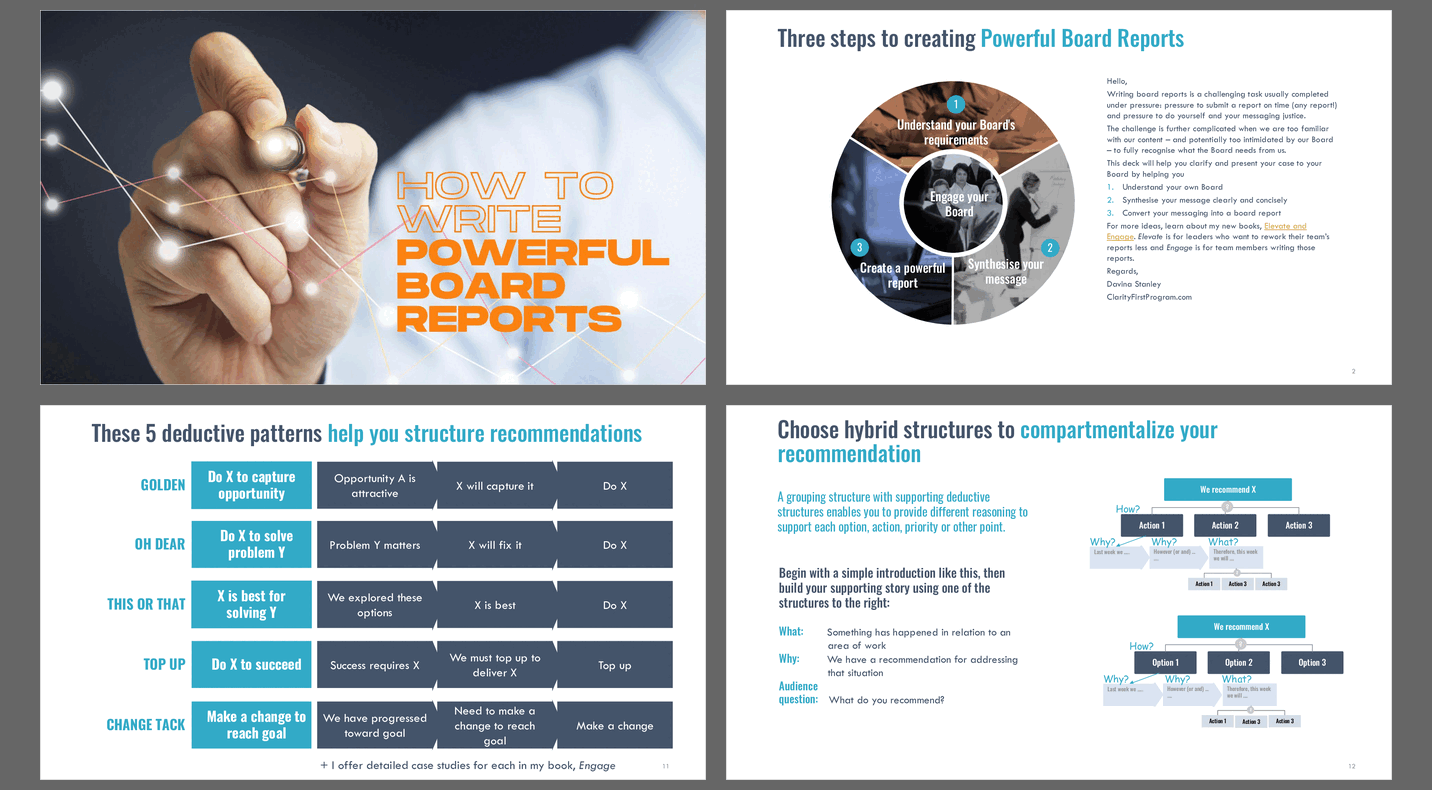
This pack will help you clarify and present your report to your Board by helping you do three things:
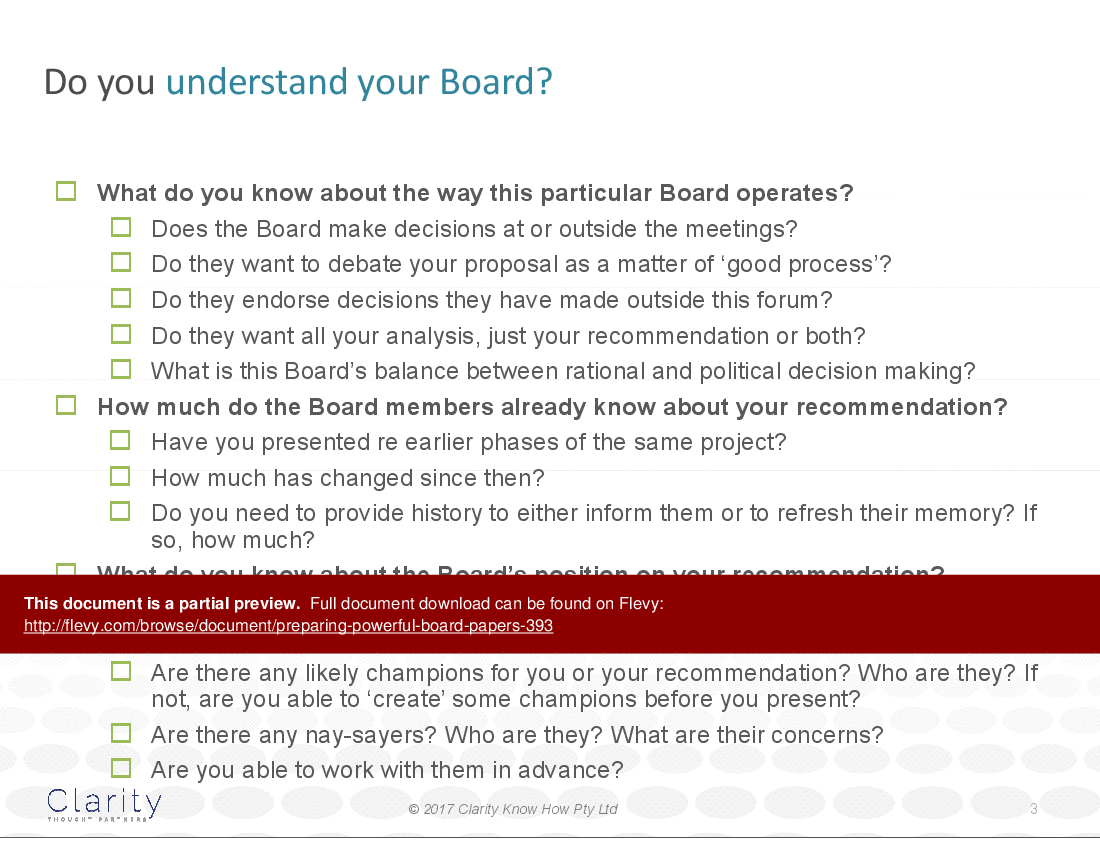
• UNDERSTAND YOUR BOARD'S REQUIREMENTS. Do you know what you really need from them now, and in the future regarding your issue? Who are the most critical people on the Board in relation to your issue?
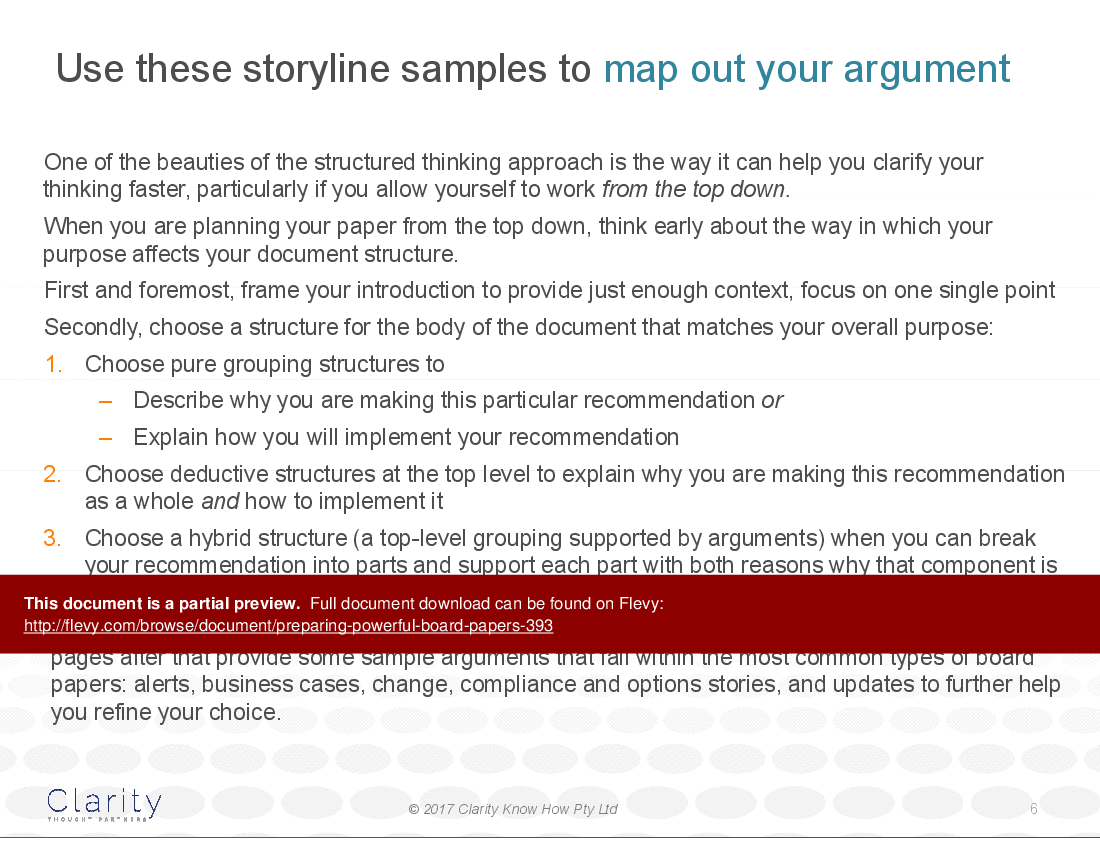
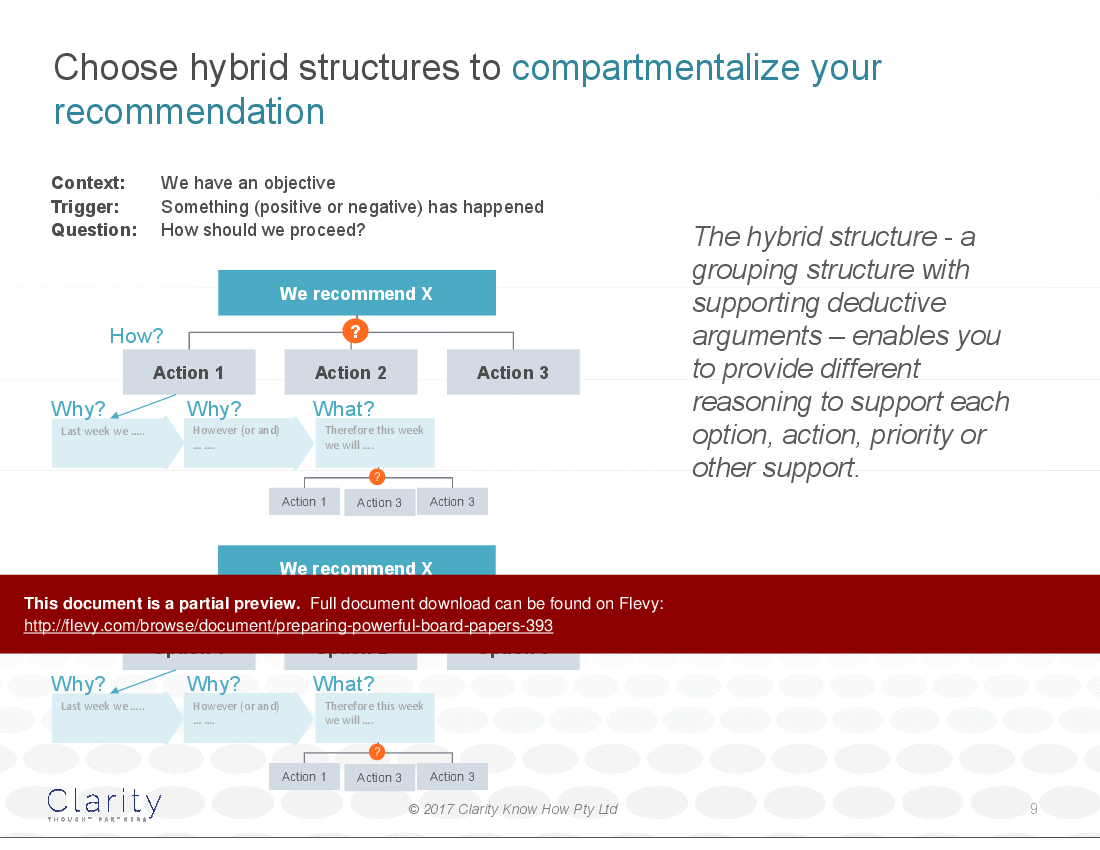
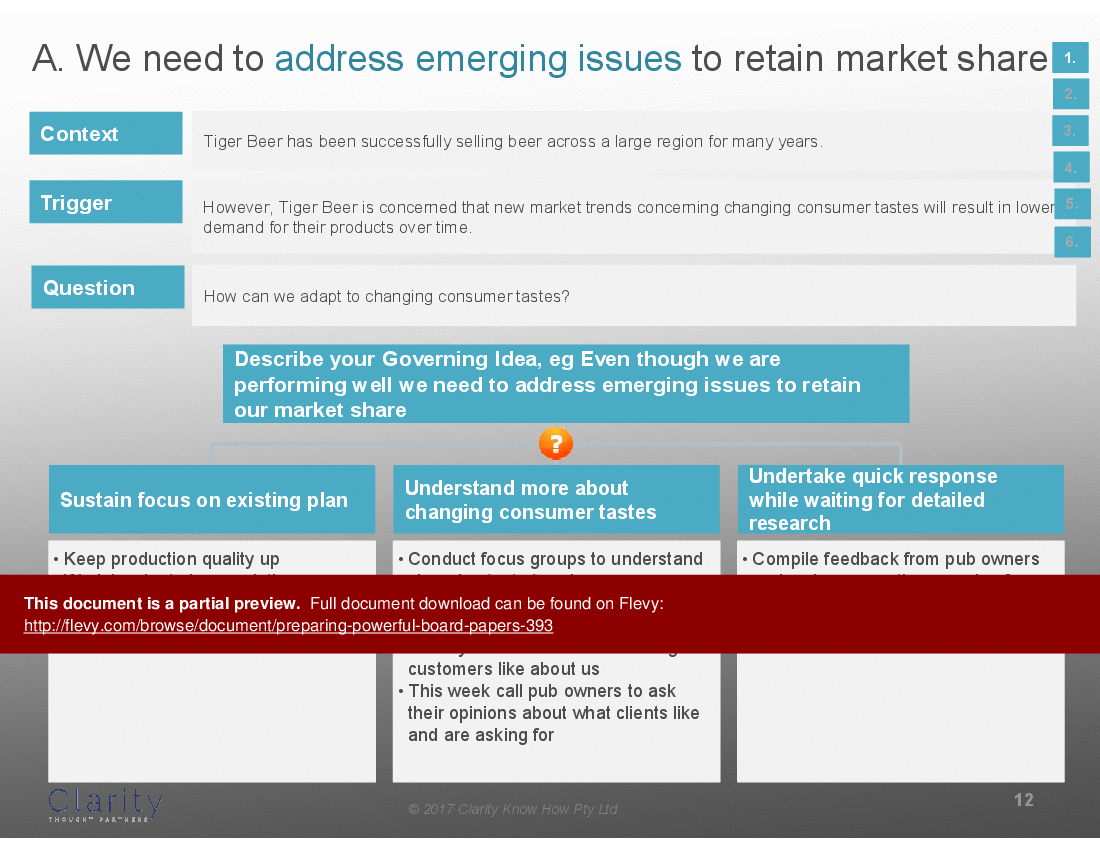
• SYNTHESISE YOUR MESSAGE CLEARLY AND CONCISELY. Learn the basics of structured thinking and then see it applied to 24 case studies covering six common types of board report: alerts, business cases, change stories, compliance stories, options stories and updates.
• CONVERT YOUR MESSAGING INTO AN EFFECTIVE BOARD REPORT. You will often need to use a template, so I offer an extra case study three ways. A one-page message map, an annotated overview for a PowerPoint and a Word version of a Board Report (in a basic template).
This deck was prepared by Davina Stanley of Clarity First. Davina specialises in helping executives get to the point, using the Pyramid Principle. She learned the techniques at McKinsey. Barbara Minto reviewed and approved her training in 2009 and she has used them to help executives globally ever since.
I wish you all the very best in preparing your next powerful board report.
Got a question about the product? Email us at support@flevy.com or ask the author directly by using the "Ask the Author a Question" form. If you cannot view the preview above this document description, go here to view the large preview instead.
Executive Summary
This presentation, "Preparing Powerful Board Papers," is designed to equip corporate leaders and consultants with the skills necessary to create impactful board reports. Drawing on insights from Davina Stanley, a former McKinsey consultant and communication coach, this deck employs structured thinking techniques to enhance clarity and effectiveness in board communications. The methodology presented is comparable to McKinsey, Bain, or BCG-quality standards (consulting-grade; not affiliated). By mastering these techniques, users will be able to engage their boards effectively, synthesize complex messages, and deliver concise, actionable reports that drive decision-making.
Who This Is For and When to Use
• Corporate executives responsible for presenting to the board
• Integration leaders managing organizational changes
• Consultants preparing reports for client boards
• Team members tasked with drafting board communications
Best-fit moments to use this deck:
• Preparing for an upcoming board meeting
• Communicating significant organizational changes or updates
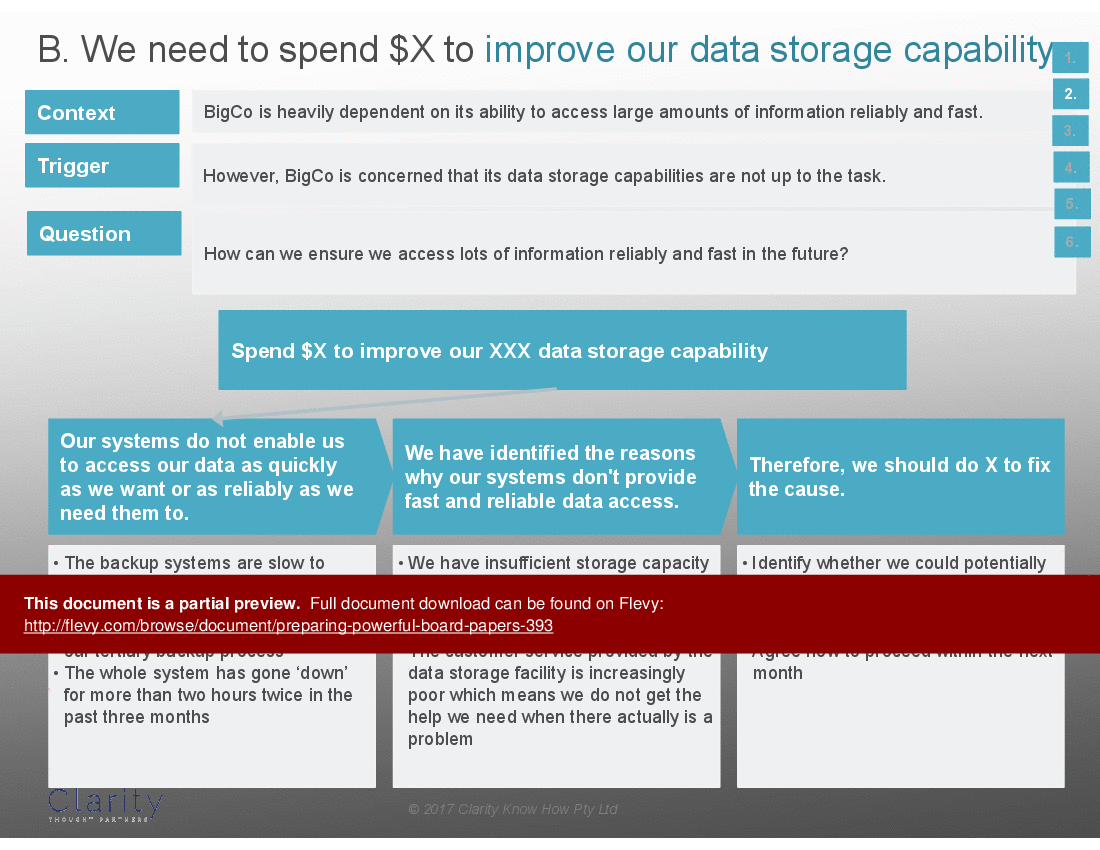
• Presenting strategic recommendations or business cases
• Reporting on compliance or performance metrics
Learning Objectives
• Define the specific requirements and expectations of your board
• Build a clear and concise message tailored to board members
• Establish a structured approach to synthesizing complex information
• Create a powerful board report that engages and informs
• Identify the right structure for different types of board communications
• Utilize case studies to inspire and guide report preparation
Table of Contents
• Understanding Your Board's Requirements (page 3)
• Synthesizing Your Message (page 6)
• Creating a Powerful Report (page 44)
• Common Patterns for Alerts (page 14)
• Common Patterns for Business Cases (page 19)
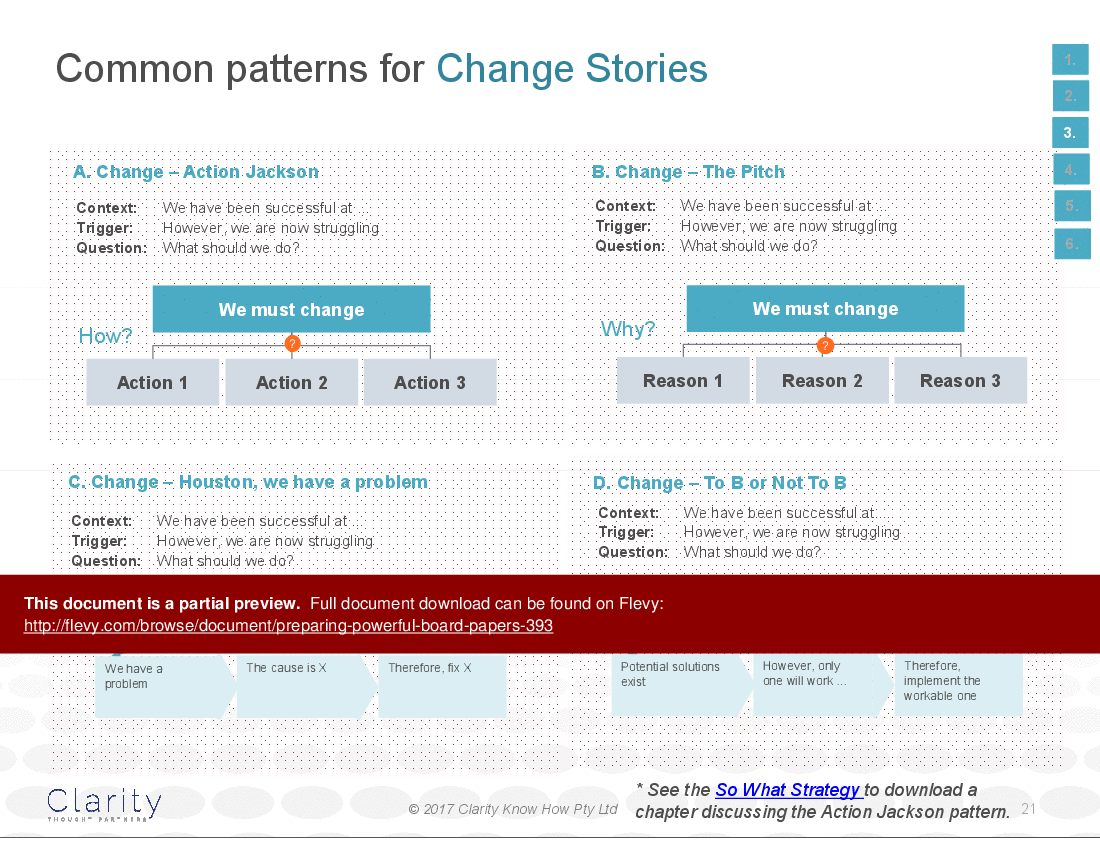
• Common Patterns for Change Stories (page 24)
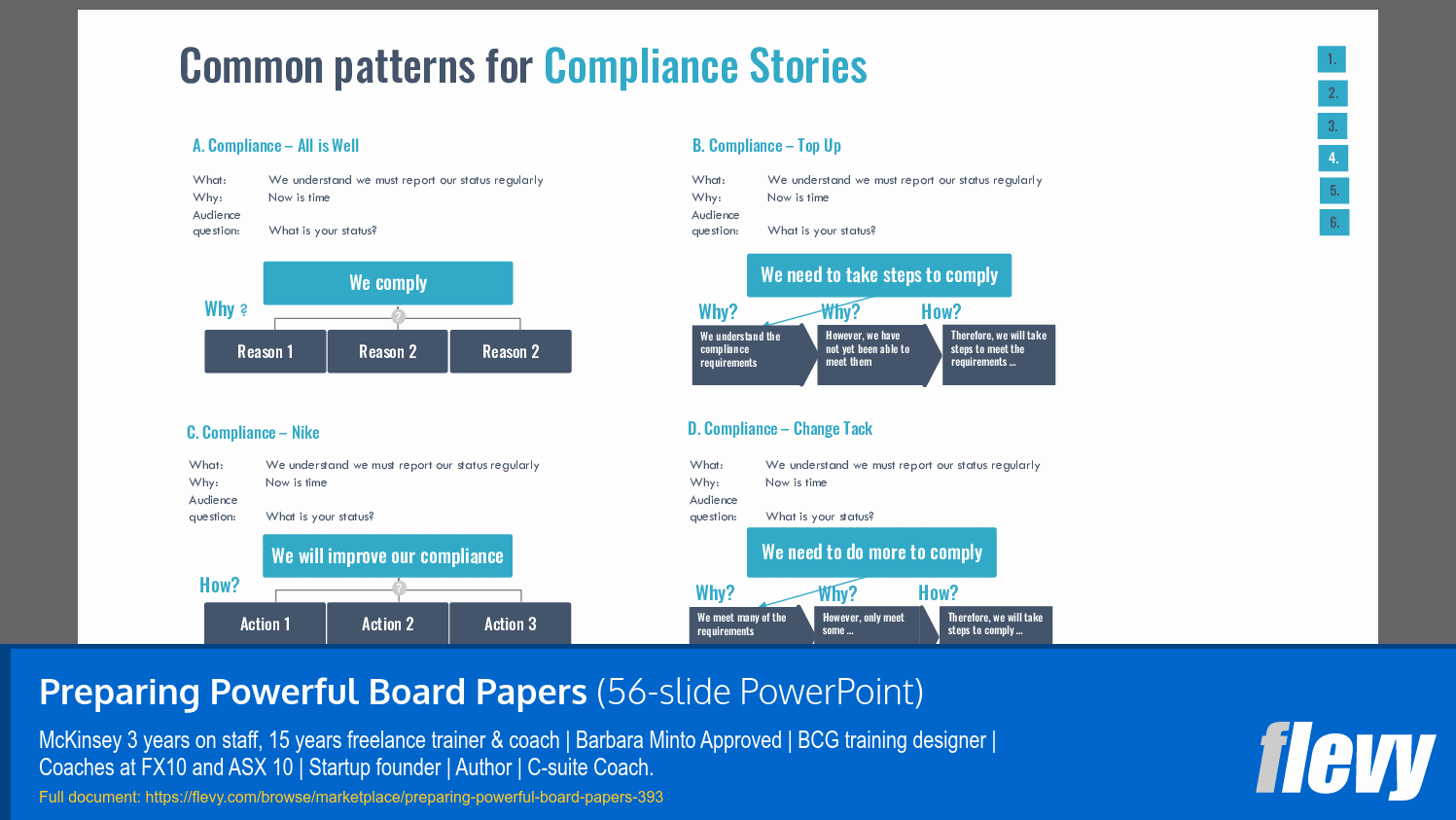
• Common Patterns for Compliance Stories (page 29)
• Common Patterns for Options Stories (page 34)
• Common Patterns for Progress Updates (page 39)
Primary Topics Covered
• Understanding Your Board - Gain insights into the board's decision-making processes, preferences, and knowledge levels to tailor your report effectively.
• Synthesizing Your Message - Learn structured thinking techniques to clarify and organize your messaging for maximum impact.
• Creating a Powerful Report - Transform your structured message into a polished board report that meets organizational standards.
• Common Patterns for Alerts - Explore various frameworks for presenting urgent issues and recommendations.
• Common Patterns for Business Cases - Understand how to structure business cases to persuade the board effectively.
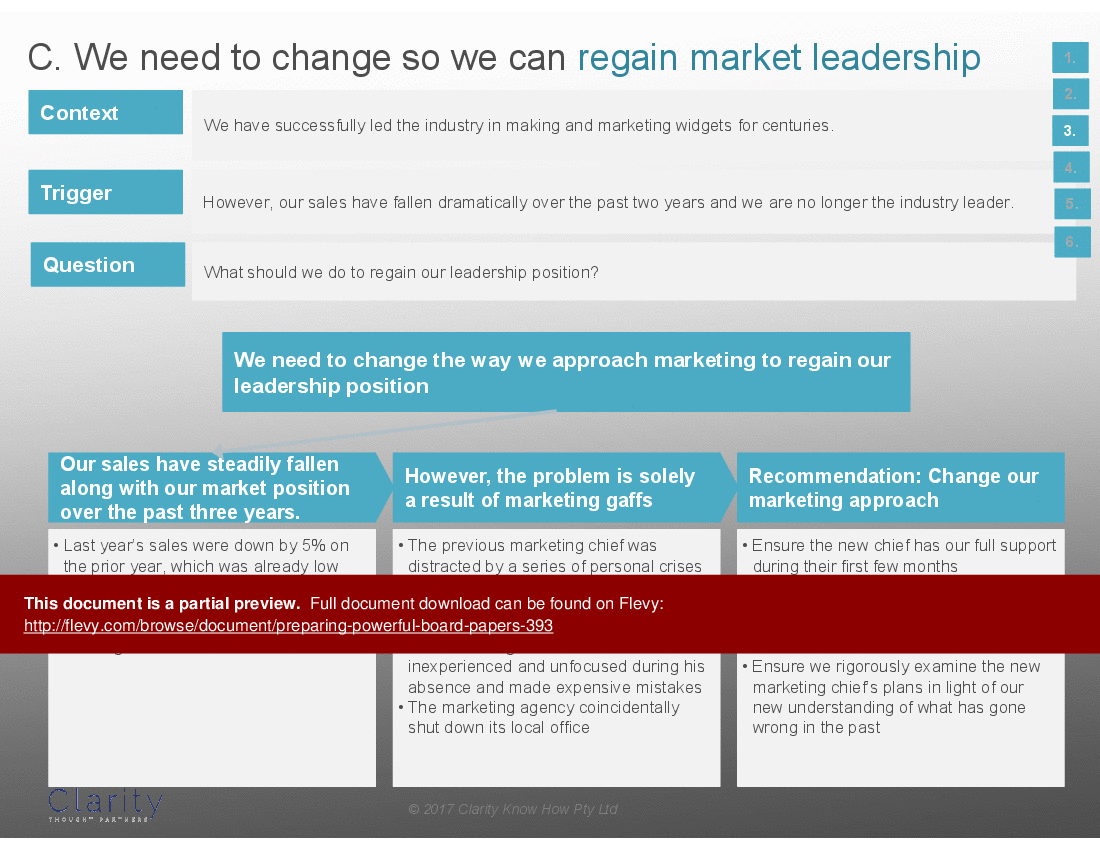
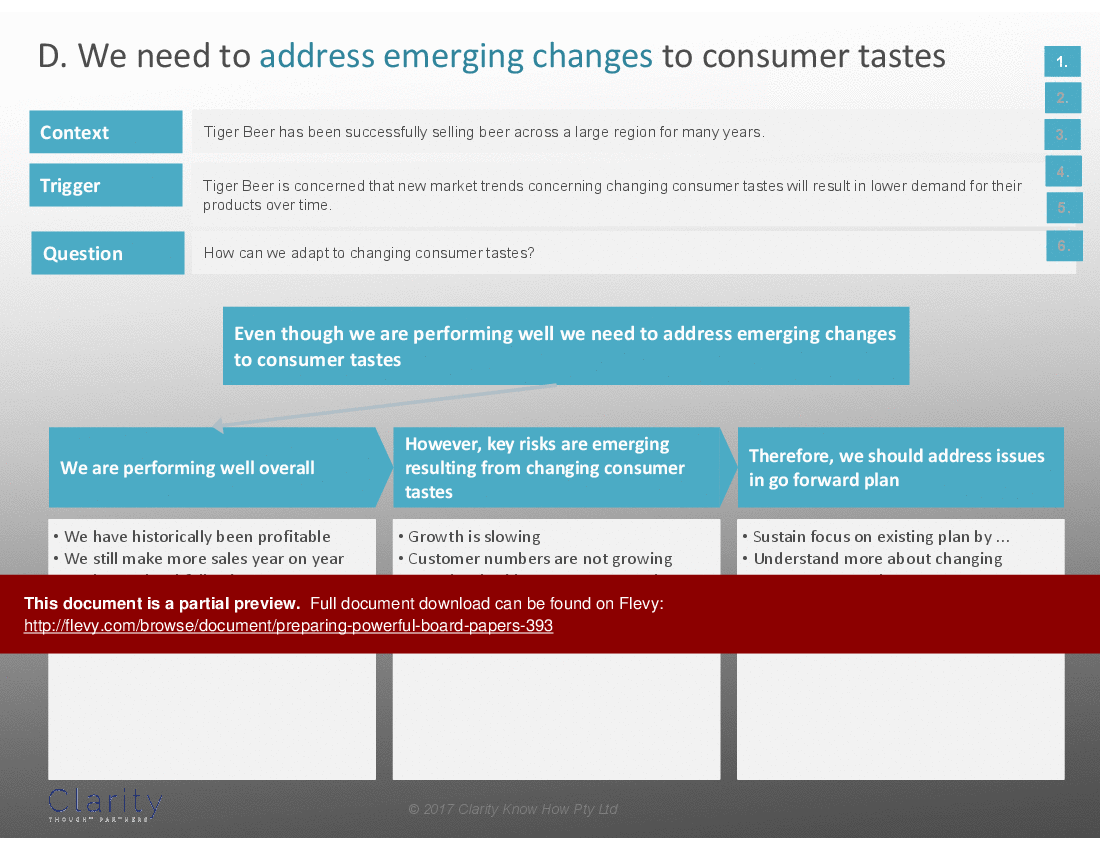
• Common Patterns for Change Stories - Learn to communicate necessary changes and their implications clearly.
Deliverables, Templates, and Tools
• Structured templates for board reports tailored to specific types of communications
• Examples of successful board papers for reference and inspiration
• Frameworks for synthesizing complex information into clear messages
• Guidelines for engaging board members effectively during presentations
Slide Highlights
• Introduction to structured thinking techniques for board communications
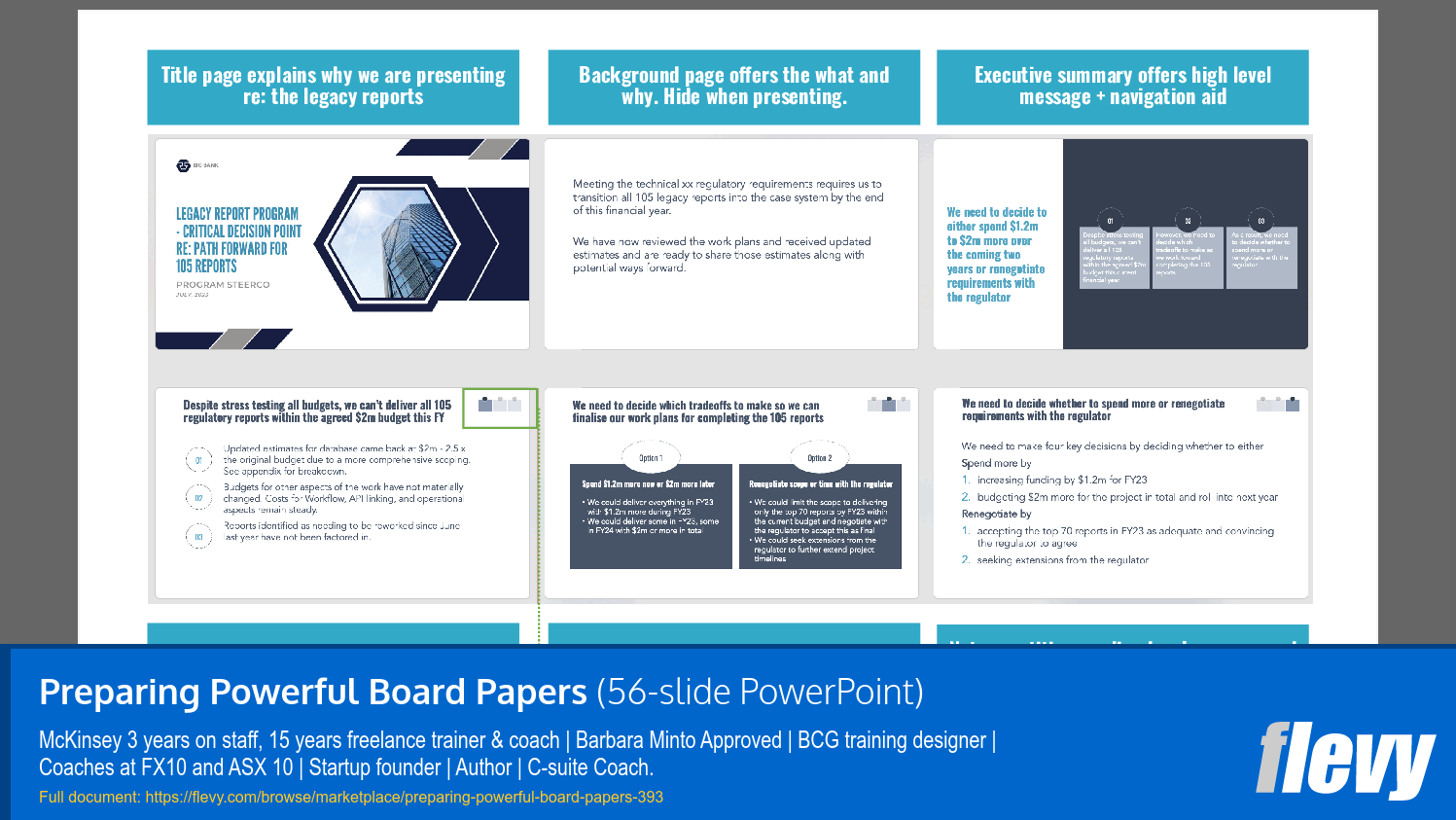
• Case studies illustrating successful board reports
• Visual frameworks for organizing messages and recommendations
• Examples of common patterns for alerts, business cases, and compliance stories
Potential Workshop Agenda
Understanding Your Board (60 minutes)
• Discuss board dynamics and decision-making processes
• Identify key objectives for upcoming reports
Synthesizing Your Message (90 minutes)
• Explore structured thinking techniques
• Practice synthesizing complex information into clear messages
Creating Powerful Reports (120 minutes)
• Review templates and frameworks for board reports
• Work in groups to draft and critique sample reports
Customization Guidance
• Tailor the report structure to fit your organization’s specific requirements and preferences
• Adjust the language and tone to align with board expectations
• Incorporate relevant data and metrics to support your recommendations
Secondary Topics Covered
• Techniques for managing board member expectations
• Strategies for addressing potential objections or concerns
• Best practices for visual presentation of data in reports
FAQ
What is the primary goal of this presentation?
The goal is to equip leaders with the skills to create impactful board reports that engage and inform board members effectively.
How can I ensure my report meets board expectations?
Understand your board's preferences and decision-making processes, and tailor your messaging accordingly.
What are structured thinking techniques?
These techniques help clarify and organize your messaging, ensuring that complex information is presented logically and concisely.
Can I use these techniques for other types of reports?
Yes, the principles of structured thinking and clear messaging can be applied to various business communications beyond board reports.
How do I handle differing opinions among board members?
Engage with board members individually before the meeting to understand their perspectives and address any concerns in your report.
What types of reports can I create using this framework?
You can create alerts, business cases, change stories, compliance reports, options stories, and progress updates.
How can I practice these techniques?
Consider participating in workshops or utilizing the provided templates and case studies for hands-on practice.
What resources are available for further learning?
Explore Davina Stanley's books and online courses for more in-depth insights into effective communication strategies.
Glossary
• Board Paper - A formal document presented to the board for review and decision-making.
• Structured Thinking - A method of organizing thoughts and information logically to enhance clarity.
• Case Study - An example used to illustrate a particular approach or methodology.
• Compliance Report - A document detailing adherence to regulations and standards.
• Business Case - A justification for a proposed project or initiative, outlining benefits and costs.
• Change Story - A narrative explaining the need for organizational change and its implications.
• Alert - A communication highlighting urgent issues requiring board attention.
• Options Story - A report presenting various alternatives for decision-making.
• Progress Update - A summary of advancements and challenges related to ongoing projects.
• Engagement - The process of involving board members in discussions and decision-making.
• Synthesis - The combination of ideas to form a coherent message.
• Recommendation - A suggested course of action based on analysis and insights.
• Template - A pre-designed format for creating documents efficiently.
• Stakeholder - An individual or group with an interest in the outcome of a project or decision.
• Feedback - Responses or reactions to a report or presentation, used for improvement.
• Objective - A specific goal or outcome intended to be achieved through a report.
• Framework - A structured approach to organizing information or ideas.
• Presentation - The act of delivering information to an audience, often using visual aids.
• Decision-Making - The process of making choices or reaching conclusions based on available information.
• Audience - The group of individuals who will receive and review the report.
• Engagement Strategy - A plan for involving stakeholders in discussions and decision-making processes.
Source: Best Practices in Board of Directors PowerPoint Slides: Preparing Powerful Board Papers PowerPoint (PPTX) Presentation Slide Deck, Clarity First
|
Download our FREE Strategy & Transformation Framework Templates
Download our free compilation of 50+ Strategy & Transformation slides and templates. Frameworks include McKinsey 7-S, Balanced Scorecard, Disruptive Innovation, BCG Curve, and many more. |