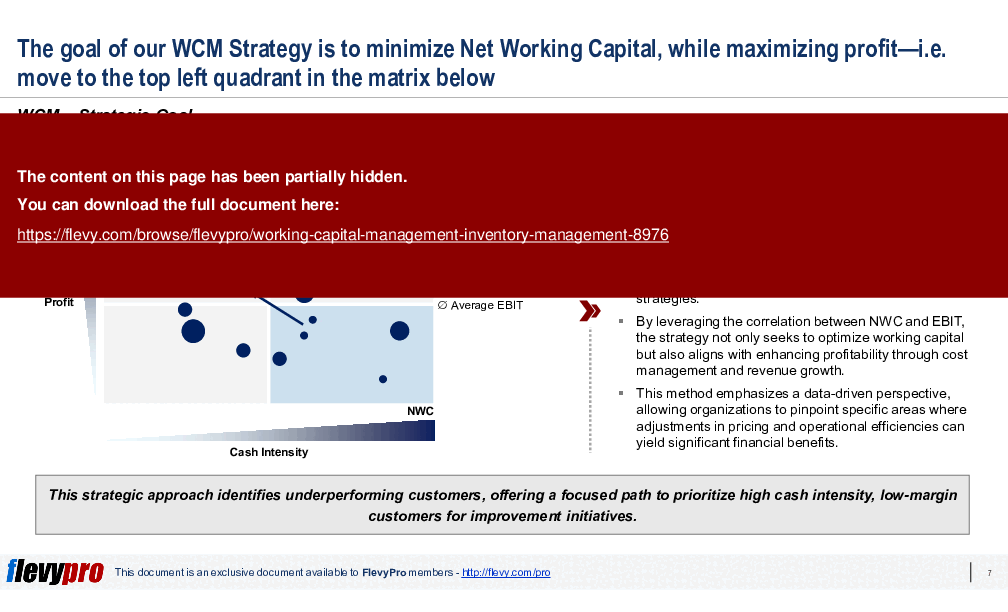
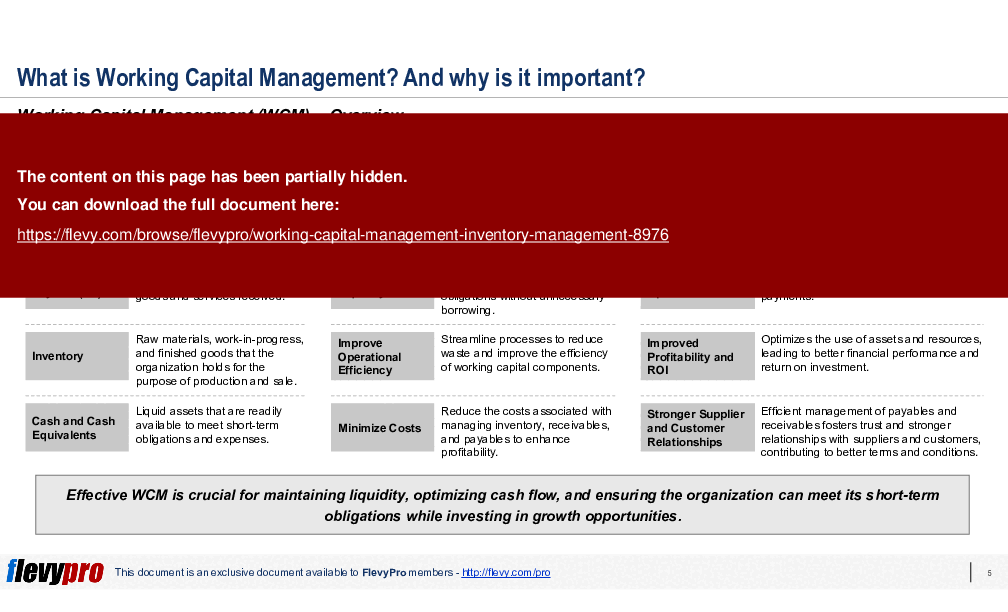

Working Capital Management (WCM) refers to the administration of an organization's short-term assets and liabilities to ensure its ongoing operational efficiency and financial stability. Effective WCM is crucial for maintaining liquidity, optimizing cash flow, and ensuring the organization can meet its short-term obligations while investing in growth opportunities.
There are numerous benefits to effective WCM, including:
• Enhanced liquidity and financial stability
• Reduced operational costs
• Improved profitability and ROI
• Stronger supplier and customer relationships
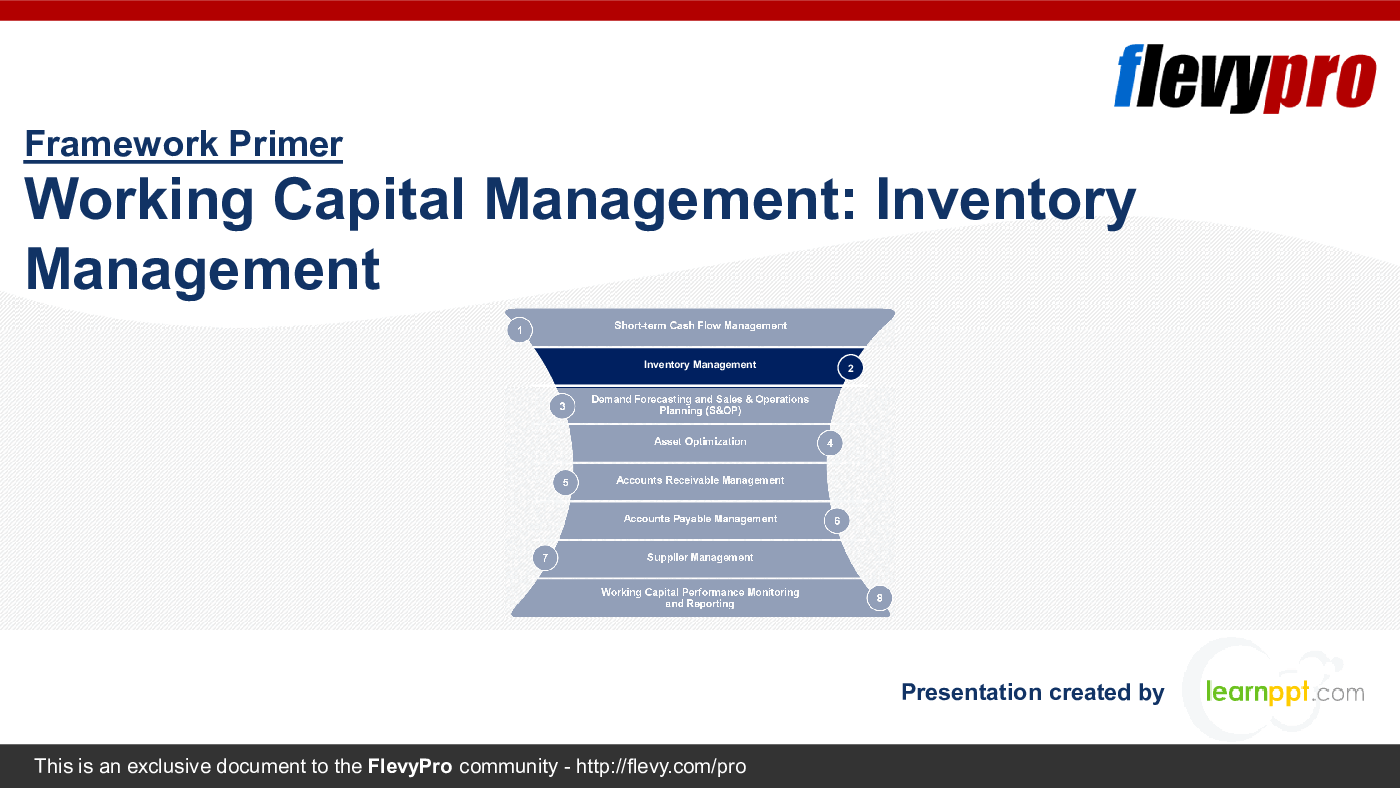
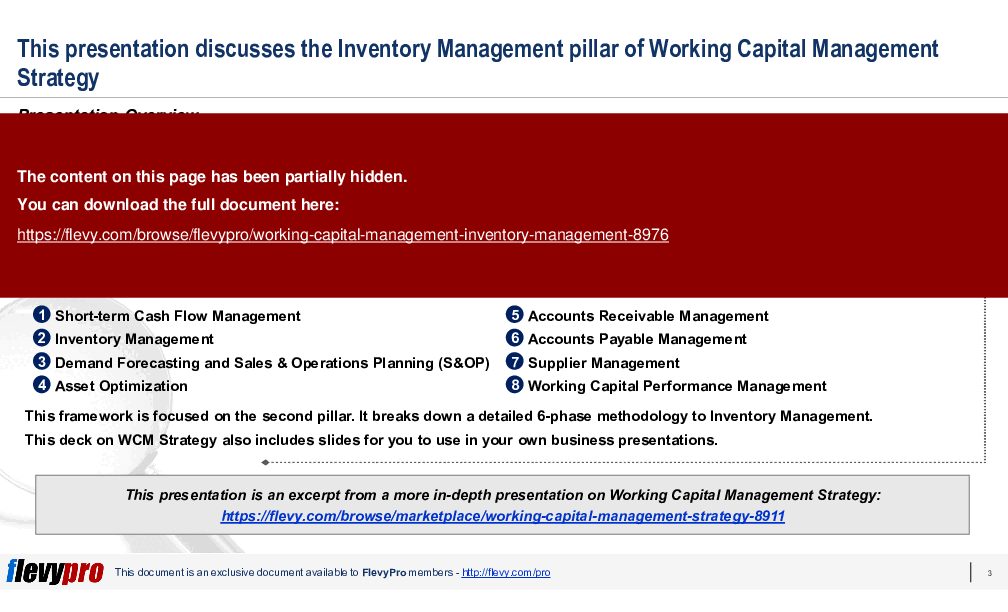
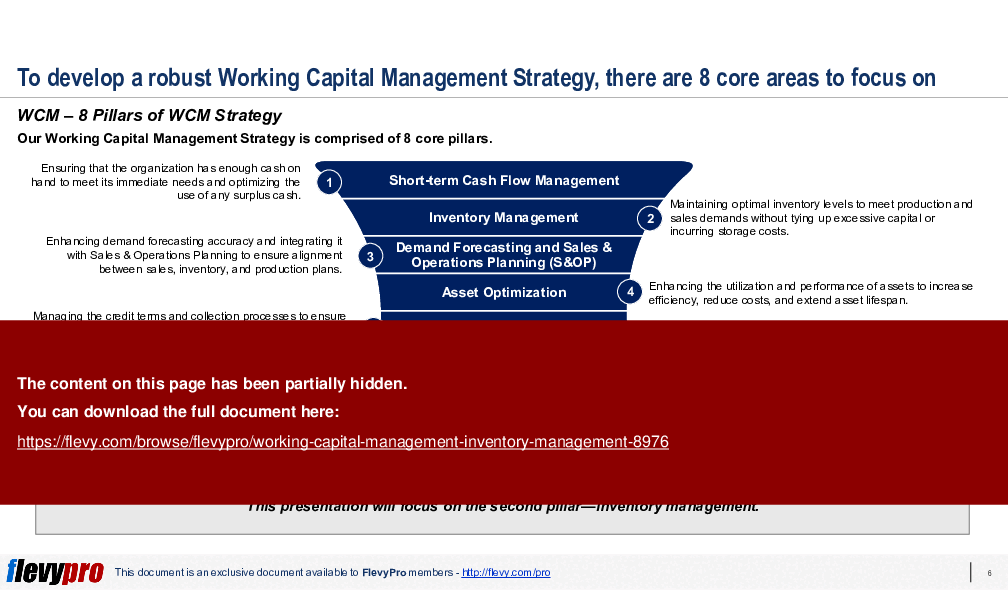
Effective WCM requires a comprehensive Working Capital Management Strategy. This presentation introduces an approach to WCM Strategy based on 8 core pillars:
1. Short-term Cash Flow Management
2. Inventory Management
3. Demand Forecasting and Sales & Operations Planning (S&OP)
4. Asset Optimization
5. Accounts Receivable Management
6. Accounts Payable Management
7. Supplier Management
8. Working Capital Performance Management
This framework is focused on the second pillar, Inventory Management. Inventory Management involves maintaining optimal inventory levels to meet production and sales demands without tying up excessive capital or incurring storage costs.
This presentation breaks down a detailed 6-phase methodology to Inventory Management:
1. Data-Driven Inventory Analysis
2. Optimization Planning
3. Just-in-Time (JIT) Inventory Implementation
4. Effective Supplier Negotiations
5. Inventory Turnover Optimization
6. Continuous Monitoring and Improvement
This PPT presentation is an excerpt from a more in-depth presentation on Working Capital Management Strategy.
This deck on WCM Strategy also includes slides for you to use in your own business presentations.
Got a question about this document? Email us at flevypro@flevy.com.
Executive Summary
The "Working Capital Management: Inventory Management" PowerPoint presentation provides a comprehensive overview of effective inventory management strategies within the broader context of Working Capital Management (WCM). This presentation is designed to help corporate executives and finance professionals understand the critical role inventory management plays in maintaining liquidity, optimizing cash flow, and ensuring operational efficiency. By utilizing this deck, users can implement a structured approach to inventory management, enhancing profitability and operational effectiveness while minimizing costs associated with excess inventory.
Who This Is For and When to Use
• Finance executives responsible for working capital management
• Supply chain managers focused on inventory optimization
• Operations leaders involved in demand forecasting and production planning
• Consultants advising organizations on financial efficiency and inventory strategies
Best-fit moments to use this deck:
• During strategic planning sessions for working capital optimization
• When developing or refining inventory management practices
• In training sessions for teams focused on supply chain and operations management
• For presentations to stakeholders on inventory management strategies and outcomes
Learning Objectives
• Define the key components of effective inventory management
• Build a comprehensive inventory management strategy aligned with WCM principles
• Establish metrics for monitoring inventory performance and turnover
• Implement just-in-time (JIT) inventory practices to reduce holding costs
• Enhance demand forecasting accuracy to align inventory with sales
• Develop effective supplier negotiation strategies to support inventory needs
Table of Contents
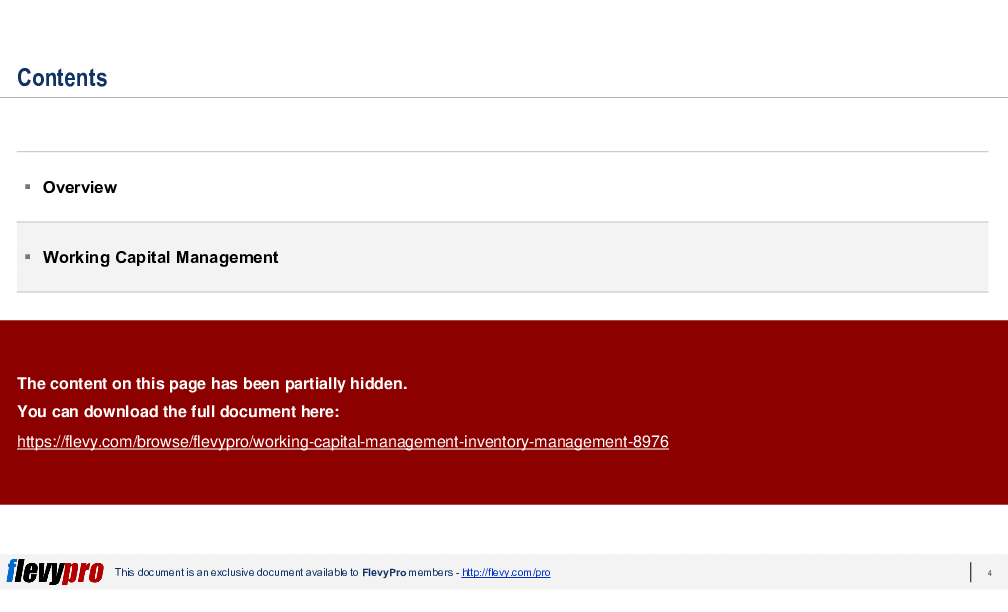
• Overview (page 3)
• Working Capital Management (page 5)
• Inventory Management (page 9)
• Inventory Management Methodology (page 11)
• Slide Design Structure & Templates (page 20)
Primary Topics Covered
• Working Capital Management - The administration of short-term assets and liabilities to ensure operational efficiency and financial stability.
• Inventory Management - Techniques to maintain optimal inventory levels to meet production and sales demands without excessive capital tied up.
• Inventory Management Methodology - A structured six-phase approach to effectively manage inventory, including data-driven analysis and optimization planning.
• Just-in-Time (JIT) Inventory Implementation - Aligning inventory levels with actual sales to minimize stockholding costs.
• Effective Supplier Negotiations - Strategies for securing favorable payment terms and long-term agreements to support inventory needs.
• Inventory Turnover Optimization - Enhancing turnover rates through targeted strategies and continuous monitoring.
Deliverables, Templates, and Tools
• Inventory management strategy template for aligning inventory with working capital objectives
• Just-in-time inventory implementation checklist to streamline processes
• Supplier negotiation framework for establishing favorable terms
• Inventory turnover analysis tool for tracking performance metrics
• Continuous improvement plan template for ongoing inventory management refinement
Slide Highlights
• Overview of the eight pillars of Working Capital Management
• Detailed methodology for inventory management, including phases and key actions
• Visual representation of the JIT inventory process and its benefits
• Strategies for effective supplier negotiations to enhance inventory efficiency
• Metrics for monitoring inventory turnover and performance
Potential Workshop Agenda
Inventory Management Strategy Session (90 minutes)
• Review current inventory management practices and challenges
• Discuss the importance of aligning inventory with working capital strategies
• Develop action plans for implementing JIT inventory practices
Supplier Negotiation Workshop (60 minutes)
• Identify key terms for negotiation and build strong supplier relationships
• Role-play scenarios to practice negotiation techniques
• Establish follow-up actions for supplier performance monitoring
Customization Guidance
• Tailor the inventory management strategy template to reflect specific organizational needs and metrics
• Adjust the JIT implementation checklist based on industry-specific requirements
• Incorporate company-specific data and case studies into the presentation slides
Secondary Topics Covered
• Demand forecasting techniques and their impact on inventory levels
• The role of technology in inventory management, including software solutions
• Best practices for managing slow-moving and excess stock
• Strategies for reducing inventory holding costs and improving cash flow
Topic FAQ
Document FAQ
These are questions addressed within this presentation.
What is the importance of inventory management in working capital?
Effective inventory management is crucial for maintaining liquidity, optimizing cash flow, and ensuring that an organization can meet its short-term obligations.
How can JIT practices benefit my organization?
Implementing JIT practices can reduce holding costs, enhance cash flow, and improve operational efficiency by aligning inventory levels with actual sales.
What metrics should I track for inventory performance?
Key metrics include inventory turnover ratio, stockout rate, carrying costs, and overall inventory accuracy.
How can I improve demand forecasting accuracy?
Utilizing advanced forecasting tools and analyzing historical sales data can significantly enhance the accuracy of demand forecasts.
What are effective strategies for supplier negotiations?
Building strong relationships, leveraging purchasing volume, and exploring mutually beneficial solutions can lead to favorable payment terms and long-term agreements.
How often should I review inventory levels?
Regular reviews, ideally on a monthly or quarterly basis, are essential for identifying discrepancies and adjusting inventory strategies accordingly.
What tools can assist in inventory management?
Inventory management software, RFID technology, and data analytics tools can provide real-time tracking and insights into inventory performance.
How can I foster a culture of continuous improvement in inventory management?
Encouraging feedback from stakeholders, conducting regular audits, and sharing best practices across teams can promote ongoing enhancements in inventory processes.
Glossary
• Working Capital Management (WCM) - The administration of short-term assets and liabilities to ensure operational efficiency.
• Inventory Management - Techniques to maintain optimal inventory levels.
• Just-in-Time (JIT) - An inventory strategy that aligns production with demand to minimize holding costs.
• Supplier Negotiation - The process of discussing terms with suppliers to secure favorable agreements.
• Inventory Turnover Ratio - A measure of how quickly inventory is sold and replaced over a period.
• Demand Forecasting - The process of estimating future customer demand based on historical data.
• Continuous Improvement - Ongoing efforts to enhance products, services, or processes.
• Carrying Costs - The total cost of holding inventory, including storage, insurance, and depreciation.
• Stockout Rate - The frequency at which inventory items are out of stock.
• Supplier Performance Monitoring - The process of evaluating supplier efficiency and reliability.
• Data-Driven Analysis - Utilizing data analytics to inform decision-making processes.
• Baseline Metrics - Standard measurements used to track performance and improvements over time.
Source: Best Practices in Inventory Management, Working Capital Management PowerPoint Slides: Working Capital Management: Inventory Management PowerPoint (PPTX) Presentation Slide Deck, LearnPPT Consulting
Did you need more documents?
Consider a FlevyPro subscription from $39/month. View plans here.
For $10.00 more, you can download this document plus 2 more FlevyPro documents. That's just $13 each.
|
Receive our FREE presentation on Operational Excellence
This 50-slide presentation provides a high-level introduction to the 4 Building Blocks of Operational Excellence. Achieving OpEx requires the implementation of a Business Execution System that integrates these 4 building blocks. |