
Soft Side of Post-merger Integration (PMI)   21-slide PPT PowerPoint presentation slide deck (PPT)
$29.00

Soft Side of Post-merger Integration (PMI) (21-slide PPT PowerPoint presentation slide deck (PPT)) Preview Image
Log in to unlock full preview.
Soft Side of Post-merger Integration (PMI) (21-slide PPT PowerPoint presentation slide deck (PPT)) Preview Image
Arrow   Click main image to view in full screen.

Soft Side of Post-merger Integration (PMI) (PowerPoint PPT Slide Deck)

PowerPoint (PPT) 21 Slides FlevyPro Document

#3 in Soft Skills $29.00
FlevyPro price: FREE (included in subscription)
This framework is developed by a team of former McKinsey and Big 4 consultants. The presentation follows the headline-body-bumper slide format used by global consulting firms.
Add to Cart


Immediate download
Free lifetime updates

POST-MERGER INTEGRATION PPT DESCRIPTION

Editor Summary 21-slide PowerPoint presentation "Soft Side of Post-merger Integration (PMI)" by LearnPPT Consulting outlines strategies for managing emotional and cultural challenges in M&A. Read more

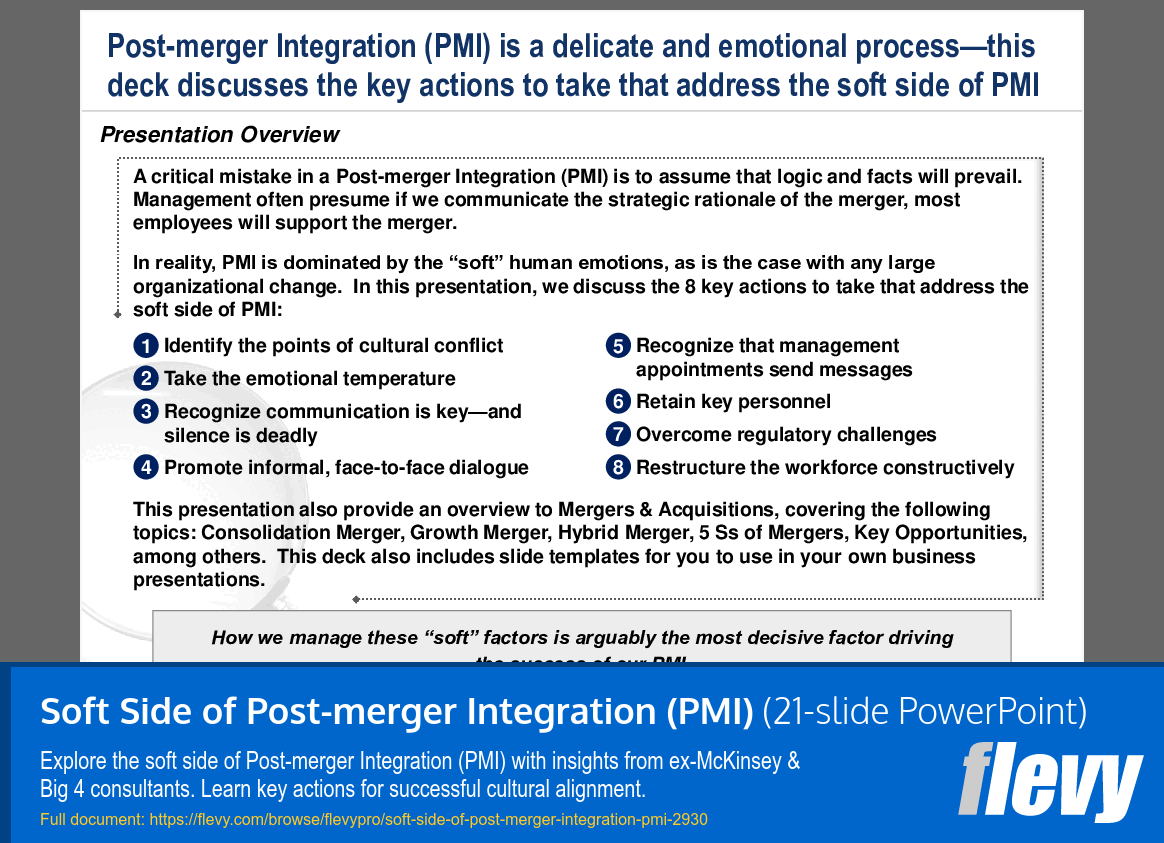
A critical mistake in a Post-merger Integration (PMI) is to assume that logic and facts will prevail. Management often presume if we communicate the strategic rationale of the merger, most employees will support the merger.

In reality, PMI is dominated by the "soft" human emotions, as is the case with any large organizational change. How we manage these "soft" factors is arguably the most decisive factor driving the success of our PMI.

In this presentation, we discuss the 8 key actions to take that address the soft side of PMI:

1. Identify the points of cultural conflict.
2. Take the emotional temperature.
3. Recognize communication is key—and silence is deadly.
4. Promote informal, face-to-face dialogue.
5. Recognize that management appointments send messages.
6. Retain key personnel.
7. Overcome regulatory challenges.
8. Restructure the workforce constructively.

This presentation also provide an overview to Mergers & Acquisitions, covering the following topics: Consolidation Merger, Growth Merger, Hybrid Merger, 5 Ss of Mergers, Key Opportunities, among others.

This deck also includes slide templates for you to use in your own business presentations.

This PPT delves into the nuanced aspects of Post-merger Integration (PMI), emphasizing the importance of addressing human emotions and cultural conflicts. It outlines strategic actions to manage these soft factors, which are crucial for the success of any merger. The presentation provides a comprehensive overview of various merger approaches, including consolidation, growth, and hybrid mergers, and highlights key opportunities that can be leveraged during the integration process.

The deck also offers practical templates to aid in your own business presentations, ensuring you have the tools needed to communicate effectively with your team. With real-life examples and case studies, this resource is designed to help you navigate the complexities of PMI, from identifying cultural conflicts to retaining key personnel and overcoming regulatory challenges. This document is an essential guide for executives looking to optimize their merger strategies and achieve seamless integration.

Got a question about this document? Email us at flevypro@flevy.com.

MARCUS OVERVIEW

This synopsis was written by Marcus [?] based on the analysis of the full 21-slide presentation.


Executive Summary
The Soft Side of Post-merger Integration (PMI) presentation provides essential strategies for navigating the emotional and cultural complexities inherent in mergers and acquisitions. This deck emphasizes the importance of addressing human emotions and cultural conflicts, which are often overlooked in favor of logical and factual approaches. By implementing the eight critical actions outlined in the presentation, corporate executives and integration leaders can foster a smoother transition, enhance employee engagement, and ultimately drive the success of the merger. This resource is designed to equip leaders with actionable insights to manage the soft aspects of PMI effectively.

Who This Is For and When to Use
•  Corporate executives overseeing merger and acquisition strategies
•  Integration leaders responsible for managing post-merger transitions
•  Change management professionals focusing on employee engagement during mergers
•  HR leaders tasked with retaining key personnel and managing cultural integration

Best-fit moments to use this deck:
•  During pre-merger planning to identify potential cultural conflicts
•  In the initial phases of post-merger integration to set communication strategies
•  When addressing employee concerns and managing change throughout the integration process

Learning Objectives
•  Identify cultural conflicts that may arise during post-merger integration
•  Assess the emotional climate of employees during the transition
•  Develop effective communication strategies to mitigate uncertainty
•  Foster informal dialogue to enhance trust and transparency
•  Recognize the significance of management appointments in shaping organizational culture
•  Retain key personnel through targeted engagement strategies
•  Navigate regulatory challenges that may impact workforce restructuring
•  Implement constructive workforce restructuring practices

Table of Contents
•  Overview (page 3)
•  Merger Approaches (page 7)
•  8 Critical Actions (page 10)
•  Templates (page 15)

Primary Topics Covered
•  Cultural Conflict Identification - Understanding the cultural differences between merging organizations is crucial for effective integration.
•  Emotional Assessment - Regularly gauging employee morale helps address concerns and fosters a supportive environment.
•  Communication Strategy - Establishing a robust communication framework is vital to prevent misinformation and rumors.
•  Informal Dialogue Promotion - Encouraging face-to-face interactions enhances trust and transparency among employees.
•  Management Appointments - Strategic appointments signal organizational priorities and influence employee perceptions.
•  Key Personnel Retention - Implementing retention strategies is essential to maintain critical talent during transitions.
•  Regulatory Navigation - Understanding legal implications is necessary for effective workforce restructuring.
•  Constructive Workforce Restructuring - Approaching workforce changes with sensitivity ensures a smoother transition.

Deliverables, Templates, and Tools
•  Cultural conflict assessment template to identify potential areas of concern
•  Emotional temperature check survey to gauge employee sentiment
•  Communication strategy framework for consistent messaging
•  Informal dialogue facilitation guide to encourage open discussions
•  Management appointment communication plan to clarify roles and expectations
•  Key personnel retention plan template to outline engagement strategies
•  Regulatory compliance checklist for workforce restructuring
•  Workforce restructuring plan template to guide changes constructively

Slide Highlights
•  Overview of the emotional landscape during post-merger integration
•  Framework for identifying cultural conflicts
•  Communication strategy emphasizing the importance of transparency
•  Key actions for retaining talent and managing change
•  Visual representation of the 5 Ss of Mergers to guide strategic decisions

Potential Workshop Agenda
Cultural Conflict Identification Session (60 minutes)
•  Discuss potential cultural clashes and their implications
•  Develop strategies to address identified conflicts
•  Assign responsibilities for ongoing cultural assessments

Communication Strategy Development (90 minutes)
•  Create a comprehensive communication plan for the merger
•  Identify key messages and channels for employee engagement
•  Role-play scenarios to practice effective communication

Retention Strategy Workshop (60 minutes)
•  Brainstorm retention strategies for key personnel
•  Develop a timeline for implementing retention initiatives
•  Assign ownership for follow-up actions

Customization Guidance
•  Tailor the communication strategy to reflect the specific merger context and organizational culture
•  Adjust the cultural conflict assessment template to include unique organizational values
•  Modify retention plans to align with specific performance goals and synergy targets

Secondary Topics Covered
•  Importance of leadership visibility during transitions
•  Strategies for managing employee anxiety and uncertainty
•  Best practices for integrating diverse organizational cultures
•  Techniques for fostering collaboration between merging teams
•  Approaches to measuring the success of integration efforts

Topic FAQ

What are the main "soft" factors to manage during a post-merger integration?

Soft factors include cultural conflicts, employee emotional climate, communication gaps, limited informal dialogue, leadership signals via management appointments, loss of key personnel, regulatory impacts on staffing, and the approach to workforce restructuring. The presentation organizes these into eight critical actions to address people risks and culture.

How can an organization measure employee sentiment during integration?

Regular assessments combine formal surveys and informal feedback mechanisms; the deck specifically recommends an emotional temperature check survey and ongoing feedback loops to gauge morale and surface concerns for follow-up action using the emotional temperature check survey.

What is the "5 Ss of Mergers" and how does it help integration planning?

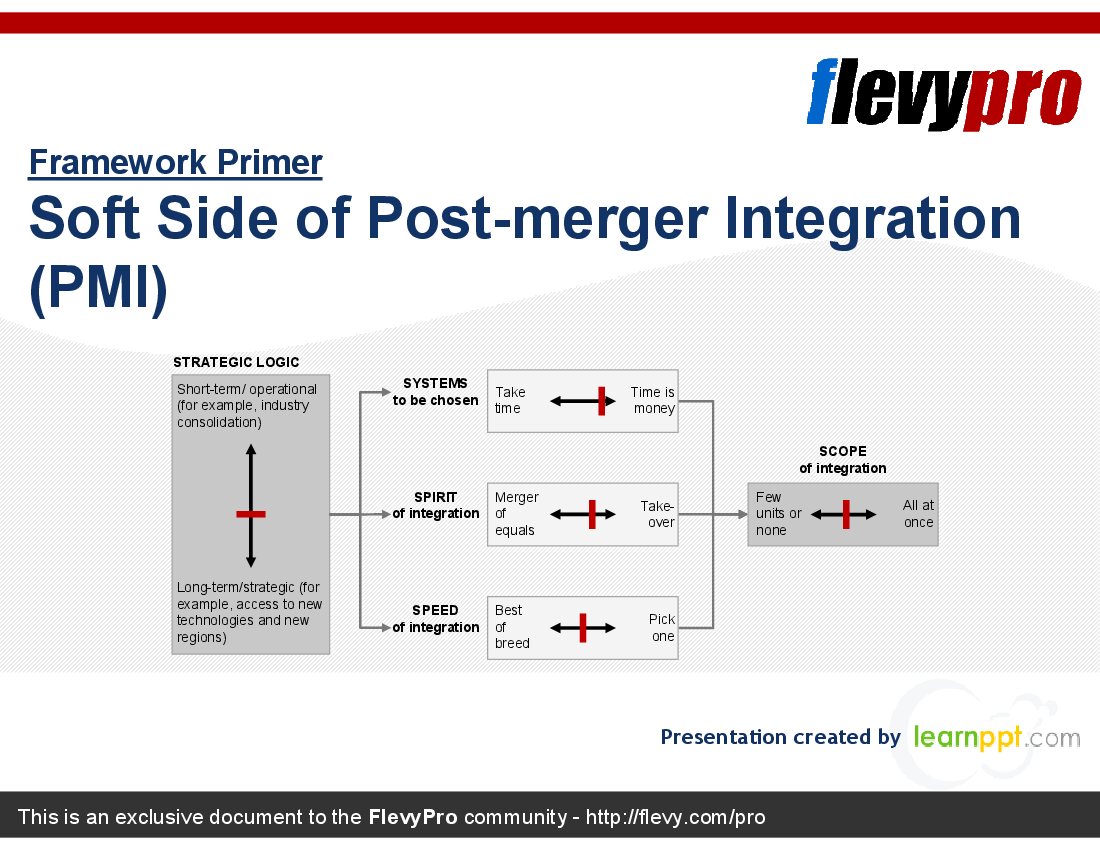
The "5 Ss of Mergers" are Strategic Logic, Speed, Spirit, Systems, and Scope; they guide decisions about merger approach and priorities by framing where to focus effort and resources during integration, as presented in the overview section covering merger approaches and the 5 Ss of Mergers.

How do management appointments influence post-merger culture?

Management appointments signal organizational priorities and future direction; transparent appointment communication can shape employee perceptions and morale. The deck includes a management appointment communication plan template to clarify roles and expected behaviors.

What should I look for when buying a toolkit for the soft side of PMI?

Look for diagnostic tools (cultural conflict assessment), measurement instruments (employee sentiment survey), communication frameworks, facilitation guides for informal dialogue, retention and restructuring templates, and regulatory checklists; the Soft Side of Post-merger Integration (PMI) includes these 8 templates.

How much time should we allocate for workshops on cultural conflict and communication?

The presentation proposes practical workshop agendas: a 60-minute Cultural Conflict Identification session, a 90-minute Communication Strategy Development session, and a 60-minute Retention Strategy Workshop, providing ready-made session plans and activities.

If we need to retain key personnel, what practical tactics should we use?

Use targeted engagement and clarity on future roles, link retention incentives to performance expectations, and communicate timelines; the deck offers a key personnel retention plan template and suggests combining incentives with clear role communication to retain critical talent.

What regulatory issues should integration teams anticipate during workforce restructuring?

Teams should assess local labor laws and compliance requirements that can affect layoffs, transfers, and contracts. The presentation advises using a regulatory compliance checklist to identify legal constraints and guide constructive workforce-restructuring decisions.

Document FAQ
These are questions addressed within this presentation.

What are the key actions to address the soft side of PMI?
The eight key actions include identifying cultural conflicts, assessing emotional climates, prioritizing communication, promoting informal dialogue, recognizing management appointments, retaining key personnel, overcoming regulatory challenges, and restructuring the workforce constructively.

How can we measure employee sentiment during integration?
Regular assessments through surveys and informal feedback mechanisms can help gauge employee morale and identify areas of concern.

Why is communication critical during PMI?
Effective communication prevents misinformation, builds trust, and keeps employees informed about changes, reducing anxiety and uncertainty.

What role do management appointments play in PMI?
Management appointments send powerful signals about the future direction of the organization and can influence employee perceptions and morale.

How can we retain key personnel during a merger?
Implementing targeted retention strategies, such as performance-linked bonuses and clear communication about future roles, can help maintain critical talent.

What are the regulatory considerations during workforce restructuring?
Understanding local laws and regulations is essential to navigate potential hurdles and ensure compliance during workforce changes.

How should we approach cultural integration?
Identifying cultural differences and fostering open dialogue can help bridge gaps and create a cohesive organizational culture post-merger.

What templates are included in this presentation?
The presentation includes templates for cultural conflict assessments, communication strategies, retention plans, and workforce restructuring.

Glossary
•  Post-merger Integration (PMI) - The process of combining 2 organizations after a merger or acquisition.
•  Cultural Conflict - Discrepancies in values, beliefs, and practices between merging organizations.
•  Emotional Temperature - The overall sentiment and morale of employees during a transition.
•  Communication Strategy - A plan for conveying messages effectively to employees during integration.
•  Retention Strategy - Initiatives aimed at keeping key personnel engaged and committed during transitions.
•  Regulatory Compliance - Adhering to legal requirements during workforce restructuring.
•  Workforce Restructuring - The process of reorganizing staff roles and responsibilities post-merger.
•  5 Ss of Mergers - A framework for guiding merger strategies, including Strategic Logic, Speed, Spirit, Systems, and Scope.
•  Synergy Targets - Goals set to achieve efficiencies and benefits from the merger.
•  Integration Team - A group responsible for managing the post-merger integration process.
•  Change Management - The discipline of managing the transition of individuals, teams, and organizations to a desired future state.
•  Employee Engagement - The emotional commitment an employee has to their organization and its goals.
•  Leadership Visibility - The presence and communication of leaders during transitions to foster trust and confidence.
•  Informal Dialogue - Casual conversations that encourage open communication and relationship building.
•  Feedback Mechanism - Processes established to gather employee input and sentiment.
•  Organizational Culture - The shared values, beliefs, and practices that shape how an organization operates.
•  Integration Challenges - Obstacles faced during the merging of 2 organizations.
•  Employee Morale - The overall attitude and satisfaction of employees within the organization.
•  Communication Channels - The methods used to convey messages within the organization.
•  Change Readiness - The preparedness of an organization and its employees to undergo change.
•  Transition Services Agreement (TSA) - A contract that outlines the services one party will provide to another during a transition period.

POST-MERGER INTEGRATION PPT SLIDES

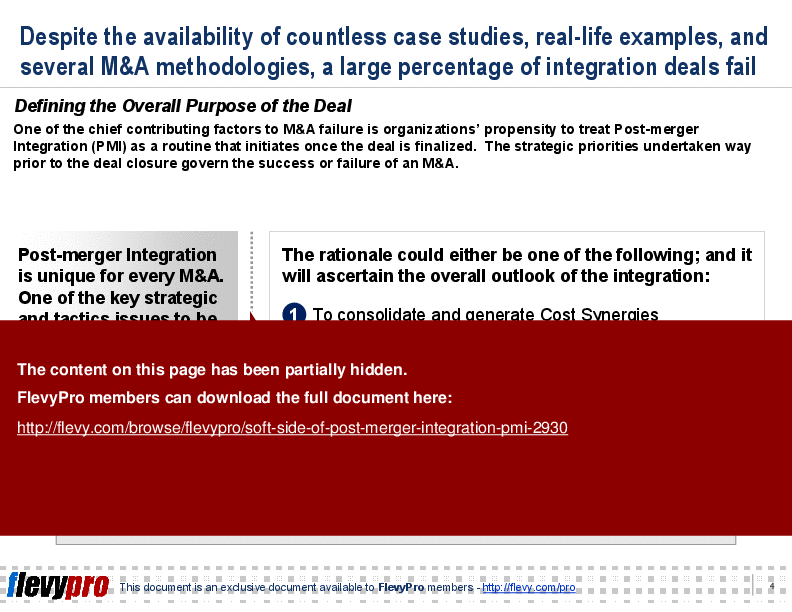
Strategic Human Capital Management in Post-Merger Integration

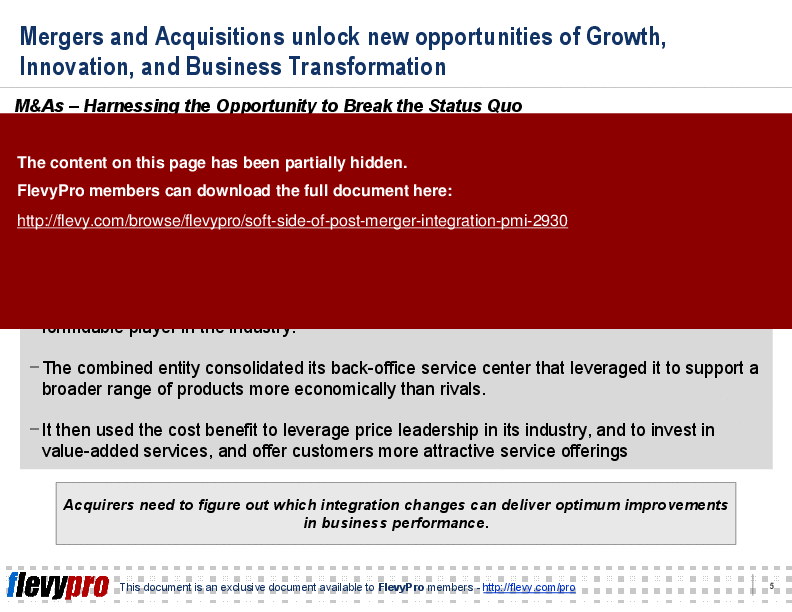
Blueprint for Successful Merger Integration Strategies

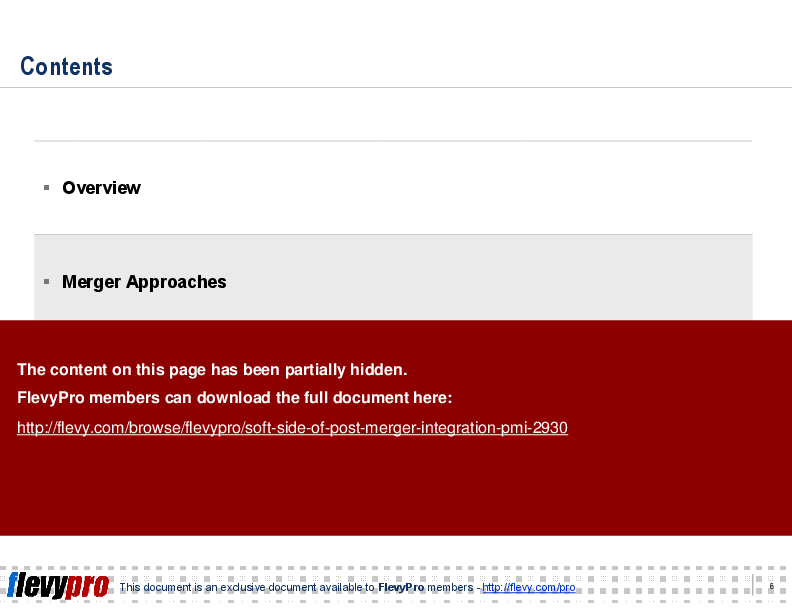
Critical Actions for Effective Post-Merger Integration

Source: Best Practices in Change Management, Acquisition, PMI PowerPoint Slides: Soft Side of Post-merger Integration (PMI) PowerPoint (PPT) Presentation Slide Deck, LearnPPT Consulting


$29.00
FlevyPro price: FREE (included in subscription)
This framework is developed by a team of former McKinsey and Big 4 consultants. The presentation follows the headline-body-bumper slide format used by global consulting firms.
Add to Cart
  

Did you need more documents?

Consider a FlevyPro subscription from $39/month. View plans here.

For $10.00 more, you can download this document plus 2 more FlevyPro documents. That's just $13 each.

ABOUT FLEVYPRO

This document is part of the FlevyPro Library, a curated knowledge base of documents for our FlevyPro subscribers.

FlevyPro is a subscription service for on-demand business frameworks and analysis tools. FlevyPro subscribers receive access to an exclusive library of curated business documents—business framework primers, presentation templates, Lean Six Sigma tools, and more—among other exclusive benefits.

Click here to learn more about FlevyPro and its benefits.

Did you know?
The average daily rate of a McKinsey consultant is $6,625 (not including expenses). The average price of a Flevy document is $65.


Trusted by over 10,000+ Client Organizations
Since 2012, we have provided business templates to over 10,000 businesses and organizations of all sizes, from startups and small businesses to the Fortune 100, in over 130 countries.
AT&T GE Cisco Intel IBM Coke Dell Toyota HP Nike Samsung Microsoft Astrazeneca JP Morgan KPMG Walgreens Walmart 3M Kaiser Oracle SAP Google E&Y Volvo Bosch Merck Fedex Shell Amgen Eli Lilly Roche AIG Abbott Amazon PwC T-Mobile Broadcom Bayer Pearson Titleist ConEd Pfizer NTT Data Schwab


Read Customer Testimonials

 
"The wide selection of frameworks is very useful to me as an independent consultant. In fact, it rivals what I had at my disposal at Big 4 Consulting firms in terms of efficacy and organization."

– Julia T., Consulting Firm Owner (Former Manager at Deloitte and Capgemini)
 
"[Flevy] produces some great work that has been/continues to be of immense help not only to myself, but as I seek to provide professional services to my clients, it gives me a large "tool box" of resources that are critical to provide them with the quality of service and outcomes they are expecting."

– Royston Knowles, Executive with 50+ Years of Board Level Experience
 
"One of the great discoveries that I have made for my business is the Flevy library of training materials.

As a Lean Transformation Expert, I am always making presentations to clients on a variety of topics: Training, Transformation, Total Productive Maintenance, Culture, Coaching, Tools, Leadership Behavior, etc. Flevy "

– Ed Kemmerling, Senior Lean Transformation Expert at PMG
 
"I have used Flevy services for a number of years and have never, ever been disappointed. As a matter of fact, David and his team continue, time after time, to impress me with their willingness to assist and in the real sense of the word. I have concluded in fact "

– Roberto Pelliccia, Senior Executive in International Hospitality
 
"I like your product. I'm frequently designing PowerPoint presentations for my company and your product has given me so many great ideas on the use of charts, layouts, tools, and frameworks. I really think the templates are a valuable asset to the job."

– Roberto Fuentes Martinez, Senior Executive Director at Technology Transformation Advisory
 
"As an Independent Management Consultant, I find Flevy to add great value as a source of best practices, templates and information on new trends. Flevy has matured and the quality and quantity of the library is excellent. Lastly the price charged is reasonable, creating a win-win value for "

– Jim Schoen, Principal at FRC Group
 
"As a young consulting firm, requests for input from clients vary and it's sometimes impossible to provide expert solutions across a broad spectrum of requirements. That was before I discovered Flevy.com.

Through subscription to this invaluable site of a plethora of topics that are key and crucial to consulting, I "

– Nishi Singh, Strategist and MD at NSP Consultants
 
"Flevy is now a part of my business routine. I visit Flevy at least 3 times each month.

Flevy has become my preferred learning source, because what it provides is practical, current, and useful in this era where the business world is being rewritten.

In today's environment where there are so "

– Omar Hernán Montes Parra, CEO at Quantum SFE


Customers Also Bought These Documents


Customers Also Like These Documents

Explore Templates on Related Management Topics


Your Recently Viewed Documents
Receive our FREE presentation on Operational Excellence

This 50-slide presentation provides a high-level introduction to the 4 Building Blocks of Operational Excellence. Achieving OpEx requires the implementation of a Business Execution System that integrates these 4 building blocks.