Your AI assistant becomes a Flevy-powered consultant, with direct access to our full library of frameworks, templates, and case studies. Free to connect. No account, sign-in, or API key required.
STEP 1 · CHOOSE YOUR ASSISTANT
STEP 2 · CONNECT
1
No copying needed. Flevy is in the official Claude Connectors Directory.
2
Click the button below, then click Connect on the Flevy listing.
This framework is developed by a team of former McKinsey and Big 4 consultants. The presentation follows the headline-body-bumper slide format used by global consulting firms.
Humanoid Robots Primer PPT: Learn AI-driven humanoid robotics, digital transformation strategies, and ecosystem insights. Download this expert presentation now. Humanoid Robots Primer is a 33-slide PPT PowerPoint presentation template (PPTX) available for immediate download upon purchase.
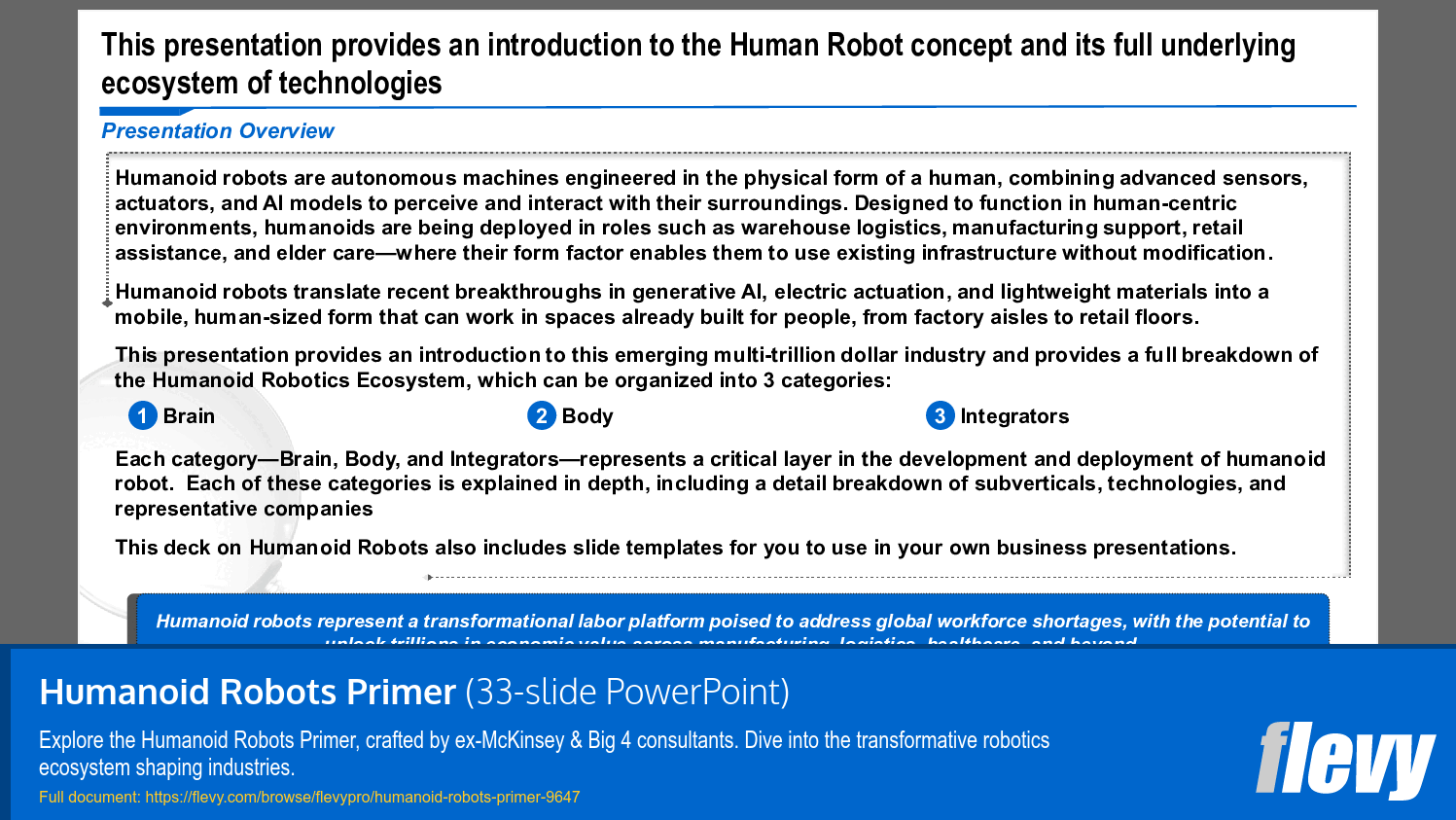
Humanoid robots are autonomous machines engineered in the physical form of a human, combining advanced sensors, actuators, and AI models to perceive and interact with their surroundings. Designed to function in human-centric environments, humanoids are being deployed in roles such as warehouse logistics, manufacturing support, retail assistance, and elder care—where their form factor enables them to use existing infrastructure without modification.
Humanoid robots translate recent breakthroughs in generative AI, electric actuation, and lightweight materials into a mobile, human-sized form that can work in spaces already built for people, from factory aisles to retail floors. Humanoid robots represent a transformational labor platform poised to address global workforce shortages, with the potential to unlock trillions in economic value across manufacturing, logistics, healthcare, and beyond.
This PPT presentation provides an introduction to this emerging multi-trillion dollar industry and provides a full breakdown of the Humanoid Robotics Ecosystem, which can be organized into 3 categories:
1. Brain – The Brain category encompasses the hardware and software that enable humanoids to sense, interpret, and act on their environment in real time. It includes AI models, compute chips, and vision systems that collectively form the cognitive core of the robot. This layer is critical for autonomy, adaptability, and continuous learning.
2. Body – The Body category comprises the full range of industrial hardware components that enable a humanoid to perceive, move, and interact with its environment. This includes sensors, actuators, motors, gear systems, batteries, and related infrastructure that convert software outputs into physical actions. These components draw heavily from mature automotive and industrial supply chains, enabling scalability and cost optimization.
3. Integrators – Integrators are end-to-end develop-pers responsible for designing, assembling, and programming complete humanoid robots. They act as the orchestrators of the ecosystem—bringing together components from the Brain and Body layers to create commercially viable, general-purpose platforms. These companies lead the charge in product innovation, application alignment, and customer deployment.
Each category—Brain, Body, and Integrators—represents a critical layer in the development and deployment of humanoid robot. Each of these categories is explained in depth, including a detail breakdown of subverticals, technologies, and representative example companies.
This PowerPoint deck on Humanoid Robots also includes slide templates for you to use in your own business presentations.
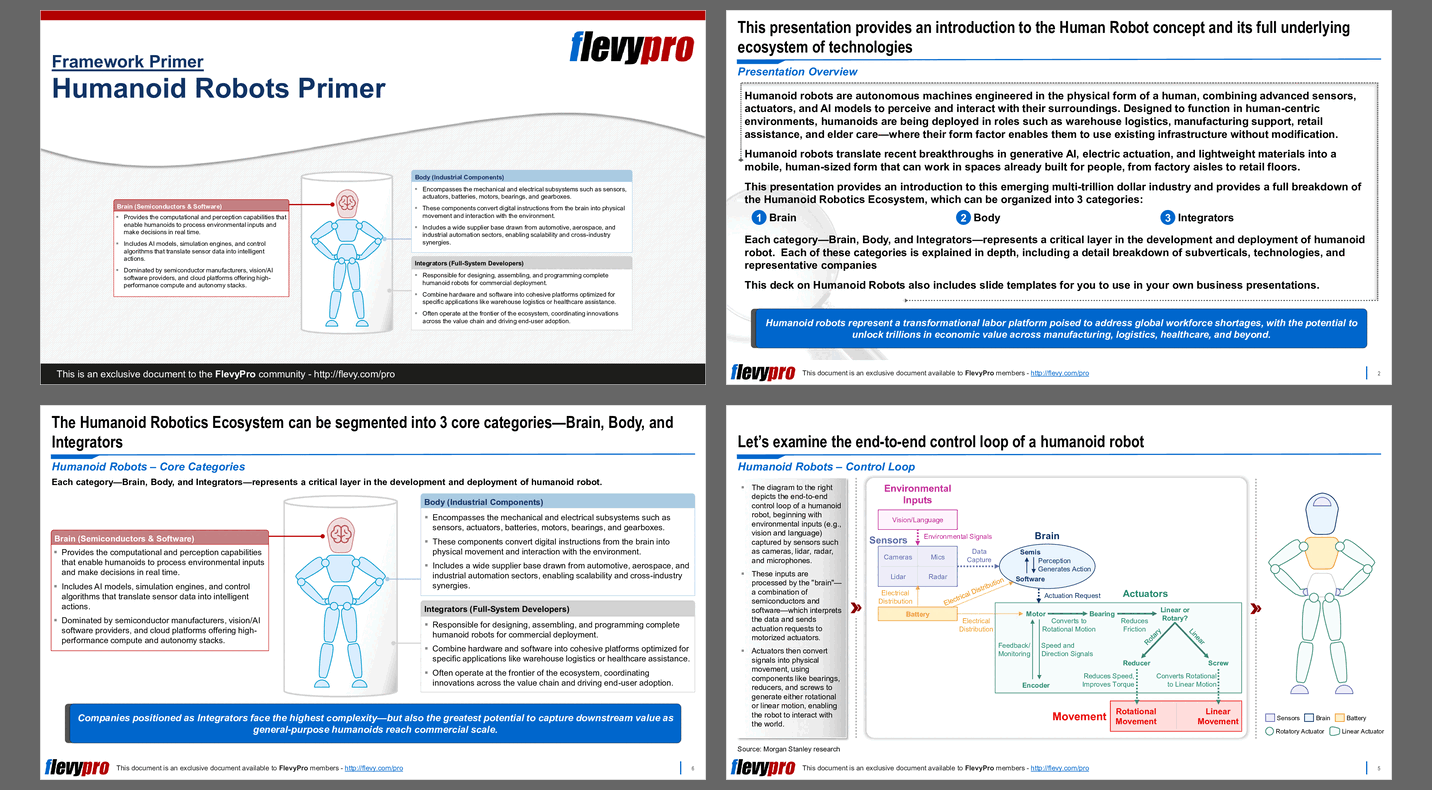
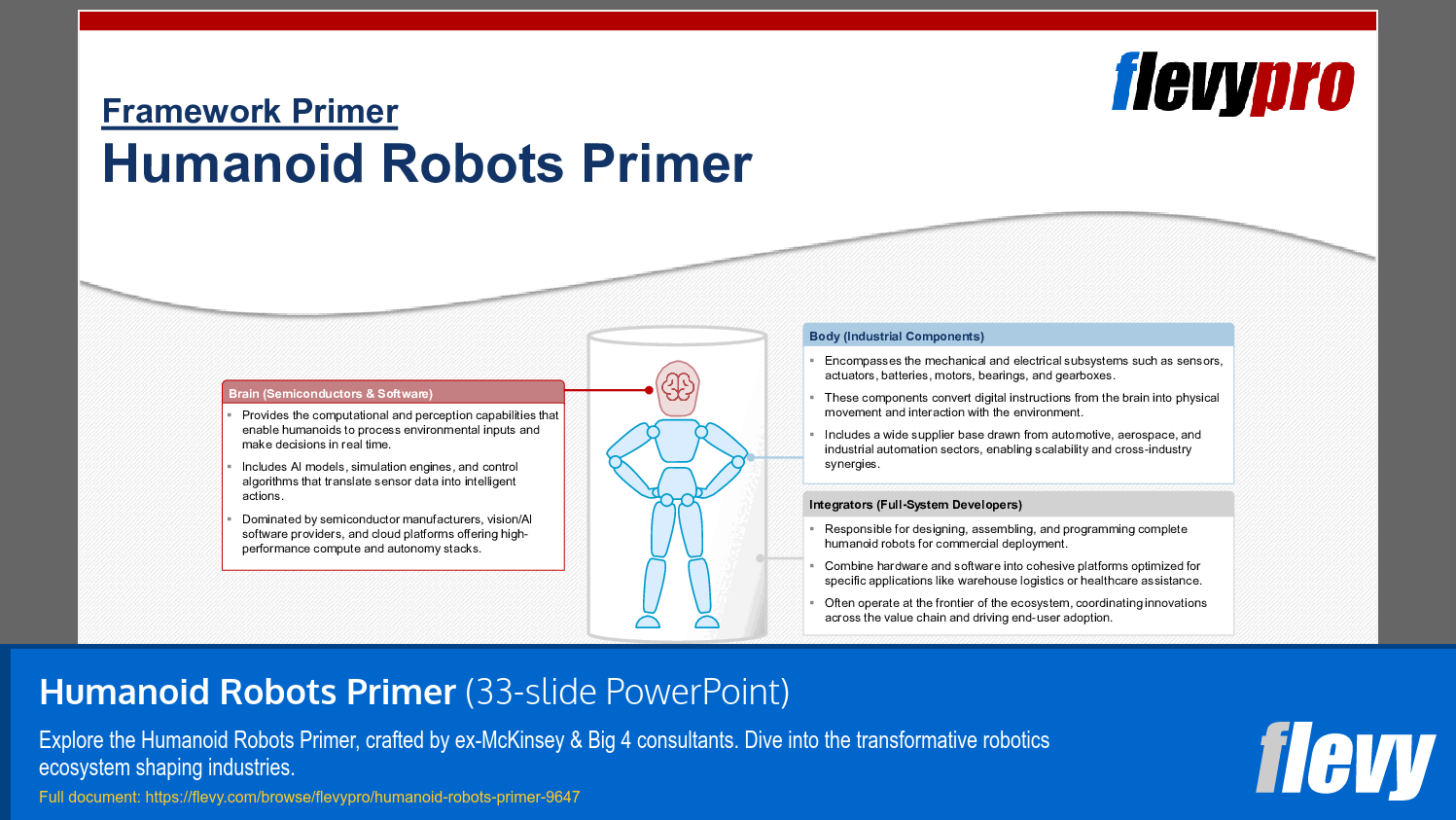
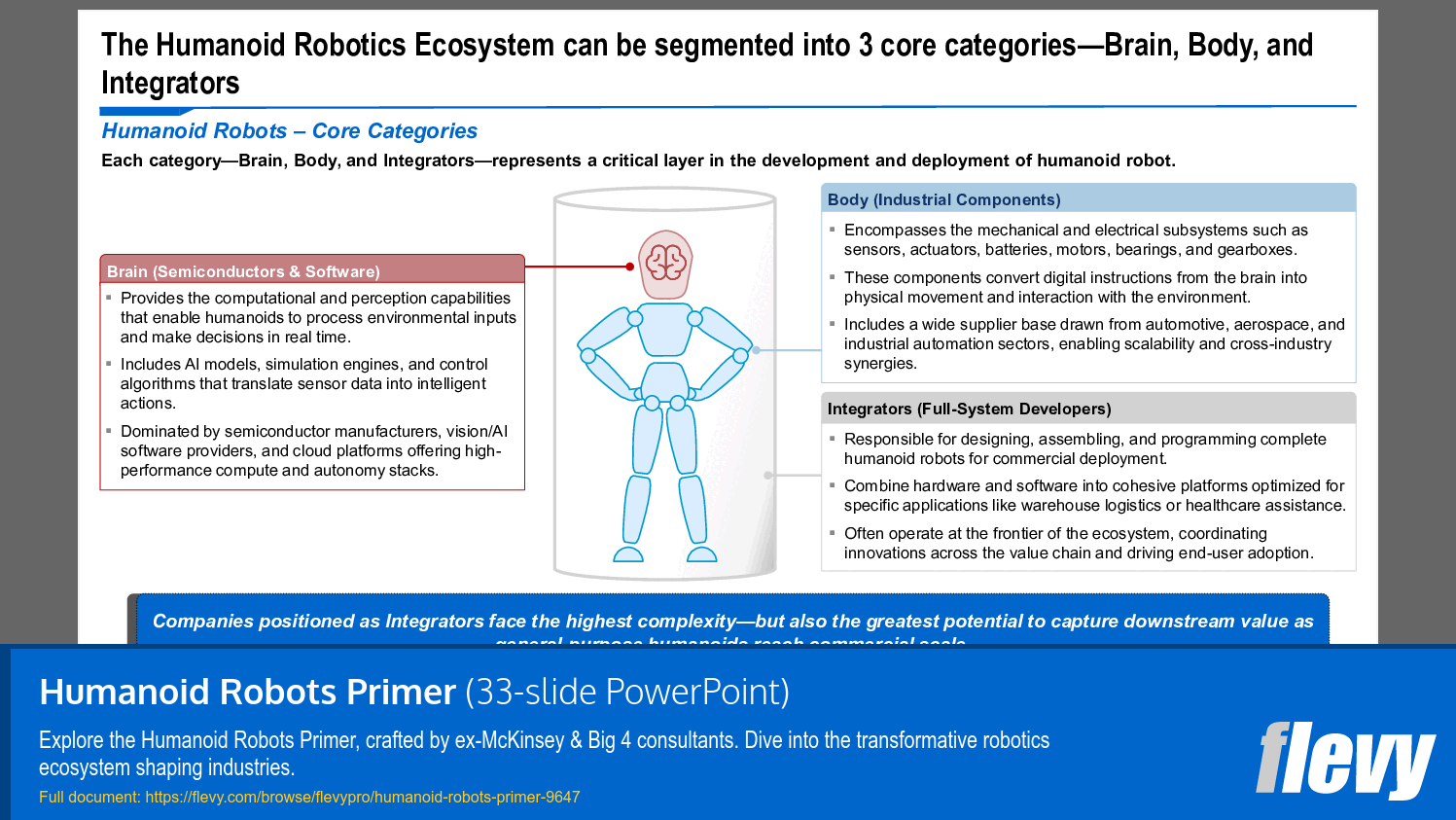
The humanoid robotics ecosystem consists of 3 core categories: Brain, Body, and Integrators. The "Brain" encompasses computational and perceptual capabilities, focusing on AI models, simulation engines, and control algorithms that enable real-time decision-making. This segment is primarily supported by semiconductor manufacturers and AI software providers, highlighting the need for high-performance computing. The "Body" includes mechanical and electrical subsystems such as sensors, actuators, and batteries, which convert digital commands into physical movements, with a diverse supplier base from automotive and aerospace sectors indicating scalability opportunities. "Integrators" are full-system developers who design and program humanoid robots for applications like warehouse logistics and healthcare, driving innovation and user adoption by combining hardware and software into cohesive platforms.
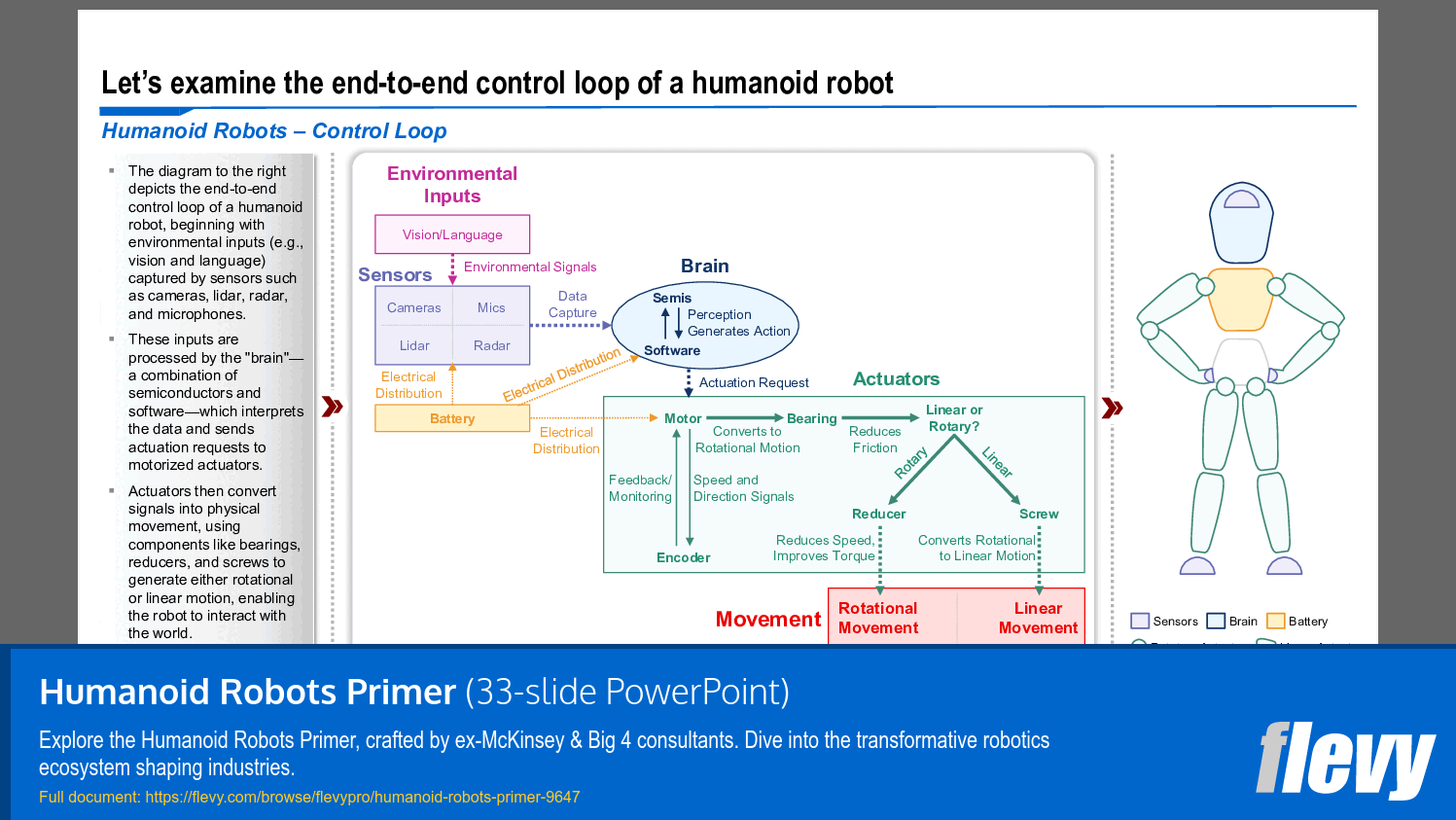
This PPT slide template provides an overview of the end-to-end control loop of a humanoid robot. Environmental inputs, including vision and language, are captured by sensors such as cameras, lidar, radar, and microphones. The robot's "brain," a sophisticated system of semiconductors and software, processes this data to generate action requests, translating sensory inputs into movement commands. Actuators convert these signals into physical movements, utilizing components like bearings, reducers, and screws for rotational or linear motion. Electrical distribution and battery power are critical for maintaining the control loop's functionality. Feedback and monitoring mechanisms enable real-time adjustments, enhancing the robot's responsiveness and operational effectiveness in various environments.
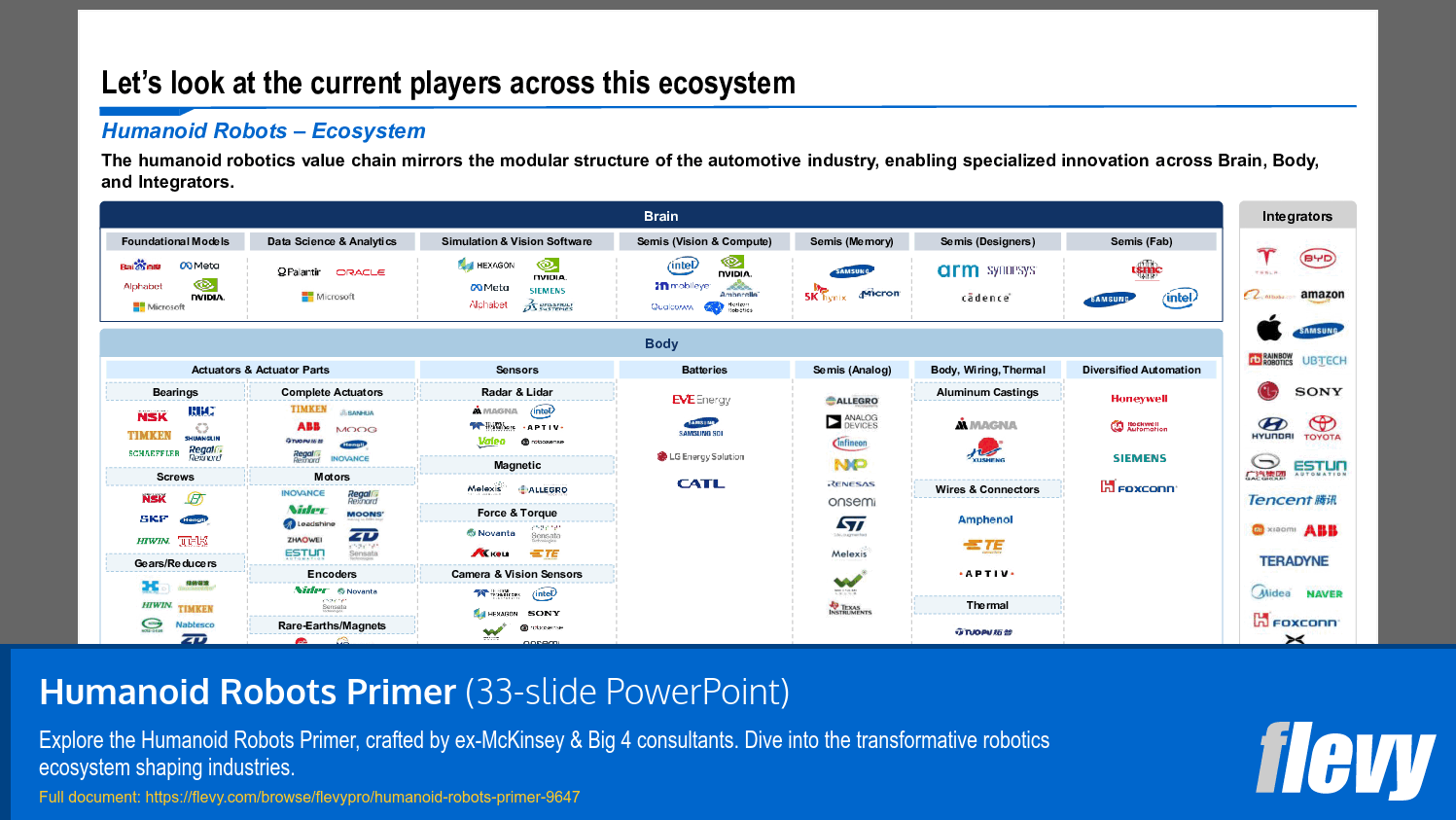
The humanoid robotics ecosystem parallels the automotive industry, categorizing key players into 3 components: Brain, Body, and Integrators. The "Brain" includes foundational models and data analytics, with companies like Meta, NVIDIA, and Microsoft focusing on AI, machine learning, simulation, and vision software. The "Body" encompasses physical components such as actuators, sensors, and batteries, with NSK and Timken producing mechanical parts and LG Energy Solution specializing in energy storage. The "Integrators" category features firms like Amazon and BYD that combine these components into cohesive products, highlighting collaboration between tech giants and traditional manufacturers. This modular value chain fosters specialization and innovation, guiding stakeholders in identifying strategic partnerships and investment opportunities within the humanoid robotics market.
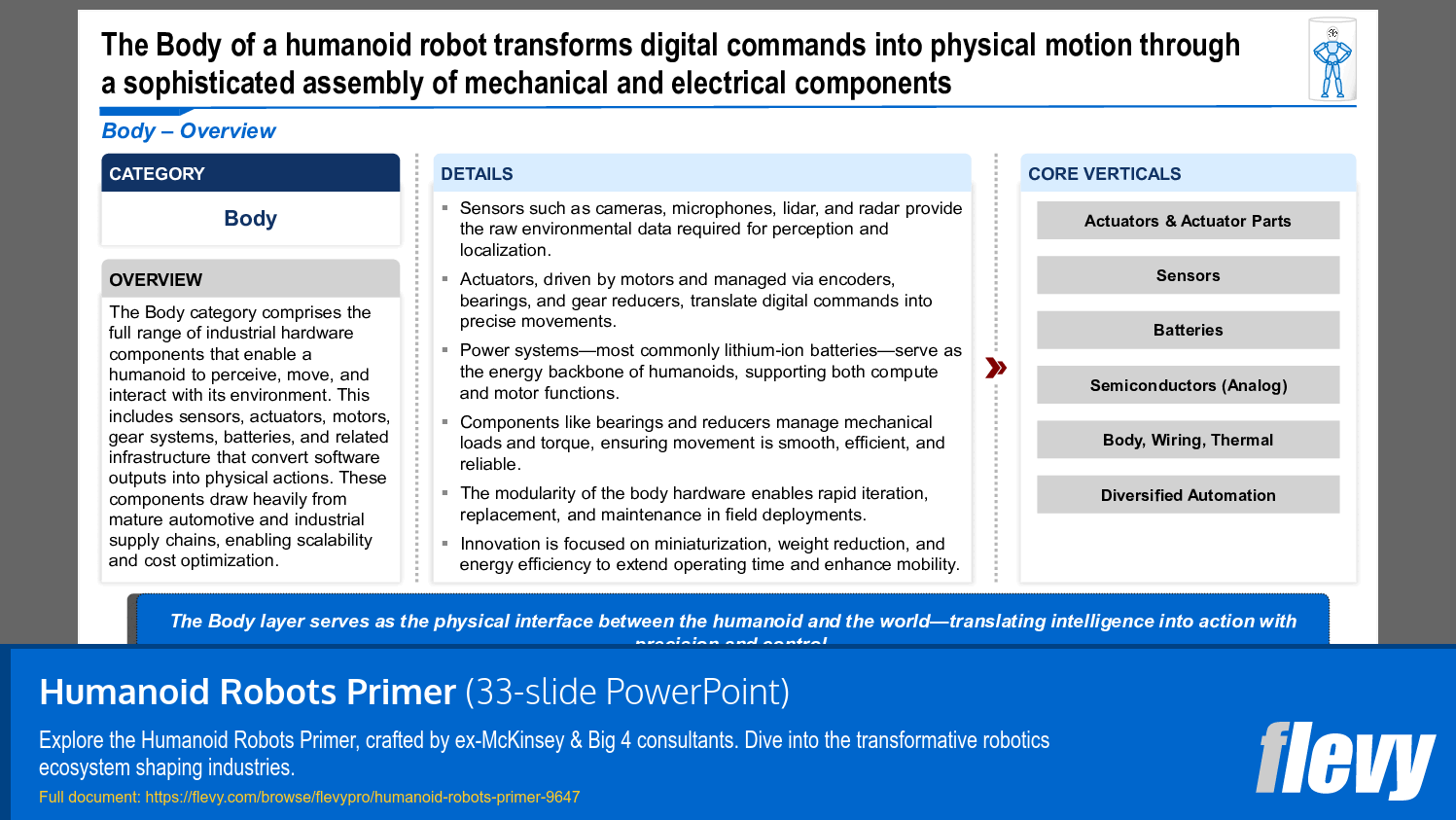
This PPT slide template provides an overview of the "Body" category in humanoid robotics, focusing on key hardware components that facilitate interaction with the environment. Critical elements include sensors, actuators, motors, and power systems. Sensors like cameras and lidar are essential for perception and localization. Actuators, powered by motors and managed through encoders and gear reducers, translate digital commands into precise movements, ensuring task accuracy. Lithium-ion batteries serve as the energy source for computational and motor functions, highlighting the importance of energy management. Components such as bearings and reducers manage mechanical loads and torque for smooth movement. Modularity in body hardware allows for rapid iteration and maintenance, crucial for field deployments. Innovation aims to minimize weight and enhance energy efficiency, impacting mobility and operational longevity in humanoid robotics.
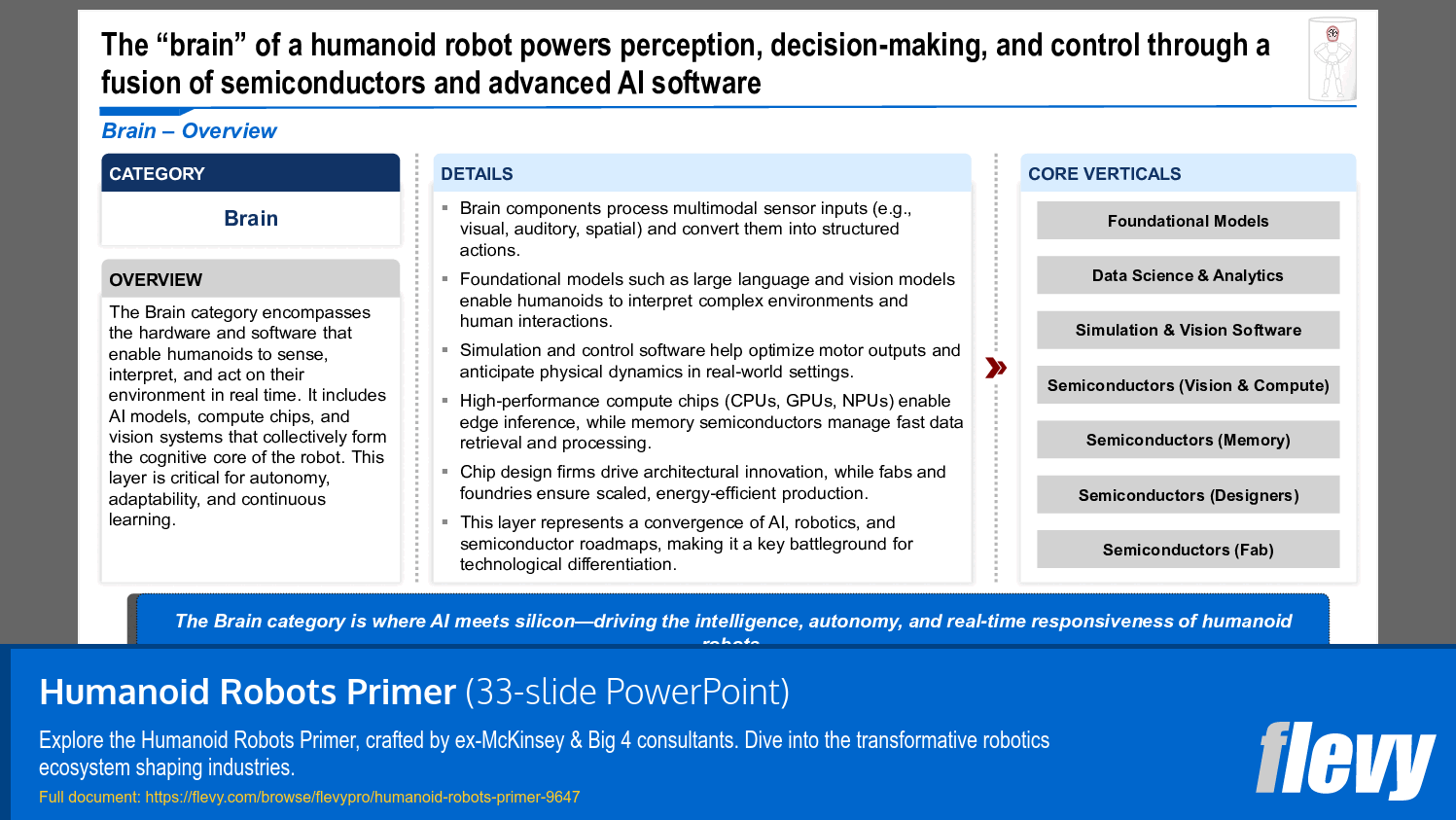
This PPT slide template provides an overview of the "Brain" category in humanoid robots, detailing essential components for real-time perception, interpretation, and action. Key aspects include processing multimodal sensor inputs—visual, auditory, and spatial—into structured actions for effective human interaction. Foundational models, particularly large language and vision models, are critical in this process. Simulation and control software optimize motor outputs and anticipate physical dynamics, while high-performance compute chips (CPUs, GPUs, NPUs) enable edge inference. Memory semiconductors manage rapid data retrieval. Chip design firms drive architectural innovation, with fabs and foundries ensuring energy-efficient production. This convergence of AI, robotics, and semiconductor technology is pivotal for advancements in humanoid robotics. Core verticals—foundational models, data science, simulation software, and semiconductor categories—enhance the capabilities and efficiencies of humanoid robots.
Source: Best Practices in Digital Transformation, Artificial Intelligence, Industry 4.0, Robotics Industry PowerPoint Slides: Humanoid Robots Primer PowerPoint (PPTX) Presentation Slide Deck, LearnPPT Consulting
This framework is developed by a team of former McKinsey and Big 4 consultants. The presentation follows the headline-body-bumper slide format used by global consulting firms.
For $10.00 more, you can download this document plus 2 more FlevyPro documents. That's just $13 each.
ABOUT FLEVYPRO
This document is part of the FlevyPro Library, a curated knowledge base of documents for our FlevyPro subscribers.
FlevyPro is a subscription service for on-demand business frameworks and analysis tools. FlevyPro subscribers receive access to an exclusive library of curated business documents—business framework primers, presentation templates, Lean Six Sigma tools, and more—among other exclusive benefits.
The average daily rate of a McKinsey consultant is $6,625 (not including expenses). The average price of a Flevy document is $65.
Trusted by over 10,000+ Client Organizations
Since 2012, we have provided business templates to over 10,000 businesses and organizations of all sizes, from startups and small businesses to the Fortune 100, in over 130 countries.
"If you are looking for great resources to save time with your business presentations, Flevy is truly a value-added resource. Flevy has done all the work for you and we will continue to utilize Flevy as a source to extract up-to-date information and data for our virtual and onsite presentations!"
– Debbi Saffo, President at The NiKhar Group
"As a consulting firm, we had been creating subject matter training materials for our people and found the excellent materials on Flevy, which saved us 100's of hours of re-creating what already exists on the Flevy materials we purchased."
– Michael Evans, Managing Director at Newport LLC
"As a small business owner, the resource material available from FlevyPro has proven to be invaluable. The ability to search for material on demand based our project events and client requirements was great for me and proved very beneficial to my clients. Importantly, being able to easily edit and tailor
the material for specific purposes helped us to make presentations, knowledge sharing, and toolkit development, which formed part of the overall program collateral. While FlevyPro contains resource material that any consultancy, project or delivery firm must have, it is an essential part of a small firm or independent consultant's toolbox.
"
– Michael Duff, Managing Director at Change Strategy (UK)
"As a young consulting firm, requests for input from clients vary and it's sometimes impossible to provide expert solutions across a broad spectrum of requirements. That was before I discovered Flevy.com.
Through subscription to this invaluable site of a plethora of topics that are key and crucial to consulting, I
have been able to exceed expectations and deliver quality advice and solutions to my clients. The quality and expertise of the authors are exemplary and gives me great confidence to use as part of my service offerings.
I highly recommend this company for any consultant wanting to apply international best practice standards in their service offerings.
"
– Nishi Singh, Strategist and MD at NSP Consultants
"Flevy is now a part of my business routine. I visit Flevy at least 3 times each month.
Flevy has become my preferred learning source, because what it provides is practical, current, and useful in this era where the business world is being rewritten.
many challenges and there is the need to make the right decisions in a short time, with so much scattered information, we are fortunate to have Flevy. Flevy investigates, selects, and puts at our disposal the best of the best to help us be successful in our work.
"
– Omar Hernán Montes Parra, CEO at Quantum SFE
"As a consultant requiring up to date and professional material that will be of value and use to my clients, I find Flevy a very reliable resource.
The variety and quality of material available through Flevy offers a very useful and commanding source for information. Using Flevy saves me time, enhances my expertise and ends up being a good decision."
– Dennis Gershowitz, Principal at DG Associates
"I have used Flevy services for a number of years and have never, ever been disappointed. As a matter of fact, David and his team continue, time after time, to impress me with their willingness to assist and in the real sense of the word. I have concluded in fact
that it is not at all just a repository of documents/resources but, in the way that David and his team manage the firm, it is like dealing with consultants always ready to assist, advise and direct you to what you really need, and they always get it right.
I am an international hospitality accomplished senior executive who has worked and lived during the past 35 years in 23 countries in 5 continents and I can humbly say that I know what customer service is, trust me.
Aside from the great and professional service that Flevy's team provide, their wide variety of material is of utmost great quality, professionally put together and most current.
Well done Flevy, keep up the great work and I look forward to continue working with you in the future and to recommend you to a variety of colleagues around the world.
"
– Roberto Pelliccia, Senior Executive in International Hospitality
"I have found Flevy to be an amazing resource and library of useful presentations for lean sigma, change management and so many other topics. This has reduced the time I need to spend on preparing for my performance consultation. The library is easily accessible and updates are regularly provided. A wealth of great information."
– Cynthia Howard RN, PhD, Executive Coach at Ei Leadership

 Click main image to view in full screen. Unlock all 8 preview images: