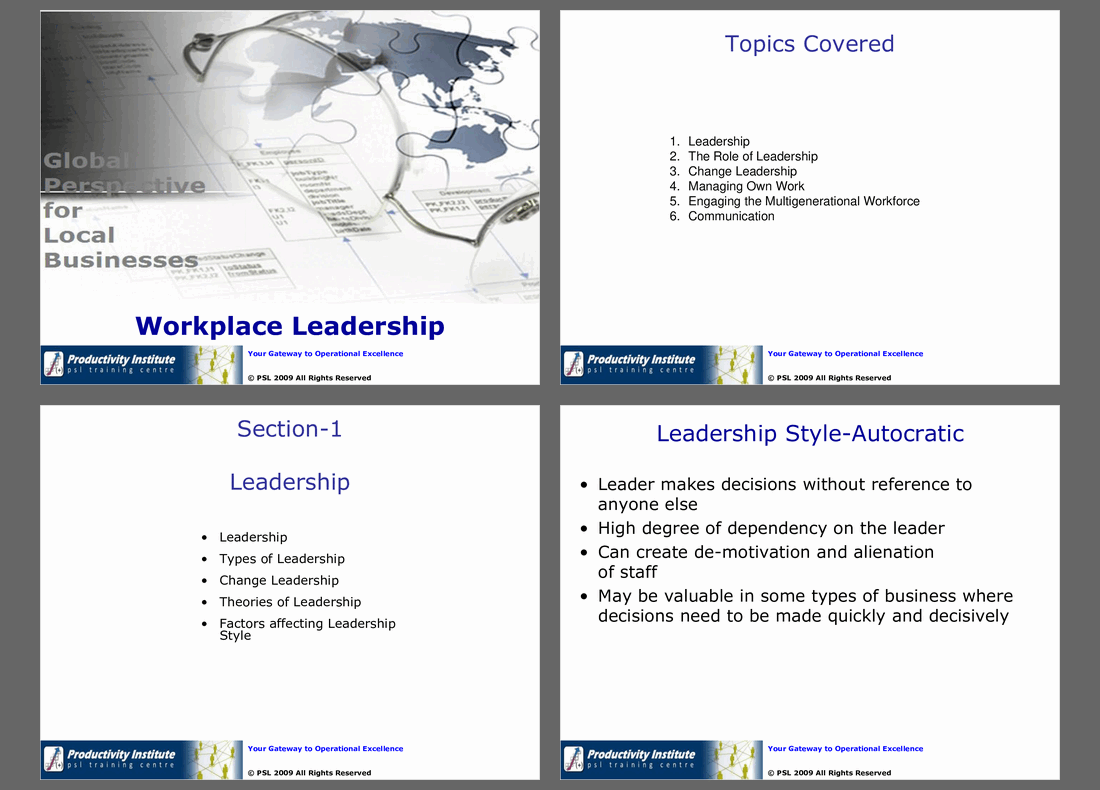
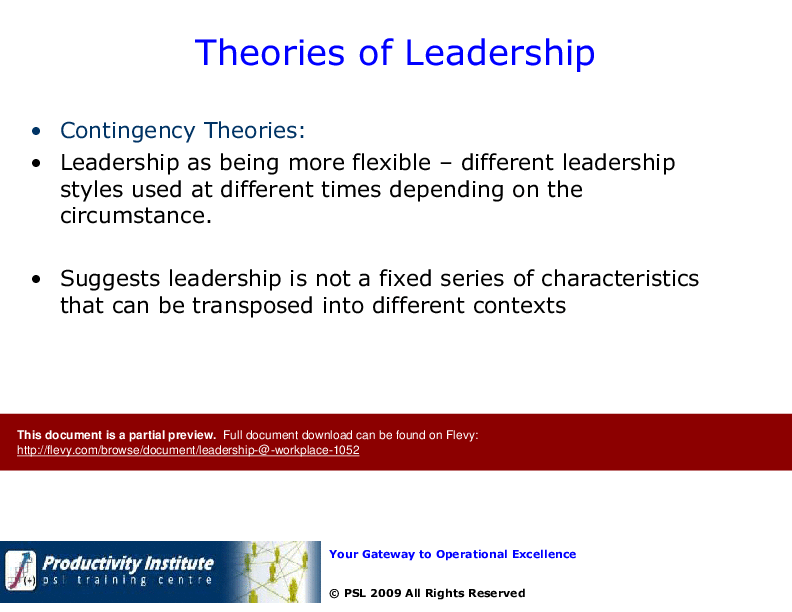

This presentation has 107 slides in all and covers the following topics:
Leadership
The Role of Leadership
Change Leadership
Managing Own Work
Engaging the Multigenerational Workforce
Communication
Section 1: Leadership
Leadership stories
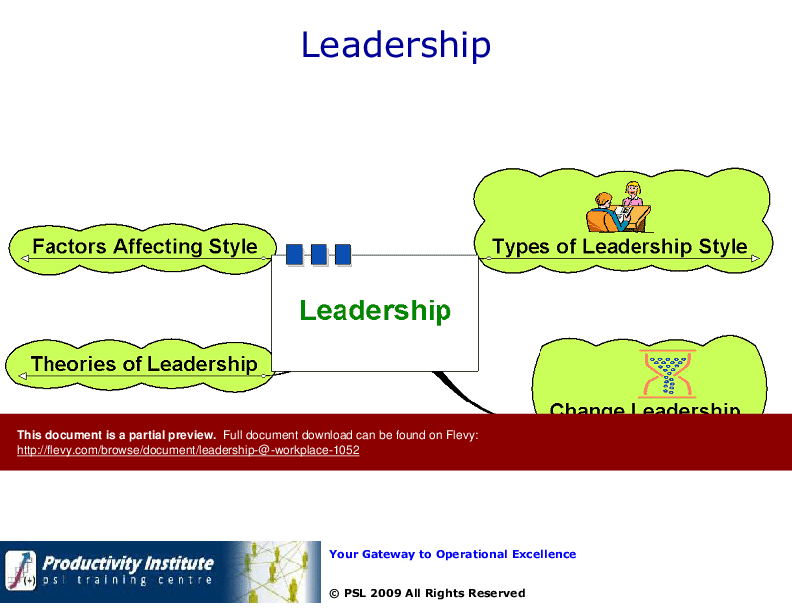
Types of Leadership
Change Leadership
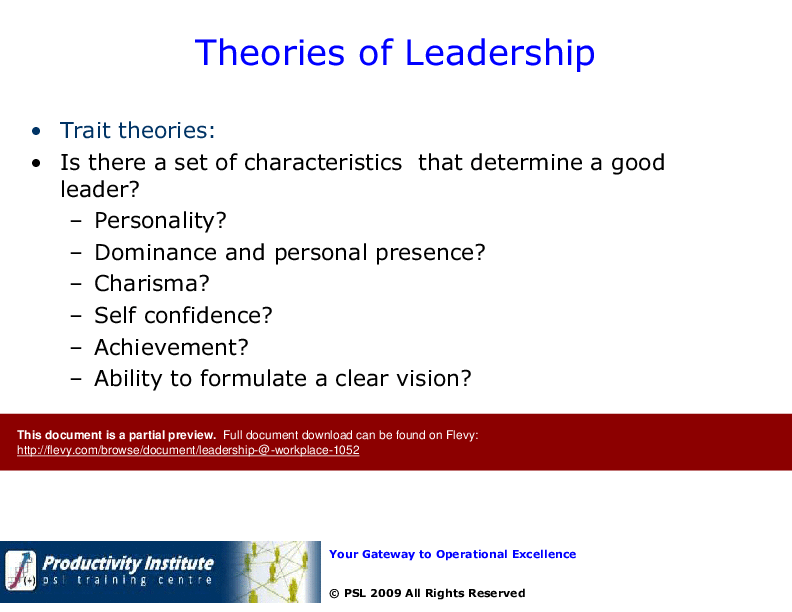
Theories of Leadership
Factors affecting Leadership Style
Section 2: The Role of Leadership
Role of Leaders in Business
Barriers to effective leadership
Behavior Profiles and Leadership
Leader Feedback
Section 3: Managing Own Work
Task Management
Prioritizing Strategies
Task Management Tools
Daily Work Cycle
Standard Work
Section 4: Engaging Multigenerational Workforce
The Changing Workforce
Workplace Influence on Various Generations
Engagement Goals
Requirement for Success
Strategy & Communication
Measurements & Expected Results
Section 5: Communication
Definitions of Communication
Methods of Communication
Benefits of Communication
Mirror & Match
Principles of Communication
Group Communication
Characteristics of Teams
Types of Groups
Group Dynamics
Phases of Development
Also included with this document is a bonus zip of 41 Lean documents (includes templates, case studies, articles, posters, charts, and more).

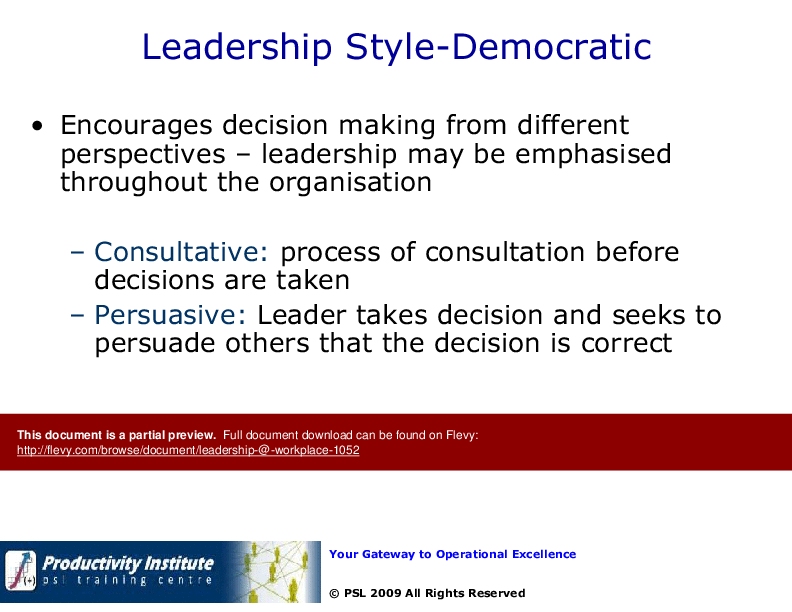
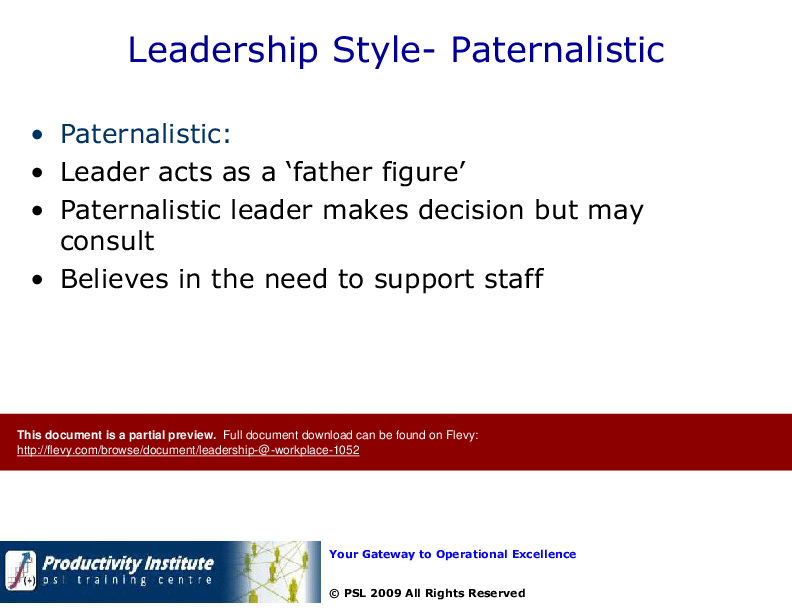
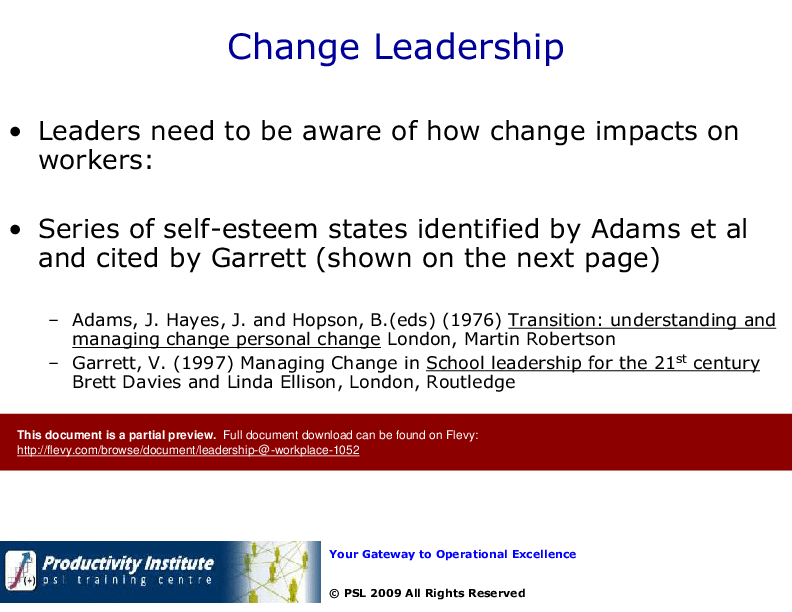
This comprehensive presentation delves into the intricacies of leadership styles, including democratic and paternalistic approaches, emphasizing decision-making processes and the importance of consultation and persuasion. It provides a detailed analysis of how change leadership impacts workers, referencing key theories and self-esteem states, ensuring leaders are well-equipped to manage transitions effectively.
The document also explores the factors affecting leadership style, such as risk, business type, and organizational culture, offering a nuanced understanding of how these elements influence leadership effectiveness. Additionally, it addresses the unique challenges of engaging a multigenerational workforce, highlighting the values, attributes, and work styles of different generations, and providing strategies for successful engagement and communication.
Got a question about the product? Email us at support@flevy.com or ask the author directly by using the "Ask the Author a Question" form. If you cannot view the preview above this document description, go here to view the large preview instead.
Executive Summary
This comprehensive presentation on Workplace Leadership is crafted by a seasoned expert in Lean methodologies and certified LSS Master Black Belt. With experience training over 5,000 individuals globally, from executives to frontline staff, this deck equips leaders with essential insights into effective leadership styles, change management, and strategies for engaging a multigenerational workforce. The presentation emphasizes practical applications, allowing leaders to navigate challenges and enhance their influence in achieving business objectives.
Who This Is For and When to Use
• Corporate executives seeking to enhance leadership effectiveness
• Team leaders aiming to improve engagement and productivity
• HR professionals focused on multigenerational workforce strategies
• Change agents managing organizational transitions
Best-fit moments to use this deck:
• Leadership development programs
• Workshops on change management
• Team-building sessions focused on communication and collaboration
• Strategic planning meetings addressing workforce dynamics
Learning Objectives
• Define various leadership styles and their impact on team dynamics
• Build strategies for effective change leadership in fast-paced environments
• Establish methods for engaging a diverse, multigenerational workforce
• Identify barriers to effective leadership and develop solutions
• Create a personal action plan for improving leadership effectiveness
• Utilize task management tools to enhance personal productivity
Table of Contents
• Leadership (page 4)
• The Role of Leadership (page 20)
• Change Leadership (page 30)
• Managing Own Work (page 45)
• Engaging the Multigenerational Workforce (page 60)
• Communication (page 75)
Primary Topics Covered
• Leadership - An overview of leadership fundamentals, including definitions and importance in organizational contexts.
• Types of Leadership - Exploration of various leadership styles such as autocratic, democratic, laissez-faire, and paternalistic, including their advantages and disadvantages.
• Change Leadership - Insights into managing change effectively, recognizing the human aspects of transition, and strategies for minimizing resistance.
• Engaging the Multigenerational Workforce - Strategies for leveraging the strengths of different generations in the workplace to foster collaboration and innovation.
• Communication - Best practices for effective communication within teams, including methods and principles that enhance understanding and engagement.
• Task Management - Techniques for prioritizing tasks, managing time effectively, and utilizing tools to improve personal productivity.
Deliverables, Templates, and Tools
• Leadership style assessment template to evaluate personal leadership approaches
• Change management framework for guiding organizational transitions
• Task prioritization tools based on the Eisenhower Matrix
• Engagement strategy plan for multigenerational teams
• Communication plan template for enhancing team interactions
• Personal SWOT analysis tool for self-reflection and growth
Slide Highlights
• Engaging visuals illustrating leadership styles and their impact
• Case studies showcasing successful change leadership initiatives
• Graphs depicting generational differences in workplace values and work styles
• Interactive exercises designed to foster team communication and collaboration
• Real-world examples of effective task management strategies
Potential Workshop Agenda
Leadership Styles Overview (60 minutes)
• Discuss different leadership styles and their implications
• Engage in self-assessment of personal leadership style
Change Management Strategies (90 minutes)
• Explore the challenges of leading change
• Develop a change management action plan
Engaging Multigenerational Teams (60 minutes)
• Identify generational characteristics and their influence on teamwork
• Create strategies for fostering inclusivity and collaboration
Customization Guidance
• Adapt the leadership style assessment to reflect your organization's specific context
• Incorporate case studies relevant to your industry for greater impact
• Modify engagement strategies to align with your workforce demographics
• Tailor communication plans to fit your organizational culture and values
Secondary Topics Covered
• Barriers to effective leadership and strategies to overcome them
• The importance of feedback in leadership development
• Techniques for enhancing team dynamics and cohesiveness
• The role of emotional intelligence in effective communication
• Strategies for improving personal time management
Topic FAQ
Document FAQ
These are questions addressed within this presentation.
What are the key leadership styles discussed in this presentation?
This presentation covers autocratic, democratic, laissez-faire, and paternalistic leadership styles, detailing their characteristics and contexts in which they are most effective.
How can I engage a multigenerational workforce effectively?
Strategies include understanding the values and work styles of different generations, fostering open communication, and creating inclusive policies that leverage diverse perspectives.
What tools are recommended for task management?
The presentation suggests using prioritization models like the Eisenhower Matrix, along with scheduling tools and to-do lists to enhance personal productivity.
What is the significance of change leadership?
Change leadership is crucial for guiding organizations through transitions, minimizing resistance, and ensuring that employees feel supported throughout the process.
How can I assess my leadership effectiveness?
Utilize the leadership style assessment and personal SWOT analysis tools provided in the deck to evaluate your strengths and areas for improvement.
What are the benefits of effective communication in teams?
Effective communication enhances productivity, reduces misunderstandings, and fosters stronger relationships among team members, ultimately leading to better outcomes.
How does the presentation address barriers to leadership?
The presentation identifies common barriers such as lack of clarity, resistance to change, and ineffective communication, providing strategies to overcome these challenges.
What is the role of feedback in leadership development?
Feedback is essential for growth, allowing leaders to understand their impact, refine their approaches, and enhance their effectiveness in guiding teams.
Glossary
• Leadership - The act of influencing and guiding individuals or teams toward achieving goals.
• Change Leadership - The process of guiding individuals and organizations through transitions effectively.
• Multigenerational Workforce - A workforce composed of individuals from multiple generations, each with distinct values and work styles.
• Task Management - The process of managing tasks effectively to enhance productivity and efficiency.
• Communication - The exchange of information and understanding between individuals or groups.
• Eisenhower Matrix - A prioritization tool that categorizes tasks based on urgency and importance.
• SWOT Analysis - A strategic planning tool used to identify strengths, weaknesses, opportunities, and threats.
• Emotional Intelligence - The ability to recognize and manage one’s own emotions and the emotions of others.
• Team Dynamics - The behavioral relationships and interactions that occur within a team.
• Feedback - Information provided regarding performance or behavior, used for improvement.
• Engagement - The emotional commitment an employee has to their organization and its goals.
• Cohesiveness - The degree to which team members are attracted to each other and motivated to stay in the group.
Source: Best Practices in Leadership PowerPoint Slides: Workplace Leadership PowerPoint (PPT) Presentation Slide Deck, OpEx Academy NZ
|
Download our FREE Organization, Change, & Culture, Templates
Download our free compilation of 50+ slides and templates on Organizational Design, Change Management, and Corporate Culture. Methodologies include ADKAR, Burke-Litwin Change Model, McKinsey 7-S, Competing Values Framework, etc. |