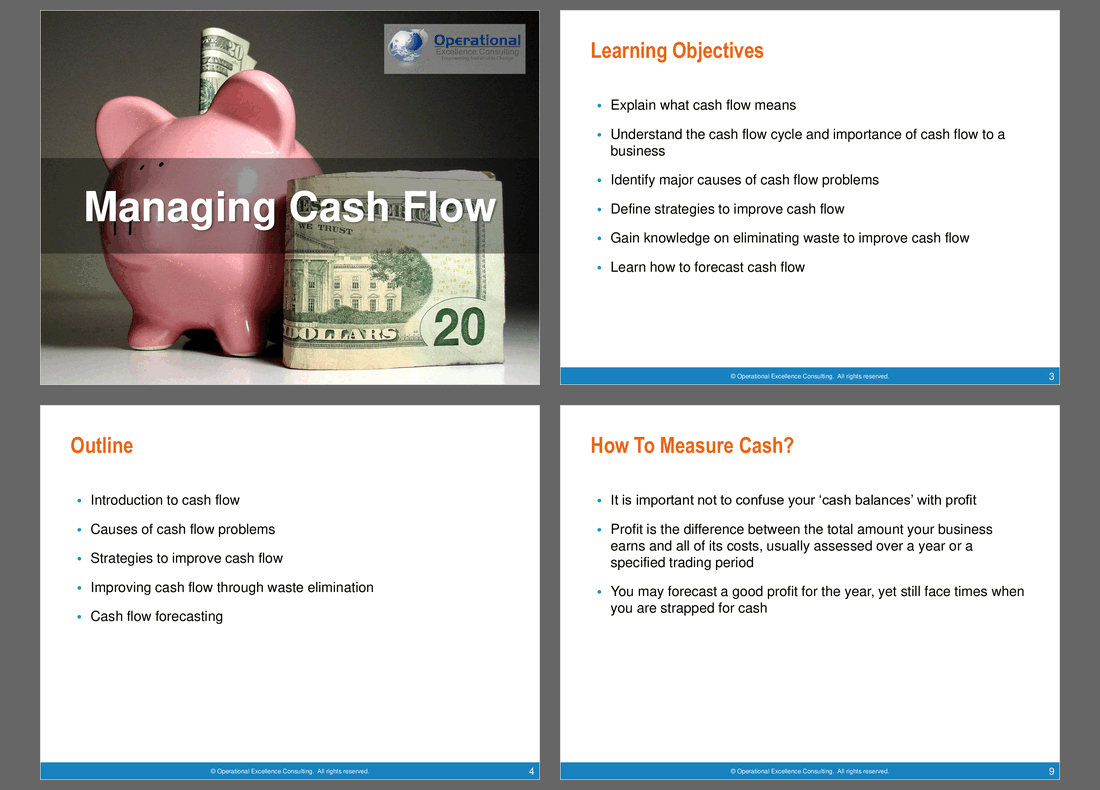

Cash flow management is a critical aspect of running a successful business, as it directly impacts a company's ability to pay bills, invest in growth opportunities, and weather financial challenges. Both internal and external factors can affect a business's cash flow, making it essential to understand and address these factors in order to manage cash flow effectively.
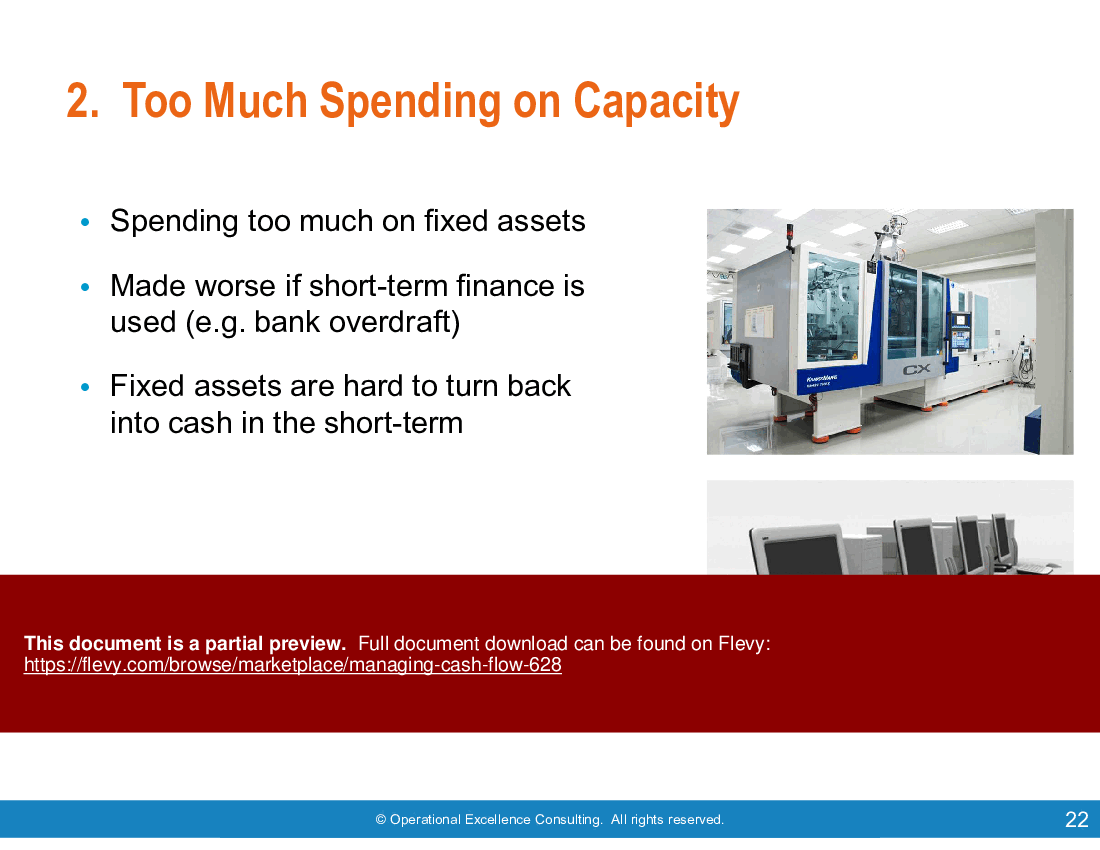
Internal factors, such as excess spending, inefficient operations, and poor credit control, can all contribute to cash flow problems. For example, investing too heavily in production capacity or holding excessive inventory can tie up cash and limit a business's ability to invest in other areas. Allowing customers too much credit or overtrading can also lead to cash flow problems, as can unexpected economic or business changes, such as a sudden drop in demand.
External factors, such as geopolitical events, natural disasters, and global economic trends, can also have a significant impact on cash flow. Recent events such as the Ukraine war, supply chain disruptions, and rising oil prices have highlighted the vulnerability of businesses to external events beyond their control. These events can cause fluctuations in currency exchange rates, increase transportation and production costs, and disrupt supply chains, all of which can negatively impact a business's cash flow.
Effective cash flow management involves monitoring both internal and external factors and implementing strategies to improve cash flow and prevent cash shortages.
To run your business effectively, you need to balance the timing and amount of your expenses with those of your income. This training presentation explains the various areas you need to consider when managing and improving cash flow in your business.
|||||||||||||||||||||||||||||||||||||||||||||||||||||||||||||||||||||||||||||||||||||||||||||||||||||||||||||||||||||||||||||||||||||||||||||||||||||
This training package includes:
1. Managing Cash Flow training presentation (PowerPoint format in 4:3 standard screen)
2. Cash Flow Forecast template (Excel format)
|||||||||||||||||||||||||||||||||||||||||||||||||||||||||||||||||||||||||||||||||||||||||||||||||||||||||||||||||||||||||||||||||||||||||||||||||||||
LEARNING OBJECTIVES
1. Explain what cash flow means.
2. Understand the cash flow cycle and importance of cash flow to a business.
3. Identify major causes of cash flow problems.
4. Define strategies to improve cash flow.
5. Gain knowledge on eliminating waste to improve cash flow.
6. Learn how to forecast cash flow.
CONTENTS
1. Introduction to Cash Flow
• Introduction
• How to measure cash
• What is cash flow?
• What are the cash inflows and outflows?
• Why is cash flow so important?
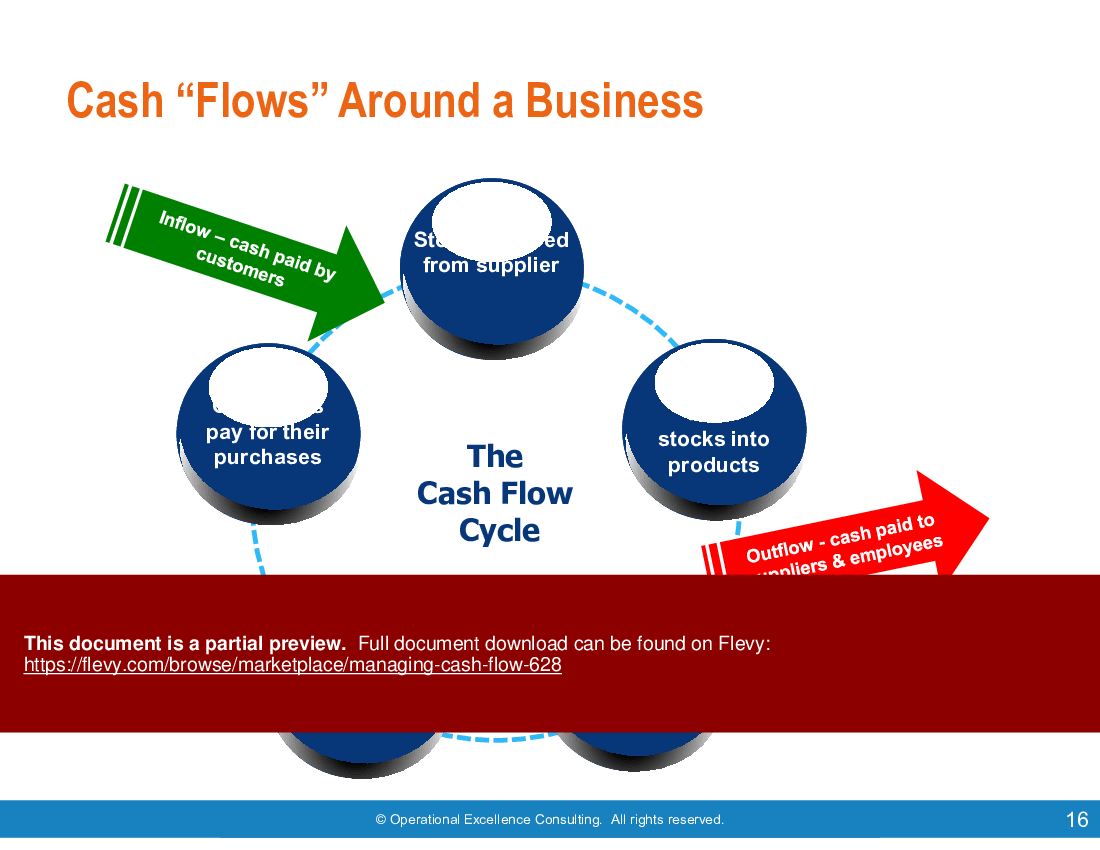
• Cash "flows" around a business
• Manage your income and expenditure
2. Causes of Cash Flow Problems
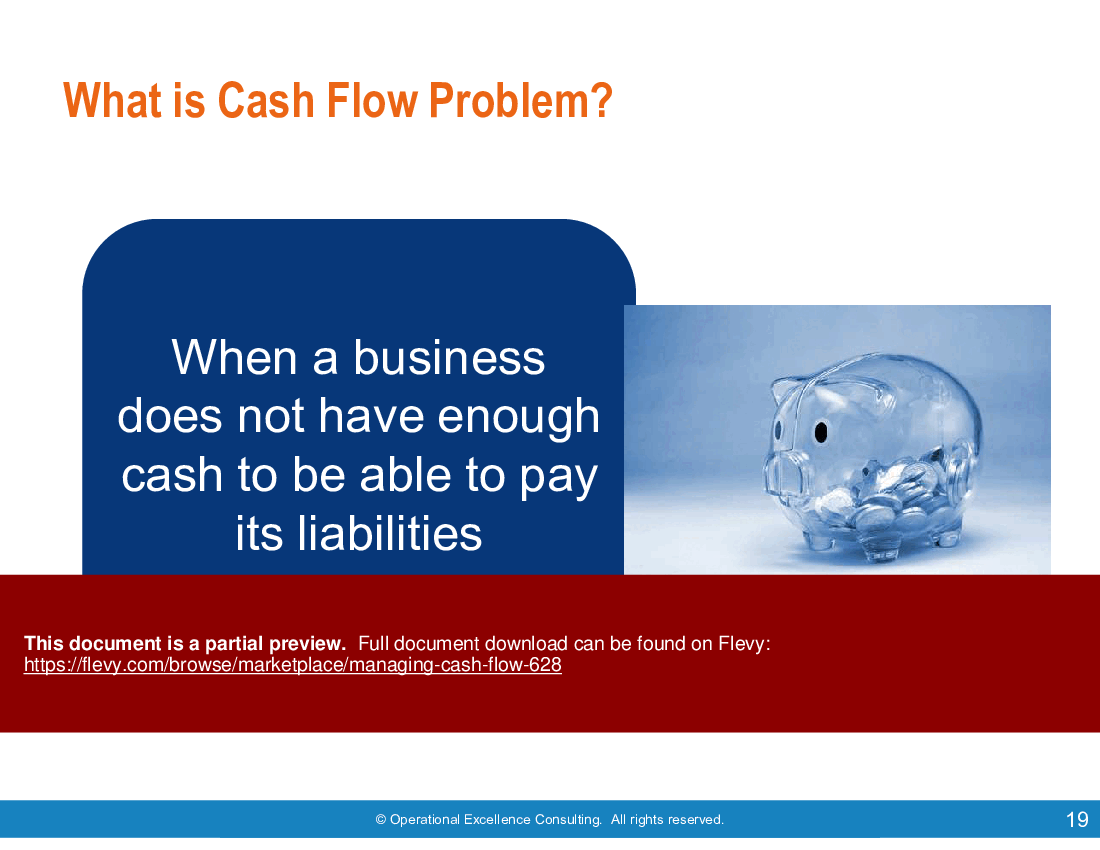
• What is cash flow problem?
• Main causes of cash flow problem
• Profit is the most important source of cash
• Too much spending on production capacity
• Too much inventory
• Allowing customers too much credit
• Overtrading
• Unexpected economic and business changes
• Seasonal demand
3. Strategies to Improve Cash Flow
• How to handle cash flow problems
• The importance of cash flow forecasting
• Managing working capital
• Improving working capital
• Managing debtors
• Debt financing
• Credit Control
• Trade Creditors
• Managing stocks
• Cash management
• Improving the cash position
• Price discounting
• Bank overdraft versus bank loan
• Sale of assets
• Sale and leaseback
• Checklist for improving cash flow
4. Improving Cash Flow through Waste Elimination
• The eight types of waste
• Waste elimination and cash flow
• Hard and soft savings
• The eight types of waste in a production system
• Overproduction
• Excess inventory
• Transportation
• Defects
• Over-processing
• Motion
• Waiting
• Intellectual waste
5. Cash Flow Forecasting
• Budget versus forecast
• Cash flow forecasts
• Elements of a cash flow forecast
• Example of cash flow forecast
• A 12-month cash flow forecast
• Creating and analyzing a cash flow forecast
This presentation delves into the nuances of measuring cash, including the importance of selecting the right bank accounts and managing negative cash flow. It also offers a comprehensive checklist for improving cash flow, covering credit management, financing, and waste elimination strategies.
Got a question about the product? Email us at support@flevy.com or ask the author directly by using the "Ask the Author a Question" form. If you cannot view the preview above this document description, go here to view the large preview instead.
Executive Summary
The "Managing Cash Flow" presentation is a vital resource for professionals seeking to enhance their understanding of cash flow management. Developed by Operational Excellence Consulting, this training deck provides insights into the cash flow cycle, the significance of cash flow for business sustainability, and actionable strategies for improvement. Users will learn to identify cash flow problems, forecast cash flow, and implement waste elimination techniques to optimize financial health. This presentation is essential for ensuring that businesses maintain liquidity and can meet their financial obligations effectively.
Who This Is For and When to Use
• Financial managers responsible for cash flow oversight
• Business owners looking to improve financial stability
• Consultants advising clients on financial management
• Operations managers focused on efficiency and cost reduction
Best-fit moments to use this deck:
• During financial planning sessions to establish cash flow strategies
• When addressing cash flow challenges or liquidity issues
• In training sessions aimed at enhancing financial literacy within teams
Learning Objectives
• Explain what cash flow means and its importance to business operations
• Understand the cash flow cycle and its impact on financial health
• Identify major causes of cash flow problems and their implications
• Define strategies to improve cash flow management
• Gain knowledge on eliminating waste to enhance cash flow
• Learn how to forecast cash flow effectively
Table of Contents
• Introduction to Cash Flow (page 6)
• Causes of Cash Flow Problems (page 19)
• Strategies to Improve Cash Flow (page 30)
• Improving Cash Flow through Waste Elimination (page 55)
• Cash Flow Forecasting (page 87)
Primary Topics Covered
• Introduction to Cash Flow - This section outlines the definition of cash flow, its components, and its critical role in business operations.
• Causes of Cash Flow Problems - Identifies factors leading to cash flow issues, including low profits, overtrading, and unexpected changes.
• Strategies to Improve Cash Flow - Discusses effective methods for managing cash flow, including forecasting and working capital management.
• Improving Cash Flow through Waste Elimination - Focuses on identifying and eliminating various types of waste that can negatively impact cash flow.
• Cash Flow Forecasting - Covers the importance of cash flow forecasting, its elements, and how to create and analyze forecasts for better financial planning.
Deliverables, Templates, and Tools
• Cash flow forecasting template for predicting cash inflows and outflows
• Checklist for identifying cash flow improvement measures
• Guidelines for effective credit control and debtor management
• Strategies for waste elimination in production processes
• Framework for assessing and managing working capital
Slide Highlights
• Overview of the cash flow cycle illustrating inflows and outflows
• Key causes of cash flow problems with actionable insights
• Strategies for improving cash flow with practical examples
• Checklist for improving cash flow management
• Visual representation of cash flow forecasting elements
Potential Workshop Agenda
Understanding Cash Flow Basics (60 minutes)
• Define cash flow and its significance to business
• Discuss the cash flow cycle and its components
Identifying Cash Flow Issues (45 minutes)
• Explore common causes of cash flow problems
• Analyze case studies of cash flow challenges
Strategies for Improvement (90 minutes)
• Review strategies to enhance cash flow
• Develop action plans for implementing improvements
Cash Flow Forecasting Techniques (60 minutes)
• Learn how to create effective cash flow forecasts
• Practice analyzing cash flow scenarios
Customization Guidance
• Tailor the cash flow forecasting template to reflect your business's specific financial cycles
• Adjust the checklist for improving cash flow to align with your operational context
• Incorporate company-specific examples in the training sessions for relevance
Secondary Topics Covered
• Importance of timely payments and collections
• Managing working capital effectively
• Ethical considerations in cash flow management
• Seasonal demand impacts on cash flow
FAQ
What is cash flow?
Cash flow refers to the movement of money into and out of a business, crucial for meeting financial obligations and sustaining operations.
Why is cash flow important?
Cash flow is vital for ensuring that a business can pay its expenses, invest in growth, and avoid insolvency.
What are common causes of cash flow problems?
Common causes include low profits, excessive inventory, overtrading, and allowing customers too much credit.
How can I improve cash flow?
Improving cash flow can be achieved through effective forecasting, managing working capital, and eliminating waste in processes.
What is cash flow forecasting?
Cash flow forecasting is the process of predicting future cash inflows and outflows to manage liquidity effectively.
How often should cash flow forecasts be updated?
Cash flow forecasts should be updated regularly, ideally on a monthly or weekly basis, to reflect current business conditions.
What tools can assist in cash flow management?
Tools such as accounting software, cash flow templates, and checklists can aid in managing and forecasting cash flow.
What is the difference between cash flow and profit?
Cash flow refers to the actual movement of cash, while profit is the difference between total revenue and expenses over a period.
How can waste elimination improve cash flow?
Eliminating waste reduces costs and improves efficiency, leading to better cash flow management and increased profitability.
Glossary
• Cash Flow - The total amount of money being transferred into and out of a business.
• Positive Cash Flow - When cash inflows exceed cash outflows.
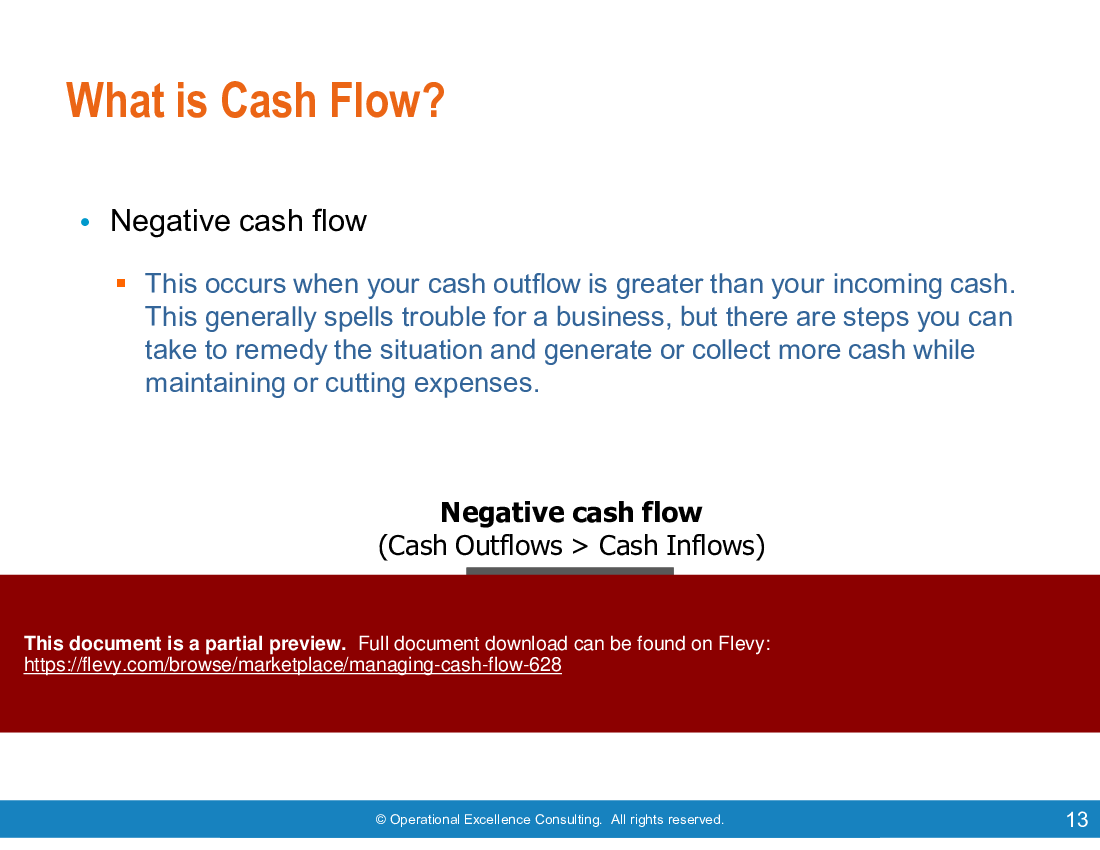
• Negative Cash Flow - When cash outflows exceed cash inflows.
• Working Capital - The difference between current assets and current liabilities.
• Forecast - A prediction of future financial conditions based on current data.
• Debtors - Customers who owe money to the business.
• Credit Control - The management of credit extended to customers.
• Inventory - Goods available for sale or use.
• Overtrading - Expanding a business too quickly without sufficient working capital.
• Waste Elimination - The process of reducing non-value-adding activities in business operations.
• Cash Budget - A plan that outlines expected cash inflows and outflows over a specific period.
• Factoring - Selling accounts receivable to a third party for immediate cash.
• Sale and Leaseback - Selling an asset and leasing it back to free up cash.
• Liquidity - The availability of liquid assets to a business.
• Seasonal Demand - Variations in demand for products based on the time of year.
• Profit Margin - The difference between revenue and costs, expressed as a percentage of revenue.

• Bank Overdraft - A facility allowing a business to withdraw more money than is available in its account.
• Equity Finance - Raising capital through the sale of shares.
• Cash Management - The process of collecting, managing, and investing cash.
• Financial Obligations - Legal commitments to pay debts or fulfill contracts.
Source: Best Practices in Cash Flow Management PowerPoint Slides: Managing Cash Flow PowerPoint (PPTX) Presentation Slide Deck, Operational Excellence Consulting
|
Receive our FREE Primer on Lean Management
This 32-page presentation from Operational Excellence Consulting explains the Lean Management philosophy, based on the Toyota Production System (TPS). Learn to eliminate waste. |