
This product (Corporate Strategy Design Consulting Report) is a 196-slide PPT PowerPoint presentation slide deck (PPT), which you can download immediately upon purchase.
This is a corporate strategy design final report for a European sanitary product manufacturer by a leading consulting firm. Team assessed client's market, competitive environment and potential risk and opportunities, then re-designed its strategy.
This report depicts the following analyses:
1. Macro business environment
2. Market analysis of sanitary system
3. Strategy evaluation
4. Sales & marketing baseline
5. Financial situation
6. Organization and process
7. Restructuring options
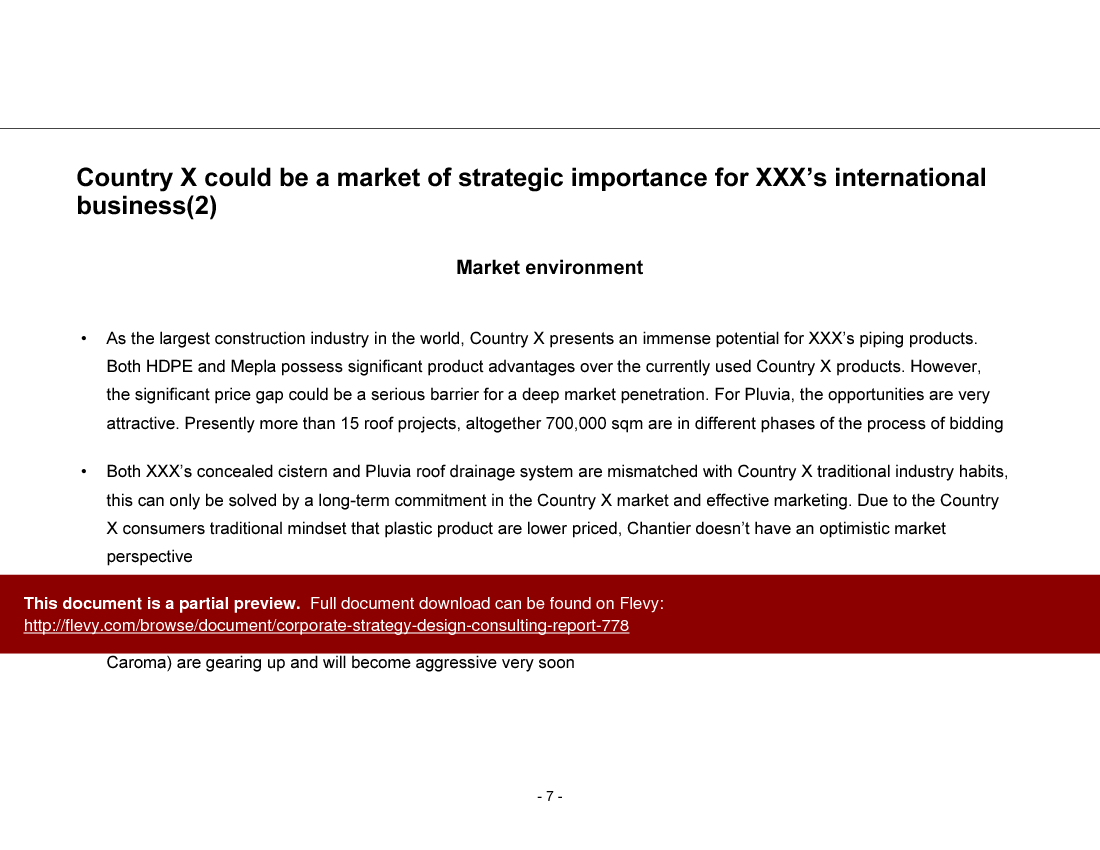
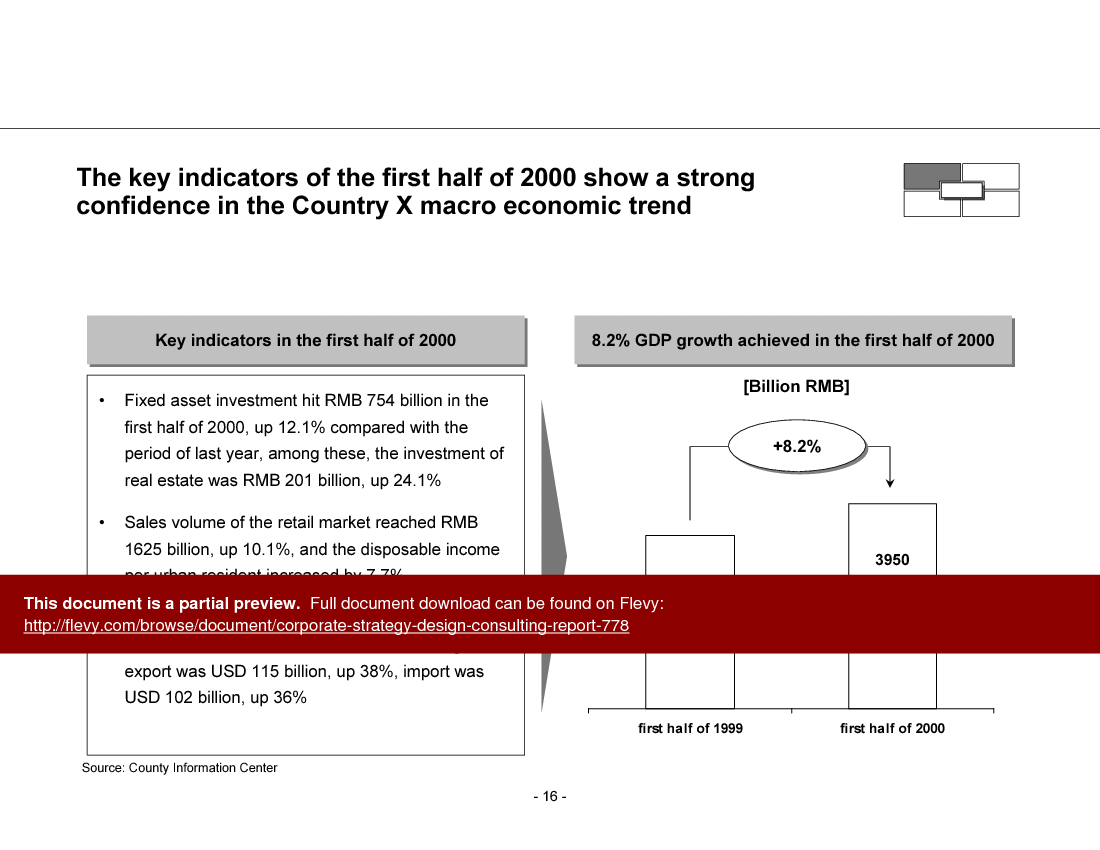
The report delves into the macroeconomic environment of Country X, highlighting key indicators such as fixed asset investment and GDP growth, which reflect strong economic trends. Country X's construction industry, being the largest globally, offers immense potential for XXX's piping products. However, the significant price gap between HDPE and Mepla products and local alternatives could pose a barrier to market penetration. The report suggests that long-term commitment and effective marketing strategies are essential to overcome these challenges.
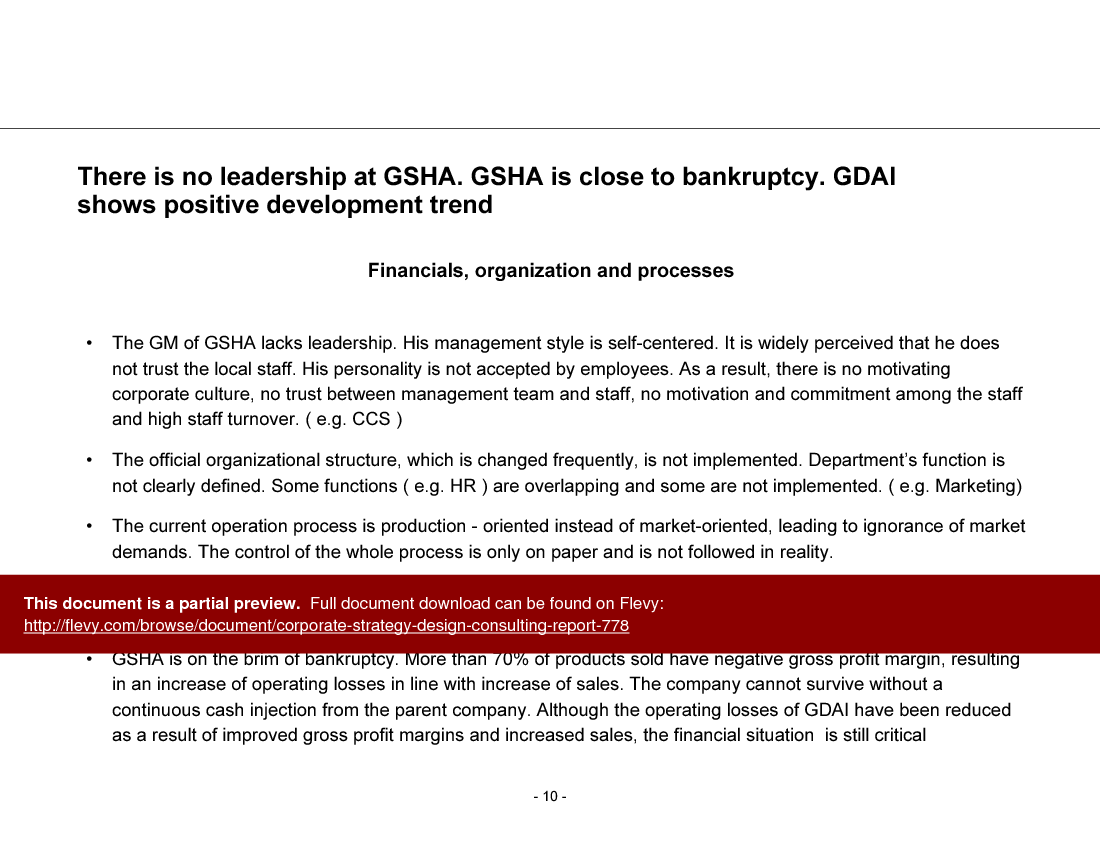
The financial section provides a detailed analysis of GSHA's precarious financial situation, with the company teetering on the brink of bankruptcy. The report outlines the lack of leadership and trust within the organization, leading to high staff turnover and low morale. It also highlights the inefficiencies in the current operational processes, which are production-oriented rather than market-oriented. This misalignment has resulted in a significant increase in operating losses, despite improvements in product mix.
The document also examines the organizational structure and process inefficiencies at GSHA. The frequent changes in organizational structure have not been effectively implemented, leading to overlapping functions and a lack of clear definition. The report emphasizes the need for a more market-oriented approach and better control over the entire process chain to improve efficiency and effectiveness. It also identifies the main problems in the process, including unsuitable process structure, inefficient process control, and the significant differences between document-based processes and real processes.
The restructuring options section explores various scenarios for foreign investment enterprises in Country X, including turnaround, equity structure restructuring, and withdrawal. The report provides a comparative analysis of these alternatives, considering factors such as cost, time, risk, and future integration. It concludes that bankruptcy should be the last resort for XXX, given the high costs, risks, and complexities involved. Instead, the report recommends focusing on equity structure restructuring to gain full control and ensure future success.
Got a question about the product? Email us at support@flevy.com or ask the author directly by using the "Ask the Author a Question" form. If you cannot view the preview above this document description, go here to view the large preview instead.
MARCUS OVERVIEW
This synopsis was written by Marcus [?] based on the analysis of the full 196-slide presentation.
Executive Summary
This Corporate Strategy Design Consulting Report presents an in-depth analysis of the market dynamics, financial health, and restructuring options for a European sanitary manufacturer operating in Country X. Crafted in a McKinsey, Bain, or BCG-quality format (consulting-grade; not affiliated), the report outlines actionable insights for executives aiming to penetrate and thrive in the promising yet challenging sanitary market. Buyers will gain clarity on market opportunities, strategic evaluations, and potential restructuring paths, enabling informed decision-making to achieve targeted revenue growth of RMB 200 million by 2005.
Who This Is For and When to Use
• Corporate executives seeking to understand market entry strategies in Country X.
• Integration leaders tasked with aligning corporate strategies with local market conditions.
• Consultants advising clients on market dynamics and financial restructuring.
• Sales and marketing teams focused on optimizing product positioning and distribution channels.
Best-fit moments to use this deck:
• During strategic planning sessions for market entry or expansion in Country X.
• When evaluating financial health and operational efficiency of existing operations.
• In discussions about potential restructuring options and their implications for business continuity.
Learning Objectives
• Define the macroeconomic environment and its implications for the sanitary market in Country X.
• Analyze market dynamics and identify key growth opportunities in the sanitary and piping systems.
• Evaluate corporate strategies and assess their effectiveness in achieving market penetration.
• Develop actionable sales and marketing strategies tailored to local consumer behavior.
• Identify financial restructuring options and their potential impact on operational success.
• Establish a framework for assessing the viability of equity buyouts versus termination or bankruptcy.
• Market Environment - An overview of the macroeconomic conditions in Country X, highlighting growth forecasts and market potential for sanitary products.
• Strategy Evaluation - A critical assessment of current corporate strategies, identifying gaps in execution and areas for improvement.
• Sales & Marketing - Insights into the effectiveness of existing sales channels and recommendations for enhancing market presence.
• Financial Analysis - A detailed examination of financial health, including liquidity issues and operational inefficiencies.
• Restructuring Options - An exploration of feasible restructuring strategies, including equity buyouts and termination scenarios.
Deliverables, Templates, and Tools
• Market analysis framework template for assessing macroeconomic conditions.
• Strategy evaluation matrix for comparing current corporate strategies against market opportunities.
• Sales and marketing action plan template to guide distribution channel development.
• Financial health assessment tool for evaluating liquidity and operational efficiency.
• Restructuring options decision matrix to facilitate informed decision-making.
Slide Highlights
• Management Summary slide outlining key market opportunities and strategic goals.
• Market Environment slide detailing macroeconomic growth forecasts and consumer behavior trends.
• Strategy Evaluation slide presenting a comparative analysis of corporate strategies.
• Financial Analysis slide illustrating liquidity challenges and operational inefficiencies.
• Restructuring Options slide summarizing potential paths forward, including equity buyouts and termination.
Potential Workshop Agenda
Market Dynamics Overview (60 minutes)
• Review macroeconomic conditions and market potential for sanitary products.
• Discuss implications for strategic planning and market entry.
Strategy Evaluation Session (90 minutes)
• Analyze current corporate strategies and identify gaps.
• Develop recommendations for enhancing market penetration.
Financial Health Assessment (60 minutes)
• Evaluate financial health and operational efficiency.
• Discuss potential restructuring options and their implications.
Customization Guidance
• Tailor the market analysis framework to reflect specific regional conditions and consumer preferences.
• Adjust the strategy evaluation matrix to align with corporate objectives and operational capabilities.
• Modify the sales and marketing action plan to incorporate local distribution channels and partnerships.
Secondary Topics Covered
• Consumer behavior trends in the sanitary market.
• Competitive landscape analysis of key players in Country X.
• Regulatory considerations impacting market entry and operations.
• Best practices for establishing effective sales and marketing strategies.
FAQ
What are the key growth opportunities in Country X's sanitary market?
The sanitary market in Country X is projected to grow at 6-8% annually, driven by increased housing construction and a shift towards medium to high-end products.
What challenges does XXX face in penetrating the Country X market?
Challenges include a lack of brand recognition, competition from established players, and cultural differences in consumer preferences.
How can XXX improve its sales and marketing effectiveness?
By developing a clear retail network strategy, enhancing distributor relationships, and implementing targeted marketing campaigns.
What are the financial implications of restructuring options?
Equity buyouts may provide greater control and integration, while termination or bankruptcy could lead to significant financial losses and operational disruptions.
How does the macroeconomic environment affect XXX's strategy?
The positive growth forecast for GDP and fixed asset investment in Country X presents a favorable backdrop for market entry and expansion.
What is the significance of the medium to high-end segment in the sanitary market?
This segment is expected to grow from 20% to 35% by 2005, indicating a shift in consumer preferences towards higher quality products.
What role does government policy play in the sanitary market?
Government initiatives to promote environmental sustainability and improve industry standards can create opportunities for innovative products.
How can XXX leverage its European technology in Country X?
By emphasizing advanced technology and superior quality in marketing efforts, XXX can differentiate itself from local competitors.
Glossary
• Country X - A rapidly developing market in Asia with significant growth potential for sanitary products.
• Equity Buyout - A strategy involving the purchase of a partner's equity to gain full control over operations.
• Market Penetration - The process of entering and establishing a presence in a new market.
• Liquidity Crisis - A financial situation where a company cannot meet its short-term obligations.
• Sales Channel - The method through which products are sold to consumers, including retail and project sales.
• Strategic Evaluation - The process of assessing the effectiveness of corporate strategies in achieving business objectives.
• Consumer Behavior - The study of how individuals make decisions to spend their resources on consumption-related items.
• Regulatory Considerations - Legal and policy factors that impact business operations and market entry strategies.
• Market Dynamics - The forces that impact the supply and demand of products in a market.
• Piping System - Infrastructure used for the distribution of water and drainage in construction projects.
• Sanitary Products - Items used in bathrooms and plumbing systems, including toilets, sinks, and fittings.
• Turnaround Strategy - A plan to improve a company's financial performance and operational efficiency.
• Brand Recognition - The extent to which consumers can identify a brand by its attributes.
• Market Share - The portion of a market controlled by a particular company or product.
• Operational Efficiency - The ability of a company to deliver products or services in the most cost-effective manner without compromising quality.
• High-End Segment - A market category focused on premium products with higher price points.
• Consumer Value - The perceived benefits that a consumer receives from a product relative to its cost.
• Product Differentiation - The process of distinguishing a product from others in the market to attract a specific target audience.
• Market Research - The process of gathering, analyzing, and interpreting information about a market.
• Sales Performance - The effectiveness of a company's sales strategies and efforts in generating revenue.
• Customer Satisfaction - A measure of how products and services meet or exceed customer expectations.
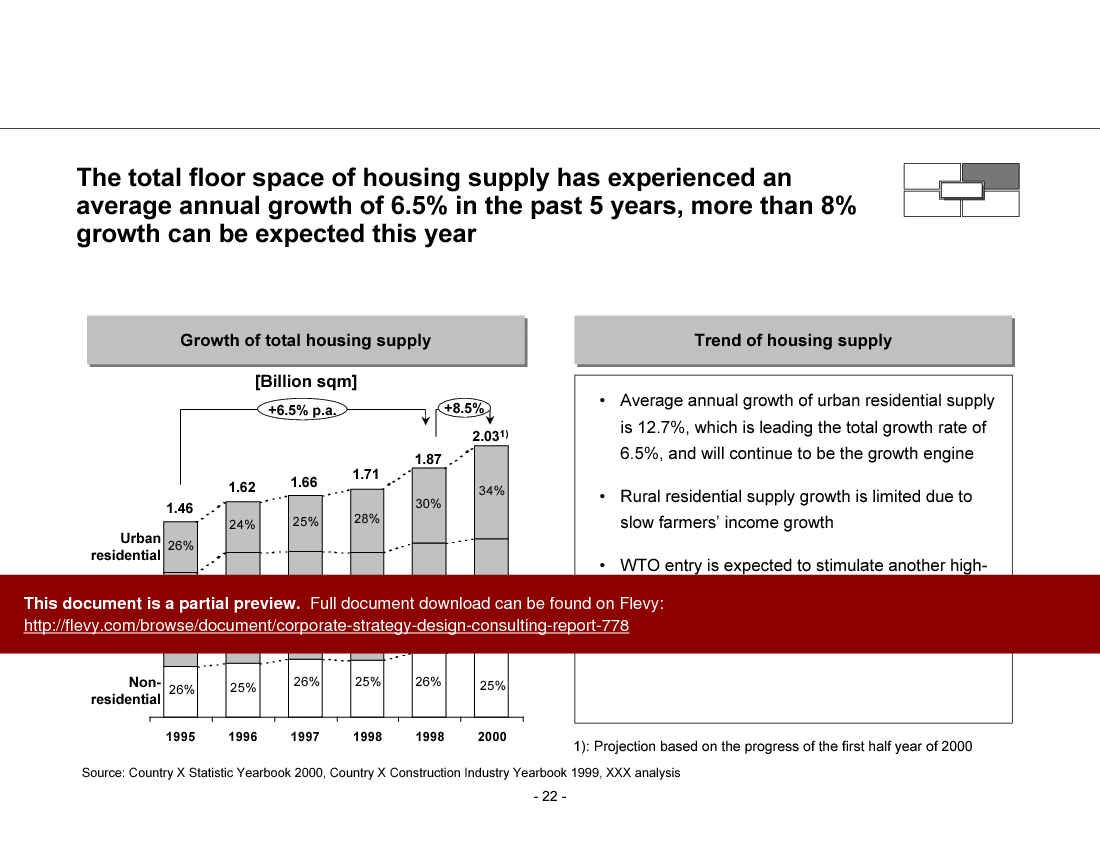
The slide focuses on growth prospects in the residential housing and renovation markets within the sanitary market. The overall sanitary market is projected to grow at 6-8% annually over the next 5 years. The residential housing sector is expected to develop at an annual growth rate of 7-8%, with urban residential housing increasing from 450 million square meters in 1998 to 550 million square meters between 2000 and 2005. Urbanization is predicted to rise by 2.6% annually over the next 15 years, driving demand for sanitary products. The bathroom renovation market is anticipated to grow at 5% annually, with 60-70 million outdated toilet sets in Country X presenting significant opportunities for upgrades. This highlights the interconnectedness of residential development and renovation needs within the sanitary market.
This slide analyzes 2 organizational structures for sales and marketing within XXX: a centralized model and a fragmented approach. The centralized model integrates sales and marketing, illustrated by a diagram of 3 manufacturing plants in Foshan, Shanghai, and Beijing, each dedicated to specific product lines: ceramics, bathtubs, and faucets. The XXX Country X sales and marketing company in Shanghai serves as a central hub. In contrast, the fragmented approach divides sales and marketing functions into separate components, represented by GSHA, CCS, and GDAI, leading to a lack of synergy in purchasing, production, and customer delivery. The central customer service center (CCSC) focuses on pricing, order processing, and after-sales service. The analysis indicates that while a centralized approach enhances integration and efficiency, a divided structure may impede operational effectiveness and customer engagement.
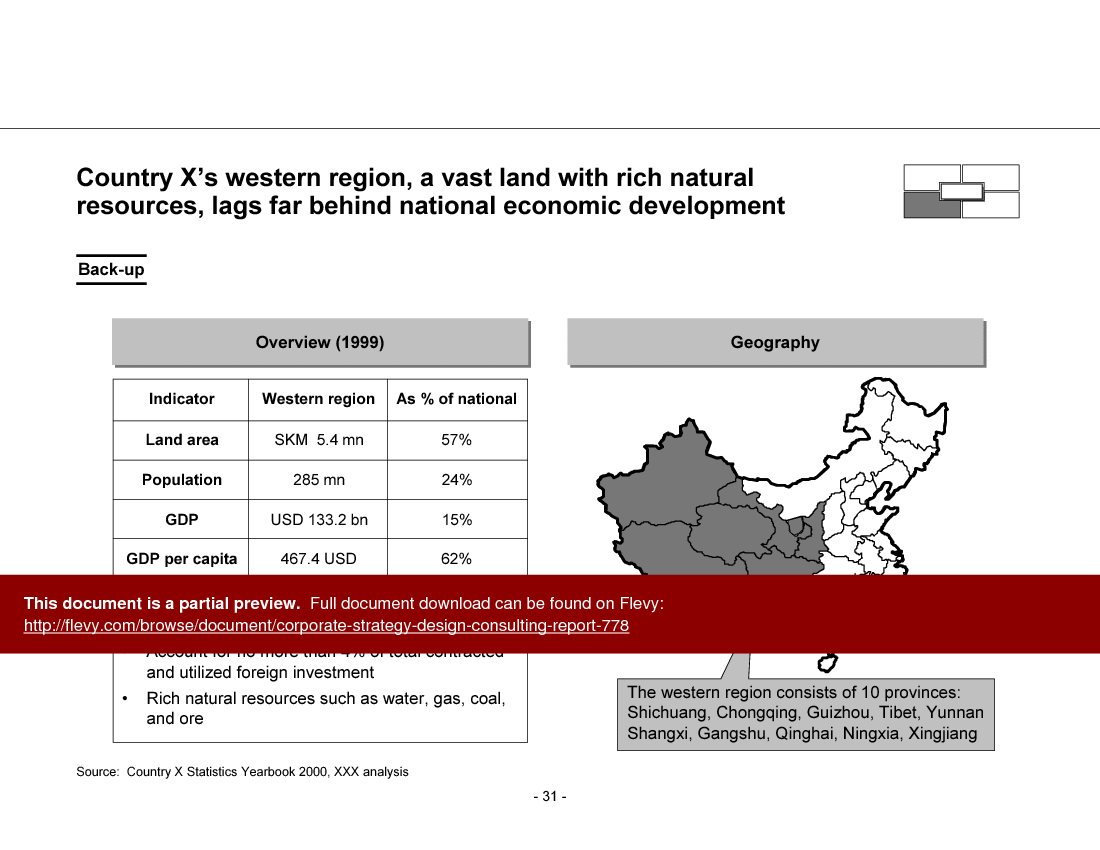
This slide provides an overview of Country X's western region, highlighting its significant natural resources and lagging economic development as of 1999. The land area is 5.4 million square kilometers (57% of the national total), with a population of 285 million (24% of the country). The GDP is USD 133.2 billion (15% of national GDP), and GDP per capita is USD 467.4 (62% of the national average). Income per capita is USD 406 (60% of the national figure). The region accounts for only 4% of total contracted foreign investment, indicating limited external economic engagement. Despite abundant resources like water, gas, and coal, economic development remains underutilized. The geographical map illustrates the region's ten provinces, reinforcing the potential for growth despite current challenges.
The project sales process for XXX is structured into 4 phases:
Phase I, "Project initiation," focuses on obtaining governmental approval and setting project conditions, with the project owner and developer ensuring necessary approvals are secured.
Phase II, "Project design," involves a bidding process run by the design institute to create detailed engineering drawings, including the waste drainage and roof drainage systems, emphasizing collaboration among the project owner, developer, and design institute.
Phase III, "Project construction/installation/decoration," engages construction companies through bidding, with the winning contractor responsible for construction and a decoration company handling finishing touches, highlighting the importance of selecting qualified contractors.
Phase IV, "Project completion and ongoing," indicates that a qualification license is issued post-approval, shifting focus to ongoing maintenance and after-sales services, which are critical for long-term project success and continuous stakeholder engagement.
The slide outlines the company's financial liabilities, all of which are short-term and projected to quadruple by July 2000, constituting 75% of total assets. Initially, liabilities were 13.4% of total assets, escalating to 46.4%, marking a 522% increase and indicating rapid deterioration in financial health. The final projection estimates liabilities at 25,352 RMB '000. This rapid rise in short-term liabilities raises concerns about liquidity and cash flow, potentially impacting investment decisions and overall company valuation. Addressing the causes of this liability growth is essential for mitigating risks associated with high short-term debt and ensuring operational stability and long-term growth.
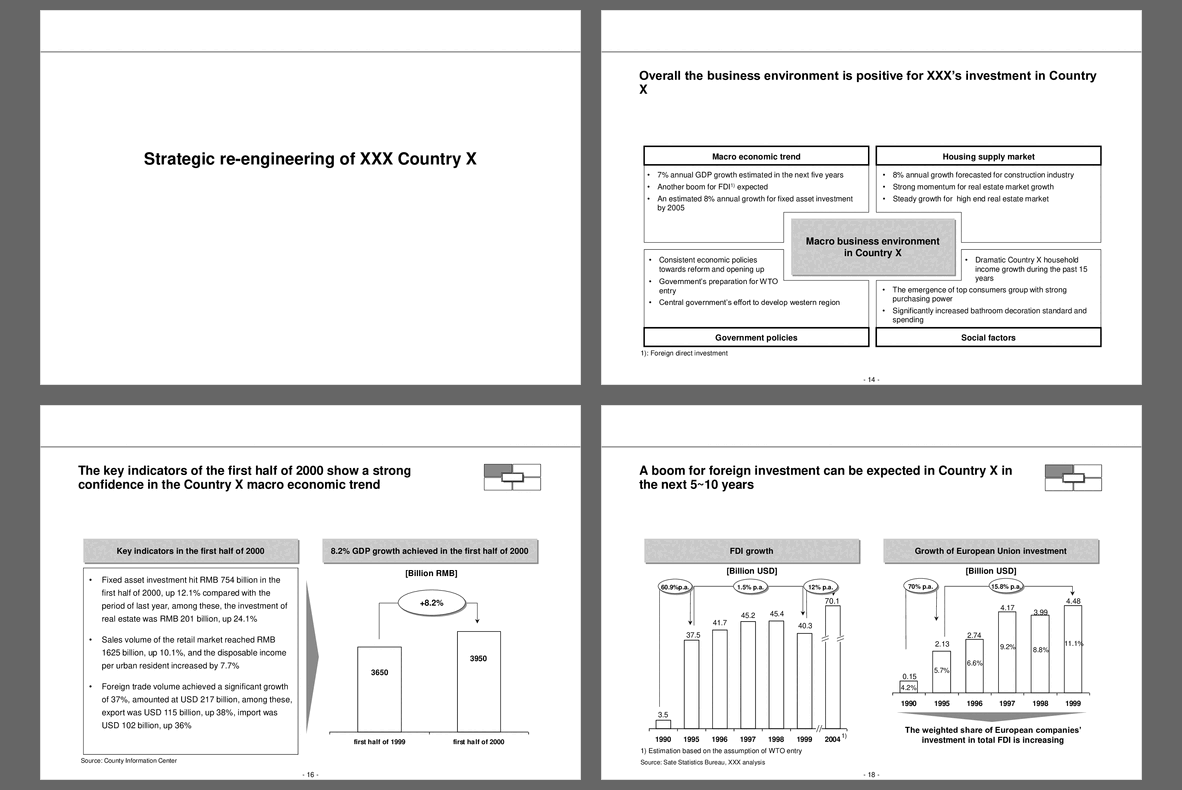
The slide analyzes the business environment in Country X, highlighting favorable investment conditions. Key macroeconomic trends include a projected 7% annual GDP growth over the next 5 years and an anticipated boom in foreign direct investment (FDI), indicating increased capital influx. An 8% annual growth in fixed asset investment by 2005 reflects confidence in infrastructure. Consistent economic policies and preparations for World Trade Organization (WTO) entry contribute to a stable investment climate. In the housing supply market, an 8% annual growth forecast for construction indicates strong demand, particularly in the high-end real estate segment. A significant increase in household income over the past 15 years has created a top consumer group with substantial purchasing power, driving opportunities in the luxury market and home improvement sectors.
The slide analyzes a company's liquidity, revealing that current liabilities have surged by 522% compared to a 37% increase in current assets. This trend indicates a declining current ratio, from 2.82 in 1998 to 0.62 in 2000, suggesting increased reliance on external cash for operational expenses rather than asset growth. Such a trajectory poses risks of financial distress. Additionally, cash from the parent company is primarily used for running expenses, highlighting potential operational inefficiencies. Stakeholders must recognize that without corrective measures, the company’s long-term viability is at risk. This data serves as a critical prompt for management to reassess financial strategies and operational practices to restore balance and ensure sustainability.
The slide provides an overview of demand for medium to high-end tank fittings in the sanitary ceramic manufacturing sector, based on 1999 data. Approximately 20 leading manufacturers require around 2 million sets annually, with American Standard demanding 270,000 sets and TOTO 230,000. Other manufacturers, including XXX, HCG, Swell, and Altima, have demands ranging from 80,000 to 160,000 sets. This concentration of demand suggests implications for supply chain strategies and pricing. Additionally, target OEM customers for XXX’s tank fittings include INAX, Imperial, Dynasty, and Roca, indicating potential collaboration or competition in the market.
This slide outlines strategic initiatives of Country X's government for sustainable economic growth across 4 key areas: Market Reform, Open-up, Domestic Market Demand Driven, and Western Region Development. Market Reform focuses on State-Owned Enterprise (SOE) reform, essential for long-term viability, despite potential short-term workforce reductions. The Open-up strategy aims for market liberalization in preparation for World Trade Organization (WTO) entry, attracting foreign investment and enhancing exports. Domestic Market Demand Driven emphasizes infrastructure investment and favorable real estate policies to stimulate local economic activity. Western Region Development addresses economic disparities, targeting initiatives to boost domestic demand in less developed regions. Each element is interconnected, requiring coordinated efforts for successful implementation.
This slide presents a comparative analysis of annual per capita disposable income and consumption of urban residents in Country X over 15 years. Annual per capita disposable income increased from 739.1 RMB in 1999 to 5854.0 RMB, with a notable growth rate of 22% at certain points. This growth suggests improved financial capacity linked to economic reforms. Concurrently, annual per capita consumption rose from 802 RMB to 6750 RMB, also reflecting a consistent 22% annual increase. This indicates that rising disposable income correlates with evolving consumption patterns, highlighting a shift in consumer behavior and increased demand for goods and services. The data underscores a growing consumer base with enhanced purchasing power, relevant for market entry or investment decisions.
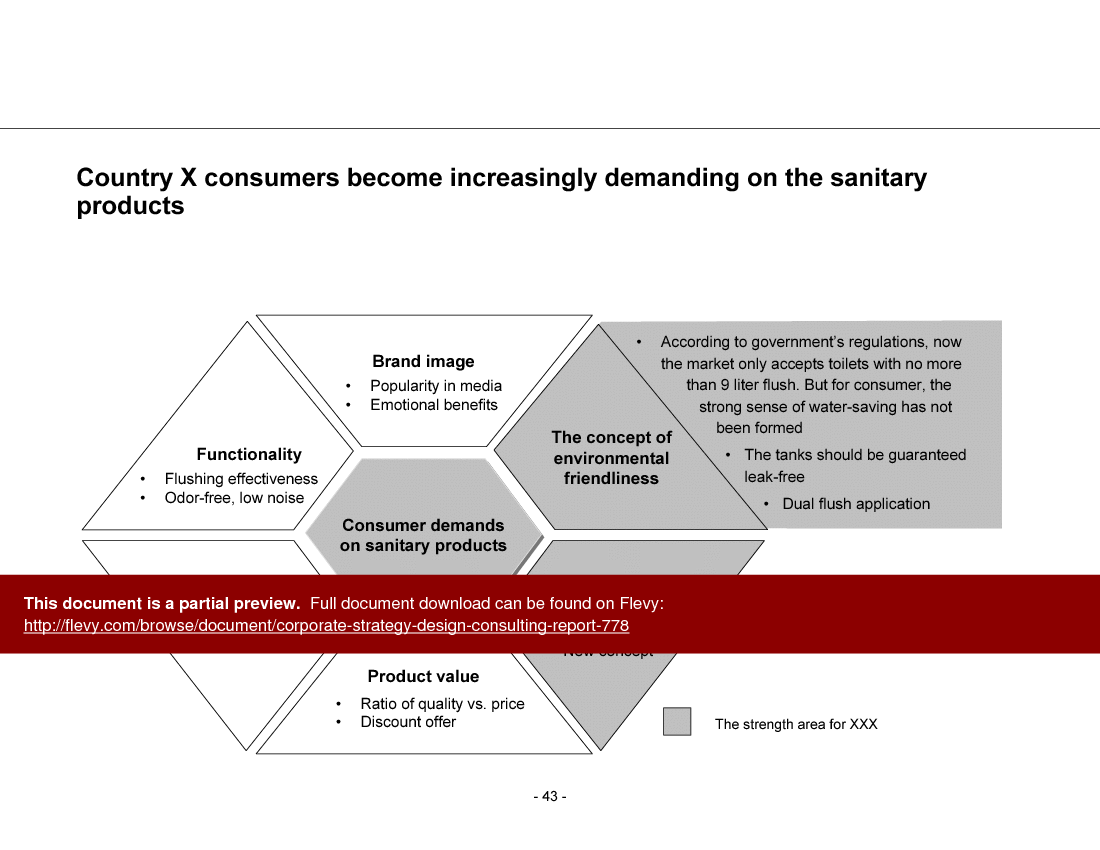
Consumer demands for sanitary products in Country X are evolving, influenced by key factors. Functionality is paramount, with effective flushing, odor-free operation, and low noise levels critical for consumer satisfaction. Brand image significantly impacts purchasing decisions, driven by media popularity and emotional benefits. Environmental friendliness is essential, with regulations mandating a maximum flush capacity of 9 liters. Consumers expect leak-free products and dual flush mechanisms, reflecting a growing sustainability consciousness. After-sales service, including warranty and maintenance, indicates a preference for long-term support and reliability. Product value, defined as quality-to-price ratio, is vital for cost-effective solutions. Additionally, aesthetic appeal and innovative design are increasingly important, as consumers seek products that enhance their living spaces. Manufacturers must adapt to these evolving expectations to remain competitive.
This slide presents a comparative analysis of 2 roof drainage systems: the traditional gravity-driven system and the Pluvia siphonic roof drainage system in Country X. The gravity-driven system relies on gravity for drainage, commonly used by architects,, but has drawbacks such as low efficiency during heavy rainfall and design complexity for large-scale roofs, increasing construction workload. In contrast, the Pluvia system offers superior rainwater drainage functionality with horizontal collection piping, eliminating the need for roof declination. This simplifies installation, reduces material usage, and lowers labor costs, resulting in faster project timelines. The Pluvia system is positioned as a more favorable option for large-scale buildings compared to traditional methods.
The slide outlines challenges of implementing a differentiation strategy in Country X for XXX Europe, focusing on pillars such as premium technology, innovation, quality, customer service, and brand reputation. A SWOT-like analysis reveals strengths, including advanced technology and reliable quality, which provide a foundation for success. However, weaknesses like unsatisfactory customer service and low brand awareness threaten market recognition of premium offerings. This juxtaposition indicates that while technology and quality are strengths, the strategy may fail without improvements in customer service and brand visibility. A tailored approach for Country X is necessary, differing from the European differentiation strategy, to effectively meet local market conditions.
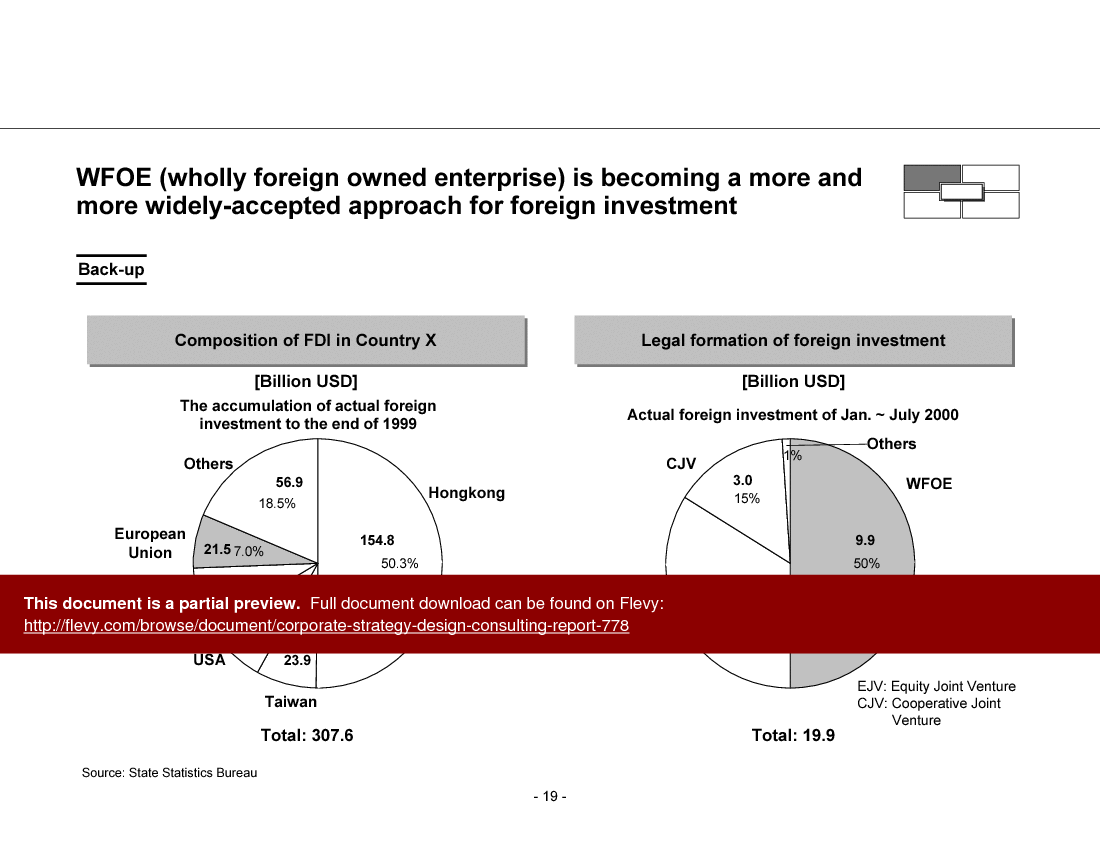
This slide presents an overview of anticipated foreign direct investment (FDI) growth in Country X over the next 5 to 10 years, alongside European Union investment trends. FDI is projected to increase from $3.5 billion to $70.1 billion, with an initial annual growth rate of 60.9%, followed by more moderate rates of 1.5% and 12%. European Union investment, starting at $0.15 billion in 1990 and rising to $4.48 billion by 1999, reflects an early annual growth rate of 70%, tapering to 15.8% later. The contrasting growth rates indicate strong potential for attracting foreign investment, particularly from European sources, highlighting the evolving investment climate and opportunities in Country X.
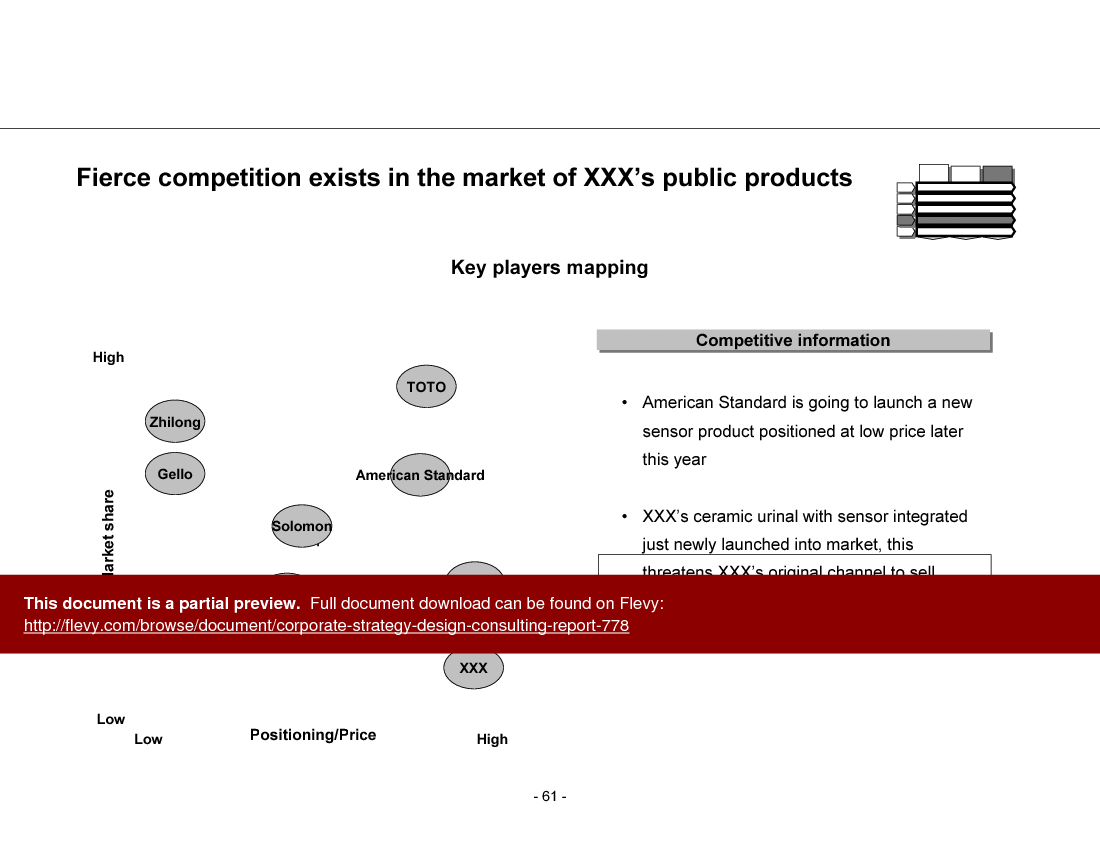
This slide presents a competitive analysis of Chantier in the exposed flushing tank market, positioning it against ceramic providers like American Standard, TOTO, and Caroma within a matrix measuring market share and competitiveness. Chantier occupies a lower market share quadrant, indicating challenges in competing with established brands in the sanitary market. The analysis highlights that Chantier does not compete with low-end plastic tank manufacturers, suggesting a strategic focus on higher-quality ceramic products aimed at discerning customers who prioritize durability and aesthetics. This positioning informs potential investment and strategic partnership decisions in the sanitary ware sector.
This slide outlines projected construction projects in Country X over the next 5 years, estimating over 100 projects annually, each exceeding 10,000 square meters in roof area. Key categories include airports, stadiums, and large-scale plants, with expectations for more than 25 airports and over 50 stadiums, indicating significant investment in transportation and sports infrastructure. The mention of WTO entry suggests increased foreign direct investment, potentially leading to large-scale manufacturing plants. A regional breakdown shows 40 projects in the South, 35 in the North, and 25 in the Central region, providing insights for resource allocation and strategic planning in the construction sector.
Key economic indicators for the first half of 2000 in Country X reveal a robust macroeconomic environment. Fixed asset investment reached RMB 754 billion, a 12.1% increase year-over-year. Real estate investment surged by 24.1%, reflecting strong sector confidence. Retail sales volume hit RMB 1625 billion, a 10.1% rise, while disposable income per urban resident increased by 7.7%, enhancing consumer spending capacity. Foreign trade exhibited a 37% growth in trade volume, totaling USD 217 billion, with exports rising by 38% and imports by 36%, indicating a healthy trade balance. GDP growth for the same period was 8.2%, underscoring economic vitality. These indicators suggest favorable business opportunities and investment potential in Country X.
This slide analyzes core competencies between XXX Europe and XXX Country X. XXX Europe demonstrates advanced technology, superior quality, customer-centric pre and after-sales services, strong technical support, and a solid brand reputation. In contrast, Country X shows high technology, but lacks depth, quality that falls short of European standards, underdeveloped pre and after-sales services, poor technical support, and an unestablished brand presence. The analysis reveals that knowledge transfer has been ineffective, highlighting critical gaps that must be addressed for XXX to improve operations and market positioning in Country X.
This slide presents a market segmentation analysis for XXX’s sanitary products, focusing on high-end, medium, and low-end segments. It details market size in millions of units for product categories, including concealed cisterns, exposed plastic tanks, tank fittings, urinal flushing systems, public faucets, and traps, with market share percentages across segments. Concealed cisterns and exposed plastic tanks hold a 10% share in the high-end segment, while the low-end captures 85%. The accessible market for concealed cisterns is only 5% of the high-end segment, indicating limited positioning to capitalize on low-end demand. The competitiveness column categorizes market entry difficulty, highlighting opportunities for XXX in lower segments while emphasizing the focus on high-end offerings.
Source: Best Practices in Strategic Plan Example PowerPoint Slides: Corporate Strategy Design Consulting Report PowerPoint (PPT) Presentation Slide Deck, Documents & Files
The average daily rate of a McKinsey consultant is $6,625 (not including expenses). The average price of a Flevy document is $65.
Trusted by over 10,000+ Client Organizations
Since 2012, we have provided best practices to over 10,000 businesses and organizations of all sizes, from startups and small businesses to the Fortune 100, in over 130 countries.

"As a young consulting firm, requests for input from clients vary and it's sometimes impossible to provide expert solutions across a broad spectrum of requirements. That was before I discovered Flevy.com.
Through subscription to this invaluable site of a plethora of topics that are key and crucial to consulting, I
have been able to exceed expectations and deliver quality advice and solutions to my clients. The quality and expertise of the authors are exemplary and gives me great confidence to use as part of my service offerings.
I highly recommend this company for any consultant wanting to apply international best practice standards in their service offerings.
"
– Nishi Singh, Strategist and MD at NSP Consultants
"[Flevy] produces some great work that has been/continues to be of immense help not only to myself, but as I seek to provide professional services to my clients, it gives me a large "tool box" of resources that are critical to provide them with the quality of service and outcomes they are expecting."
– Royston Knowles, Executive with 50+ Years of Board Level Experience
"Flevy is our 'go to' resource for management material, at an affordable cost. The Flevy library is comprehensive and the content deep, and typically provides a great foundation for us to further develop and tailor our own service offer."
– Chris McCann, Founder at Resilient.World
"I have used FlevyPro for several business applications. It is a great complement to working with expensive consultants. The quality and effectiveness of the tools are of the highest standards."
– Moritz Bernhoerster, Global Sourcing Director at Fortune 500
"I have found Flevy to be an amazing resource and library of useful presentations for lean sigma, change management and so many other topics. This has reduced the time I need to spend on preparing for my performance consultation. The library is easily accessible and updates are regularly provided. A wealth of great information."
– Cynthia Howard RN, PhD, Executive Coach at Ei Leadership
"I have used Flevy services for a number of years and have never, ever been disappointed. As a matter of fact, David and his team continue, time after time, to impress me with their willingness to assist and in the real sense of the word. I have concluded in fact
that it is not at all just a repository of documents/resources but, in the way that David and his team manage the firm, it is like dealing with consultants always ready to assist, advise and direct you to what you really need, and they always get it right.
I am an international hospitality accomplished senior executive who has worked and lived during the past 35 years in 23 countries in 5 continents and I can humbly say that I know what customer service is, trust me.
Aside from the great and professional service that Flevy's team provide, their wide variety of material is of utmost great quality, professionally put together and most current.
Well done Flevy, keep up the great work and I look forward to continue working with you in the future and to recommend you to a variety of colleagues around the world.
"
– Roberto Pelliccia, Senior Executive in International Hospitality
"I am extremely grateful for the proactiveness and eagerness to help and I would gladly recommend the Flevy team if you are looking for data and toolkits to help you work through business solutions."
– Trevor Booth, Partner, Fast Forward Consulting
"Last Sunday morning, I was diligently working on an important presentation for a client and found myself in need of additional content and suitable templates for various types of graphics. Flevy.com proved to be a treasure trove for both content and design at a reasonable price, considering the time I
saved. I encountered a download issue during the ordering process. However, a quick email to Flevy's support team, even on a Sunday (!!!), resulted in assistance within less than an hour, allowing me to download the content I needed. Fantastic job, Flevy! I give 5 stars for both content/price and customer service. Thank you!
"
– M. E., Chief Commercial Officer, International Logistics Service Provider
Download our free compilation of 50+ Strategy & Transformation slides and templates. Frameworks include McKinsey 7-S, Balanced Scorecard, Disruptive Innovation, BCG Curve, and many more.