
Uncover the structured problem-solving engine behind Lean's A3 approach. This presentation delivers a complete, step-by-step A3 Problem Solving system built for execution—compiling essential tools, techniques, and templates to tackle real operational challenges. It's designed to go beyond theory and equip practitioners to diagnose, act, and sustain improvement with discipline.

Use this deck to guide teams through the full A3 process: defining themes, analyzing root causes, designing countermeasures, verifying results, and following up. It's ideal for improvement projects, technical training, and operational execution across functions.
||||||||||||||||||||||||||||||||||||||||||||||||||||||||||||||||||||||||||||||||||||||||||||||||||||||||||||||||||||||||||||||||||||||||||||||||||||||
Included in this package:
1. Editable A3 Problem Solving PPT presentation
2. A3 Report templates (PowerPoint + Word)
3. A3 poster formats (PDF – color, monochrome, printable in A3)
||||||||||||||||||||||||||||||||||||||||||||||||||||||||||||||||||||||||||||||||||||||||||||||||||||||||||||||||||||||||||||||||||||||||||||||||||||||
LEARNING OBJECTIVES
1. Understand the core A3 problem-solving methodology and its role in continuous improvement
2. Navigate the A3 process – from theme selection through goal setting, root cause analysis, solution design, checking, and follow-up
3. Apply key analytical tools (Pareto, 5 Whys, Fishbone, control charts, etc.) for evidence-based diagnosis
4. Develop and communicate robust countermeasures aligned to root causes
5. Create polished A3 reports and presentations that clearly convey problem logic and results
CONTENTS
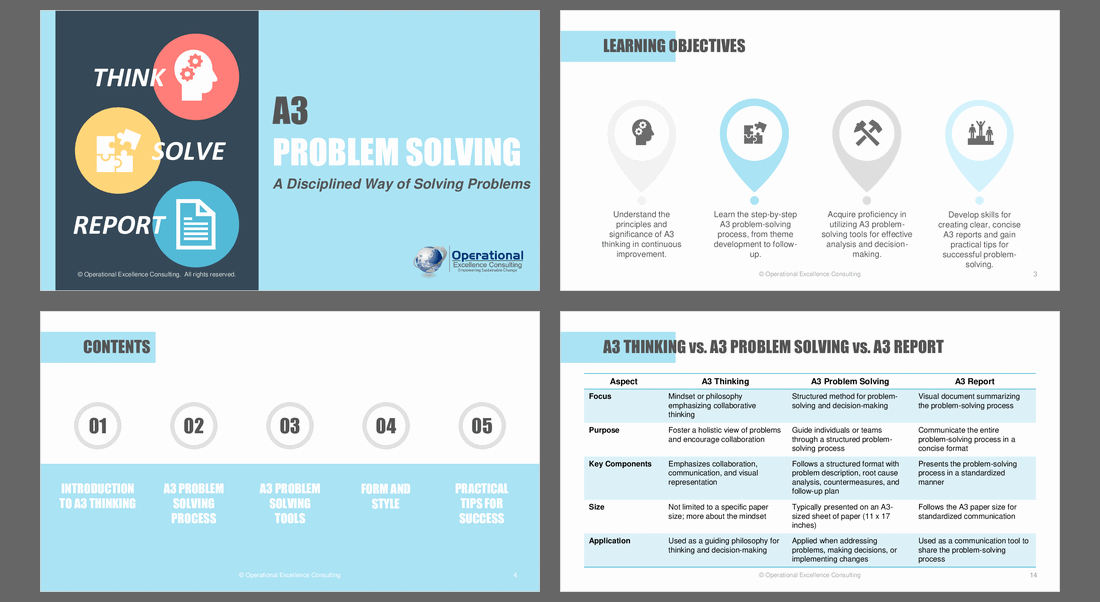
1. Introduction to A3 Thinking
• Core ideas, concept vs. report, and problem-solving lineage
• When and how to apply A3 reports
• Types of A3s (project, status, proposal, etc.)
2. A3 Problem Solving Process
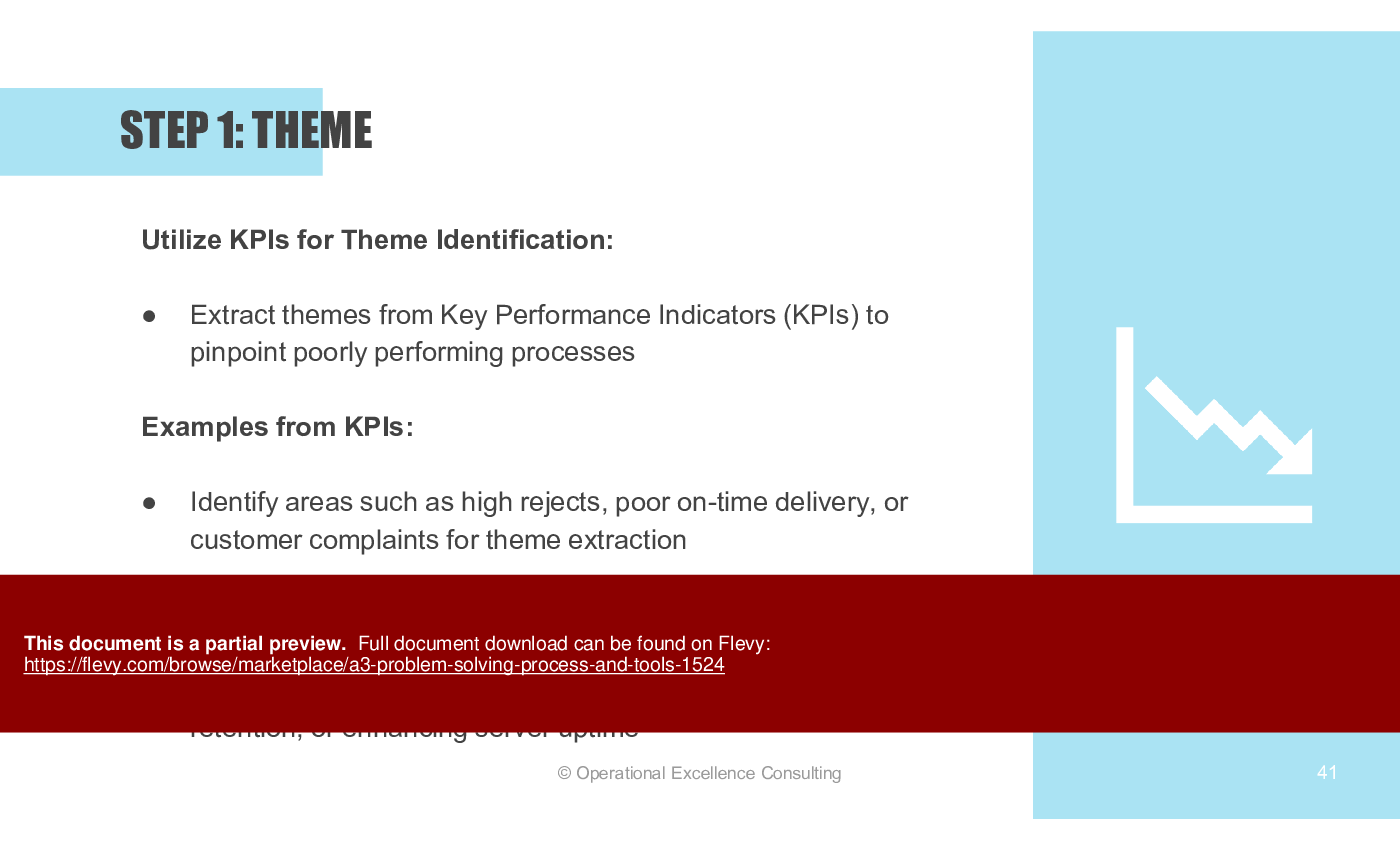
• All eight steps: Theme → Background → Current Condition → Goal → Root Causes → Countermeasures → Check/Effect → Follow-Up
3. A3 Tools for Analysis & Decision Making
• Stratification & check sheets
• Pareto analysis & histograms
• 5 Whys & Cause & Effect diagrams
• Scatter & control charts
• Tree & relations diagrams
4. Form & Style
• Storytelling in A3 format
• Audience adaptation and readability
• Review practices in Toyota
• Common pitfalls and design mistakes
5. Practical Tips for Success
• Real-world tactics for success
• Learning cycles, mentoring, and sustainability
• Getting results and closing the loop
This presentation focuses on the structured, step-by-step A3 Problem Solving process – guiding users through each stage from theme selection to follow-up. It emphasizes the logical flow of PDCA-based thinking, the disciplined use of analysis tools, and the creation of clear, actionable A3 reports. Ideal for trainers, facilitators, and teams seeking a practical, hands-on resource for improving daily problem-solving effectiveness.
Differentiator: Emphasizes the process and tools of A3 as a practical problem-solving framework.
TARGET USERS
• Improvement practitioners and operations teams
• Engineers, analysts, or quality staff who lead technical projects
• Lean/Six Sigma practitioners needing structured problem-solving rigor
• Trainers and CI coaches who facilitate process workshops
KEY ADVANTAGES
• A deep, tool-oriented focus that puts real methods into your hands
• Fully editable and ready to be applied in live improvement projects
• Rich with analytical content, templates, and examples for execution
• Ideal for teams that already understand Lean and want strong problem-solving capability
Got a question about the product? Email us at support@flevy.com or ask the author directly by using the "Ask the Author a Question" form. If you cannot view the preview above this document description, go here to view the large preview instead.
Executive Summary
The A3 Problem Solving Process & Tools presentation is a structured guide designed to enhance problem-solving capabilities within organizations. Developed by a Certified Lean Six Sigma Black Belt with experience at major corporations, this presentation provides a comprehensive overview of the A3 methodology, emphasizing its role in driving continuous improvement. Users will learn to identify, analyze, and resolve problems effectively using a standardized A3 report format. This resource is essential for teams aiming to foster a culture of operational excellence through disciplined problem-solving techniques.
Who This Is For and When to Use
• Continuous Improvement Teams focused on enhancing operational efficiency
• Quality Assurance professionals responsible for maintaining product standards
• Project Managers overseeing process improvement initiatives
• Team Leaders seeking structured problem-solving frameworks
• Executives aiming to implement Lean methodologies across their organizations
Best-fit moments to use this deck:
• During training sessions on Lean methodologies and problem-solving techniques
• In workshops aimed at developing A3 reports for specific operational challenges
• When initiating continuous improvement projects requiring structured analysis and documentation
Learning Objectives
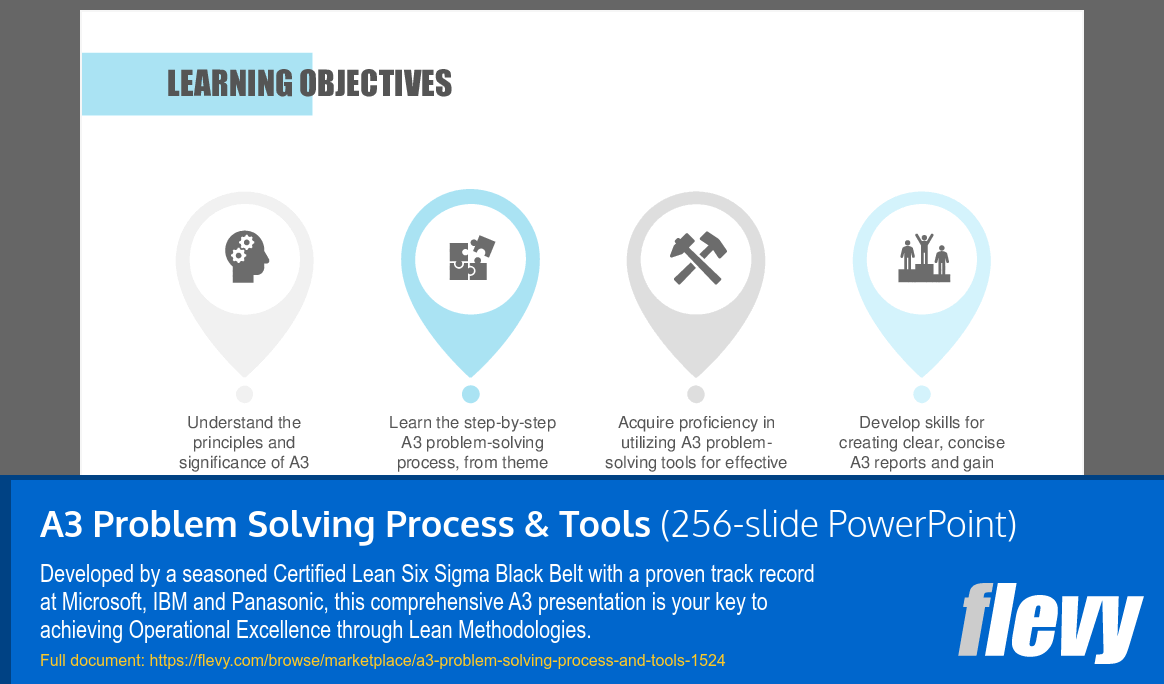
• Understand the principles and significance of A3 thinking in continuous improvement
• Learn the step-by-step A3 problem-solving process, from theme development to follow-up
• Acquire proficiency in utilizing A3 problem-solving tools for effective analysis and decision-making
• Develop skills for creating clear, concise A3 reports and gain practical tips for successful problem-solving
Table of Contents
• Introduction to A3 Thinking (page 5)
• A3 Problem Solving Process (page 30)
• A3 Problem Solving Tools (page 133)
• Form and Style (page 233)
• Practical Tips for Success (page 245)
Primary Topics Covered
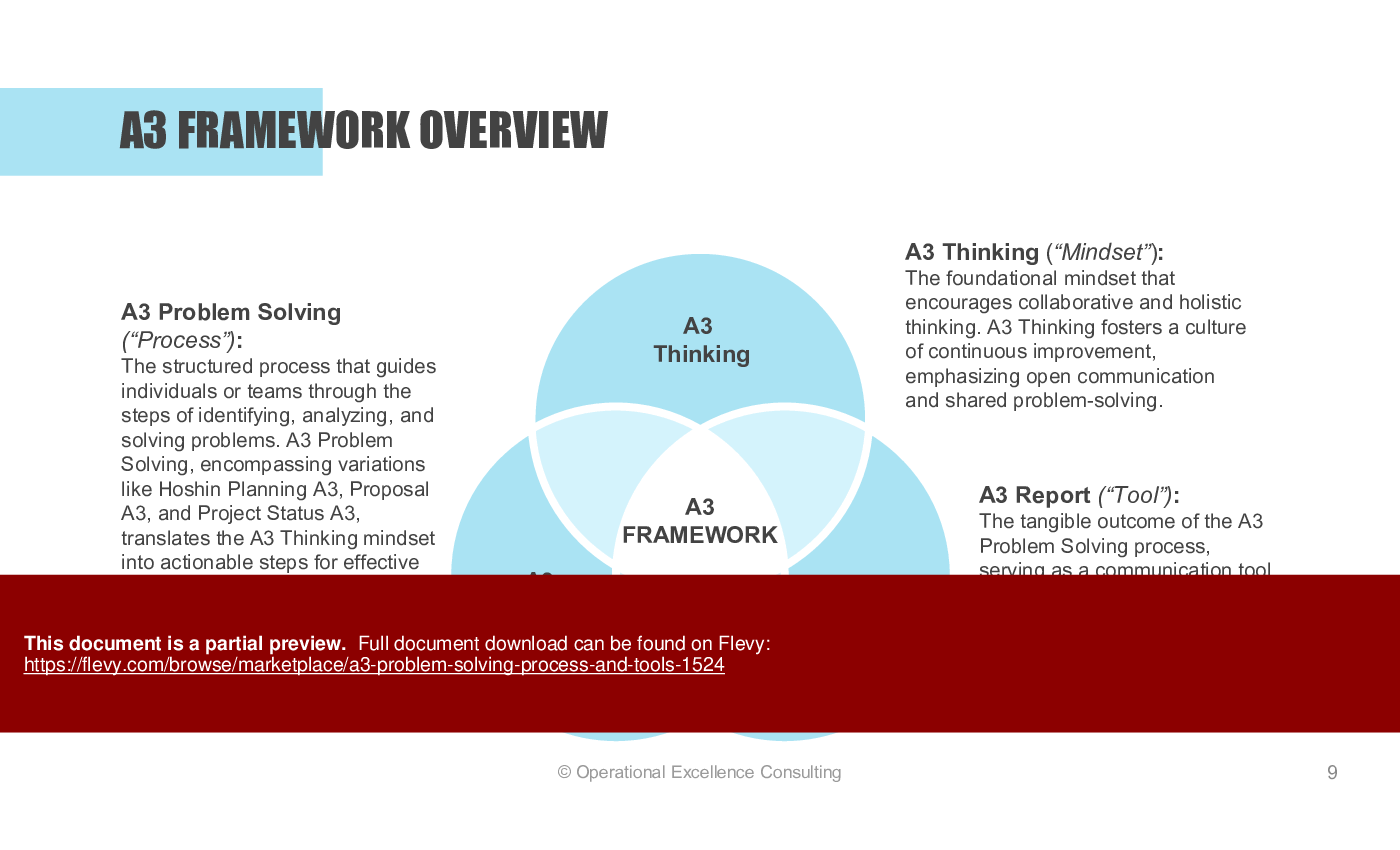
• A3 Thinking - A foundational mindset that promotes collaborative and holistic problem-solving, fostering a culture of continuous improvement.
• A3 Problem Solving Process - A structured approach guiding teams through identifying, analyzing, and resolving issues effectively.
• A3 Report Essentials - Key components of the A3 report that summarize the problem-solving journey, including objectives, analysis, and countermeasures.
• Root Cause Analysis - Techniques such as the 5 Whys and Fishbone diagrams to identify underlying causes of problems.
• Countermeasures - Actionable steps designed to address root causes and prevent recurrence of issues.
• Effect Confirmation - Methods for evaluating the effectiveness of implemented solutions and ensuring sustained improvements.
Deliverables, Templates, and Tools
• A3 report template for documenting problem-solving processes
• Check sheets for tracking issue occurrences and data collection
• Pareto charts for visualizing problem contributions and prioritizing issues
• Cause and Effect diagrams for systematic root cause analysis
• Control charts for monitoring process stability and performance
• Histogram and scatter diagrams for data distribution analysis
Slide Highlights
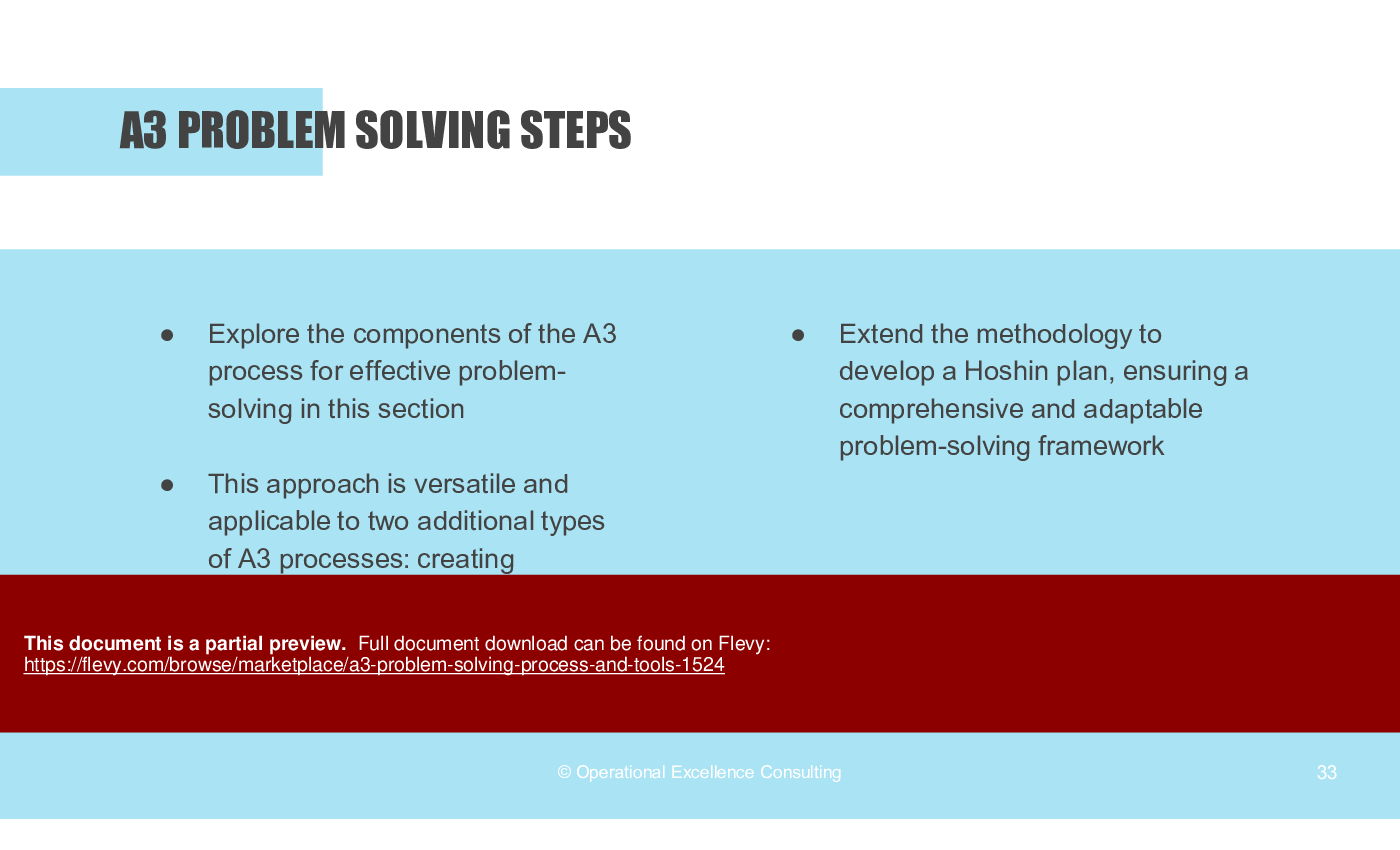
• Overview of the A3 Problem Solving Process, detailing each step from theme development to follow-up actions.
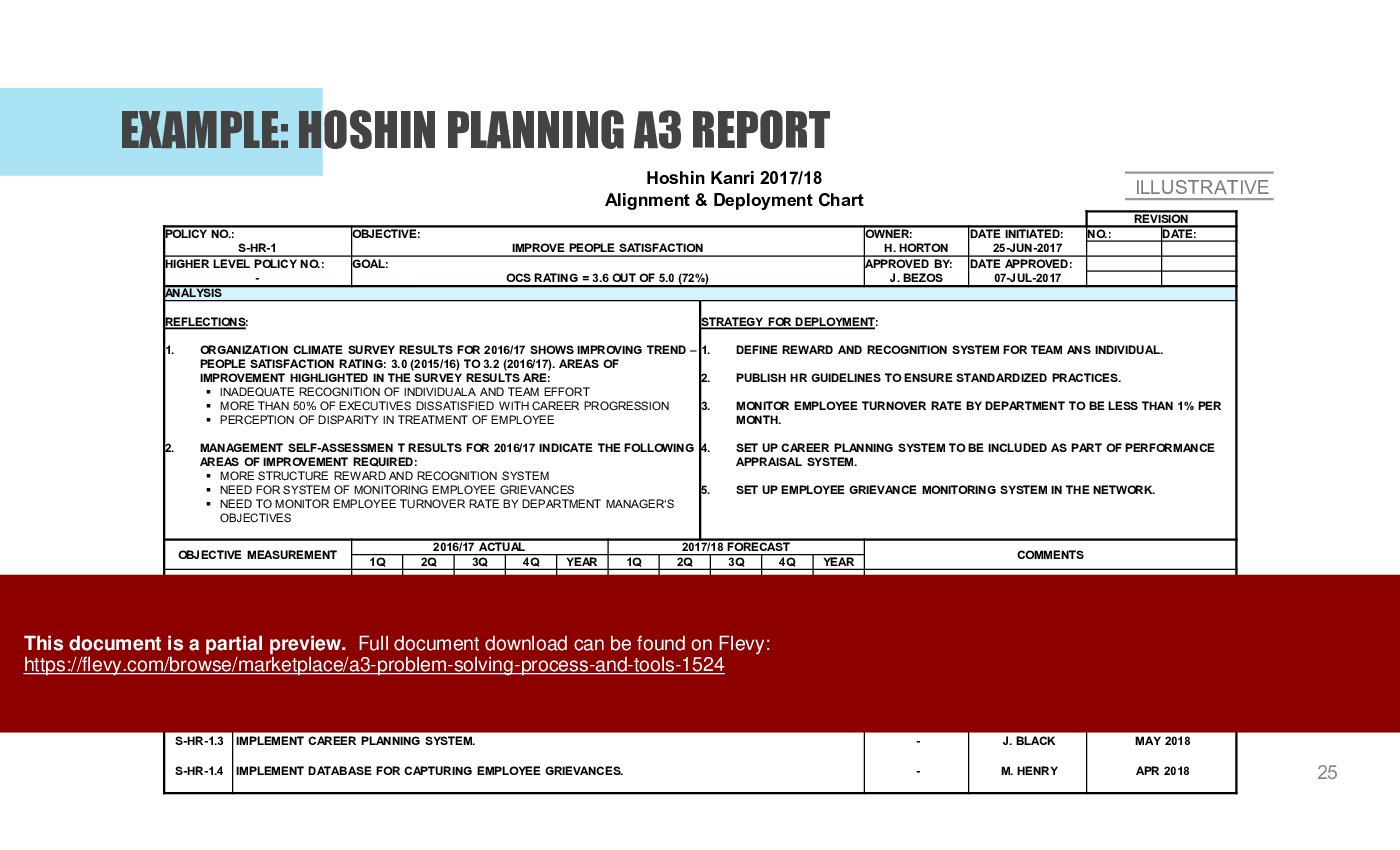
• Examples of effective A3 reports showcasing problem statements, analyses, and countermeasures.
• Visual aids illustrating the use of various problem-solving tools, including Pareto charts and Fishbone diagrams.
• Key pitfalls in problem-solving and practical tips for avoiding common mistakes.
Potential Workshop Agenda
Introduction to A3 Thinking (30 minutes)
• Overview of A3 principles and significance
• Discussion on the role of A3 in continuous improvement
A3 Problem Solving Process (60 minutes)
• Step-by-step breakdown of the A3 process
• Group activity to develop A3 themes and background
Tools and Techniques for A3 Reporting (45 minutes)
• Introduction to A3 problem-solving tools
• Hands-on practice with check sheets and Pareto charts
Follow-Up and Effect Confirmation (30 minutes)
• Strategies for verifying the effectiveness of countermeasures
• Discussion on standardization and documentation practices
Customization Guidance
• Tailor the A3 report template to reflect specific organizational goals and terminology.
• Adjust the problem-solving process steps based on team dynamics and project requirements.
• Incorporate relevant metrics and KPIs to align with organizational performance standards.
Secondary Topics Covered
• PDCA cycle integration within the A3 framework
• Importance of stakeholder engagement in the problem-solving process
• Techniques for effective communication and presentation of A3 reports
FAQ
What is the A3 Problem Solving Process?
The A3 Problem Solving Process is a structured approach that guides teams through identifying, analyzing, and resolving issues using a standardized report format.
How can the A3 report be customized?
The A3 report can be tailored to reflect specific organizational goals, terminology, and metrics relevant to the problem being addressed.
What tools are included in the A3 Problem Solving toolkit?
The toolkit includes check sheets, Pareto charts, cause and effect diagrams, control charts, and histograms for effective problem analysis.
When should I use the A3 report?
The A3 report is ideal for situations requiring clear communication of complex issues, particularly during continuous improvement initiatives.
How does the A3 process support continuous improvement?
The A3 process fosters a culture of systematic problem-solving, enabling organizations to identify root causes and implement effective countermeasures for sustained improvement.
What are common pitfalls in A3 reporting?
Common pitfalls include vague problem statements, overwhelming scope, and ineffective countermeasures that do not address root causes.
How can I ensure effective follow-up after implementing countermeasures?
Establish clear follow-up actions, including verification of results and documentation of lessons learned, to sustain improvements over time.
What is the significance of root cause analysis in the A3 process?
Root cause analysis is crucial for identifying the underlying issues that contribute to problems, ensuring that countermeasures effectively prevent recurrence.
Glossary
• A3 Report - A structured document summarizing the problem-solving process, including analysis and countermeasures.
• PDCA - Plan-Do-Check-Act, a continuous improvement methodology.
• Root Cause - The fundamental reason for a problem, identified through analysis.
• Countermeasures - Actions taken to address identified problems and prevent recurrence.
• 5 Whys - A technique for exploring the cause-and-effect relationships underlying a problem.
• Fishbone Diagram - A visual tool used to identify potential causes of a problem.
• Pareto Chart - A bar graph that represents the frequency of problems to prioritize issues.
• Control Chart - A statistical tool used to monitor process stability over time.
• Histogram - A graphical representation of data distribution.
• Scatter Diagram - A plot used to identify relationships between 2 variables.
• Check Sheet - A structured form for collecting and analyzing data.
• Stratification - The process of dividing data into distinct categories for analysis.
Source: Best Practices in A3 PowerPoint Slides: A3 Problem Solving Process & Tools PowerPoint (PPTX) Presentation Slide Deck, Operational Excellence Consulting
This document is available as part of the following discounted bundle(s):
Save %!
A3 Problem Solving Toolkit
This bundle contains 2 total documents. See all the documents to the right.
|
Receive our FREE presentation on Operational Excellence
This 50-slide presentation provides a high-level introduction to the 4 Building Blocks of Operational Excellence. Achieving OpEx requires the implementation of a Business Execution System that integrates these 4 building blocks. |