
Introduction to Digital Strategic Business Planning Methodology
In the rapidly evolving landscape of the digital age, organizations are experiencing an unprecedented pace of change in the new economy. As the world transforms with a mere click, strategic planning becomes the cornerstone of the business cycle.

Digital Strategic Business Planning is the systematic process through which organizational leaders envision the future and design the requisite processes and operations to realize that vision. The presented methodology serves as a guide to shape and materialize the organization's future in the digital era.
About the Digital Strategic Business Planning Methodology
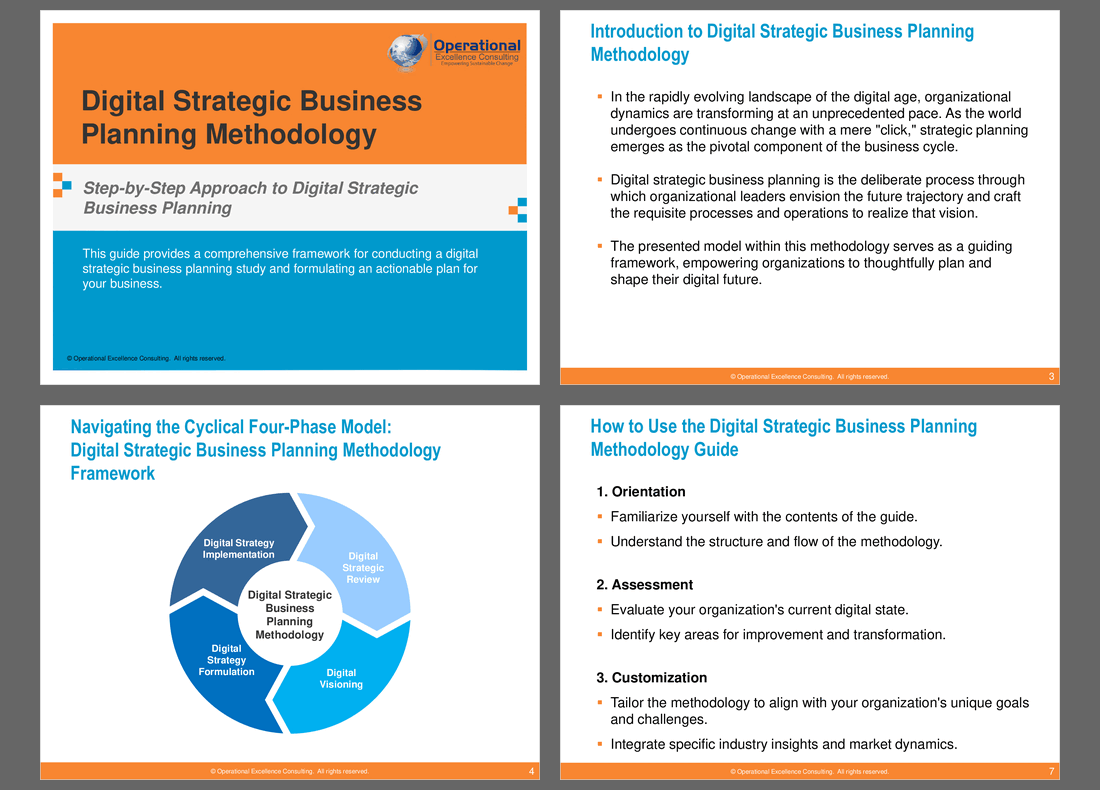
The Digital Strategic Business Planning Methodology offers a robust framework for conducting a comprehensive study and formulating an actionable plan for the digital age. In recognition of the significant impact of digital technology on contemporary business models and value creation, digital transformation stands as an indispensable foundation. The integration of IT transformation planning within strategic business planning ensures a seamless and unified approach.
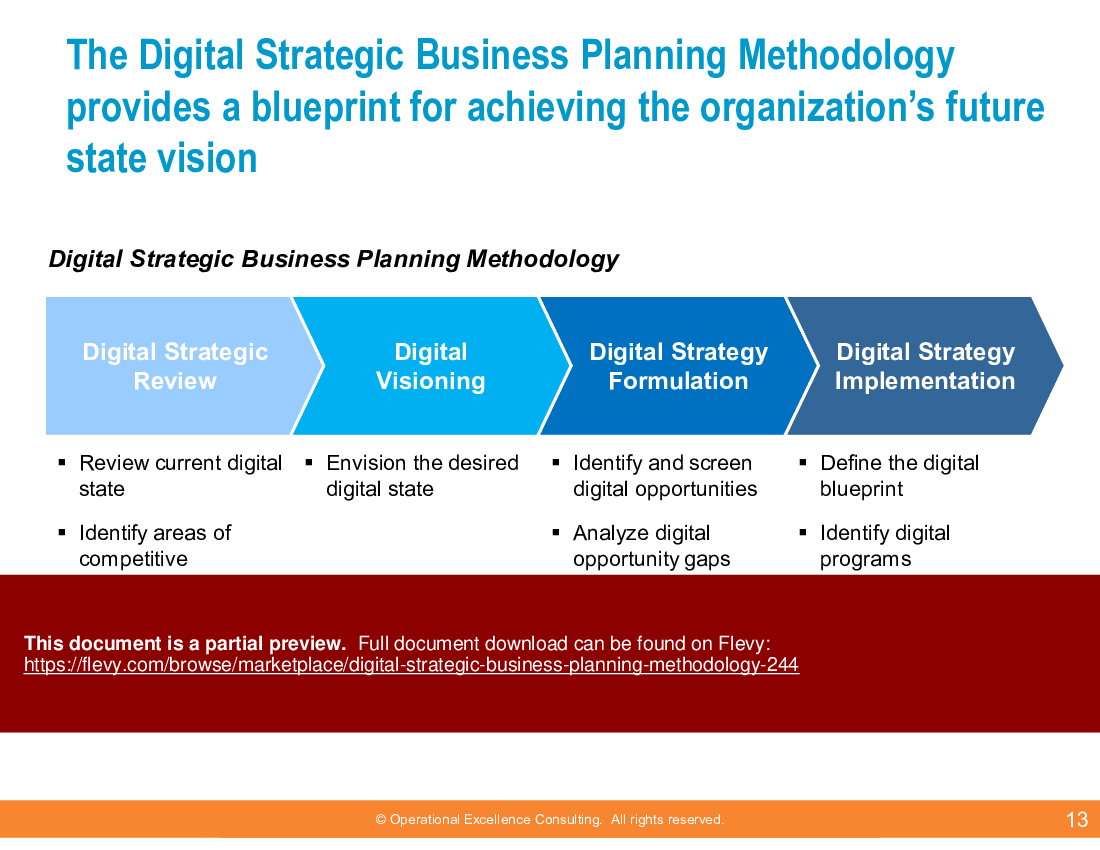
Phases of the Digital Strategic Business Planning Methodology:
1. Digital Strategic Review: Assessing the organization's current state in the dynamic digital landscape.
2. Digital Visioning: Defining the desired digital state to guide strategic development.
3. Digital Strategy Formulation: Crafting business strategies leveraging strengths and opportunities in the digital realm.
4. Digital Strategy Implementation: Defining digital architecture and formulating an implementation plan, serving as the blueprint for detailed execution.
||||||||||||||||||||||||||||||||||||||||||||||||||||||||||||||||||||||||||||||||||||||||||||||||||||||||||||||||||||||||||||||||||||||||||||||||||||||
This methodology package includes:
1. Digital Strategic Business Planning Methodology Guide (PowerPoint format)
2. Digital Strategic Business Planning Study Report Template (Word document)
3. Digital Strategic Business Planning Poster (PDF document, printable on A3/A4 size paper)
||||||||||||||||||||||||||||||||||||||||||||||||||||||||||||||||||||||||||||||||||||||||||||||||||||||||||||||||||||||||||||||||||||||||||||||||||||||
CONTENTS
1. Digital Strategic Review
• Review current digital state
• Identify areas of competitive advantage in the digital landscape
• Analyze industry trends and digital competition
2. Digital Visioning
• Envision the desired digital state
3. Digital Strategy Formulation
• Identify and screen digital opportunities
• Analyze digital opportunity gaps
• Benchmark and make recommendations for digital strategies
4. Digital Strategy Implementation
• Define the digital blueprint
• Identify digital programs
• Define the digital implementation plan
The guide includes detailed phases such as Digital Strategic Review, Digital Visioning, Digital Strategy Formulation, and Digital Strategy Implementation. Each phase is meticulously designed to ensure a thorough evaluation and execution of digital strategies tailored to your organization's unique needs.
Got a question about the product? Email us at support@flevy.com or ask the author directly by using the "Ask the Author a Question" form. If you cannot view the preview above this document description, go here to view the large preview instead.
Executive Summary
The Digital Strategic Business Planning Methodology offers a structured framework for organizations to navigate the complexities of digital transformation. This comprehensive guide empowers leaders to assess their current digital landscape, envision a future state, formulate actionable strategies, and implement a robust digital architecture. By following this methodology, organizations can effectively align their digital initiatives with strategic goals, ensuring a cohesive approach to achieving sustainable growth in the digital age.
Who This Is For and When to Use
• Corporate executives overseeing digital transformation initiatives
• Strategic planners responsible for aligning business objectives with digital capabilities
• Integration leaders managing cross-functional teams in digital projects
• Consultants guiding organizations through digital strategy formulation
Best-fit moments to use this deck:
• During initial assessments of an organization’s digital maturity
• When defining future digital visions and strategic goals
• In workshops aimed at formulating actionable digital strategies
• For implementation planning of digital initiatives across departments
Learning Objectives
• Define the current digital state and identify areas for improvement
• Envision the desired future digital state for the organization
• Formulate actionable digital strategies aligned with organizational goals
• Develop a comprehensive digital implementation plan
• Establish key performance indicators (KPIs) for tracking digital progress
• Foster stakeholder engagement throughout the strategic planning process
Table of Contents
• Introduction to Digital Strategic Business Planning Methodology (page 3)
• Navigating the Four-Phase Model (page 4)
• Phase 1: Digital Strategic Review (page 12)
• Phase 2: Digital Visioning (page 31)
• Phase 3: Digital Strategy Formulation (page 40)
• Phase 4: Digital Strategy Implementation (page 49)
• Summary of Methodology (page 59)
Primary Topics Covered
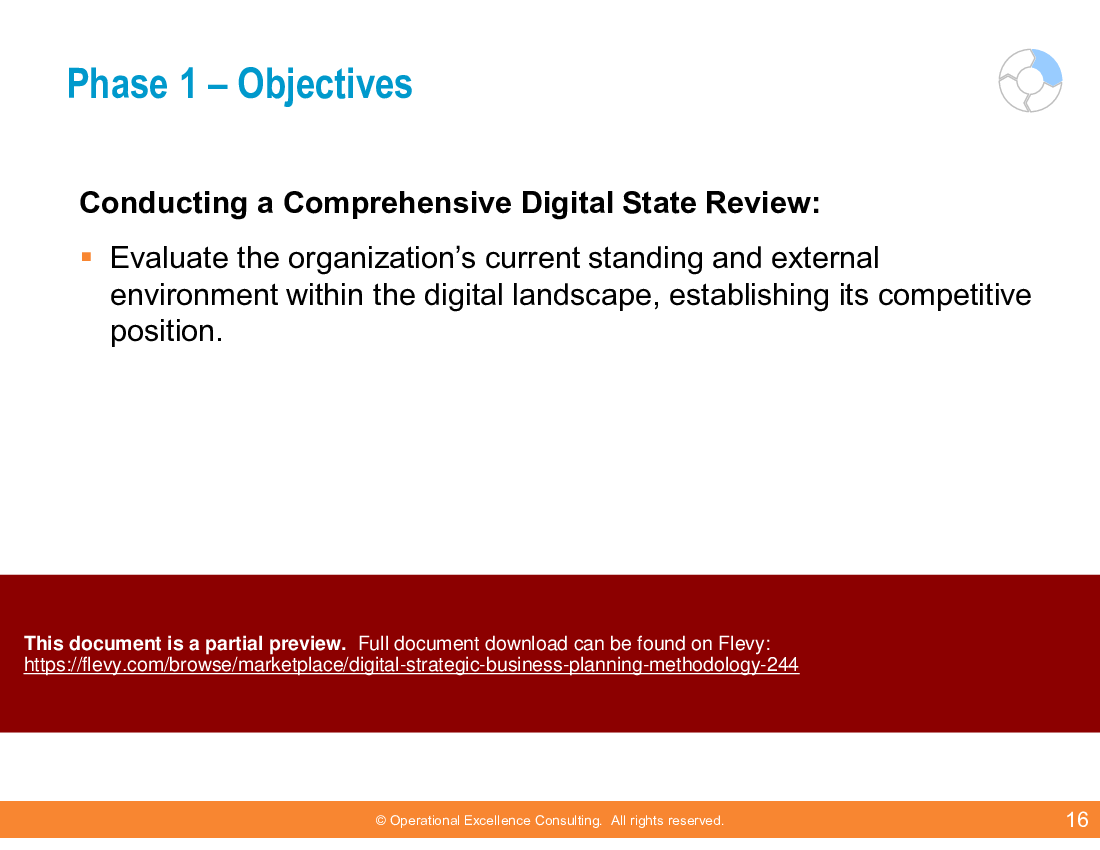
• Digital Strategic Review - Assess the organization’s current digital state and competitive position to identify strengths and weaknesses.
• Digital Visioning - Define the desired future state of the organization in the digital realm to guide strategic initiatives.
• Digital Strategy Formulation - Craft actionable strategies that leverage organizational strengths and market opportunities.
• Digital Strategy Implementation - Develop a detailed implementation plan that outlines the digital architecture and execution roadmap.
• Continuous Monitoring - Establish mechanisms for ongoing evaluation and adaptation of digital strategies based on performance metrics.
Deliverables, Templates, and Tools
• Current state report detailing the organization’s digital business model
• Visualization of high-level digital process flows
• Documentation of the desired digital state and future business model
• Opportunity analysis documentation for digital strategies
• Digital Strategic Business Planning Study Report for executive review
Slide Highlights
• Overview of the four-phase model for digital strategic business planning
• Key objectives for assessing the current digital landscape
• Framework for defining the desired digital state and critical success factors
• Templates for documenting digital strategies and implementation plans
Potential Workshop Agenda
Digital Strategic Review Session (90 minutes)
• Assess current digital state and competitive landscape
• Identify areas for improvement and competitive advantage
Digital Visioning Workshop (60 minutes)
• Define the desired future digital state and organizational values
• Develop a shared vision among stakeholders
Digital Strategy Formulation Session (90 minutes)
• Identify and screen digital opportunities for strategic alignment
• Formulate actionable strategies and establish KPIs
Customization Guidance
• Tailor the methodology to reflect specific industry insights and organizational challenges
• Adjust the digital architecture framework to align with existing IT infrastructure
• Incorporate unique organizational values and stakeholder expectations into the strategic planning process
Secondary Topics Covered
• Digital transformation trends and their implications for business models
• Stakeholder engagement strategies for successful digital initiatives
• Best practices for monitoring and evaluating digital performance
FAQ
What is the Digital Strategic Business Planning Methodology?
This methodology is a structured framework designed to help organizations assess their current digital landscape, envision a future state, formulate actionable strategies, and implement a robust digital architecture.
How can this methodology benefit my organization?
By following this methodology, organizations can effectively align their digital initiatives with strategic goals, ensuring a cohesive approach to achieving sustainable growth in the digital age.
What are the key phases of the methodology?
The methodology consists of 4 key phases: Digital Strategic Review, Digital Visioning, Digital Strategy Formulation, and Digital Strategy Implementation.
How do I assess my organization’s current digital state?
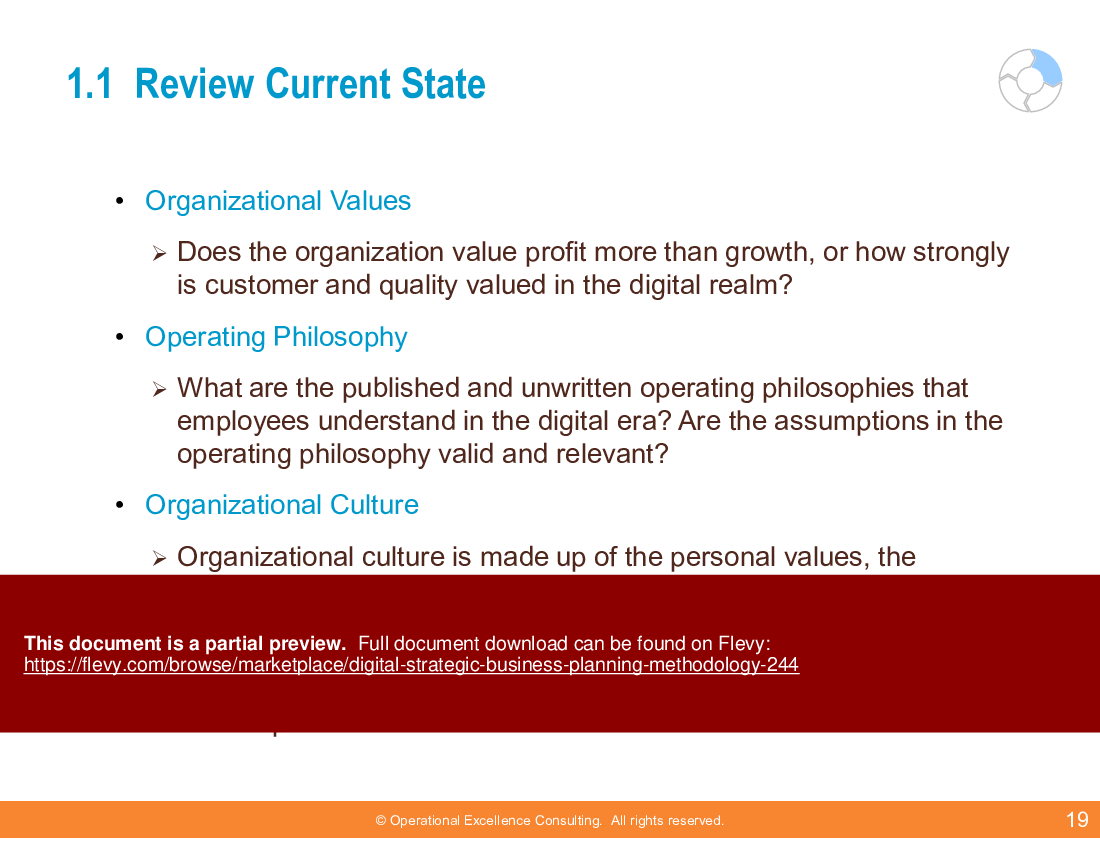
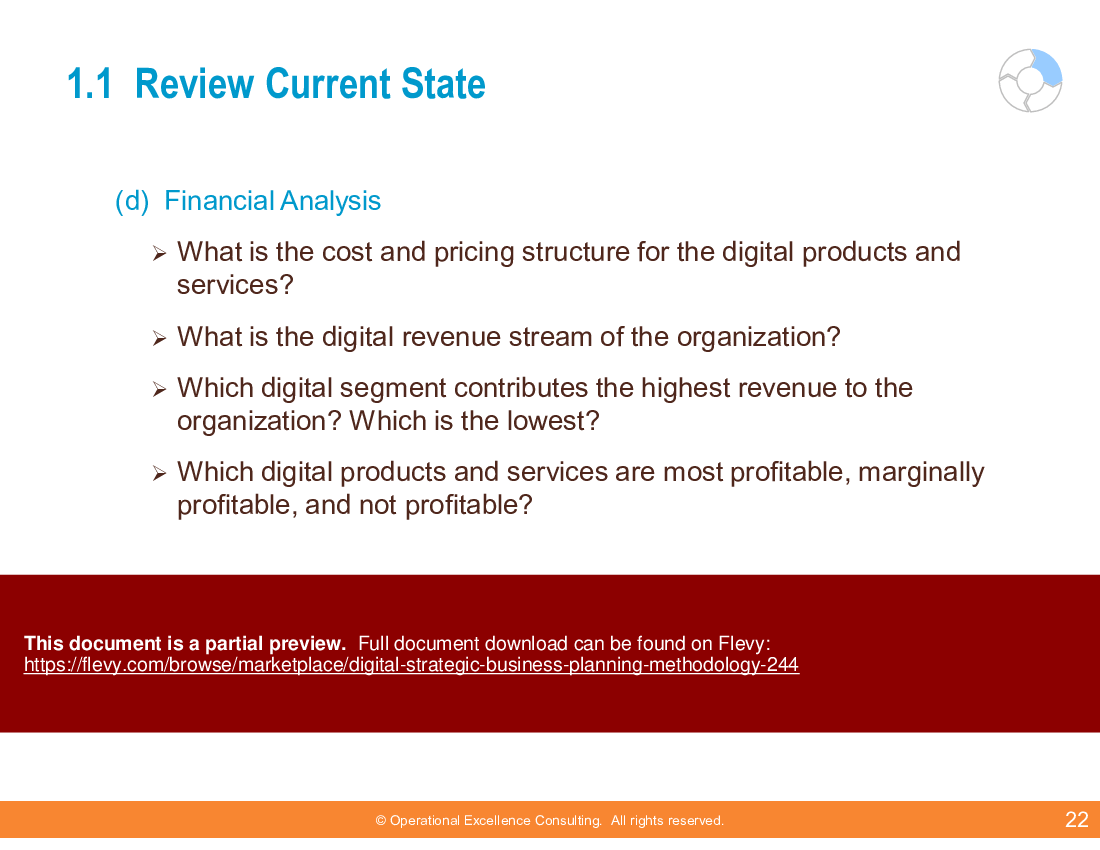
Conduct a comprehensive review of the organization’s digital business model, competitive landscape, and internal capabilities to identify strengths, weaknesses, and areas for improvement.
What deliverables can I expect from this methodology?
Key deliverables include a current state report, documentation of the desired digital state, opportunity analysis, and a Digital Strategic Business Planning Study Report.
How can I engage stakeholders in the strategic planning process?
Foster collaboration by involving key stakeholders in workshops and discussions throughout the planning phases to ensure alignment and buy-in.
What are Digital Key Performance Indicators (KPIs)?
KPIs are measurable values that help organizations track progress toward their digital strategies and objectives, ensuring accountability and performance evaluation.
How often should I review and update the digital strategy?
Regular reviews should be conducted to adapt strategies based on evolving digital trends, organizational needs, and performance against established KPIs.
Glossary
• Digital Strategic Review - The process of assessing the current digital state and competitive position of an organization.
• Digital Visioning - The act of defining the desired future digital state for an organization.
• Digital Strategy Formulation - Crafting actionable strategies that leverage strengths and opportunities in the digital landscape.
• Digital Strategy Implementation - Developing a detailed plan for executing digital strategies and initiatives.
• Key Performance Indicators (KPIs) - Metrics used to measure progress toward achieving strategic objectives.
• Digital Transformation - The integration of digital technology into all areas of a business, fundamentally changing how it operates and delivers value.
• Stakeholder Engagement - The process of involving individuals or groups who have an interest in the organization’s activities and outcomes.
• Opportunity Analysis - A systematic assessment of potential digital opportunities for strategic alignment.
• Digital Architecture - The structure and framework that supports the implementation of digital strategies.
• Continuous Monitoring - The ongoing evaluation of digital strategies to ensure alignment with organizational goals.
• Organizational Audit - A comprehensive review of an organization’s processes, systems, and capabilities in the digital context.
• Competitive Advantage - The attributes that allow an organization to outperform its competitors in the digital landscape.
• Critical Success Factors (CSFs) - Essential areas of activity that must be performed well for the organization to achieve its mission and objectives.
• Digital Business Model - The framework for how an organization creates, delivers, and captures value in the digital realm.
• Implementation Plan - A detailed roadmap outlining the steps necessary to execute digital strategies.
• Digital Programs - Initiatives designed to implement specific aspects of the digital strategy.
• Feedback Mechanisms - Processes established to gather input from stakeholders for continuous improvement.
• Resource Allocation - The process of distributing available resources effectively to support strategic priorities.
• Change Management - The approach to transitioning individuals, teams, and organizations to a desired future state.
• Cloud Architecture - The components and relationships involved in delivering cloud services, including hardware, software, and networks.
• User Experience (UX) Design - The process of enhancing user satisfaction by improving the usability and accessibility of digital products.
• Analytics & Business Intelligence - The use of data analysis tools and techniques to inform business decisions and strategies.
Source: Best Practices in Strategic Planning PowerPoint Slides: Digital Strategic Business Planning Methodology PowerPoint (PPTX) Presentation Slide Deck, Operational Excellence Consulting
This document is available as part of the following discounted bundle(s):
Save %!
Strategic Planning & Deployment Toolkit
This bundle contains 3 total documents. See all the documents to the right.
|
Download our FREE Strategy & Transformation Framework Templates
Download our free compilation of 50+ Strategy & Transformation slides and templates. Frameworks include McKinsey 7-S, Balanced Scorecard, Disruptive Innovation, BCG Curve, and many more. |