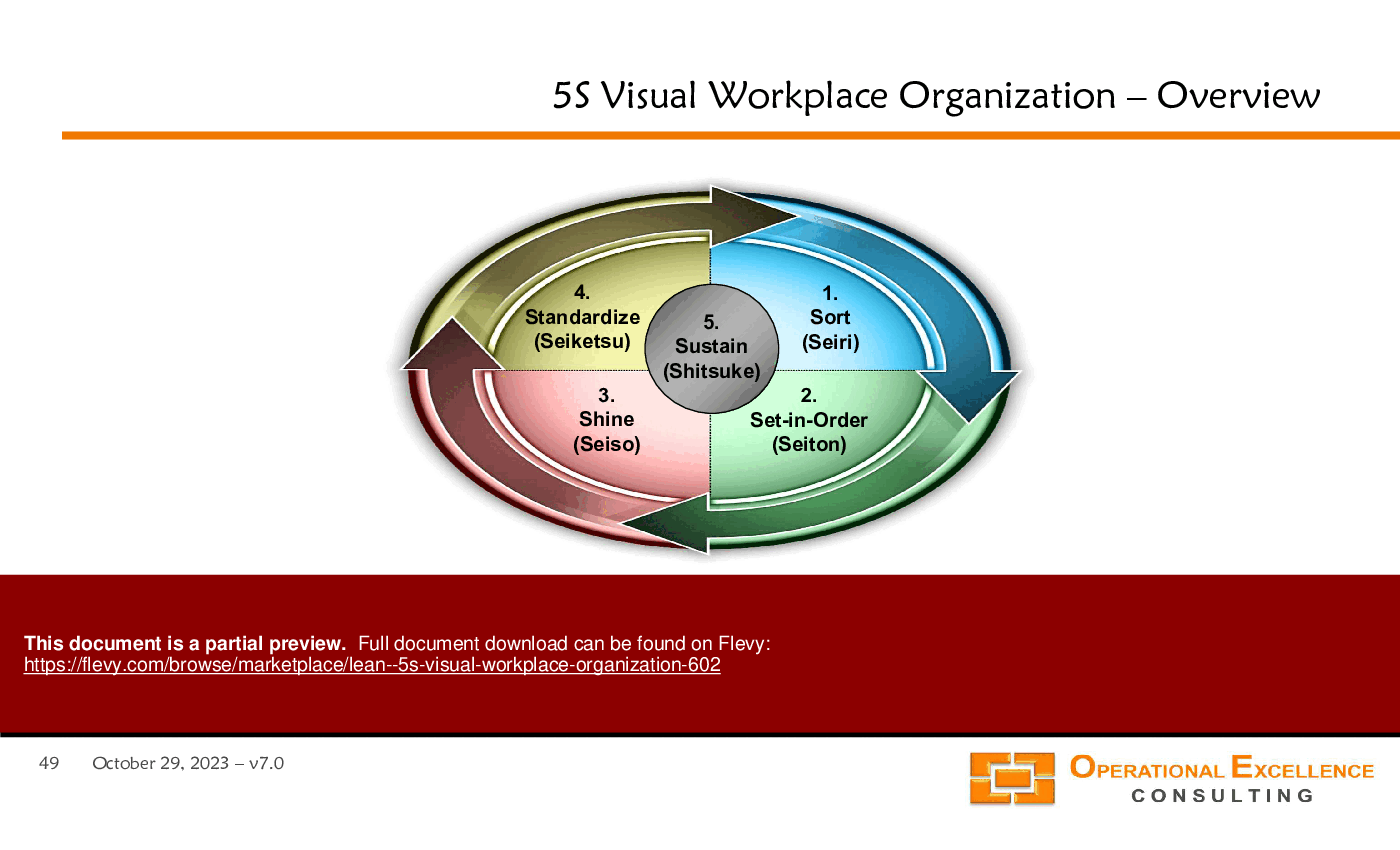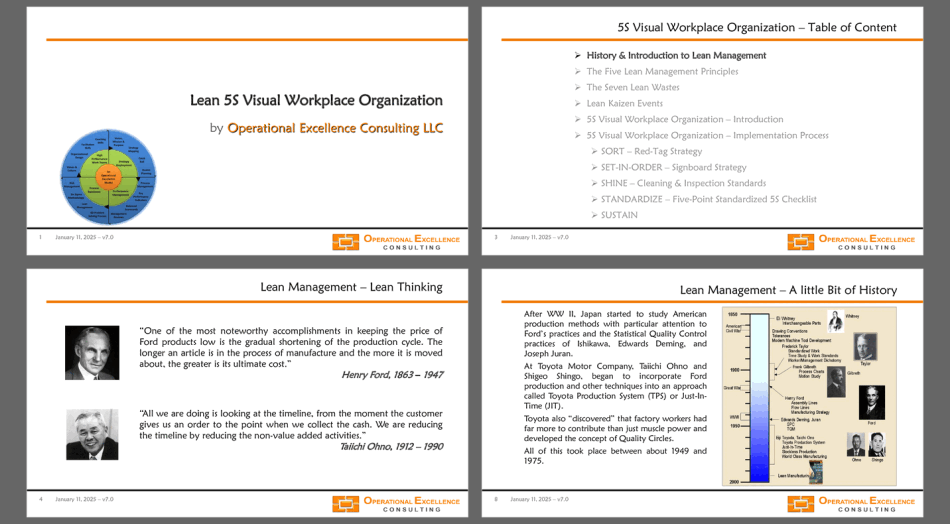

Lean 5S Visual Workplace Organization describes a systematic approach how to organize a workspace or area for efficiency and effectiveness by identifying and storing the items used, maintaining the area and items, and sustaining the new order.
The Lean – 5S Visual Workplace Organization Training Module includes:
1. MS PowerPoint Presentation including 123 slides covering

• Introduction to 5S Visual Workplace Organization,
• The Seven Lean Wastes & Productivity,
• Types of Resistance, and Countermeasures,
• Key Success Factors, and
• A Step-by-Step 5S Implementation Process.
2. MS Excel 5S Red Tag Template
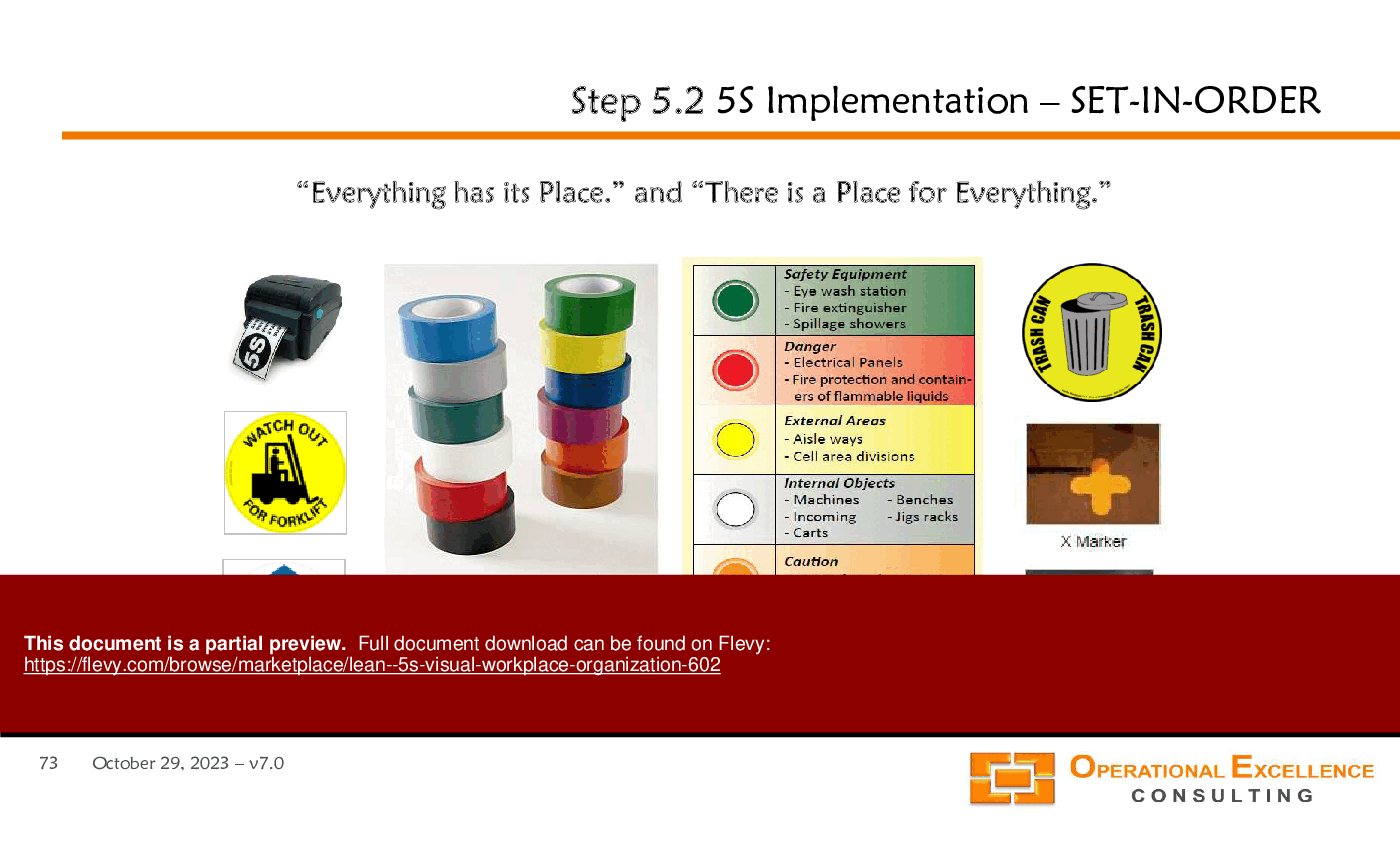
3. MS Excel 5S Color Coding Scheme
4. MS Excel 5S Red Tag Inventory Sheet
5. MS Excel 5S Audit Checklist & Score (5 Questions for each of the "5S")
6. MS Excel 5S Scoring Guidelines (0 – 4)
7. MS Excel 5S Audit Results Radar Plot
"After you have downloaded the training material, you can change any part of the training material and remove all logos and references to Operational Excellence Consulting. You can share the material with your colleagues and clients, and re-use it as you need. The only restriction is that you cannot publicly re-distribute, sell, rent or license the material as though it is your own. Thank you."
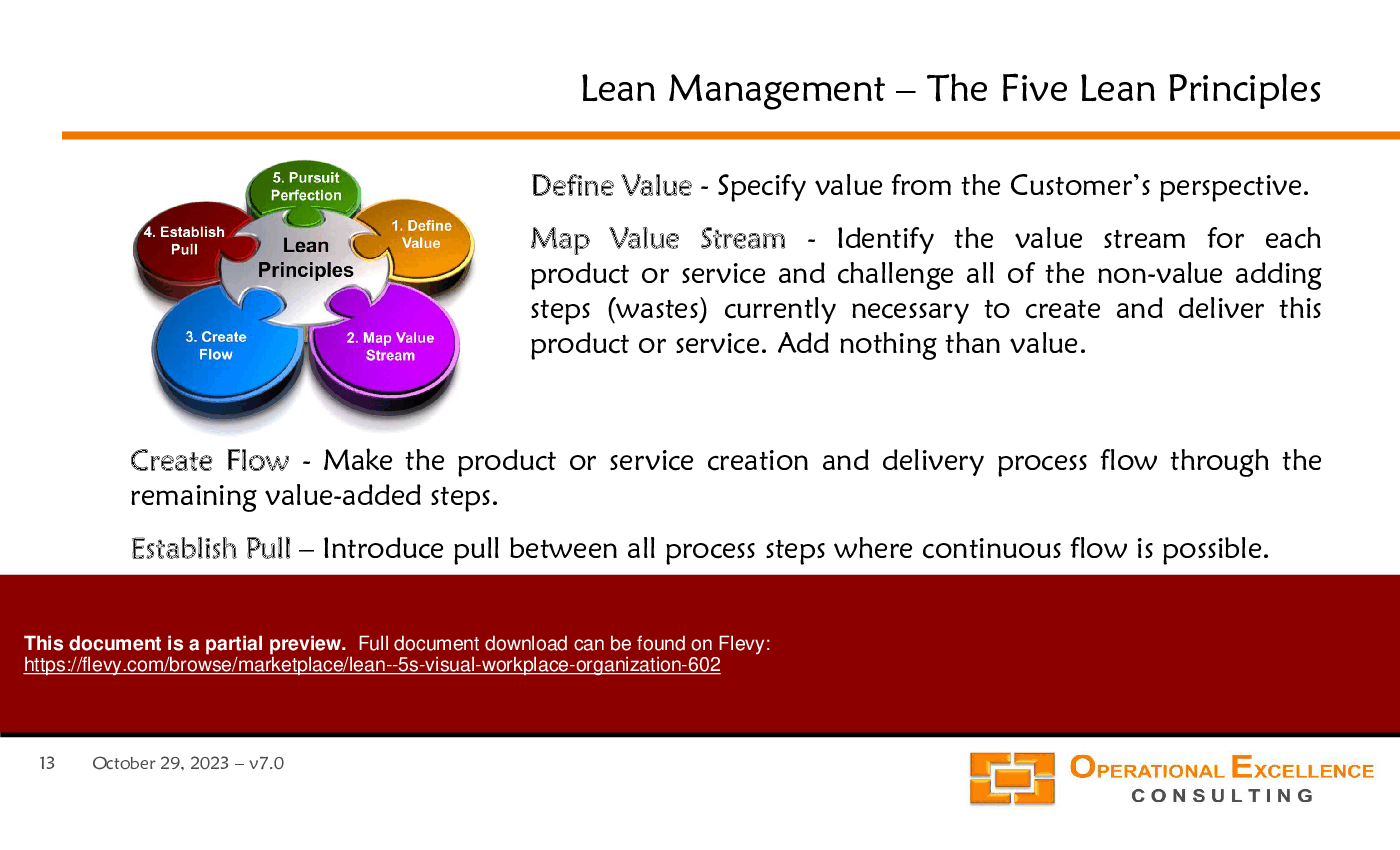
This comprehensive module not only delves into the historical context and evolution of Lean Management, but also provides actionable insights into the Five Lean Principles and the Seven Lean Wastes. It emphasizes practical implementation through Lean Kaizen Events and offers detailed steps for each of the 5S stages: Sort, Set-in-Order, Shine, Standardize, and Sustain. The inclusion of visual aids, checklists, and templates ensures that your team can effectively apply these concepts to drive operational excellence and continuous improvement. This resource is indispensable for leaders committed to fostering a culture of efficiency and productivity.
Got a question about the product? Email us at support@flevy.com or ask the author directly by using the "Ask the Author a Question" form. If you cannot view the preview above this document description, go here to view the large preview instead.
Executive Summary
The Lean 5S Visual Workplace Organization presentation offers a structured approach to implementing the Lean 5S methodology, designed to enhance workplace efficiency and organization. Developed by an experienced Operational Excellence Coach, this resource provides actionable insights, practical templates, and a comprehensive implementation guide. Users will learn to effectively engage their teams in creating a clean, organized, and efficient work environment, ultimately driving productivity and reducing waste.
Who This Is For and When to Use
• Operations Managers focused on improving workplace efficiency
• Lean Practitioners implementing Lean methodologies
• Team Leaders seeking to enhance workplace organization
• Continuous Improvement Teams aiming to reduce waste
• Quality Assurance Managers responsible for maintaining standards
Best-fit moments to use this deck:
• During Lean training sessions to introduce 5S concepts
• At the start of a Lean initiative to establish foundational practices
• When conducting Kaizen events focused on workplace organization
• In workshops aimed at fostering team engagement in Lean practices
Learning Objectives
• Define the Lean 5S methodology and its significance in workplace organization
• Identify and eliminate waste through the application of 5S principles
• Develop a structured implementation plan for 5S in various work environments
• Create a culture of continuous improvement through regular audits and evaluations
• Establish standardized procedures to maintain 5S practices over time
• Foster employee engagement and ownership in the 5S process
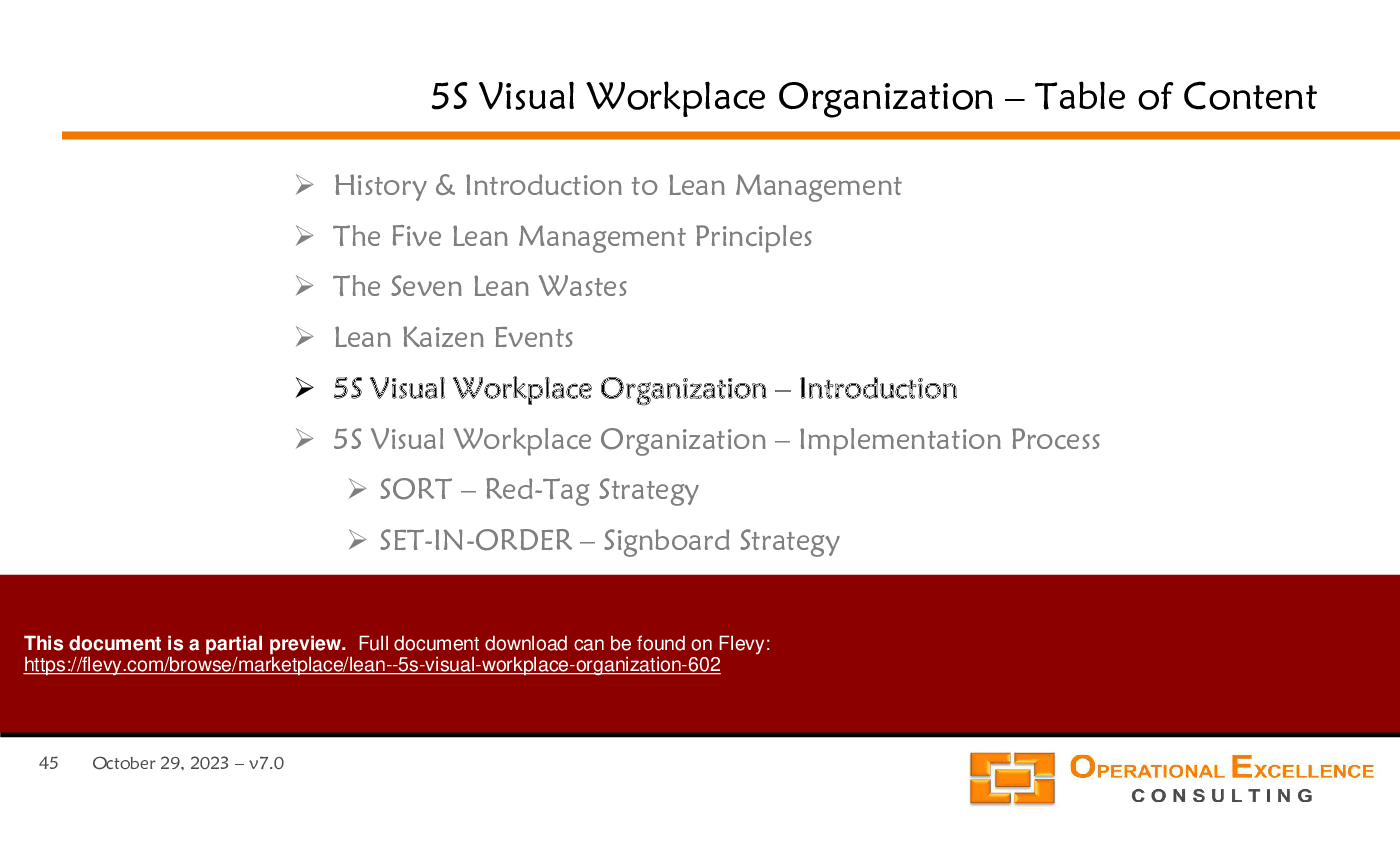
Table of Contents
• History & Introduction to Lean Management (page 2)
• The Five Lean Management Principles (page 13)
• The Seven Lean Wastes (page 18)
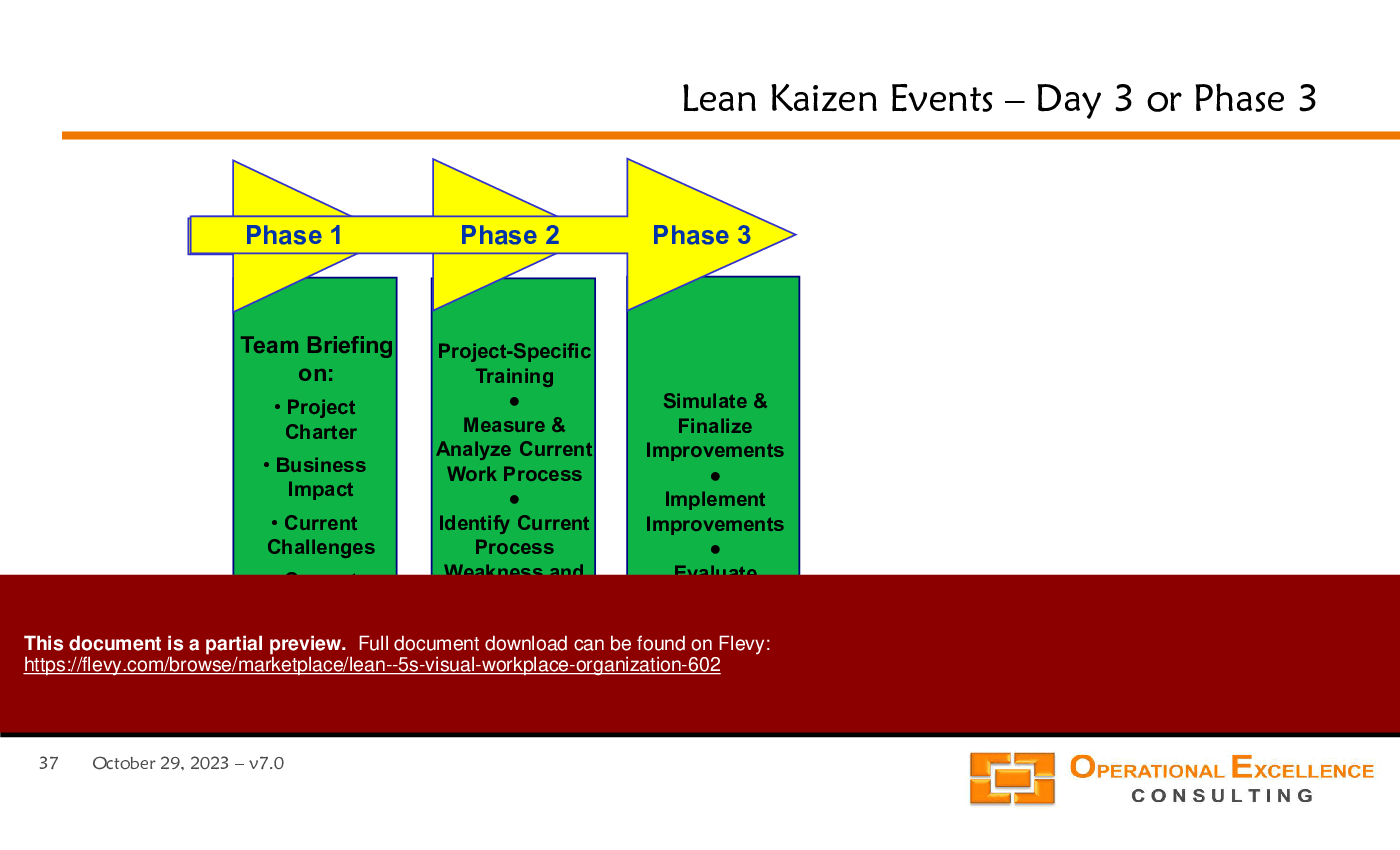
• Lean Kaizen Events (page 28)
• 5S Visual Workplace Organization – Introduction (page 45)
• 5S Visual Workplace Organization – Implementation Process (page 57)
• SORT – Red-Tag Strategy (page 63)
• SET-IN-ORDER – Signboard Strategy (page 70)
• SHINE – Cleaning & Inspection Standards (page 93)
• STANDARDIZE – Five-Point Standardized 5S Checklist (page 98)
• SUSTAIN (page 108)
Primary Topics Covered
• Lean Management Principles - Core principles guiding Lean practices, including value definition and waste elimination.
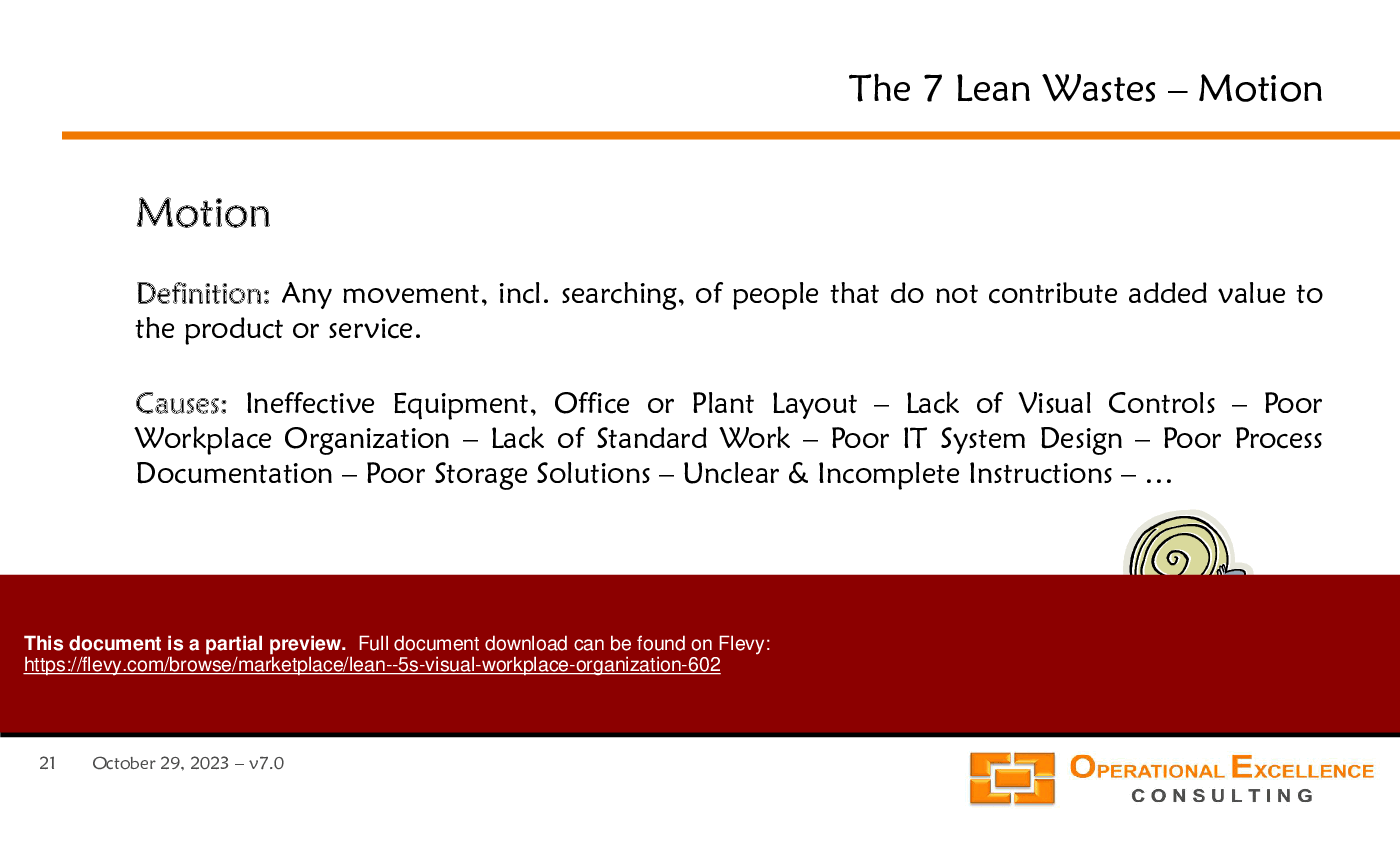
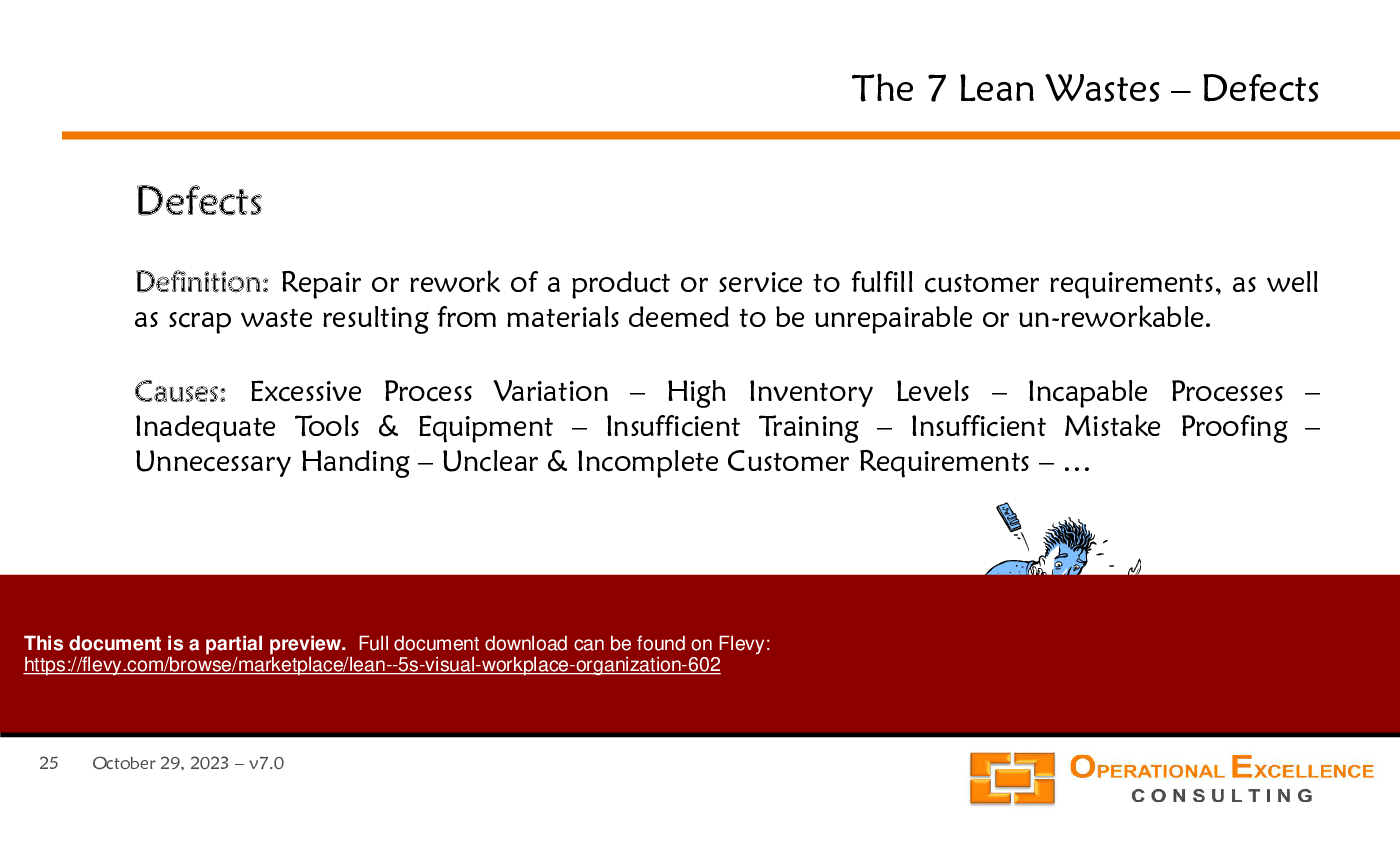
• Lean Wastes - Identification of the 7 types of waste (TIMWOOD) that hinder efficiency and productivity.
• Kaizen Events - Structured events aimed at continuous improvement and workplace organization.
• 5S Implementation Process - Step-by-step guide to implementing the 5S methodology effectively.
• SORT - Strategies for identifying and discarding unnecessary items in the workplace.
• SET-IN-ORDER - Techniques for organizing tools and materials for easy access.
• SHINE - Standards for maintaining cleanliness and order in the workplace.
• STANDARDIZE - Development of procedures to ensure consistency in 5S practices.
• SUSTAIN - Strategies for maintaining discipline and ongoing adherence to 5S standards.
Deliverables, Templates, and Tools
• 5S Implementation Plan template for structured rollout
• Red-Tag Strategy form for identifying unnecessary items
• Standardized 5S Checklist for ongoing audits and evaluations
• Visual aids for training sessions on 5S principles
• Campaign materials for promoting 5S initiatives within the organization
• Training modules for in-house education on Lean methodologies
Slide Highlights
• Overview of Lean Management principles and their historical context
• Visual representation of the Seven Lean Wastes and their impact on efficiency
• Step-by-step breakdown of the 5S implementation process
• Examples of effective SORT and SET-IN-ORDER strategies
• Case studies demonstrating the benefits of SHINE and sustainability in workplace practices
Potential Workshop Agenda
Introduction to Lean and 5S (60 minutes)
• Overview of Lean principles and history
• Discussion on the importance of workplace organization
5S Implementation Strategies (90 minutes)
• Detailed exploration of SORT, SET-IN-ORDER, SHINE, STANDARDIZE, and SUSTAIN
• Interactive group activities to practice 5S techniques
Kaizen Event Planning (60 minutes)
• Steps to plan and execute effective Kaizen events
• Identifying opportunities for improvement in the workplace
5S Audit and Evaluation (30 minutes)
• Techniques for conducting 5S audits
• Establishing metrics for ongoing evaluation and improvement
Customization Guidance
• Adapt the 5S Implementation Plan to fit specific organizational needs and timelines
• Modify training materials to reflect company culture and terminology
• Incorporate organization-specific examples in campaign materials
• Tailor audit checklists to align with existing quality standards and procedures
Secondary Topics Covered
• Historical context of Lean Management
• Role of leadership in driving 5S initiatives
• Employee engagement strategies for successful implementation
• Common challenges and resistance to 5S practices
• Continuous improvement methodologies beyond 5S
FAQ
What is the purpose of the 5S methodology?
The 5S methodology aims to create and maintain an organized, clean, and efficient workplace, reducing waste and improving productivity.
How can I engage my team in the 5S process?
Engaging your team involves providing training, involving them in the implementation process, and recognizing their contributions to maintaining 5S standards.
What are the key components of the 5S implementation process?
The key components include SORT, SET-IN-ORDER, SHINE, STANDARDIZE, and SUSTAIN, each focusing on different aspects of workplace organization.
How often should 5S audits be conducted?
Regular audits should be conducted at least weekly to ensure adherence to 5S practices and identify areas for improvement.
What tools can assist in the 5S implementation?
Tools such as checklists, red-tag forms, and visual aids can facilitate the implementation and maintenance of 5S practices.
Can 5S be applied in non-manufacturing environments?
Yes, 5S principles can be effectively applied in various environments, including offices, healthcare facilities, and service industries.
What are the benefits of implementing 5S?
Benefits include reduced waste, improved efficiency, enhanced employee satisfaction, and increased customer satisfaction due to higher quality outputs.
How do I sustain the 5S improvements over time?
Sustaining improvements requires ongoing training, regular audits, and fostering a culture of discipline and accountability among employees.
Glossary
• 5S - A Lean methodology focusing on workplace organization and efficiency.
• Kaizen - Continuous improvement through small, incremental changes.
• Lean Management - A systematic approach to identifying and eliminating waste.
• Standardization - Establishing consistent procedures to maintain quality and efficiency.
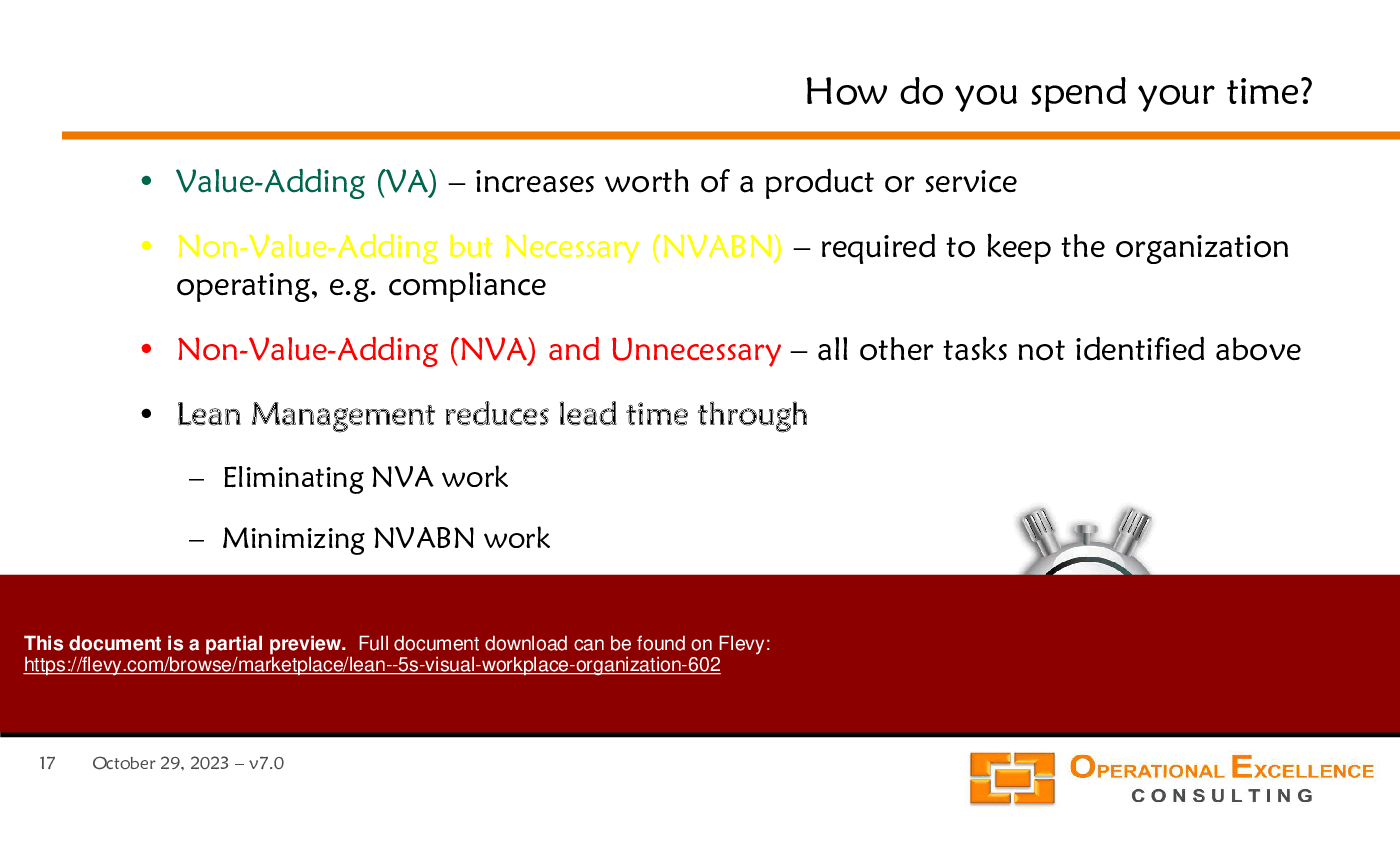
• Waste (Muda) - Any activity that does not add value to the product or service.
• Red-Tag Strategy - A method for identifying and discarding unnecessary items.
• Visual Workplace - An environment where visual cues are used to enhance organization and efficiency.
• Audit - A systematic examination of a process or system to ensure compliance with standards.
• Discipline - The practice of maintaining consistent standards and behaviors in the workplace.
• Engagement - The involvement and commitment of employees in organizational processes.
• Continuous Improvement - Ongoing efforts to improve products, services, or processes.
• Standardized Checklist - A tool used to ensure consistent application of procedures.
• Workplace Organization - The arrangement of tools and materials to enhance efficiency and safety.
• Employee Empowerment - Encouraging employees to take initiative and responsibility for their work.
• Visual Controls - Tools that use visual signals to communicate information quickly and effectively.
• Process Improvement - Efforts aimed at enhancing the efficiency and effectiveness of processes.
• Operational Excellence - The execution of the business strategy more consistently and reliably than the competition.
• Sustainability - The ability to maintain improvements over time through consistent practices.
• Team Collaboration - Working together to achieve common goals and improve processes.
• Performance Metrics - Measurements used to assess the efficiency and effectiveness of processes.
Source: Best Practices in Lean, Visual Workplace PowerPoint Slides: Lean - 5S Visual Workplace Organization PowerPoint (PPTX) Presentation Slide Deck, Operational Excellence Consulting LLC
This document is available as part of the following discounted bundle(s):
Save %!
LEAN MANAGEMENT Training Module Library
This bundle contains 8 total documents. See all the documents to the right.
Save %!
OPERATIONAL EXCELLENCE Training Module Library
This bundle contains 18 total documents. See all the documents to the right.
|
Receive our FREE presentation on Operational Excellence
This 50-slide presentation provides a high-level introduction to the 4 Building Blocks of Operational Excellence. Achieving OpEx requires the implementation of a Business Execution System that integrates these 4 building blocks. |