
To kickstart a Lean initiative, it's crucial that all employees can spot the eight types of waste, known as "muda" in Japanese. Recognizing waste is the first step in eliminating it. This helps you choose the right Lean methods (like 5S and TPM) for a more efficient organization that serves customers better.
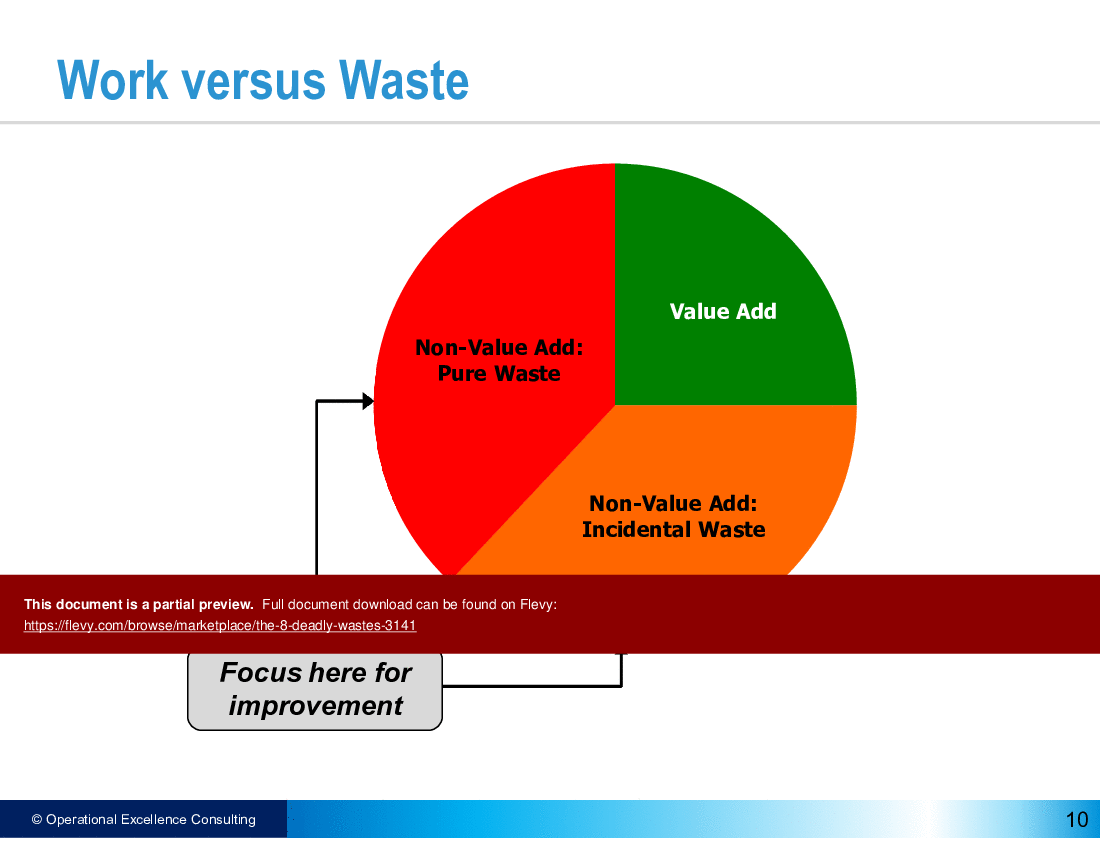
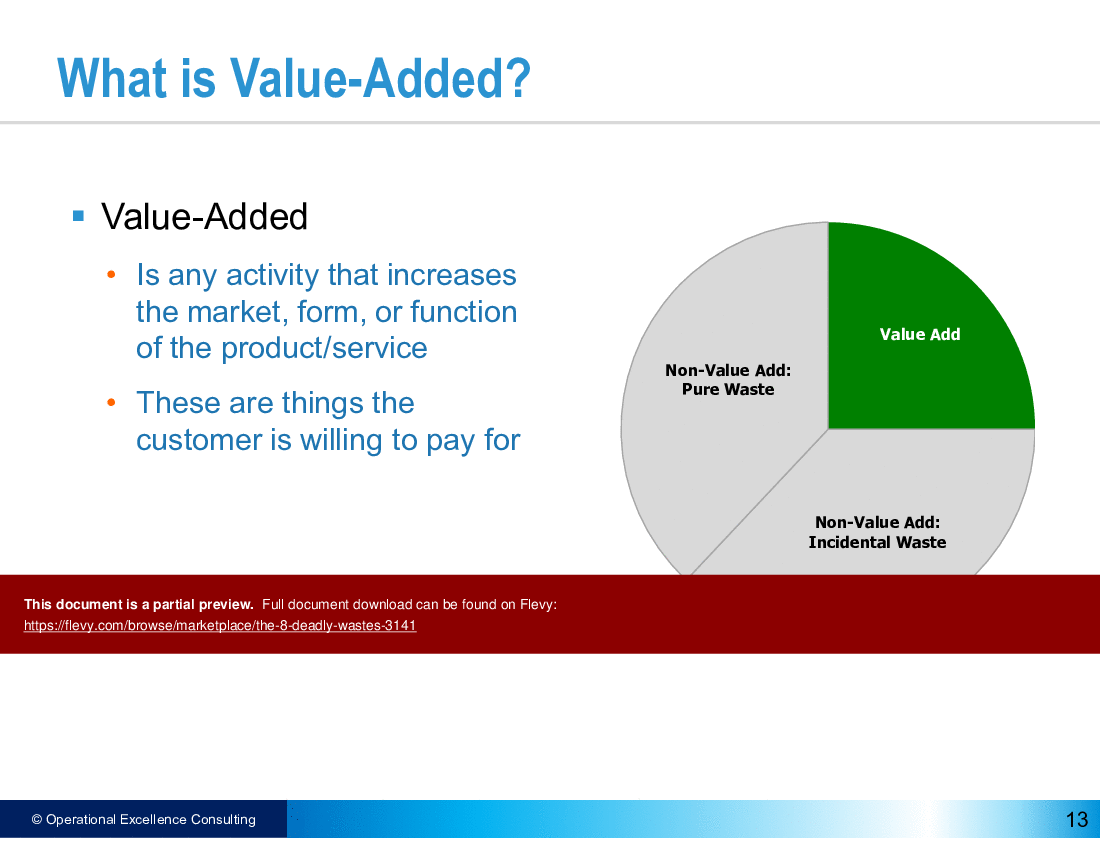
In Lean thinking, activities fall into two categories: value-added (VA) and non-value-added (NVA). VA activities enhance products and services, like answering customer queries or assembling parts. Customers see value in these changes.

NVA activities, on the other hand, add cost and time without adding value. Examples include filing, copying, or waiting. These should be reduced or eliminated whenever possible.
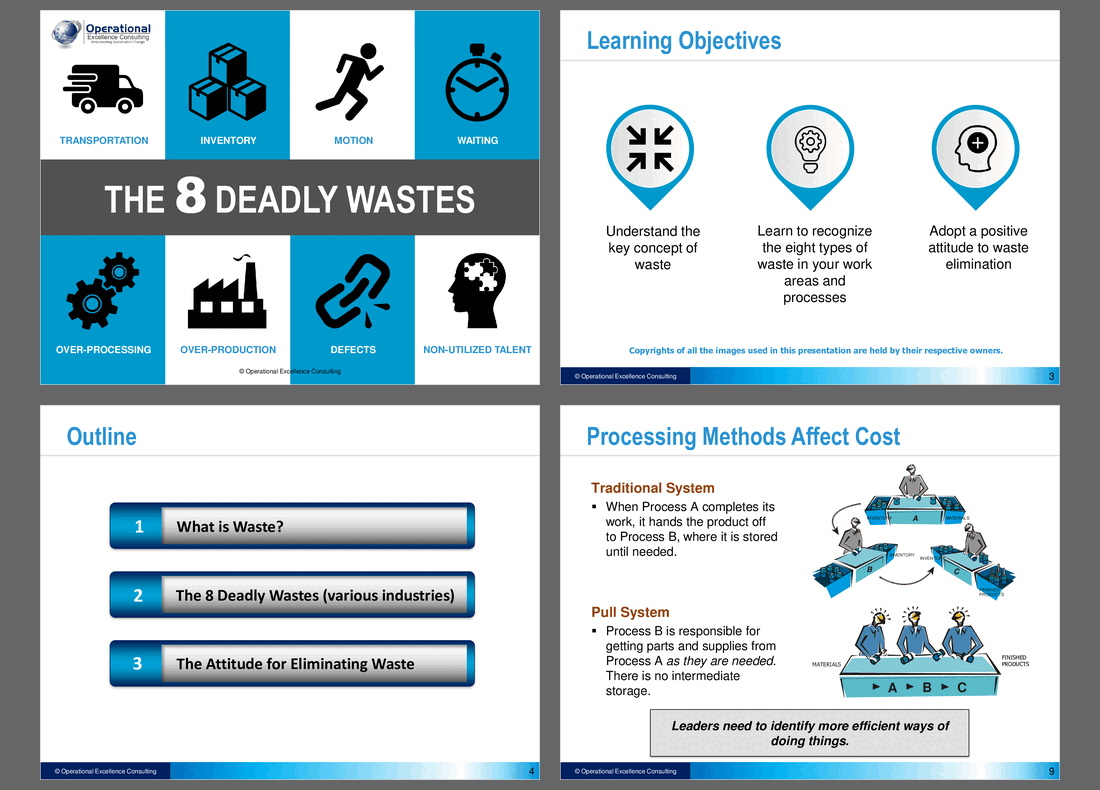
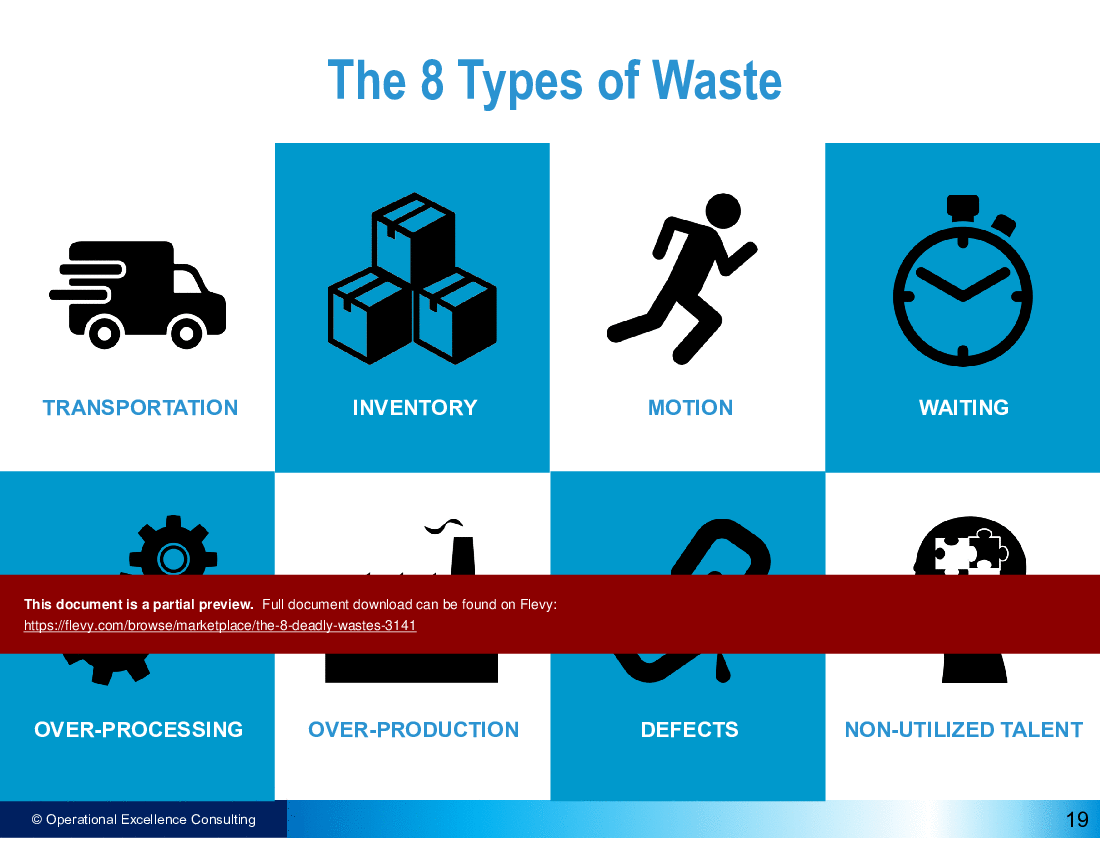
In our work environment, the eight types of waste are everywhere: Over-production, Inventory, Waiting, Transportation, Motion, Over-processing, Defects, and Non-utilized Talent.
Included in this presentation is a collection of specific examples of the eight wastes of Lean from seven industries. They include: Manufacturing, Product Development, Healthcare, Financial Services, IT Services, Government (Public Sector) and Office (Administrative Functions).
This 8 Deadly Lean Wastes PPT training presentation can easily be integrated with your own Lean training materials focusing on waste analysis, elimination and prevention techniques such as 5S principles, Kaizen, Standardization, Value Stream Mapping, PDCA Problem Solving, TPM, etc. to create a comprehensive Lean training program for your organization.
||||||||||||||||||||||||||||||||||||||||||||||||||||||||||||||||||||||||||||||||||||||||||||||||||||||||||||||||||||||||||||||||||||||||||||||||||||||
This training package includes:
1. The 8 Deadly Lean Wastes PPT training presentation (PowerPoint format)
2. Eight Wastes of Lean poster (PDF format, in color and monochrome, printable in A3 size)
||||||||||||||||||||||||||||||||||||||||||||||||||||||||||||||||||||||||||||||||||||||||||||||||||||||||||||||||||||||||||||||||||||||||||||||||||||||
LEARNING OBJECTIVES
1. Understand the key concept of waste.
2. Learn to recognize the eight types of waste in your work areas and processes.
3. Adopt a positive attitude to waste elimination.
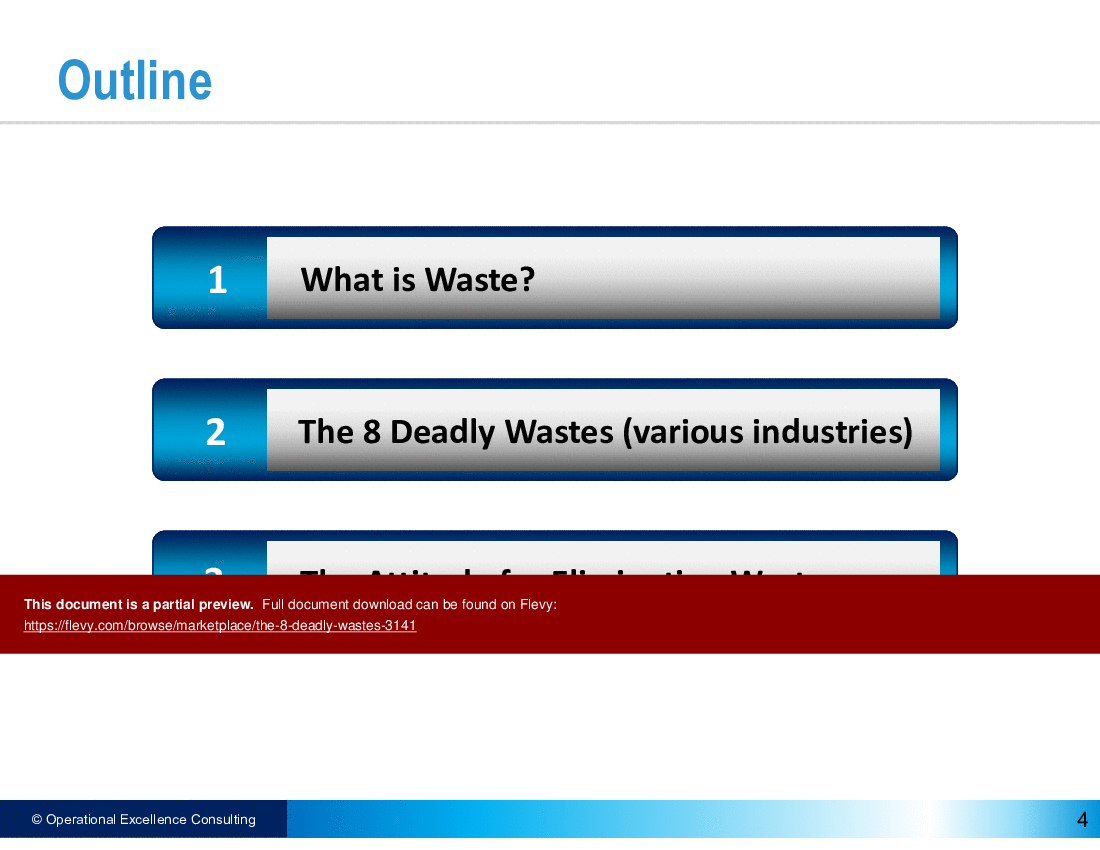
CONTENTS
1. What is Waste?
• Introduction to the 8 Deadly Wastes
• 5 Ways to Increase Production
• Processing Methods Affect Cost
• Work versus Waste
• What is Value?
• What is Value-added?
• What is Waste?
• Definition of Waste
• How Does Waste Take Root?
• Waste Take Root When We Accept Stopgap Improvement
• Benefits of Identifying & Eliminating Waste
The 8 Types of Lean Waste
2. The 8 Deadly Lean Wastes (organized by industries)
• Waste of Over-production
• Waste of Inventory
• Waste of Waiting
• Waste of Transportation
• Waste of Motion
• Waste of Over-processing
• Waste of Defects
• Waste of Non-utilized Talent
3. The Attitude for Eliminating Wastes
• Adopting the Necessary Attitude
• The10 Principles for Improvement (based on Masaaki Imai)
This presentation provides a detailed breakdown of waste types specific to different industries, making it highly relevant for diverse business environments. The visual aids and examples included will help your team quickly identify and address inefficiencies.
Got a question about the product? Email us at support@flevy.com or ask the author directly by using the "Ask the Author a Question" form. If you cannot view the preview above this document description, go here to view the large preview instead.
Executive Summary
The "Eight Deadly Lean Wastes" presentation is an essential resource for organizations aiming to enhance operational efficiency through Lean methodologies. Developed by a Certified Lean Six Sigma Black Belt with extensive experience at Microsoft, IBM, and Panasonic, this presentation provides a structured approach to identifying and eliminating the eight types of waste (muda) that hinder productivity. By utilizing practical examples from various industries, including manufacturing, healthcare, and IT services, this deck equips teams with the knowledge to implement Lean tools such as Value Stream Mapping, 5S, and Kaizen effectively.
Who This Is For and When to Use
• Lean practitioners and consultants focused on operational excellence
• Team leaders and managers in manufacturing, healthcare, IT, and financial services
• Continuous improvement teams looking to enhance process efficiency
• Training facilitators conducting workshops on Lean methodologies
Best-fit moments to use this deck:
• During Lean training sessions to introduce the concept of waste
• As a reference for teams conducting waste identification workshops
• When implementing Lean initiatives across various departments
Learning Objectives
• Define the concept of waste in operational contexts
• Identify the eight types of waste present in processes
• Recognize the importance of a positive attitude towards waste elimination
• Apply Lean tools to streamline operations and enhance productivity
• Develop strategies for continuous improvement in work areas
• Foster a culture of accountability and engagement among team members
Table of Contents
• Introduction to Waste (page 5)
• The Eight Deadly Wastes (page 19)
• Benefits of Identifying and Eliminating Waste (page 18)
• Lean Waste in Various Industries (page 23)
• Activity: Identify Waste (page 92)
• Activity: Eliminate Waste (page 93)
• The Attitude for Eliminating Waste (page 96)
Primary Topics Covered
• Definition of Waste - Waste is defined as any activity that adds cost or time without adding value, necessitating elimination or simplification.
• The Eight Types of Waste - The presentation outlines the eight types of waste: Transportation, Inventory, Motion, Waiting, Over-Processing, Over-Production, Defects, and Non-Utilized Talent.
• Lean Tools and Techniques - Various Lean tools such as Value Stream Mapping and 5S are introduced to help identify and eliminate waste effectively.
• Industry-Specific Examples - Real-world examples from manufacturing, healthcare, IT, and financial services illustrate the application of Lean principles across different sectors.
• Cultural Shift Towards Waste Elimination - Emphasizes the need for a cultural change within organizations to recognize and address waste proactively.
• Continuous Improvement Framework - Encourages ongoing evaluation and improvement of processes to sustain operational excellence.
Deliverables, Templates, and Tools
• Waste identification worksheets for team workshops
• Lean assessment templates for evaluating current processes
• Guidelines for implementing Lean tools like Value Stream Mapping and 5S
• Case studies showcasing successful waste elimination initiatives
• Action plans for continuous improvement based on identified wastes
Slide Highlights
• Overview of the eight types of waste with visual representations
• Real-world examples of waste in various industries
• Interactive activities designed to engage participants in waste identification
• Quotes from Lean thought leaders emphasizing the importance of waste elimination
• Frameworks for fostering a culture of continuous improvement
Potential Workshop Agenda
Introduction to Lean Principles (60 minutes)
• Overview of Lean methodologies and the importance of waste elimination
• Discussion on the eight types of waste and their impact on operations
Waste Identification Activity (90 minutes)
• Group activity to identify specific wastes in participants' work areas
• Presentation of findings and group discussion on potential solutions
Strategies for Waste Elimination (60 minutes)
• Introduction to Lean tools and techniques for waste reduction
• Development of action plans for implementing changes
Customization Guidance
• Adjust examples and case studies to reflect the specific industry context of the audience
• Incorporate organization-specific metrics and terminology in discussions
• Tailor activities to focus on the most relevant types of waste for the organization
Secondary Topics Covered
• The role of leadership in fostering a Lean culture
• Techniques for engaging employees in waste elimination efforts
• Metrics for measuring the impact of Lean initiatives
• Challenges and common pitfalls in implementing Lean practices
FAQ
What are the eight types of waste?
The eight types of waste are Transportation, Inventory, Motion, Waiting, Over-Processing, Over-Production, Defects, and Non-Utilized Talent.
How can this presentation be used in training?
This presentation can serve as a foundational resource for Lean training sessions, providing both theoretical knowledge and practical examples.
What industries can benefit from this training?
Industries such as manufacturing, healthcare, IT services, financial services, and government can all benefit from understanding and applying Lean principles.
How does waste affect operational efficiency?
Waste increases costs and reduces productivity, leading to inefficiencies that can hinder an organization's overall performance.
What tools are recommended for waste elimination?
Tools such as Value Stream Mapping, 5S, and Kaizen are effective in identifying and eliminating waste in processes.
How can I engage my team in waste identification?
Facilitating interactive workshops and group activities can encourage team members to actively participate in identifying and addressing waste.
What is the importance of a positive attitude towards waste elimination?
A positive attitude fosters a culture of continuous improvement, encouraging employees to proactively seek out and eliminate waste.
Can this presentation be customized for my organization?
Yes, the presentation can be tailored to include organization-specific examples, metrics, and terminology.
Glossary
• Lean - A methodology focused on minimizing waste while maximizing value.
• Muda - A Japanese term for waste, referring to any activity that does not add value.
• Value Stream Mapping - A Lean tool used to visualize and analyze the flow of materials and information.
• 5S - A Lean methodology for organizing and standardizing the workplace.
• Kaizen - A continuous improvement approach that encourages all employees to contribute to process enhancement.
• Defects - Products or services that do not meet quality standards.
• Over-Production - Producing more than what is needed by the customer.
• Waiting - Time spent by people or processes that do not add value.
• Non-Utilized Talent - Failure to leverage employees' skills and knowledge effectively.
• Transportation - Unnecessary movement of materials or information.
• Inventory - Excess materials or products that are not being processed.
• Motion - Unnecessary movement of people or equipment.
• Over-Processing - Performing more work than is necessary to meet customer requirements.
Source: Best Practices in Waste Identification PowerPoint Slides: Eight Deadly Lean Wastes PowerPoint (PPTX) Presentation Slide Deck, Operational Excellence Consulting
|
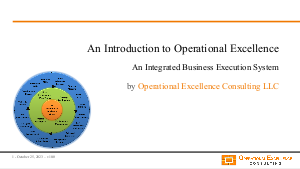
Receive our FREE presentation on Operational Excellence
This 50-slide presentation provides a high-level introduction to the 4 Building Blocks of Operational Excellence. Achieving OpEx requires the implementation of a Business Execution System that integrates these 4 building blocks. |