
Introduction:
In the wake of the COVID-19 pandemic, the landscape of strategic planning has been forever altered. This document offers a simplified and practical approach to grasp the core concepts, processes, and implementation strategies of strategic planning, tailored to the evolving post-pandemic era.
1. Setting the Strategic Planning Stage:
• The Imperative for Change: Recognizing the need for a new strategic planning cycle post-COVID.
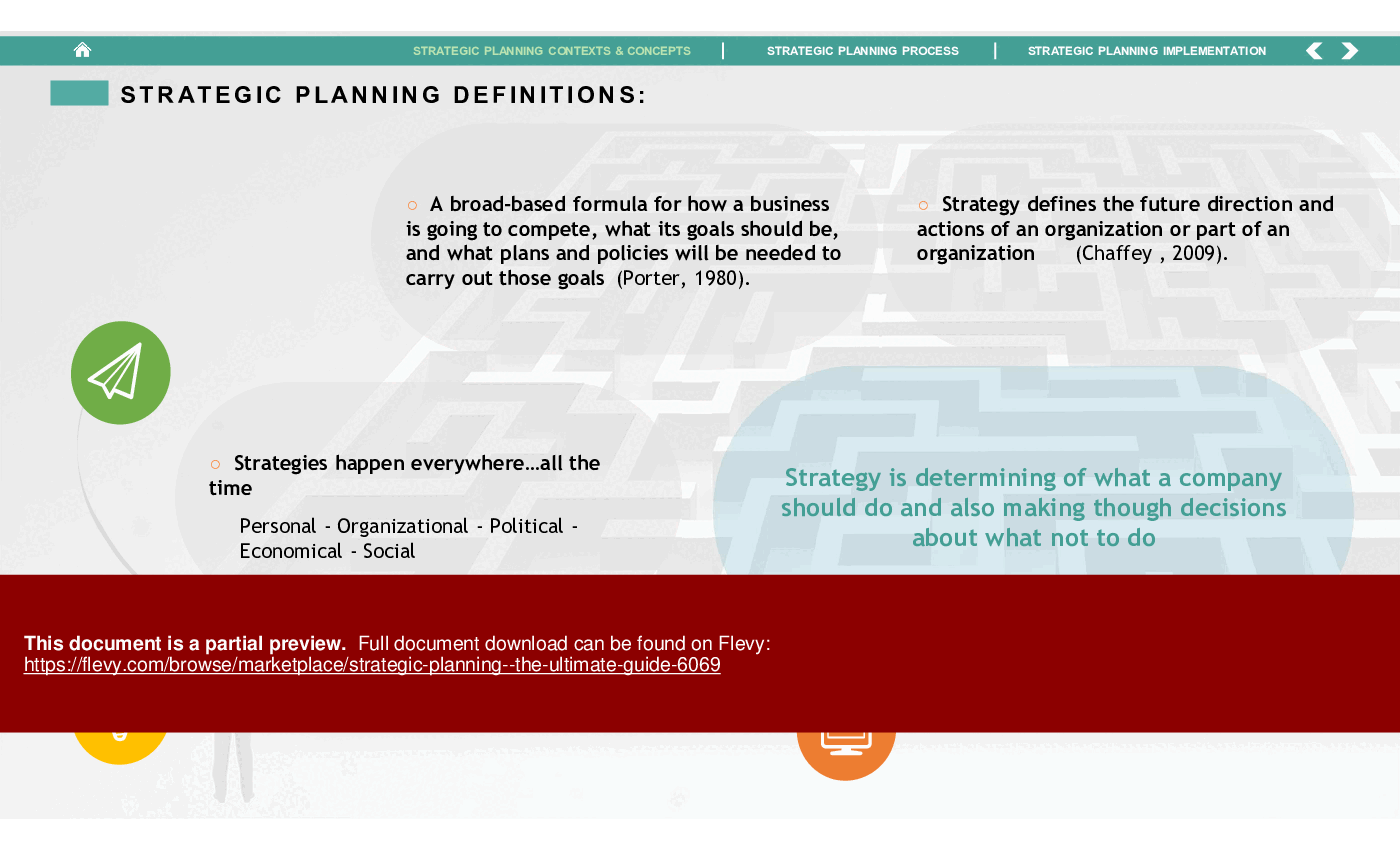
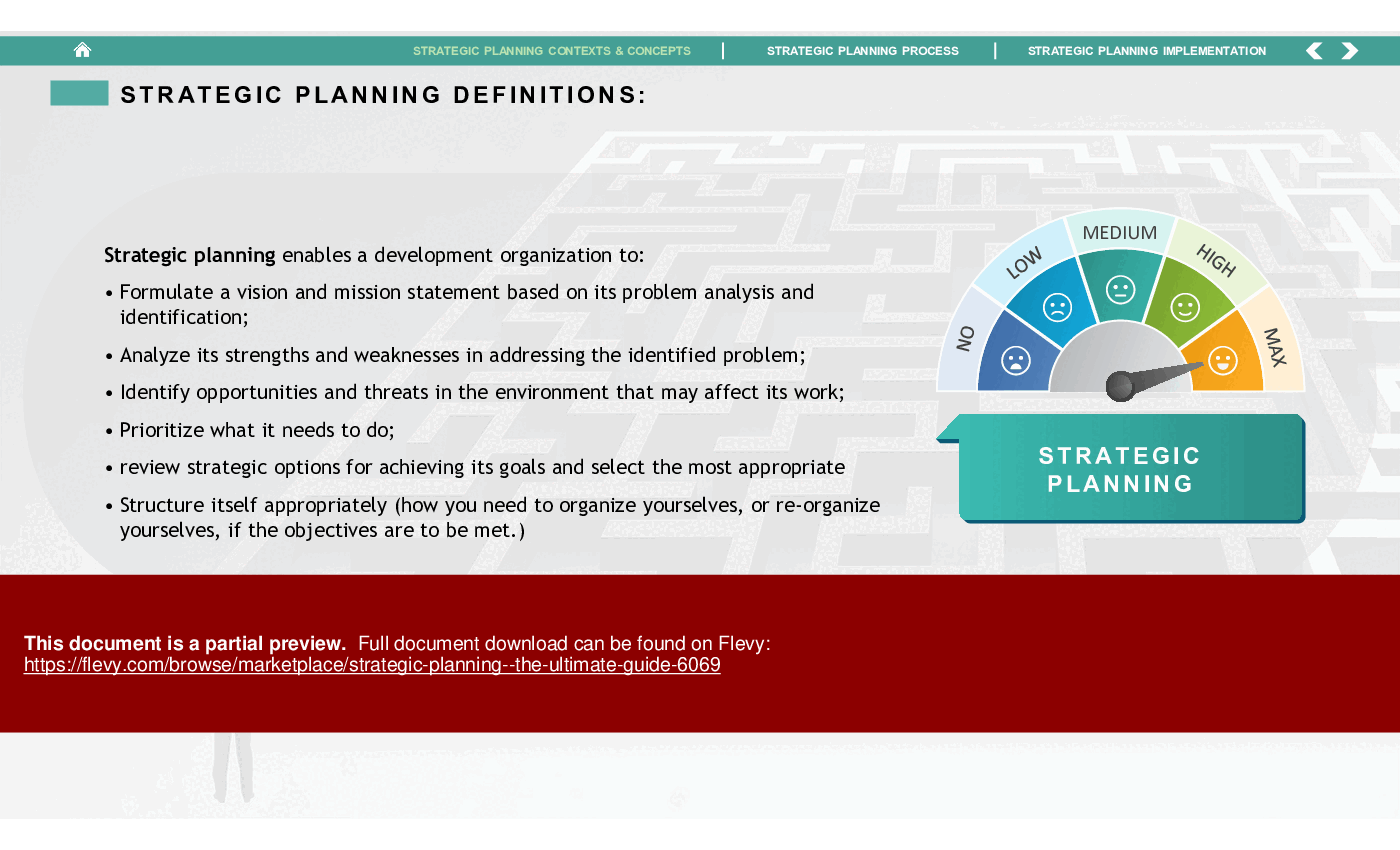
• Understanding Strategic Planning: Grasping the fundamental concepts that underpin strategic planning.
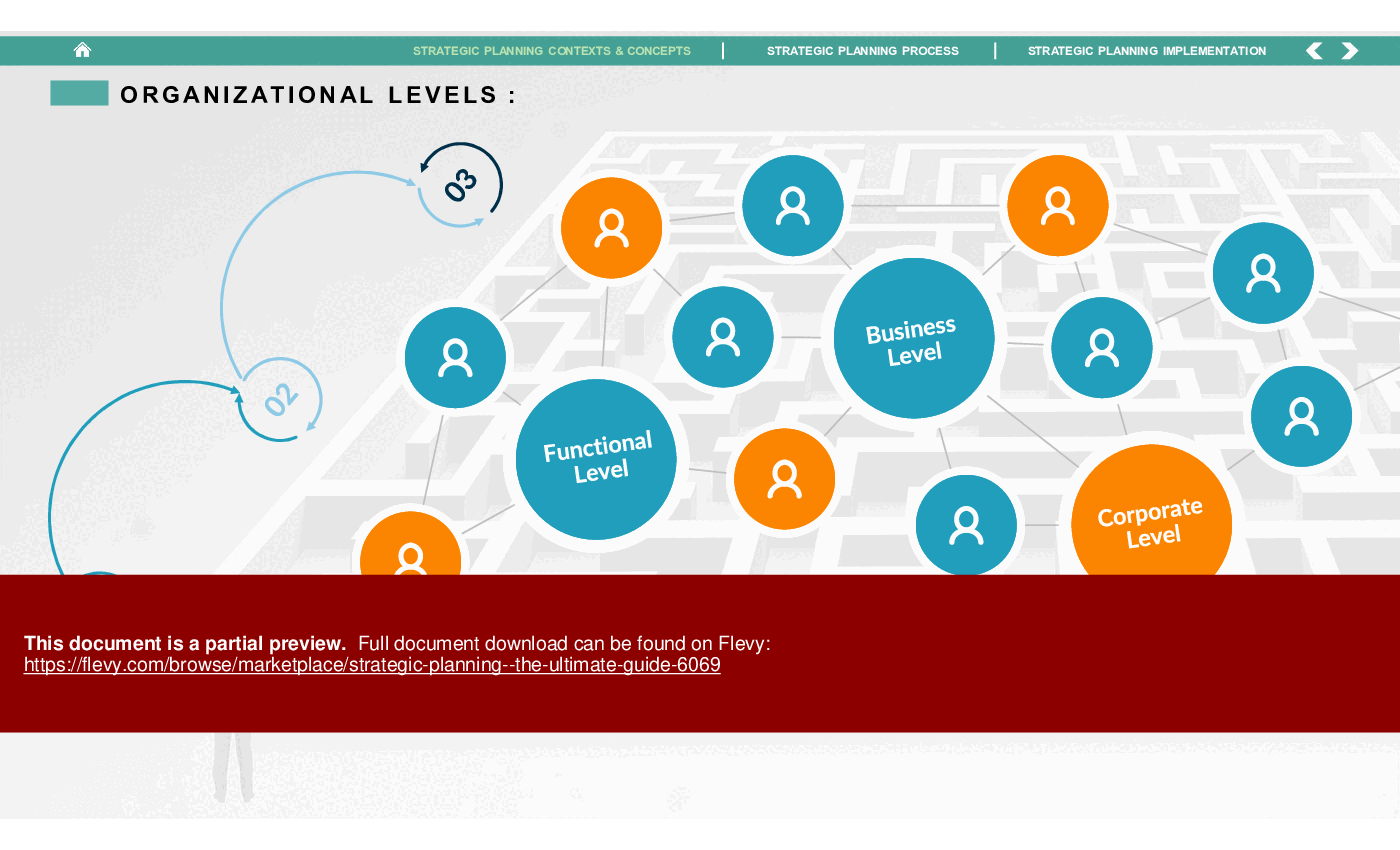
• Levels of Strategy: Exploring how strategy operates at various organizational levels.
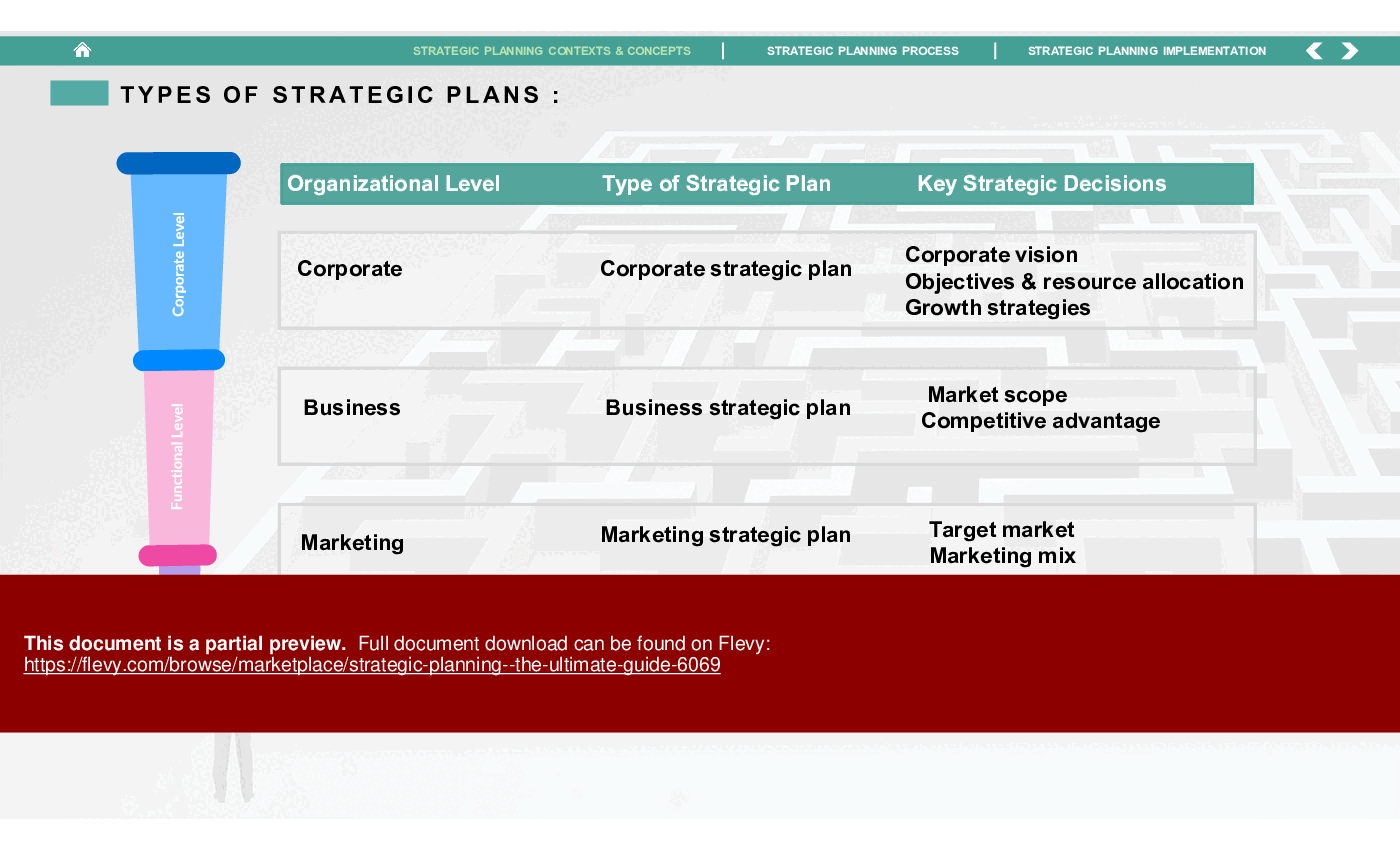
• Types of Strategic Plans: Differentiating between organizational strategic plans.
• Traditional vs. Streamlined Models: Contrasting traditional and contemporary strategic planning approaches.
• The Strategy Roadmap: Mapping out the path from ideation to execution.
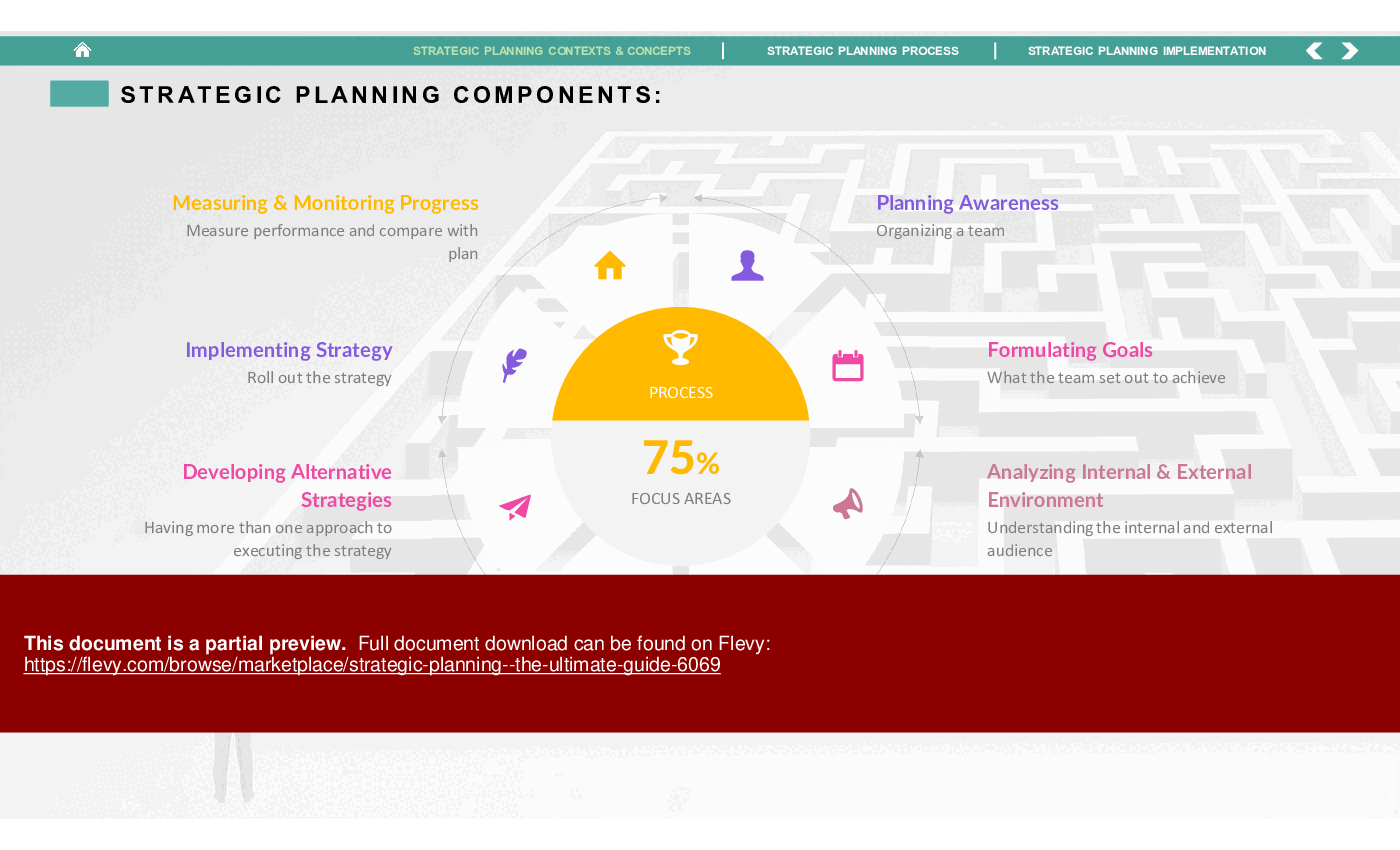
• Anatomy of Strategic Planning: Breaking down the components and elements of strategic planning.
• Defining Strategic Goals: Focusing on what the strategy aims to address.
2. Navigating the Strategic Planning Process:
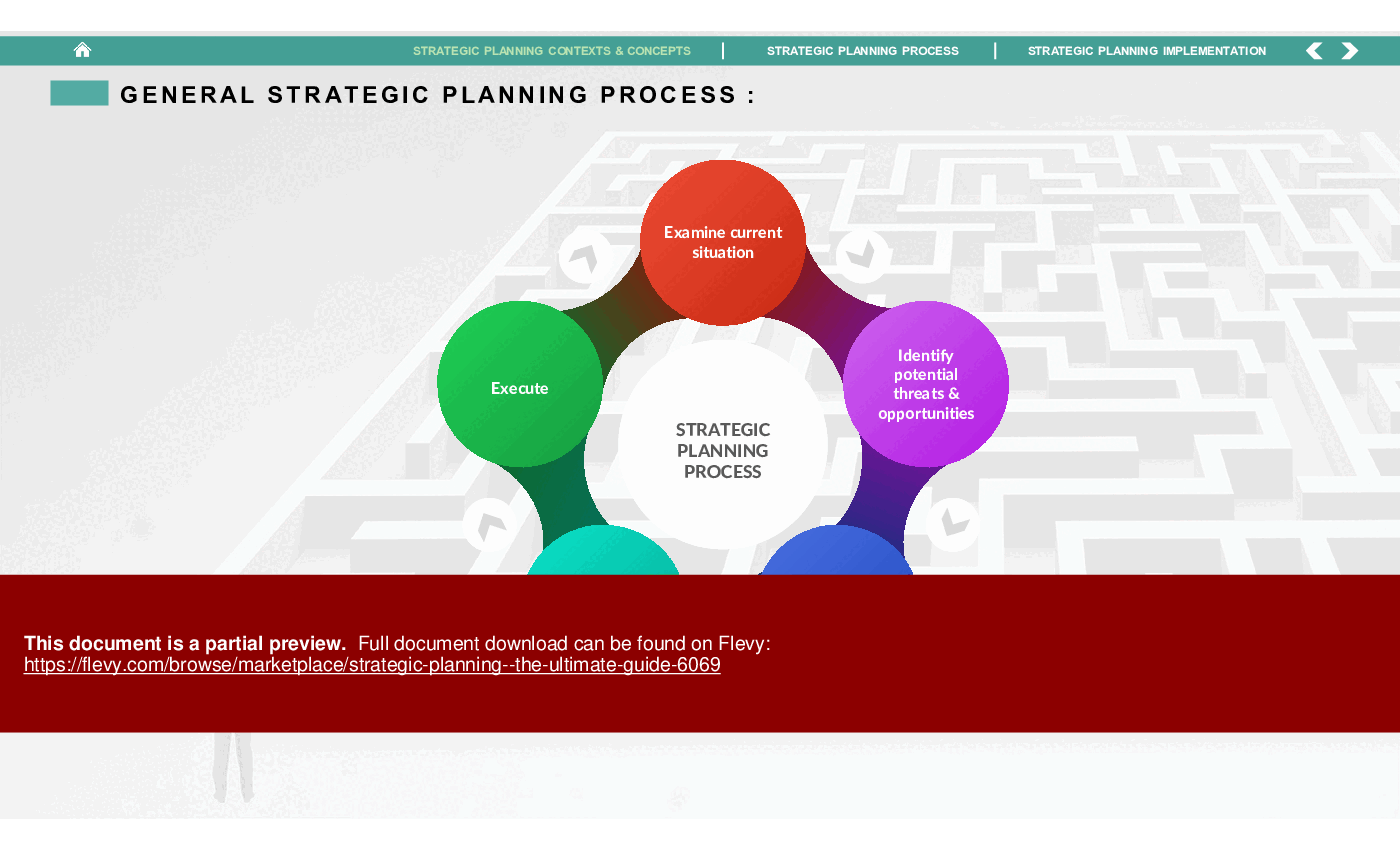
• Four Crucial Steps: Embarking on the journey of strategic planning.
• Strategic Assessment: Evaluating the mission, vision, context, and environmental factors.
• Setting Strategic Goals: Incorporating sustainability considerations into goal-setting.
• Factors for Success: Identifying critical success factors, barriers, risks, and enablers.
• Defining Activities and Initiatives: Crafting high-level action plans.
• Analyzing the Landscape: Conducting PESTEL and SWOT analyses for informed decision-making.
3. Executing the Strategic Plan: Implementation Strategies:
• Turning Strategy into Action: Mastering the art of strategy implementation.
• Key Implementation Questions: Addressing pivotal questions in the implementation process.
• Resources and Competencies: Leveraging the necessary assets for effective implementation.
• Seven Implementation Actions: Outlining essential steps to execute the strategy.
• Tactical and Operational Planning: Translating strategy into actionable plans.
• Tool Guides for Implementation: Harnessing tools to guide strategic execution.
• Mapping Strategy to Outcomes: Navigating from mission to objectives and portfolio management.
• McKinsey 7S Framework: Applying a powerful framework for organizational alignment.
• Balanced Scorecard: Measuring performance and aligning with strategic goals.
This document serves as a compass in the new era of strategic planning, enabling organizations to adapt, thrive, and strategically navigate the post-COVID landscape. It offers a practical guide enriched with templates and graphics to facilitate comprehensive understanding and implementation of strategic planning concepts.
Got a question about the product? Email us at support@flevy.com or ask the author directly by using the "Ask the Author a Question" form. If you cannot view the preview above this document description, go here to view the large preview instead.
Executive Summary
The "Strategic Planning - The Ultimate Guide" presentation provides a comprehensive framework for organizations aiming to enhance their strategic planning processes. Developed by experts with extensive consulting backgrounds, this guide equips corporate executives and integration leaders with essential tools and methodologies to navigate the complexities of strategic planning. It covers critical aspects such as defining organizational goals, assessing internal and external environments, and implementing actionable strategies. By utilizing frameworks like PESTEL and SWOT, users will be able to create effective strategic plans that align with their mission and vision, ensuring maximum impact and resource efficiency.
Who This Is For and When to Use
• Corporate executives responsible for strategic direction and organizational alignment
• Integration leaders managing cross-functional teams during strategic initiatives
• Business analysts conducting environmental assessments and strategic evaluations
• Project managers overseeing the execution of strategic plans and initiatives
Best-fit moments to use this deck:
• During annual strategic planning sessions to define organizational goals
• When assessing the impact of external factors on strategic initiatives
• In workshops aimed at building consensus around strategic priorities
• For training sessions on strategic frameworks and methodologies
Learning Objectives
• Define the core components of a strategic plan and their significance
• Analyze internal strengths and weaknesses alongside external opportunities and threats
• Develop actionable strategies aligned with organizational goals and objectives
• Implement a structured approach to measuring and monitoring strategic progress
• Foster stakeholder engagement and consensus around strategic initiatives
• Utilize frameworks such as PESTEL and SWOT for comprehensive environmental analysis
Table of Contents
• Introduction to Strategic Planning (page 2)
• Context and Concepts (page 3)
• Strategic Planning Process (page 5)
• Implementation Strategies (page 10)
• Frameworks and Tools (page 15)
• Measuring Success (page 20)
• Conclusion and Next Steps (page 25)
Primary Topics Covered
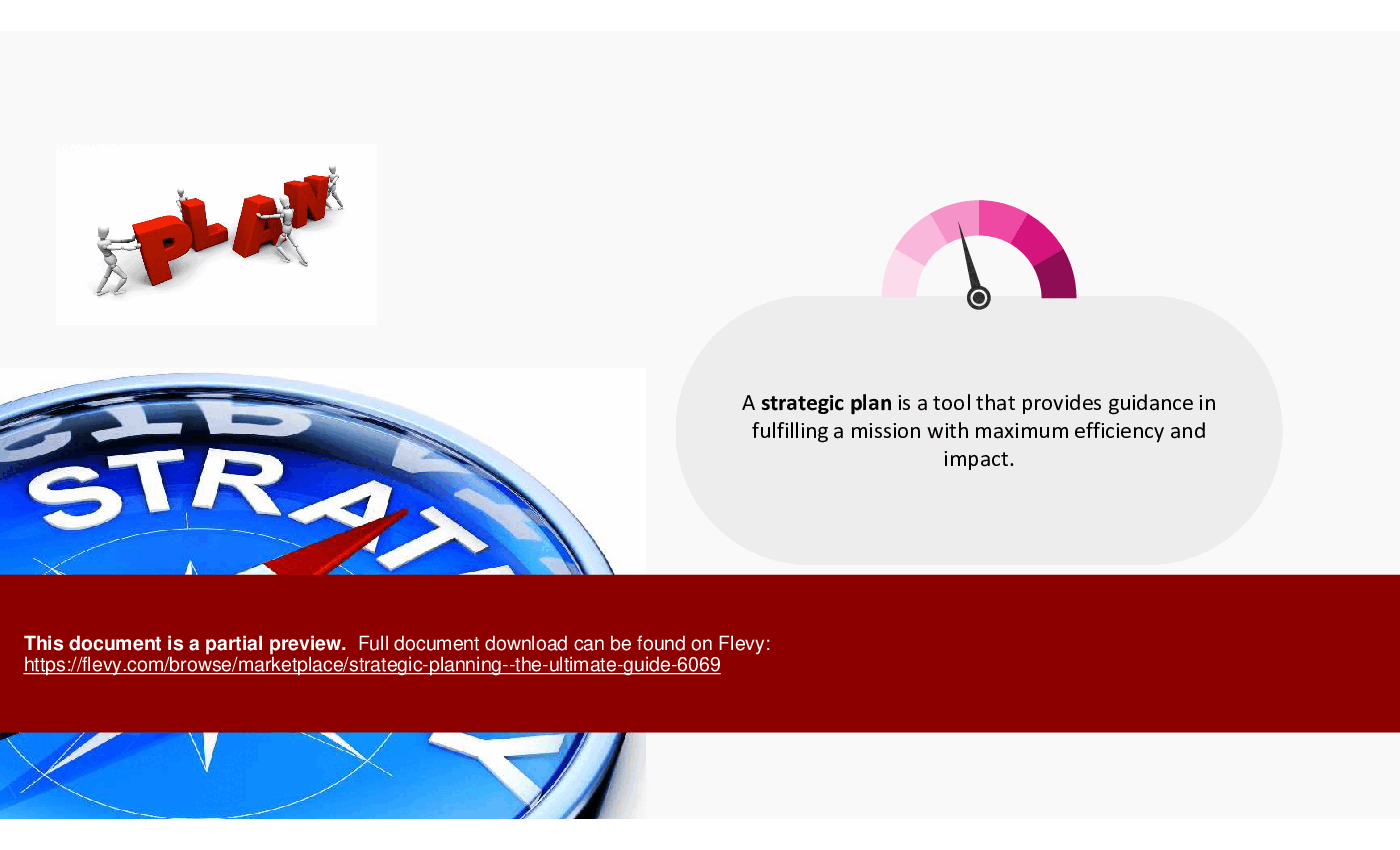
• Strategic Planning Definition - A strategic plan serves as a guiding tool for organizations to fulfill their mission efficiently and effectively.
• Goals-Based Planning - This approach emphasizes the alignment of organizational goals with its mission, vision, and values.
• Environmental Analysis - Assessing internal and external factors that influence strategic direction, utilizing frameworks like PESTEL and SWOT.
• Implementation Framework - Outlining the necessary steps and resources for executing strategic initiatives successfully.
• Stakeholder Engagement - Strategies for involving key stakeholders in the planning and implementation processes to ensure buy-in and support.
• Performance Measurement - Establishing metrics and KPIs to track progress and evaluate the success of strategic initiatives.
Deliverables, Templates, and Tools
• Strategic planning framework template for defining mission, vision, and values
• PESTEL analysis template for environmental scanning
• SWOT analysis template for identifying strengths, weaknesses, opportunities, and threats
• Implementation roadmap template outlining key initiatives and timelines
• Performance measurement dashboard for tracking KPIs and strategic outcomes
• Stakeholder engagement plan template to facilitate communication and collaboration
Slide Highlights
• Overview of the strategic planning process, emphasizing the importance of alignment with organizational goals
• Visual representation of the PESTEL framework for analyzing external factors
• Step-by-step guide for conducting a SWOT analysis
• Implementation timeline showcasing critical milestones and deliverables
• Performance measurement framework illustrating key metrics for success
Potential Workshop Agenda
Strategic Planning Overview (60 minutes)
• Introduction to strategic planning concepts and frameworks
• Discussion on the importance of aligning strategy with organizational goals
• Overview of the strategic planning process
Environmental Analysis Workshop (90 minutes)
• Conducting PESTEL and SWOT analyses in breakout groups
• Sharing insights and identifying key opportunities and threats
• Developing action plans based on analysis outcomes
Implementation Strategies Session (60 minutes)
• Outlining the steps for effective strategy execution
• Discussing resource allocation and stakeholder engagement
• Establishing performance metrics and monitoring plans
Customization Guidance
• Tailor the strategic planning framework to align with your organization's specific mission and vision
• Adjust the PESTEL and SWOT templates to reflect industry-specific factors and challenges
• Modify the implementation roadmap to include relevant timelines and resource allocations for your organization
• Adapt performance measurement metrics to suit your strategic objectives and desired outcomes
Secondary Topics Covered
• The role of leadership in strategic planning and execution
• Techniques for fostering a culture of strategic thinking within organizations
• Best practices for communicating strategic plans to stakeholders
• The impact of external trends on strategic decision-making
• Methods for continuous improvement in strategic planning processes
Topic FAQ
Source: Best Practices in Strategic Planning PowerPoint Slides: Strategic Planning - The Ultimate Guide PowerPoint (PPTX) Presentation Slide Deck, RadVector Consulting
|
Download our FREE Strategy & Transformation Framework Templates
Download our free compilation of 50+ Strategy & Transformation slides and templates. Frameworks include McKinsey 7-S, Balanced Scorecard, Disruptive Innovation, BCG Curve, and many more. |










