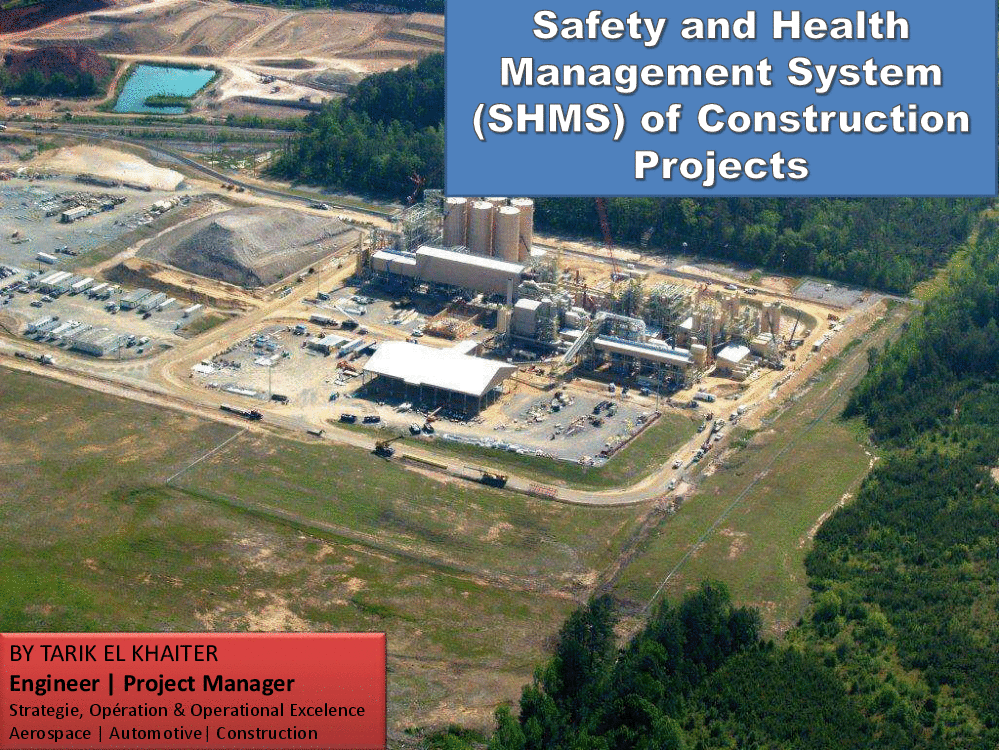
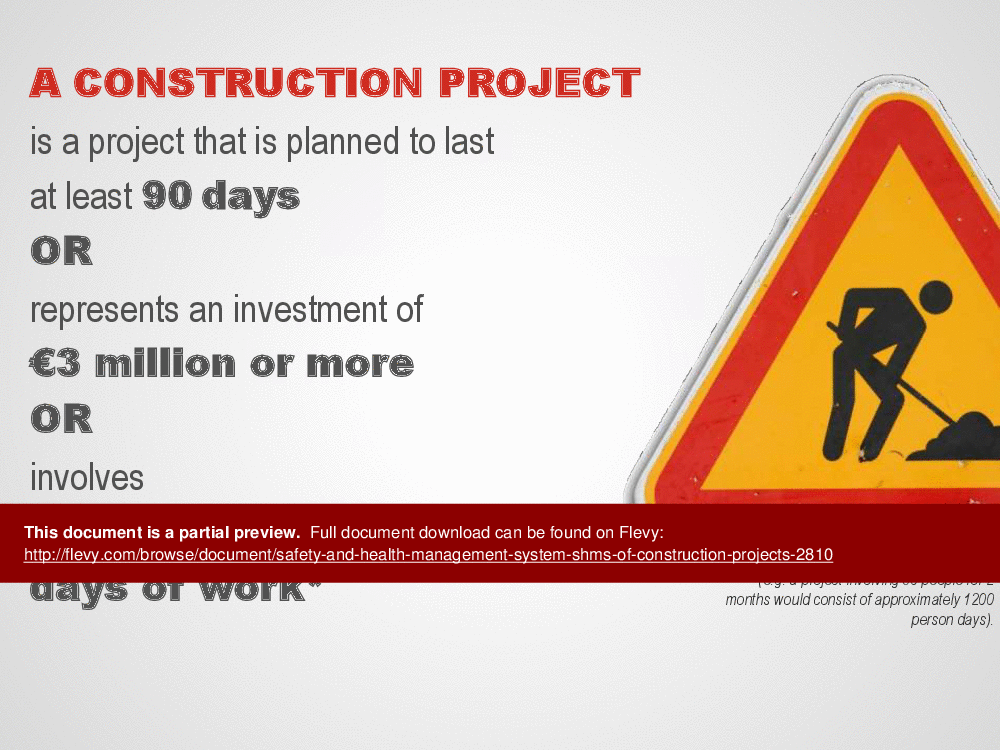

The construction industry in the world is considered to be one of the most dangerous industries, claiming each year the lives of many workers. The purpose of this document is to assess the existence and extent of application of safety practices by contractors, management commitment to safety, implementation challenges and opportunities for enhancing safe practices.
This document includes a powerful methodology that allows each company to tailor their own system and formulate safety procedures and rules applicable to their own work operations and work environments.
Workplace injuries are preventable. A SHMS is your best defense against workplace injuries.
An effective SHMS should have these key elements:
? Management Commitment and Planning
? Employee Involvement
? Worksite Analysis
? Hazard Prevention and Control
? Safety and Health Training
This systematic approach integrates occupational safety and health objectives into the company's organizational structure.
Got a question about the product? Email us at support@flevy.com or ask the author directly by using the "Ask the Author a Question" form. If you cannot view the preview above this document description, go here to view the large preview instead.
Executive Summary
The Safety and Health Management System (SHMS) presentation for construction projects provides a structured framework to ensure safety and health compliance on job sites. This customizable PowerPoint template equips project managers and safety officers with essential tools for hazard control, contractor management, and training. By implementing this SHMS, organizations can enhance their safety protocols, ensuring a minimum level of safety across all construction activities.
Who This Is For and When to Use
• Project Managers overseeing construction projects
• Safety Officers responsible for health and safety compliance
• Contractors and subcontractors engaged in construction activities
• HSE (Health, Safety, and Environment) teams involved in risk management
Best-fit moments to use this deck:
• During project planning phases to establish safety protocols
• For contractor selection and management meetings
• When conducting safety training and induction sessions
• At regular safety audits and inspections
Learning Objectives
• Define the components of a Safety and Health Management System (SHMS)
• Develop a comprehensive contractor management plan
• Implement effective training programs for site personnel
• Conduct thorough risk assessments and audits
• Establish clear lines of responsibility within the HSE organization
• Communicate safety protocols effectively across all levels of the project
Table of Contents
• Introduction to SHMS (page 1)
• Definitions and Key Terms (page 3)
• HSE Organization Structure (page 7)
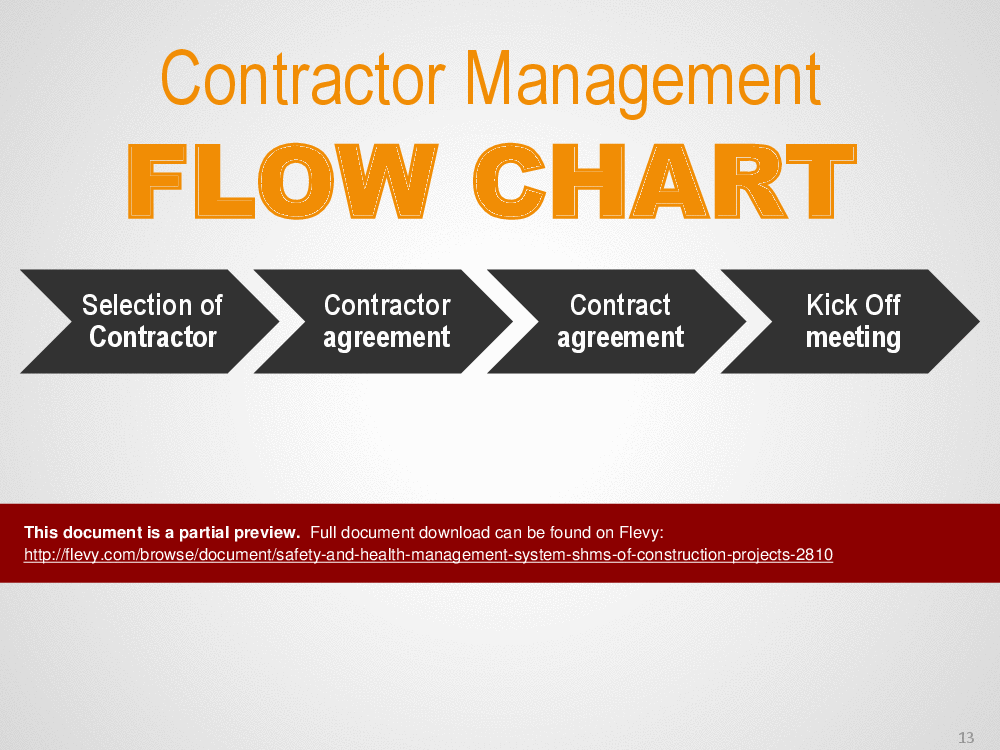
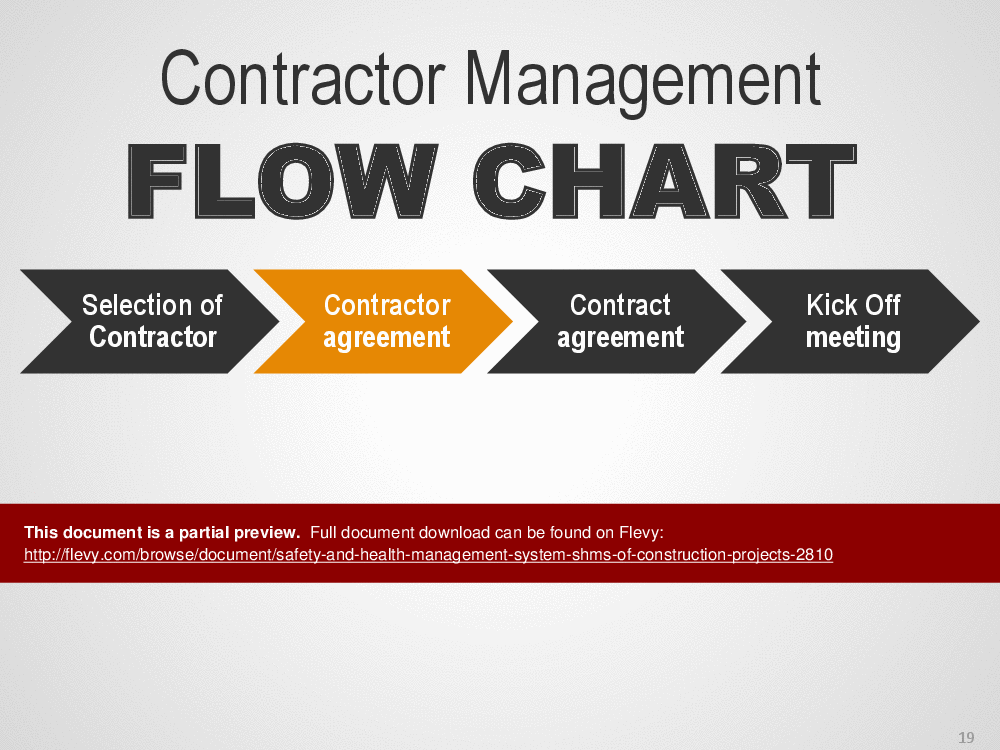
• Contractor Management Process (page 13)
• HSE Management Strategies (page 34)
• Audit Management Procedures (page 89)
• Incident Reporting and Investigation (page 86)
• Training and Induction Requirements (page 57)
Primary Topics Covered
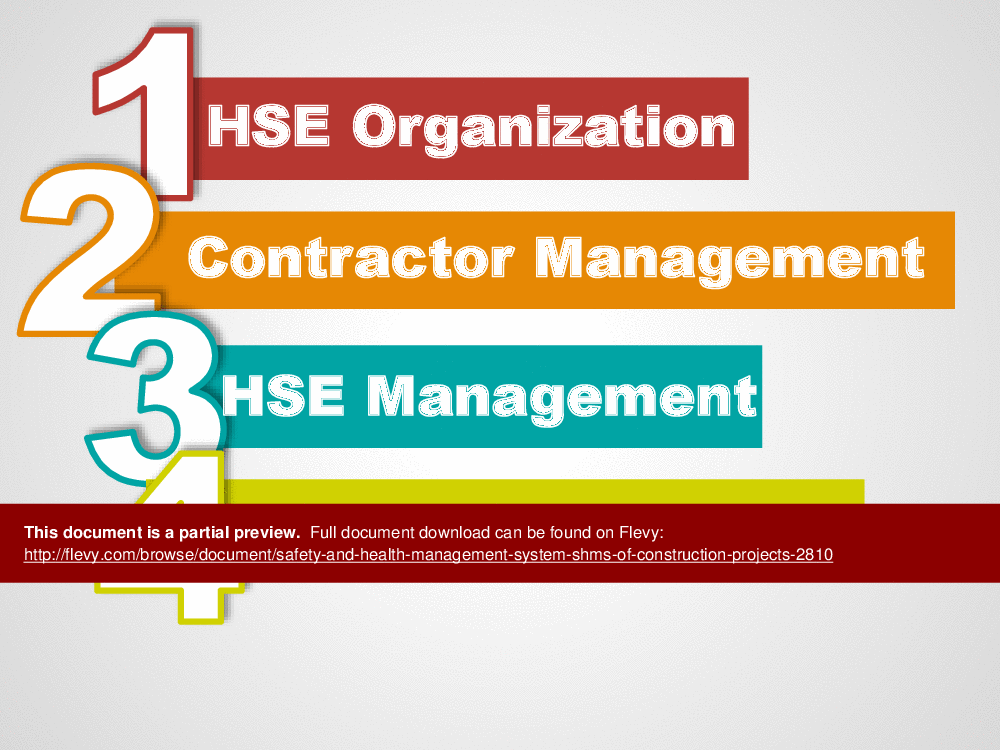
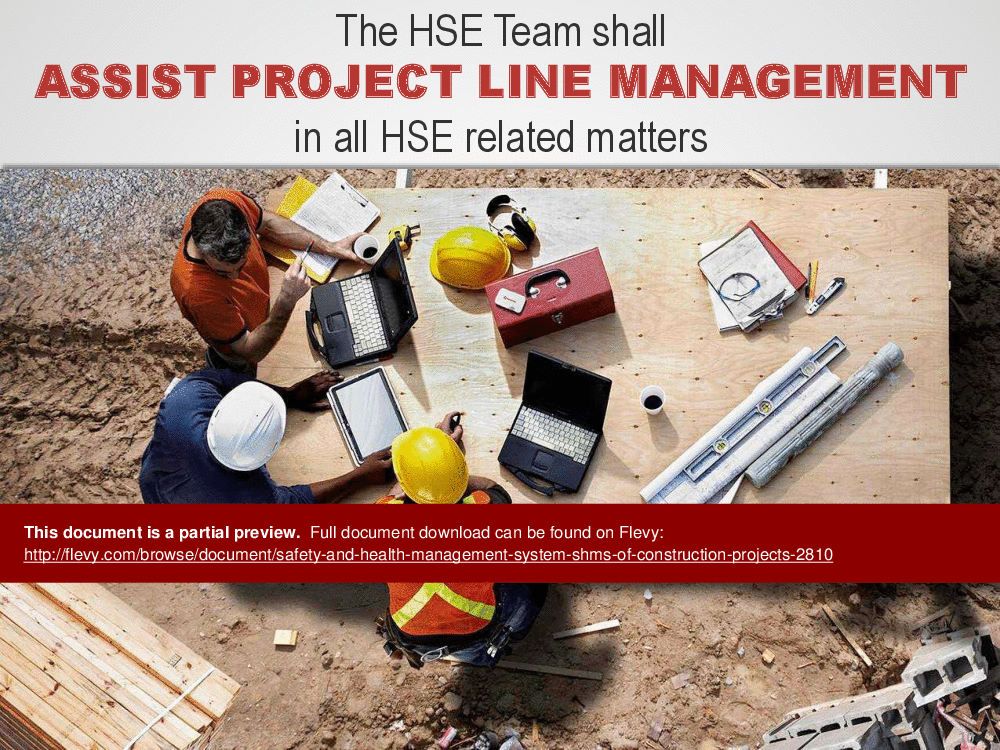
• HSE Organization - Outlines the structure and responsibilities of the HSE team, ensuring clarity in roles and authority.
• Contractor Management - Details the process for selecting and managing contractors, emphasizing competence over cost.
• HSE Management - Describes the strategies for maintaining health and safety standards on construction sites.
• Audit Management - Provides guidelines for conducting regular safety audits and inspections to ensure compliance.
• Incident Reporting - Establishes a systematic approach to reporting and investigating incidents to enhance safety awareness.
• Training Requirements - Specifies the necessary training for personnel to ensure compliance with safety protocols.
Deliverables, Templates, and Tools
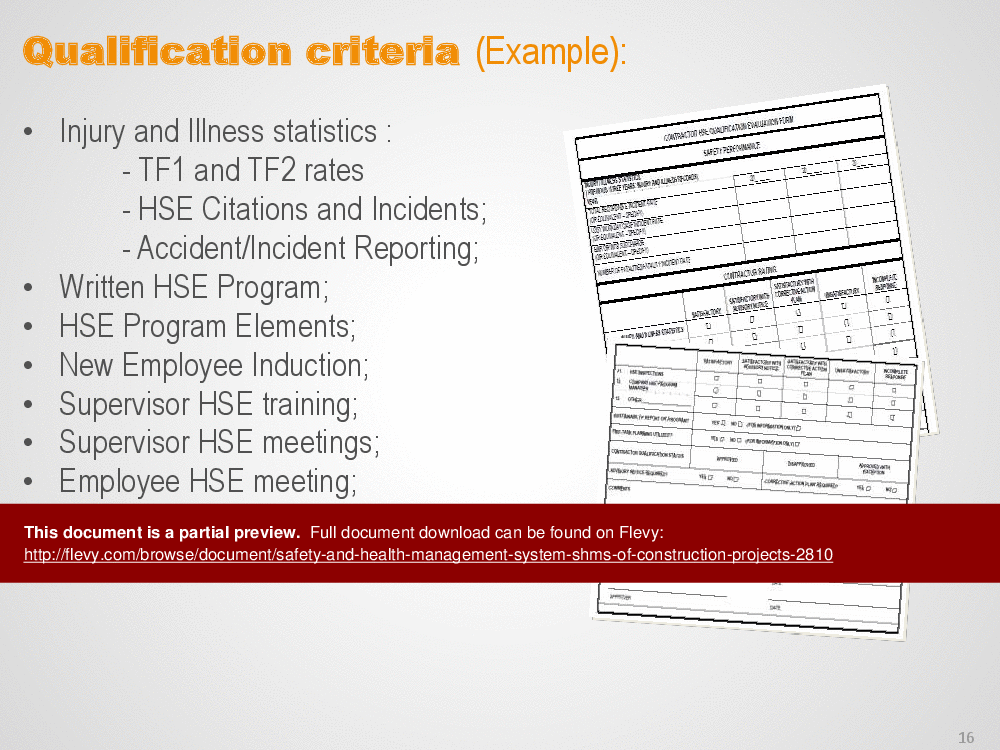
• Contractor selection and evaluation template
• HSE induction training materials
• Risk assessment and incident reporting forms
• Audit checklists for daily and weekly inspections
• Safety meeting agendas and documentation templates
• STARRT (Safety Task Analysis Risk Reduction Talk) cards
Slide Highlights
• Overview of the HSE organization structure and responsibilities
• Flowchart for contractor management processes
• Guidelines for conducting safety audits and inspections
• Summary of training requirements for site personnel
• Incident reporting process and investigation flowchart
Potential Workshop Agenda
HSE Induction Training Session (90 minutes)
• Overview of SHMS and its importance
• Review of site-specific safety protocols
• Discussion of roles and responsibilities
Contractor Management Workshop (60 minutes)
• Criteria for contractor selection
• Best practices for contractor management
• Review of contractor performance metrics
Safety Audit Planning Meeting (120 minutes)
• Establish audit schedules and responsibilities
• Discuss audit criteria and documentation requirements
• Review previous audit findings and corrective actions
Customization Guidance
• Tailor the contractor management process to reflect specific project requirements and local regulations
• Update training materials to include project-specific hazards and safety protocols
• Modify audit checklists to align with organizational standards and compliance requirements
• Adjust incident reporting forms to capture relevant data specific to the project
Secondary Topics Covered
• Emergency response planning
• Waste management procedures
• Personal protective equipment (PPE) requirements
• Health and hygiene practices on site
• Environmental incident reporting
Topic FAQ
Document FAQ
These are questions addressed within this presentation.
What is the purpose of the SHMS?
The SHMS aims to establish a structured approach to managing health and safety on construction sites, ensuring compliance with regulations and minimizing risks.
Who is responsible for implementing the SHMS?
The responsibility lies with project managers, safety officers, and the HSE team, who must work collaboratively to enforce safety protocols.
What training is required for site personnel?
All personnel must undergo induction training covering site-specific safety protocols, emergency procedures, and the use of personal protective equipment.
How often should safety audits be conducted?
A full construction site safety audit should be conducted at least once per month, with daily and weekly inspections as needed.
What should be included in incident reporting?
Incident reports must include a description of the event, immediate countermeasures taken, and an analysis of the causes to prevent future occurrences.
How are contractors selected?
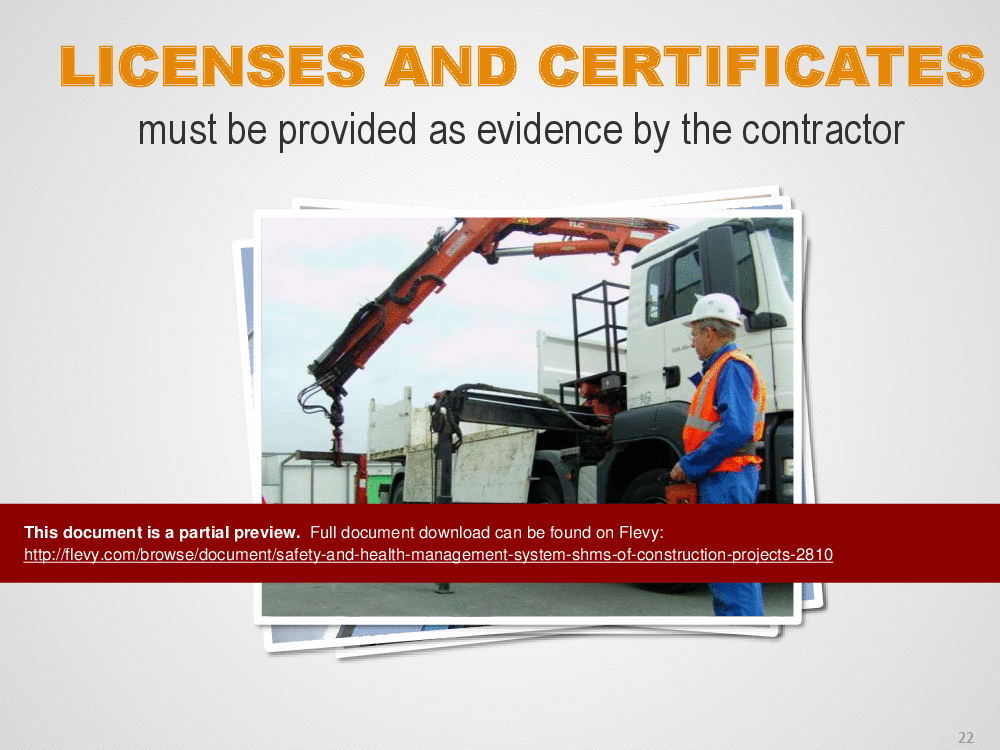
Contractors are selected based on their competence and performance, with a focus on safety certifications and compliance with regulations.
What are the key components of the HSE organization?
The HSE organization includes roles such as HSE managers, inspectors, and coordinators, each with defined responsibilities for safety management.
What is the role of the STARRT card?
The STARRT card is used to conduct daily safety talks, ensuring that all team members are aware of potential hazards before starting work.
Glossary
• HSE - Health, Safety, and Environment
• SHMS - Safety and Health Management System
• PTW - Permit to Work
• PPE - Personal Protective Equipment
• STARRT - Safety Task Analysis Risk Reduction Talk
• Contractor - An external firm engaged to perform work on behalf of the company
• Incident - An event that results in injury or damage
• Audit - A systematic examination of safety practices and compliance
• Risk Assessment - The process of identifying and analyzing potential hazards
• Induction Training - Training provided to new personnel to ensure understanding of safety protocols
• Emergency Plan - A predefined plan for responding to emergencies on site
• Compliance - Adherence to safety regulations and standards
• Training - Instruction provided to personnel to enhance safety awareness and skills
• Inspection - A formal examination of safety practices and conditions on site
• Documentation - Records maintained to track safety compliance and incidents
• Non-compliance - Failure to adhere to established safety standards
• Hazard - A potential source of harm or adverse effect
• Accident - An unplanned event that results in injury or damage
• Safety Culture - The shared values and practices regarding safety within an organization
Source: Best Practices in Construction PowerPoint Slides: Safety & Health Management System (SHMS) of Construction Projects PowerPoint (PPTX) Presentation Slide Deck, TARIK
|
Download our FREE Strategy & Transformation Framework Templates
Download our free compilation of 50+ Strategy & Transformation slides and templates. Frameworks include McKinsey 7-S Strategy Model, Balanced Scorecard, Disruptive Innovation, BCG Experience Curve, and many more. |










